Loading subject page…

1,427 views
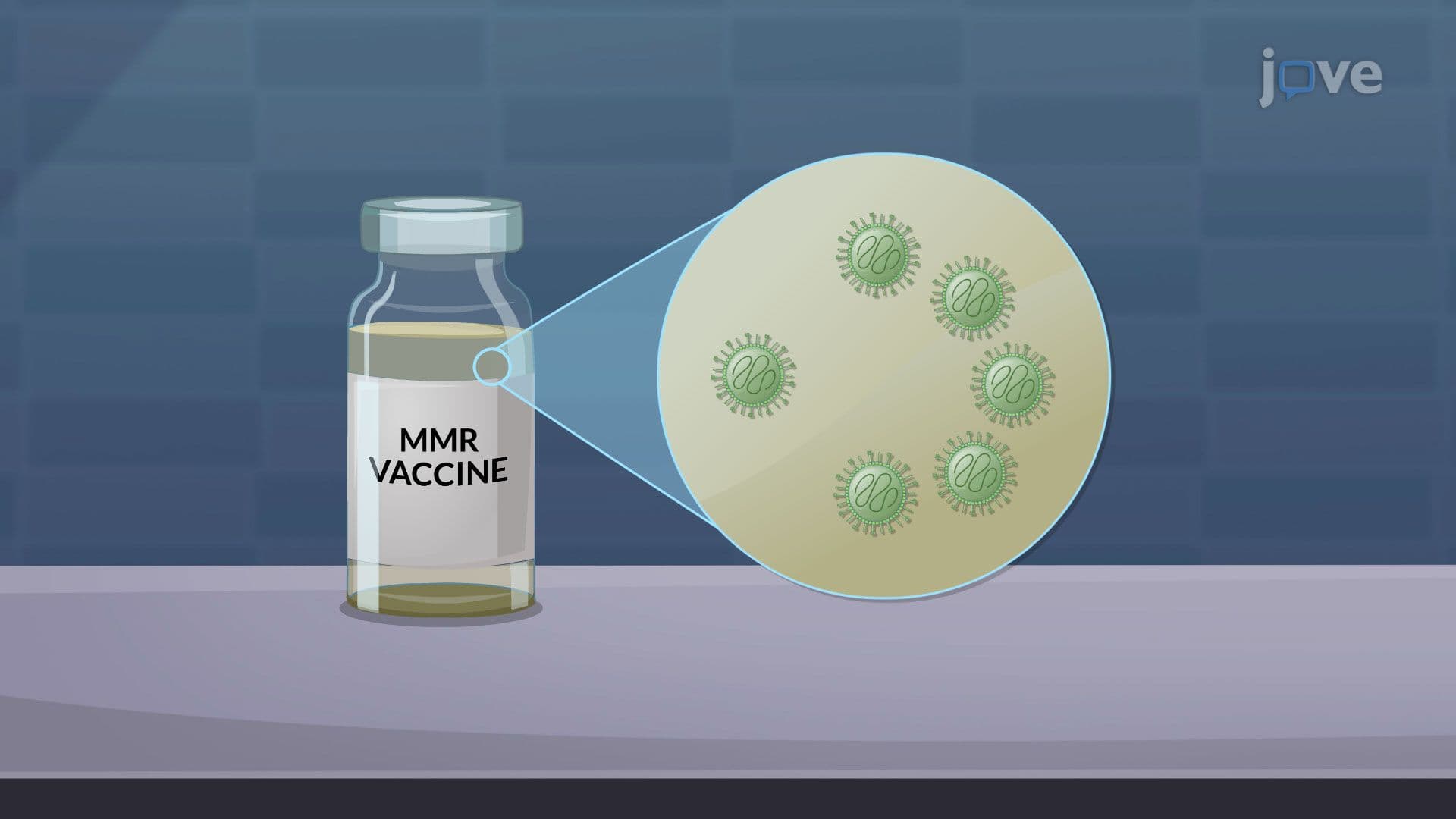

Video Summary: What are Vaccines
Did you know your body "remembers" diseases it has never actually survived? That memory is built through vaccines, one of the most powerful tools in modern medicine. Vaccines basics cover how biological preparations expose your immune system to antigens, triggering protection without causing illness. The COVID-19 mRNA vaccine is a landmark US example. Watch the full video on JoVE Coach to master this concept with expert-led visuals and step-by-step explanations.
Vaccines are one of the most consequential innovations in medical history, responsible for eliminating smallpox and nearly eradicating polio in the United States. At their core, vaccines are biological preparations designed to train your immune system to recognize a specific threat, without you ever having to survive the actual infection. They do this by introducing antigens: molecules the immune system learns to identify as foreign and dangerous. Once that training happens, your body can mount a rapid, targeted defense if it ever encounters the real pathogen.
When a vaccine introduces an antigen, immune cells called B lymphocytes produce antibodies specifically shaped to bind to that antigen. T lymphocytes also activate, helping coordinate the immune attack. Critically, some of these cells become long-lived memory cells. If the actual pathogen enters your body years later, these memory cells recognize it immediately and launch a faster, stronger response than your immune system could manage on first exposure. This is the biological mechanism behind vaccine-induced immunity, and it mirrors the natural immune response without the danger of full-blown disease.
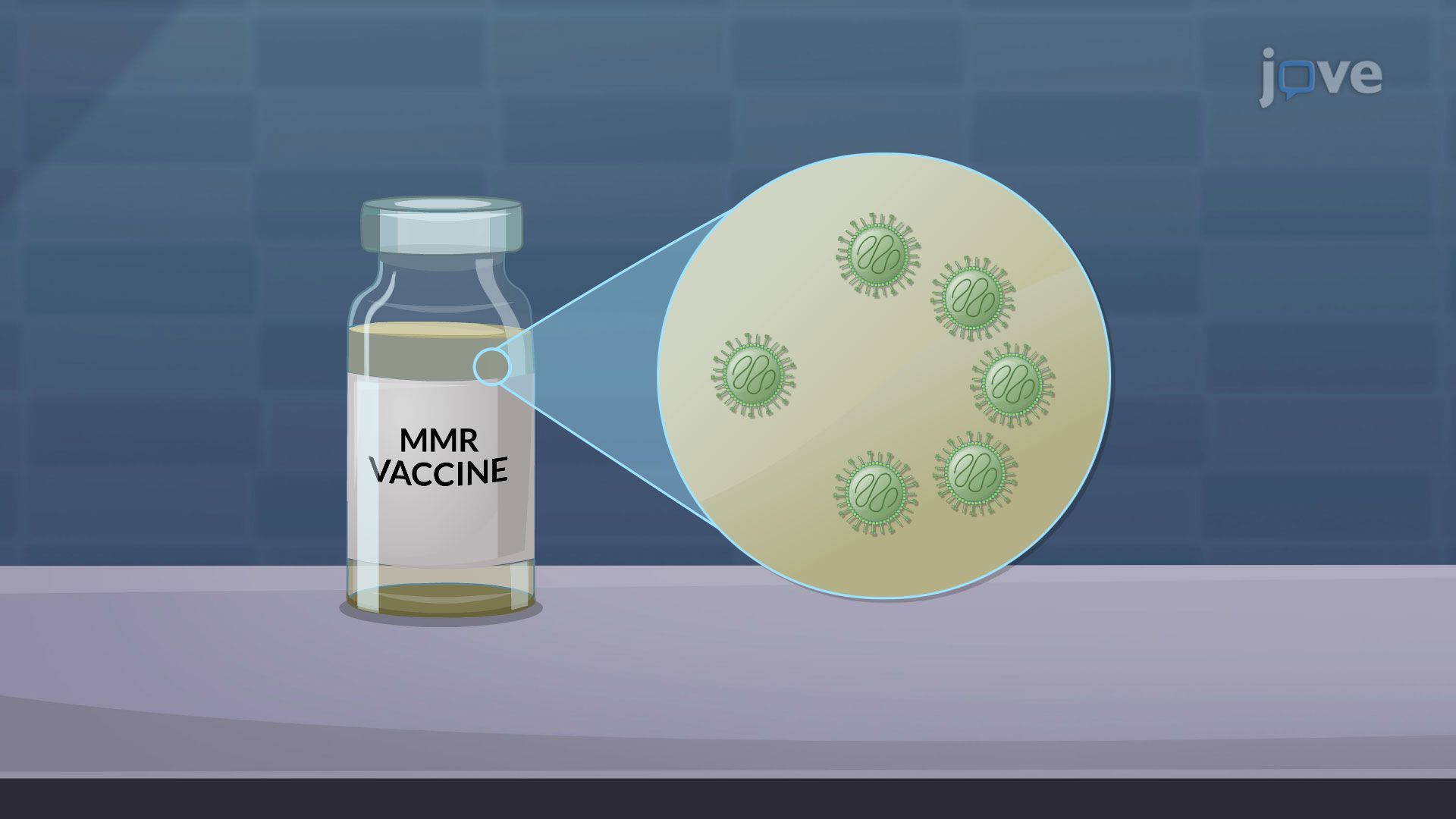
Understanding the different vaccine categories is essential for AP Biology, college microbiology, and MCAT preparation:
In the US, vaccine schedules are developed by the CDC's Advisory Committee on Immunization Practices (ACIP) and are a cornerstone of public health infrastructure. Understanding vaccines is not just an academic exercise, it directly connects to real decisions in clinical settings, public policy, and personal health. For students preparing for the AP Biology exam, MCAT, or college-level immunology courses, mastering vaccine types and mechanisms is a high-yield topic that frequently appears in free-response questions, passage-based reasoning, and multiple-choice sections. Recognizing how each vaccine type triggers immunity helps you apply the same core principles across a wide range of exam scenarios.
Related Micro-courses