Loading video…

 11 Concepts
 1.4K views

Video Summary: What are Bacterial Toxins
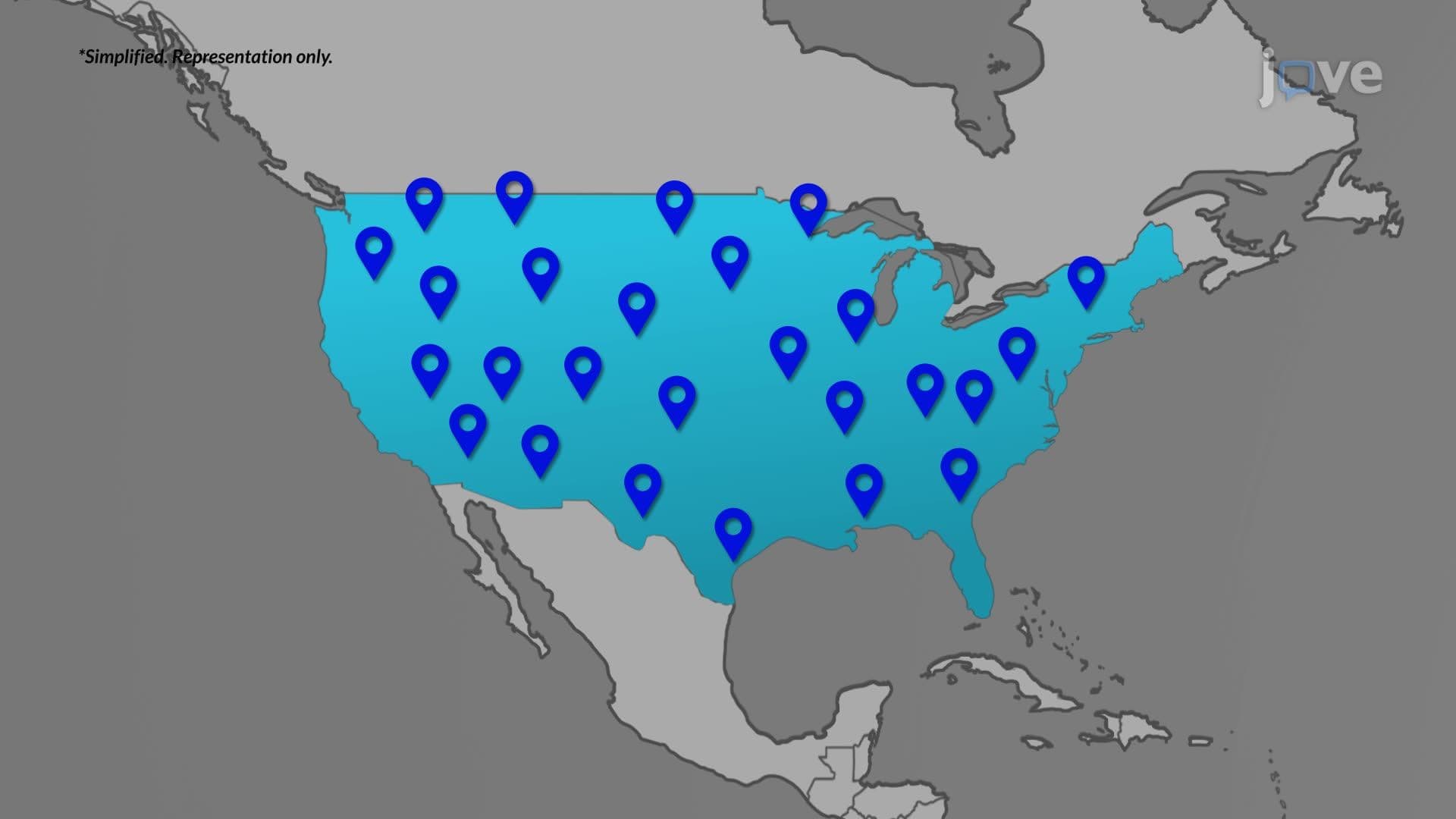
Did you know some bacteria can poison your cells without ever entering them? Bacterial toxins basics starts with understanding how these microscopic weapons work, and they're more strategic than you'd think. From *E. coli* outbreaks in US school cafeterias to toxic shock syndrome, What are Bacterial Toxins? explains how exotoxins and endotoxins hijack or destroy host cells. Watch the full video on JoVE Coach to master this concept with expert-led visuals and step-by-step explanations.
Bacterial toxins are biologically active molecules, primarily proteins or lipid-carbohydrate complexes, that bacteria use to subvert, damage, or kill host cells. They represent one of the most powerful weapons in a bacterium's arsenal, allowing pathogens to establish infection, evade immune defenses, and spread through tissues. Understanding bacterial toxins is essential not only for microbiology courses but also for standardized exams like the MCAT, AP Biology, and USMLE Step 1.
Exotoxins are proteins actively secreted by both Gram-positive and Gram-negative bacteria into the surrounding environment. Because they are released while bacteria are still alive, they can begin damaging host tissue well before an immune response is fully mounted.
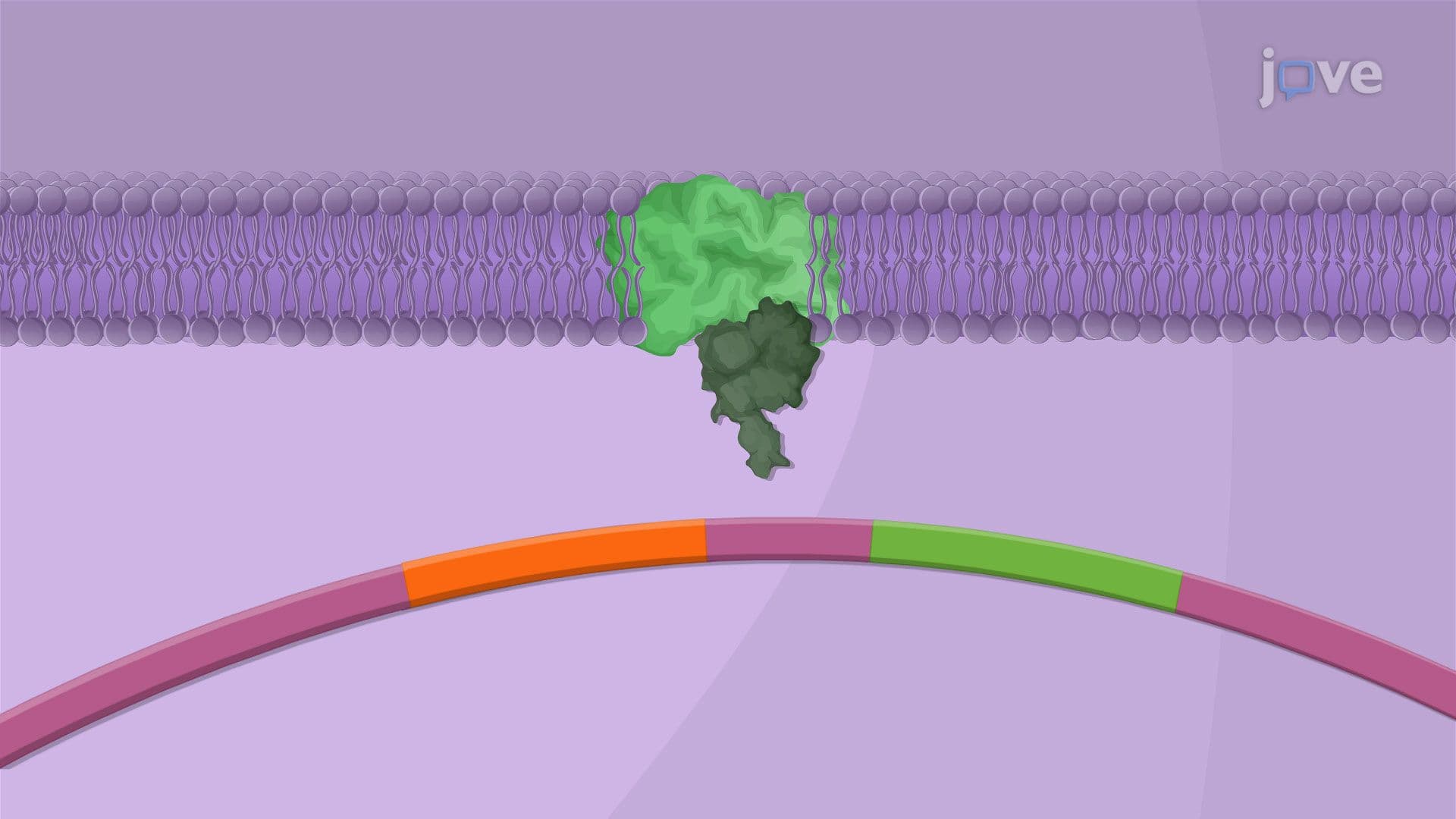
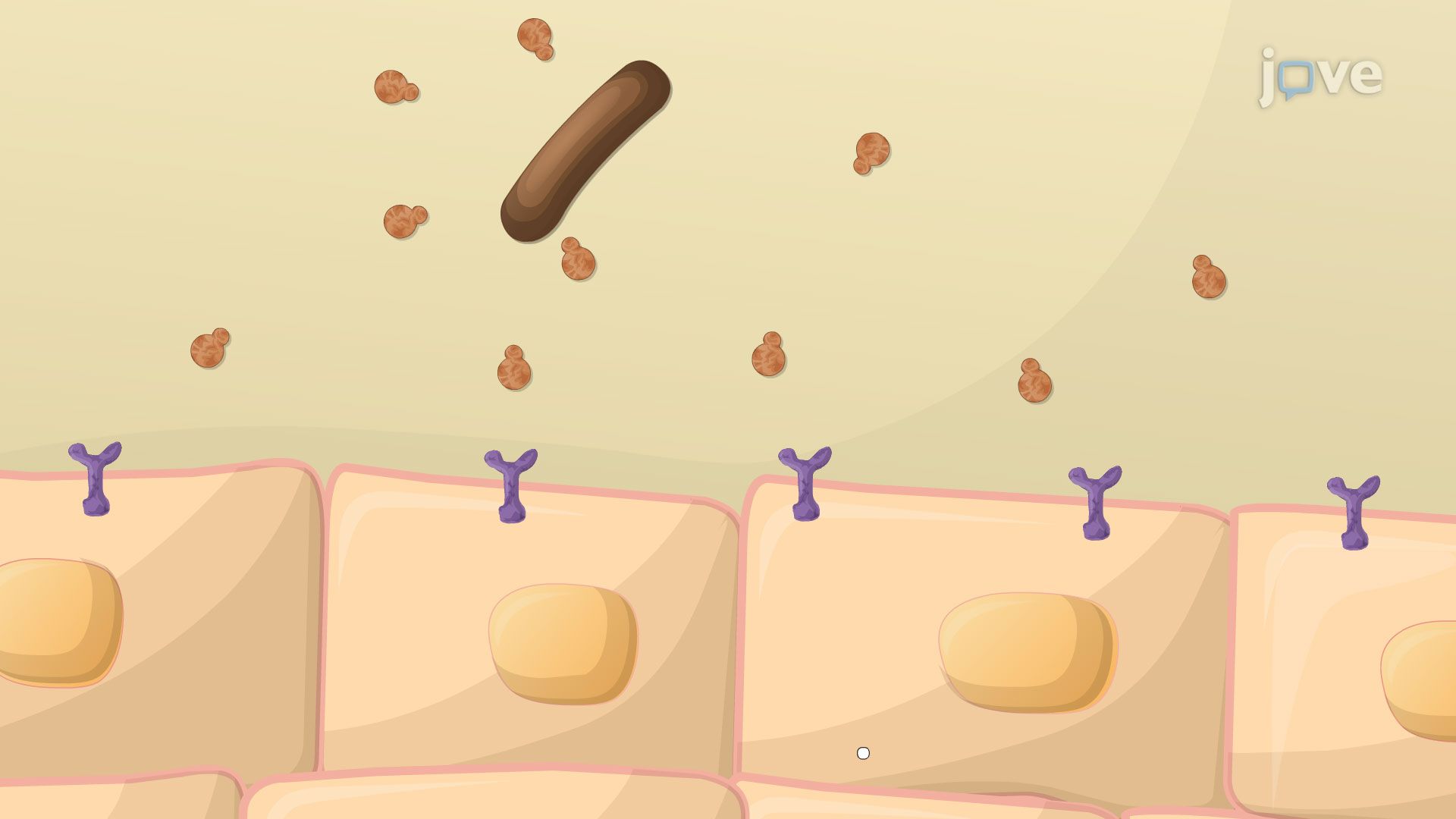
One of the most well-characterized models for understanding exotoxin function is the AB toxin model. In this system, the B (binding) subunit attaches to a specific receptor on the host cell surface, essentially acting as a molecular key. Once locked in, it facilitates internalization of the A (active) subunit, which travels to an intracellular target and disrupts a critical cellular process. Classic examples include cholera toxin, caused by *Vibrio cholerae*, which floods intestinal cells with ions, causing the severe diarrhea seen in cholera outbreaks, and diphtheria toxin, which shuts down protein synthesis in human cells.
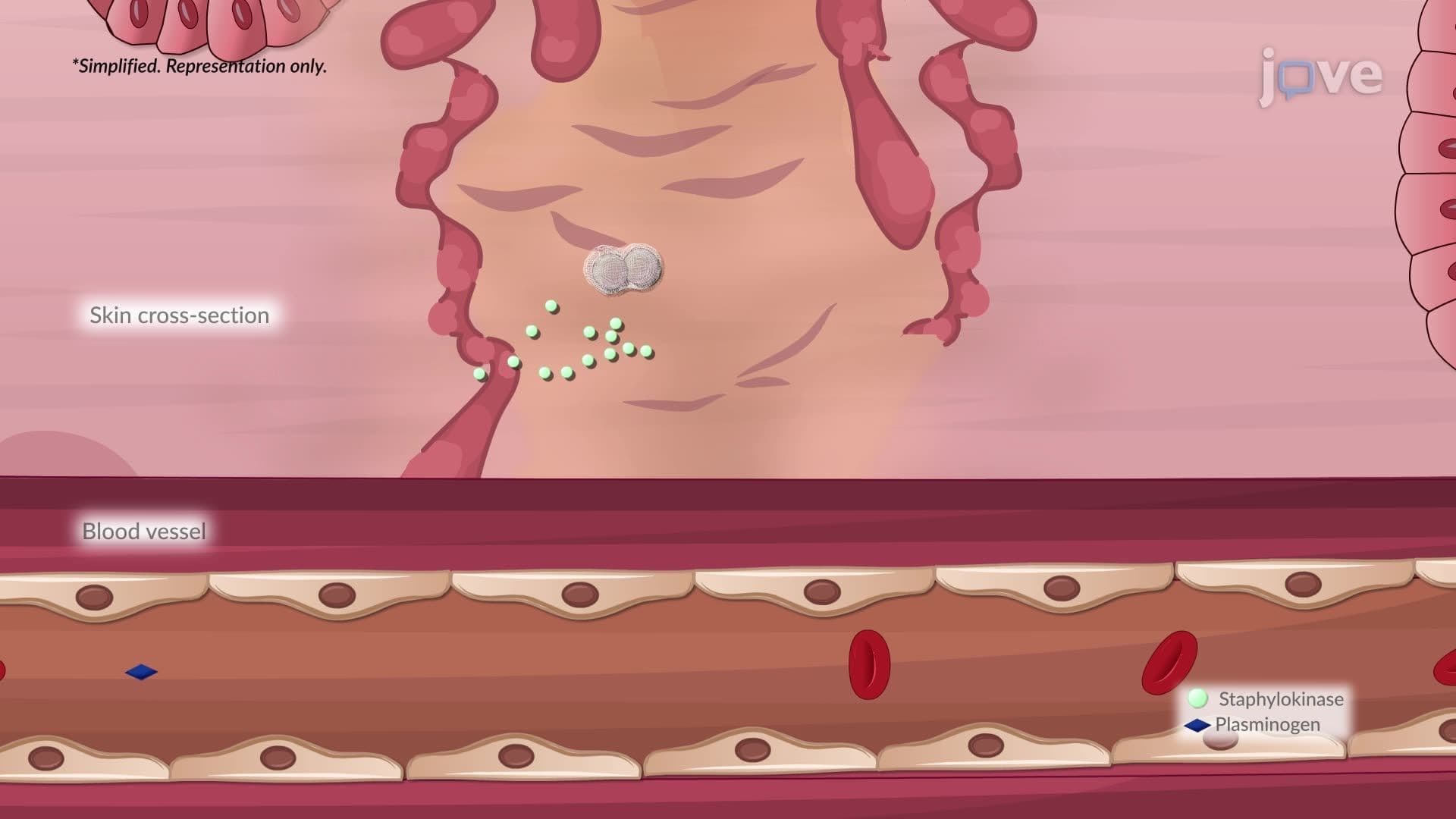
Other exotoxins work extracellularly. Collagenases and proteases break down the proteins and fibers that hold tissues together, essentially dissolving the extracellular matrix. This allows bacteria like *Clostridium perfringens*, responsible for gas gangrene, to rapidly invade deeper tissues, a phenomenon clinicians and clinical microbiologists encounter in severe wound infections across US hospital settings.
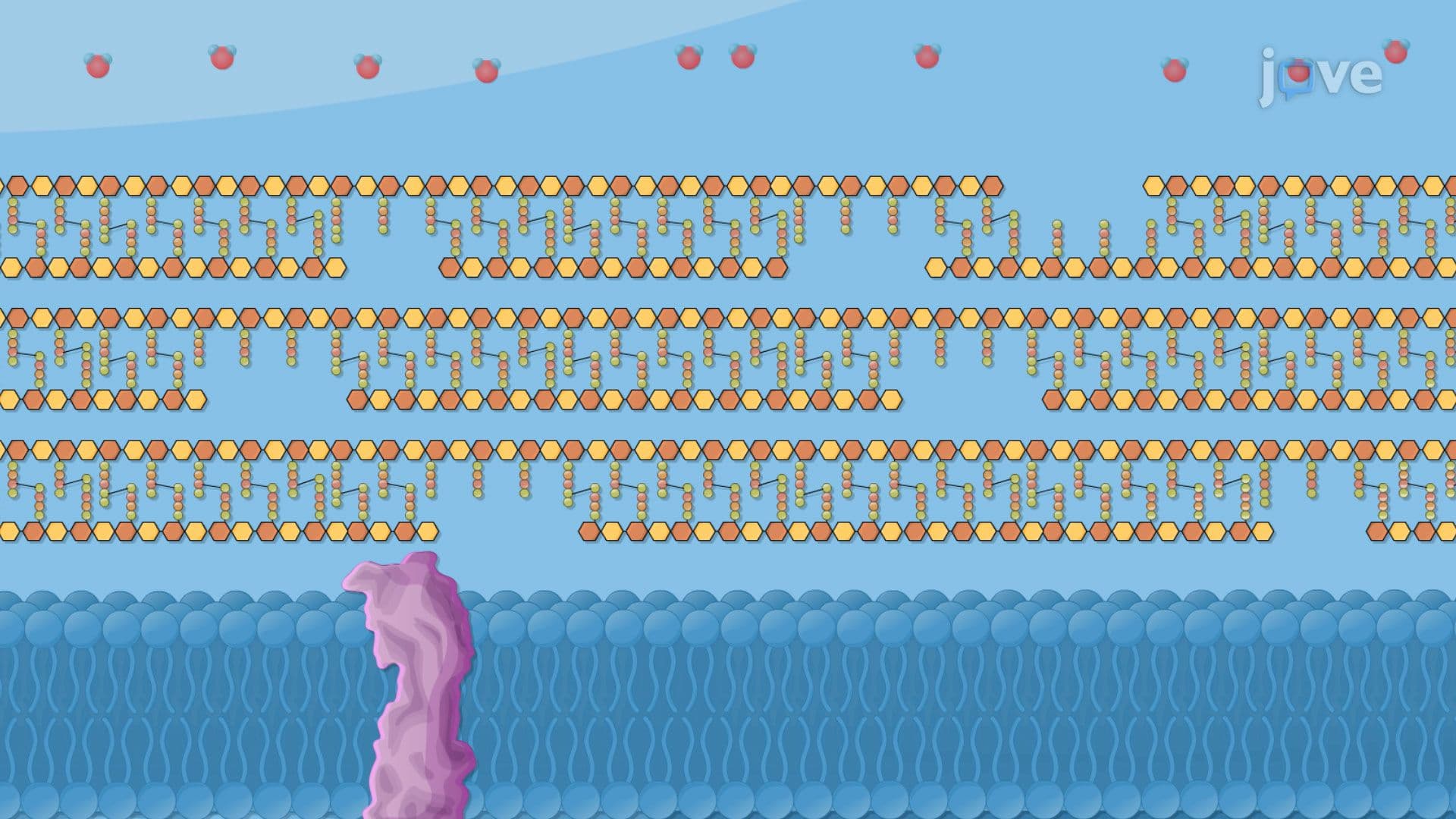
Unlike exotoxins, endotoxins are not secreted, they are structural components of Gram-negative bacterial cell walls. Specifically, they are lipopolysaccharides (LPS) embedded in the outer membrane. Endotoxins are only released when the bacterium dies, either naturally or in response to antibiotic treatment.
Once released, LPS molecules bind to Toll-like receptor 4 (TLR4) on antigen-presenting cells such as macrophages and dendritic cells. This triggers a cascading inflammatory response, releasing cytokines like TNF-α and IL-1. In severe cases, this response spirals into septic shock, a life-threatening condition managed in US intensive care units every day. Understanding LPS and its immune activation is a high-yield topic on USMLE Step 1 and AP Biology exams.
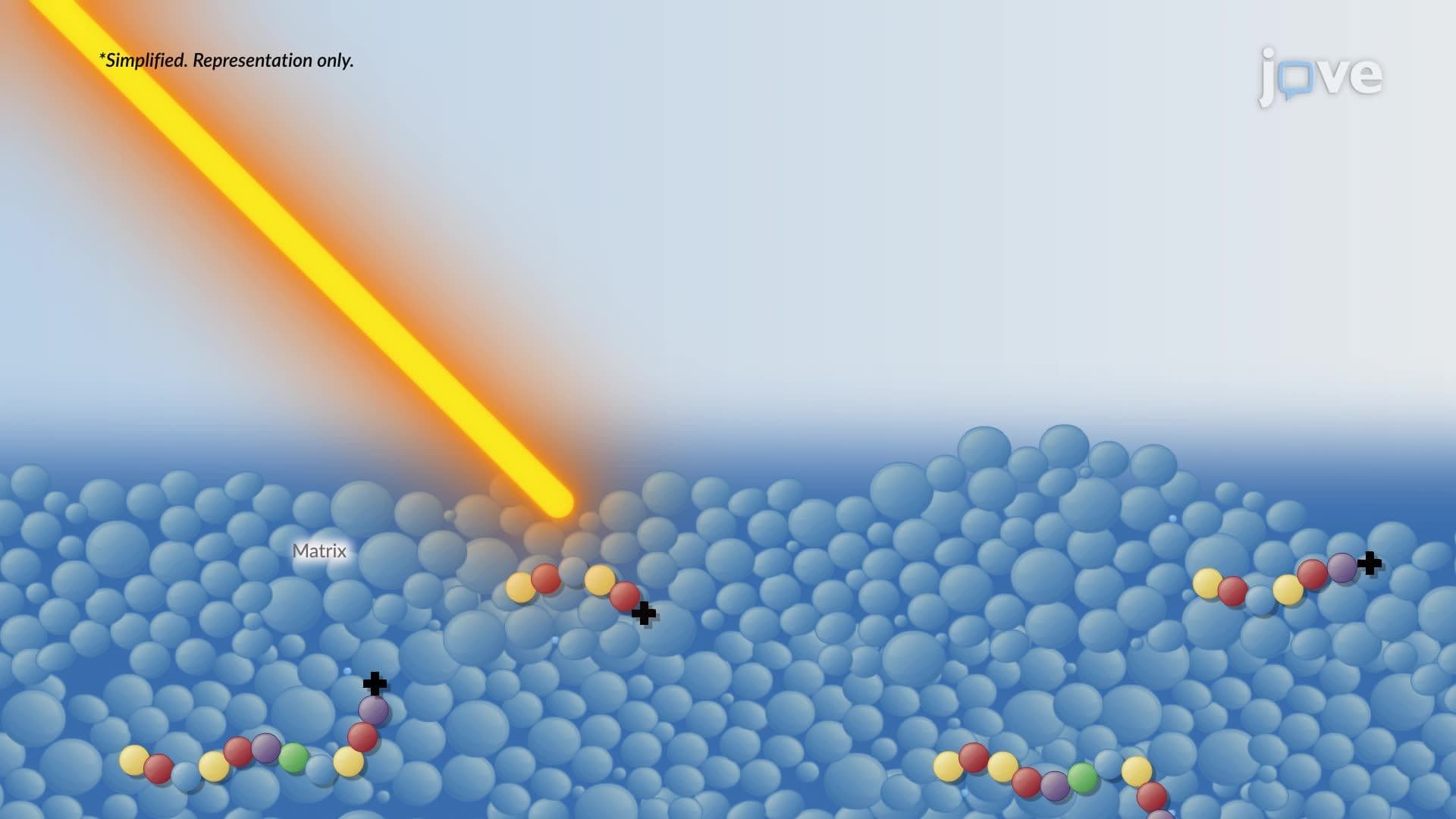
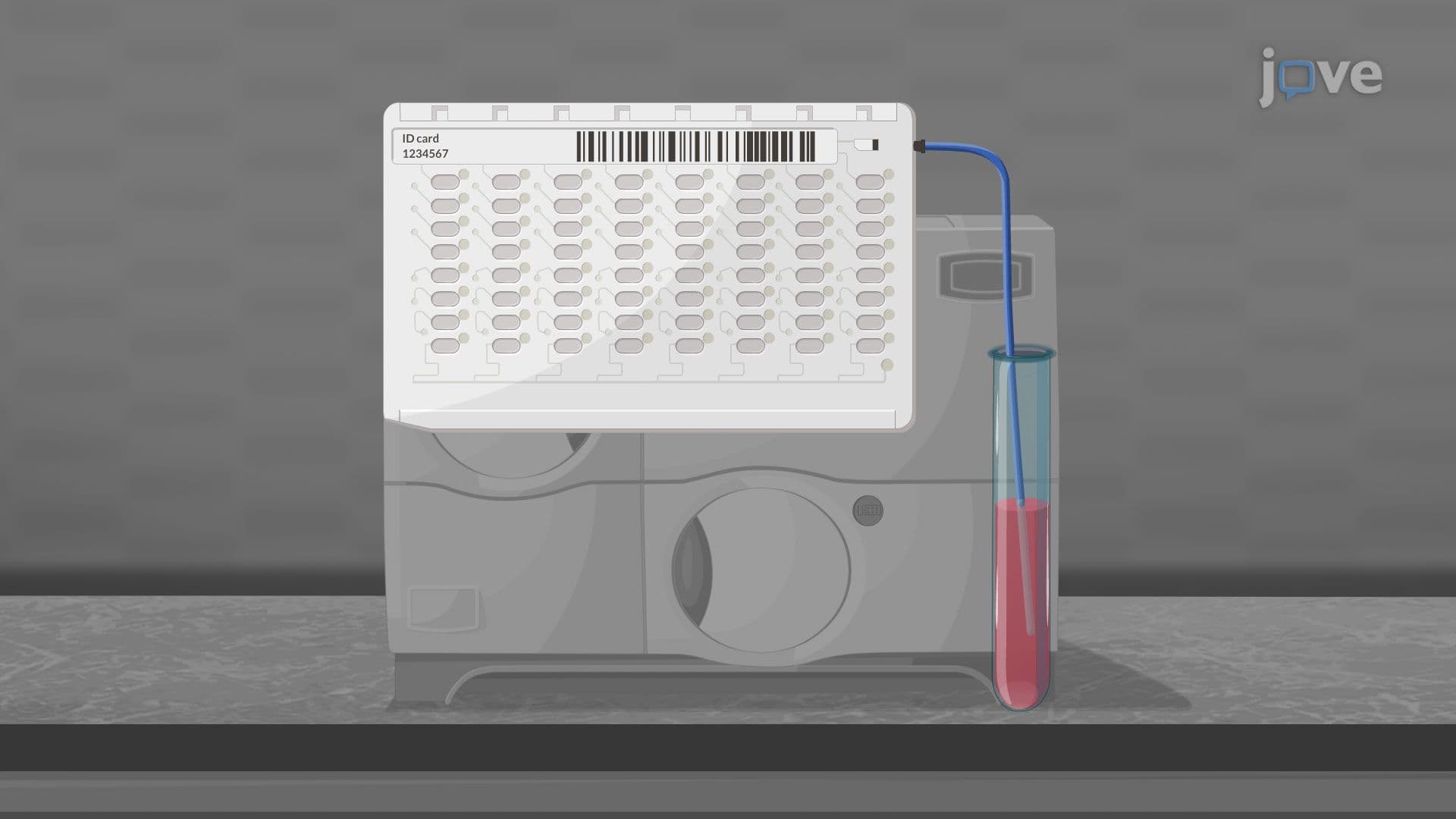
In real clinical practice, identifying toxin-producing bacteria is a core responsibility of the clinical microbiology laboratory. Diagnostic microbiology techniques, including microbial culture, sensitivity testing, and molecular diagnostics, help clinicians determine not just *which* organism is present, but *what* it produces. For example, antibiotic susceptibility testing helps select drugs that kill the bacteria without triggering a massive endotoxin release. Proper specimen collection and transport ensures samples are viable for toxin detection assays. In AP Biology and college-level microbiology courses, bacterial toxins often appear on exams in the context of host-pathogen interactions, immune activation, and infectious disease diagnostics.
Related Micro-courses