Loading subject page…

3,720 views

Video Summary: What Is Fed Batch Culture
Did you know that insulin and life-saving antibiotics are produced using specialized fermentation techniques? Fed-batch culture is one of the most powerful tools in industrial microbiology, allowing scientists to maximize cell growth and product yield by carefully controlling nutrient delivery throughout fermentation. Companies like Eli Lilly use this approach in US biomanufacturing facilities. Watch the full video on JoVE Coach to master this concept with expert-led visuals and step-by-step explanations.
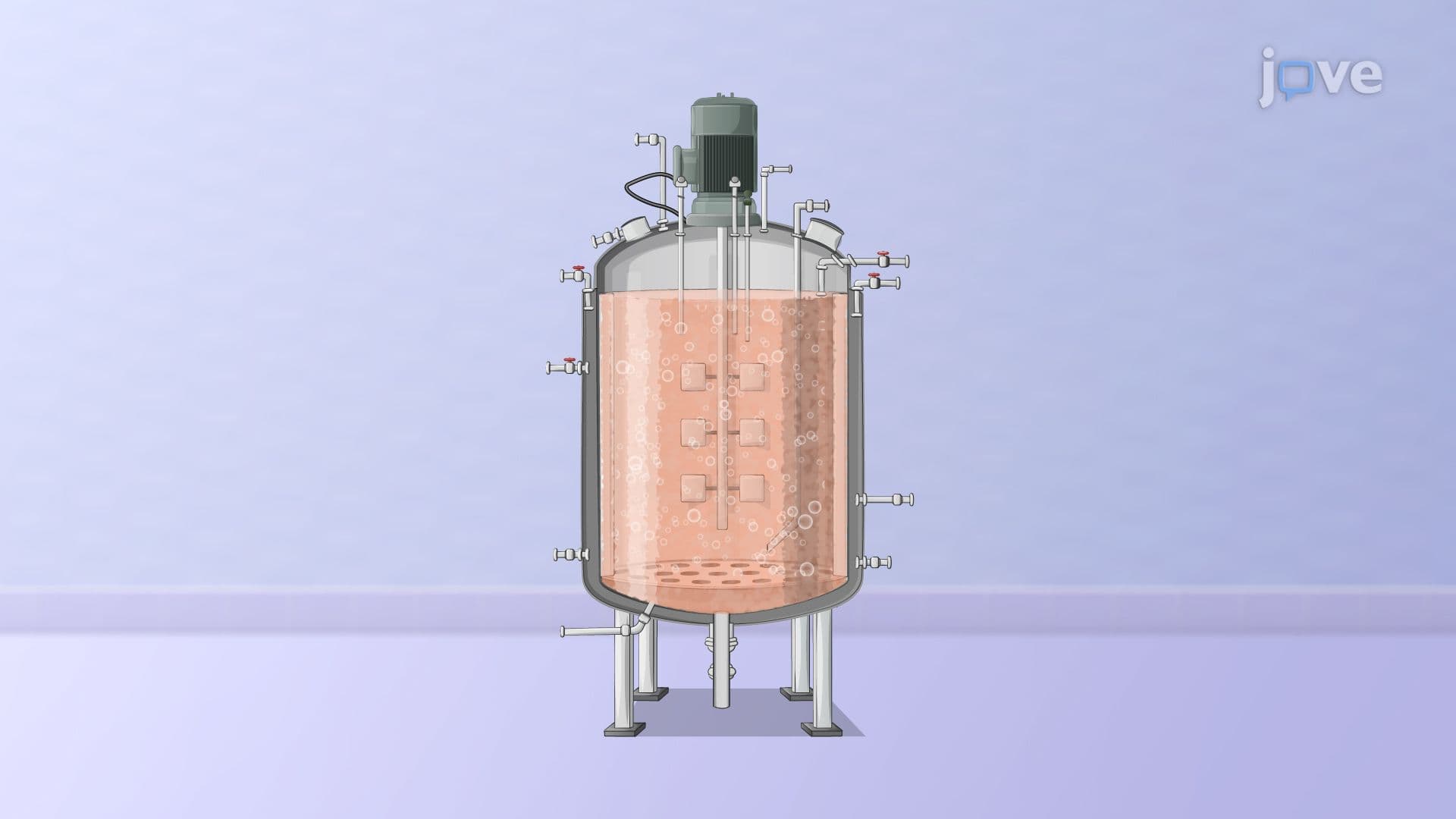
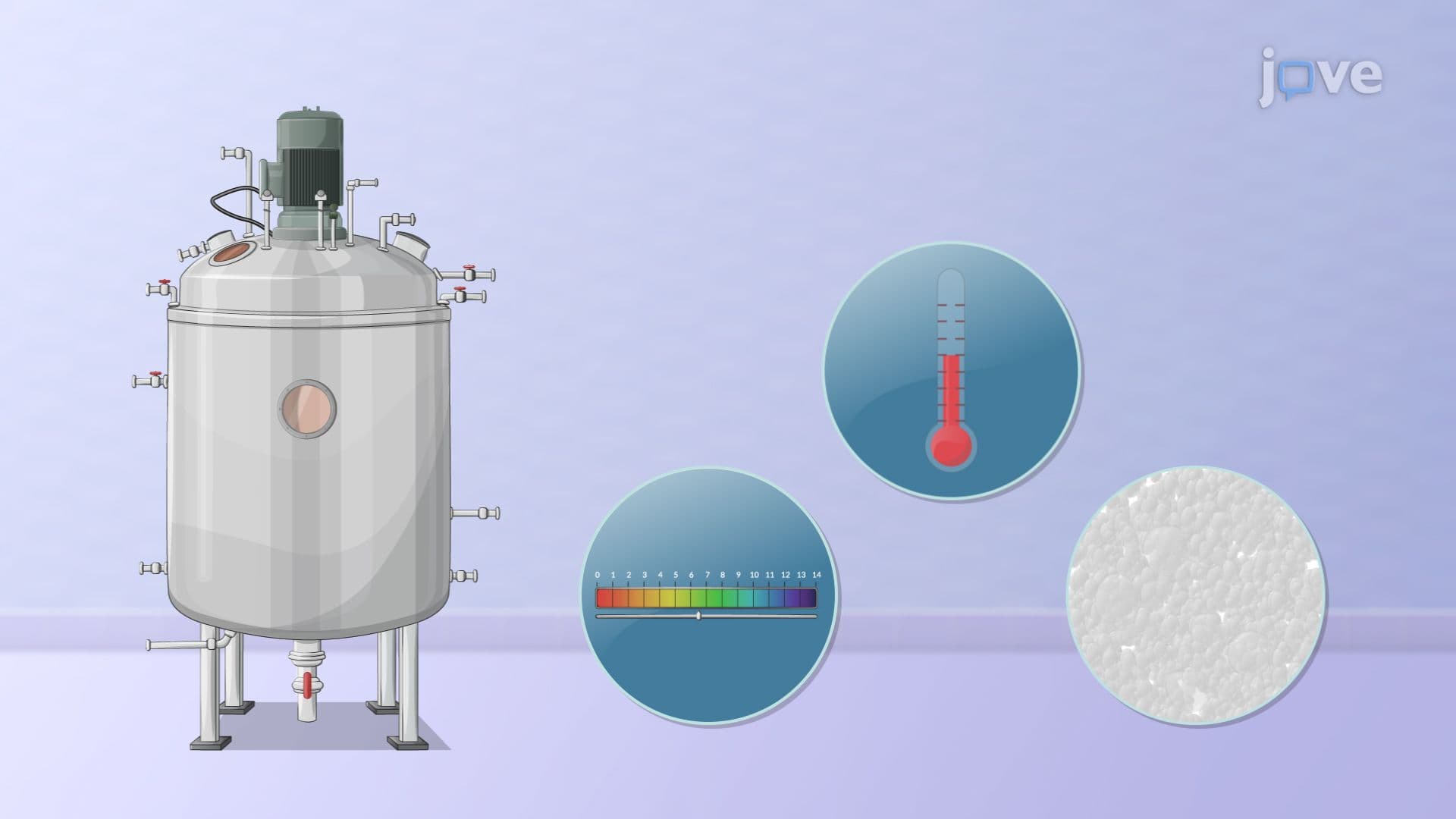
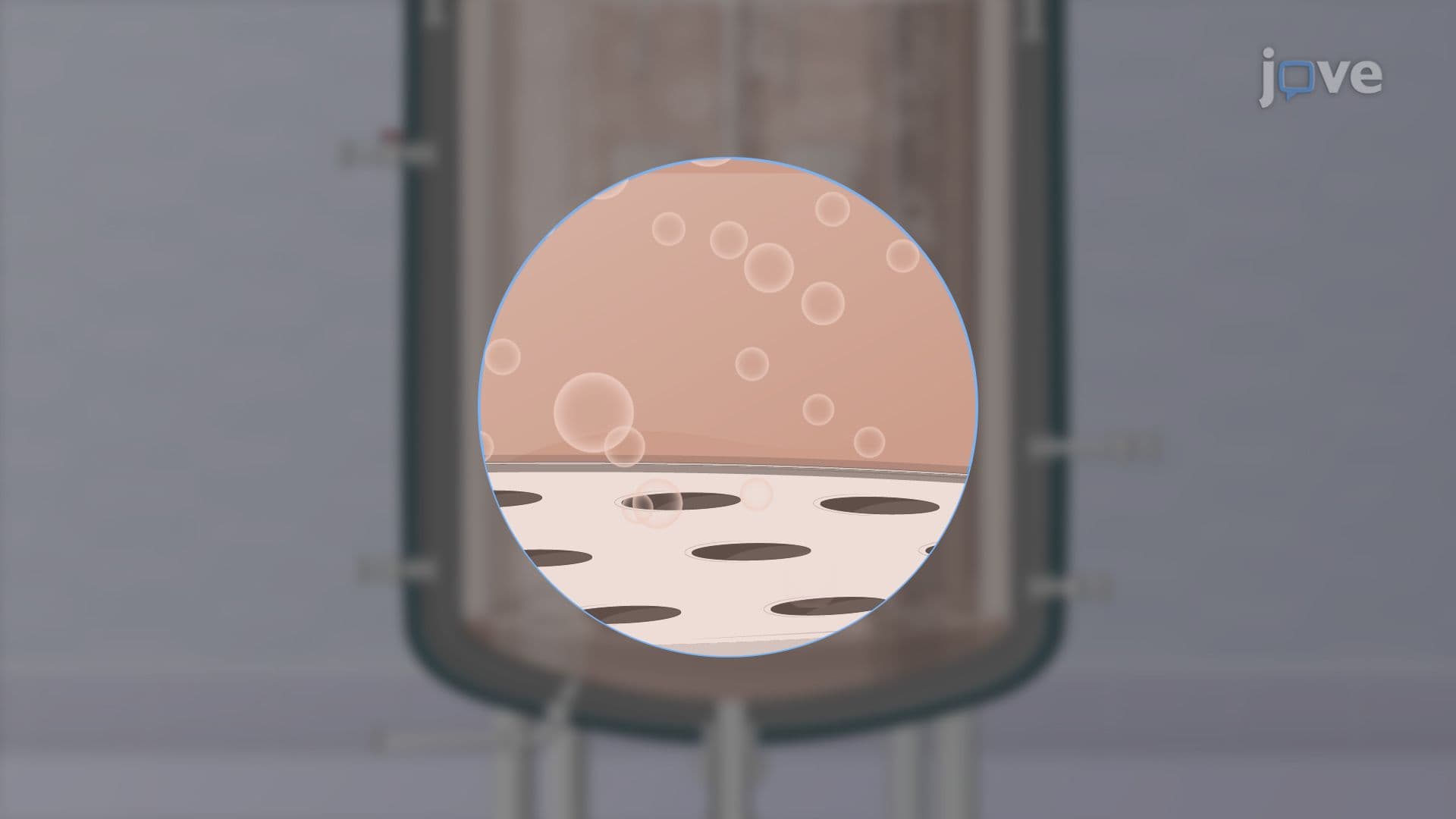
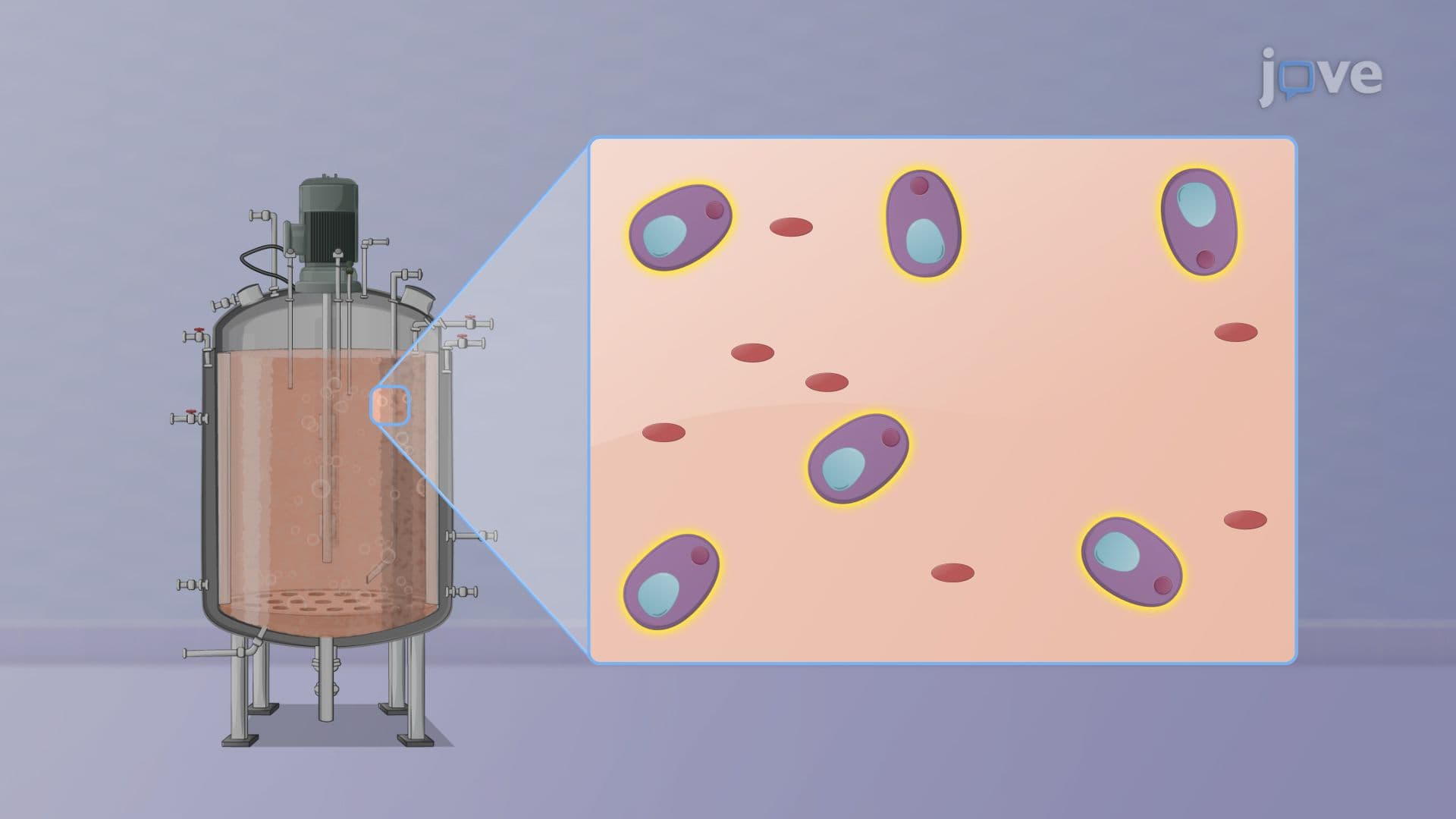
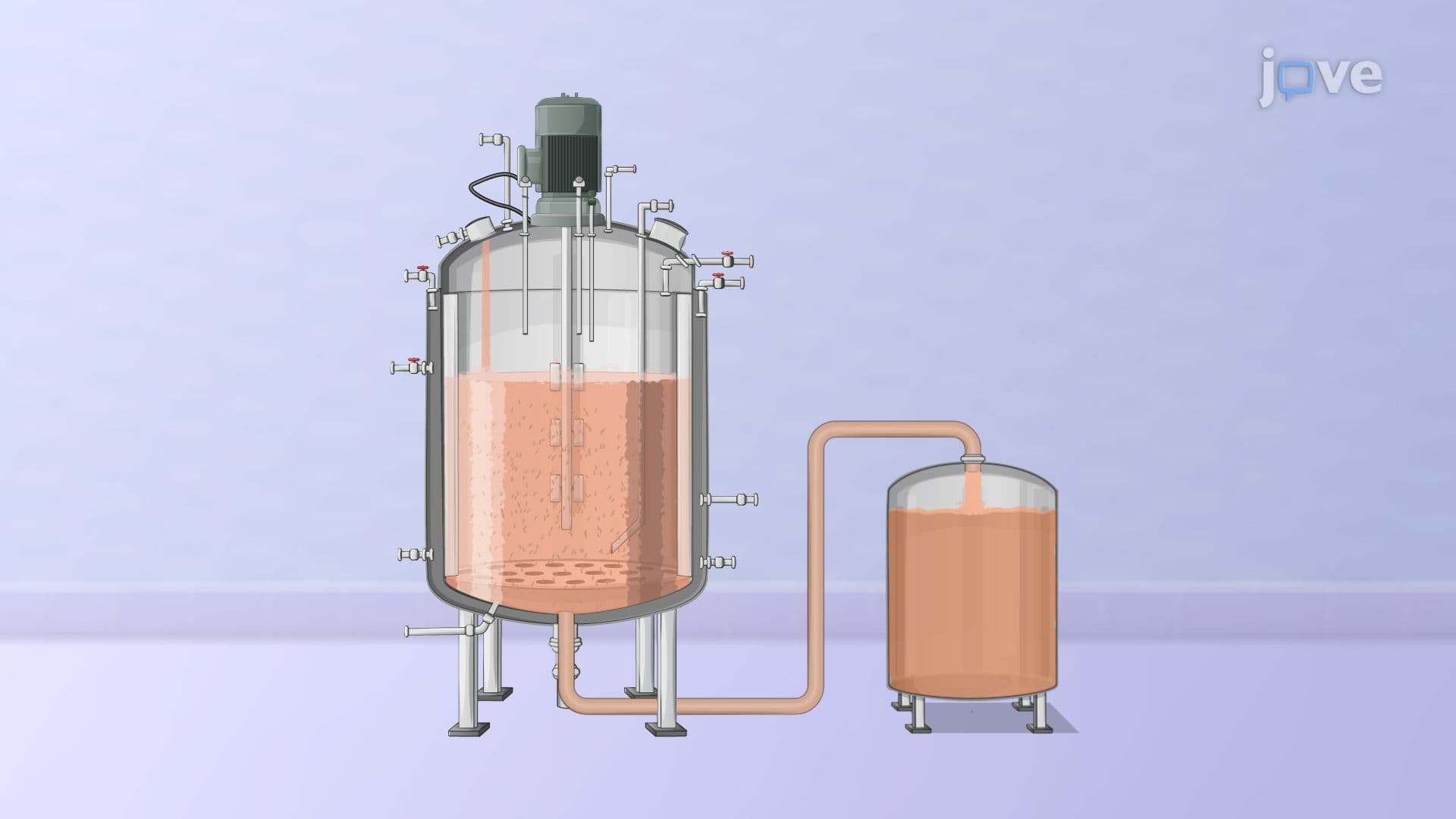
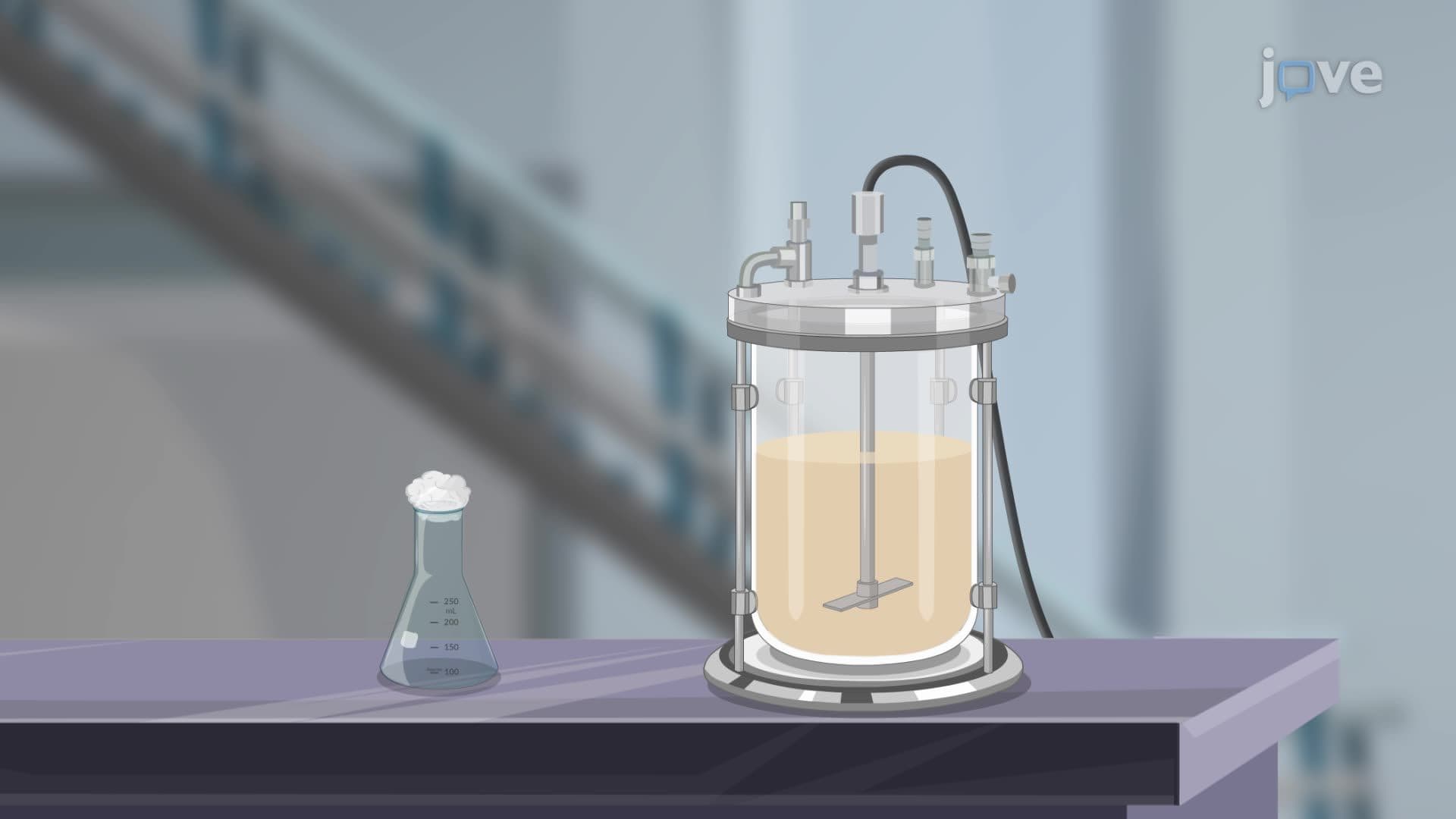
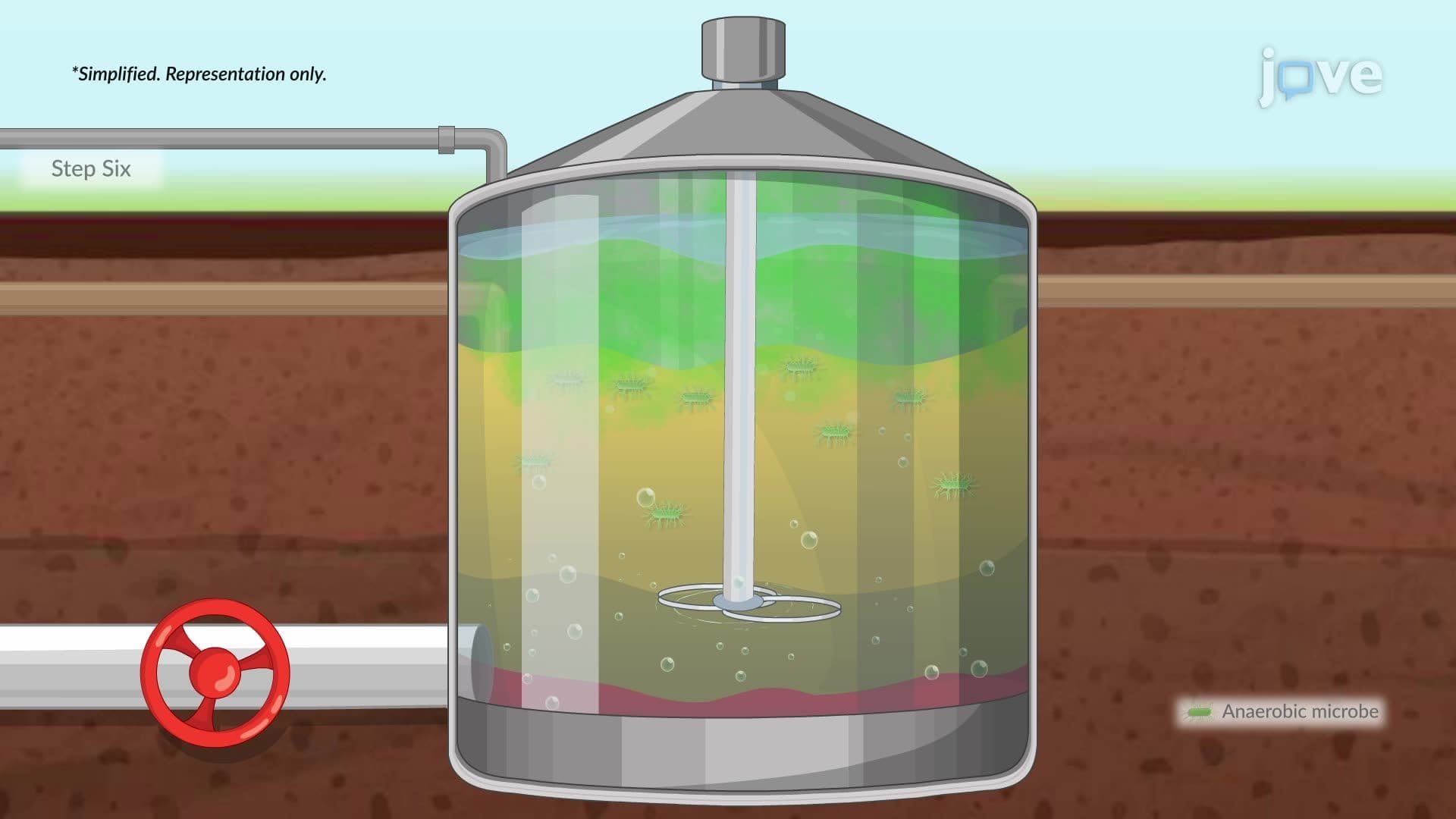
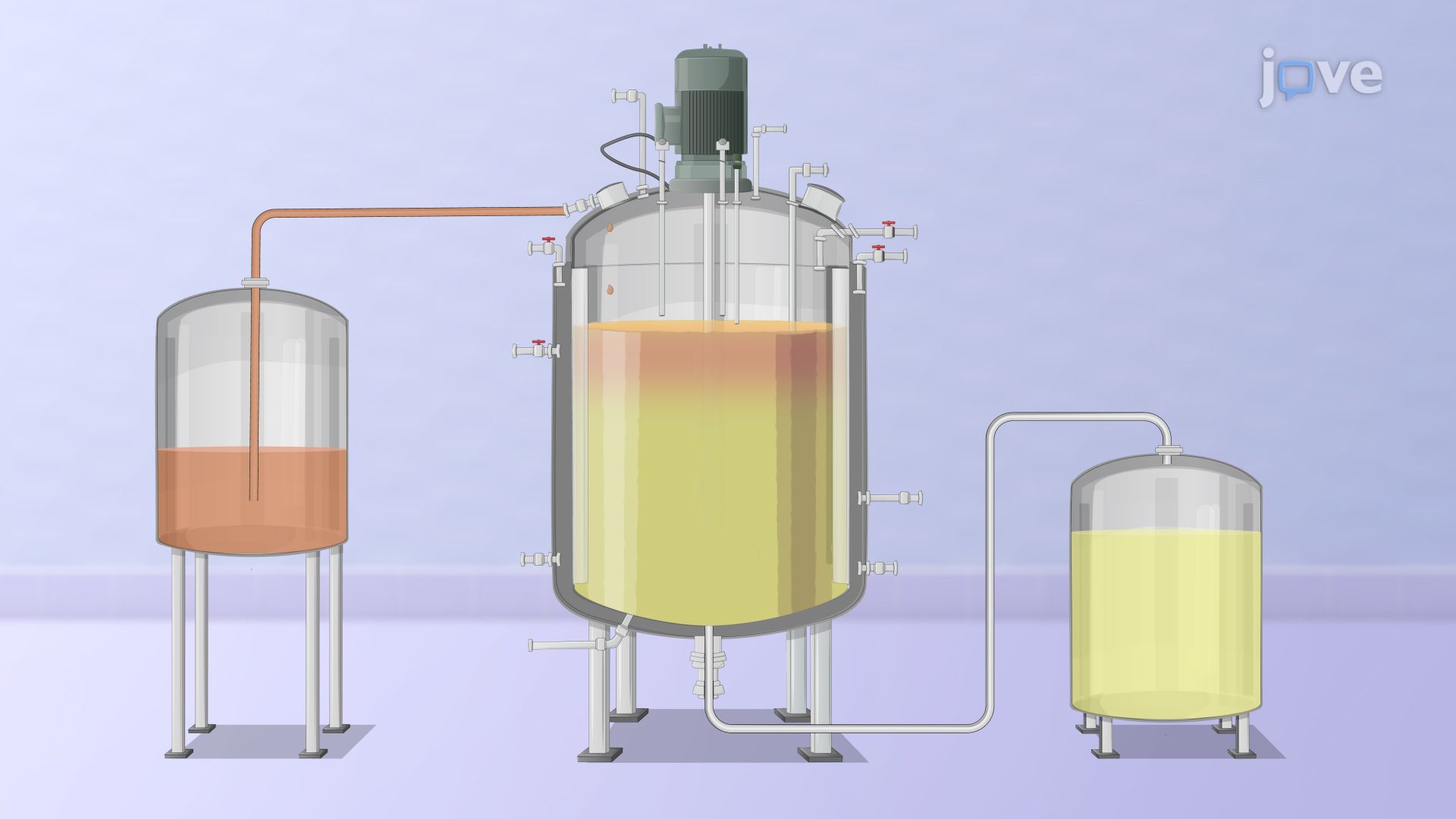
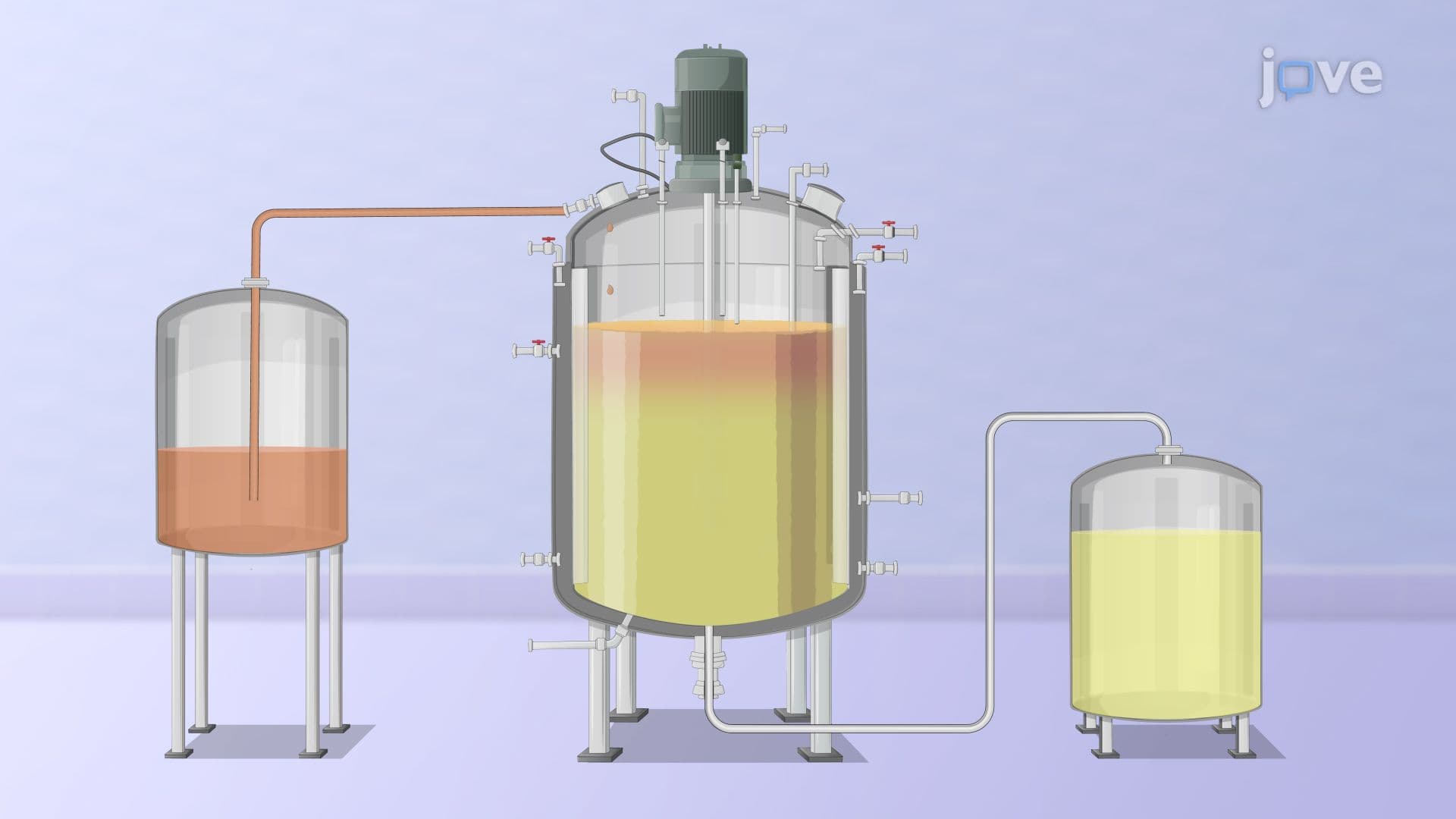
Fed-batch culture is a semi-closed fermentation system in which nutrients or substrates are supplied to the bioreactor during the process, while the products stay inside until fermentation is complete. This design gives scientists precise control over microbial growth and metabolite production, making it one of the most widely used strategies in large-scale fermentation across the US biotechnology industry. Understanding fed-batch culture is essential for AP Biology students, college microbiology courses, and anyone preparing for the MCAT.
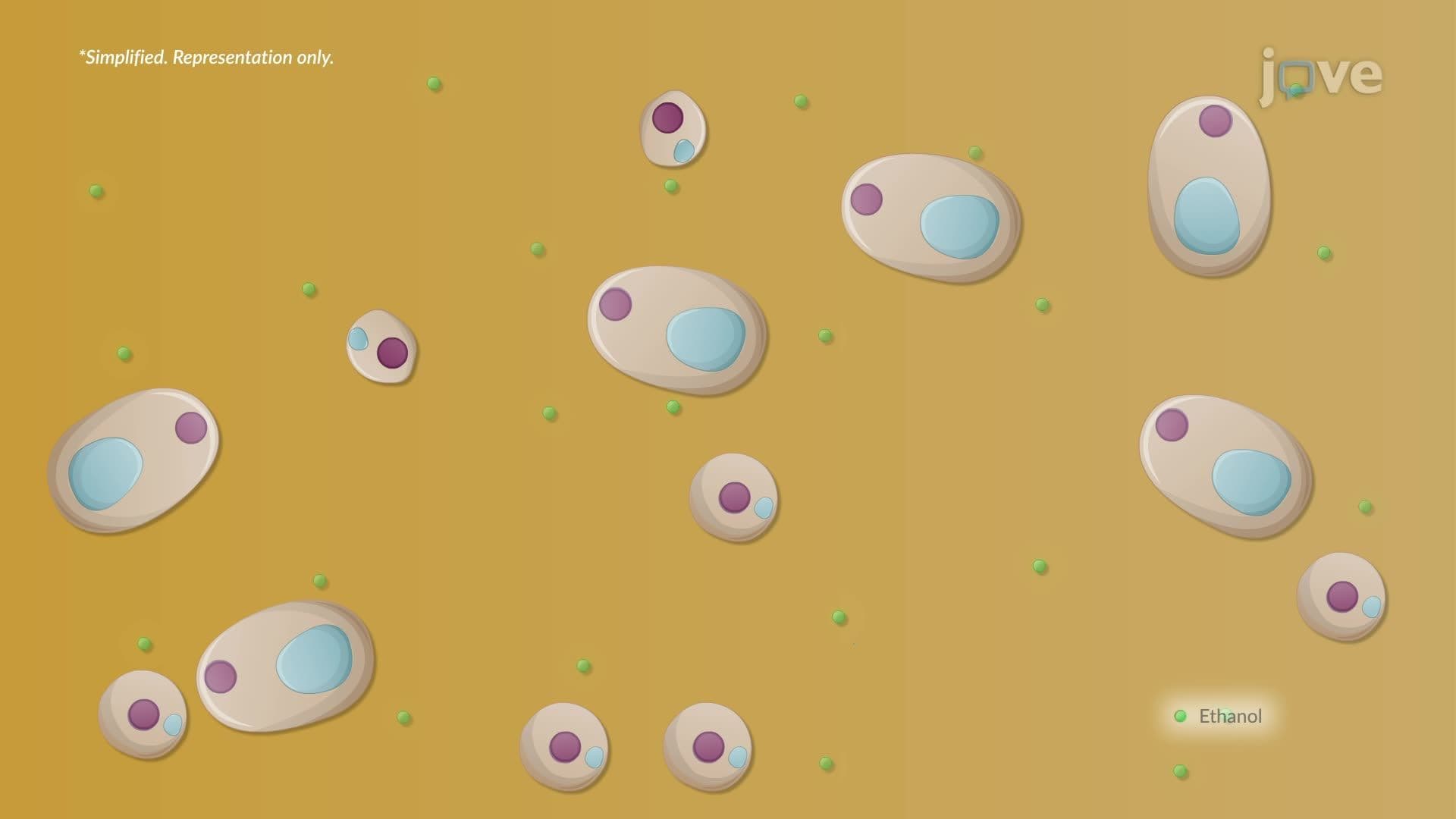
In a standard batch culture, all substrates are added at the start. This seems efficient, but it creates a problem: high initial substrate concentrations can cause overflow metabolism, where microorganisms produce unwanted byproducts instead of the target product. Fed-batch culture solves this by introducing nutrients gradually, either continuously or at timed intervals. This prevents substrate inhibition and keeps the culture conditions optimal for longer. It is the biological equivalent of pacing a long-distance runner rather than sprinting from the start.
Not all fed-batch systems work the same way, and distinguishing between them is a common exam topic:
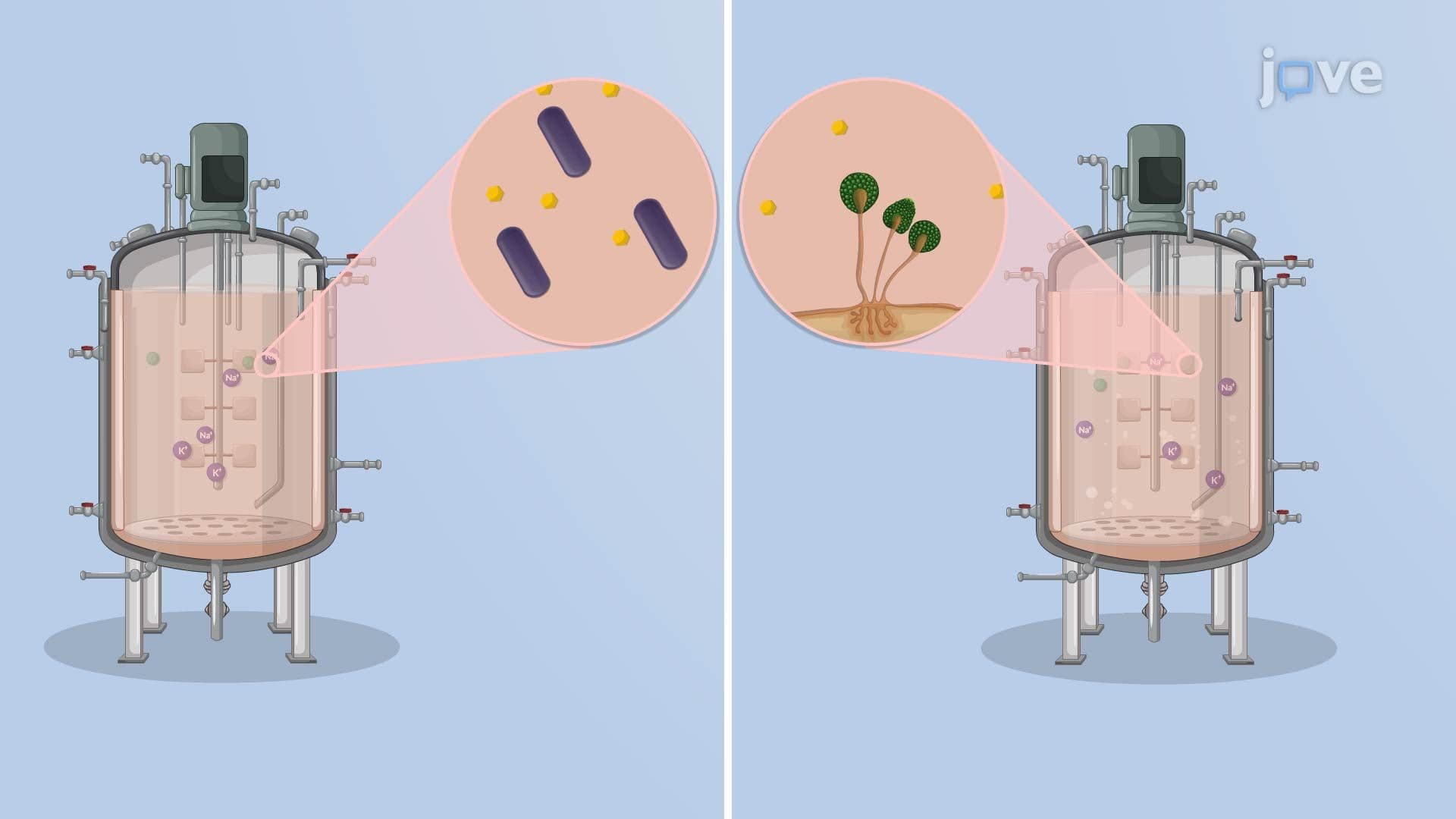
Fed-batch culture is not a classroom abstraction, it drives billions of dollars in US biotechnology output. Genentech and Amgen use fed-batch bioreactors to produce therapeutic proteins and monoclonal antibodies. Novozymes' US operations rely on fed-batch fermentation for industrial enzyme production used in food processing and detergents. Biofuel companies like Gevo apply similar principles to optimize microbial conversion of sugars into advanced fuels. In each case, the core logic is the same: controlled feeding maximizes yield while minimizing waste.
For AP Biology and college-level microbial biotechnology courses, fed-batch culture often appears in questions about recombinant DNA technology in industry, metabolic regulation, and bioprocess design. On the MCAT, you may encounter scenarios asking you to predict how changing substrate concentration affects microbial growth rate or product accumulation. Understanding why microorganisms approach the stationary phase as nutrients are consumed, and how fed-batch strategies delay that transition, gives you a conceptual edge on these high-stakes questions.
Related Micro-courses