Loading video…

 22 Concepts
 3.7K views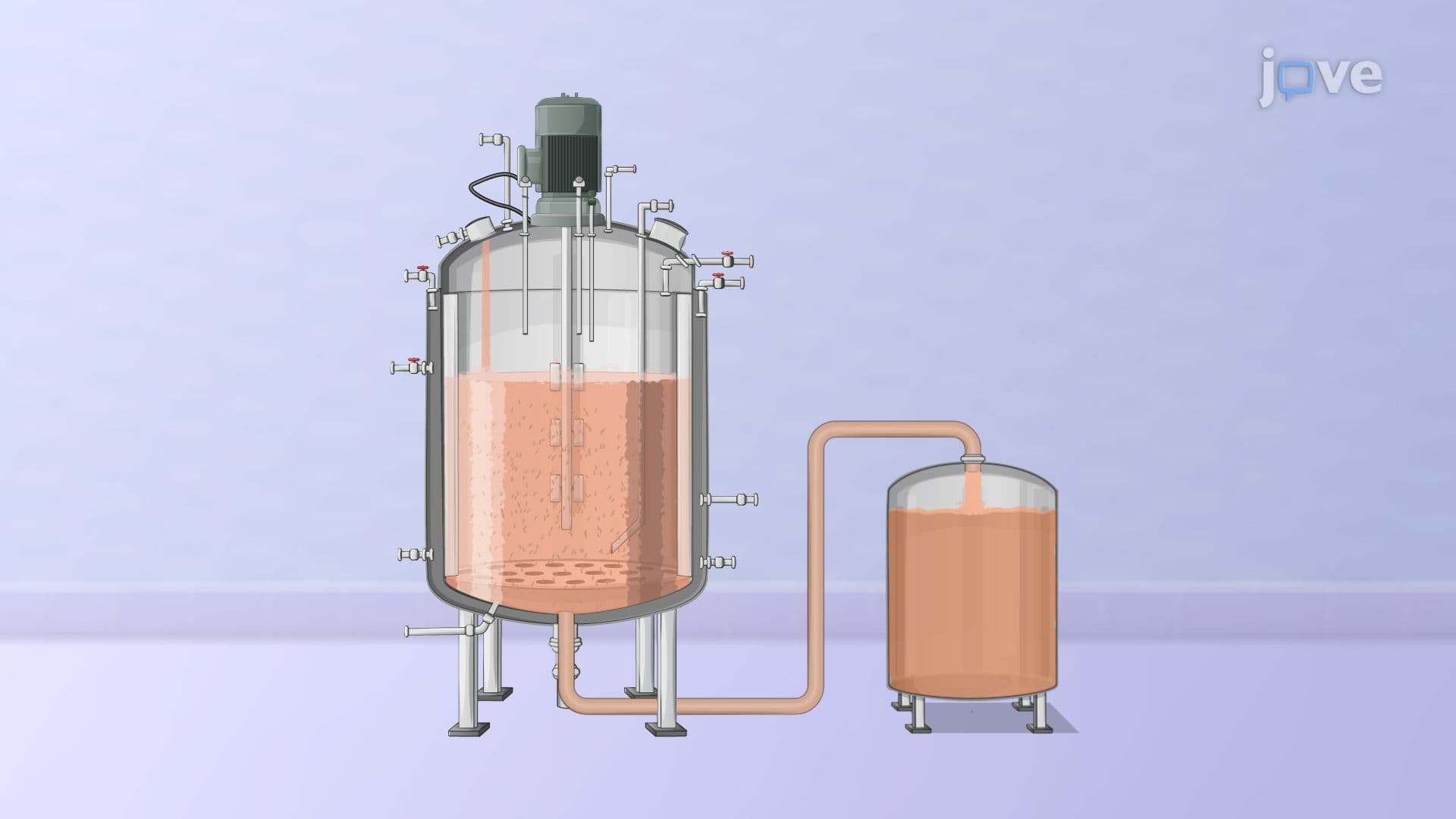

Video Summary: What Is Batch Vs Continuous Culture
Did you know that penicillin, the antibiotic that changed modern medicine, is produced using a carefully controlled batch vs continuous culture system in industrial bioreactors? Understanding batch vs continuous culture basics reveals how scientists scale up microbial growth for real-world manufacturing. US biotech companies like Pfizer rely on these methods for drug and enzyme production. Watch the full video on JoVE Coach to master this concept with expert-led visuals and step-by-step explanations.
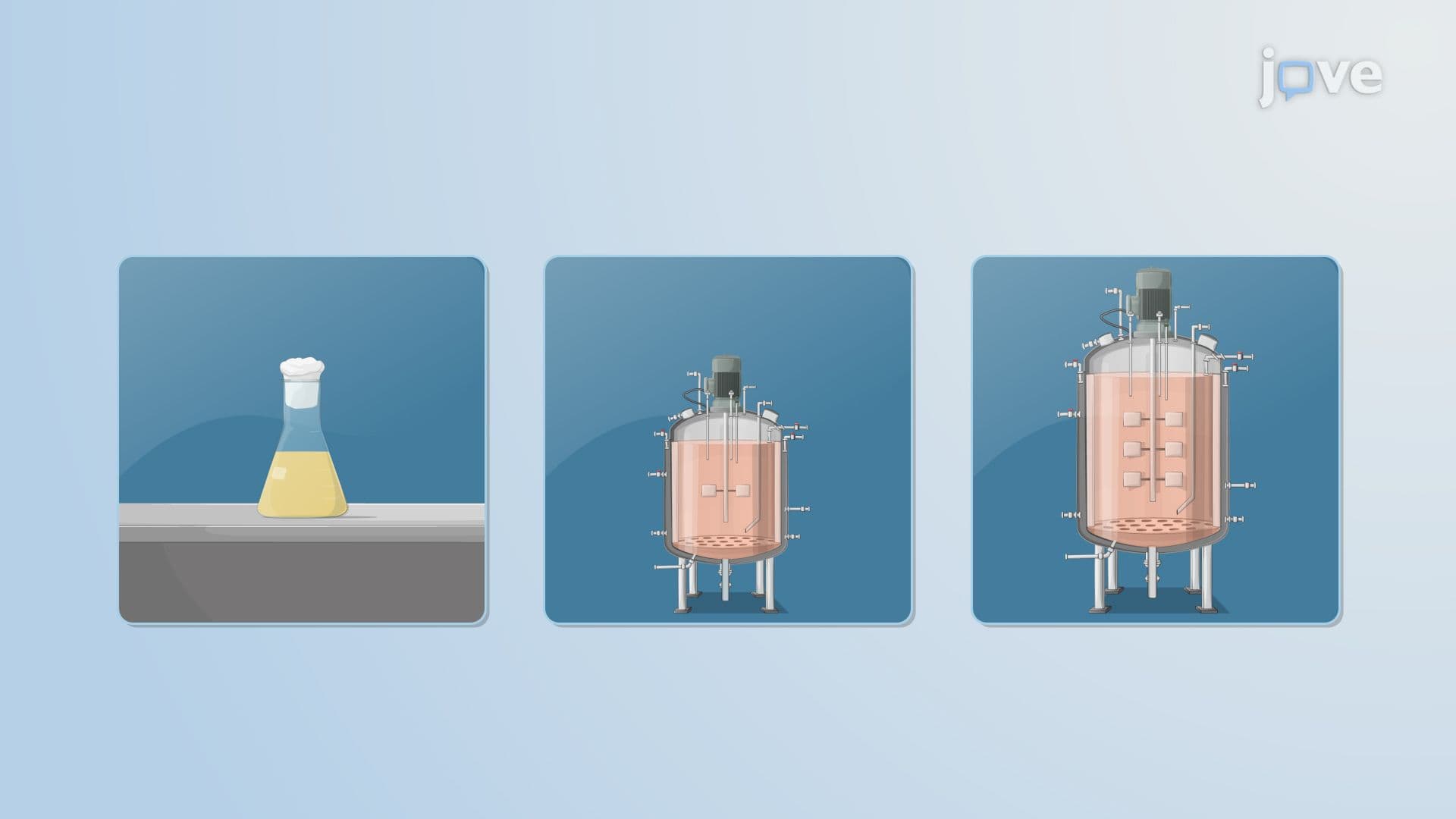
When scientists and engineers need to grow microorganisms at scale, whether to manufacture life-saving antibiotics, produce industrial enzymes, or generate biofuels, they must choose between two fundamental approaches: batch culture and continuous culture. Understanding batch vs continuous culture is essential not just for biology exams, but for grasping how the modern biotechnology industry actually functions. These methods appear in AP Biology curricula, college microbiology and biochemistry courses, and are tested on exams like the MCAT.
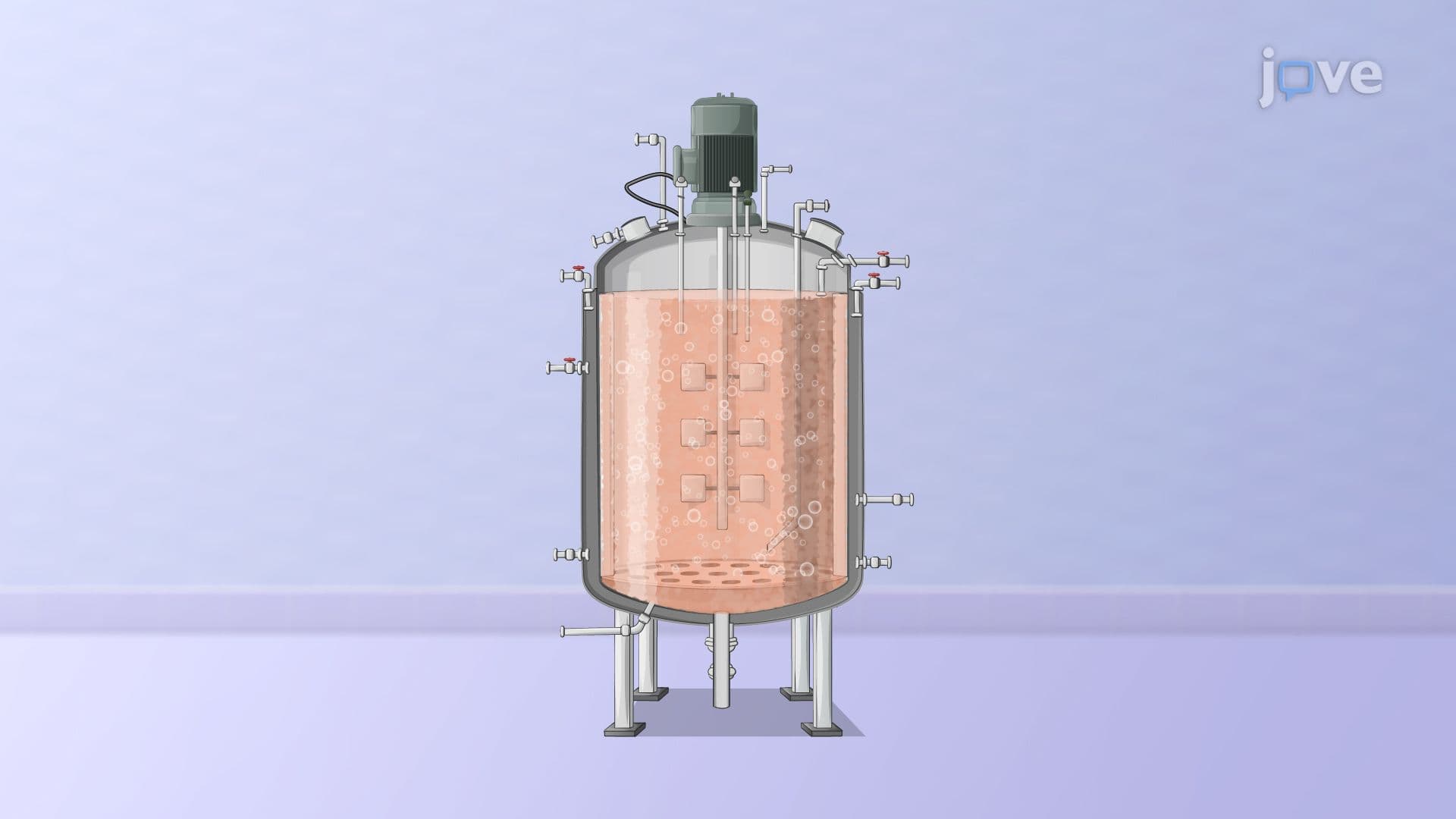
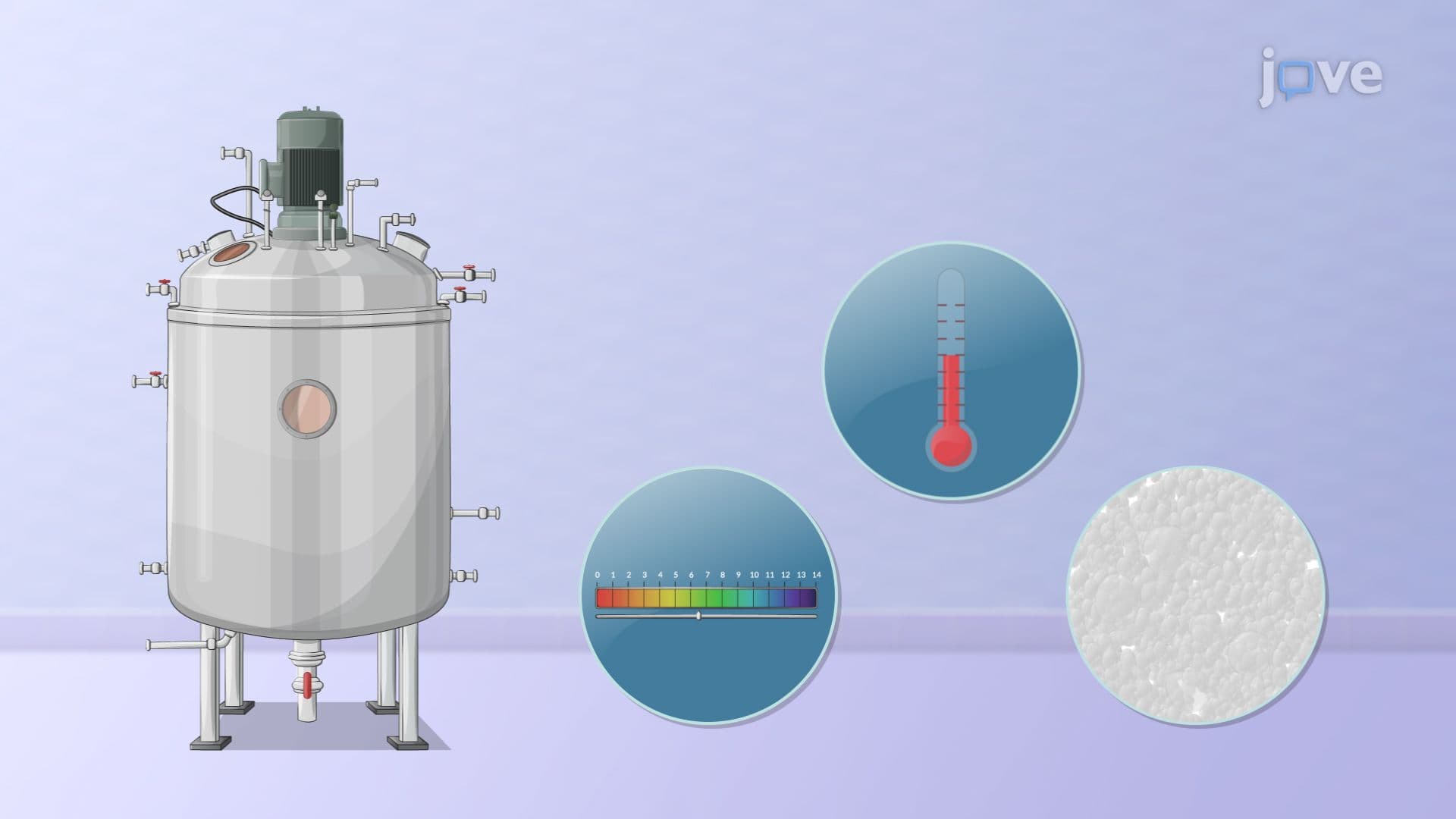
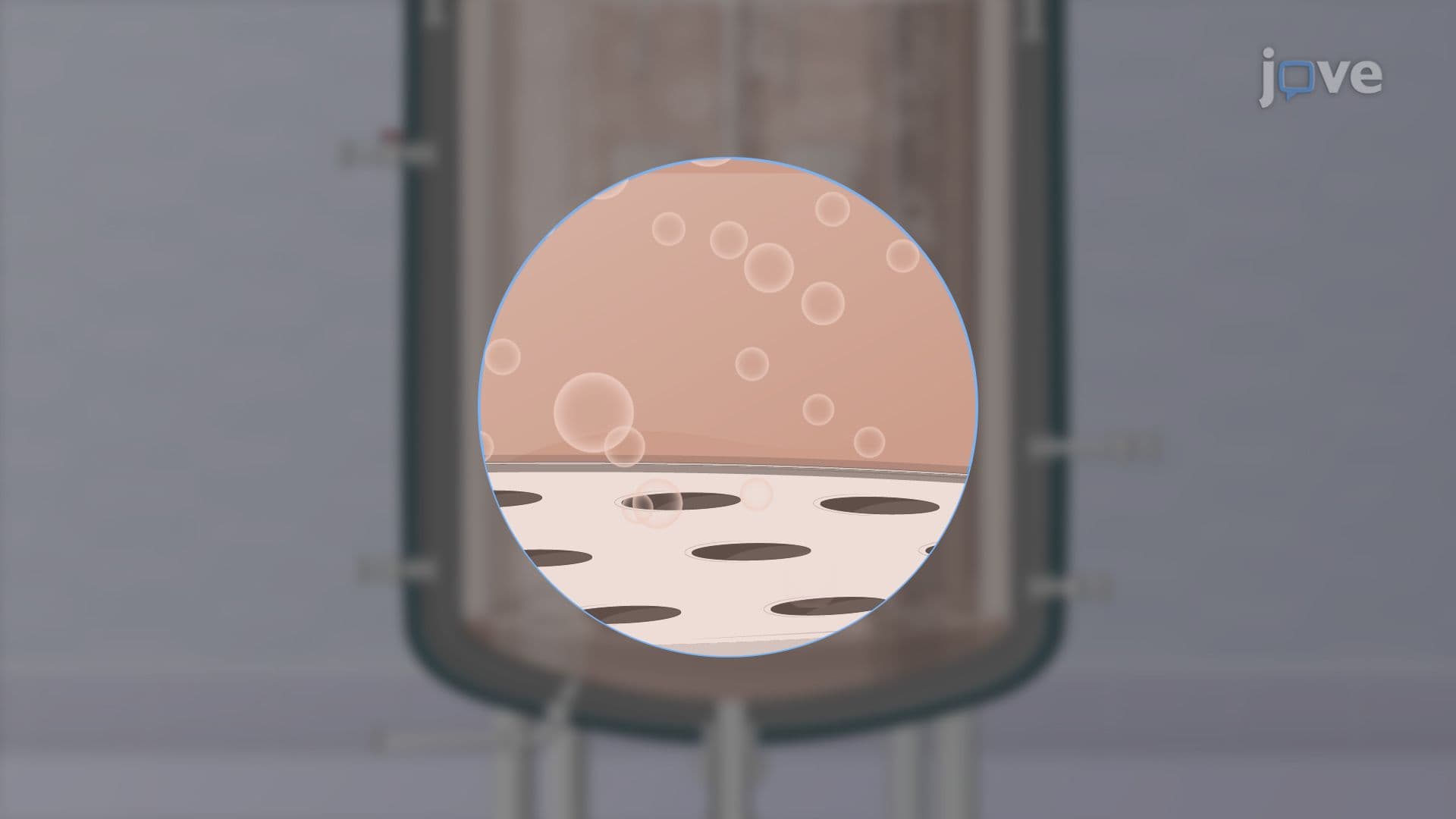
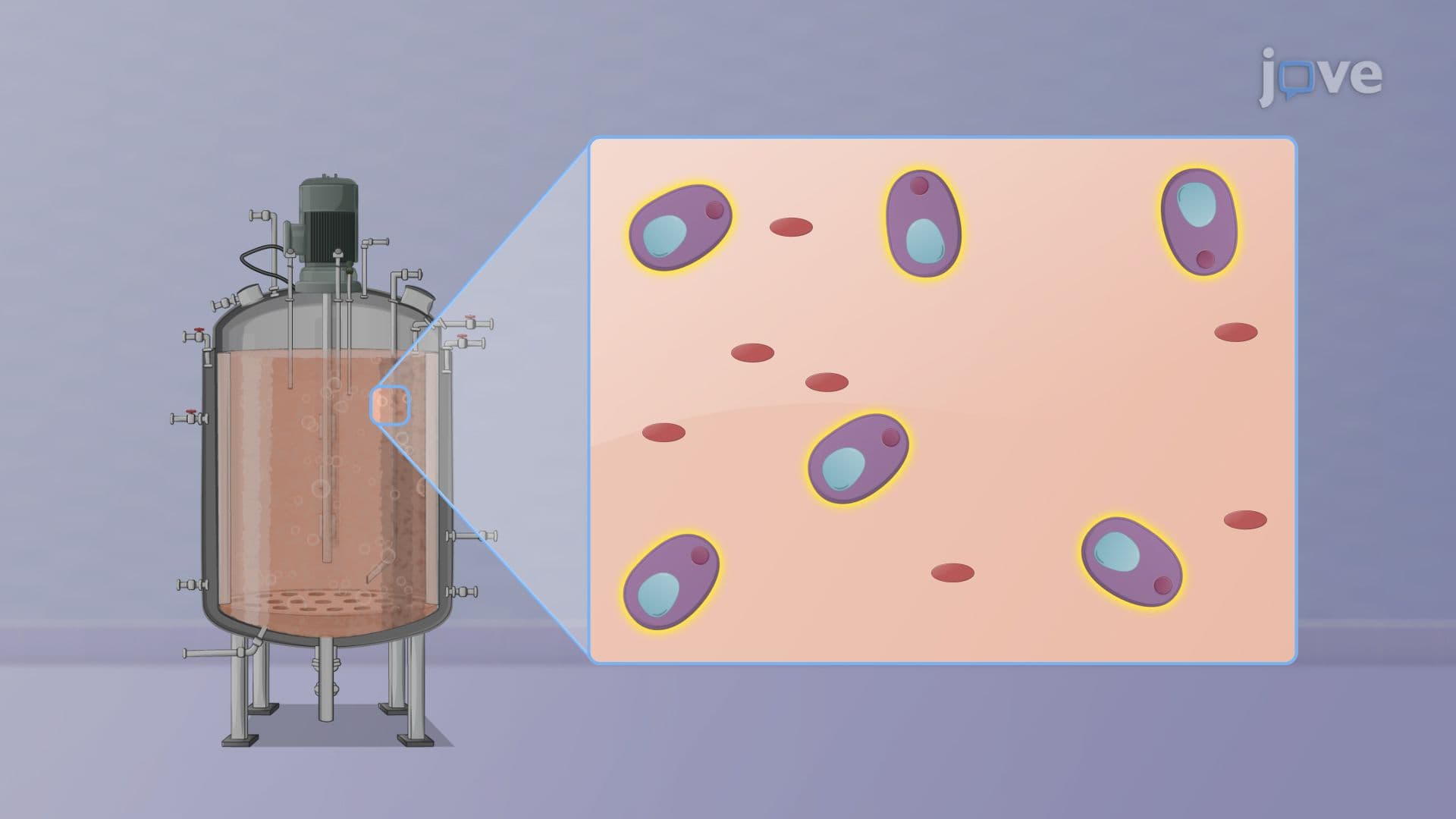
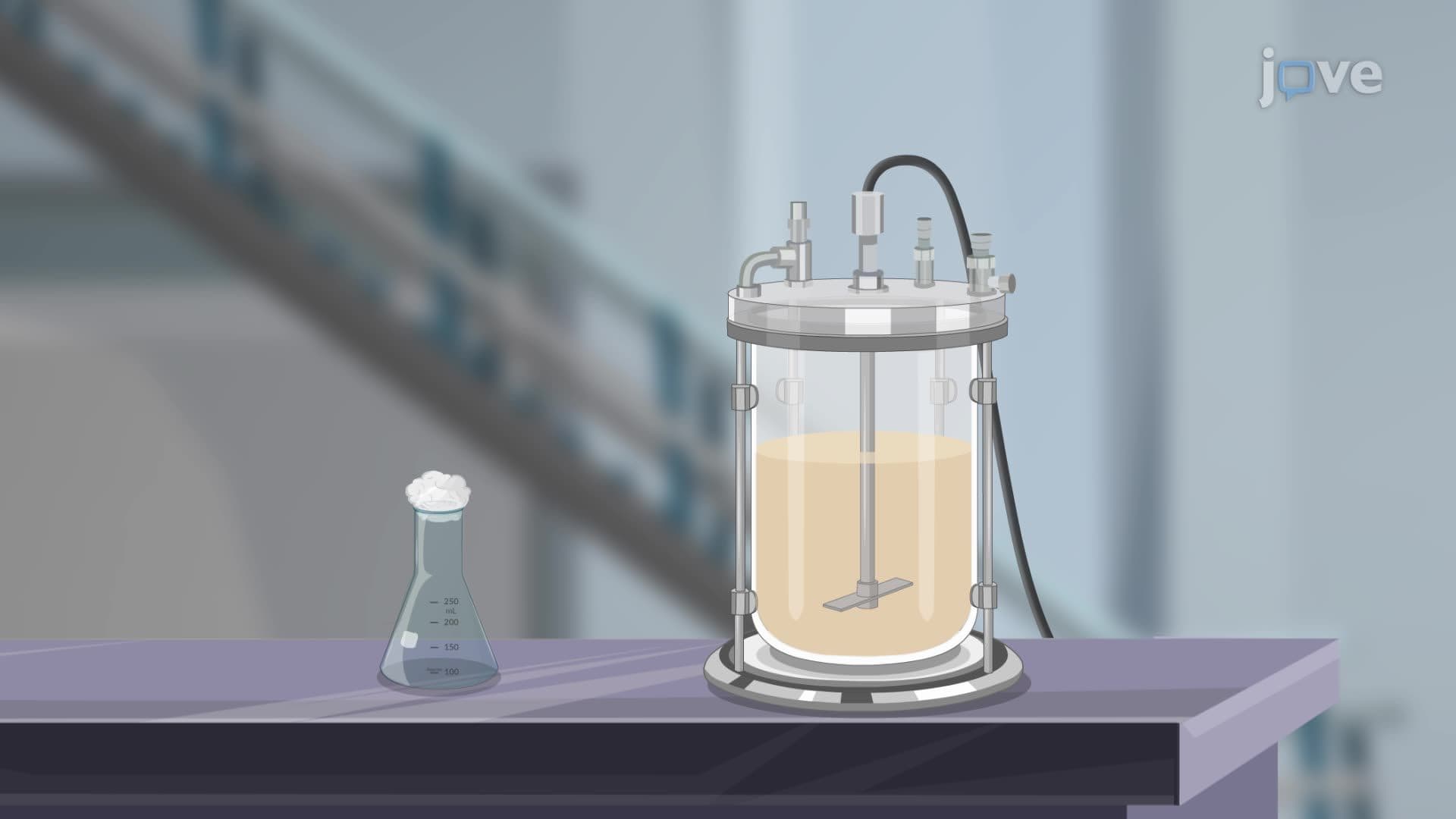
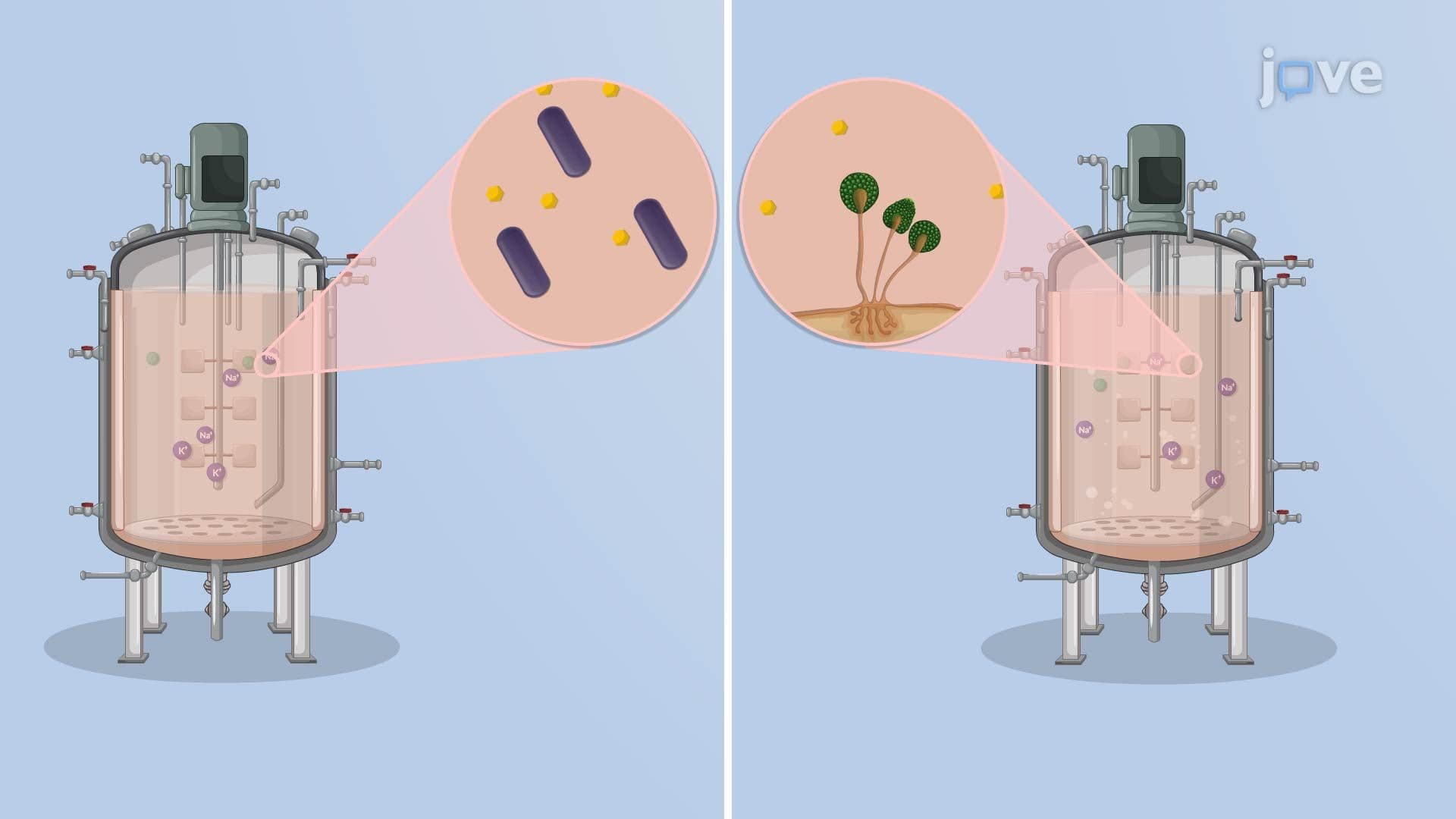
Batch culture is a closed system in which microorganisms are introduced into a fixed volume of nutrient-rich medium. All nutrients are supplied at the start, and, aside from gas exchange like oxygen and carbon dioxide, nothing is added or removed during the incubation period. As a result, the microbial population follows a predictable four-phase growth curve:
1. Lag phase, Microbes adjust to their new environment; little to no division occurs 2. Exponential (log) phase, Rapid, doubling cell growth as nutrients are abundant 3. Stationary phase, Growth rate equals death rate as nutrients become limited and waste accumulates 4. Death phase, Nutrient depletion and toxic byproduct buildup cause population decline
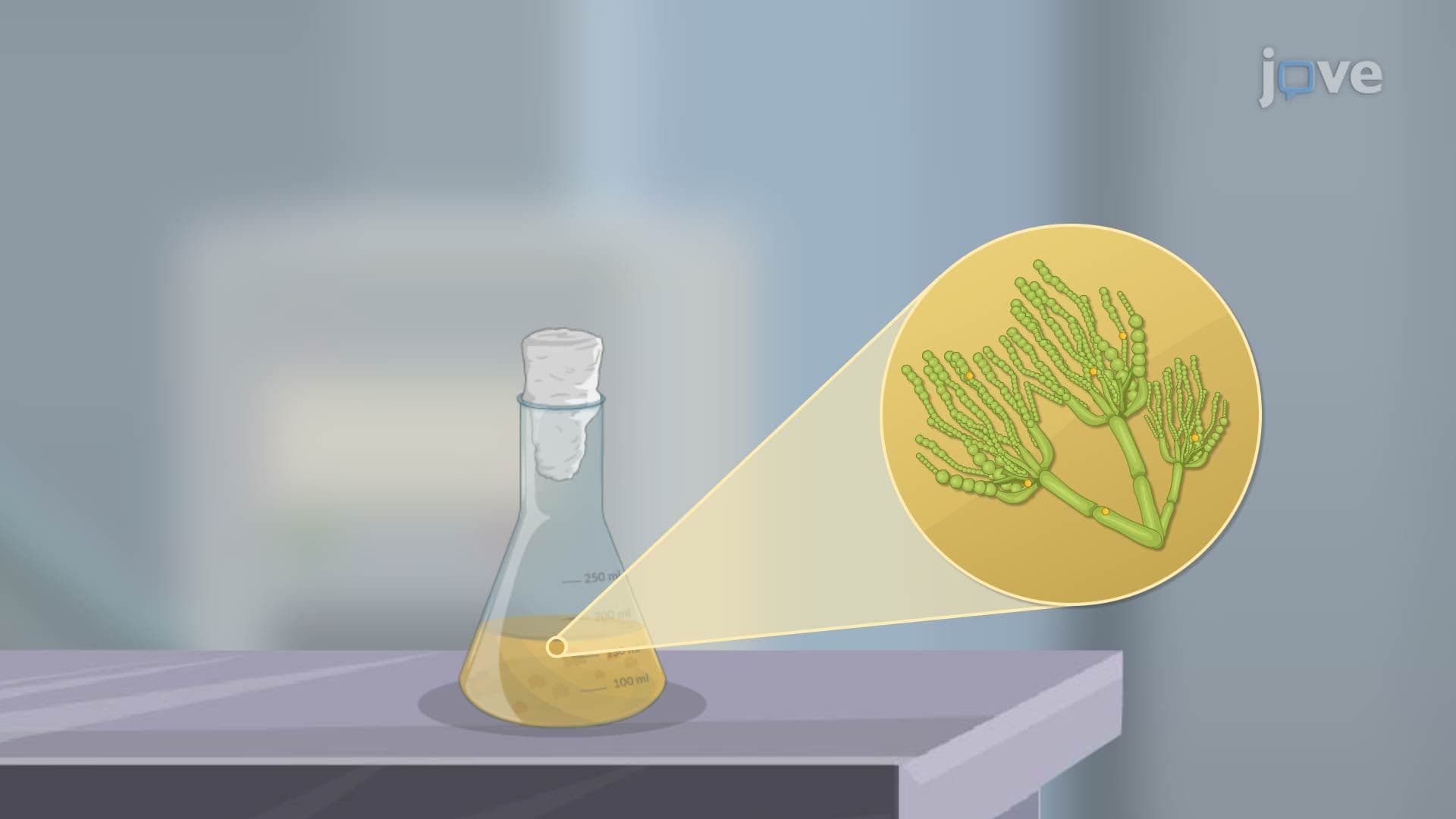
Once growth halts, the desired product, such as penicillin produced by *Penicillium* fungi, is harvested from the culture. Batch culture is straightforward to set up, easier to sterilize between runs, and reduces contamination risk, making it a preferred method for producing antibiotics and secondary metabolites in US pharmaceutical facilities.
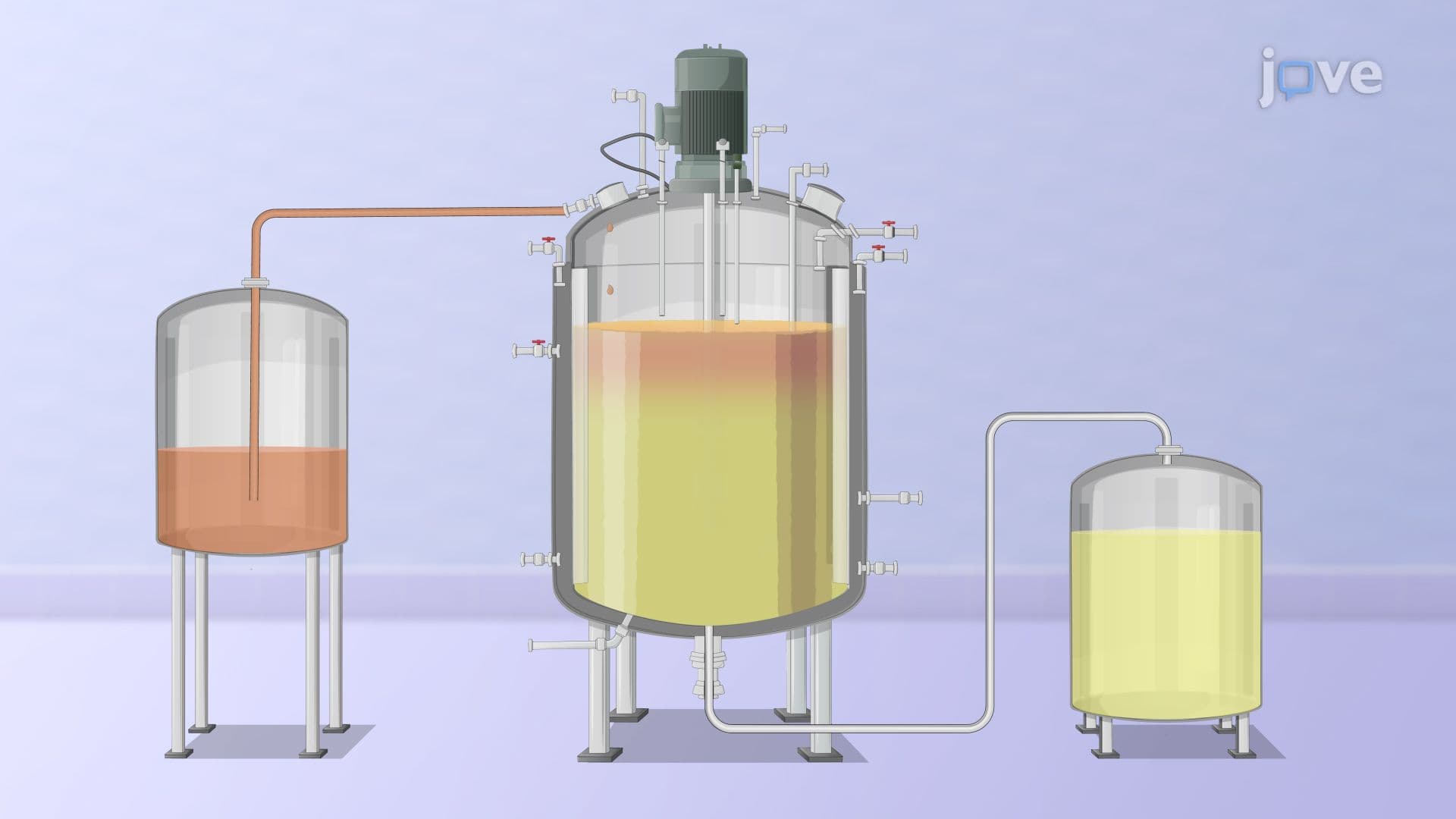
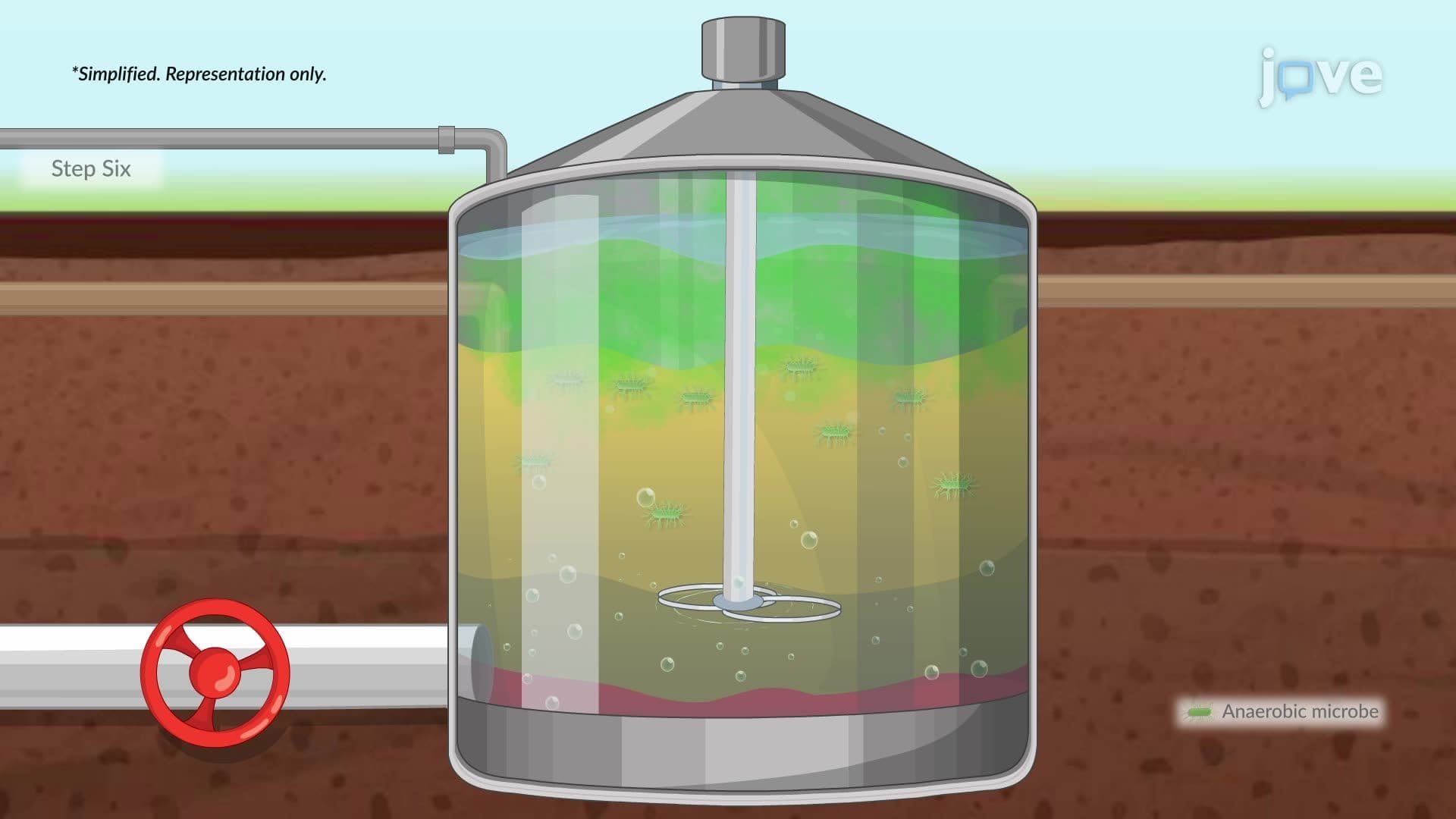
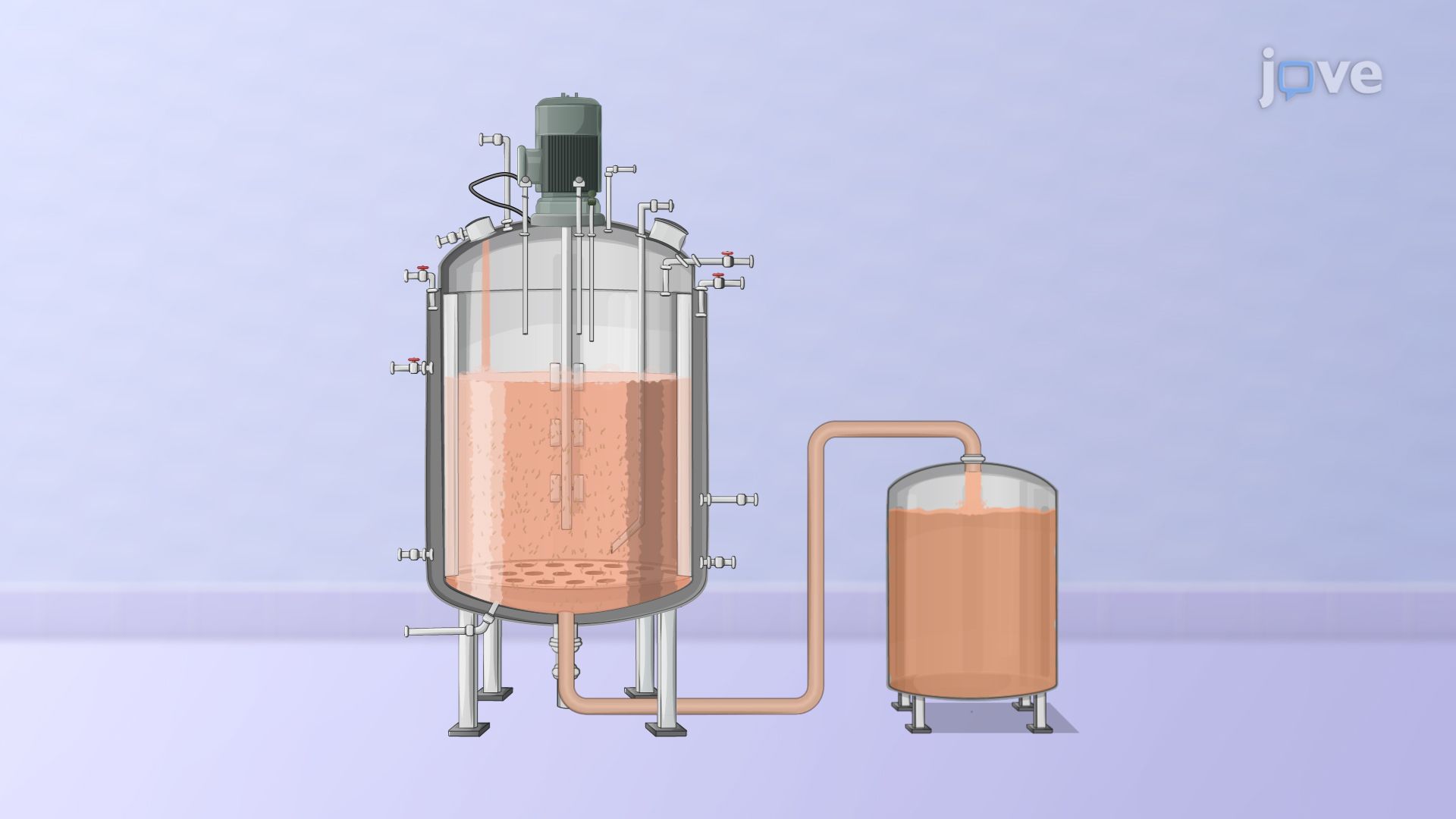
Continuous culture operates as an open system, most commonly using a device called a chemostat. Fresh nutrient medium flows in at a controlled rate while an equal volume of culture, containing both microbes and waste products, is simultaneously removed. This dynamic balance maintains a constant volume and, critically, a steady state of growth.
Because nutrients are continuously replenished and waste is diluted out, the microbial population is held in the exponential growth phase indefinitely. This produces a consistent, predictable output of cells or metabolic products, making continuous culture ideal for applications like enzyme production, recombinant protein manufacturing, and biofuel production. US-based biotech firms and university research labs, including those working on recombinant DNA technology in industry, frequently use chemostats when consistent cell density and product quality are required over extended periods.
| Feature | Batch Culture | Continuous Culture | |---|---|---| | System type | Closed | Open | | Nutrient input | One-time, at start | Continuously added | | Waste removal | None during run | Continuously removed | | Growth phase | Transitions through all phases | Maintained at exponential | | Contamination risk | Lower | Higher | | Best for | Antibiotics, secondary metabolites | Enzymes, biofuels, recombinant proteins |
Understanding what industrial microbiology is used for means recognizing how these two methods power an enormous range of products. Batch culture is widely used in antibiotic production, Eli Lilly and Pfizer have historically used batch fermentation to manufacture drugs like erythromycin. Continuous culture, on the other hand, supports large-scale fermentation in industries like renewable energy, where companies such as Gevo use engineered microbes in steady-state systems to produce bioethanol and isobutanol. For students preparing for AP Biology, college microbiology midterms, or the MCAT, mastering this comparison is non-negotiable, questions frequently ask you to predict which method produces more consistent output and why.
Related Micro-courses