Loading video…


 22 Concepts
 3.7K views

Video Summary: What Is Production of Antibiotics
Did you know the antibiotic saving your life in a US hospital likely started in a fungal fermentation tank? The production of antibiotics is a fascinating intersection of microbiology and industrial engineering. Penicillin, still one of America's most prescribed antibiotics, is manufactured using *Penicillium chrysogenum* in massive bioreactors under tightly controlled conditions. Understanding What is Production of Antibiotics reveals how microbes become medicine at scale. Watch the full video on JoVE Coach to master this concept with expert-led visuals and step-by-step explanations.
The production of antibiotics is one of the most consequential achievements in the history of applied science. At its core, it is the industrial-scale cultivation of microorganisms, primarily fungi and bacteria, to generate chemical compounds that inhibit or kill pathogenic bacteria. Penicillin's discovery in the 1920s by Alexander Fleming, followed by its mass production during World War II in US facilities like the Pfizer plant in Brooklyn, New York, transformed modern medicine and established the blueprint for industrial microbiology as a discipline.
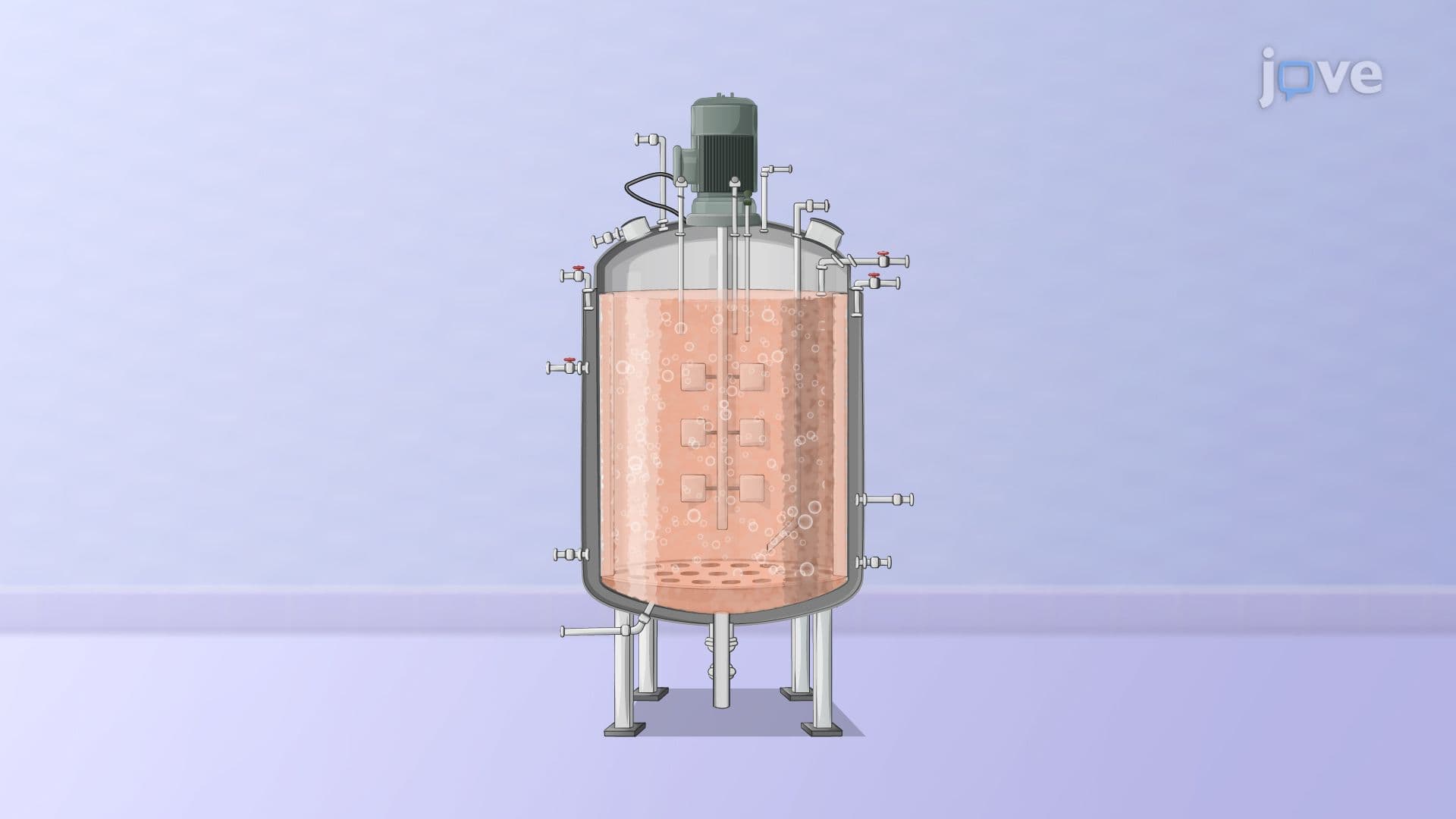
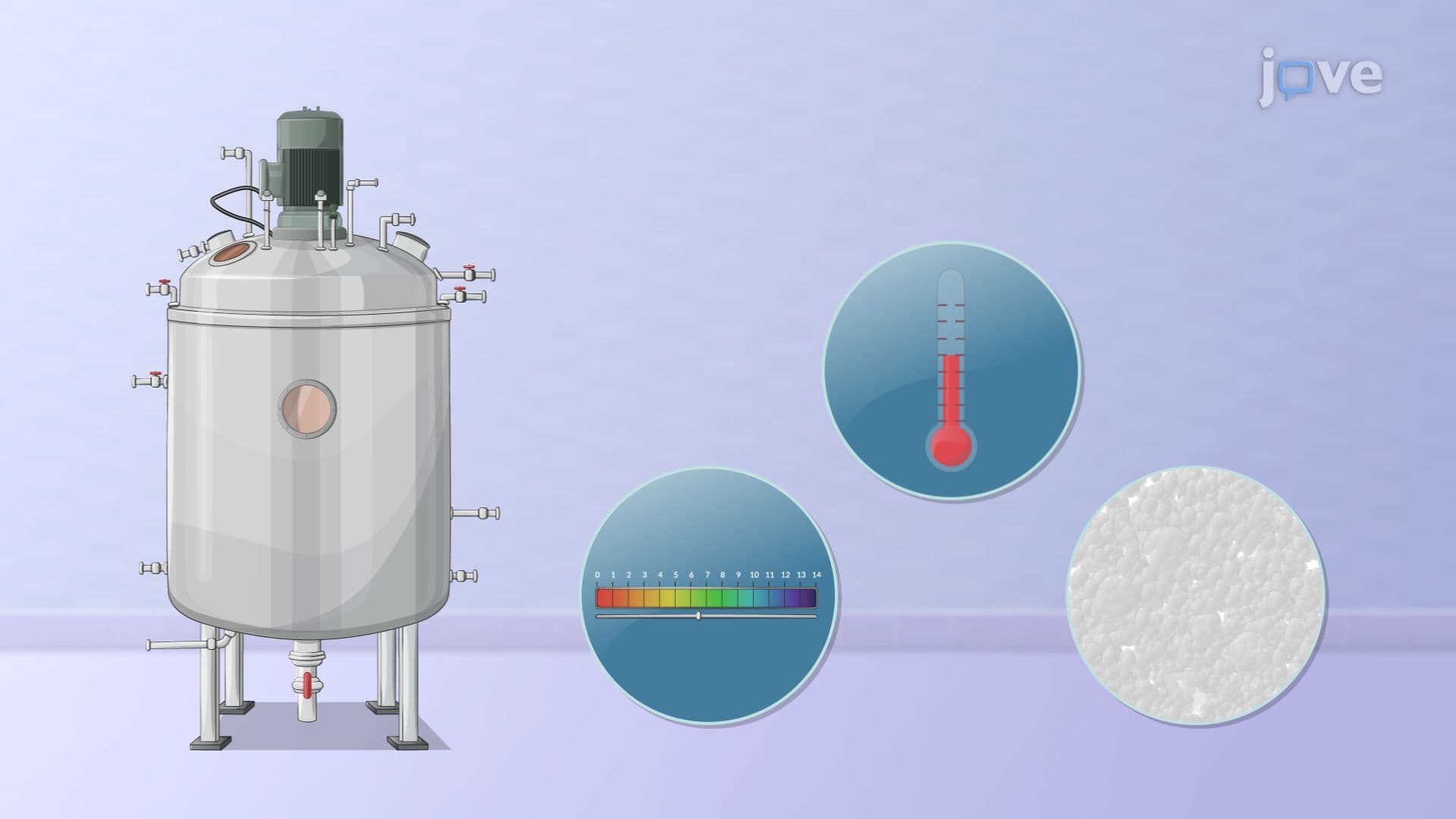
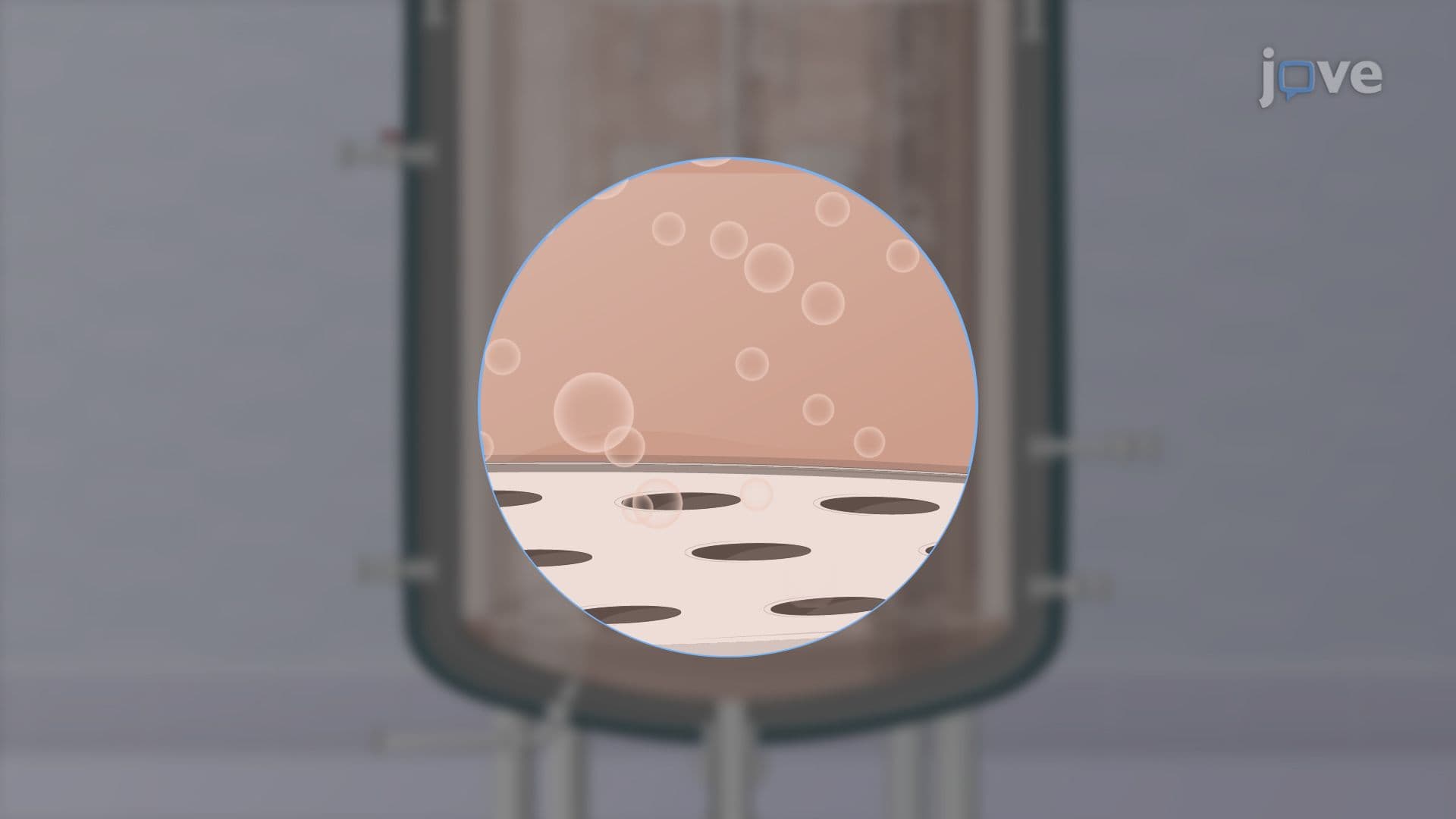
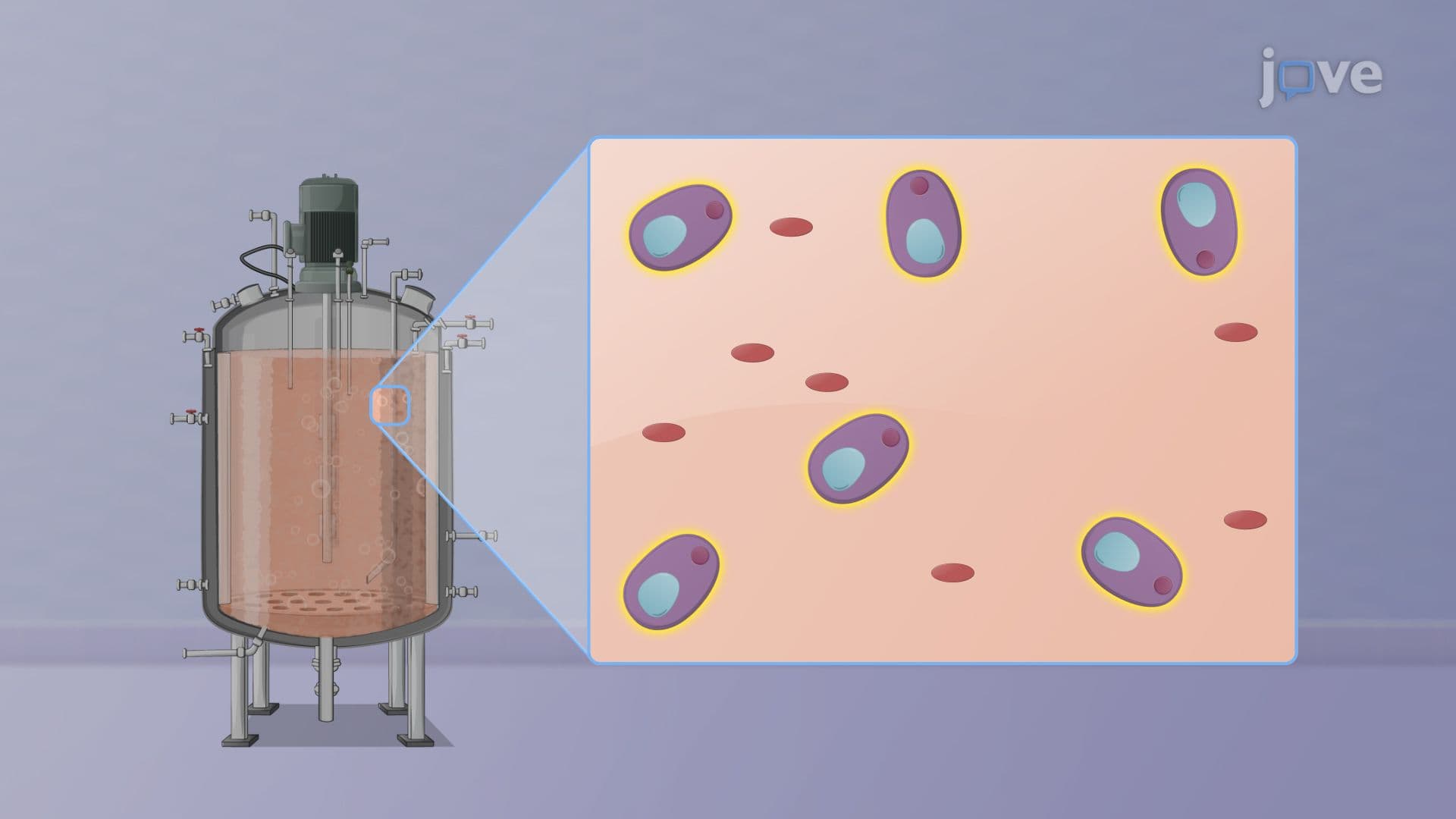
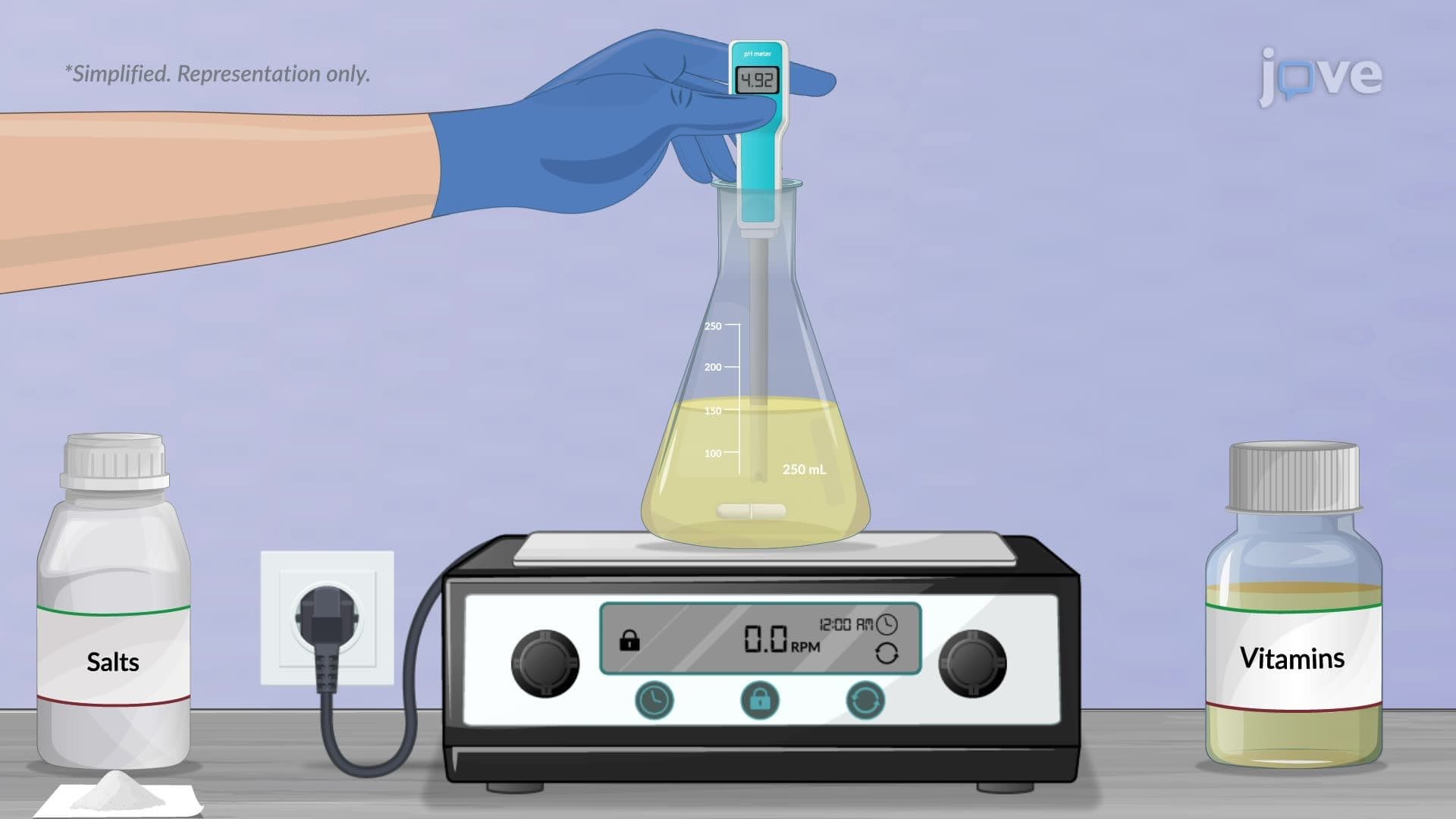
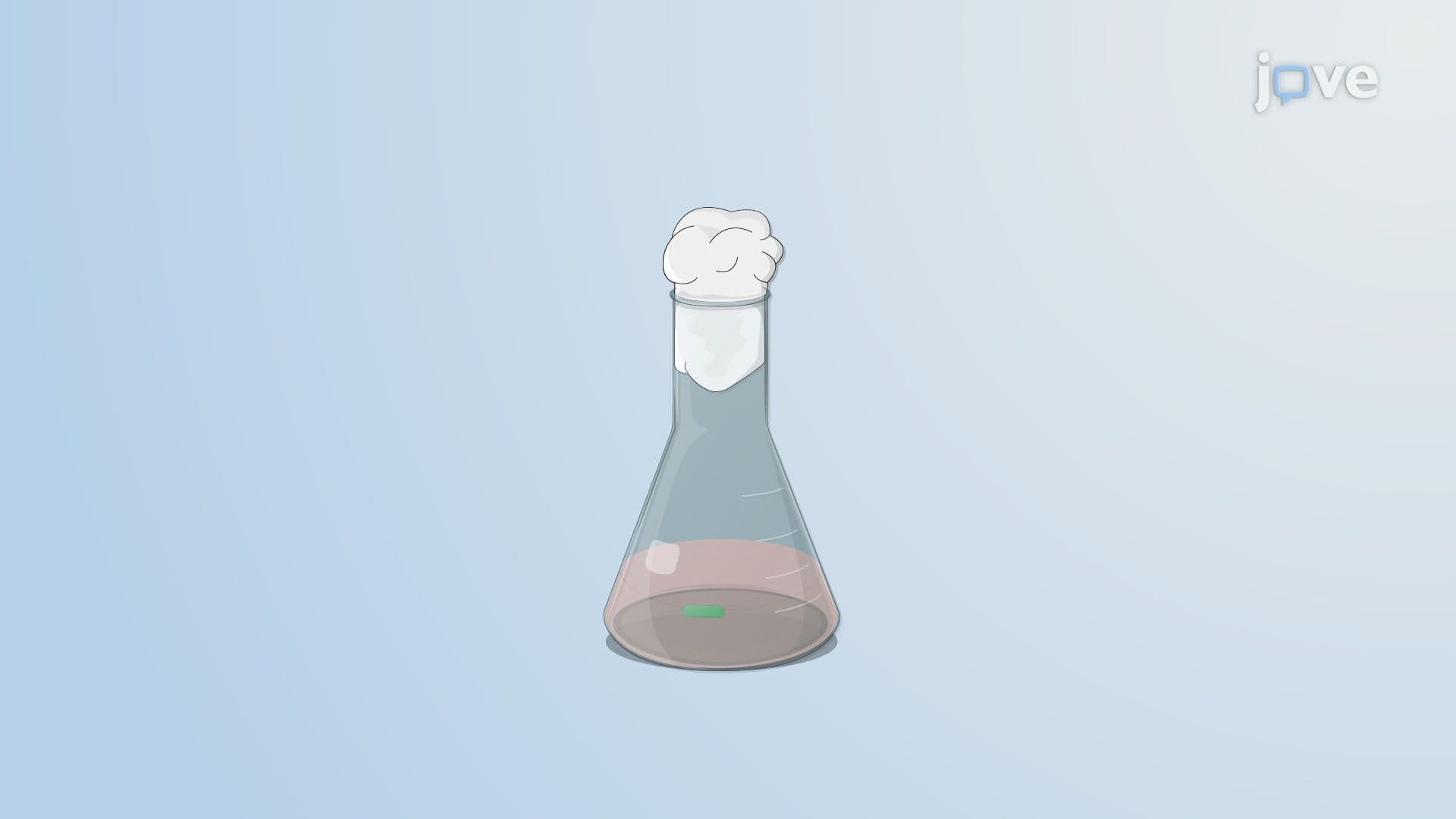
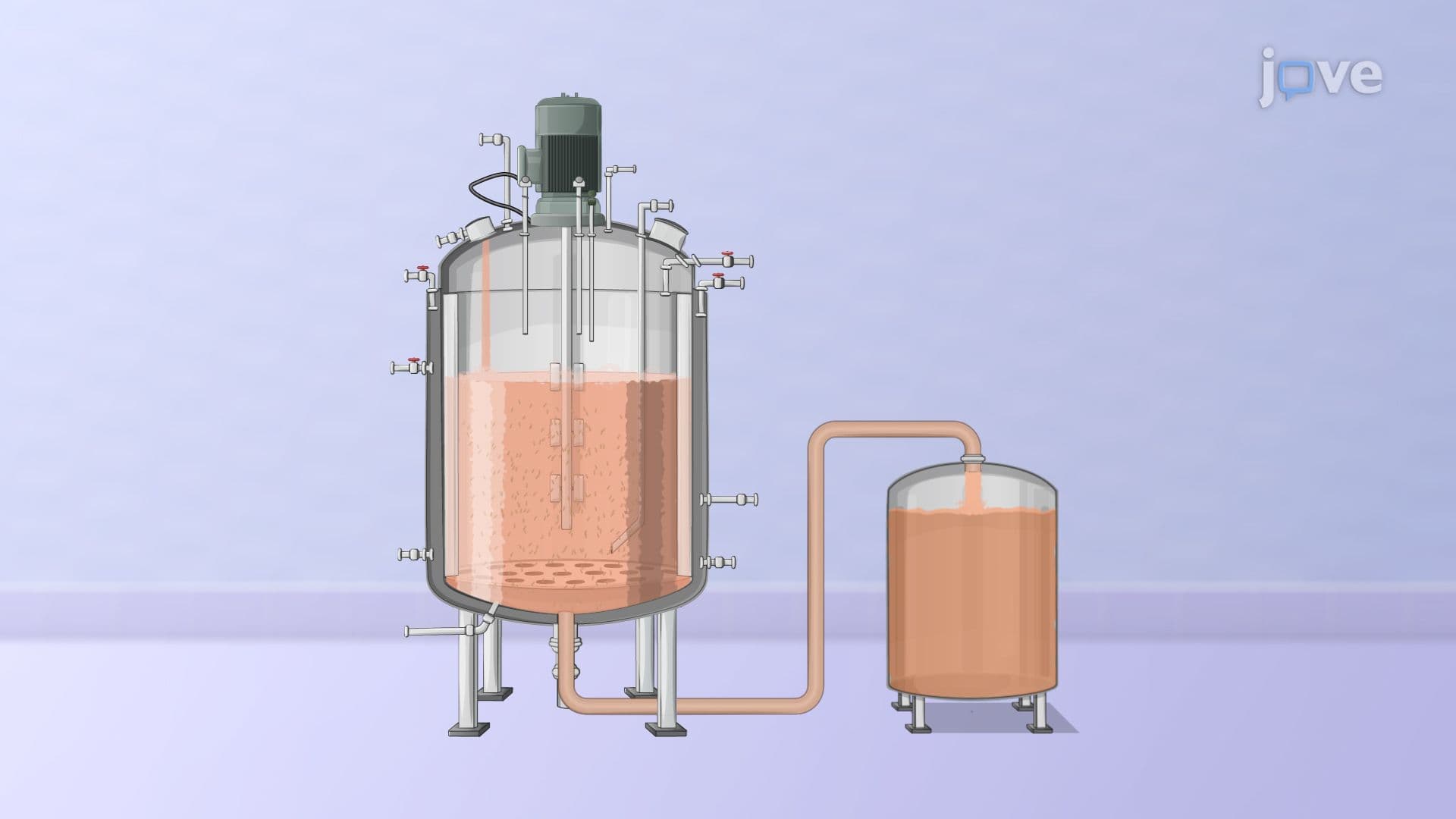
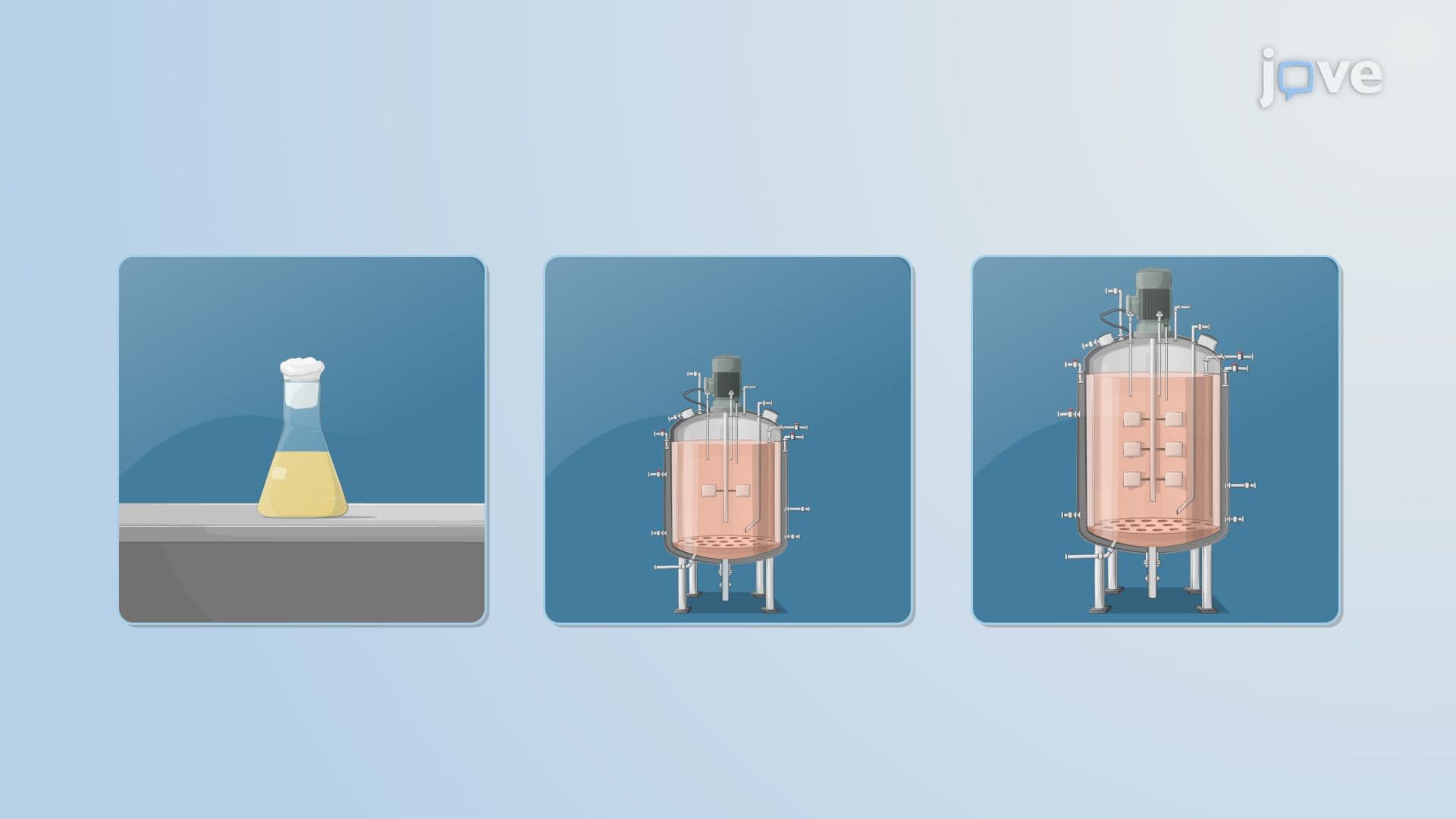
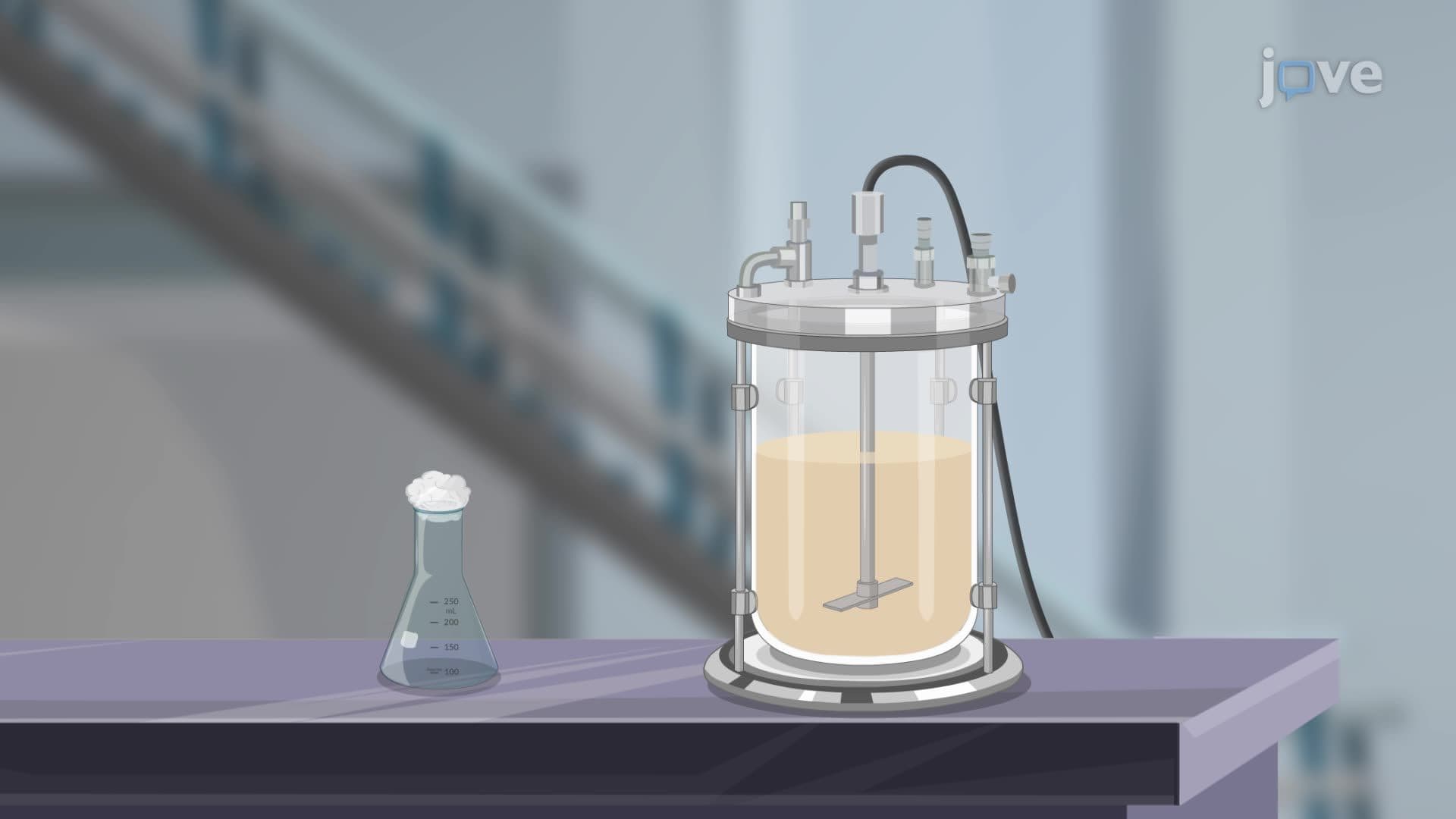
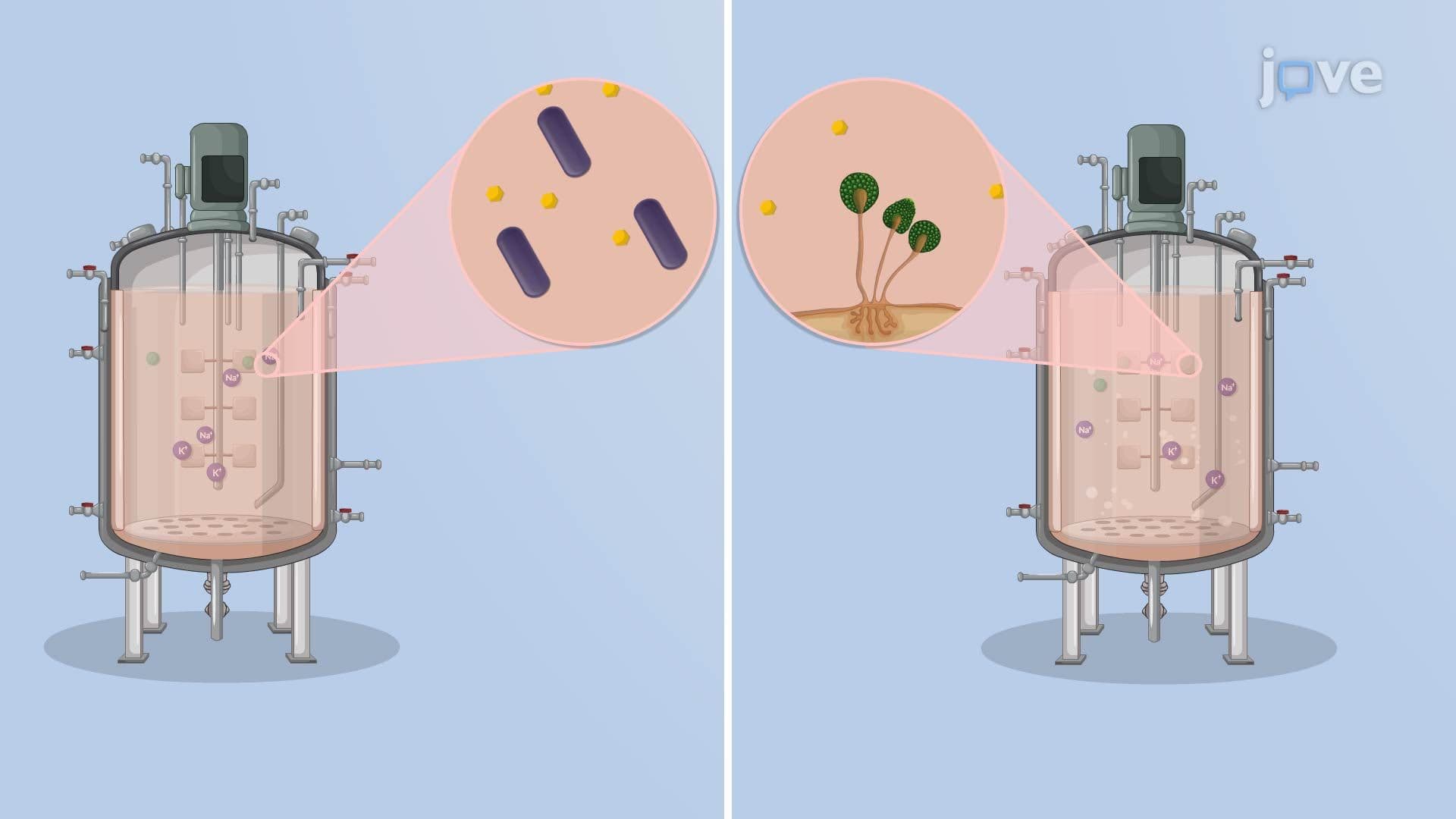
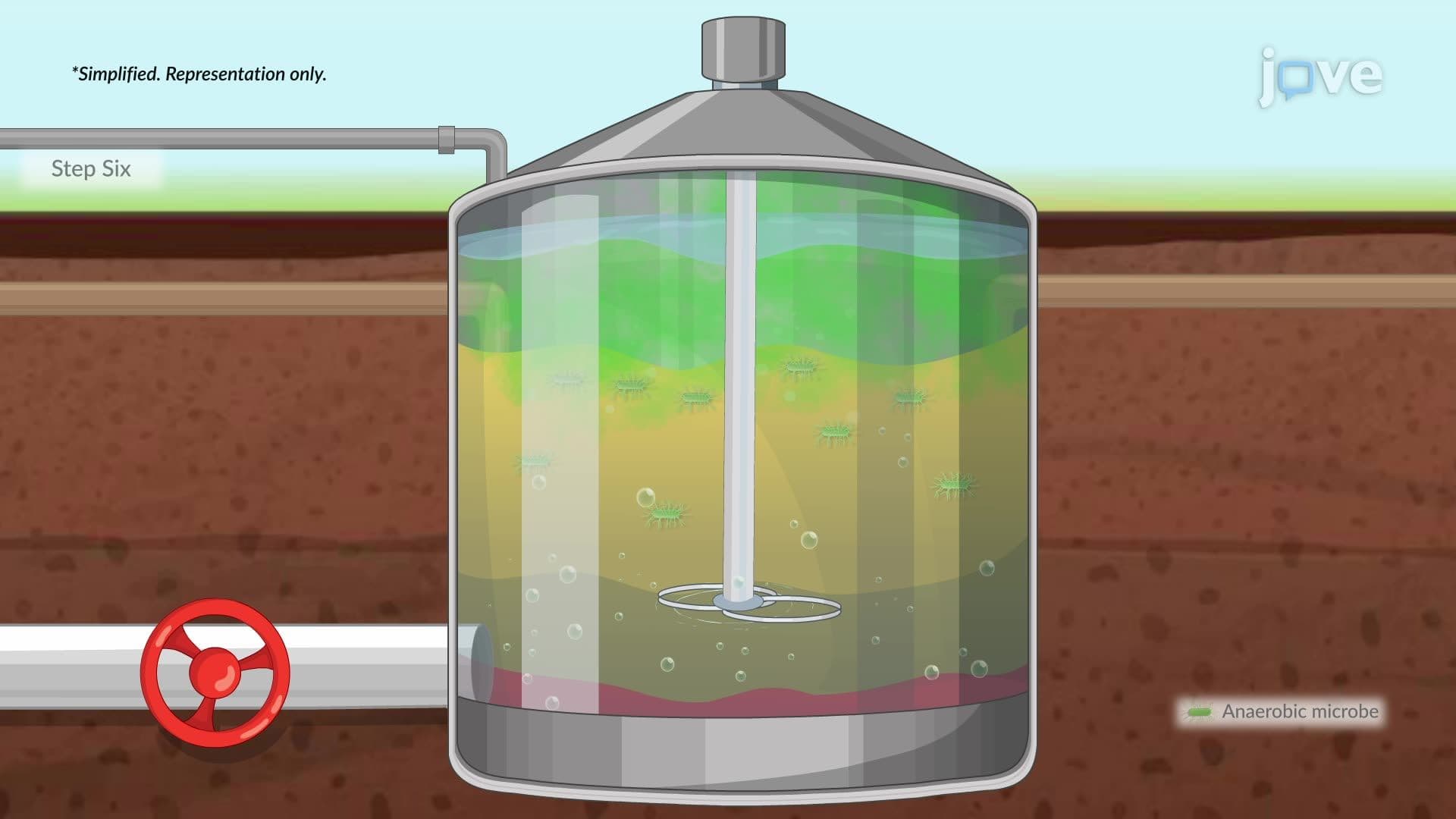
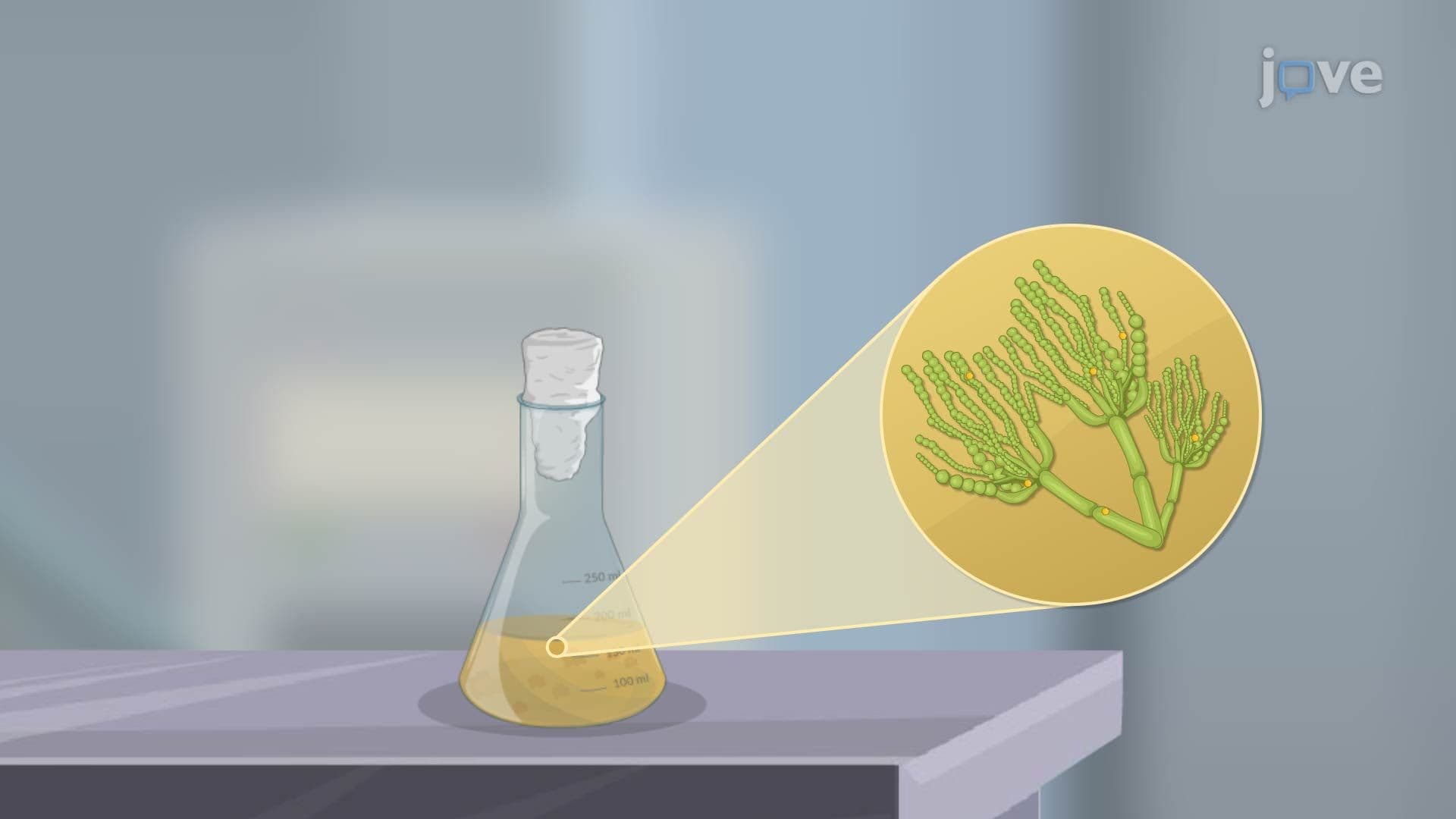
Antibiotic production begins with selecting a high-yield microbial strain. For penicillin, *Penicillium chrysogenum* is the organism of choice. The process starts in small seed cultures to build up the fungal population, which is then transferred into large bioreactors, industrial vessels that can hold tens of thousands of liters. The fermentation medium is carefully formulated: lactose serves as the primary carbon source, complemented by nitrogen and sulfur sources. Glucose is deliberately kept at low concentrations because elevated glucose triggers carbon catabolite repression, a regulatory mechanism where the cell preferentially uses the easily available sugar and suppresses the metabolic pathways needed for penicillin synthesis. Temperature is held between 25°C and 27°C, and pH is maintained between 6.8 and 7.4 to keep the fungus in its optimal productive state.
A critical concept in antibiotic production is that cell growth and antibiotic synthesis are temporally separated. During the early exponential phase, the fungal cells are dividing rapidly, consuming nutrients and building biomass, but producing very little penicillin. It is only when nutrient (particularly carbon) availability declines and the culture shifts into the stationary phase that the cells redirect their metabolic machinery toward producing secondary metabolites like penicillin. This makes antibiotic production a secondary metabolite process, a concept tested extensively in AP Biology and college-level microbiology courses. Understanding this distinction helps students explain why fermentation runs often last a full week before meaningful yields are collected.
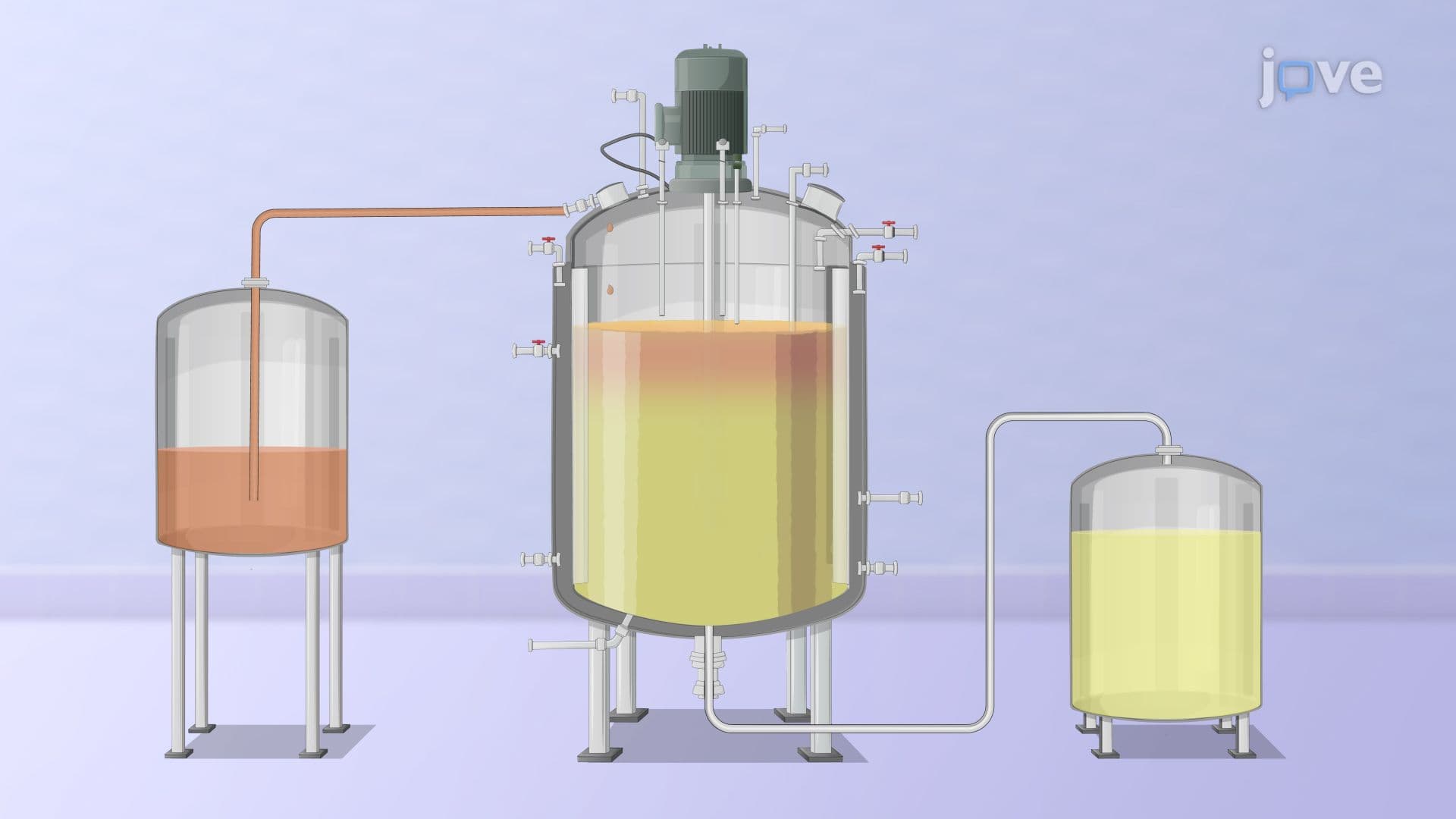
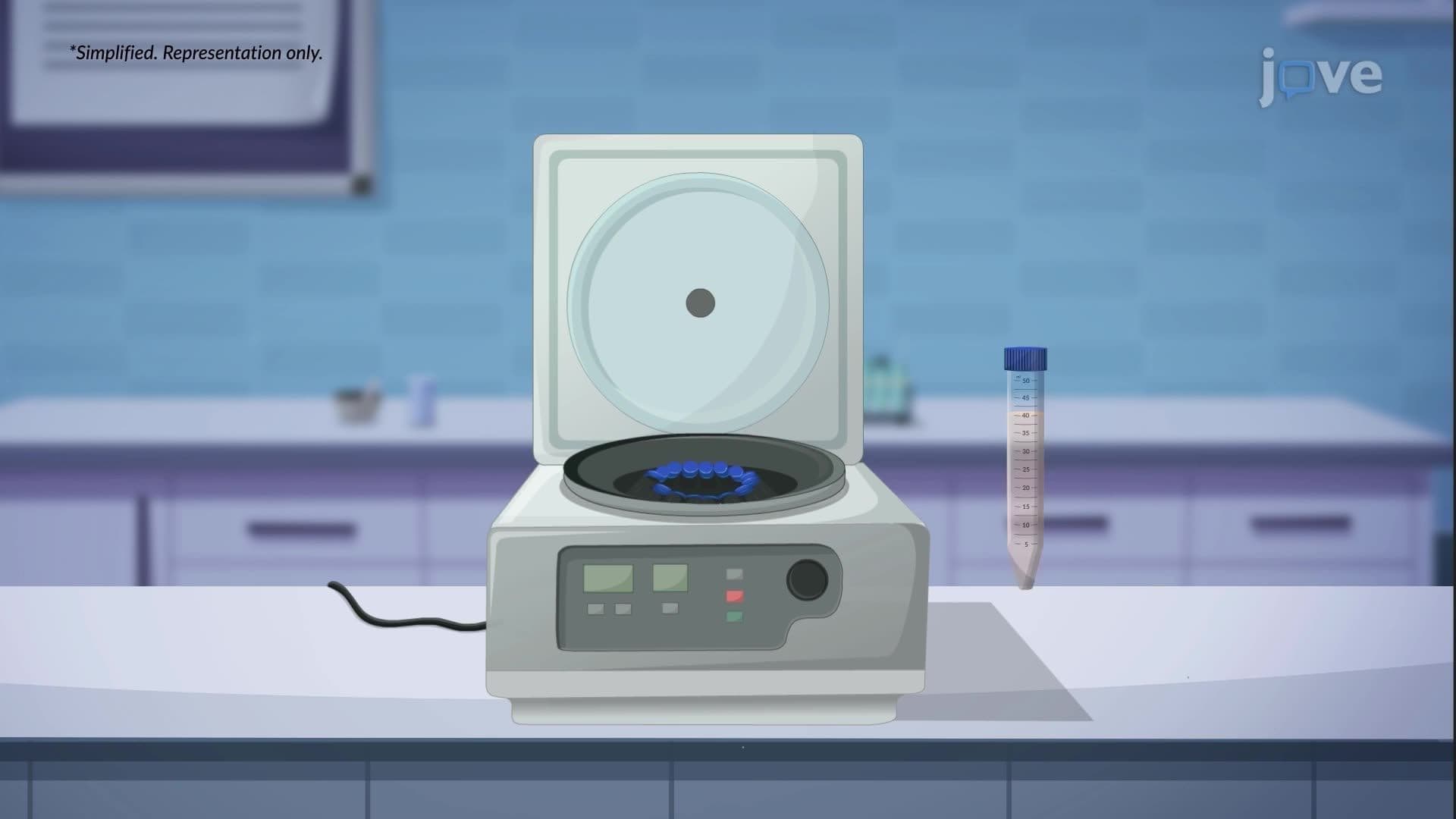
To produce a specific, clinically useful form of penicillin, phenylacetic acid is added as a biosynthetic precursor during the stationary phase. This directs the fungal enzymes to synthesize Penicillin G, the form widely used in US clinical settings to treat streptococcal and staphylococcal infections. After roughly seven days of fermentation, the broth undergoes filtration and multi-step purification processes, including solvent extraction and chromatography, to isolate the antibiotic at pharmaceutical-grade purity. This downstream processing is where microbial biotechnology meets chemical engineering, a connection commonly explored in college biochemistry and bioprocess engineering curricula.
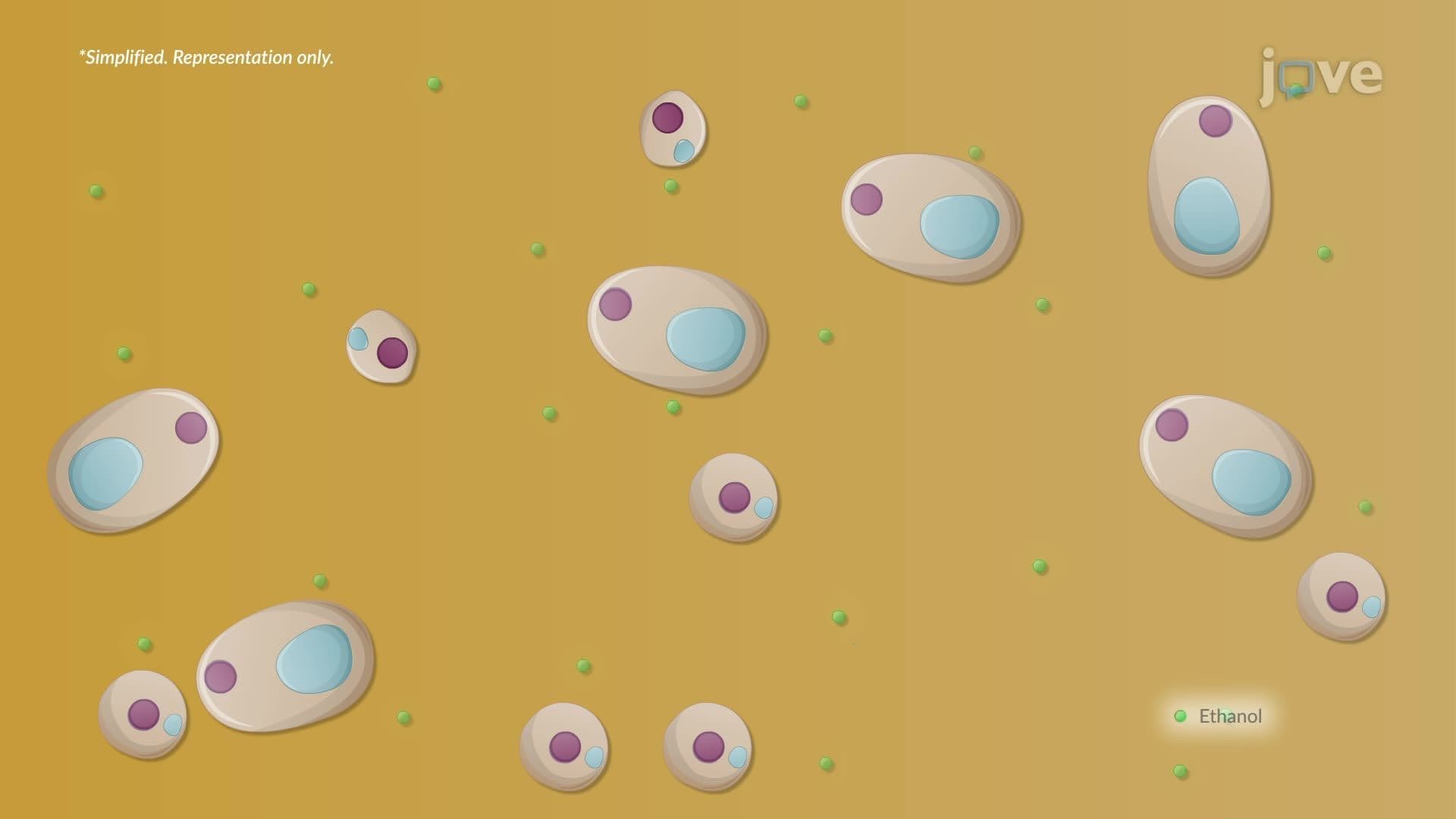
The production of antibiotics explained through the lens of penicillin manufacturing provides a model for understanding nearly all industrial fermentation. The same principles, strain selection, bioreactor scale-up, nutrient optimization, and phase-dependent production, apply to enzyme production (used in US food industries), biofuel production (ethanol from yeast), and recombinant DNA technology in industry (like insulin production by engineered *E. coli*). For students preparing for the MCAT or AP Biology, understanding how microorganisms are used in industrial processes and what industrial microbiology is used for connects microbial physiology to real-world pharmaceutical and biotechnology outcomes.
Related Micro-courses