Loading subject page…

3,720 views

Video Summary: What are Bioplastics
Plastic waste is one of America's biggest environmental challenges, but what if bacteria could make a cleaner alternative? Bioplastics are biodegradable polymers produced by microbes like *Cupriavidus necator* using renewable waste resources. US companies like Danimer Scientific are already scaling this technology for real-world packaging. What are bioplastics, exactly? They're nature's answer to synthetic plastic pollution. Watch the full video on JoVE Coach to master this concept with expert-led visuals and step-by-step explanations.
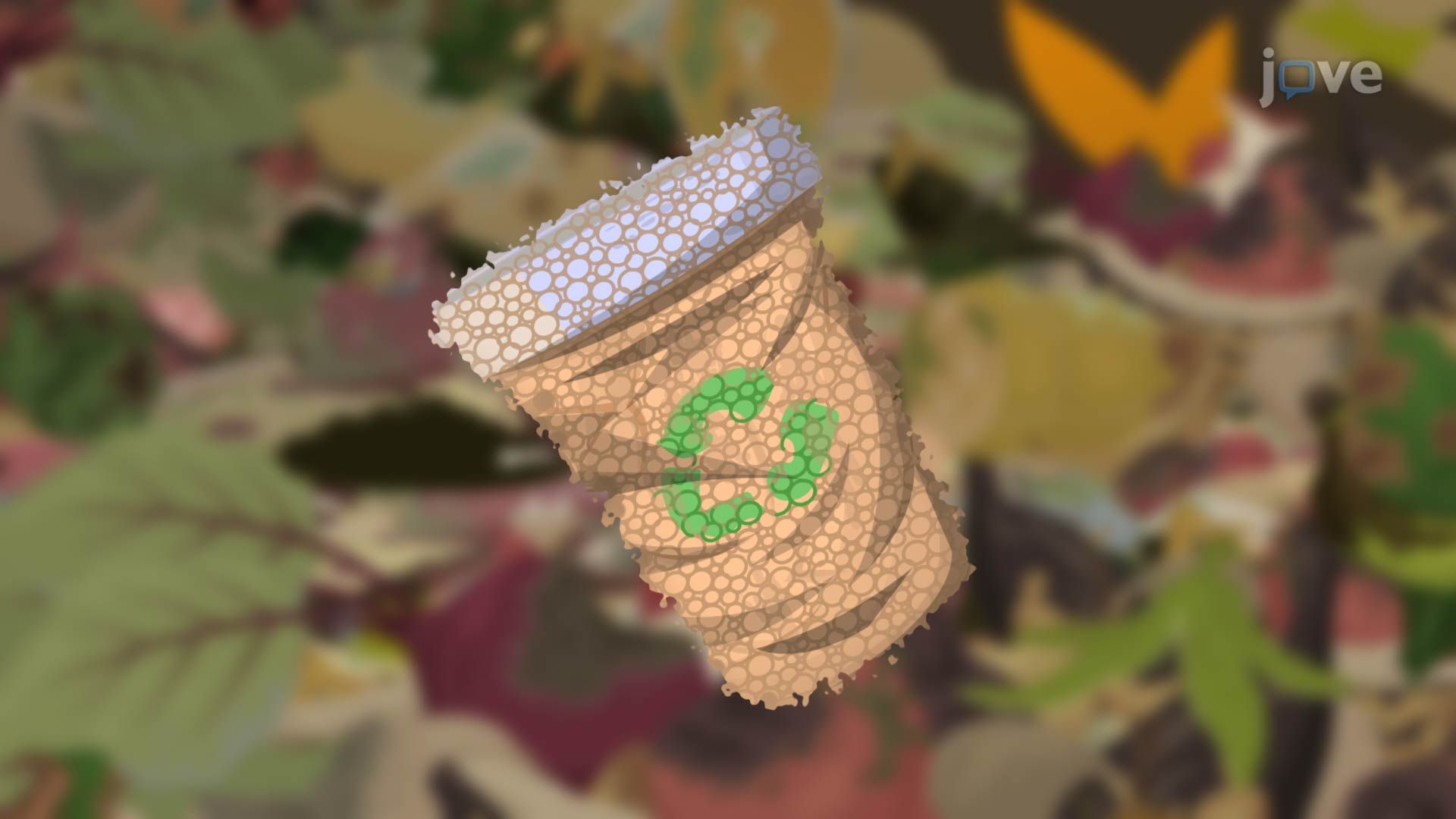
Bioplastics are a class of biodegradable polymers synthesized by living microorganisms rather than derived from fossil fuels. The most well-studied group is polyhydroxyalkanoates (PHAs), natural polyesters that bacteria produce and store internally as energy reserves when nutrients are imbalanced. Unlike conventional plastics that persist in landfills for hundreds of years, bioplastics can be broken down by environmental microbes into simple compounds like carbon dioxide, water, or methane. This makes them a promising solution in the growing field of microbial biotechnology and sustainable manufacturing.
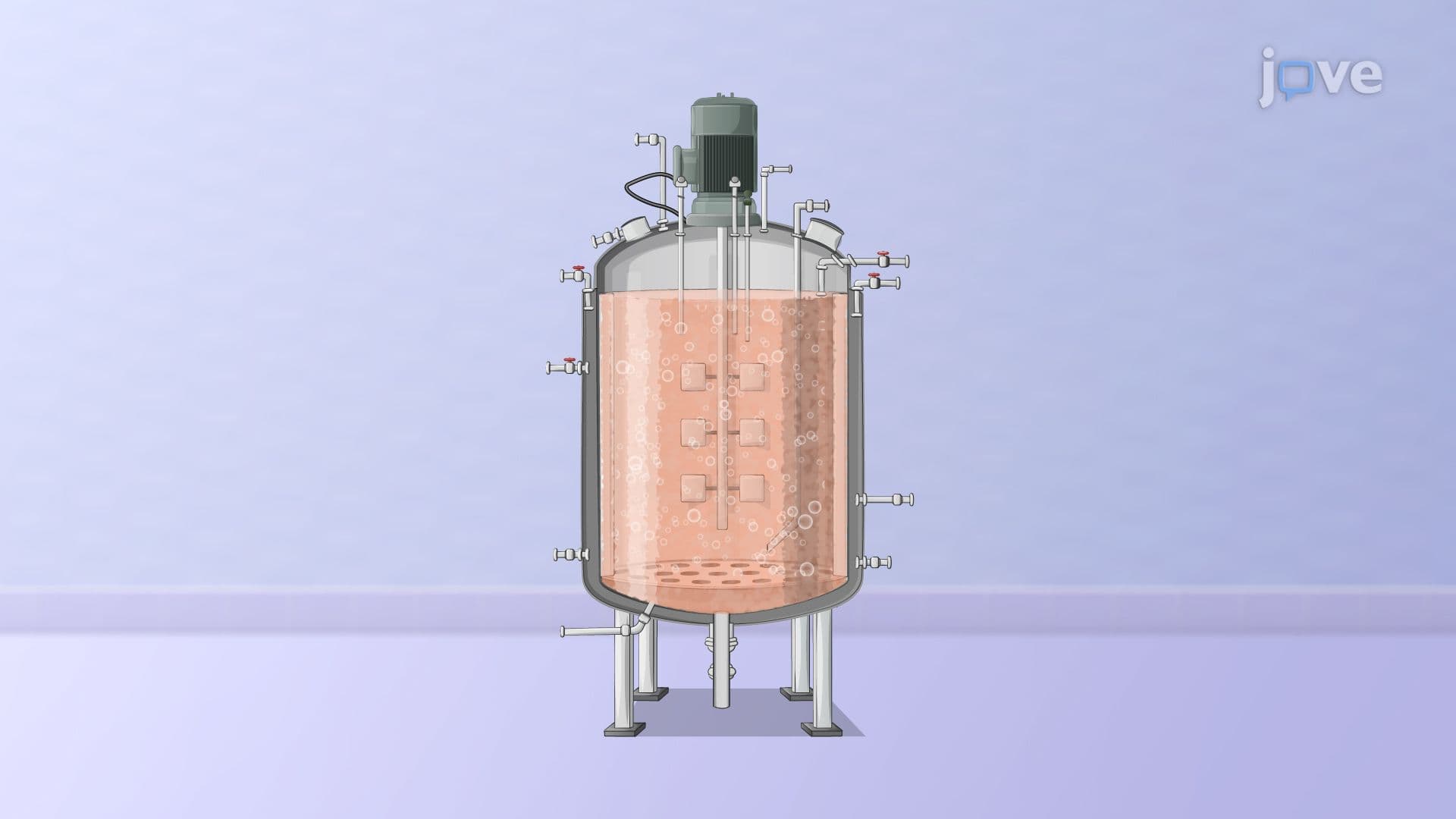
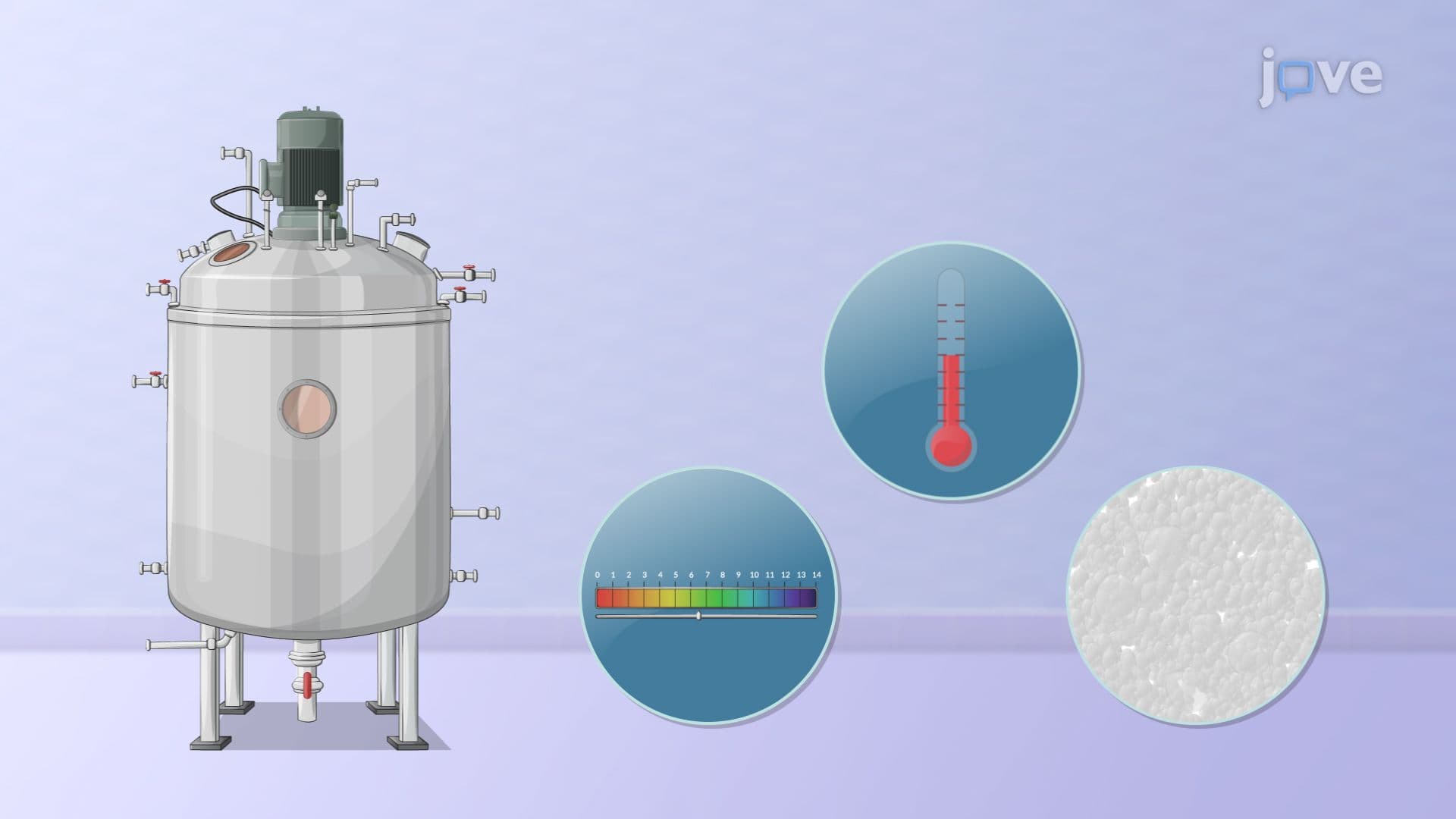
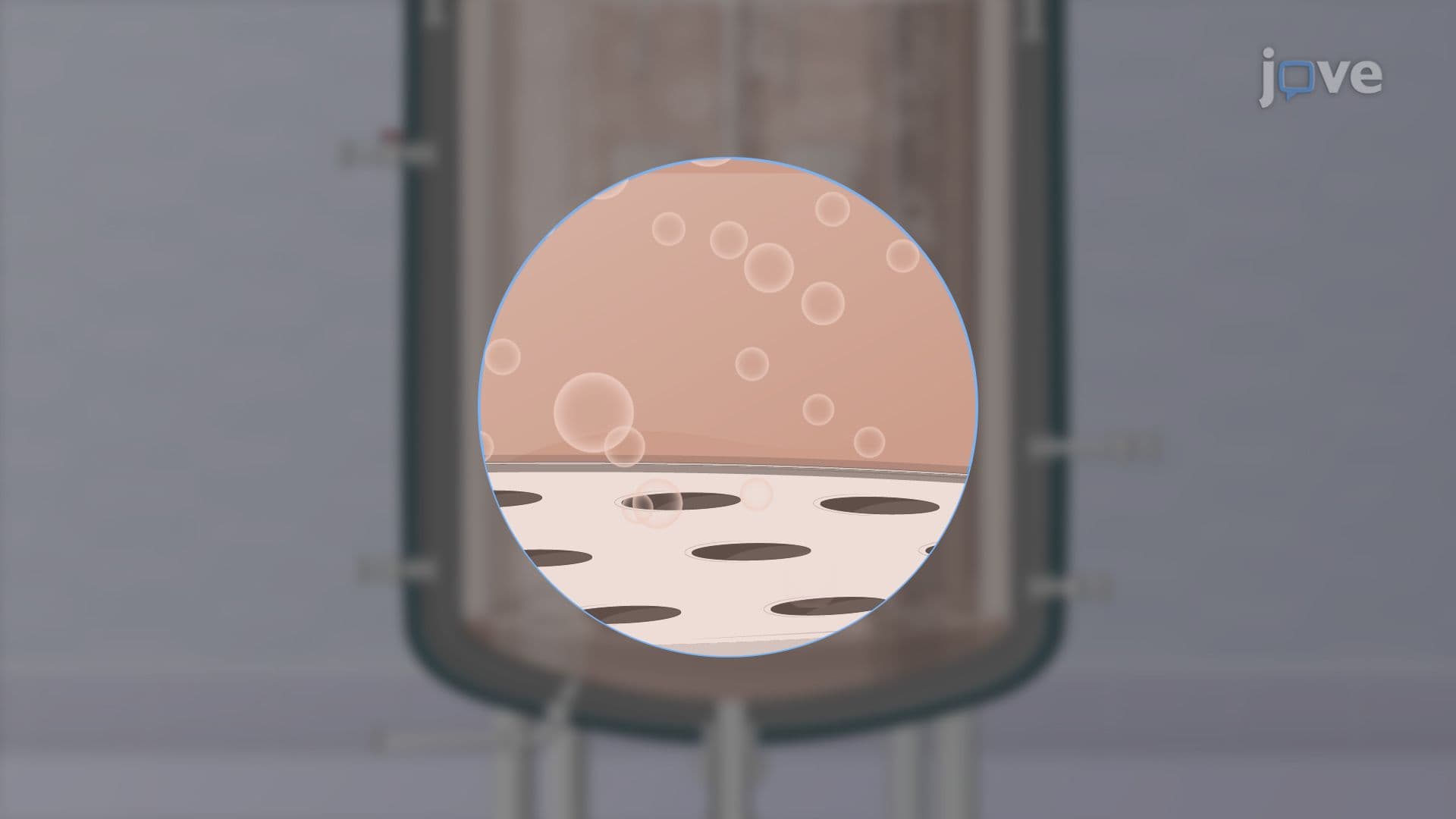
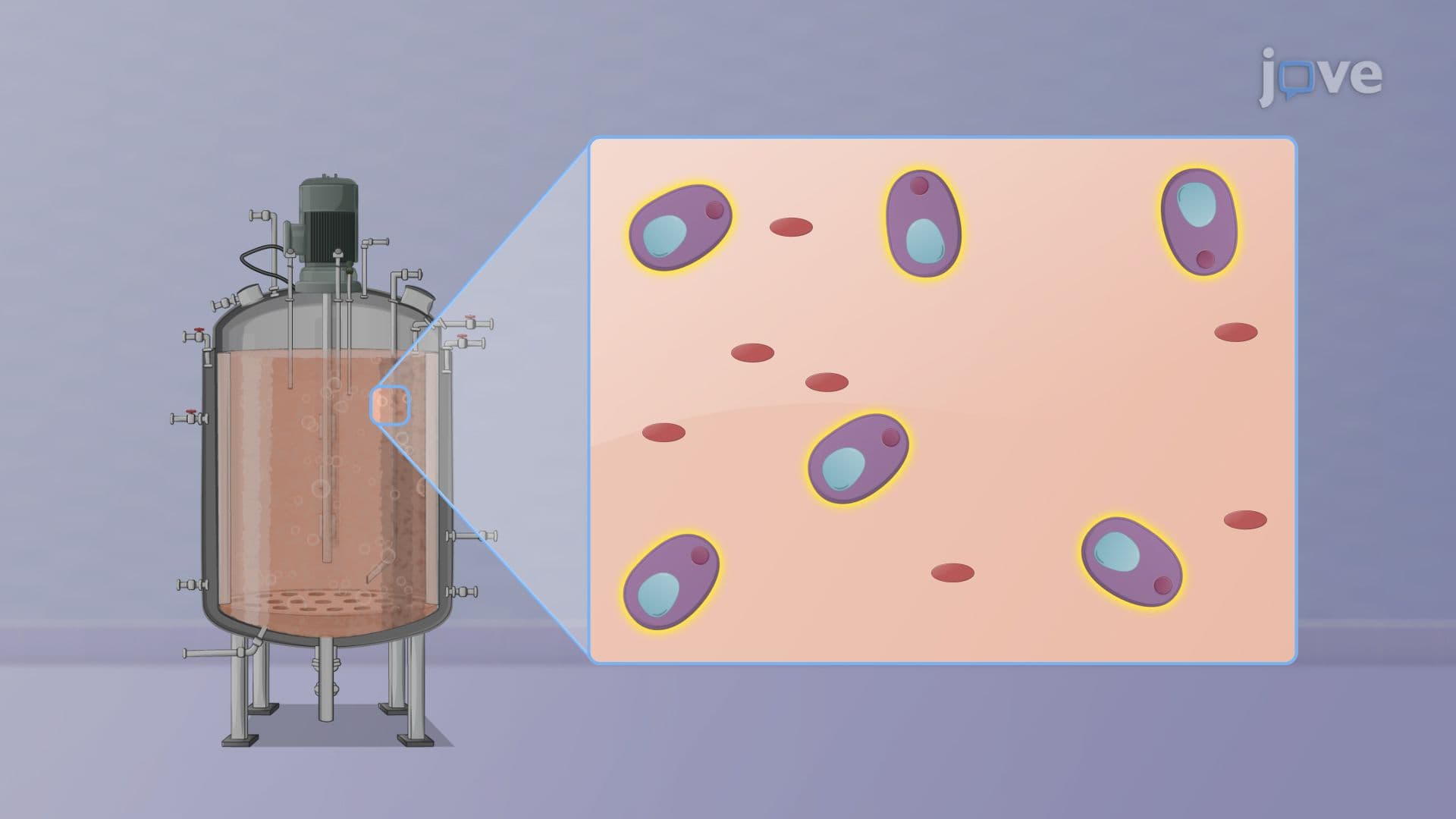
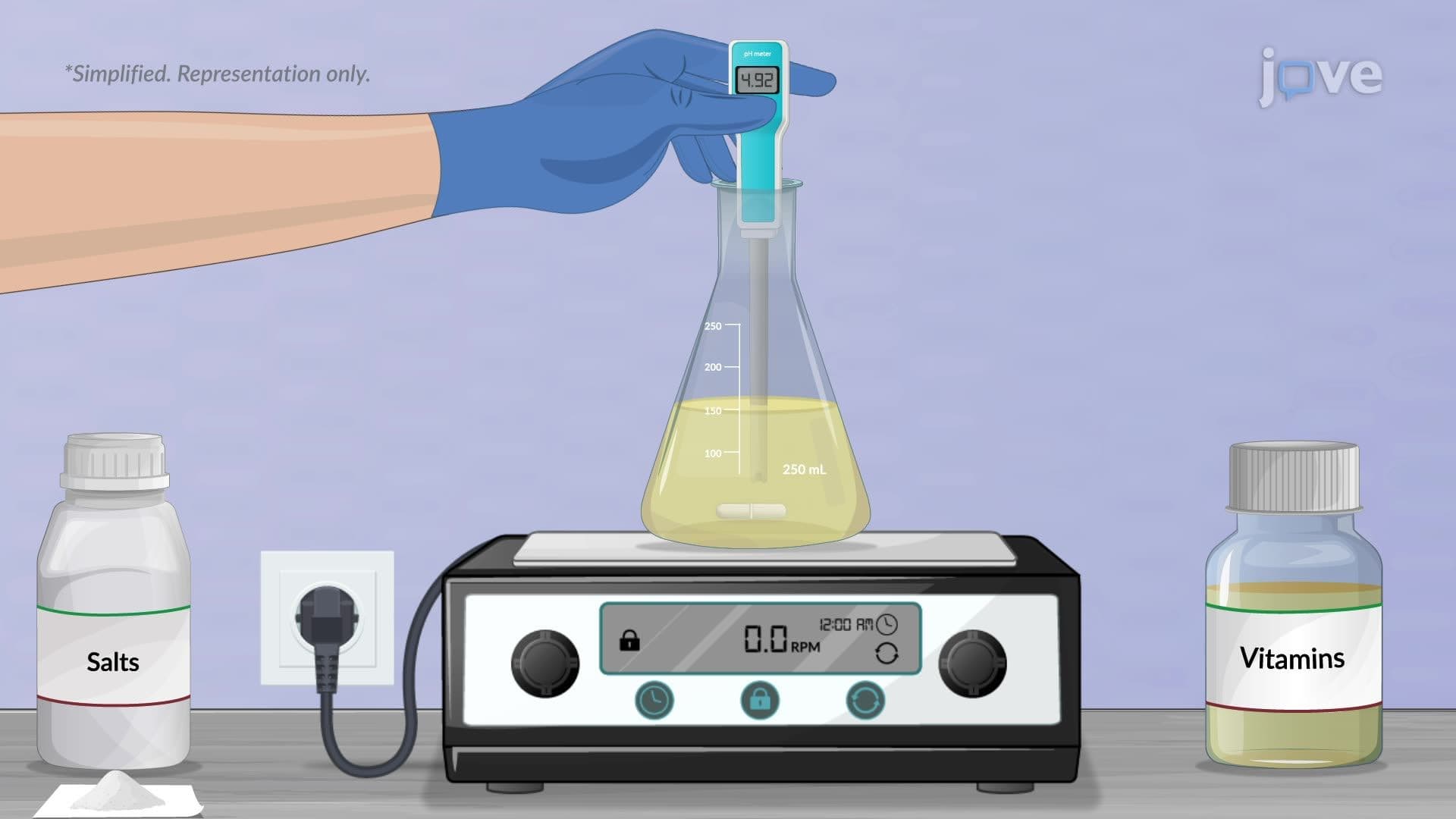
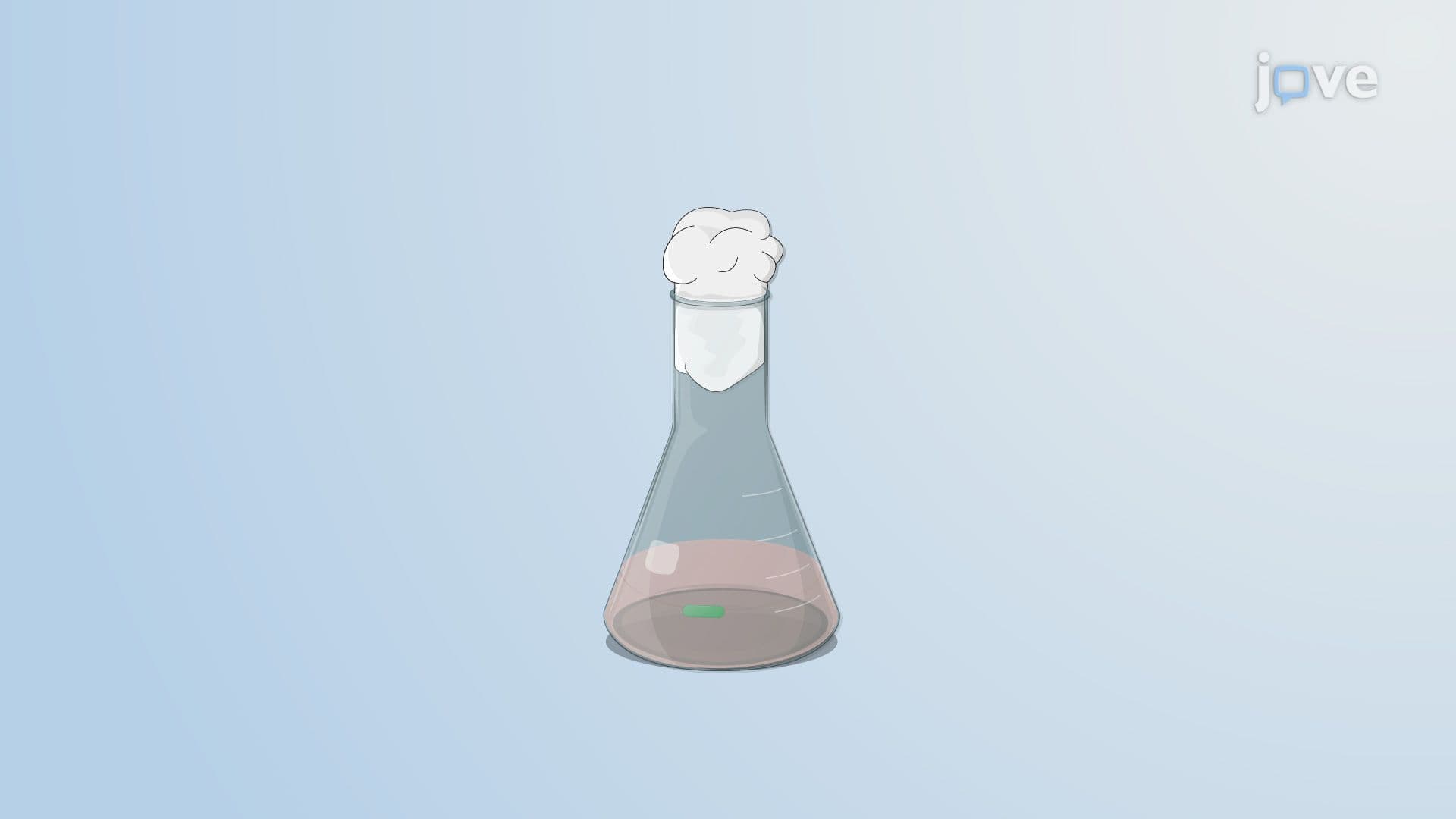
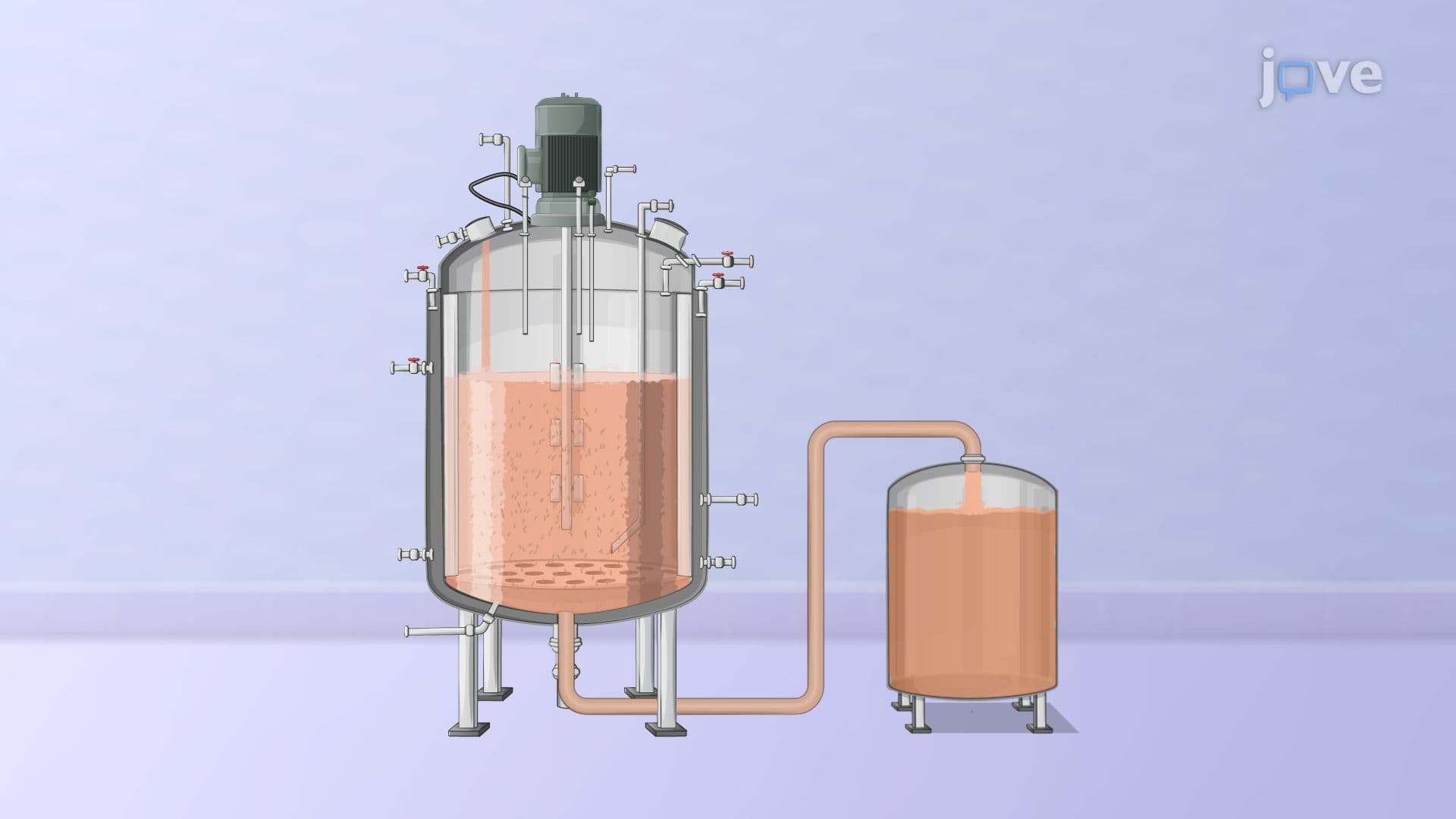
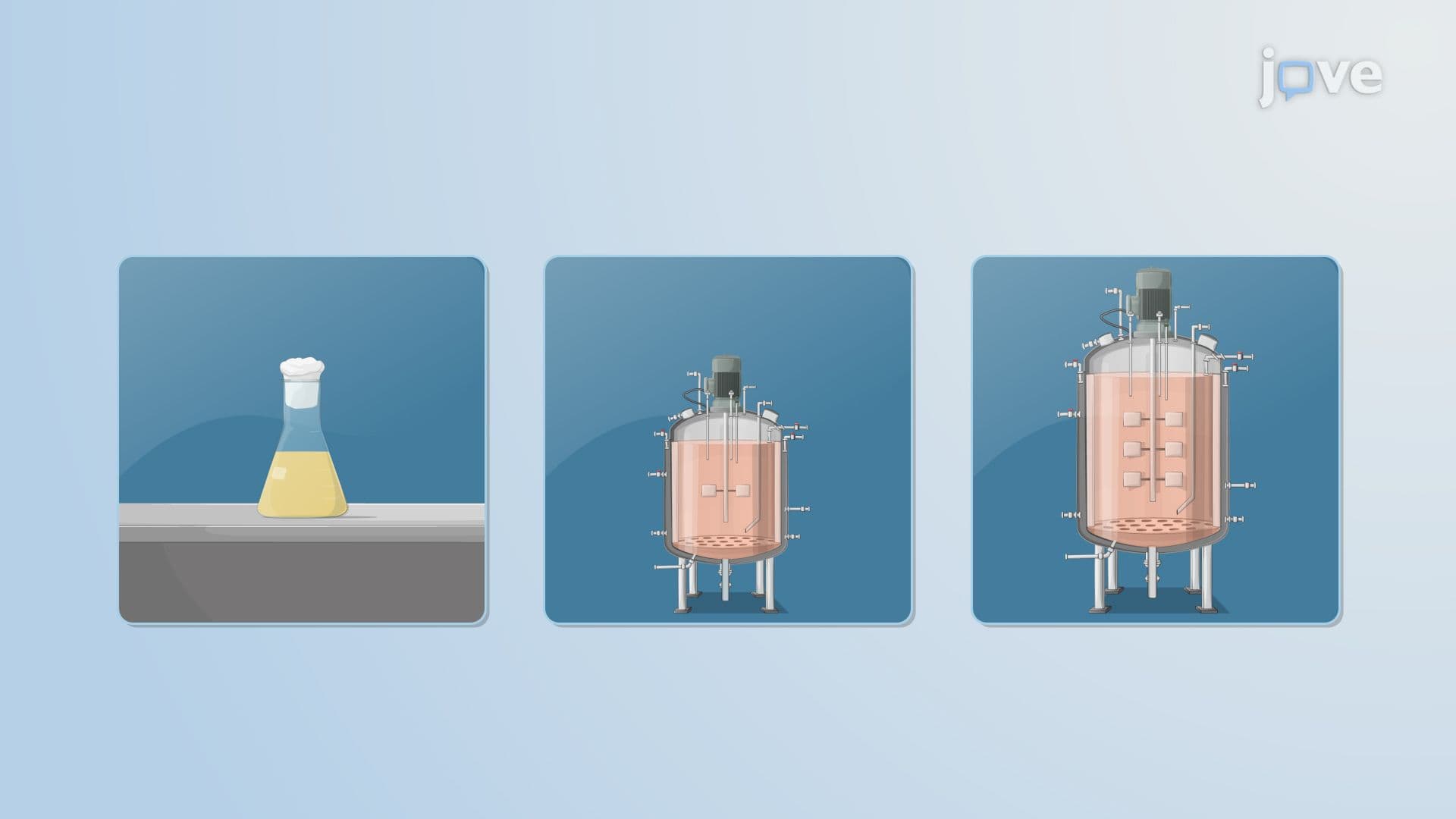
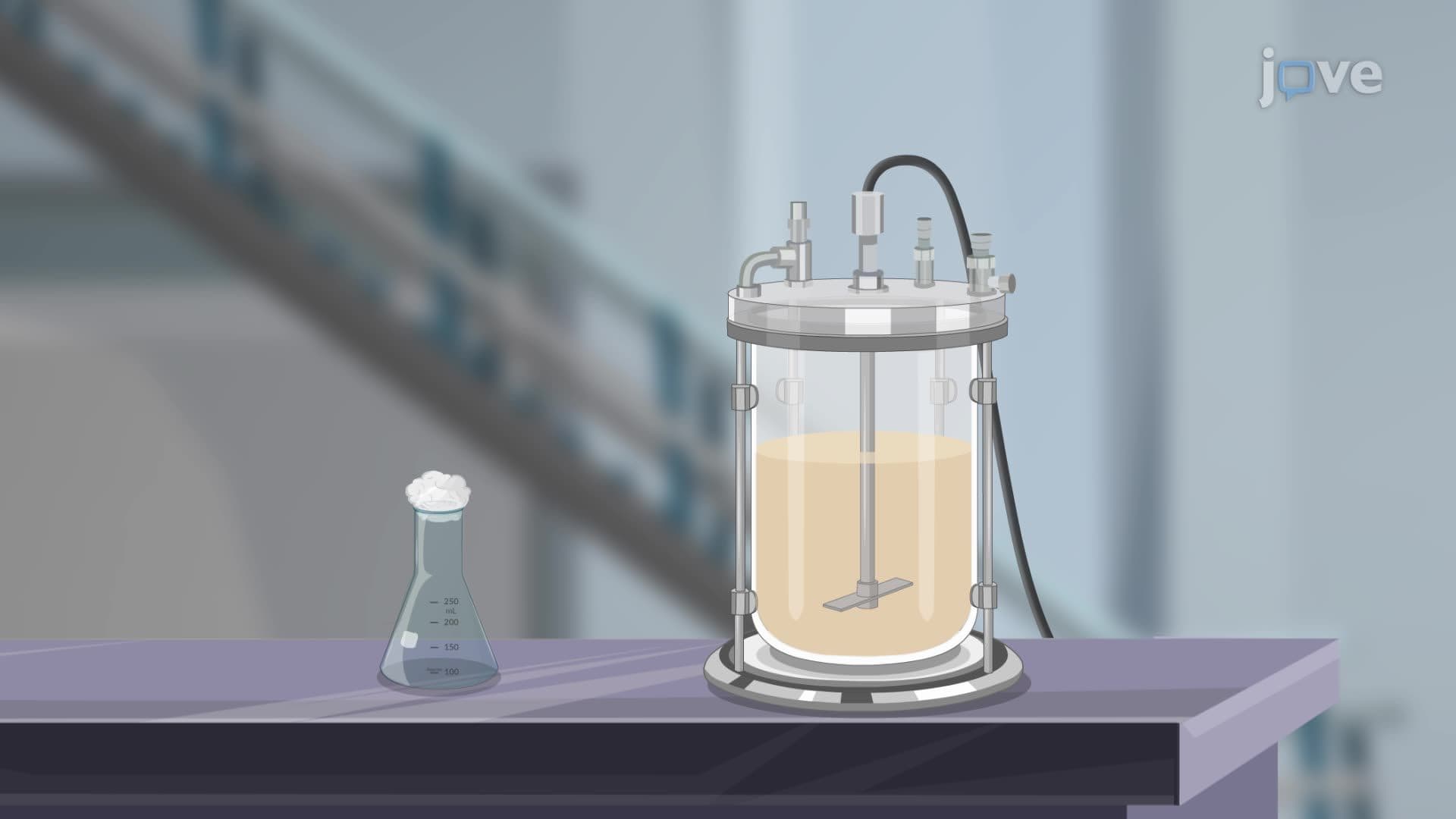
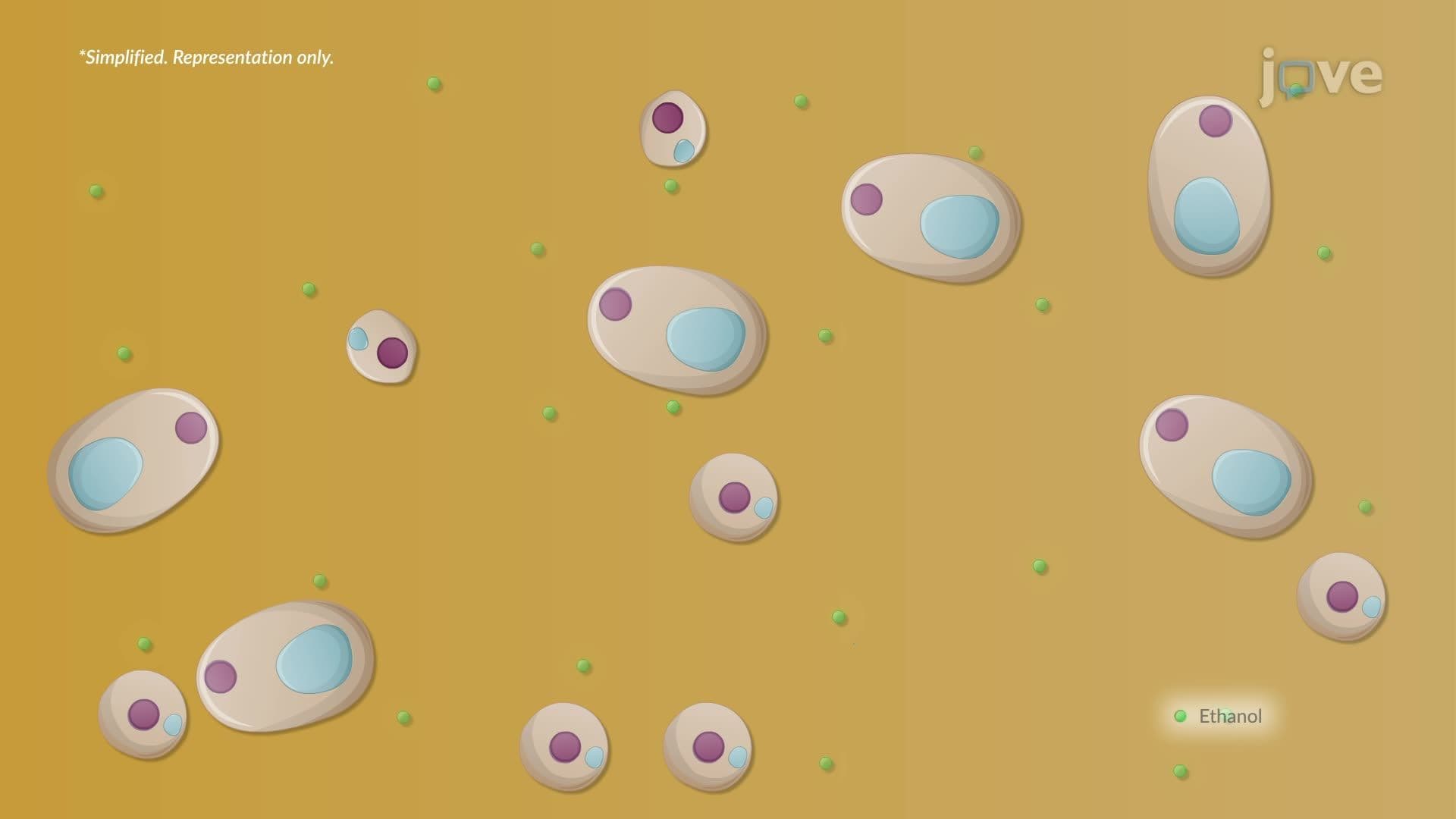
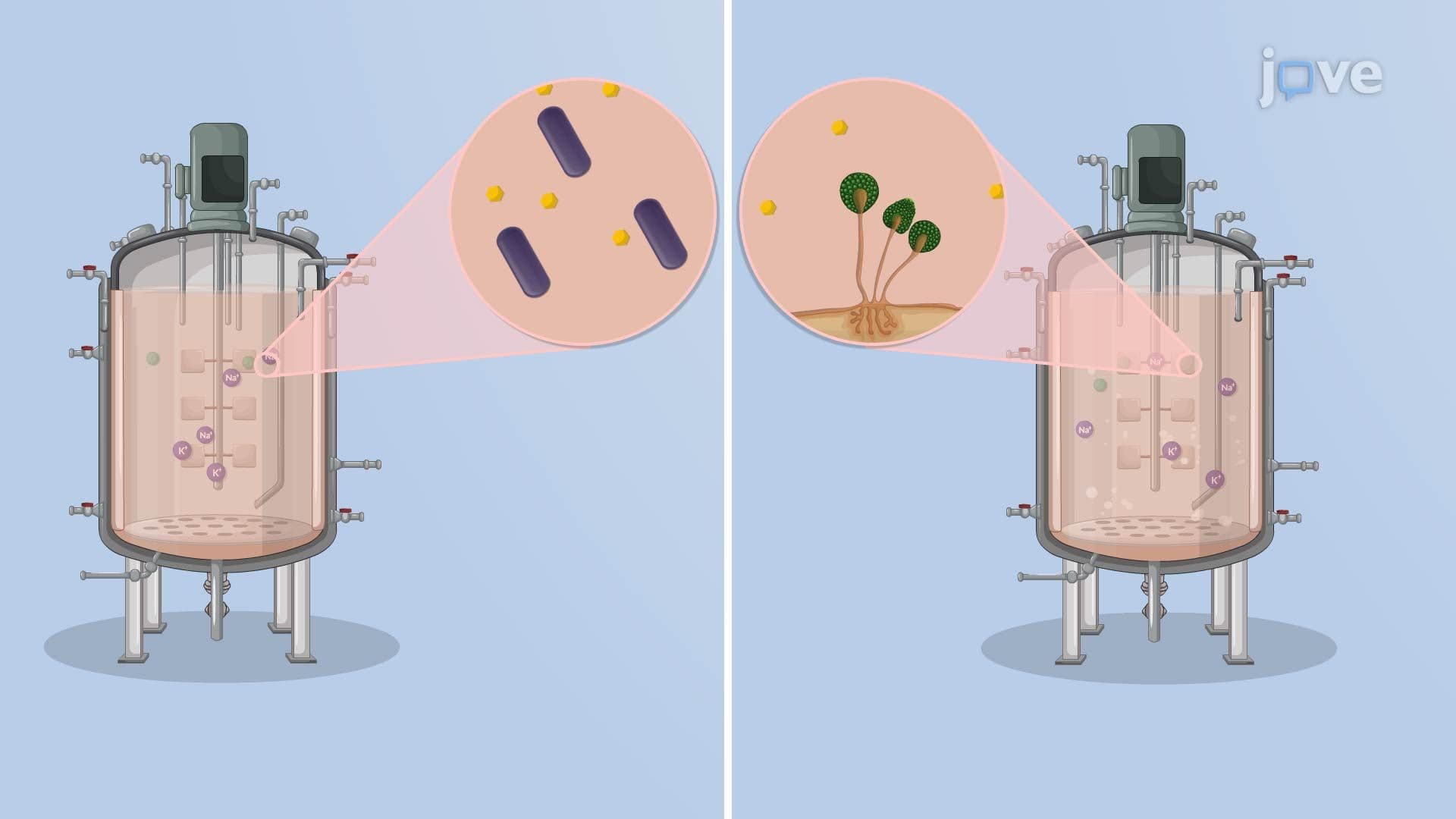
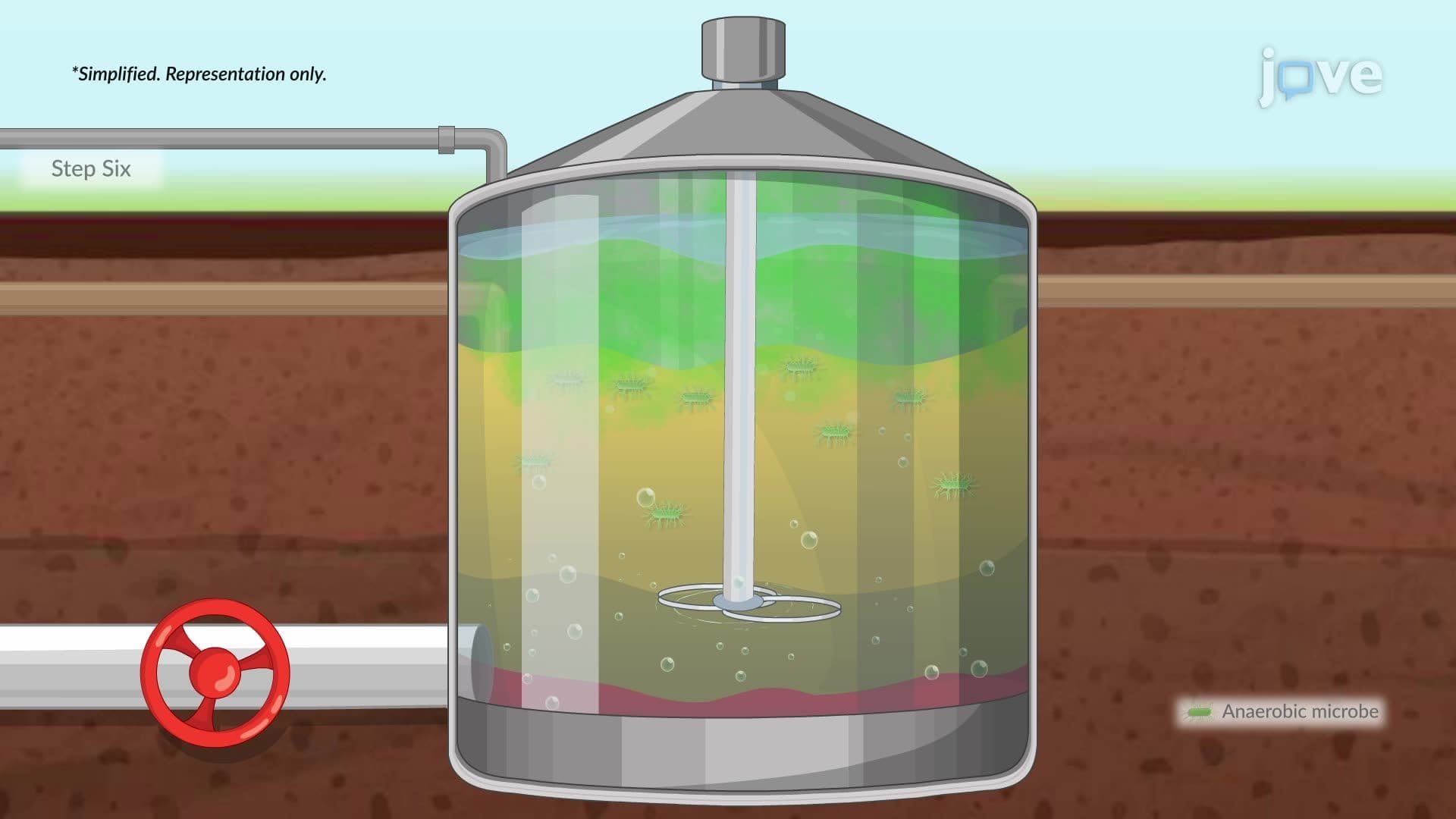
Not all bacteria produce PHAs under normal growth conditions. Species like *Cupriavidus necator* and *Pseudomonas putida* are triggered to synthesize and accumulate PHAs as intracellular granules specifically when carbon sources are abundant but nitrogen or phosphorus is limited. Think of it like a survival strategy, the bacteria convert excess carbon into a stored polymer reserve. This metabolic behavior is deliberately engineered and exploited in large-scale fermentation operations, where bioreactor conditions are carefully controlled to maximize PHA yield. Understanding this nutrient-limitation trigger is a core concept tested in college-level microbiology and AP Biology courses.
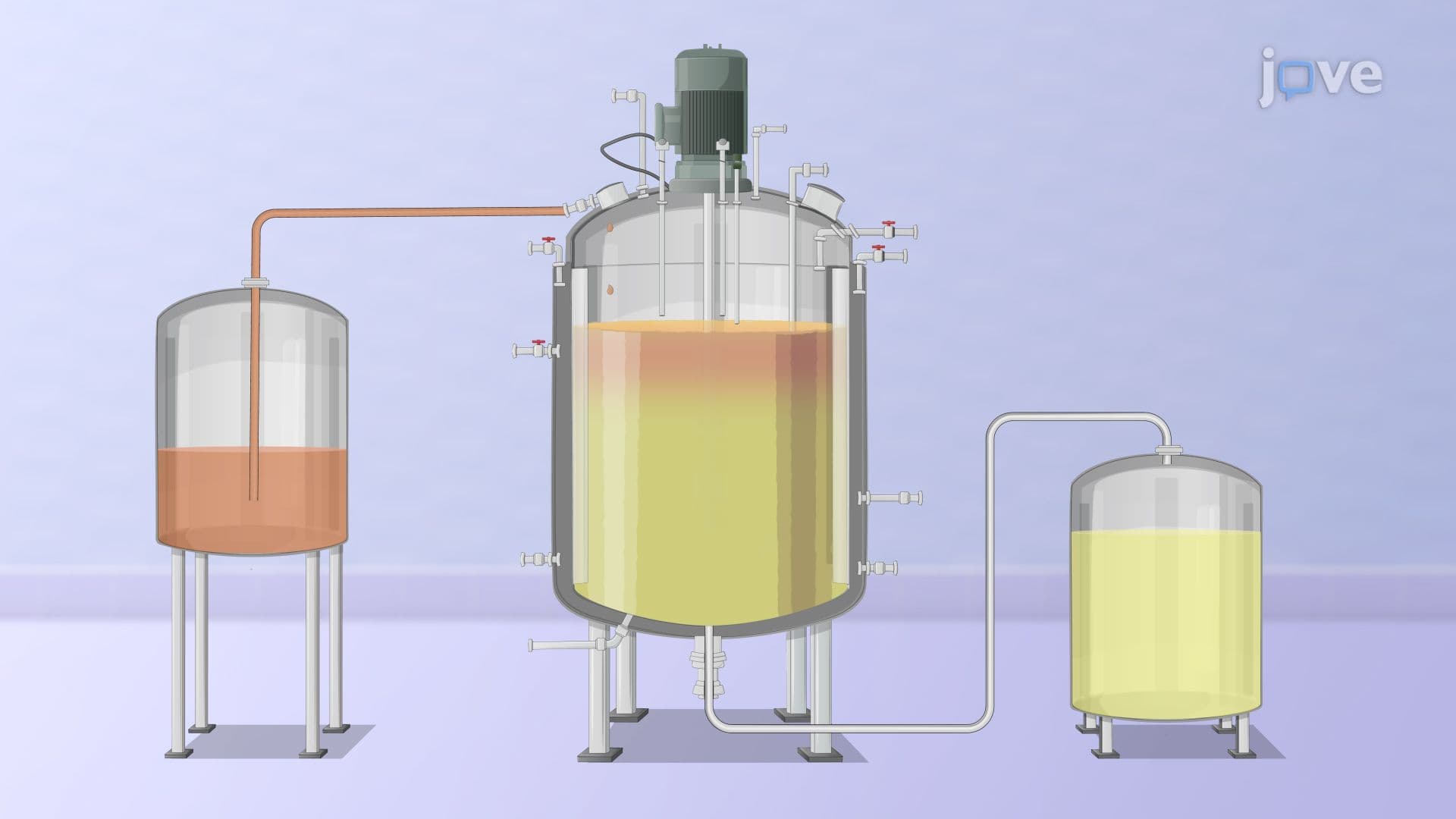
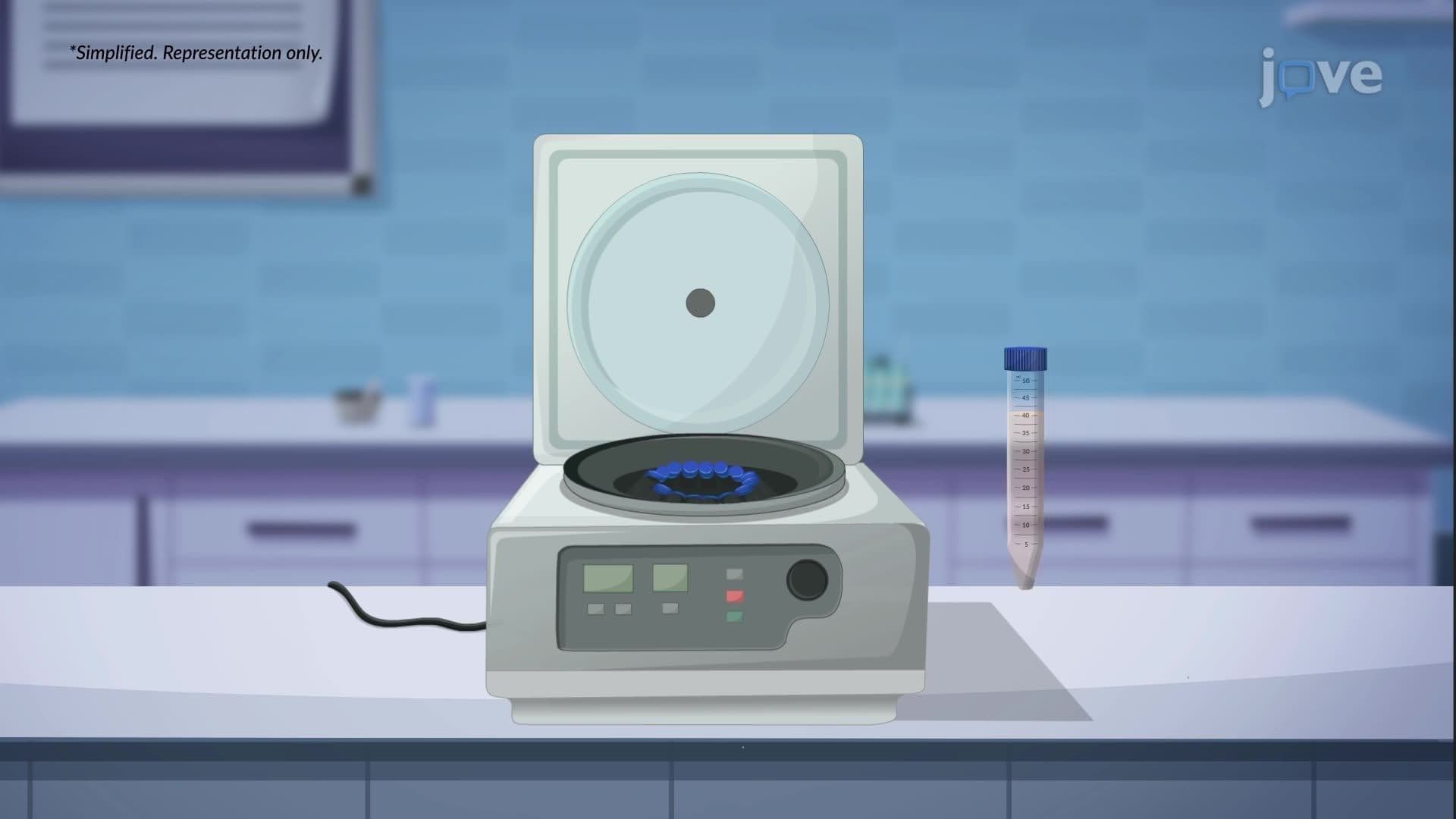
Harvesting bioplastics from bacterial cells involves a precise multi-step process. First, microbial cells are collected from the fermentation broth and lysed, their cell walls broken down using physical methods like bead milling or chemical disruption agents. The resulting cell lysate is then treated with organic solvents such as chloroform and gently heated, which dissolves the PHA polymers into the solvent phase while leaving cellular debris behind. The polymer is then recovered through precipitation and further processed into pellets or films. This extraction workflow parallels the downstream processing steps used in enzyme production and antibiotic production, making it a highly transferable concept across industrial microbiology topics.
Bioplastics produced through microbial biotechnology are already finding commercial use across multiple sectors. In packaging, companies like Danimer Scientific (based in Georgia) produce PHA-based resins used by major US brands as compostable alternatives to single-use plastics. In agriculture, bioplastic mulch films decompose naturally in soil after crop harvesting, eliminating the need for costly removal. In medicine, PHAs are investigated as drug delivery systems, biodegradable matrices that slowly release therapeutics within the body. These applications directly illustrate what industrial microbiology is used for, and they appear as real-world context questions on AP Environmental Science exams, college midterms in biotechnology courses, and even MCAT passages covering biochemistry and sustainability. Understanding bioplastics basics also opens the door to related topics like recombinant DNA technology in industry and biofuel production, where microbial systems are similarly engineered for high-value outputs.
Related Micro-courses