Loading subject page…

3,720 views

Video Summary: What Is Bioreactor Controls Iii
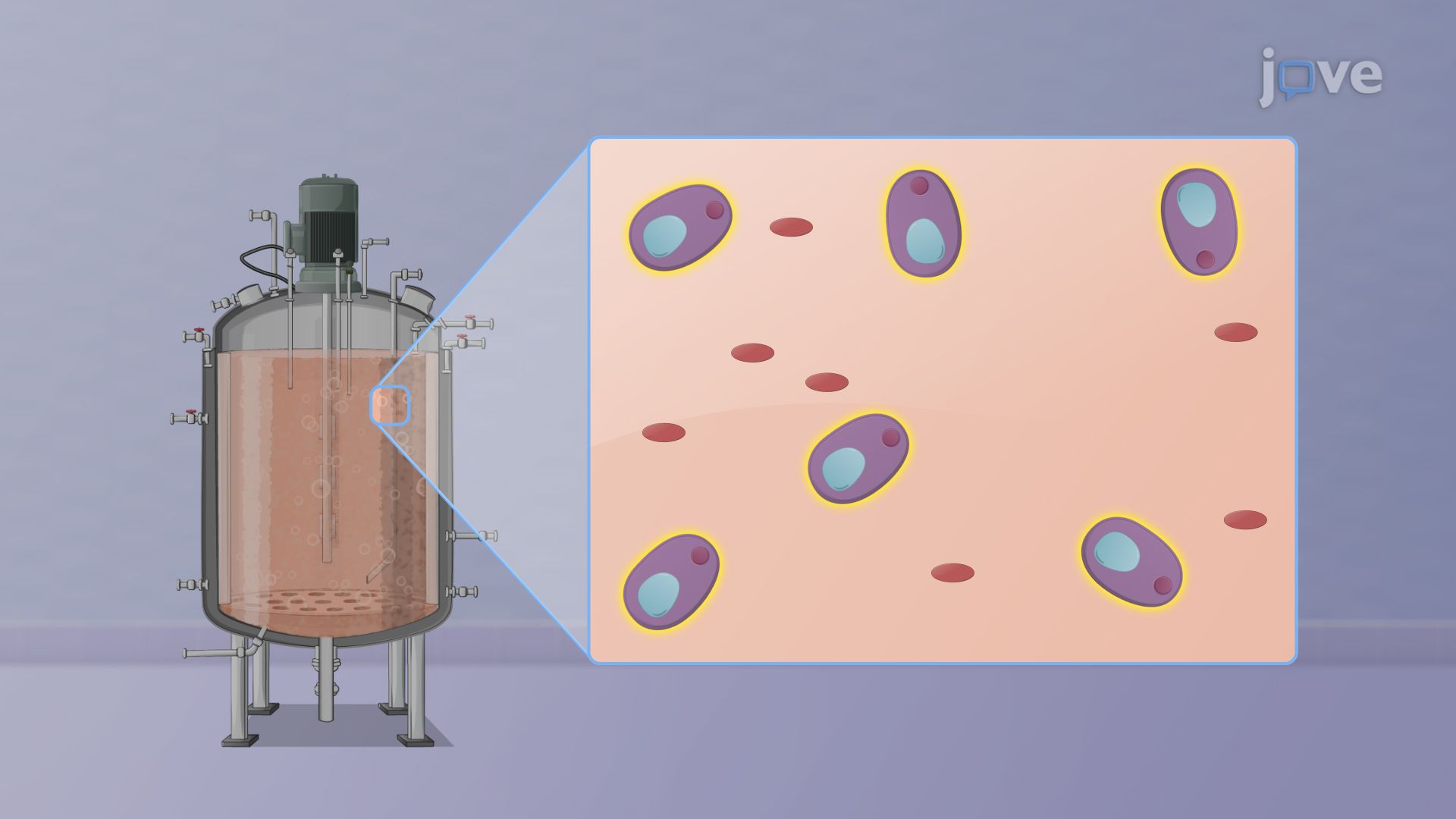
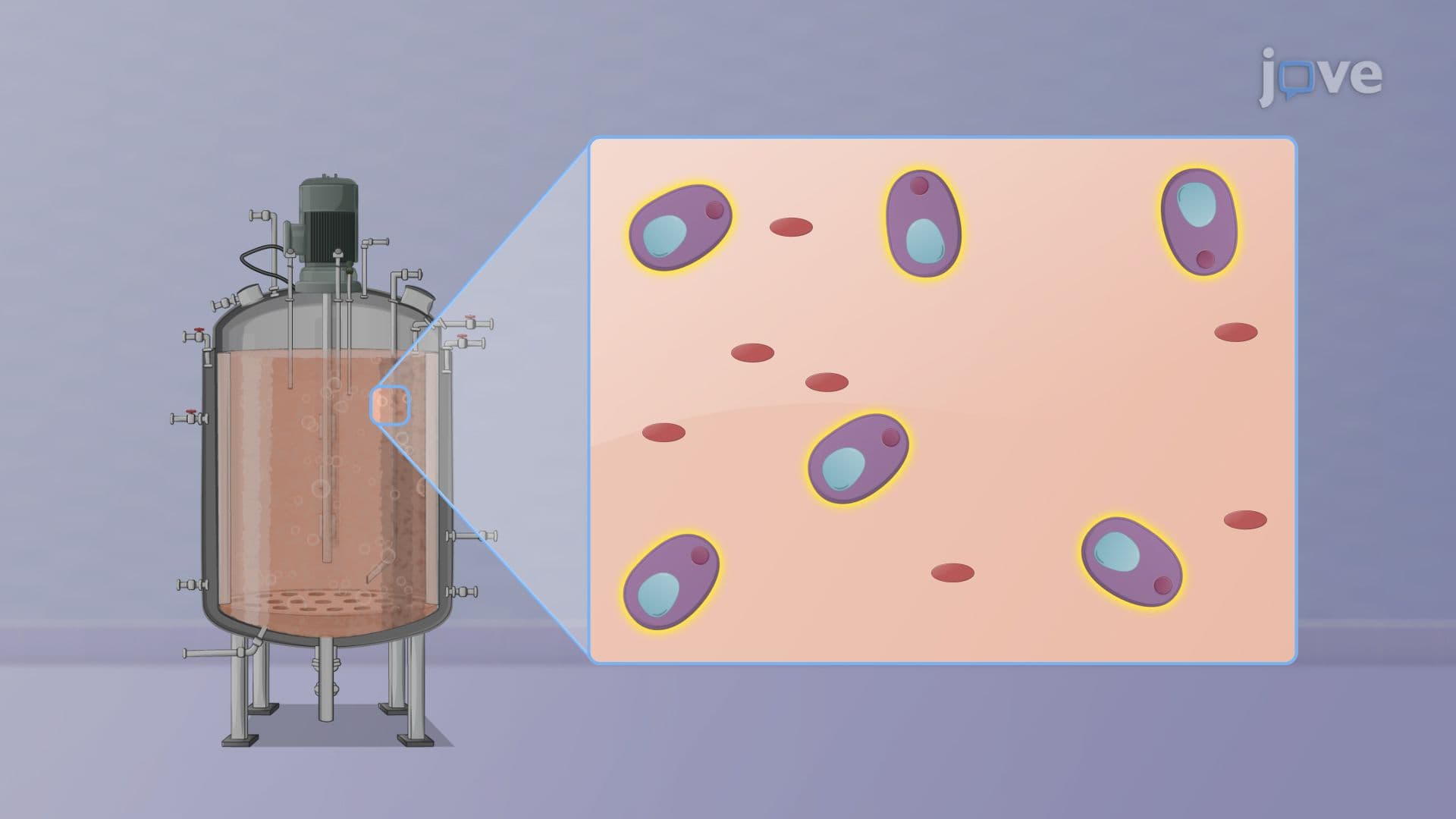
Did you know that wild yeast strains can be "trained" over generations to survive conditions that would normally kill them? Bioreactor Controls-III explores how industrial microbiologists push beyond wild-type limitations to engineer high-performing microbial strains. A standout US example: optimized *Saccharomyces cerevisiae* strains now power large-scale ethanol biofuel production across Midwest corn refineries. Watch the full video on JoVE Coach to master this concept with expert-led visuals and step-by-step explanations.
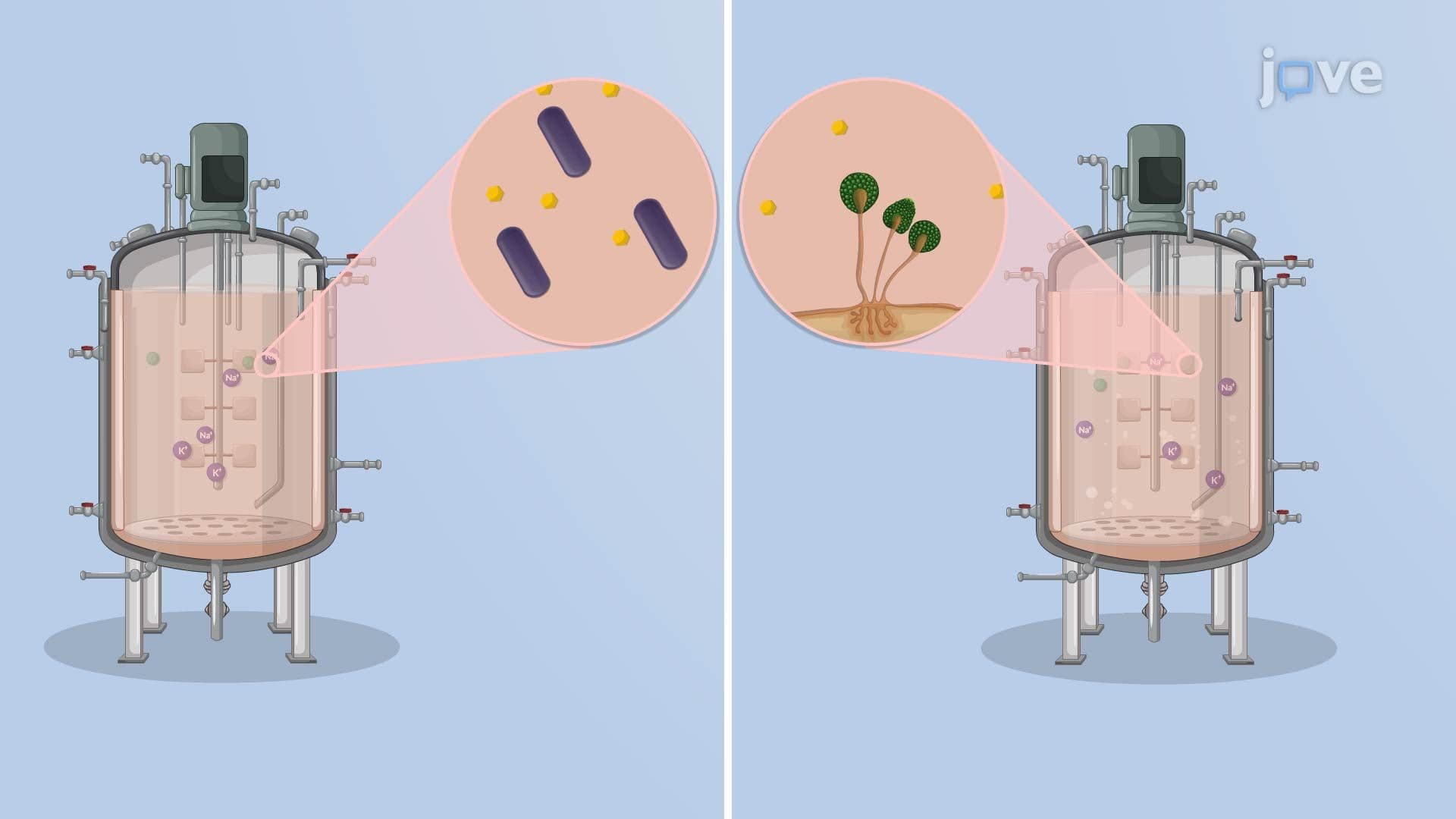
Bioreactor Controls-III sits at the intersection of microbial genetics, metabolic biochemistry, and large-scale industrial processing. While earlier bioreactor concepts focus on physical and chemical parameters, temperature, pH, dissolved oxygen, this stage zooms in on the biological agent itself: the microbial strain. The core question here is straightforward but powerful: why settle for what nature gave us when we can improve it?
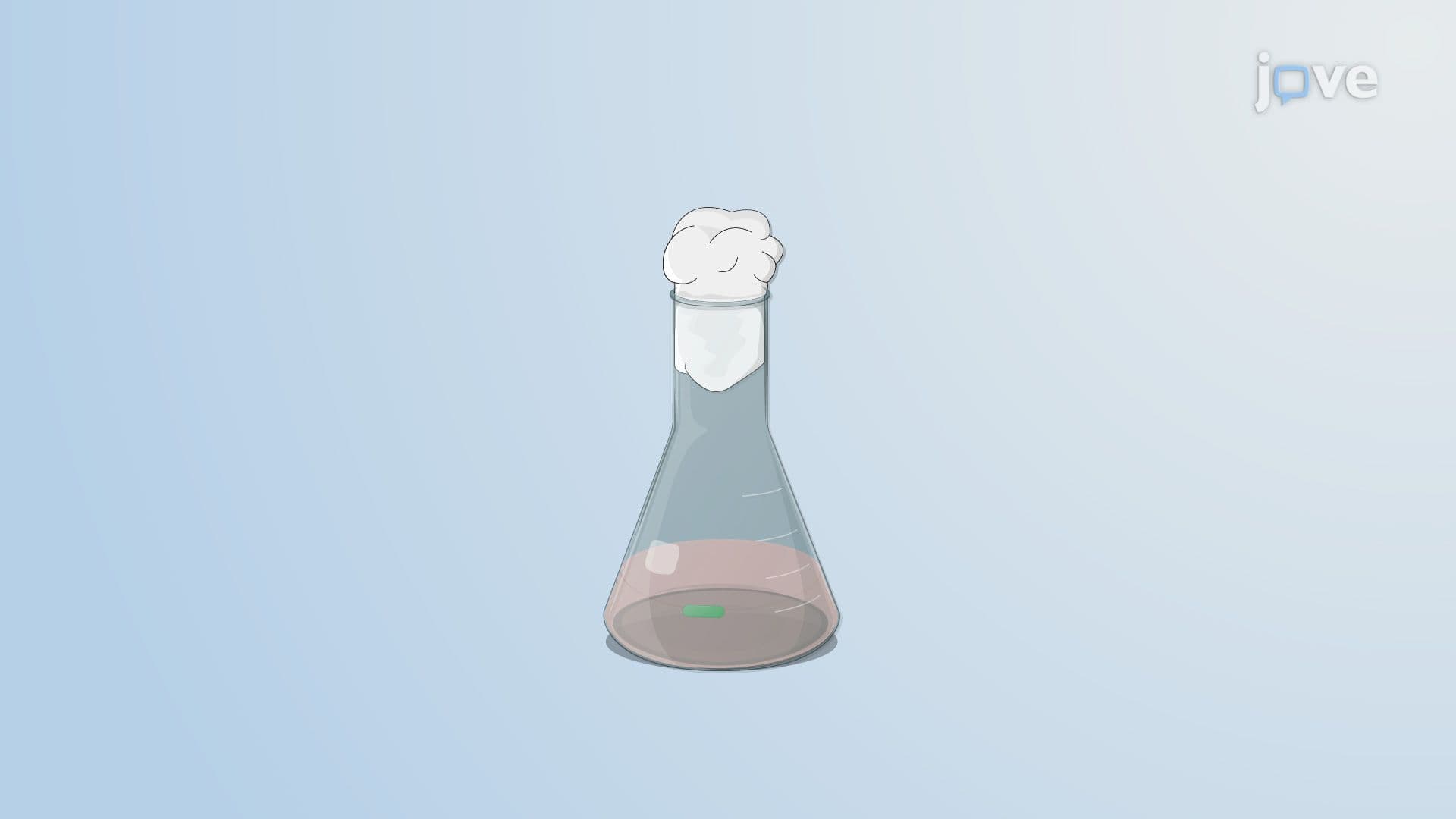
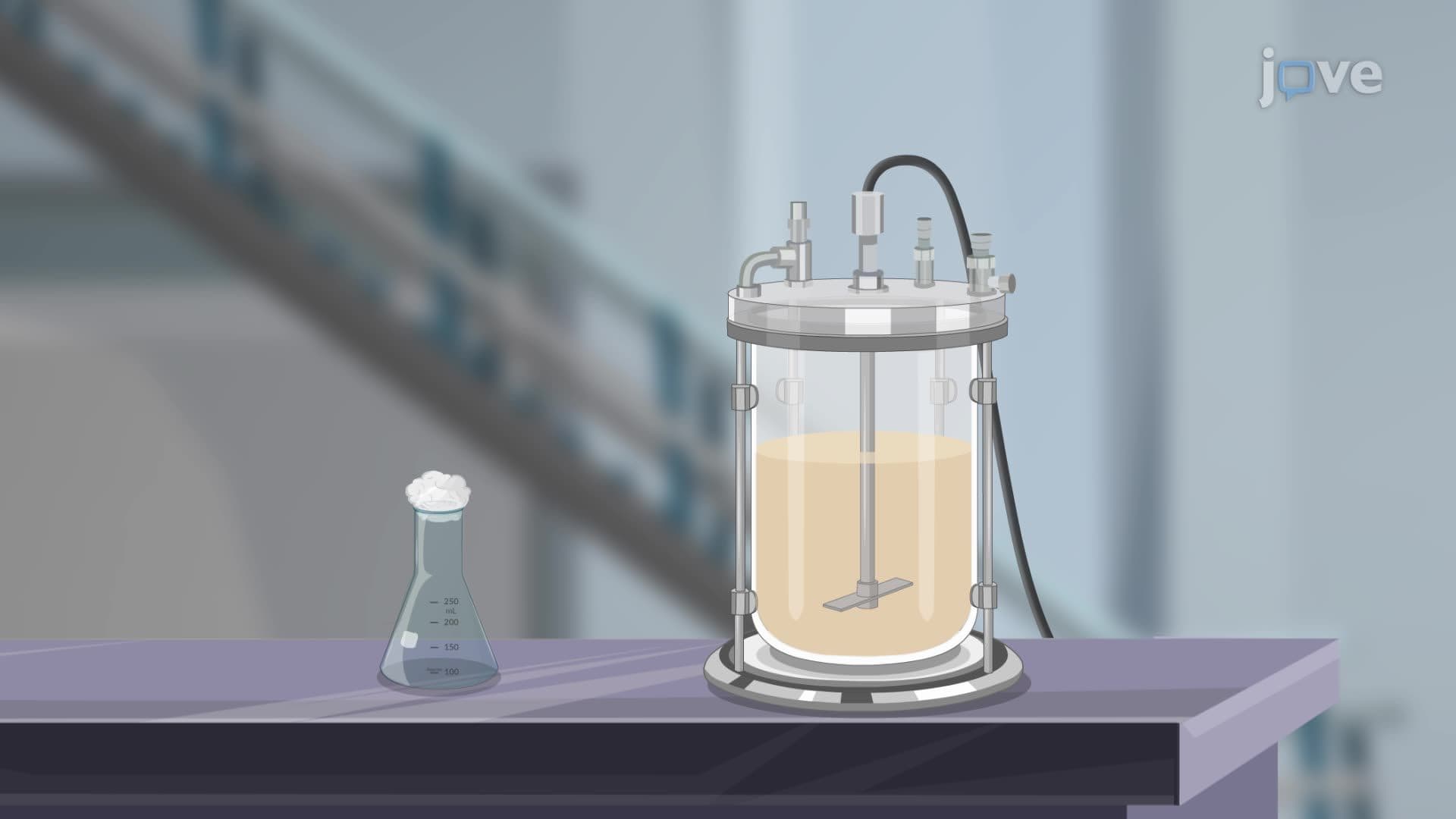
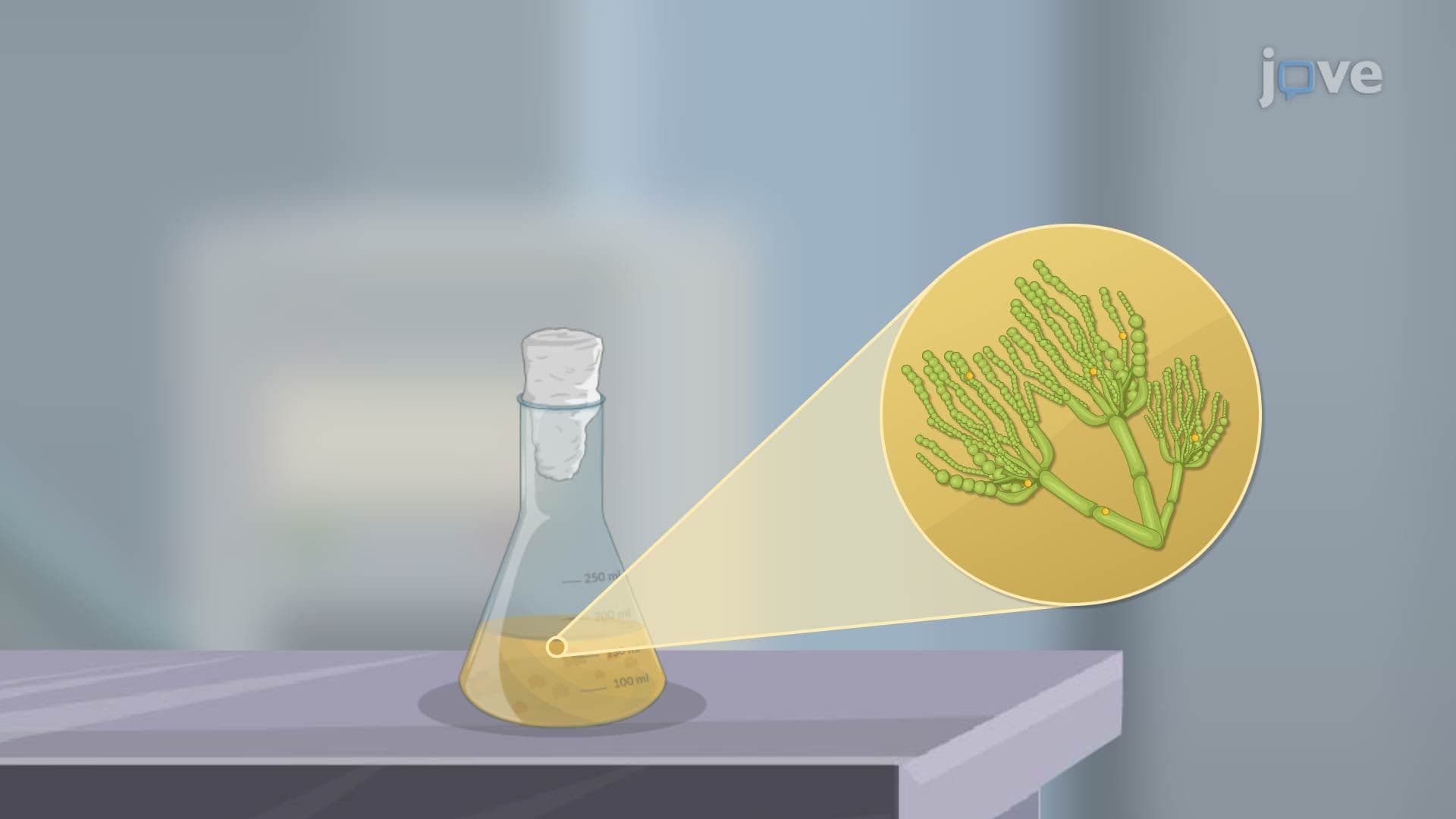
Wild-type strains are naturally occurring microorganisms with no deliberate genetic modification. In a laboratory flask, they perform adequately. But in an industrial bioreactor running 24/7 at facilities like those operated by Archer Daniels Midland (ADM) in Decatur, Illinois, one of the largest corn ethanol producers in the US, "adequate" is not enough. Industrial production demands strains that are faster, tougher, and more productive under stress conditions.
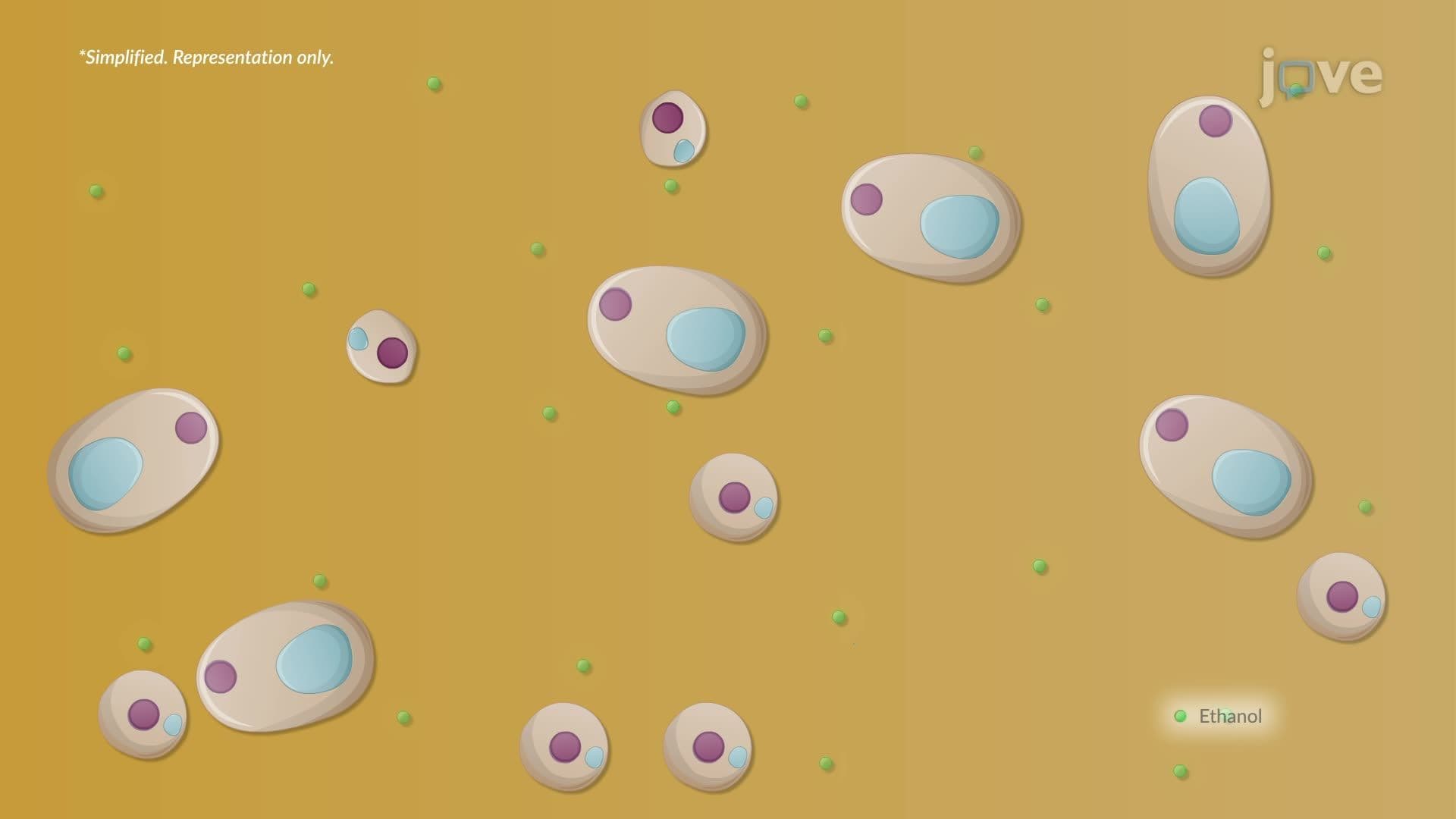
One of the most elegant tools in industrial microbiology is adaptive laboratory evolution (ALE). In this process, microbial cultures are repeatedly exposed to gradually increasing concentrations of a stressor, in the case of ethanol production, that stressor is ethanol itself. Over many generations, individuals with natural mutations conferring greater tolerance survive and reproduce. This is directed natural selection, not random chance.
Applied to *Saccharomyces cerevisiae*, this approach yields strains that can tolerate ethanol concentrations well above 15%, a threshold that would halt fermentation in most wild-type cultures. Higher ethanol tolerance directly translates to greater product yield per batch, which is critical for commercial viability in US biofuel markets operating under the Renewable Fuel Standard (RFS).
Beyond selective pressure, targeted metabolic engineering allows scientists to deliberately reprogram a microorganism's internal biochemistry using recombinant DNA technology in industry. In *S. cerevisiae*, this means overexpressing genes encoding pyruvate kinase and alcohol dehydrogenase, two enzymes central to glycolysis and fermentation, respectively. More of these enzymes means the cell converts glucose to ethanol faster and more completely.
Equally important is suppressing competing pathways. Yeast naturally produce glycerol as a fermentation by-product, diverting carbon away from ethanol. By downregulating the genes responsible for glycerol synthesis, engineers redirect metabolic flux toward the desired product. This dual strategy, amplifying target pathways while silencing competitors, is a foundational principle in microbial biotechnology and enzyme production optimization.
These concepts appear frequently in AP Biology (Unit 6: Gene Expression and Regulation), college-level microbiology courses, and MCAT Biology sections covering enzyme kinetics and metabolic pathways. Understanding what industrial microbiology is used for, from antibiotic production at Pfizer facilities to biofuel fermentation and recombinant protein manufacturing, provides critical real-world context that strengthens exam performance.
Students often encounter questions about how microorganisms are used in industrial processes, particularly regarding genetic modification and fermentation efficiency. Connecting Bioreactor Controls-III concepts to specific applications, ethanol production, enzyme manufacturing, and pharmaceutical biosynthesis, gives you concrete examples to anchor abstract biochemistry. Think of strain optimization as the biological equivalent of upgrading the engine before scaling up a factory: the hardware matters just as much as the process conditions.
Related Micro-courses