Loading video…

 22 Concepts
 3.7K views

Video Summary: What Is Production of Organic Acids
Did you know that the plastic lining inside your yogurt cup may share chemistry with the acid that makes that yogurt tangy? The production of organic acids, a key concept in production of organic acids basics, explains how microorganisms like *Lactobacillus* bacteria convert corn starch into lactic acid through industrial fermentation. US food and bioplastics companies rely on this process daily. Watch the full video on JoVE Coach to master this concept with expert-led visuals and step-by-step explanations.
The production of organic acids sits at the intersection of microbiology, biochemistry, and engineering. Organic acids are naturally occurring compounds with at least one carboxyl group (-COOH), and when produced at industrial scale, they serve as foundational ingredients across food processing, pharmaceuticals, and materials science. Lactic acid is one of the most commercially significant, the US alone produces hundreds of thousands of metric tons annually, used in everything from salad dressings to biodegradable PLA (polylactic acid) plastics found in compostable packaging at grocery chains like Whole Foods and Trader Joe's.
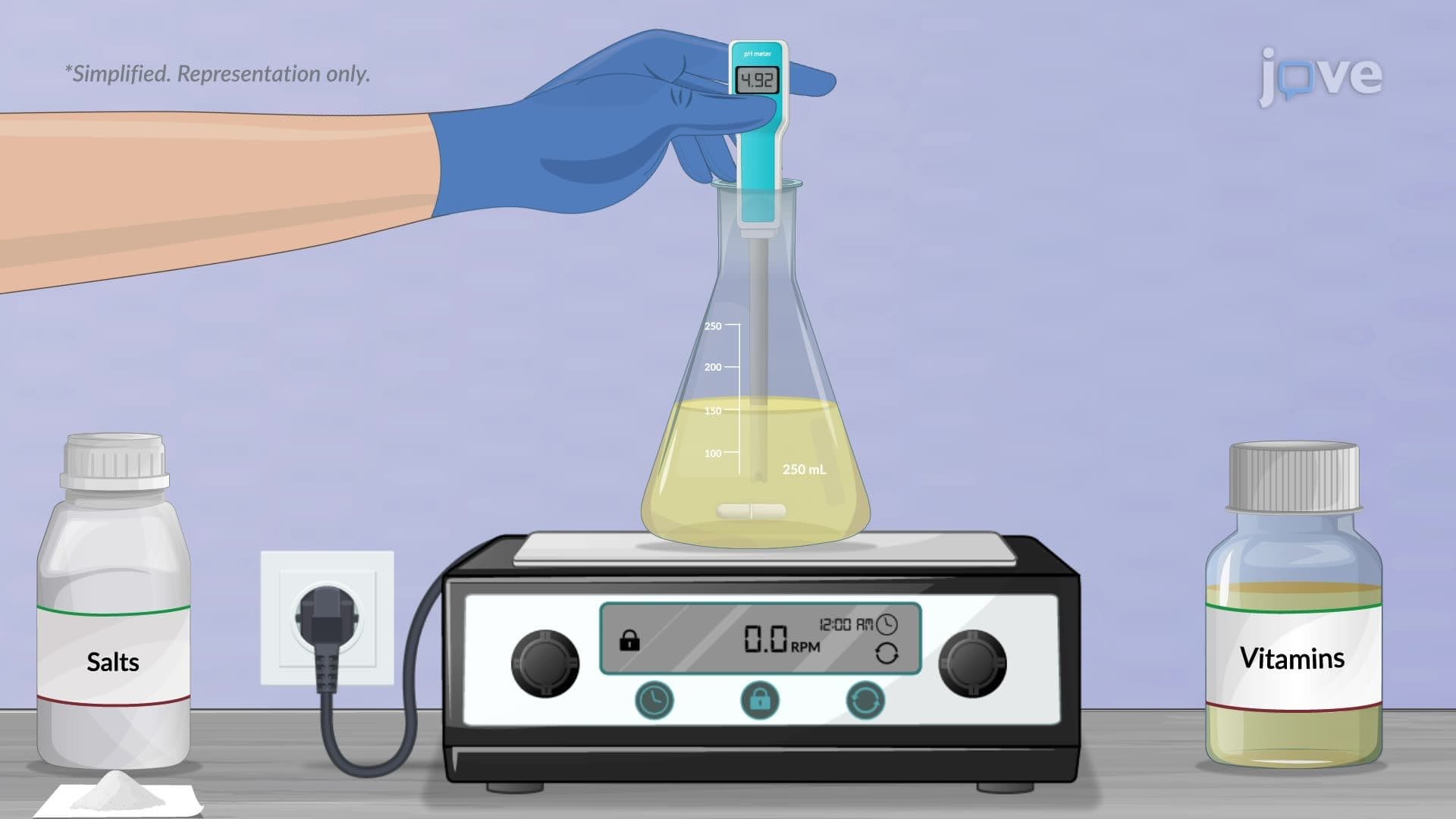
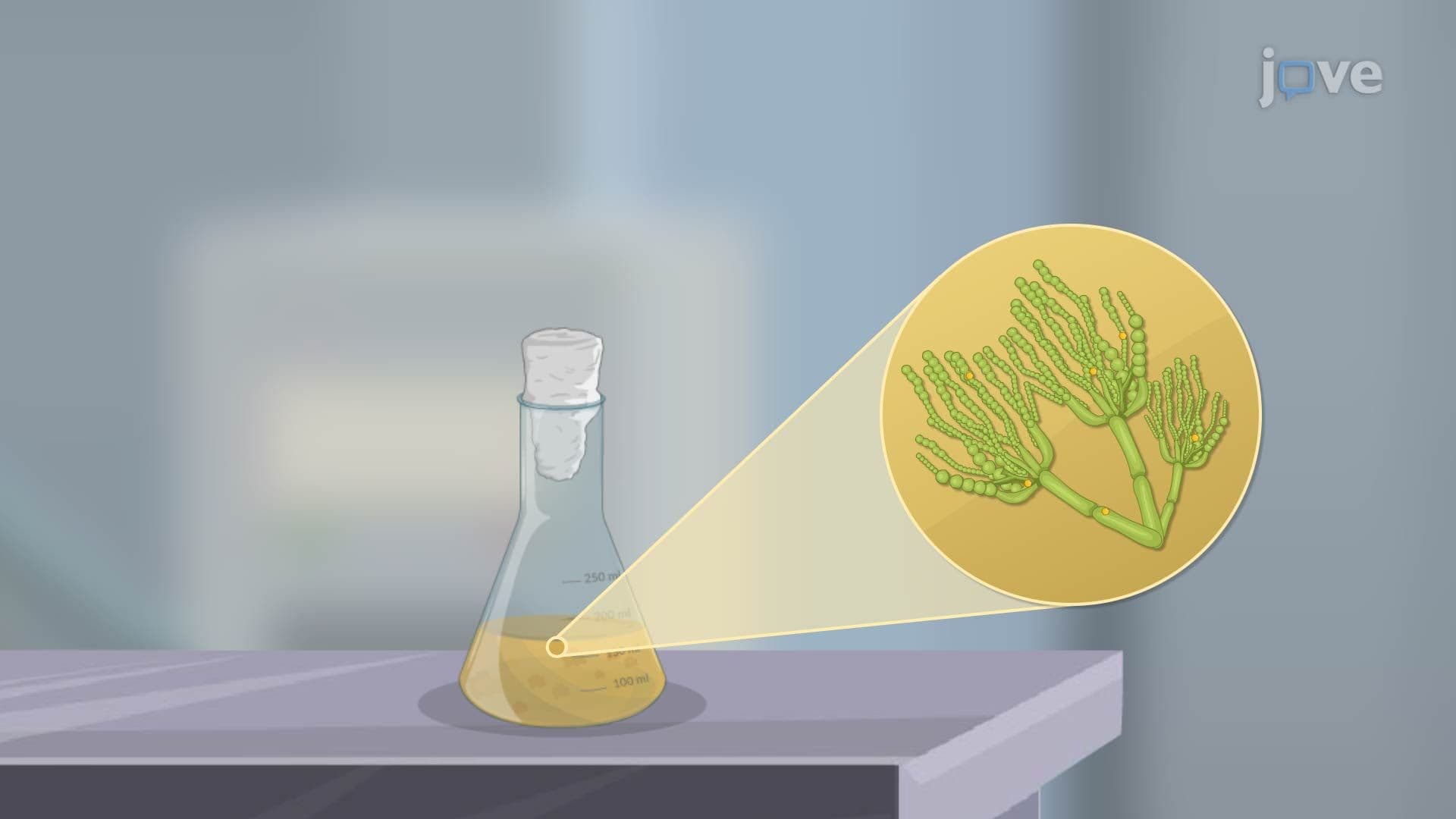
Industrial lactic acid production typically begins with starchy agricultural crops, corn and potatoes being the dominant US feedstocks. These raw materials cannot be fermented directly. First, hydrolysis breaks the long starch chains into simple sugars like glucose. This is achieved either enzymatically using amylases (a cleaner, more selective method) or chemically via dilute sulfuric acid. Enzymatic hydrolysis is increasingly preferred in US biorefineries because it produces fewer unwanted byproducts and aligns with green chemistry goals. The resulting sugar-rich liquid, called a hydrolysate, becomes the nutrient base for fermentation.
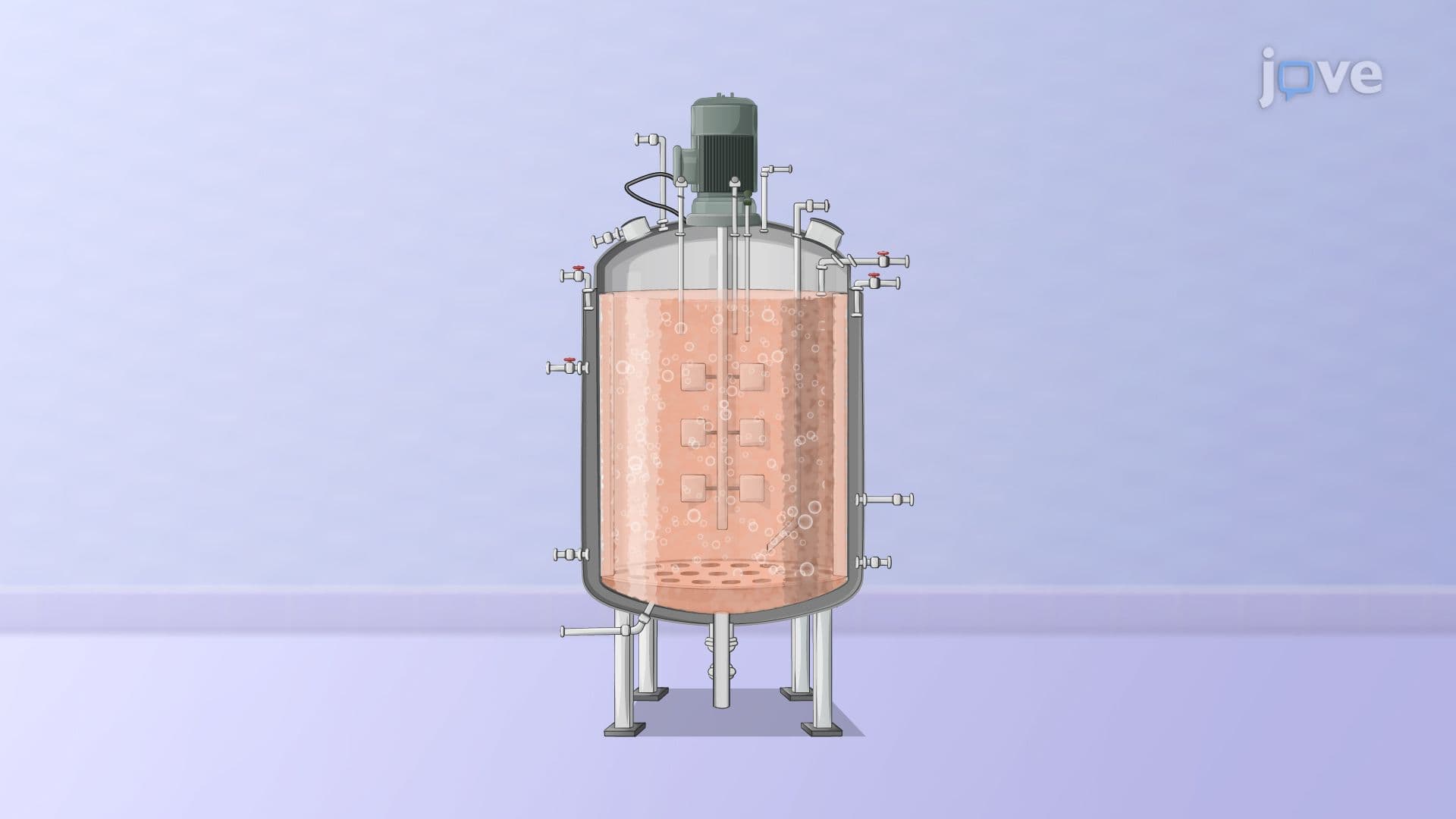
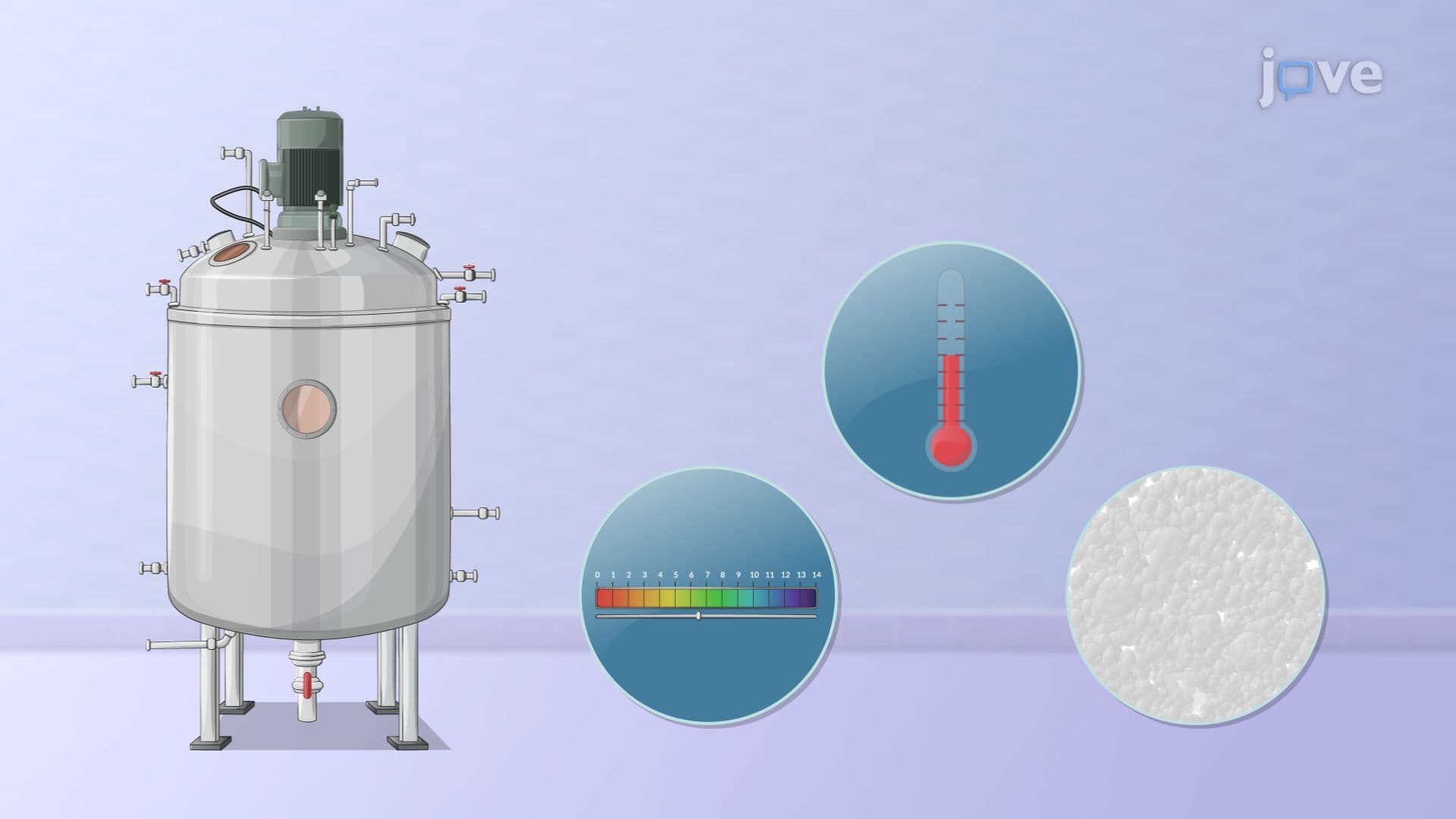
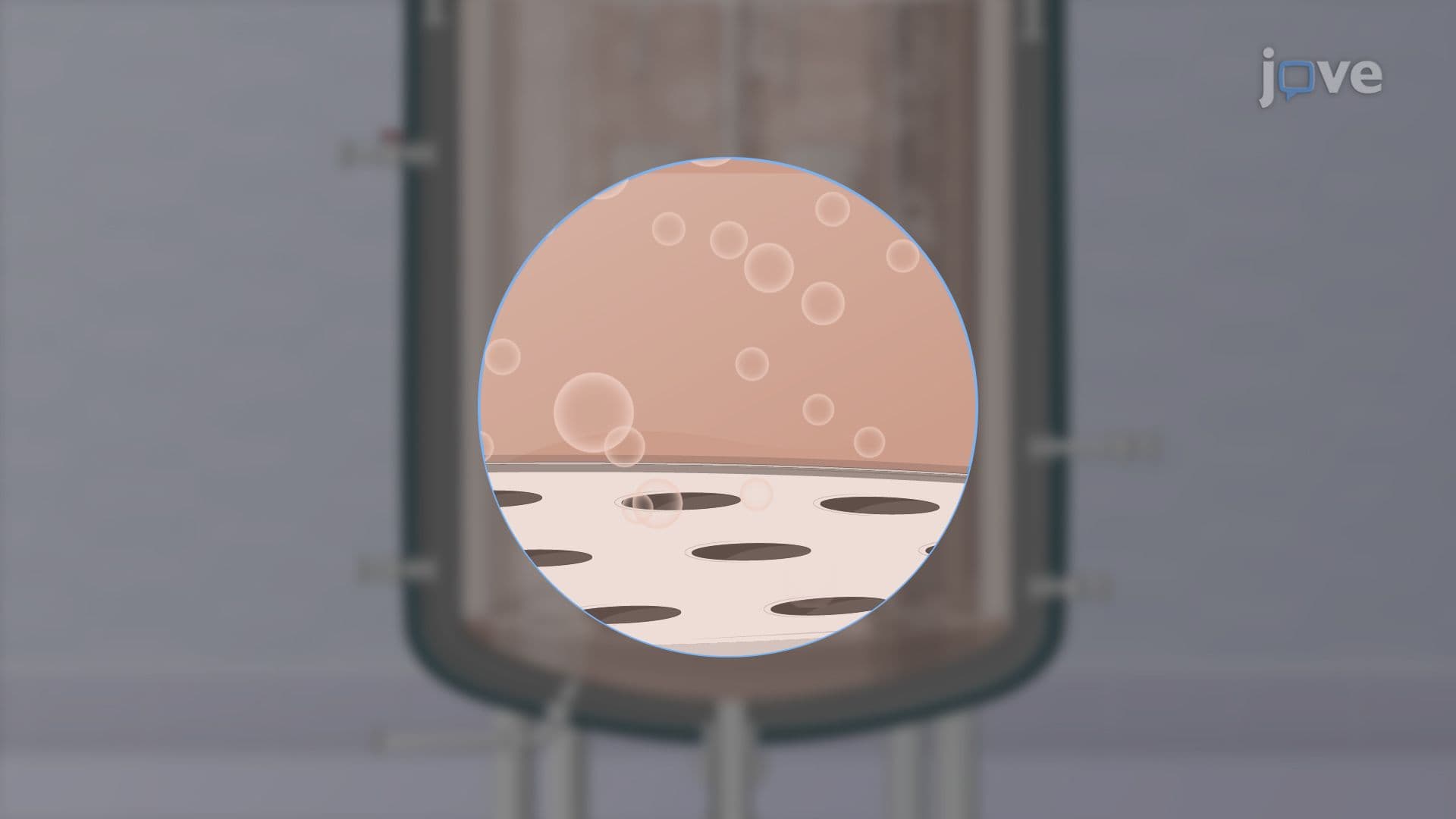
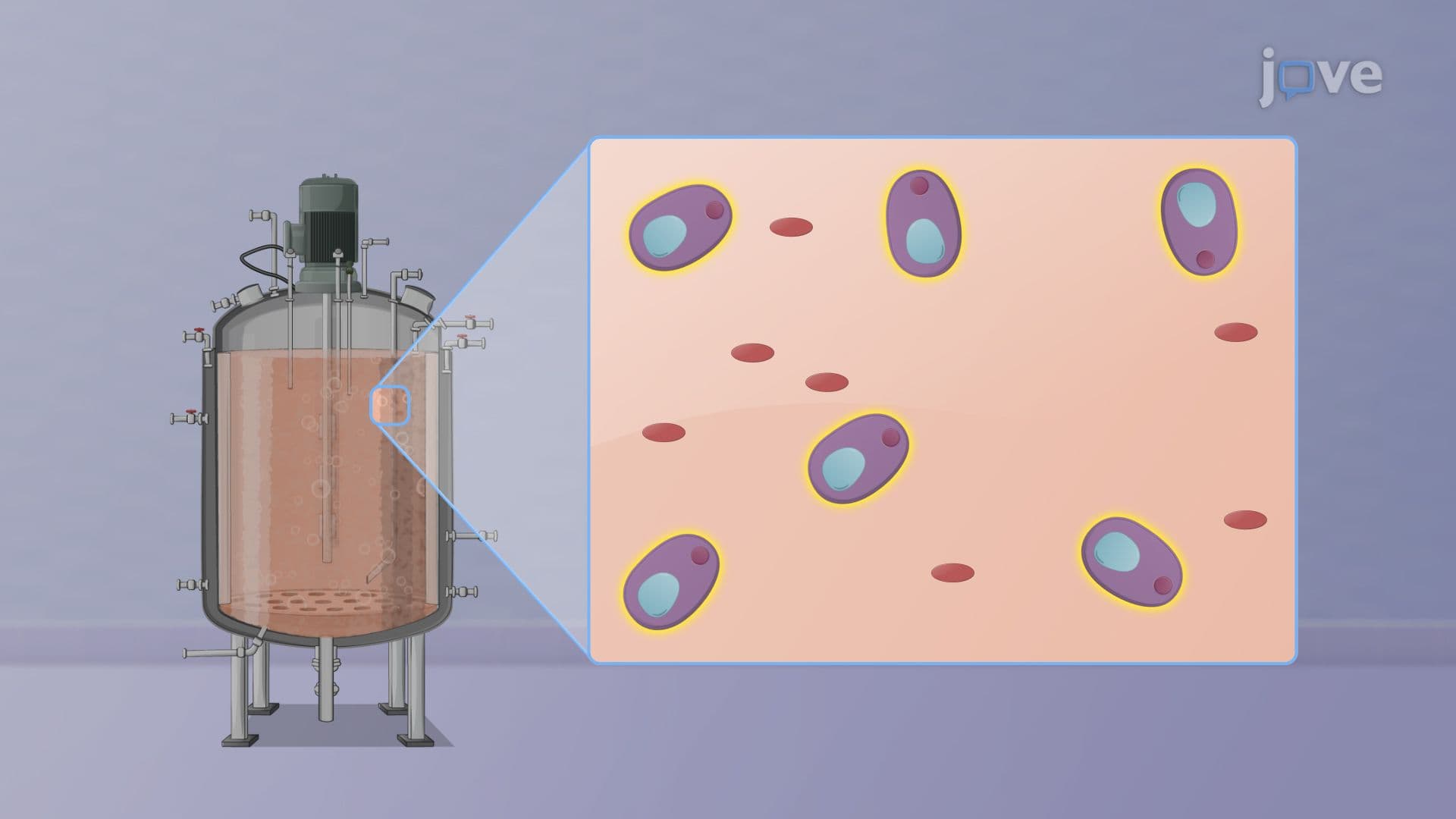
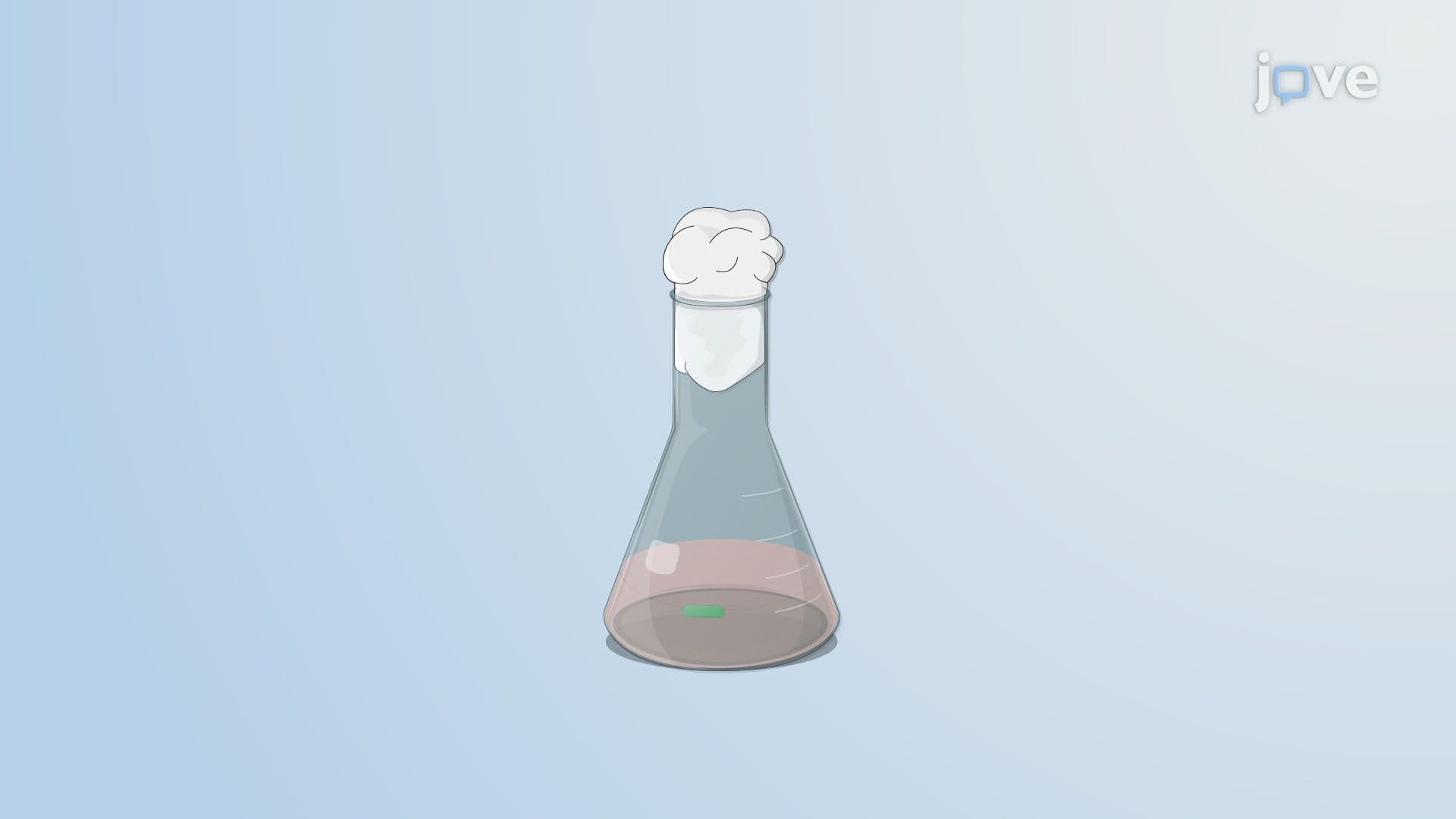
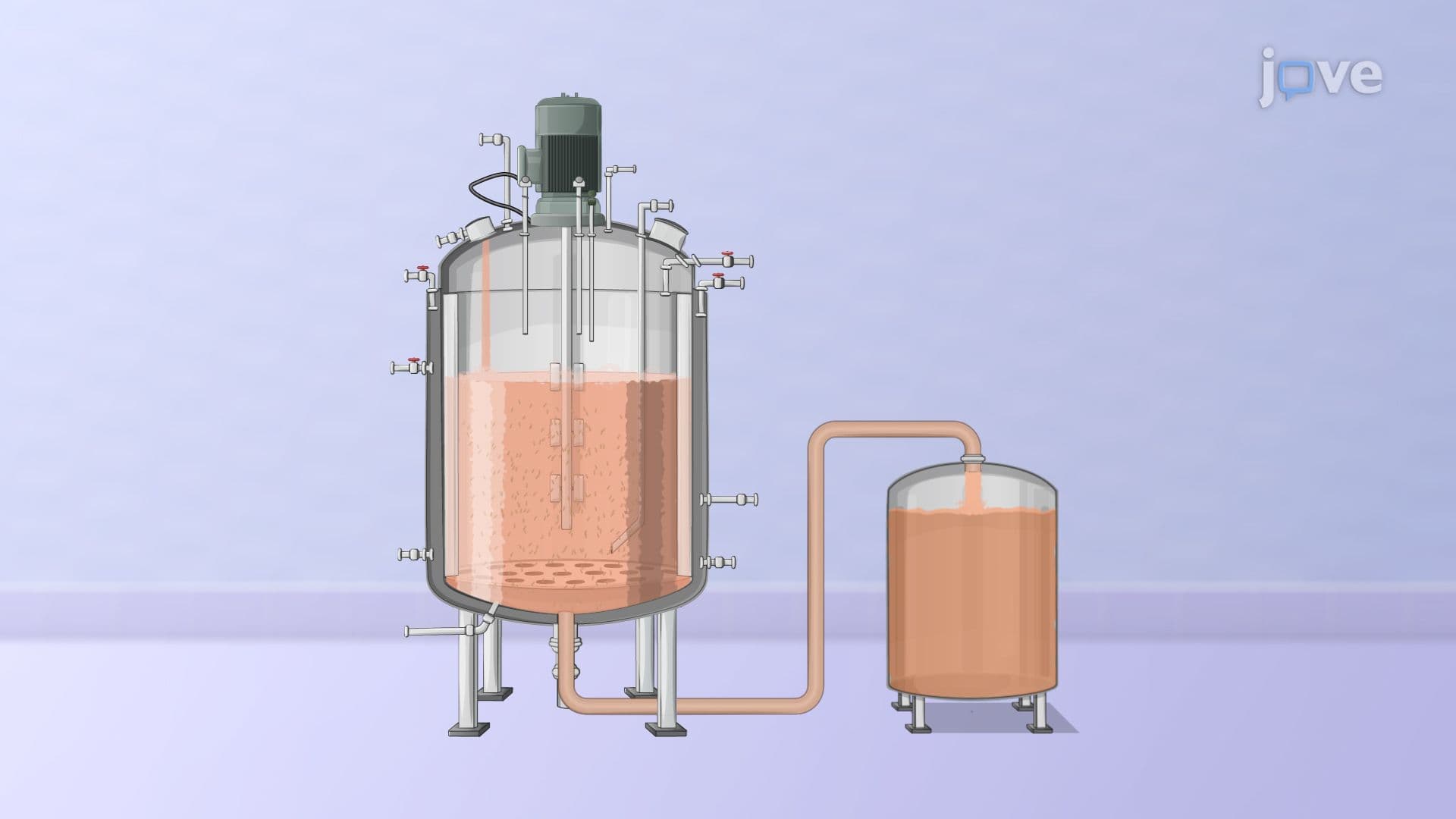
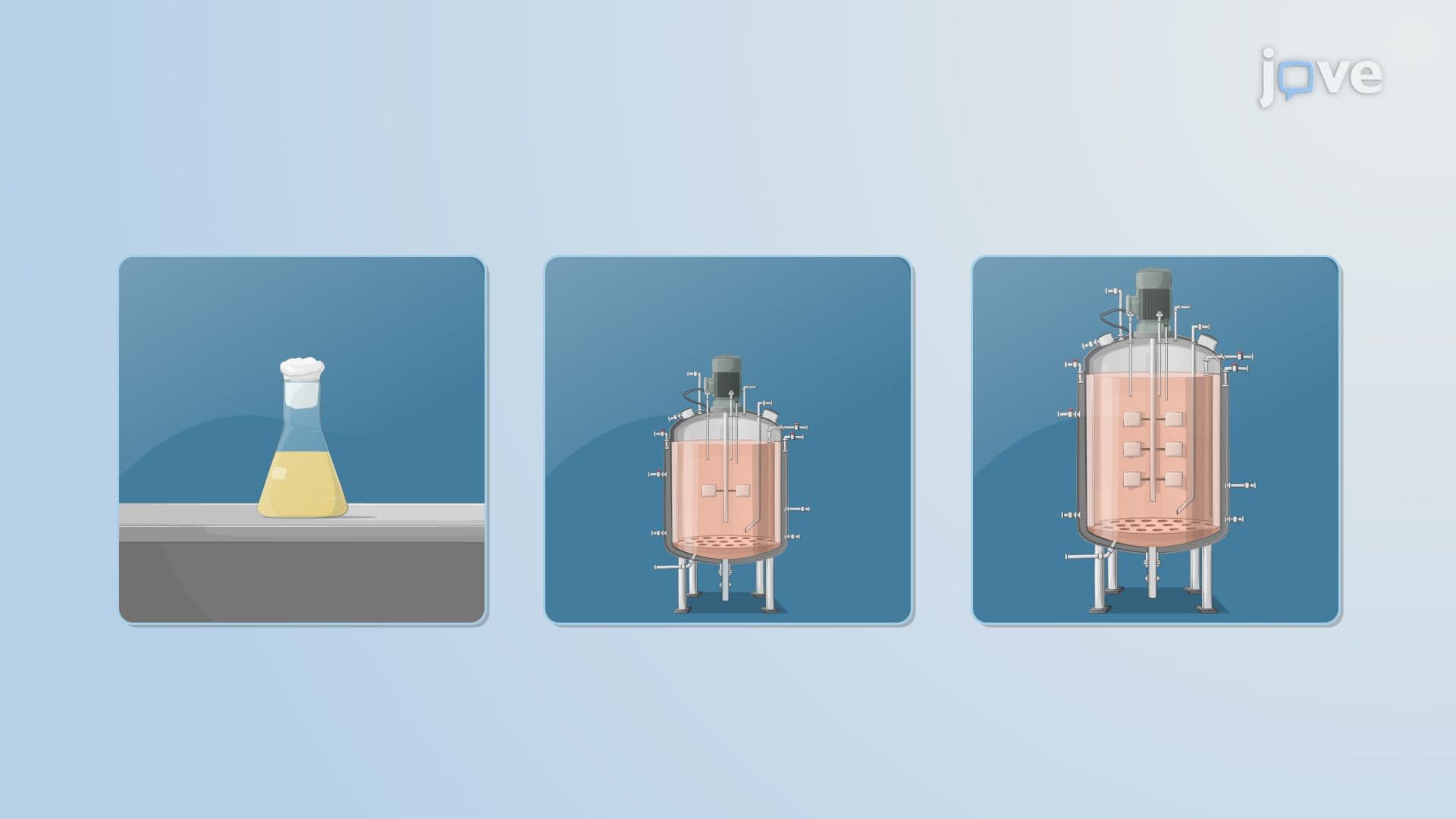
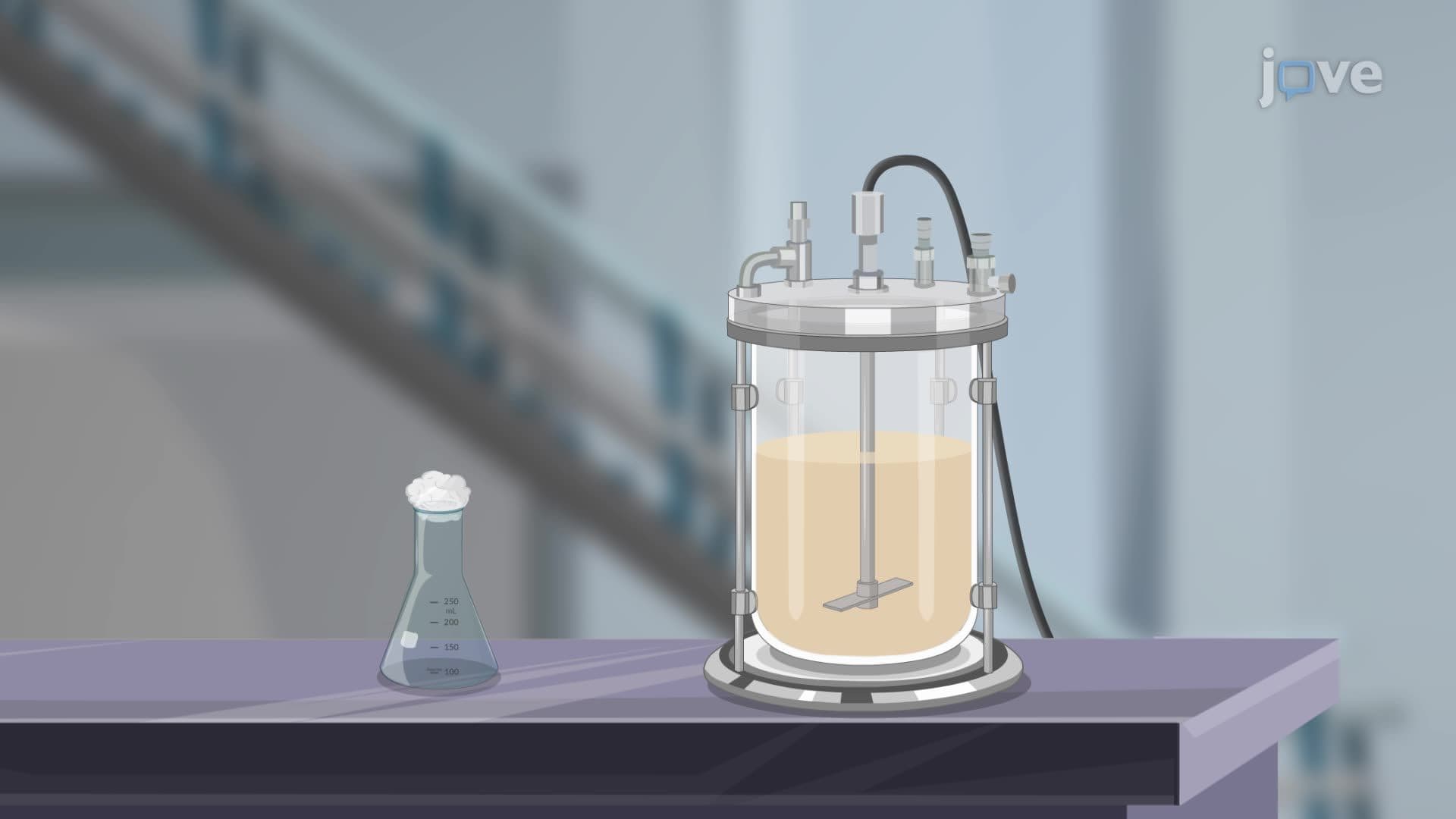
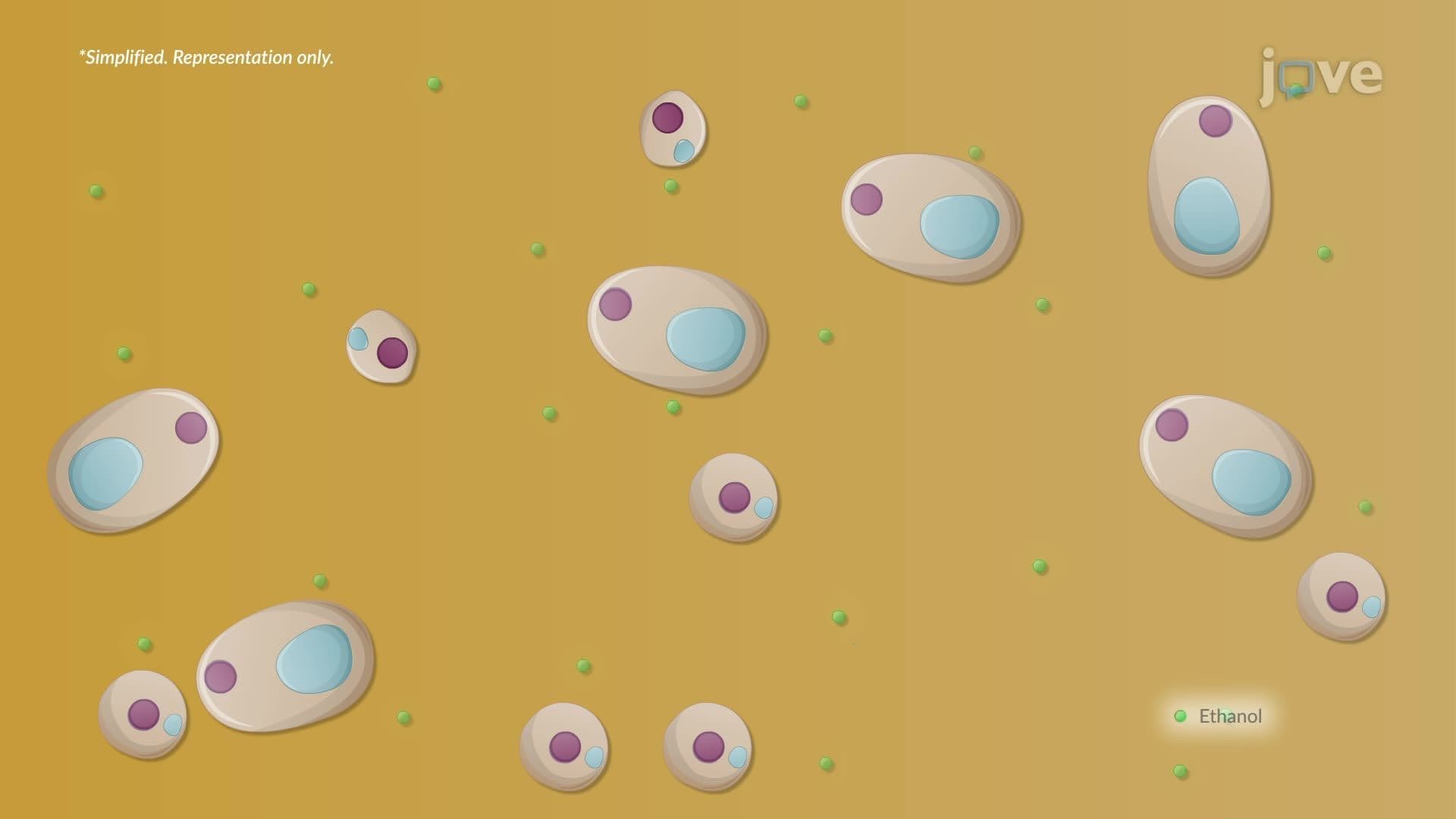
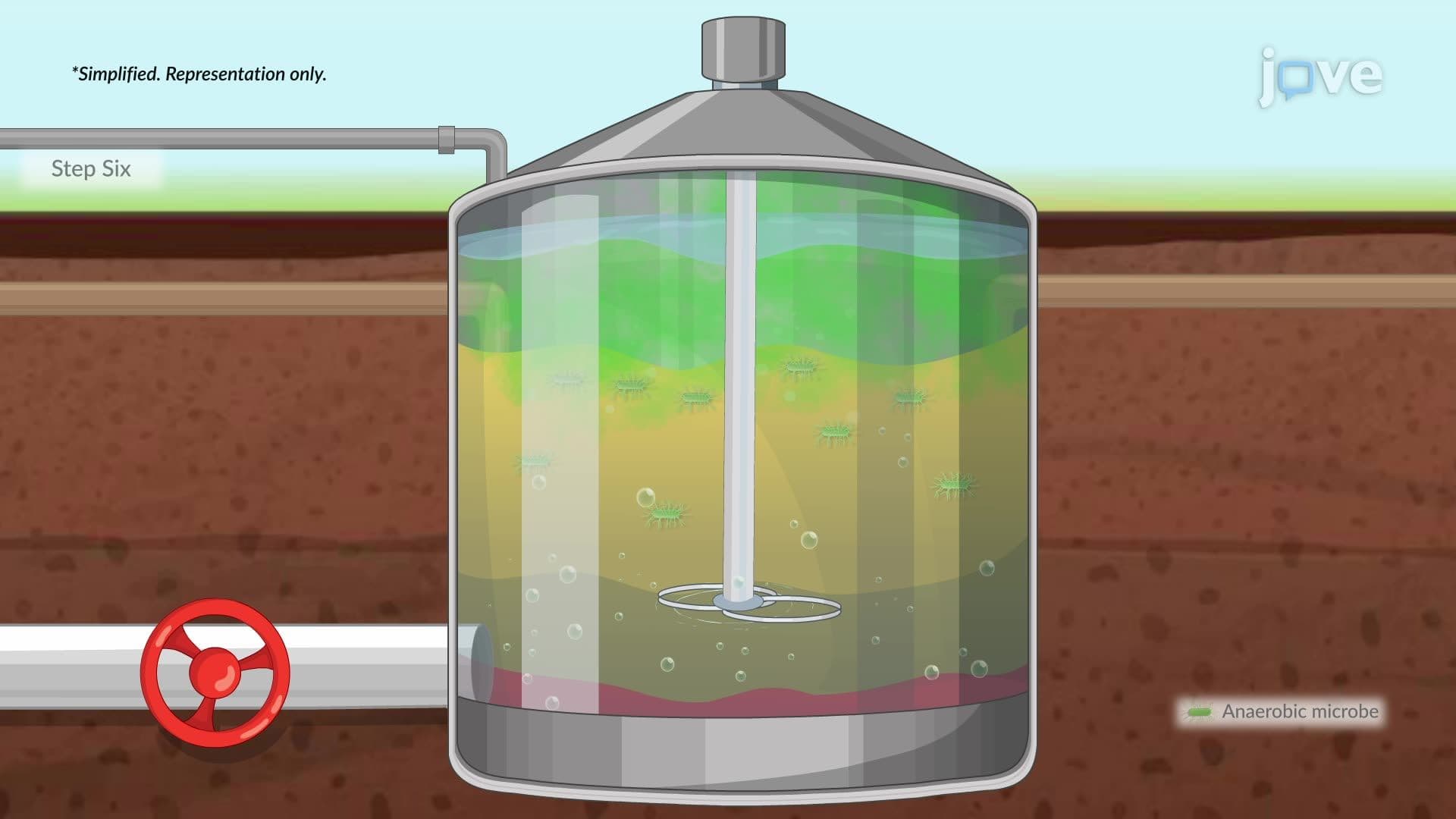
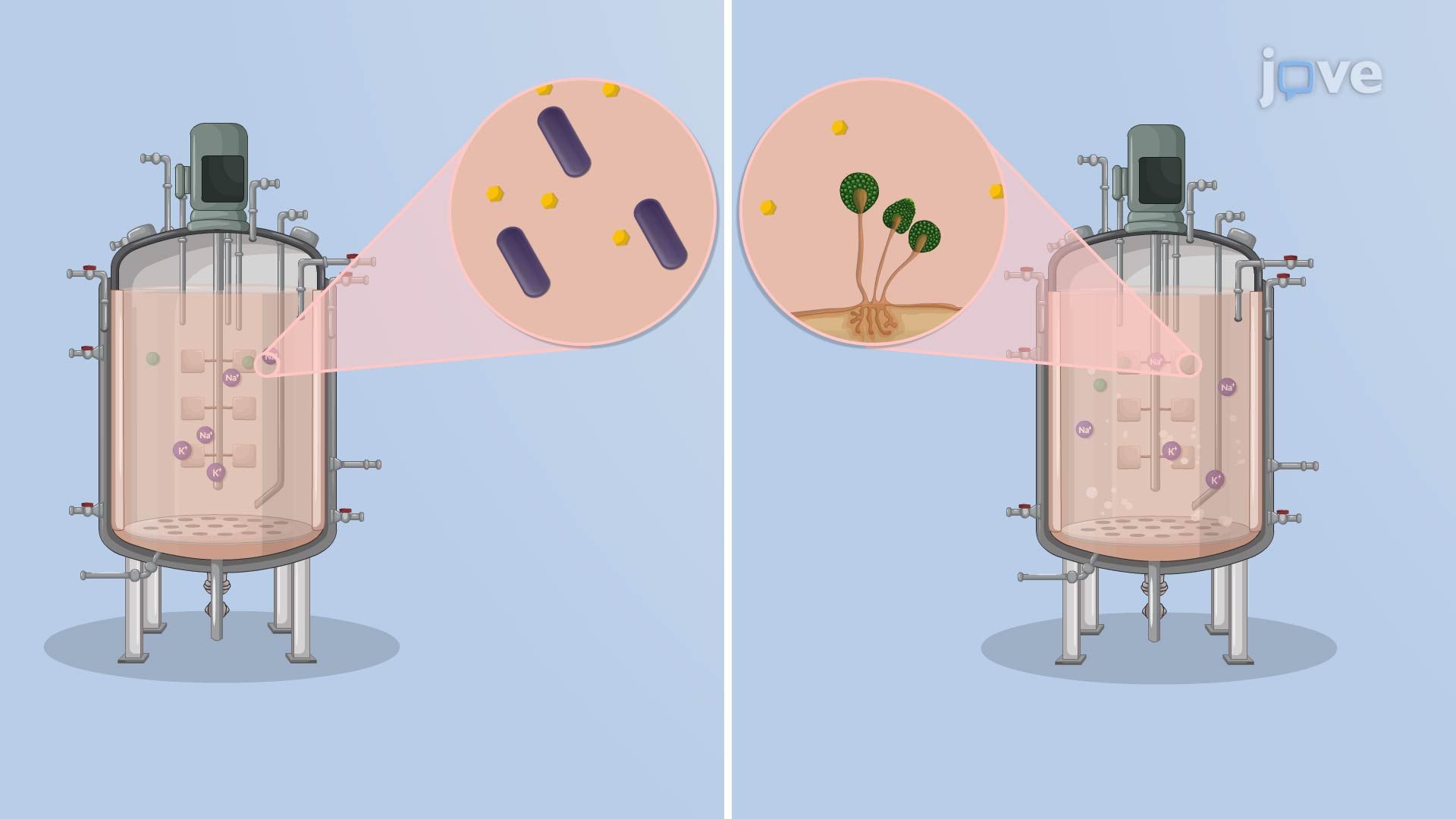
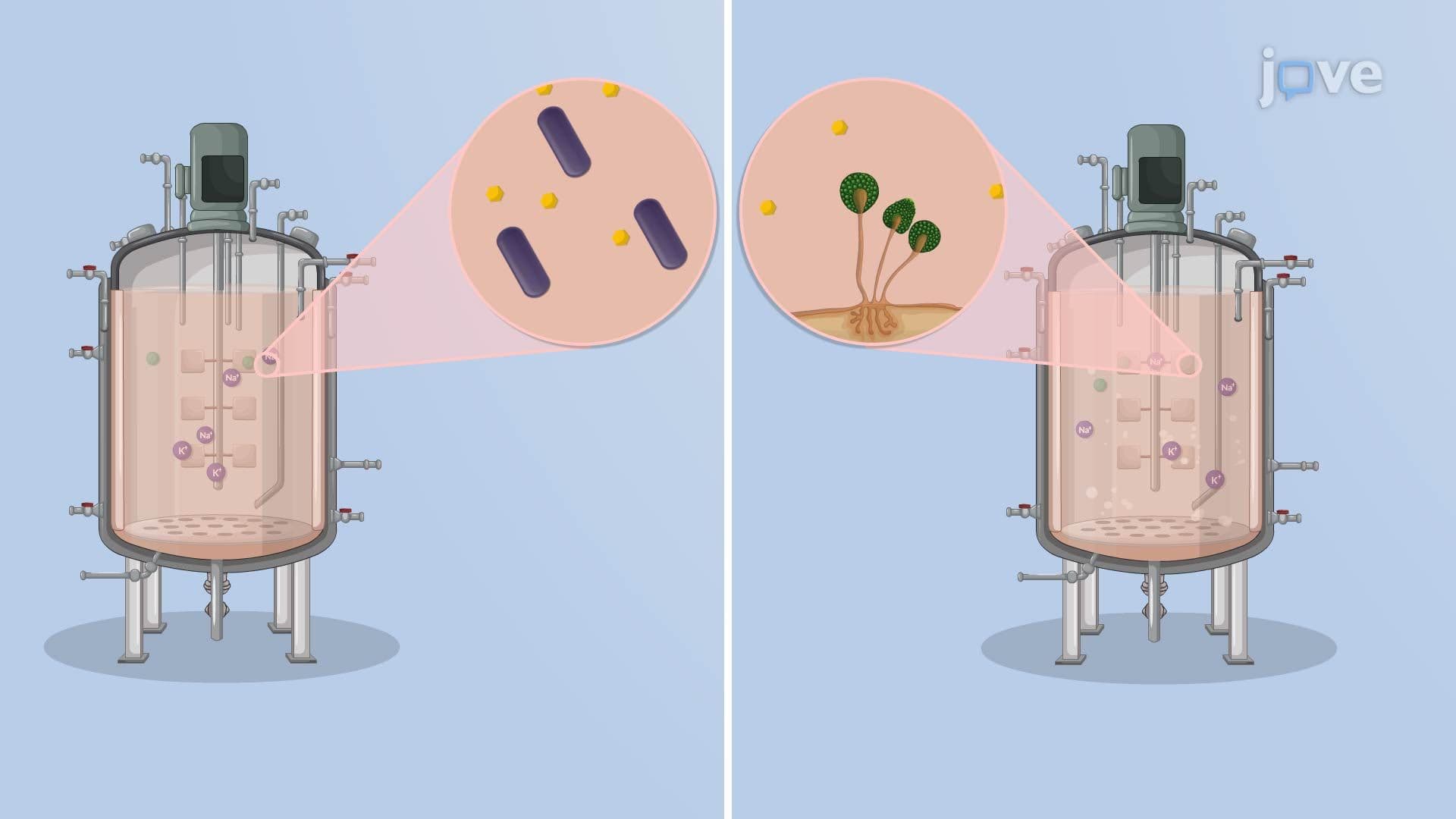
Once the hydrolysate is prepared, microorganisms take center stage inside a bioreactor, a controlled vessel that regulates temperature, pH, aeration, and nutrient supply. Two distinct microbial strategies are used:
Understanding this comparison is directly testable in AP Biology, college microbiology midterms, and on the MCAT, where questions often ask students to distinguish aerobic from anaerobic metabolic pathways and predict how environmental changes affect microbial output.
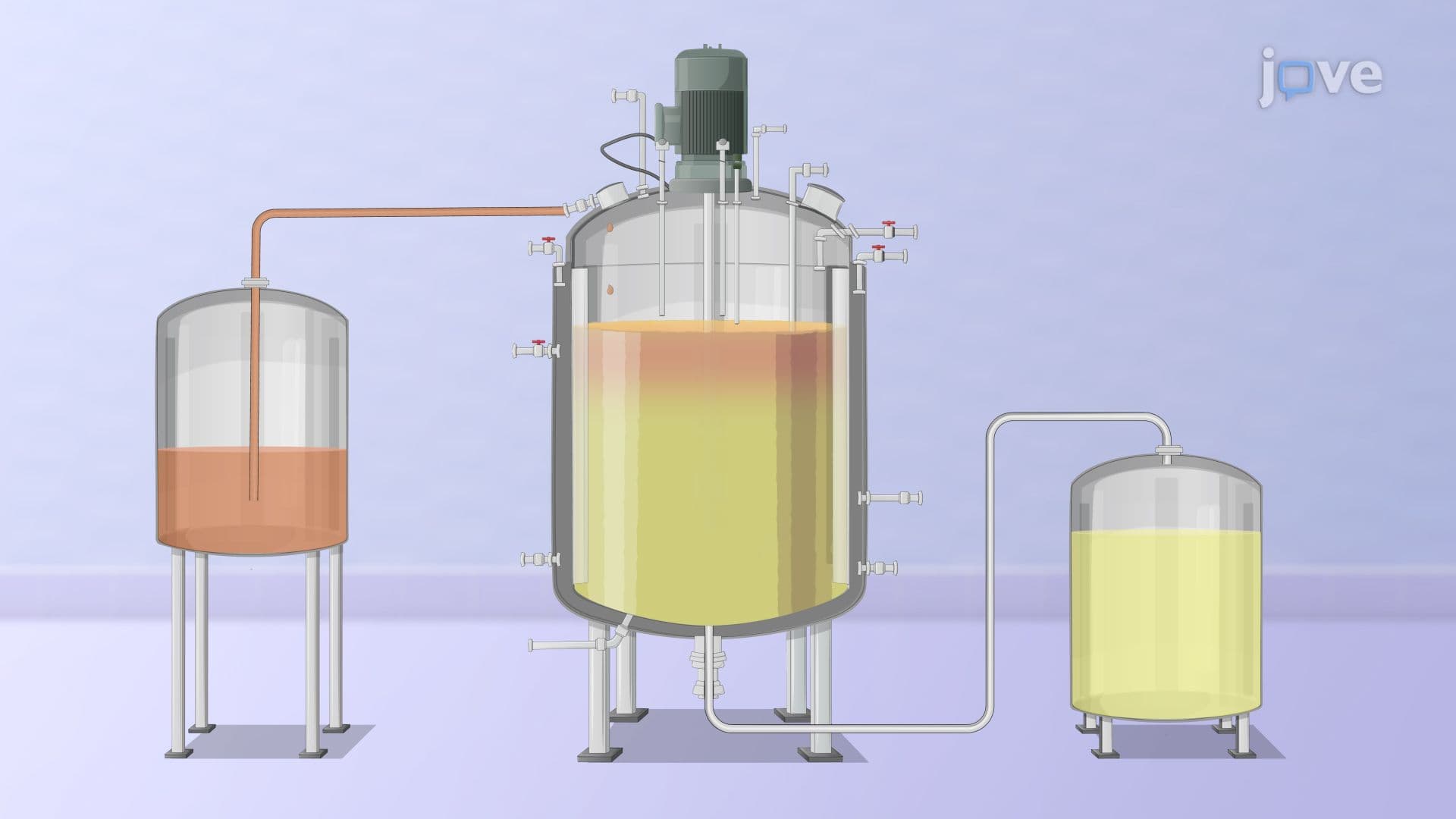
As lactic acid accumulates, it lowers the pH of the fermentation broth, which, left unchecked, would inhibit microbial growth and halt the reaction. To prevent this, calcium hydroxide (Ca(OH)2) is added continuously, neutralizing the acid and raising the pH back into the optimal range. The reaction produces calcium lactate, a soluble salt that remains dissolved in the broth.
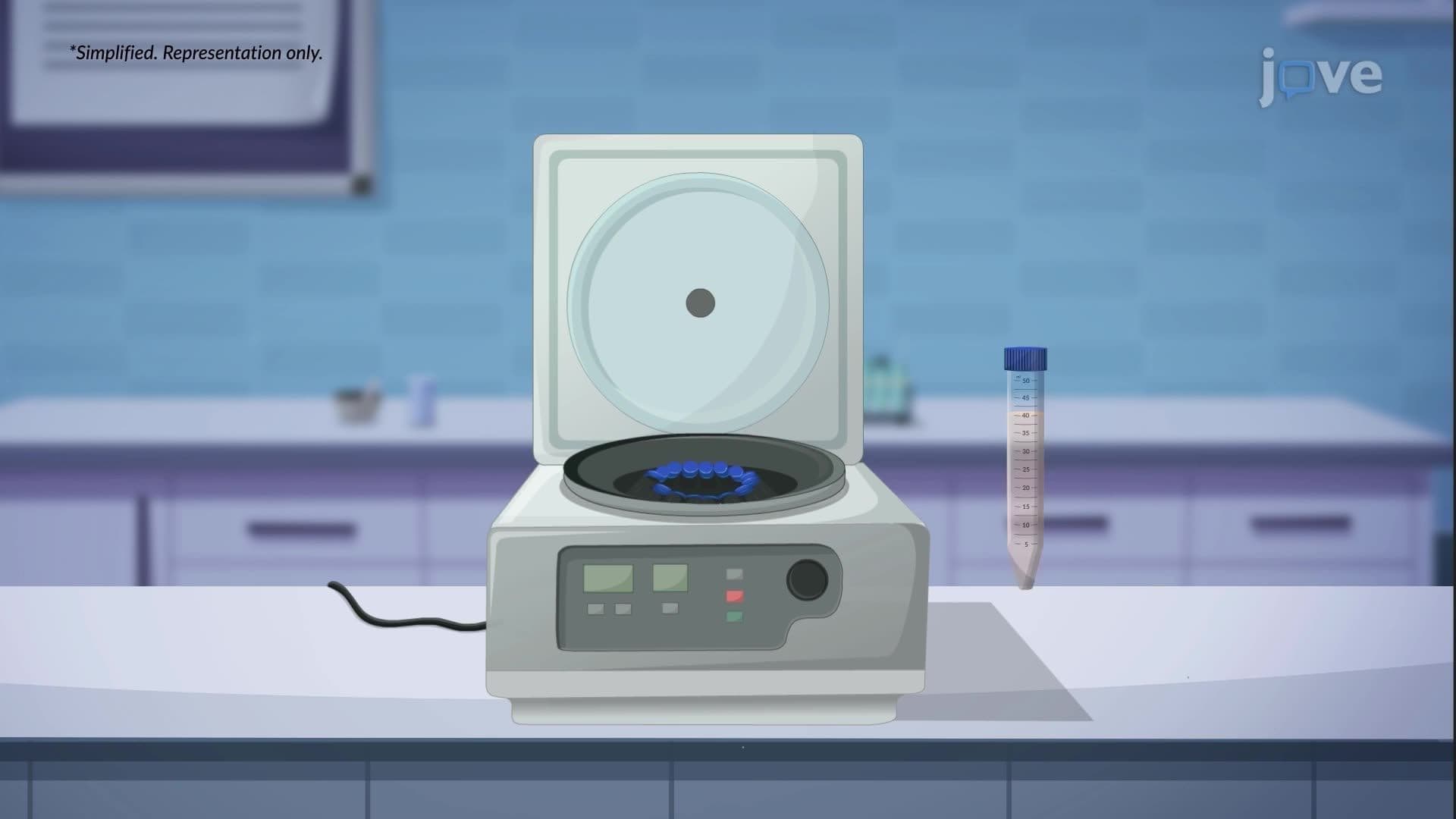
Recovery, called downstream processing, involves concentrating the broth, filtering out biomass and impurities, and then acidifying the filtrate (often with sulfuric acid) to convert calcium lactate back into free lactic acid. This purified product is then ready for commercial use. Recognizing these purification steps connects directly to enzyme production and antibiotic production workflows taught in courses covering industrial microbiology and microbial biotechnology, making this concept a model system for understanding large-scale bioprocessing.
Related Micro-courses