Loading video…

 22 Concepts
 3.7K views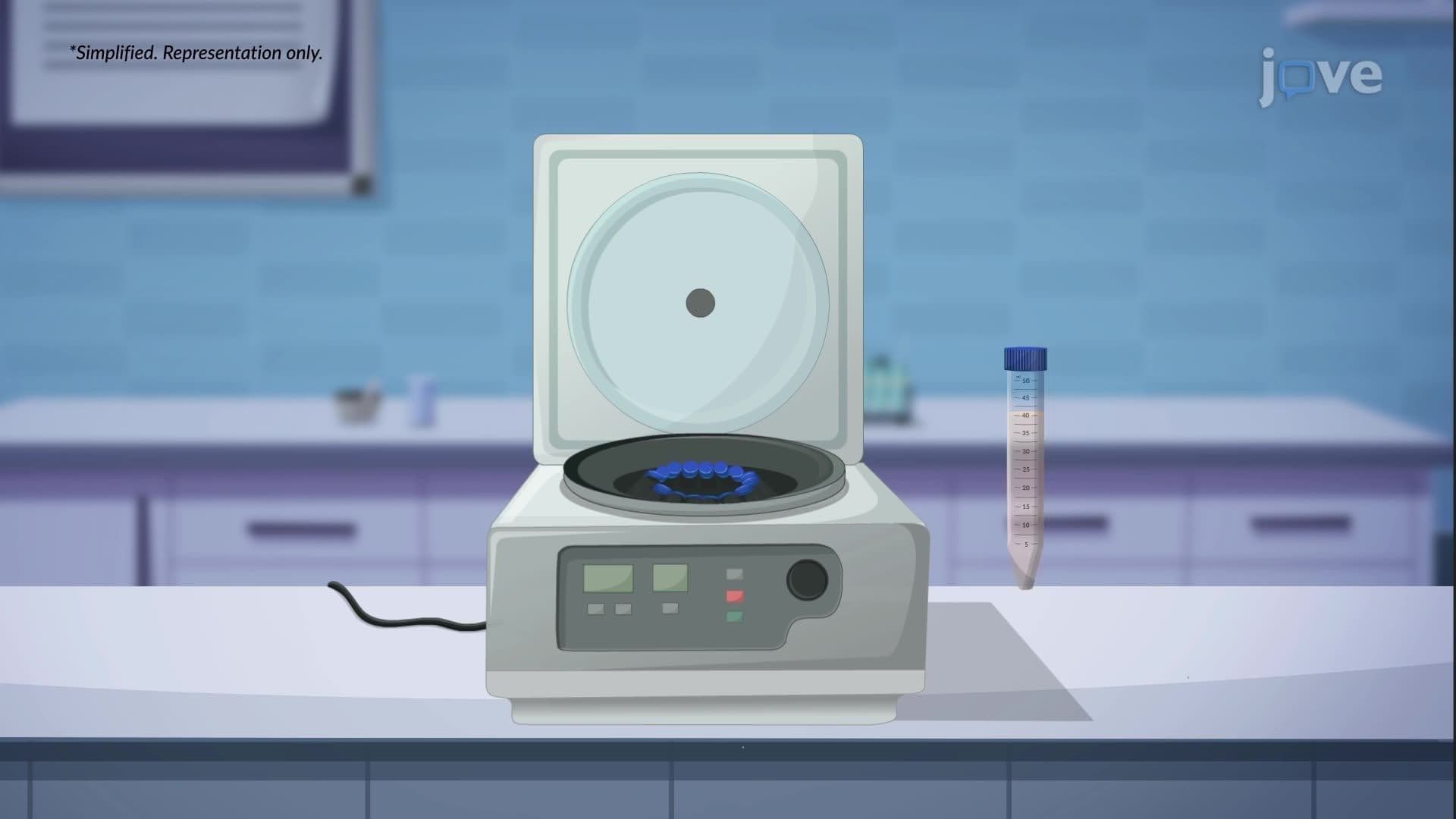

Video Summary: What Is Downstream Processing
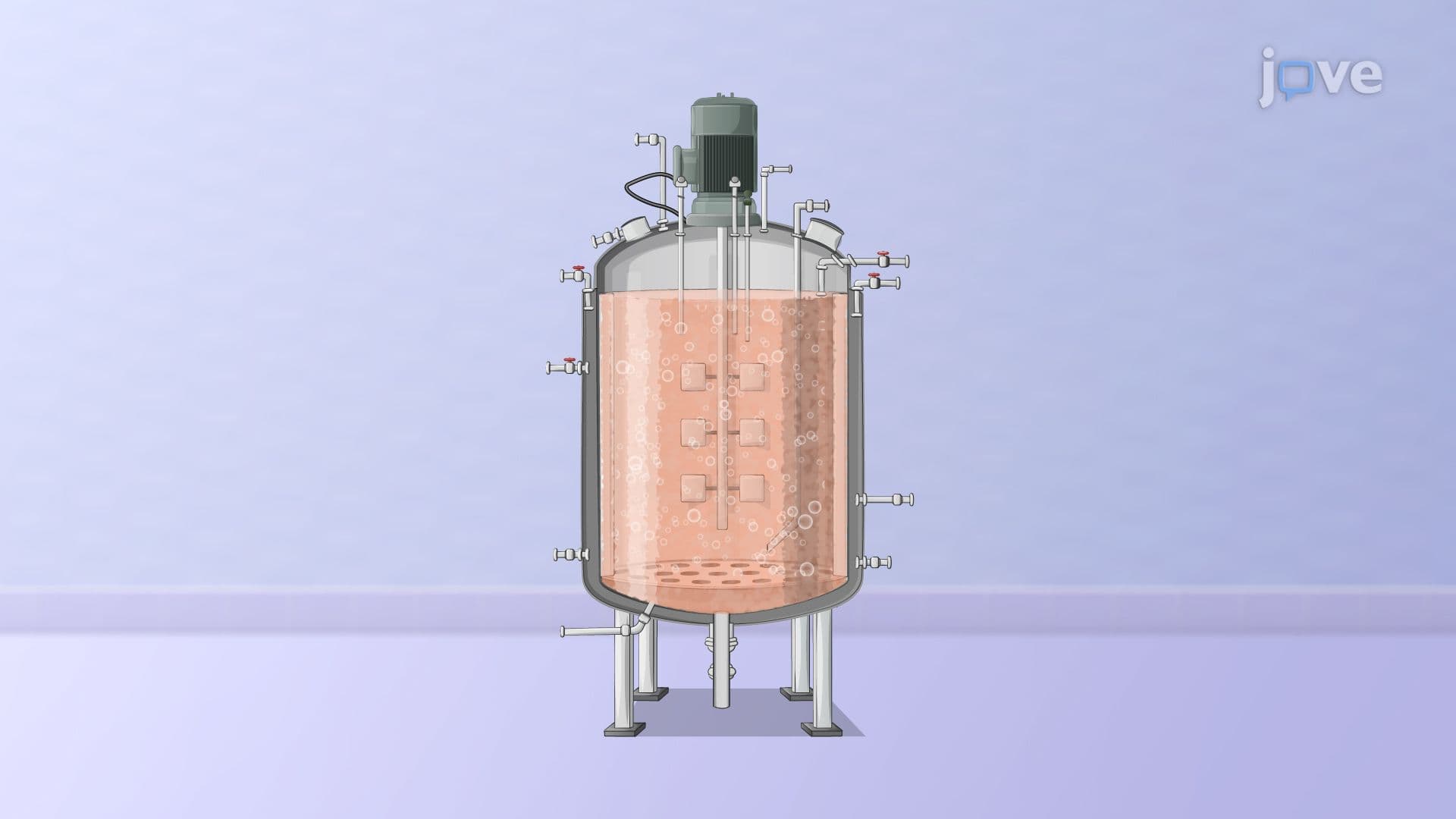
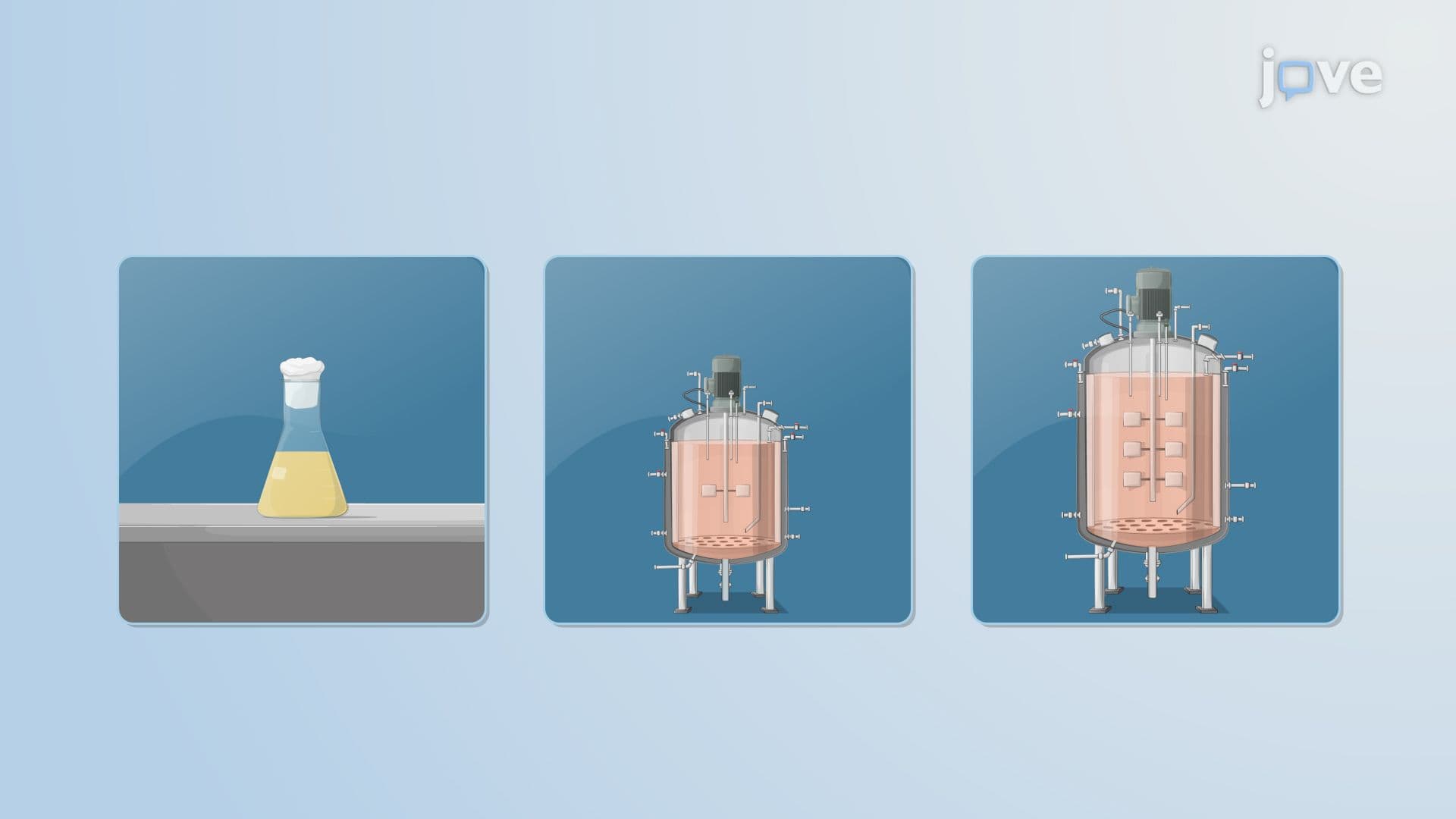
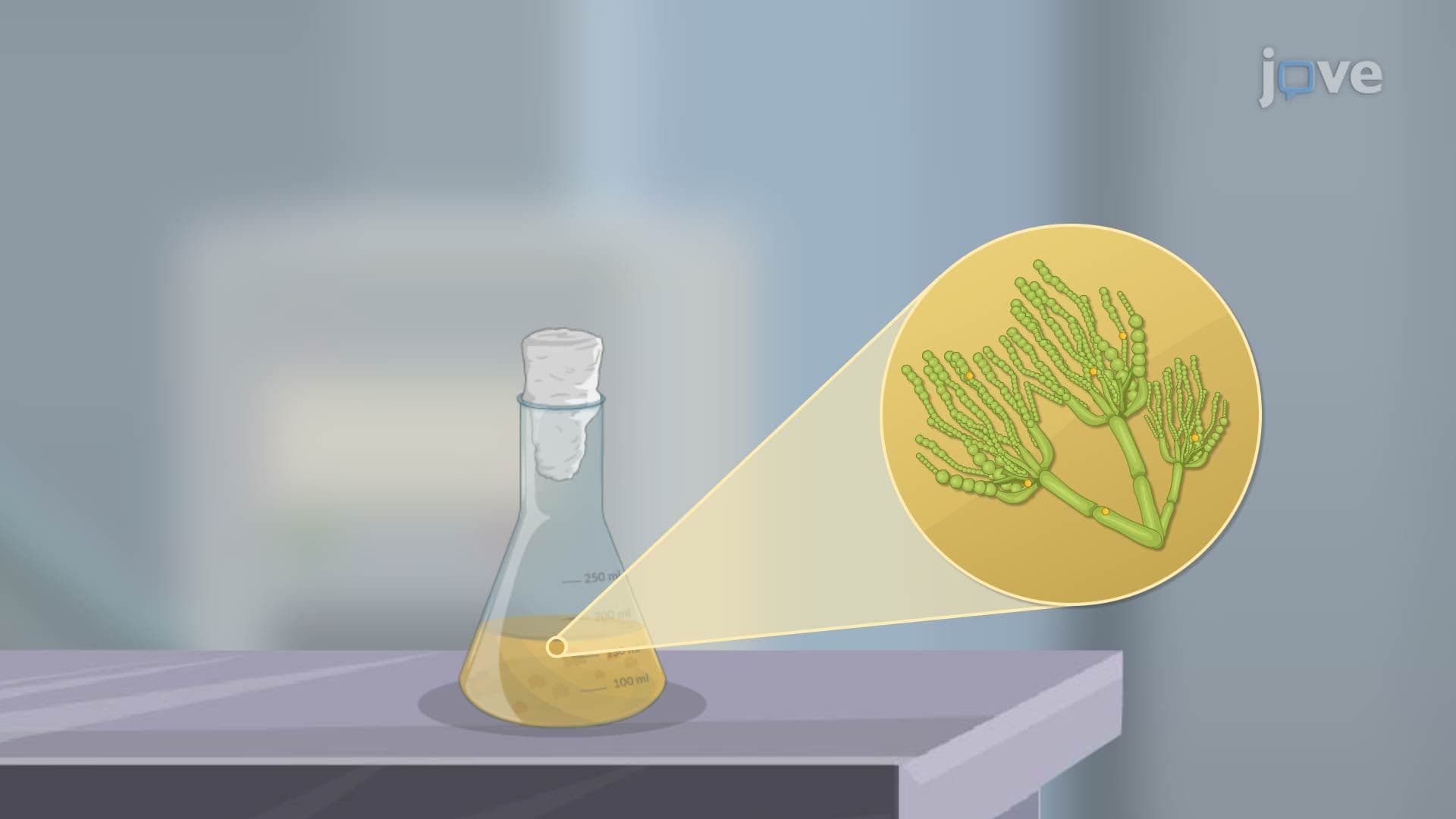
Ever wonder how a life-saving antibiotic like penicillin goes from a fermenter tank to a pharmacy shelf? That journey depends on downstream processing, the critical series of steps used to recover, purify, and stabilize biological products after fermentation ends. At Pfizer's US manufacturing facilities, for example, downstream processing basics determine whether a drug batch meets clinical-grade purity standards. Watch the full video on JoVE Coach to master this concept with expert-led visuals and step-by-step explanations.
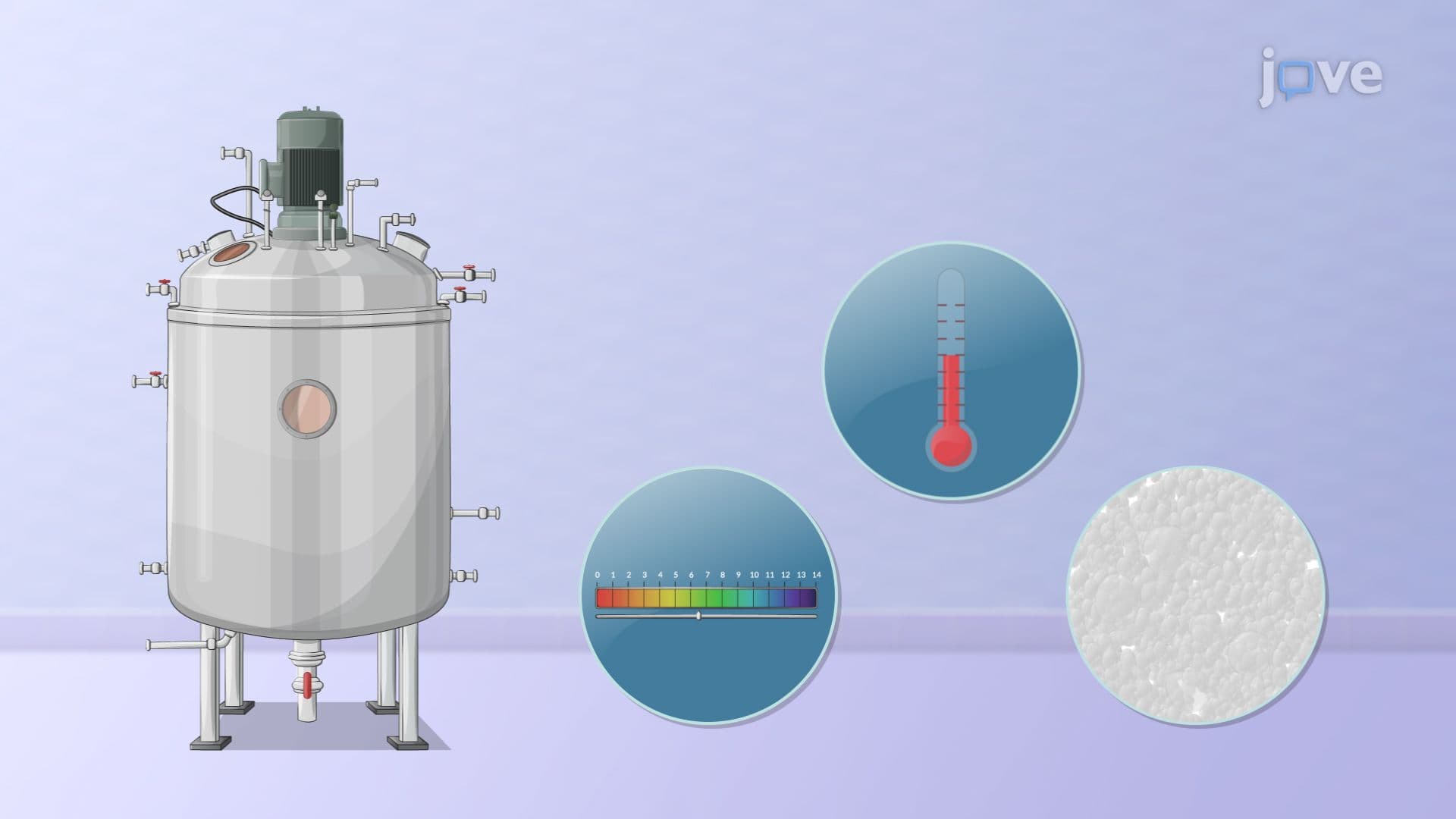
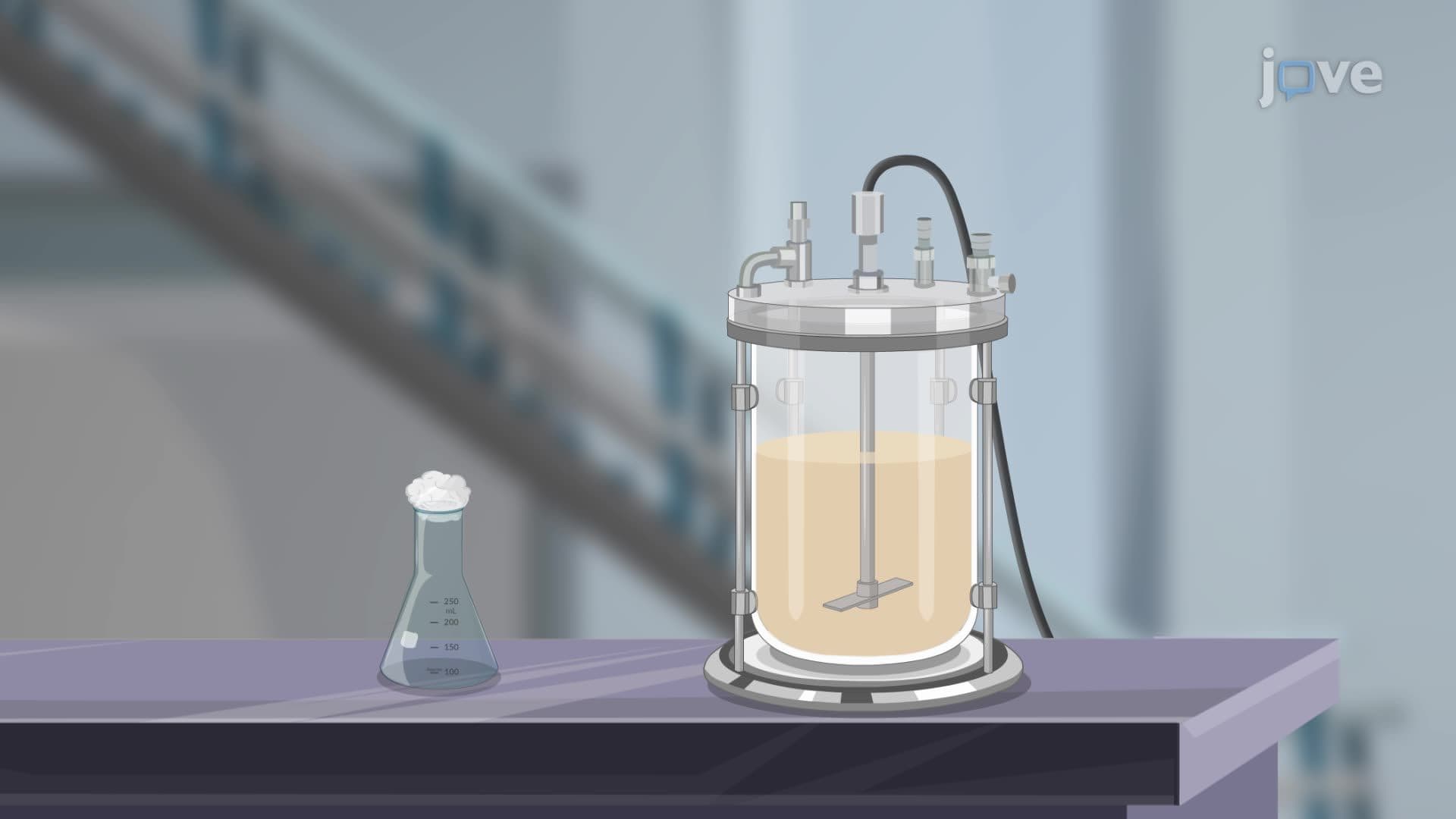
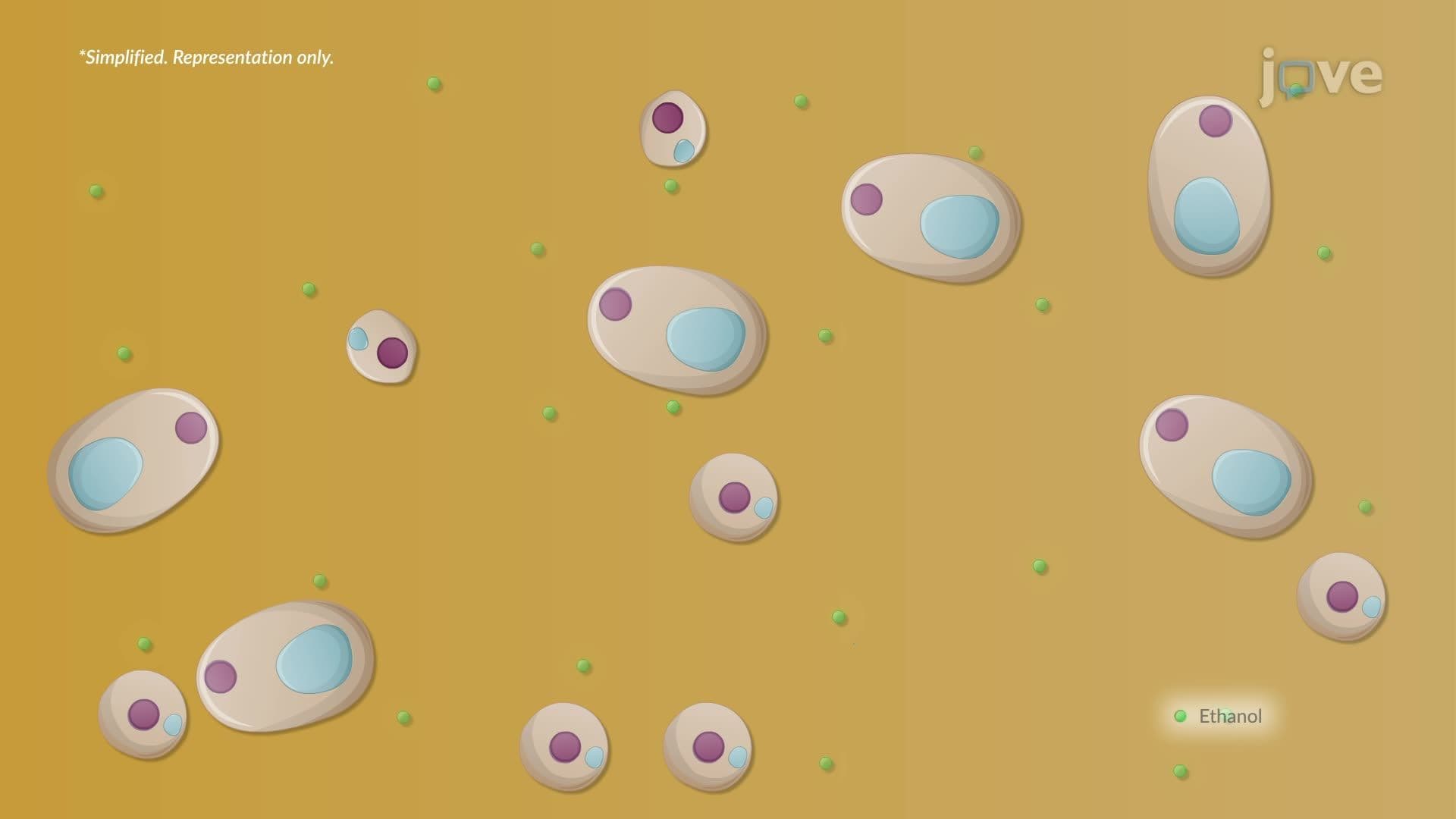
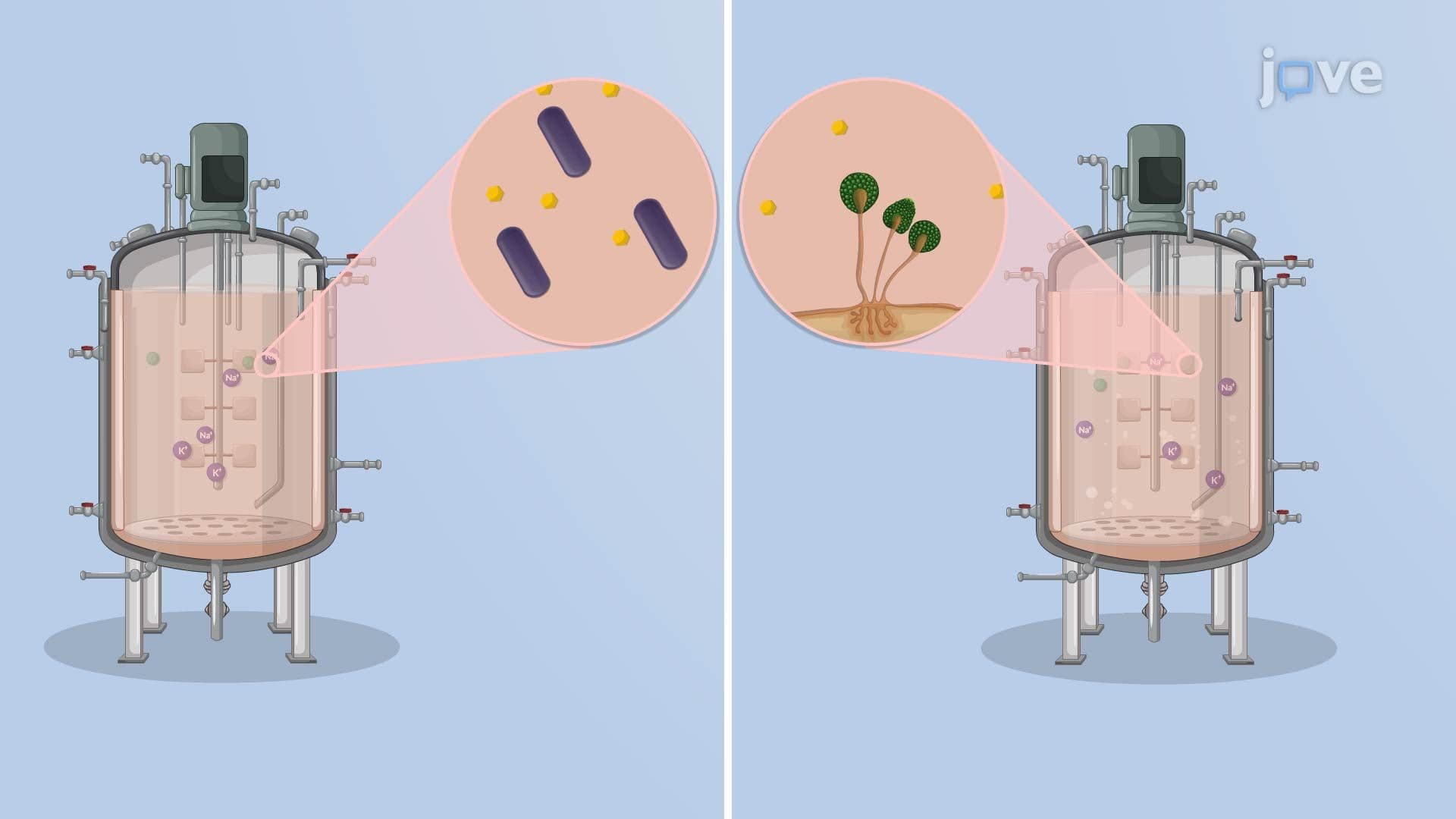
Downstream processing refers to the recovery, purification, and preparation of a target biological product after the upstream production stage, typically large-scale fermentation, is complete. Whether the goal is manufacturing insulin at Eli Lilly's US facilities, isolating enzymes for industrial cleaning products, or refining ethanol for biofuel production, downstream processing transforms a complex biological mixture into a pure, stable, market-ready product. Without it, even the most productive fermentation batch would be clinically and commercially useless.
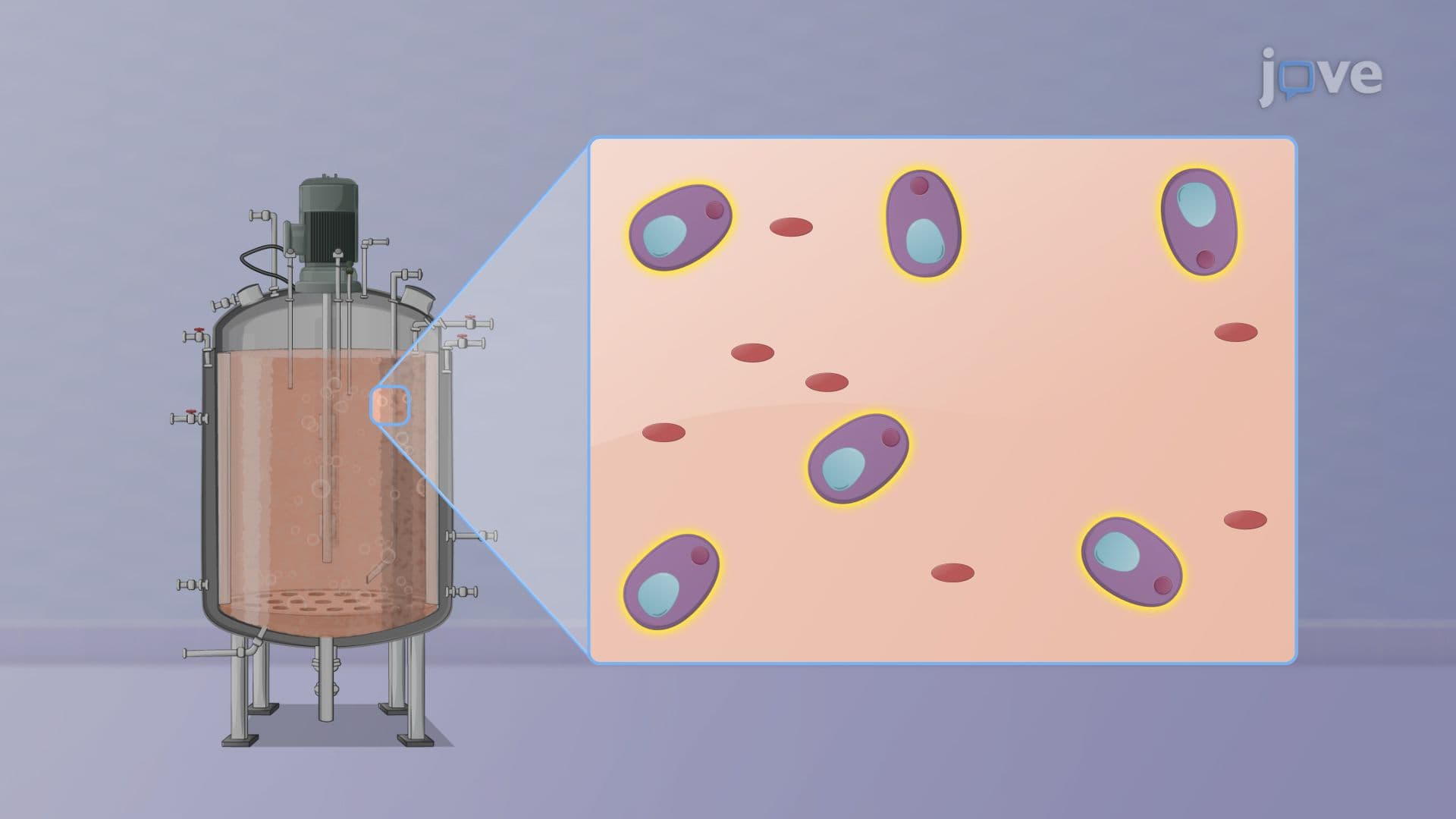
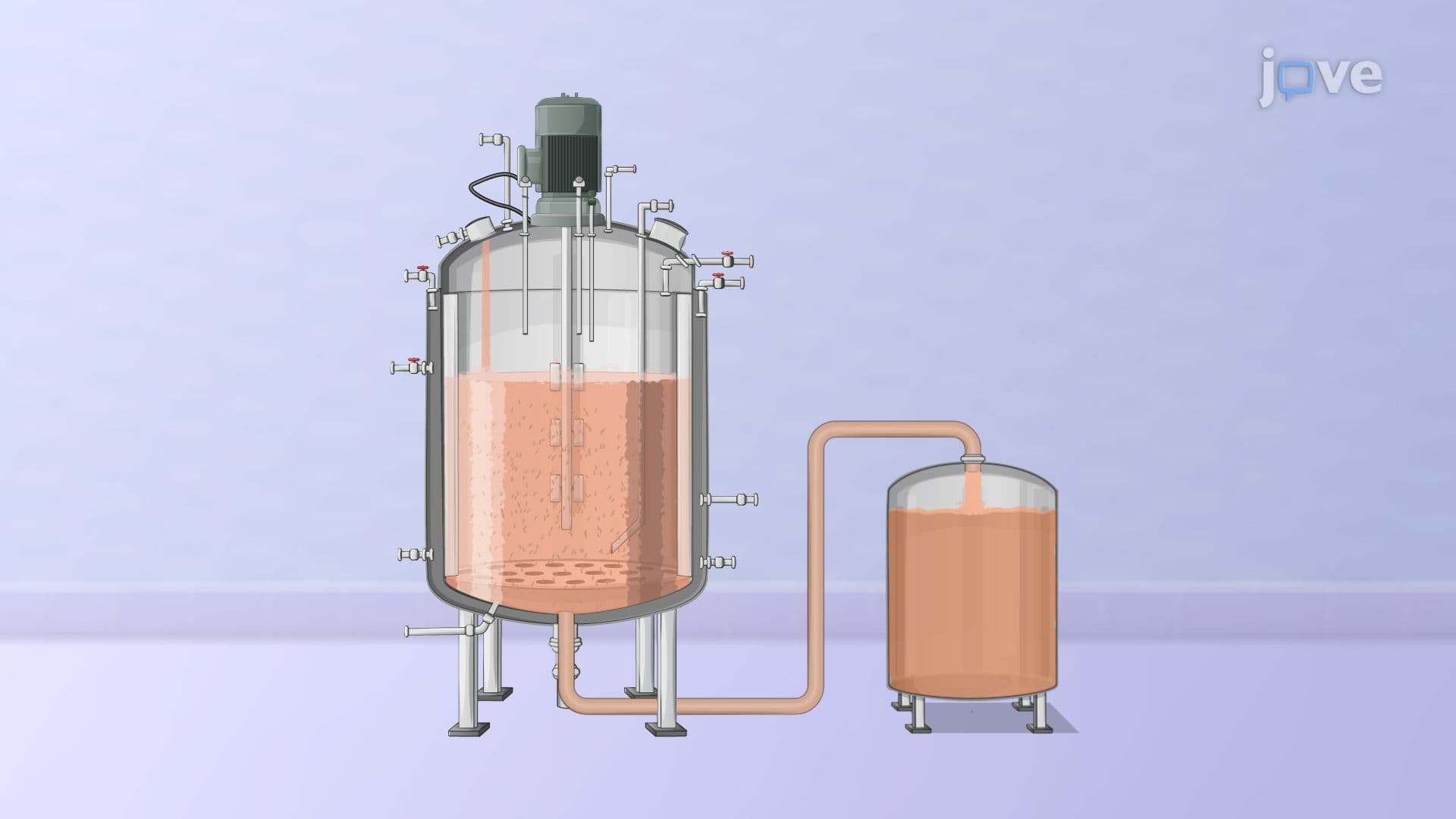
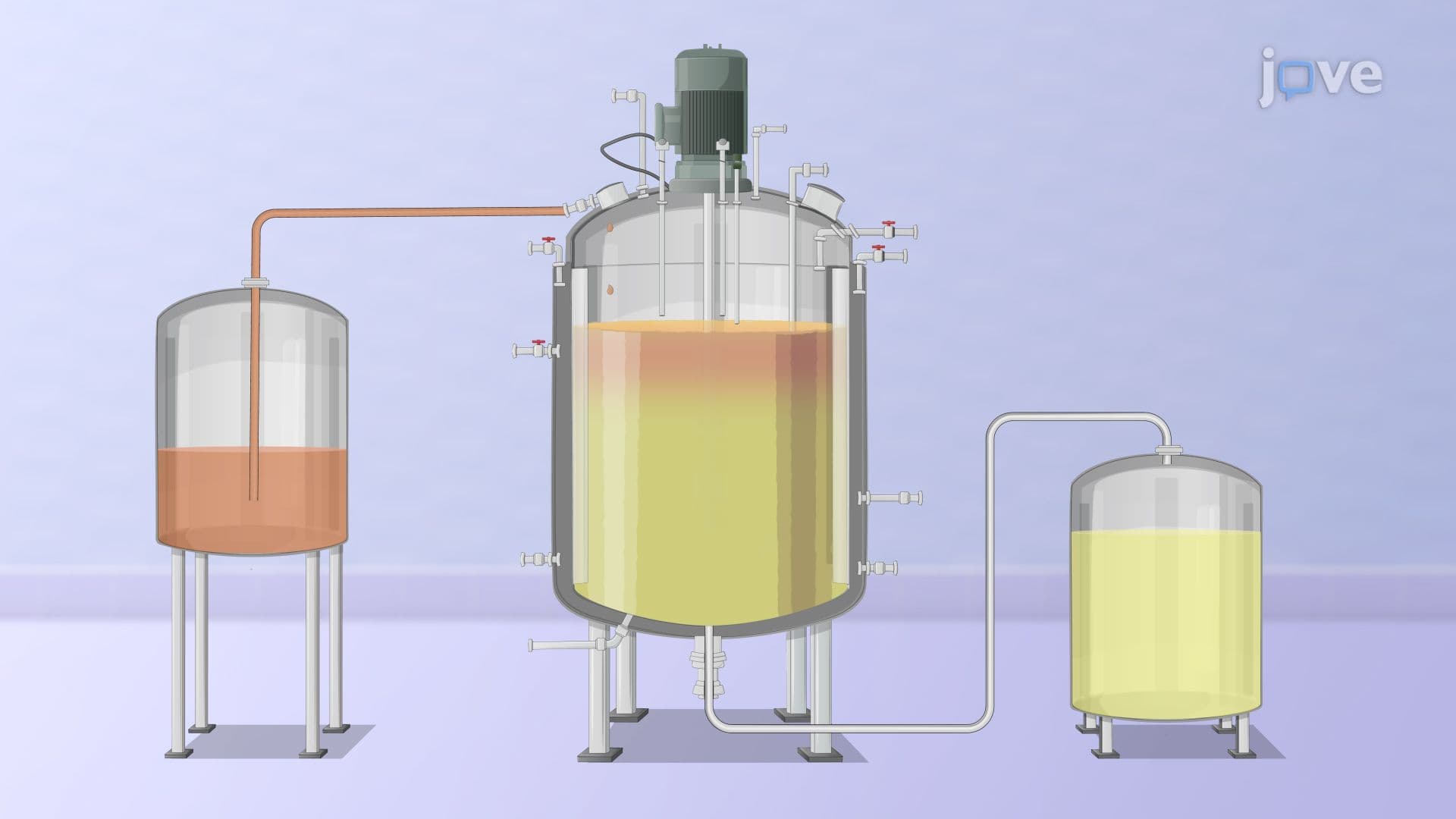
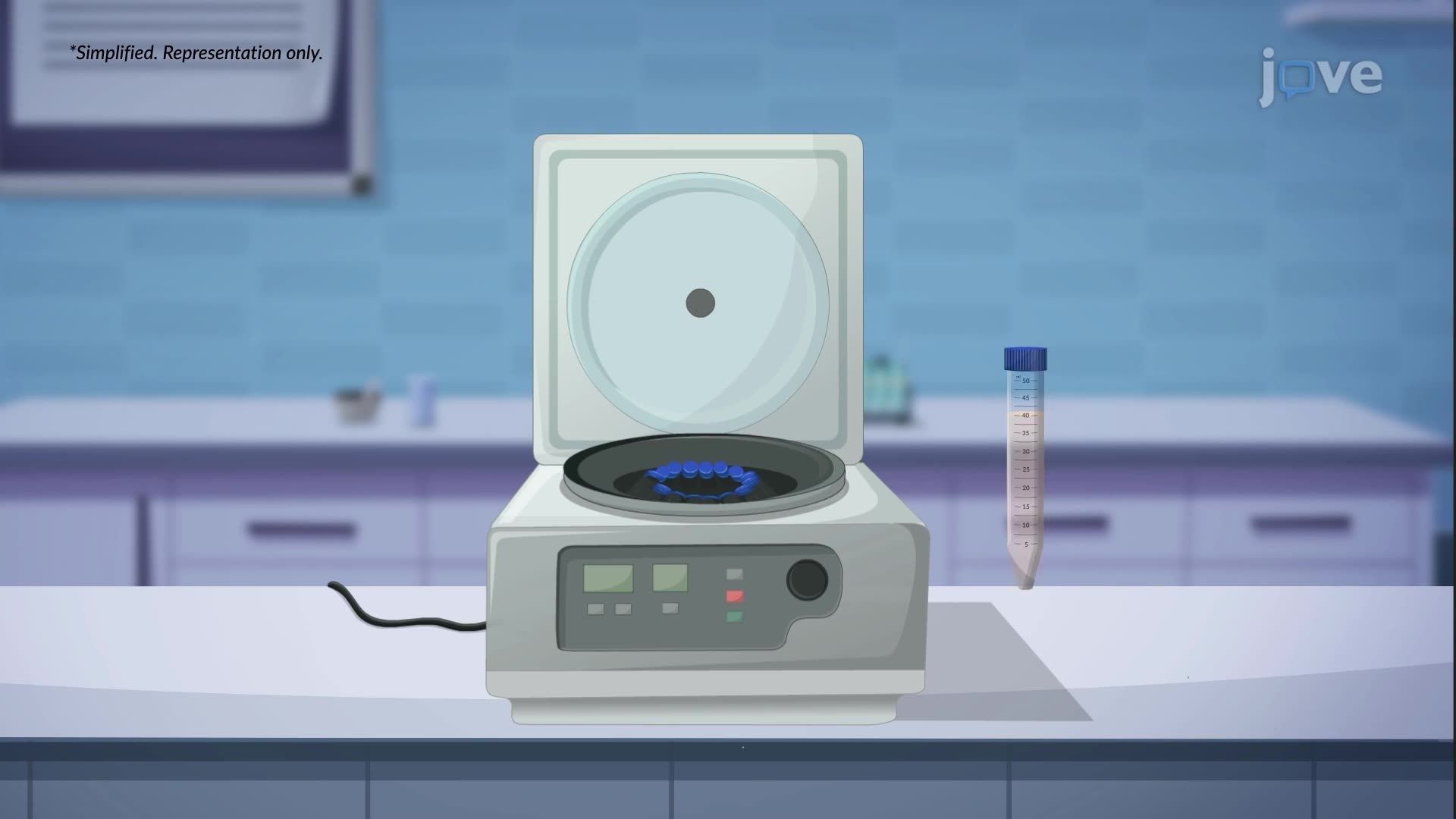
The first challenge in downstream processing is separating the cells from the liquid medium they grew in. Centrifugation is the standard starting point. If the target compound is *extracellular*, secreted outside the cell, like many antibiotics, the liquid layer (supernatant) collected after centrifugation already contains the product. If the compound is *intracellular*, produced inside the cell, like many recombinant proteins, the cells must first be mechanically broken open through homogenization. This physically ruptures the cell membrane, releasing the internal contents into solution. The resulting mixture is then clarified using filtration to remove solid cellular debris, yielding what is called the crude product. This distinction between extracellular and intracellular processing is a commonly tested concept in AP Biology and college-level microbial biotechnology courses.
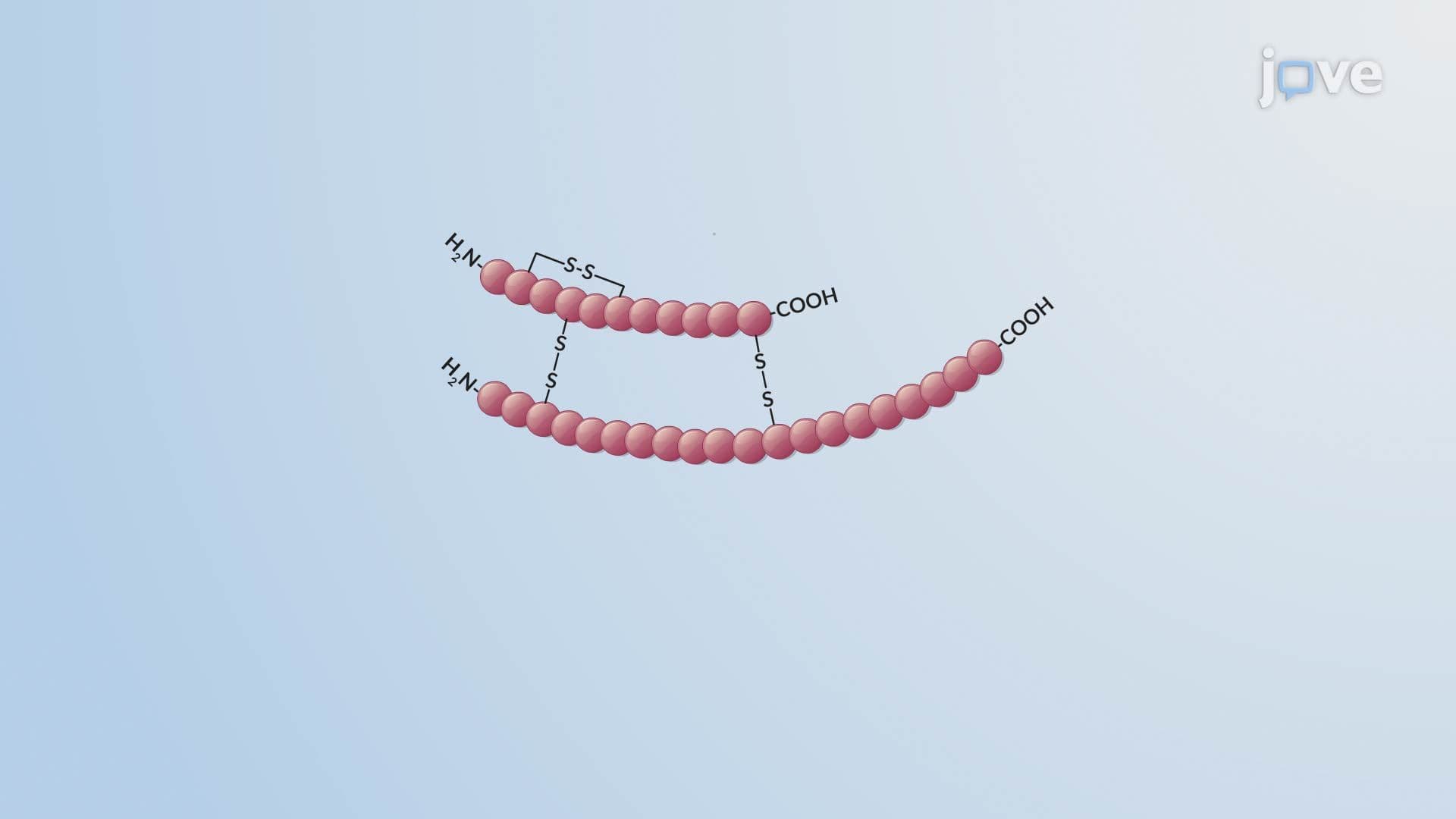
The crude product is a messy mixture containing the target molecule alongside hundreds of other proteins, nucleic acids, and metabolites. Ammonium sulfate precipitation is a widely used first purification step for protein-based products. By adding ammonium sulfate to the solution, the salt competes with proteins for water molecules, reducing protein solubility and causing target proteins to precipitate out of solution. The precipitate is then concentrated using ultrafiltration, a membrane-based technique where transmembrane pressure (TMP) forces the solution through a semi-permeable membrane. Larger target proteins are retained on one side while smaller contaminant molecules pass through. This size-based separation significantly increases product concentration and reduces sample volume, key efficiency goals in industrial microbiology.
Affinity chromatography is the gold-standard technique for achieving high-purity isolation of a target protein. The column contains ligands that bind specifically and reversibly to the target molecule, much like a lock and key. As the crude mixture flows through, only the target protein is captured; everything else washes away. The purified protein is then eluted under specific conditions. This technique is central to recombinant DNA technology in industry, including the production of monoclonal antibodies used in US cancer treatments.
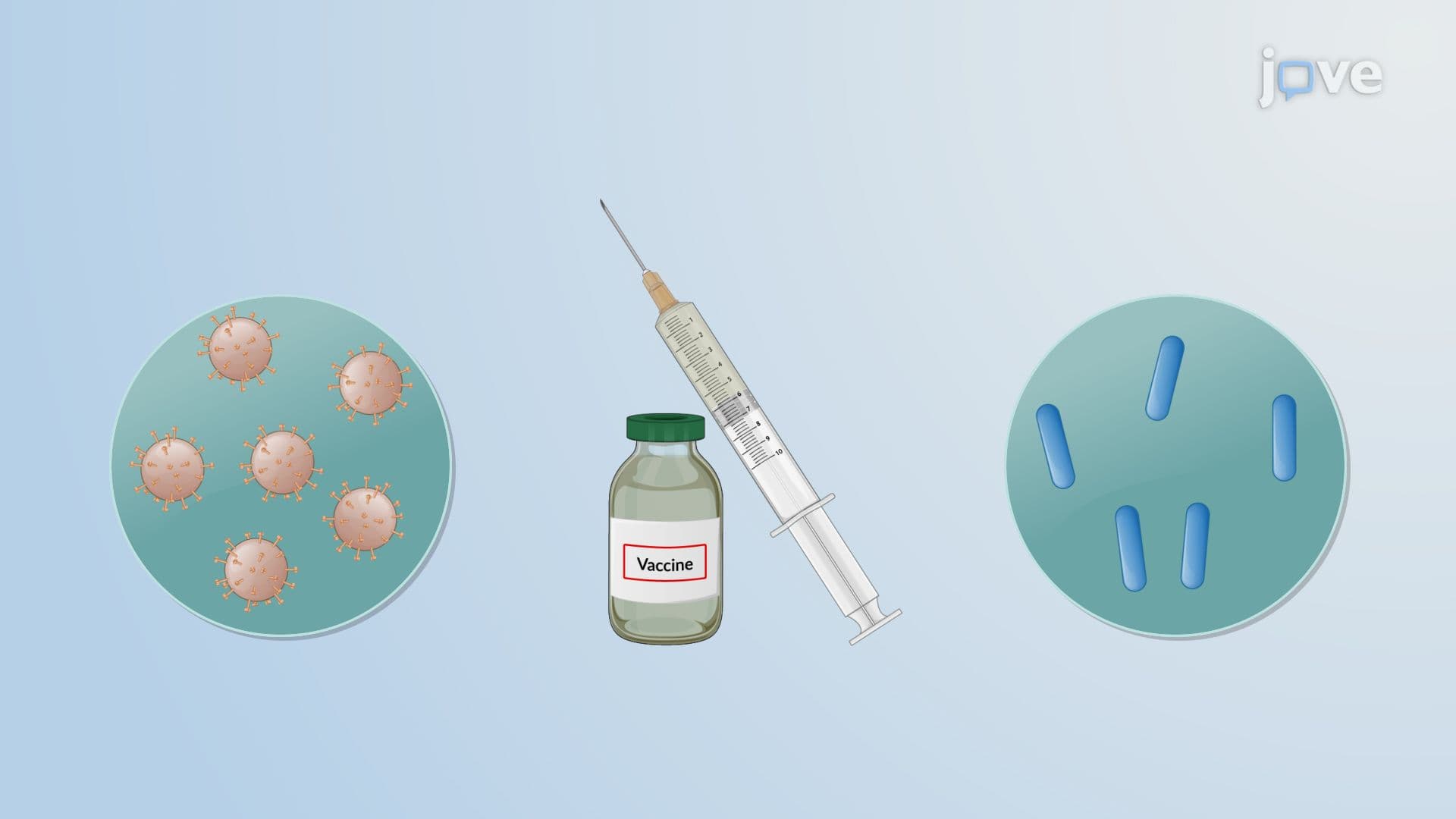
The final stage, formulation, stabilizes the purified product for storage and distribution. This may involve adjusting pH to prevent denaturation, adding excipients or stabilizers, or lyophilizing (freeze-drying) the product to extend shelf life. Understanding formulation is particularly relevant for students preparing for the MCAT, where biochemistry and pharmacology questions frequently test knowledge of protein stability and drug preparation principles.
Related Micro-courses