Loading video…

 11 Concepts
 2.1K views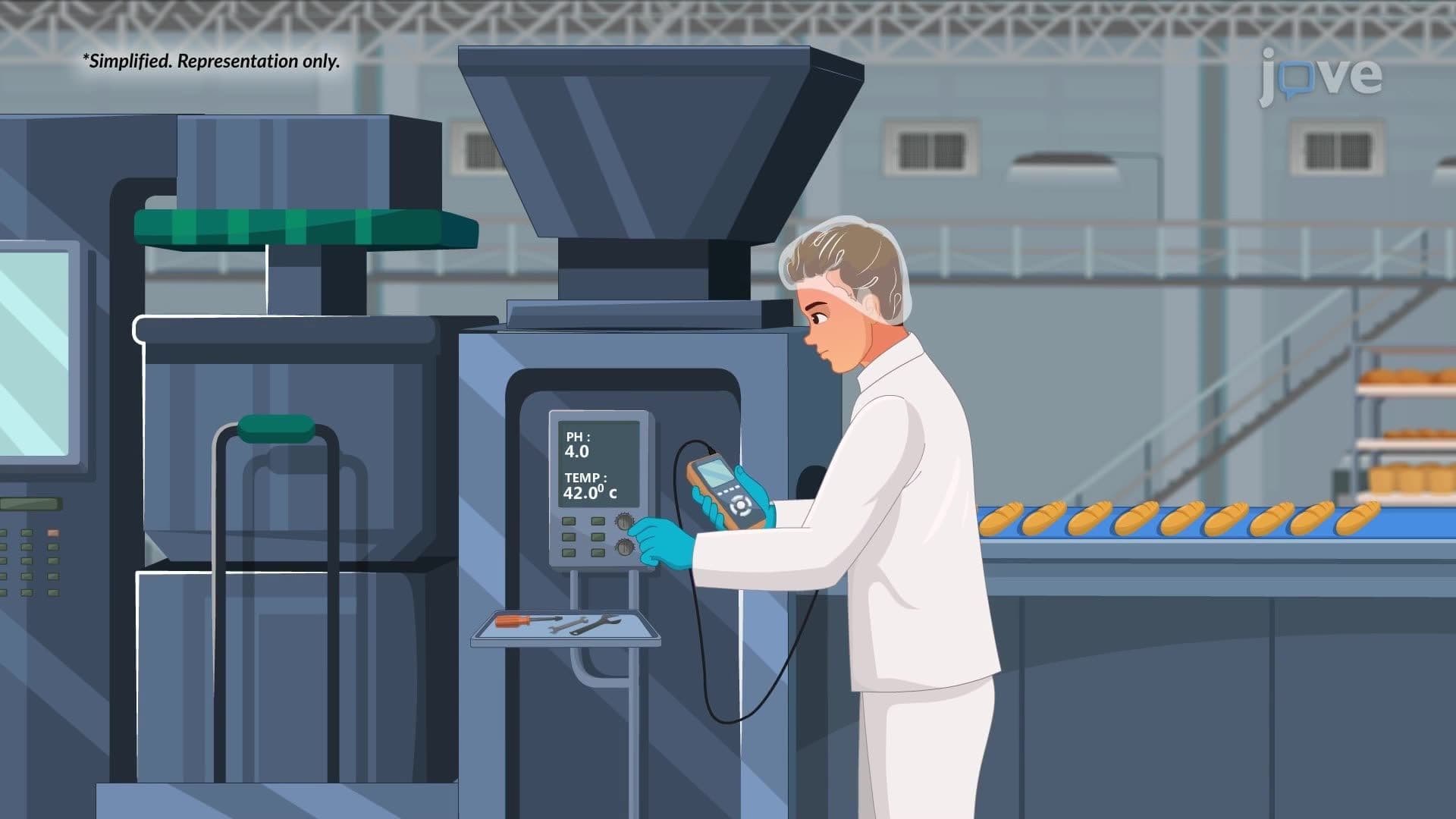

Video Summary: What are Good Manufacturing Practices
Did you know a single contamination mistake on a production line can trigger a nationwide product recall affecting millions of Americans? Good manufacturing practices (GMPs) are the regulatory guidelines that prevent exactly that, ensuring every product, from pharmaceuticals to packaged foods, meets strict safety and quality standards. The FDA enforces GMPs across US industries to protect public health. Watch the full video on JoVE Coach to master this concept with expert-led visuals and step-by-step explanations.
Good Manufacturing Practices (GMPs) are a set of legally enforceable regulatory standards designed to ensure that products, whether food, pharmaceuticals, dietary supplements, or biologics, are produced consistently, safely, and at the right quality. In the United States, GMPs are mandated and enforced by the Food and Drug Administration (FDA) under the Code of Federal Regulations (CFR), particularly Title 21. For students in biology, chemistry, or public health courses, understanding GMPs provides critical real-world context for microbiology, food science, and biochemistry concepts.
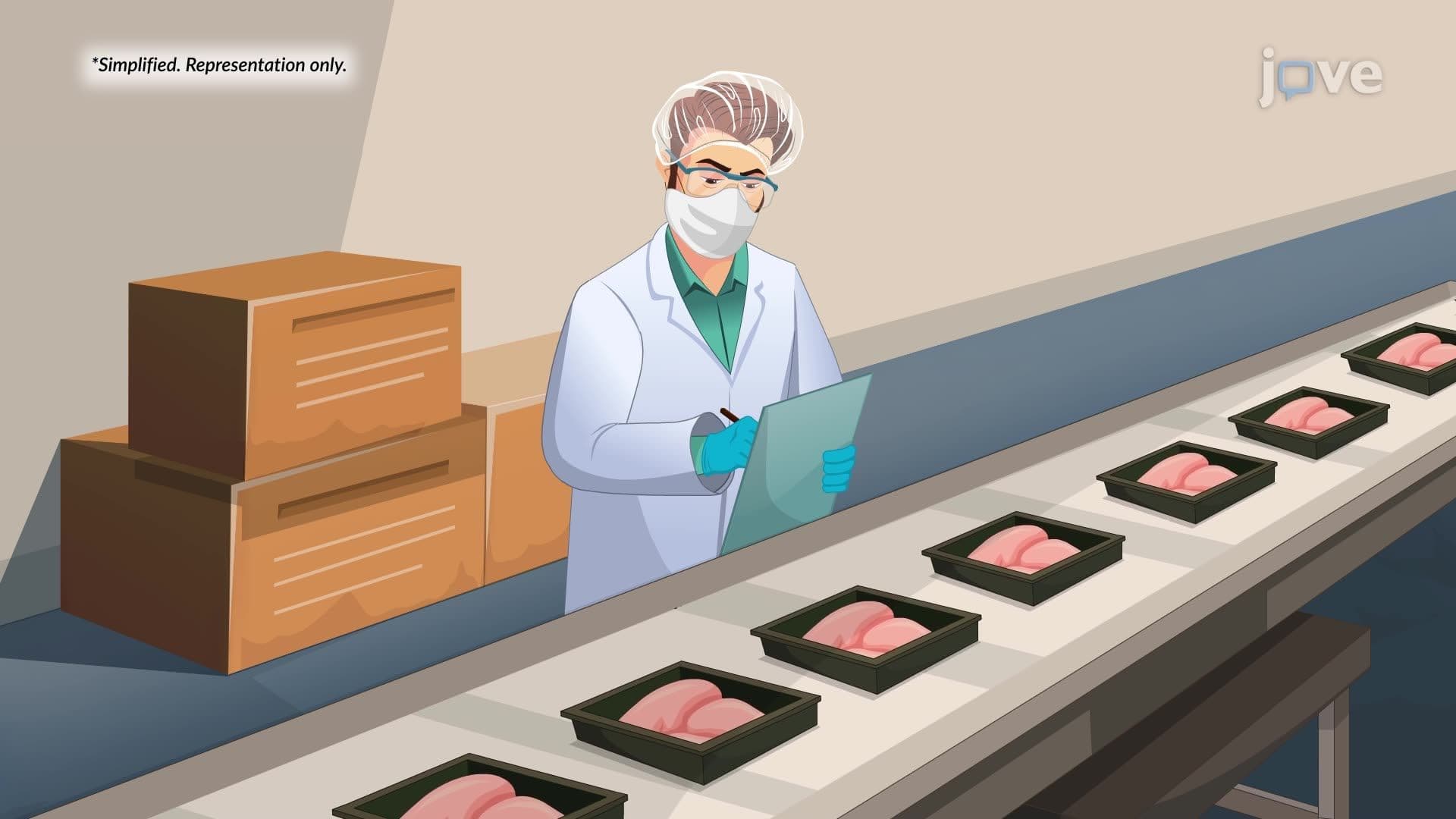
The first line of defense in any GMP-compliant facility is rigorous hygiene and sanitation. Production areas must be regularly cleaned and disinfected to eliminate foodborne pathogens such as *Salmonella*, *Listeria monocytogenes*, and *E. coli O157:H7*, microorganisms responsible for the most common causes of foodborne illness in the US. Workers are required to wear personal protective equipment (PPE), including gloves, hairnets, and gowns, to prevent human-introduced contamination. This directly connects to AP Biology and college microbiology content on microbial growth, food spoilage mechanisms, and the conditions that allow bacteria to thrive on surfaces or in raw materials.
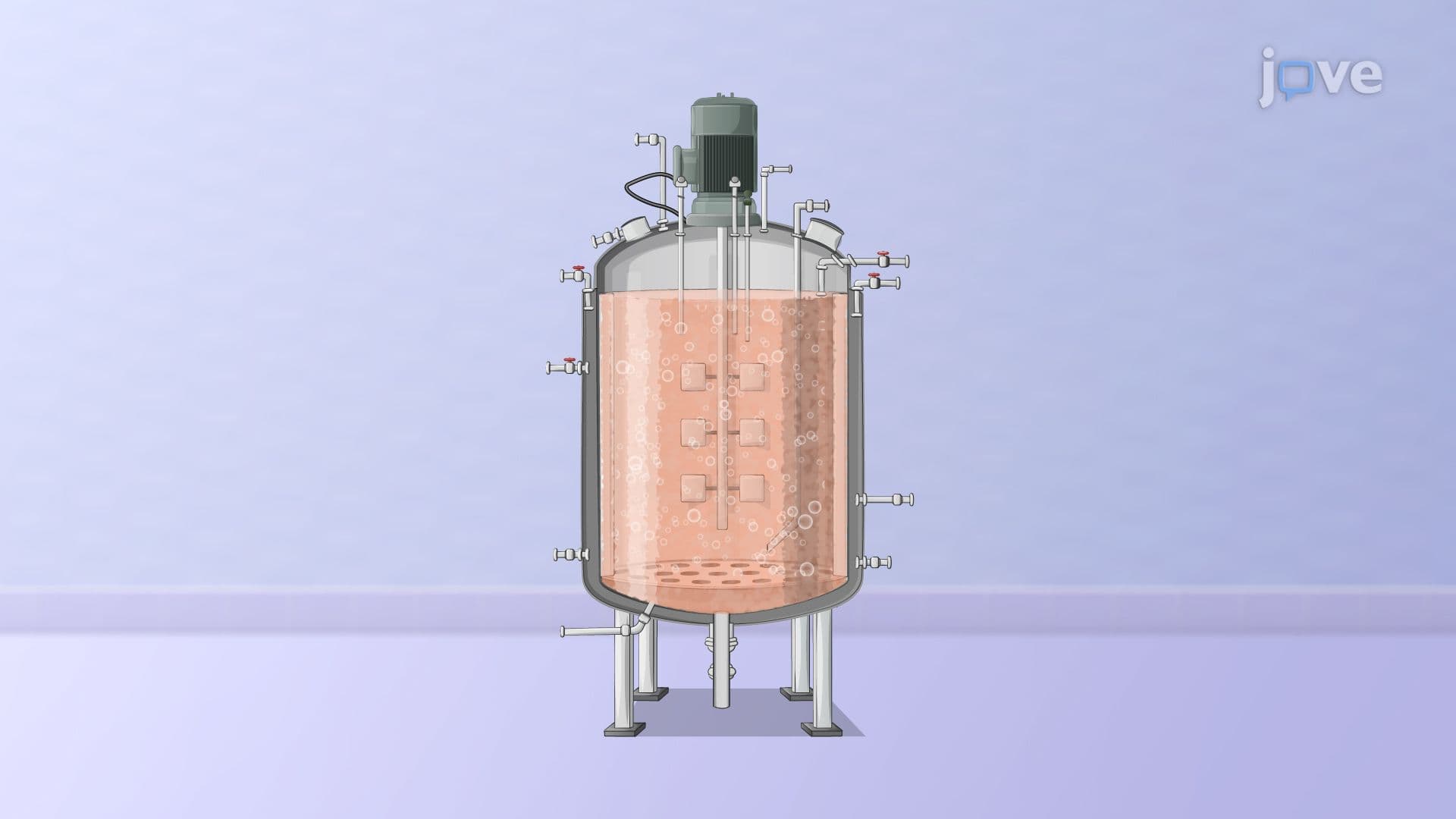
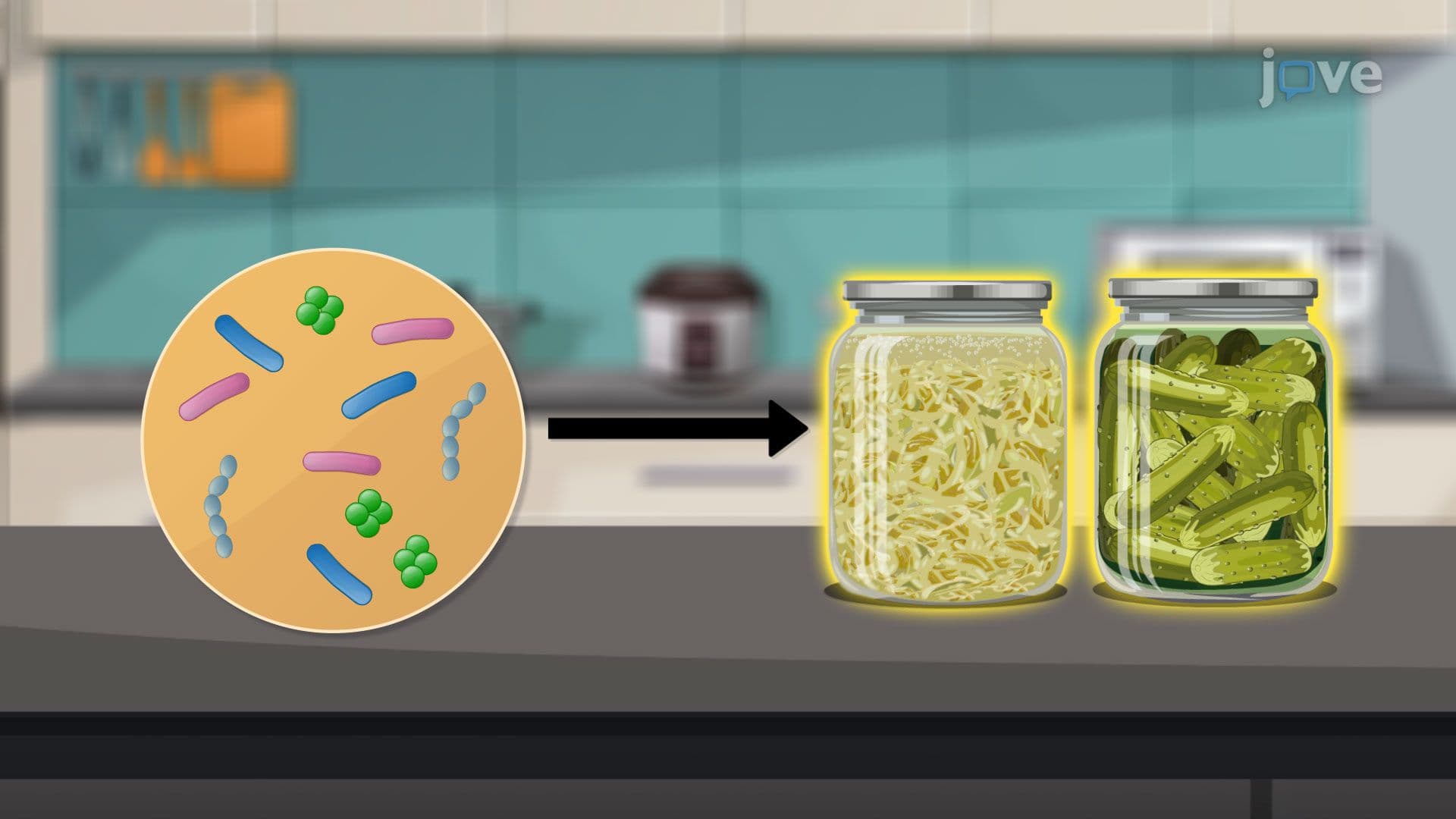
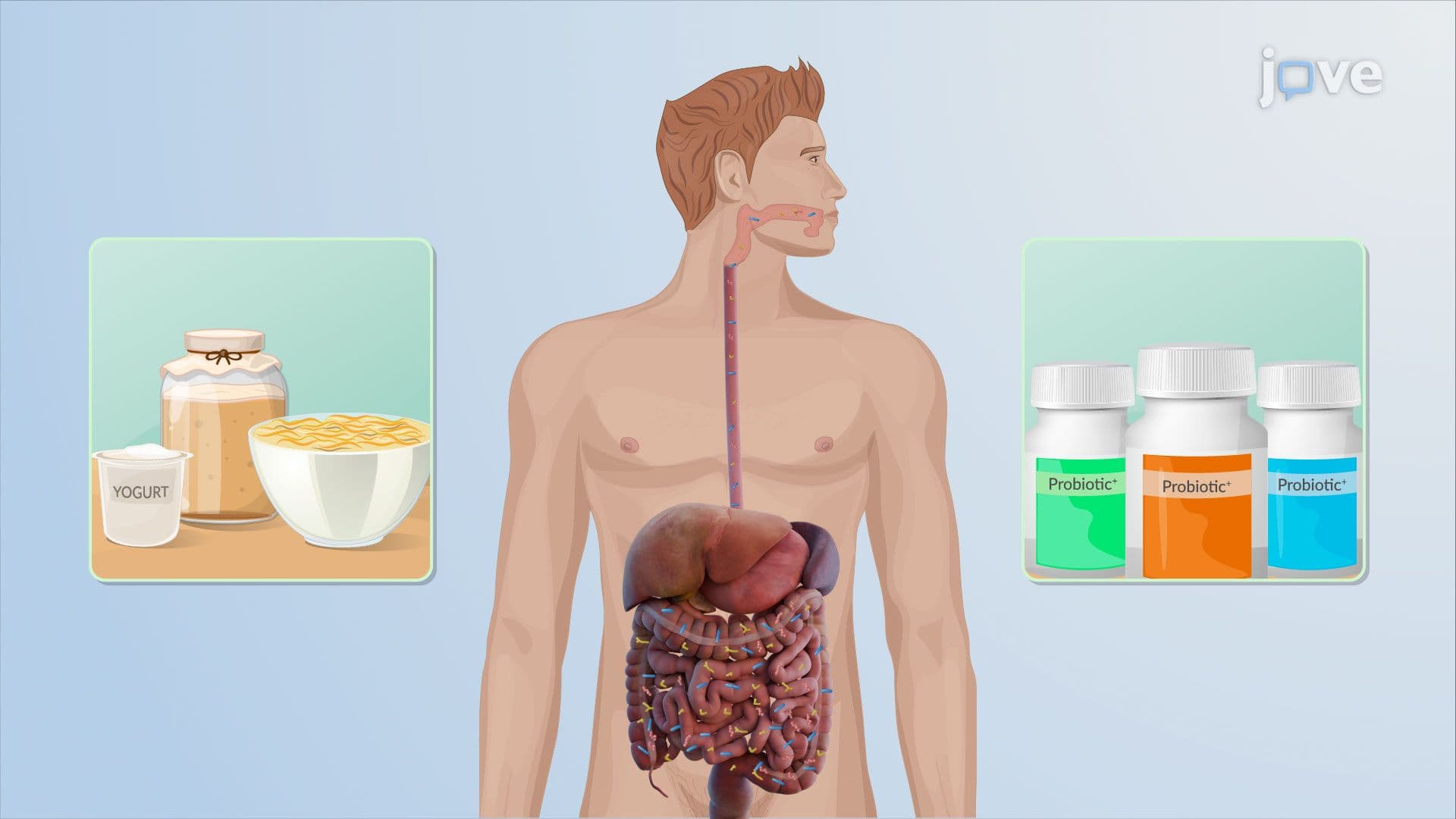
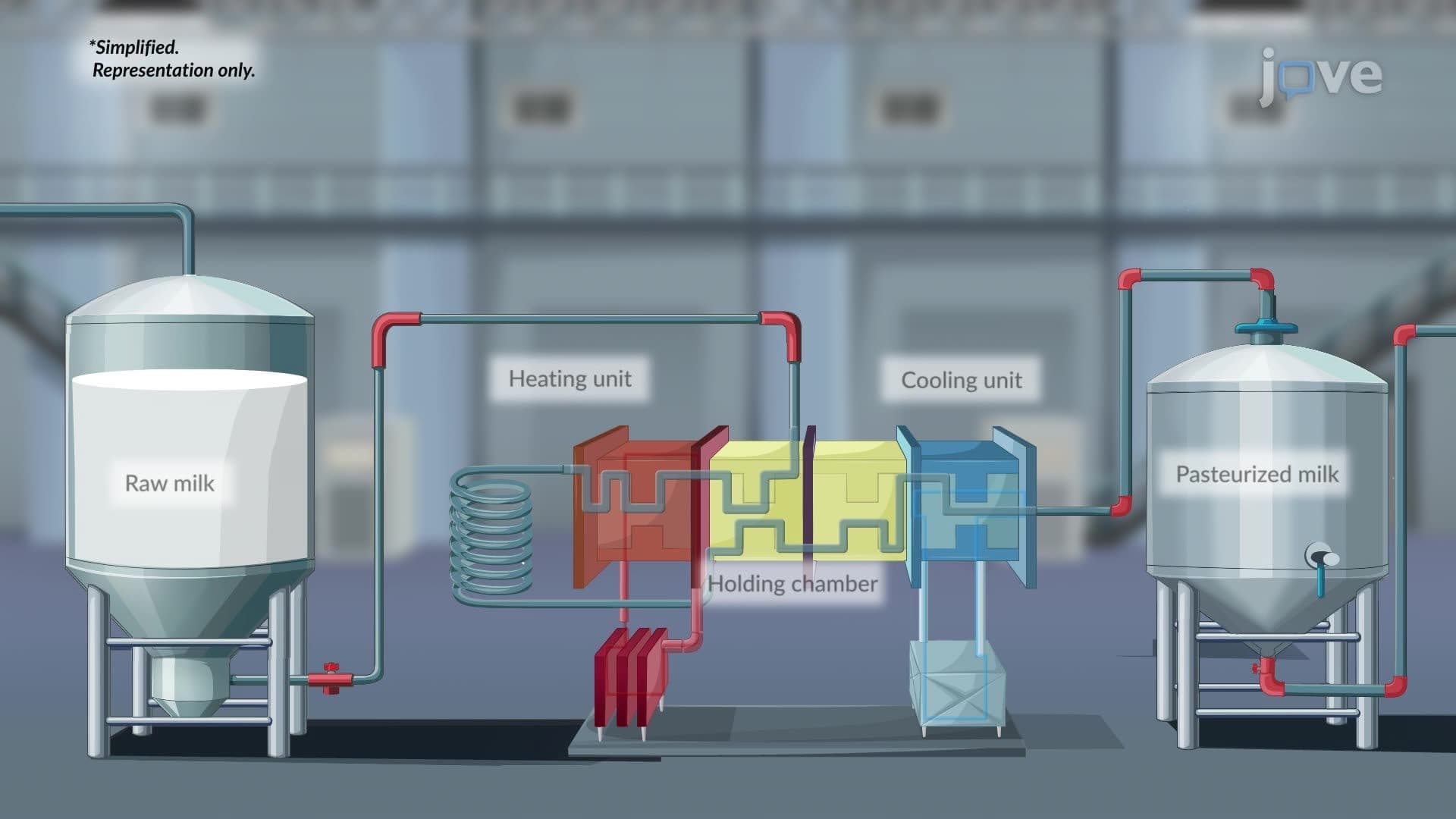
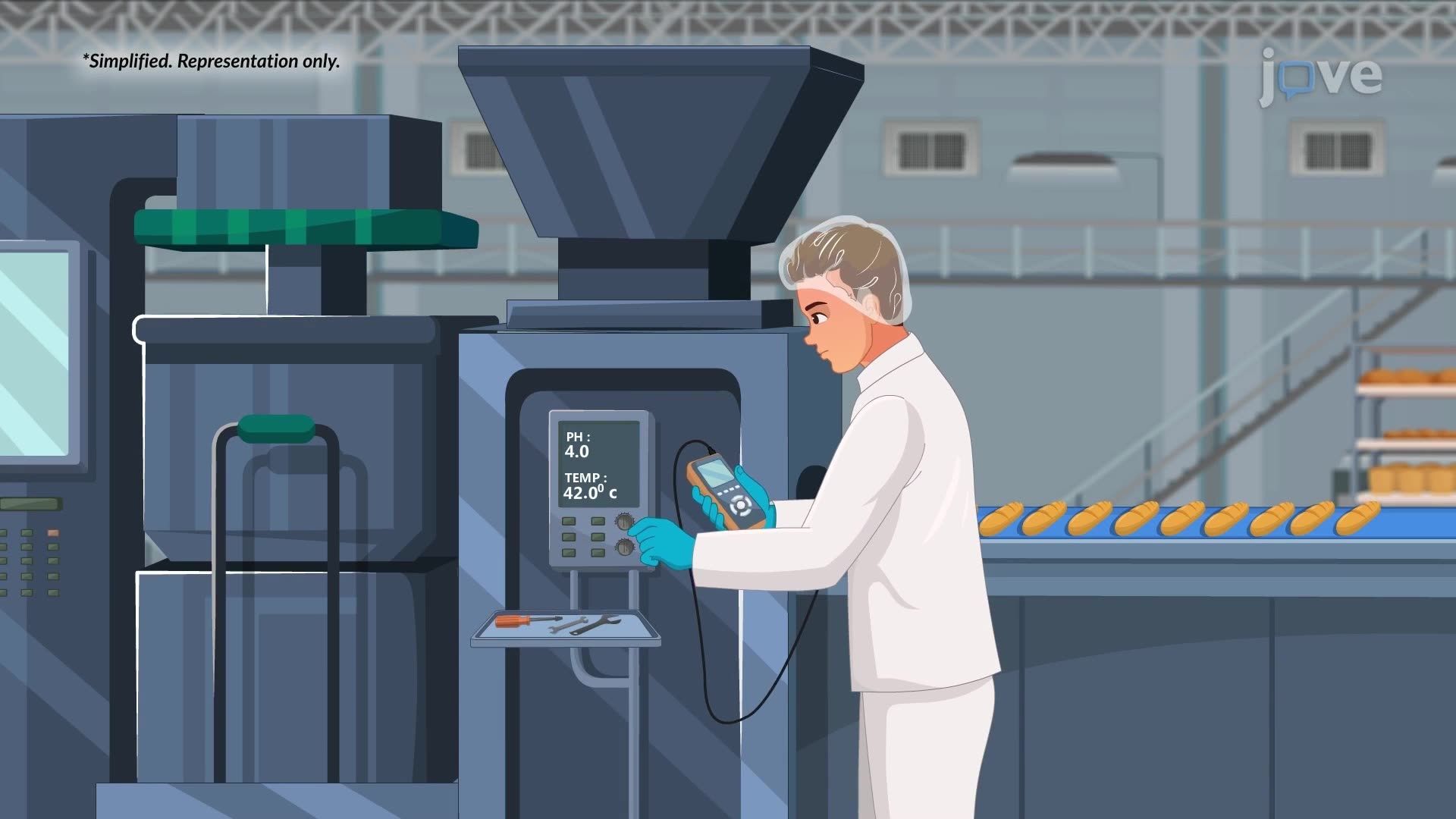
GMP standards require that all raw materials, including microbial strains used in fermentation, chemical reagents, and food-grade ingredients, be sourced exclusively from certified, audited suppliers. This is especially important in fermented food production and probiotic manufacturing, where specific microbial cultures must remain viable, pure, and uncontaminated. Equipment such as pH meters, thermometers, and pressure gauges must be regularly calibrated to ensure key process parameters stay within validated ranges. A miscalibrated instrument in a facility like a yogurt or kombucha production plant could trigger dangerous bacterial overgrowth or product failure, a scenario that illustrates food preservation science in action.
Quality control (QC) under GMP is not a single end-of-line check, it is a continuous process. Samples are tested at the raw material stage, during intermediate processing, and again at the finished product stage. This multi-point testing approach catches deviations early and prevents unsafe products from reaching consumers. Finished products must also carry accurate labels that reflect actual contents, allergen disclosures, and expiration dates, all regulated under FDA food safety regulations. Detailed batch records and documentation create full traceability, which is essential during FDA inspections or product recalls, a concept frequently tested in college-level food science and pharmaceutical manufacturing courses.
Effective waste management is a non-negotiable GMP requirement. Biological waste, chemical byproducts, and contaminated materials from production facilities must be disposed of following strict protocols to prevent environmental contamination and protect public health. For example, pharmaceutical manufacturers in the US must follow EPA and FDA dual regulations when disposing of production waste. This component of GMPs connects well to environmental biology and public health units in AP Environmental Science and college-level courses exploring the intersection of industrial production and ecosystem safety.
Related Micro-courses