Loading subject page…

2,135 views

Video Summary: Hazard Analysis and Critical Control Points Haccp Explained
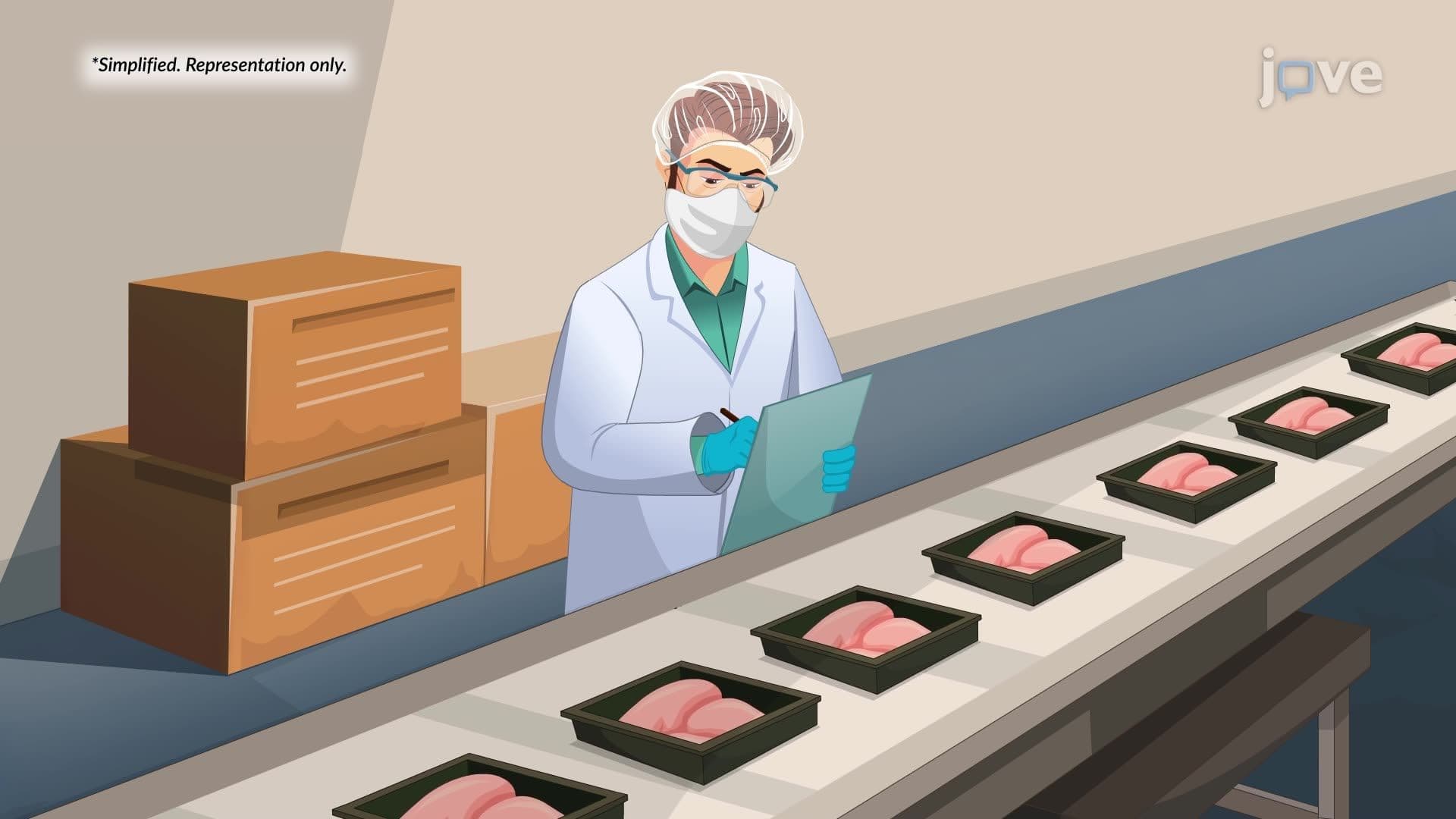
Every year, roughly 48 million Americans get sick from contaminated food, but most outbreaks are entirely preventable. Hazard Analysis and Critical Control Points (HACCP) is the science-backed food safety system that stops contamination before it reaches your plate. In US meat processing plants, for example, HACCP protocols catch risks like *Salmonella* at every production stage. Watch the full video on JoVE Coach to master this concept with expert-led visuals and step-by-step explanations.
Hazard Analysis and Critical Control Points (HACCP) is a globally recognized, science-based food safety management system designed to prevent biological, chemical, and physical hazards from compromising food at any stage of production. Originally developed in the 1960s by NASA and Pillsbury to ensure safe food for astronauts, HACCP has since become a regulatory cornerstone enforced by the US Food and Drug Administration (FDA) and the US Department of Agriculture (USDA). It is not a single test or inspection, it is a structured, seven-step preventive framework applied throughout an entire food production process.
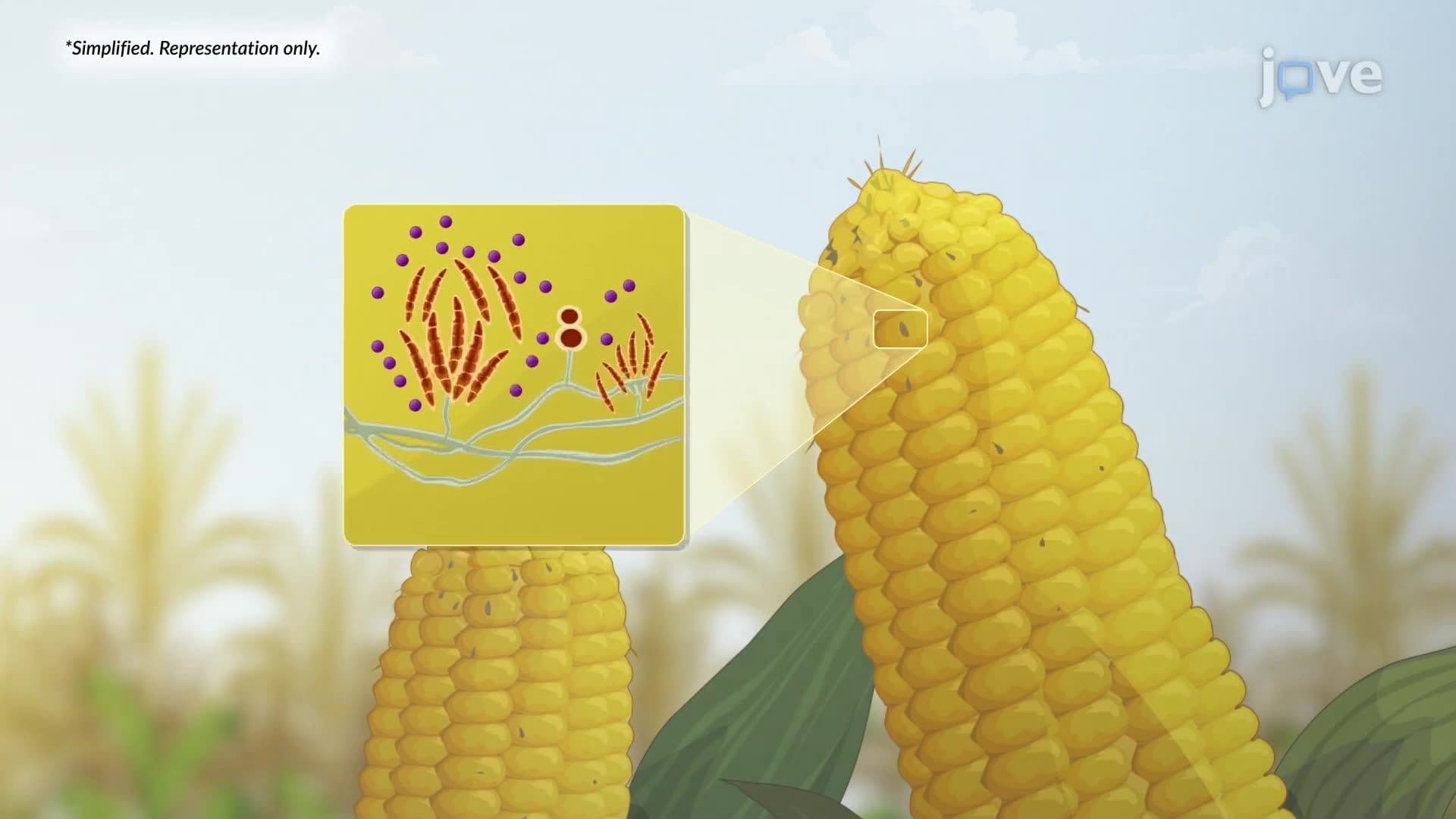
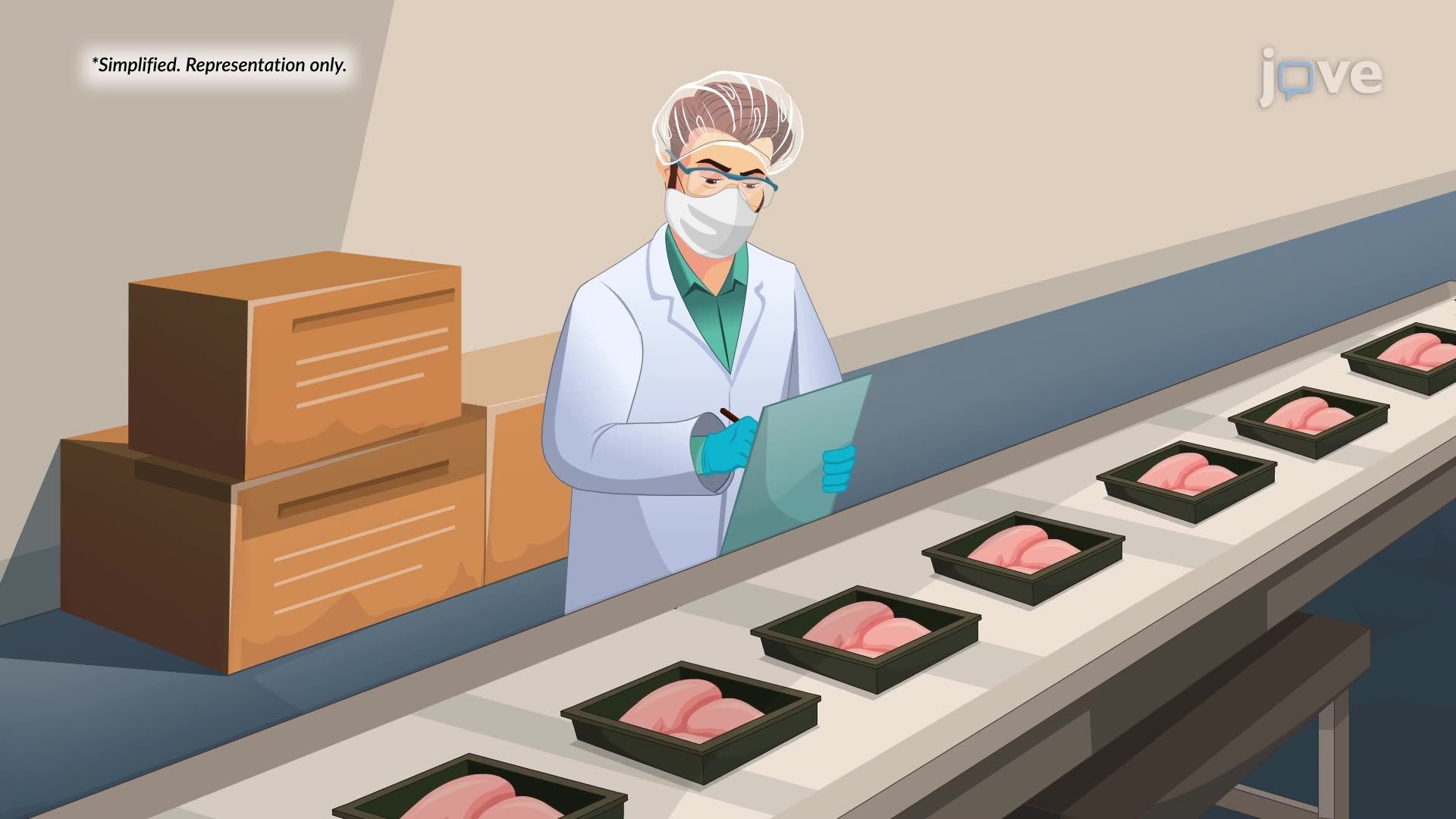
The HACCP system operates through seven sequential principles. Principle 1: Hazard Analysis requires food safety teams to identify all potential hazards, biological (e.g., *Salmonella* in poultry), chemical (e.g., pesticide residues), or physical (e.g., glass shards or metal fragments), that could occur during production. Principle 2: Identifying Critical Control Points (CCPs) pinpoints the specific stages in the production process where these hazards can be effectively controlled. In a US beef processing plant, for example, CCPs might include the cooking step, the chilling phase, and the final packaging line.
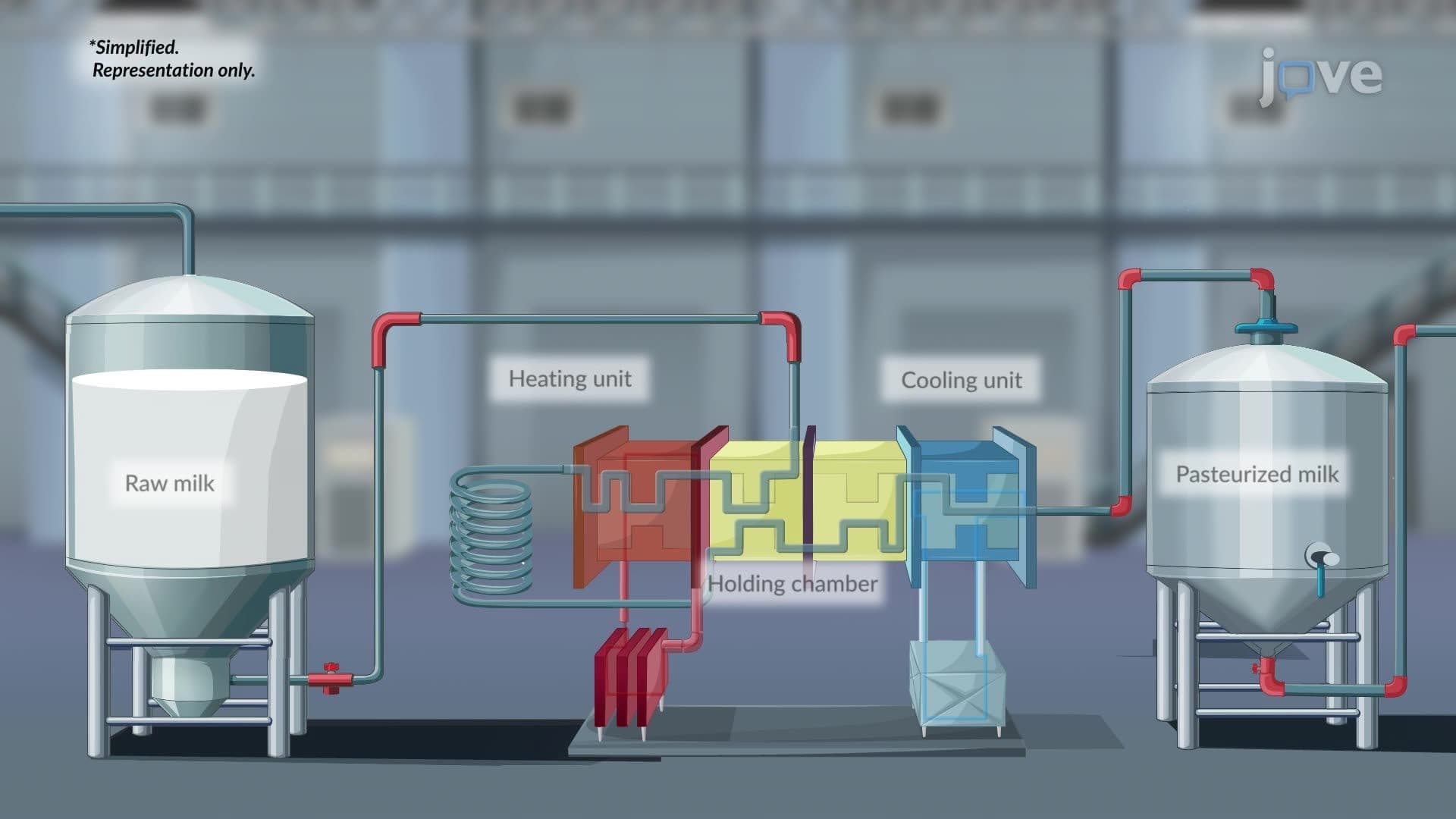
Principle 3: Establishing Critical Limits sets the measurable boundaries, such as an internal meat temperature below 5°C (41°F) within six hours post-slaughter, that must be met at each CCP. Principle 4: Monitoring involves using calibrated instruments and sensors to track these parameters in real time, ensuring deviations are caught immediately. Principle 5: Corrective Actions defines exactly what happens when a critical limit is breached, for instance, isolating an affected batch, conducting root cause analysis, and reprocessing or discarding compromised product. Principle 6: Verification involves independent checks, such as microbial swab testing and third-party audits, to confirm the system is working as intended. Principle 7: Record-Keeping and Documentation ensures every measurement, deviation, and corrective action is logged, enabling traceability and regulatory compliance.
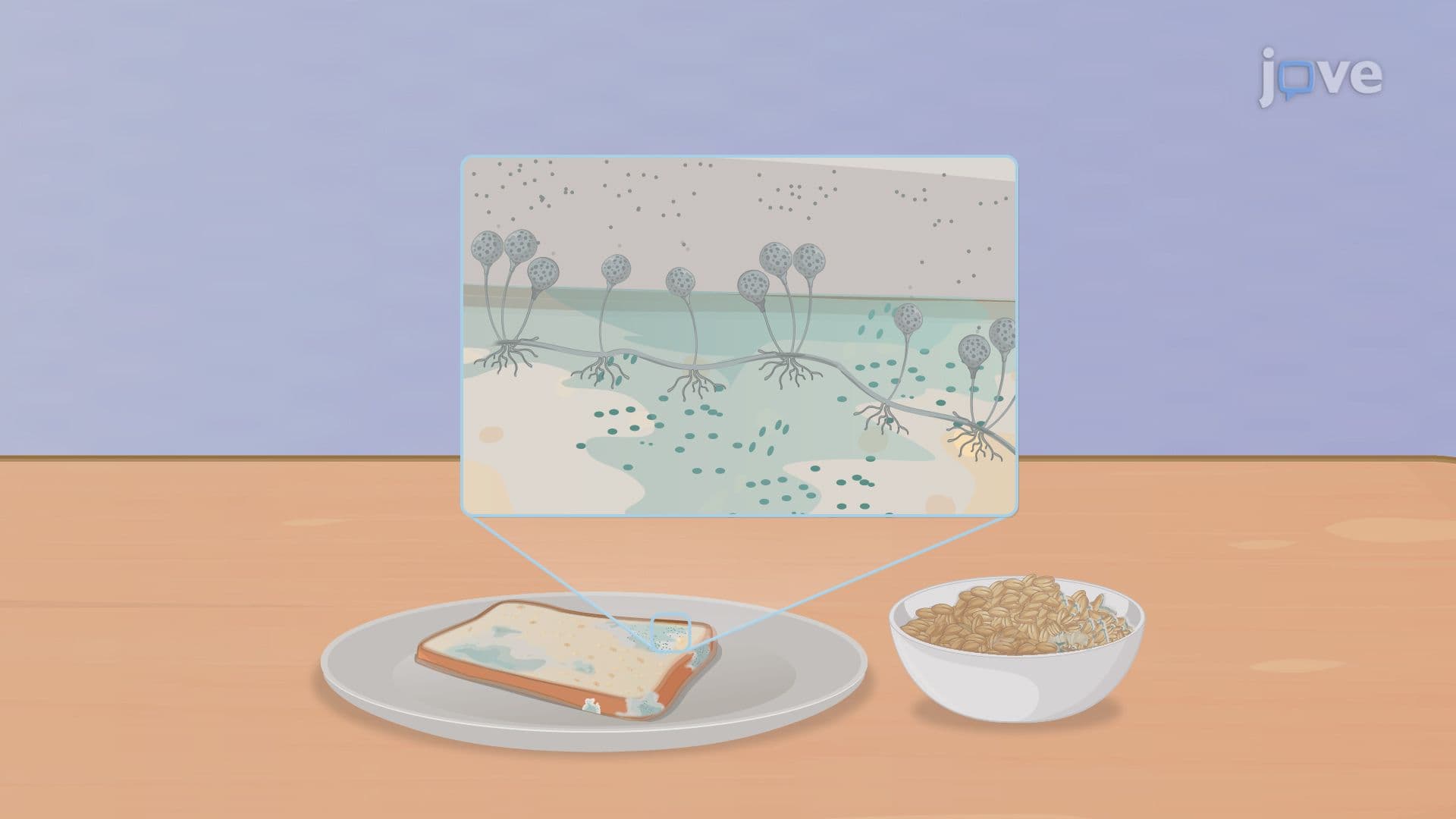
Understanding HACCP requires a solid grasp of how bacteria spoil food and cause illness. Foodborne pathogens like *Listeria monocytogenes*, *Campylobacter*, and *E. coli* O157:H7 thrive under specific temperature, moisture, and pH conditions. HACCP directly targets these conditions by manipulating food preservation variables, temperature, water activity, and acidity, to inhibit microbial growth. This connects HACCP to food spoilage mechanisms studied in biology courses: concepts like the bacterial growth curve, lag phase, and exponential growth phase are directly relevant to why temperature control at CCPs is so critical.
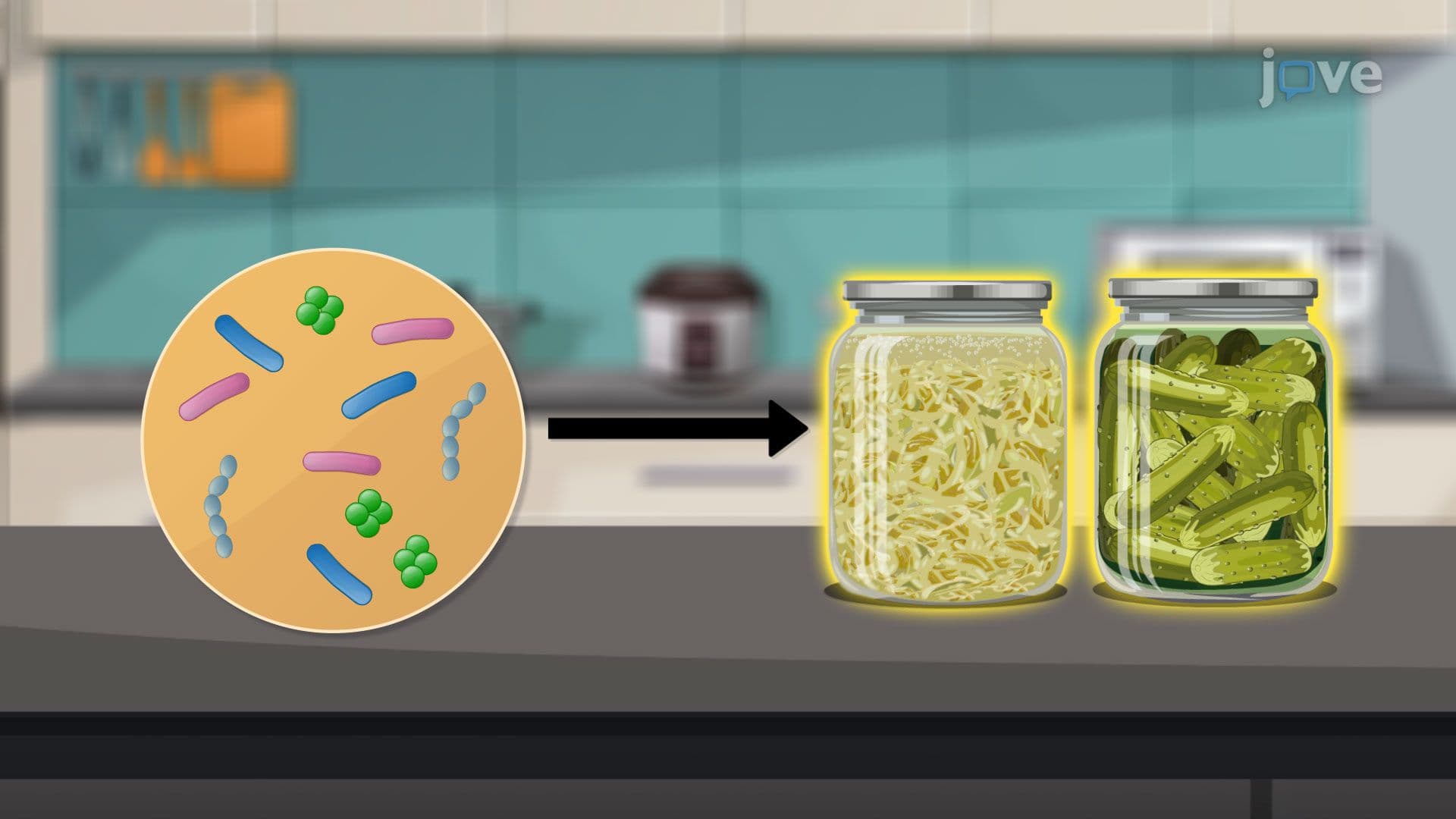
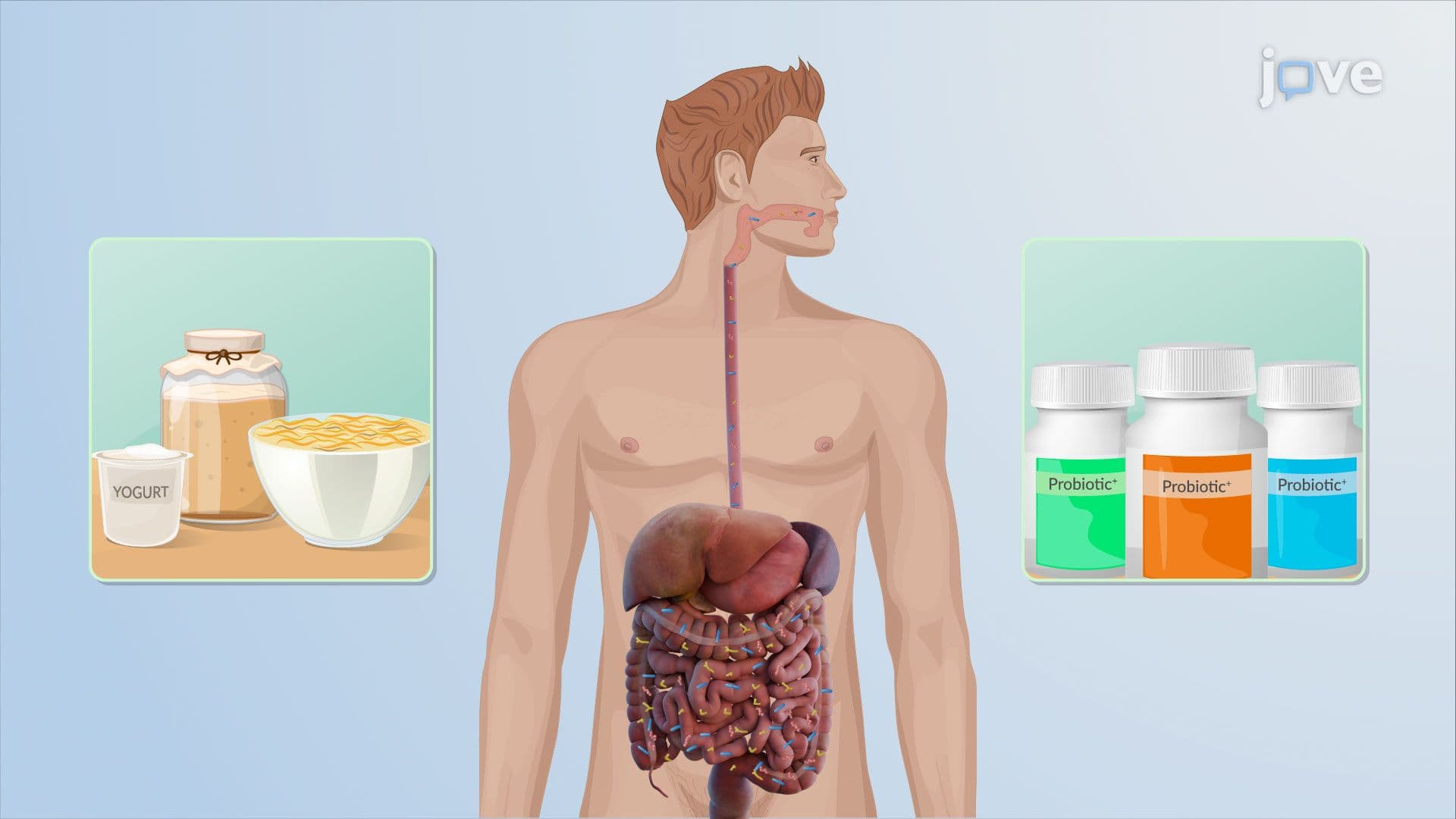
Fermentation, a controlled spoilage process, is another application area. Foods like yogurt, sauerkraut, and sourdough bread produced in US facilities also fall under HACCP plans, where pH levels and starter culture activity serve as measurable critical limits. This illustrates how beneficial microbial processes, the basis of probiotics, can be monitored and protected through HACCP principles.
HACCP is a recurring topic in AP Environmental Science, college-level Food Science, Microbiology, and Public Health courses. On college midterms and finals, students are often asked to design a basic HACCP plan for a given food product or identify which principle applies to a described scenario. Multiple-choice questions may test your ability to distinguish between a CCP and a general control measure, or to match a hazard type (biological, chemical, physical) to a specific food safety intervention. Pre-health students preparing for the MCAT may encounter HACCP concepts in biochemistry and biology sections when pathogens, immune responses to foodborne illness, and epidemiology are discussed. Mastering the seven principles, in order, and being able to apply them to realistic examples is the most exam-effective strategy.
Related Micro-courses