Loading subject page…

1,660 views

Video Summary: What Is Microbes and Climate Change
Did you know tiny microbes in wetlands and Arctic soil could determine the future of Earth's climate? Microbes and climate change are deeply connected, these invisible organisms drive greenhouse gas production and absorption worldwide. In the Florida Everglades, for example, methanogenic archaea in oxygen-poor wetlands release methane daily, amplifying warming. Understanding what is microbes and climate change reveals how microbial metabolism shapes global temperatures. Watch the full video on JoVE Coach to master this concept with expert-led visuals and step-by-step explanations.
Microbes and climate change represent one of the most consequential, and underappreciated, relationships in environmental science. Microorganisms are the planet's original biogeochemical engineers. Long before humans industrialized, bacteria, archaea, and protists were cycling carbon, nitrogen, and sulfur through soils, oceans, and the atmosphere. Today, as human activity alters global temperatures, these same microscopic communities are responding in ways that can either worsen or moderate climate change. Students studying AP Biology, AP Environmental Science, or college-level ecology will encounter this concept repeatedly, understanding the mechanisms behind it builds a foundation for nearly every environmental topic that follows.
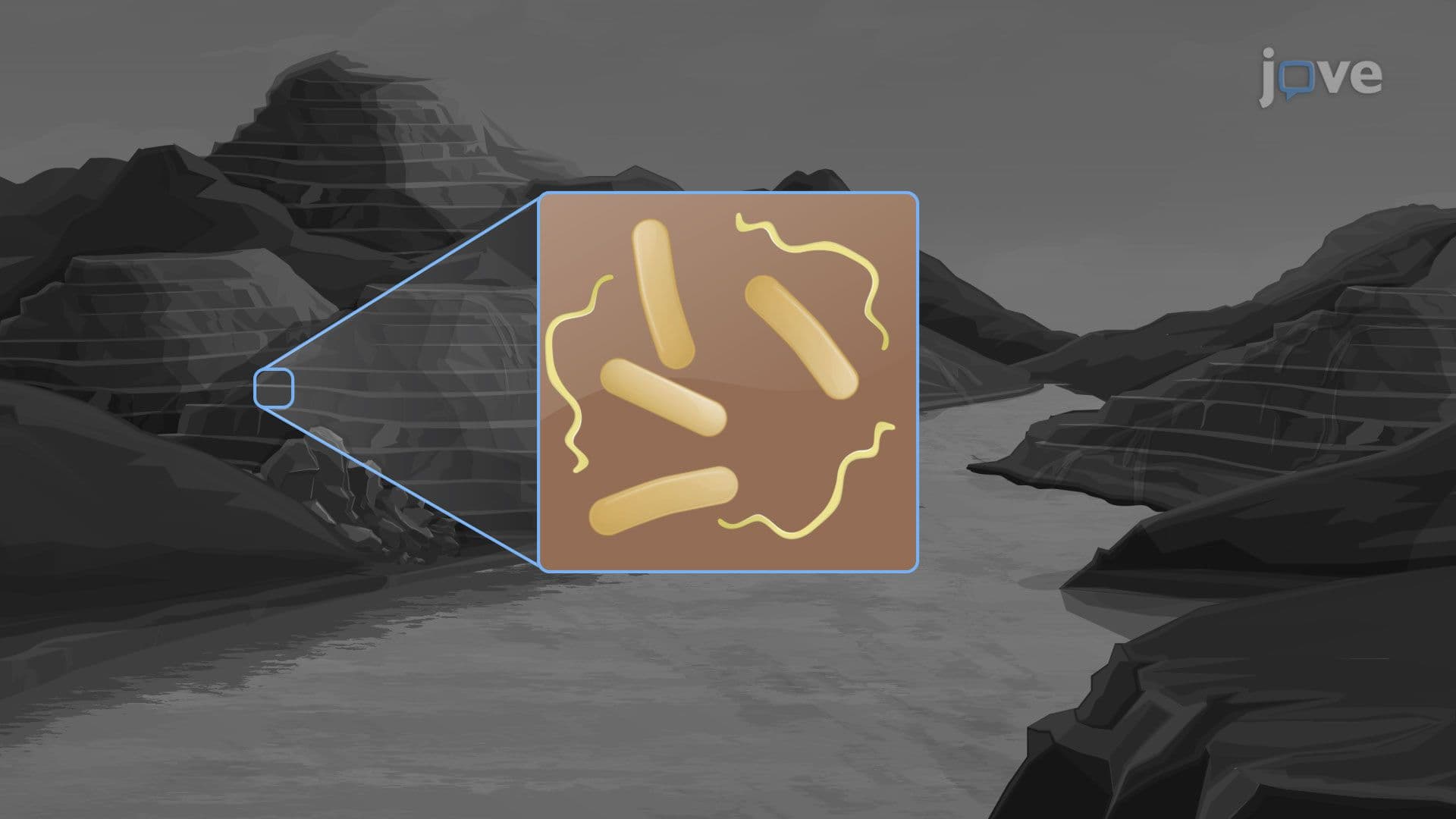
One of the clearest connections between microbial ecology and climate involves carbon. In oxygen-rich soils, like those found across the US Midwest, aerobic bacteria break down dead plant material through cellular respiration, releasing carbon dioxide (CO₂) as a byproduct. Under normal conditions, this is balanced by photosynthesis. However, warming temperatures accelerate microbial metabolism, meaning decomposition happens faster and more CO₂ enters the atmosphere. This warming-decomposition feedback loop is a major concern for scientists studying permafrost thaw in Alaska, where massive stores of organic carbon are now becoming available to soil microbes for the first time in thousands of years.
In low-oxygen environments, the story changes dramatically. In anaerobic settings, waterlogged wetlands like the Louisiana bayou or the digestive tract of cattle, methanogenic archaea produce methane (CH₄) instead of CO₂. Methane is approximately 80 times more potent than CO₂ over a 20-year period, making these microbial communities significant contributors to climate forcing. How do microorganisms contribute to the carbon cycle? Largely through this balance between aerobic and anaerobic decomposition, regulated by oxygen availability and temperature.
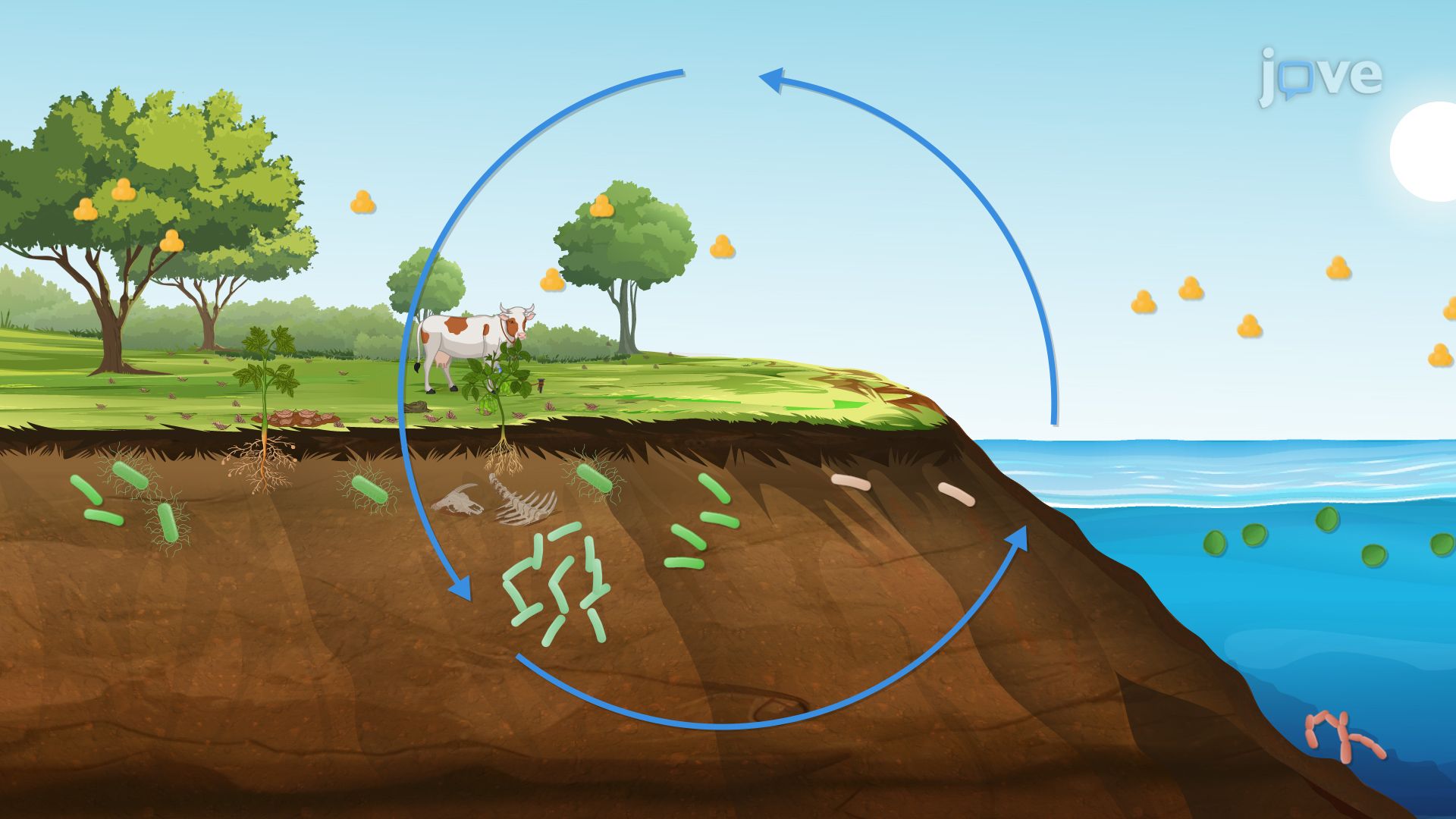
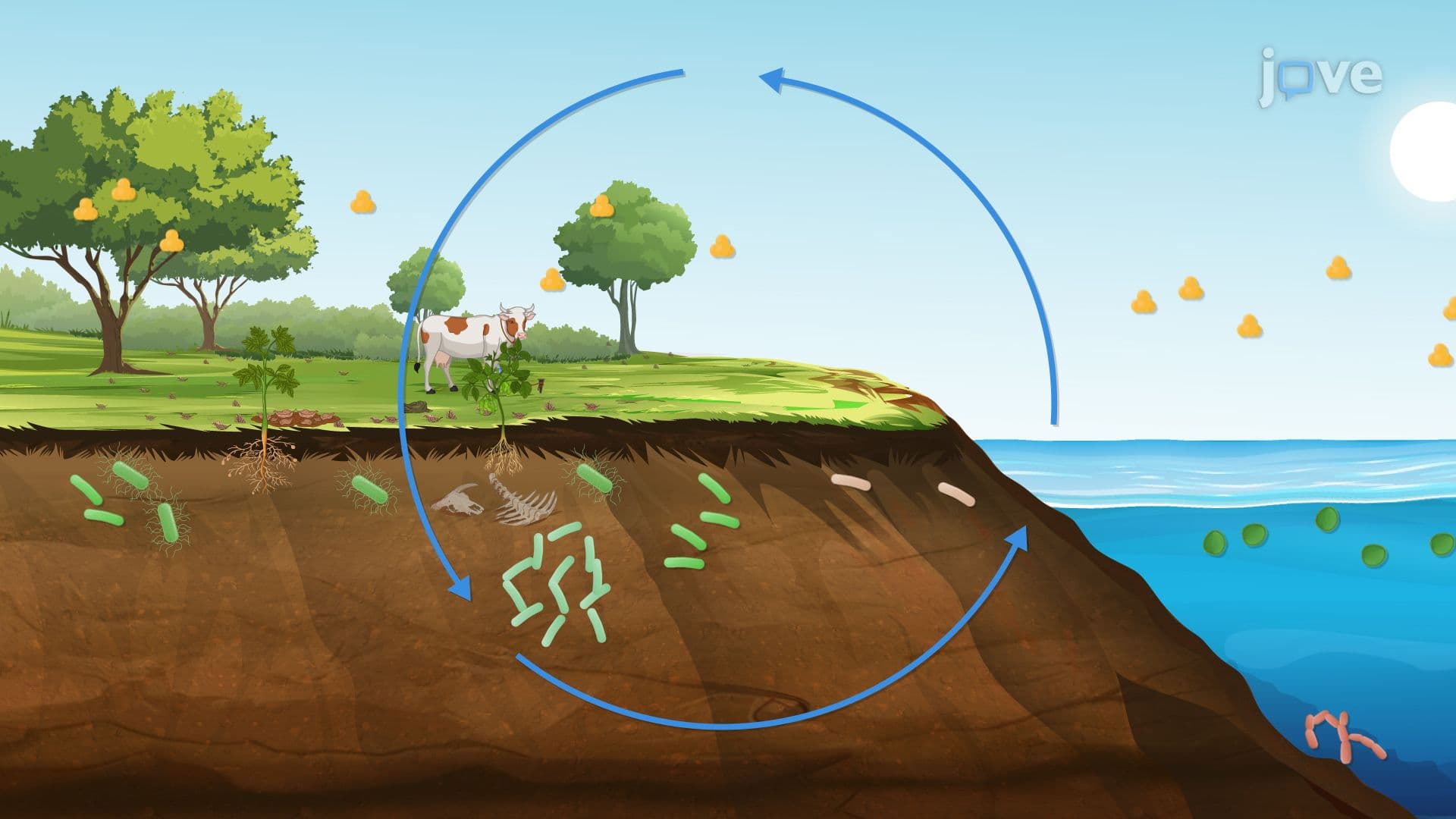
Soil microbiology also explains another powerful greenhouse gas: nitrous oxide (N₂O). During nitrification, when bacteria convert ammonium into nitrate, and during denitrification, when bacteria reduce nitrate to nitrogen gas, small amounts of N₂O escape into the atmosphere. N₂O is roughly 265 times more potent than CO₂ over 100 years. This process is especially pronounced in heavily fertilized agricultural soils, a serious concern in farming states like Iowa and Illinois where nitrogen-rich runoff affects both water quality and greenhouse gas output.
Interestingly, some denitrifying bacteria serve as natural buffers. Species like *Paracoccus denitrificans* complete the denitrification pathway fully, converting N₂O into harmless dinitrogen gas (N₂). Understanding which soil conditions favor complete versus incomplete denitrification is an active area of research with direct implications for sustainable agriculture and bioremediation strategies.
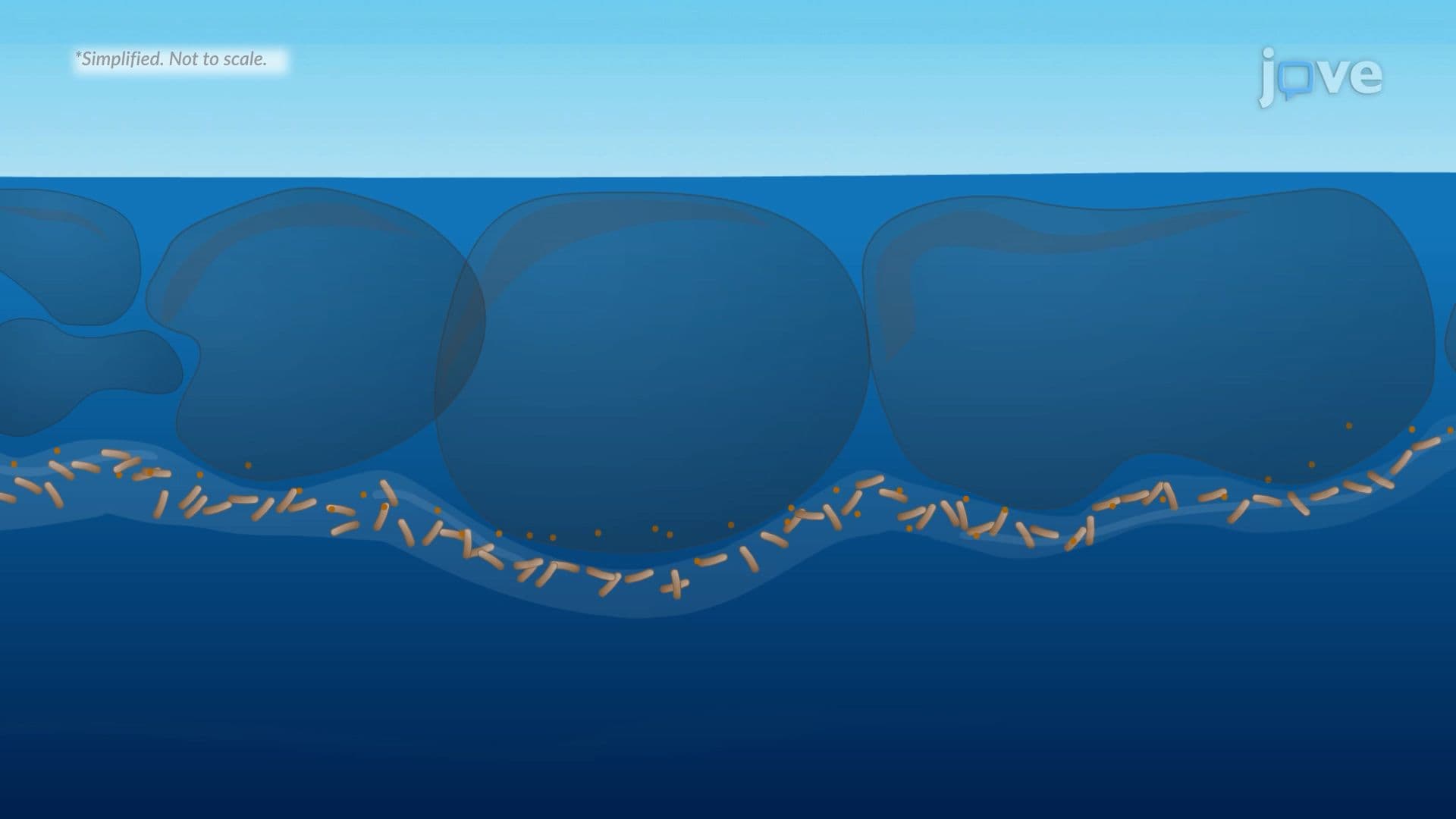
Marine photosynthetic microbes, including cyanobacteria and phytoplankton, absorb enormous quantities of CO₂ during photosynthesis, making oceans the planet's largest carbon sink. When these microbes die or are consumed, carbon-rich particles sink to the ocean floor in a process called the biological carbon pump. This natural system sequesters carbon in deep water, away from the atmosphere, for decades or centuries. Research institutions like NOAA and Woods Hole Oceanographic Institution in Massachusetts actively study how ocean warming and acidification may disrupt these microbial communities, potentially weakening this critical buffer.
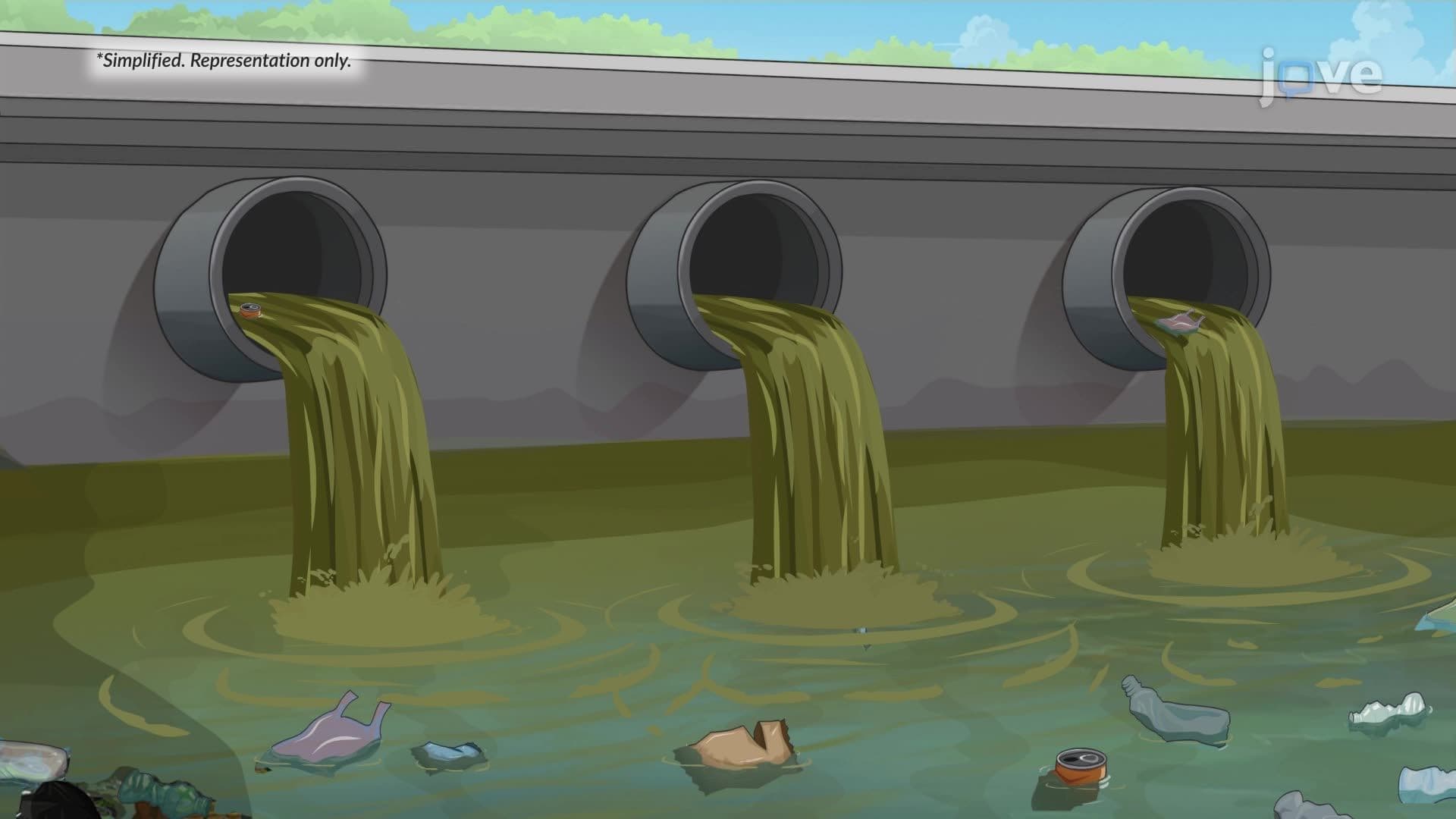
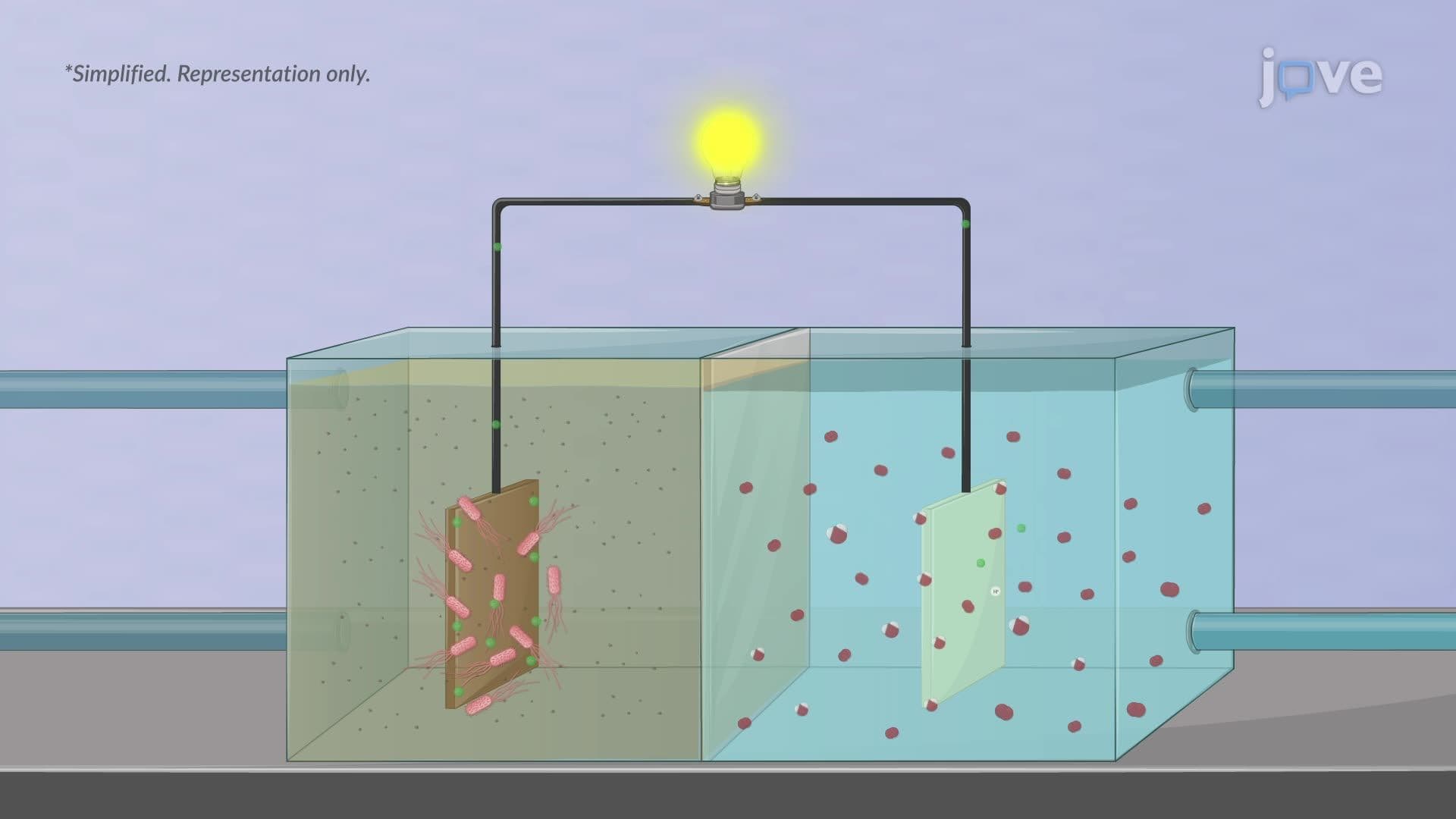
These insights also connect directly to applied fields. Bioremediation, using microbes to neutralize pollutants in soil and water, relies on the same metabolic versatility that makes microbes climate-relevant. Wastewater treatment plants across the US use microbial communities to remove nitrogen and carbon from effluent before it reaches waterways, simultaneously improving water quality and reducing greenhouse gas emissions. For exam prep, students should be able to link specific microbial processes (methanogenesis, nitrification, denitrification, photosynthesis) to their climate outcomes, this synthesis is commonly tested on AP exams and college midterms.
Related Micro-courses