Loading video…

 11 Concepts
 1.7K views

Video Summary: What Is Microbial Bioremediation of Hydrocarbons
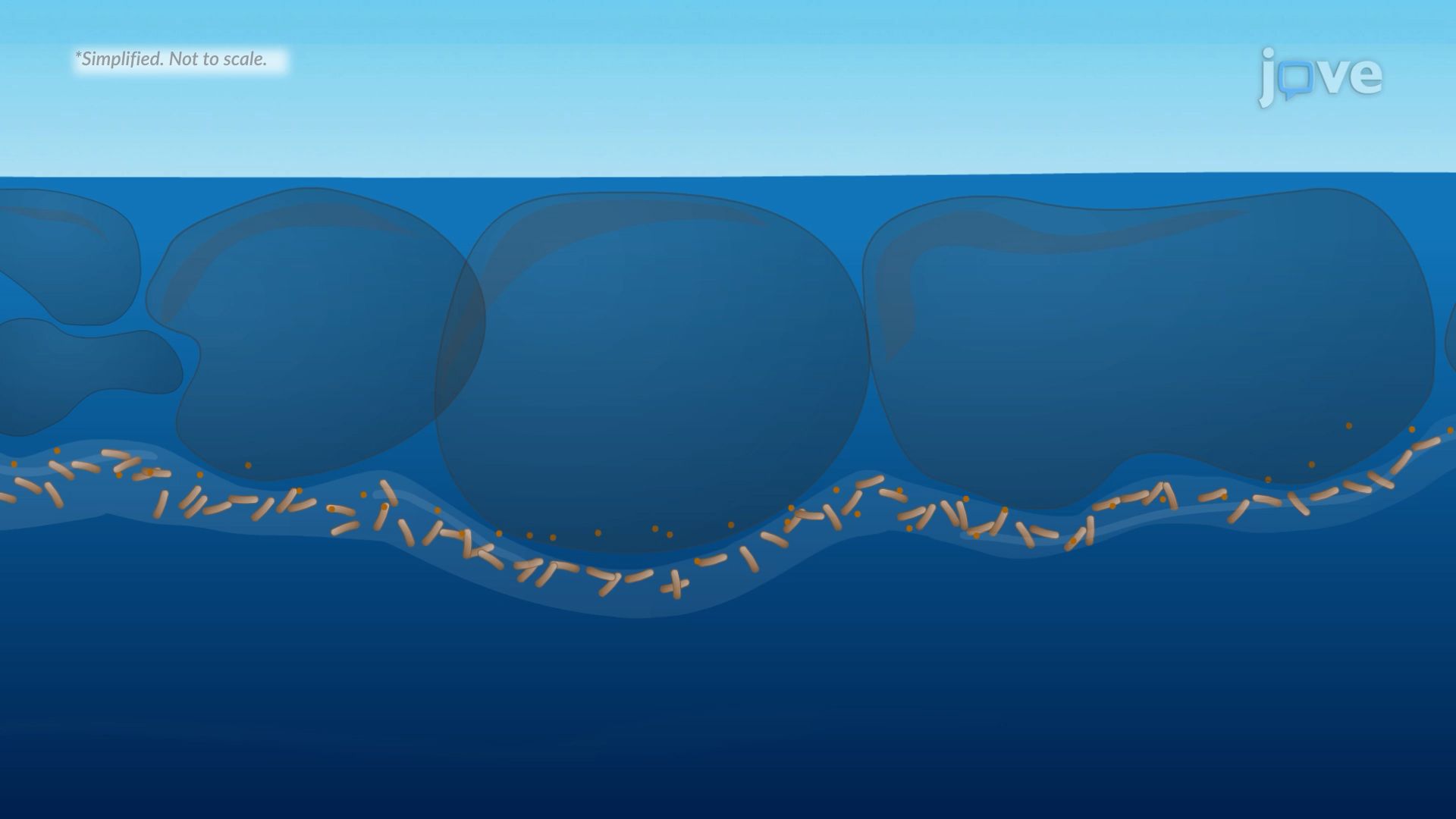
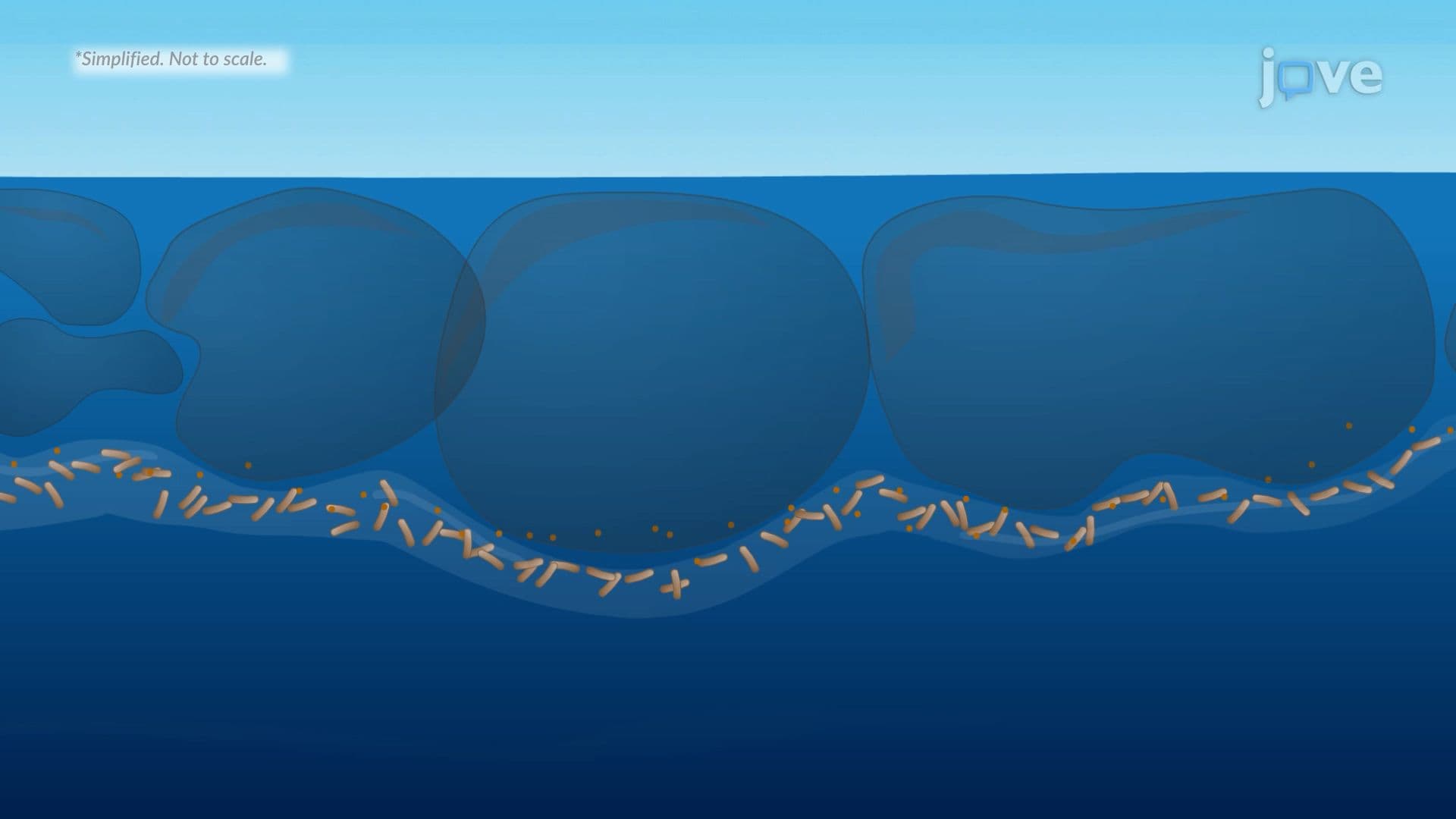
Oil spills like the 2010 Deepwater Horizon disaster left millions of barrels of crude oil threatening marine ecosystems, but nature had a secret weapon. Microbial bioremediation of hydrocarbons describes how specialized bacteria break down toxic oil compounds using natural metabolic processes. Marine bacteria like *Alcanivorax borkumensis* multiply rapidly at contaminated sites, forming biofilms and enzymatically converting hydrocarbons into harmless cellular fuel. Watch the full video on JoVE Coach to master this concept with expert-led visuals and step-by-step explanations.
Microbial bioremediation of hydrocarbons is the process by which microorganisms, primarily bacteria and fungi, break down hydrocarbon-based pollutants, such as crude oil and petroleum byproducts, into less harmful substances. Rather than physically removing contaminants, bioremediation harnesses the metabolic machinery of living organisms to chemically transform pollutants. This approach is widely studied in environmental microbiology courses, appears on AP Environmental Science exams, and is a critical concept in college-level microbiology and ecology coursework.
When an oil spill occurs, not all petroleum compounds behave the same way. Lighter, volatile fractions, like benzene and some alkanes, evaporate from the surface relatively quickly. However, heavier, non-volatile fractions cling to sediments, coastlines, and water columns for months or even years. These persistent compounds require microbial intervention to be meaningfully degraded.
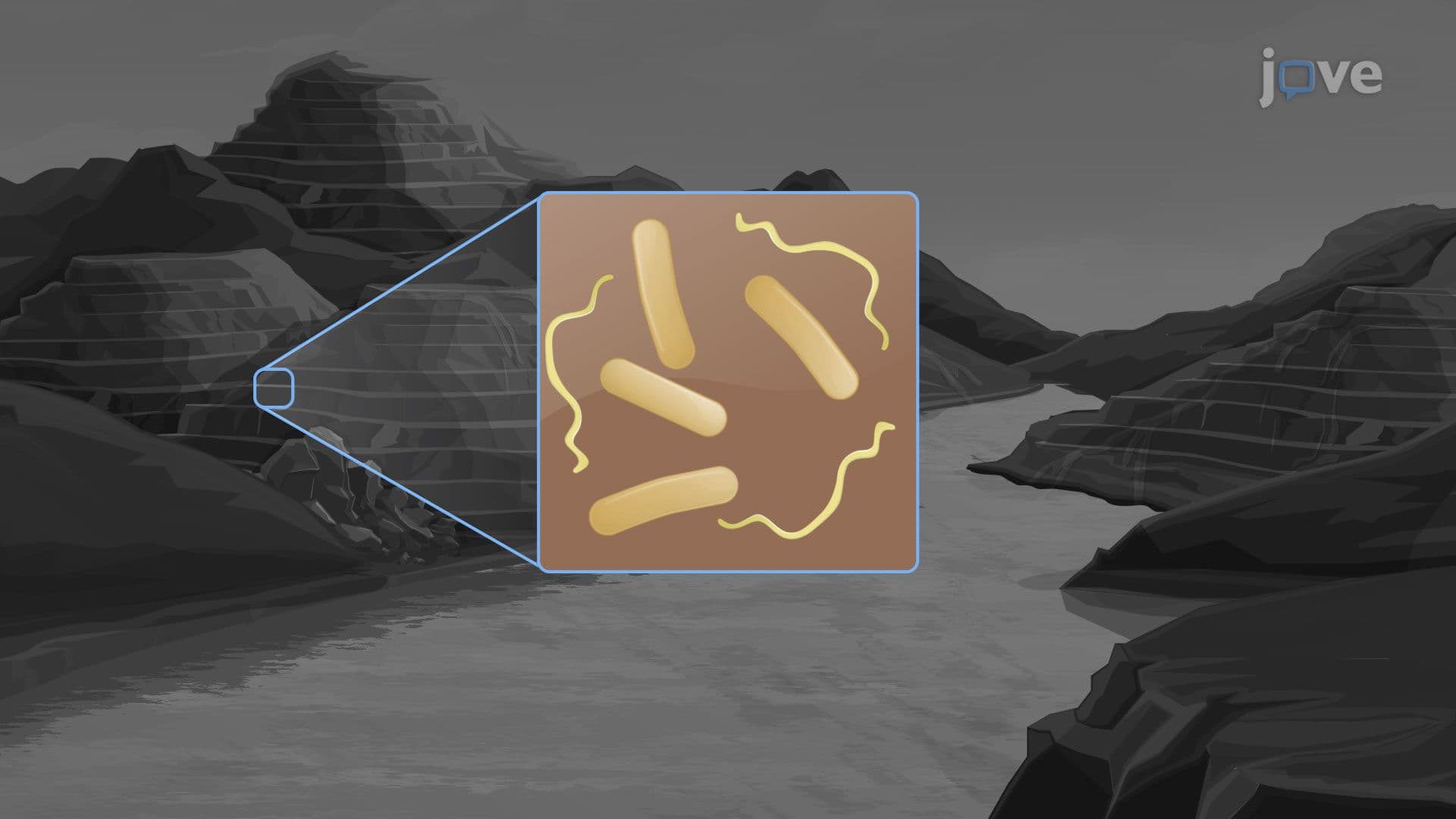
Certain bacteria are naturally adapted to consume hydrocarbons. *Alcanivorax borkumensis*, a well-studied marine bacterium, is found in low concentrations throughout the world's oceans under normal conditions. However, following an oil spill, such as those seen along the Gulf Coast, its population explodes dramatically, often becoming the dominant organism in contaminated seawater.
These bacteria migrate to the oil-water interface, where they form structured communities called biofilms. They also secrete biosurfactants, which are natural emulsifying agents that break large oil masses into microscopic droplets. This emulsification dramatically increases the surface area of the hydrocarbons, making them far more accessible to degrading enzymes.
The enzymatic breakdown of hydrocarbons follows a defined metabolic sequence. Monooxygenase enzymes initiate the process by inserting one oxygen atom into an alkane molecule, converting it into a primary alcohol. This is a key oxidation step that makes the molecule more reactive and water-soluble.
The alcohol is then oxidized into an aldehyde, and the aldehyde is further converted into a fatty acid. Fatty acids are molecules the cell already knows how to process, they enter standard metabolic pathways such as beta-oxidation, ultimately yielding carbon dioxide, water, and cellular energy. In this way, what was once an environmental toxin becomes a fuel source for microbial growth.
This pathway is directly relevant to topics tested on the MCAT (biochemistry and microbiology sections) and is a common subject in college midterms covering environmental microbiology or metabolic diversity.
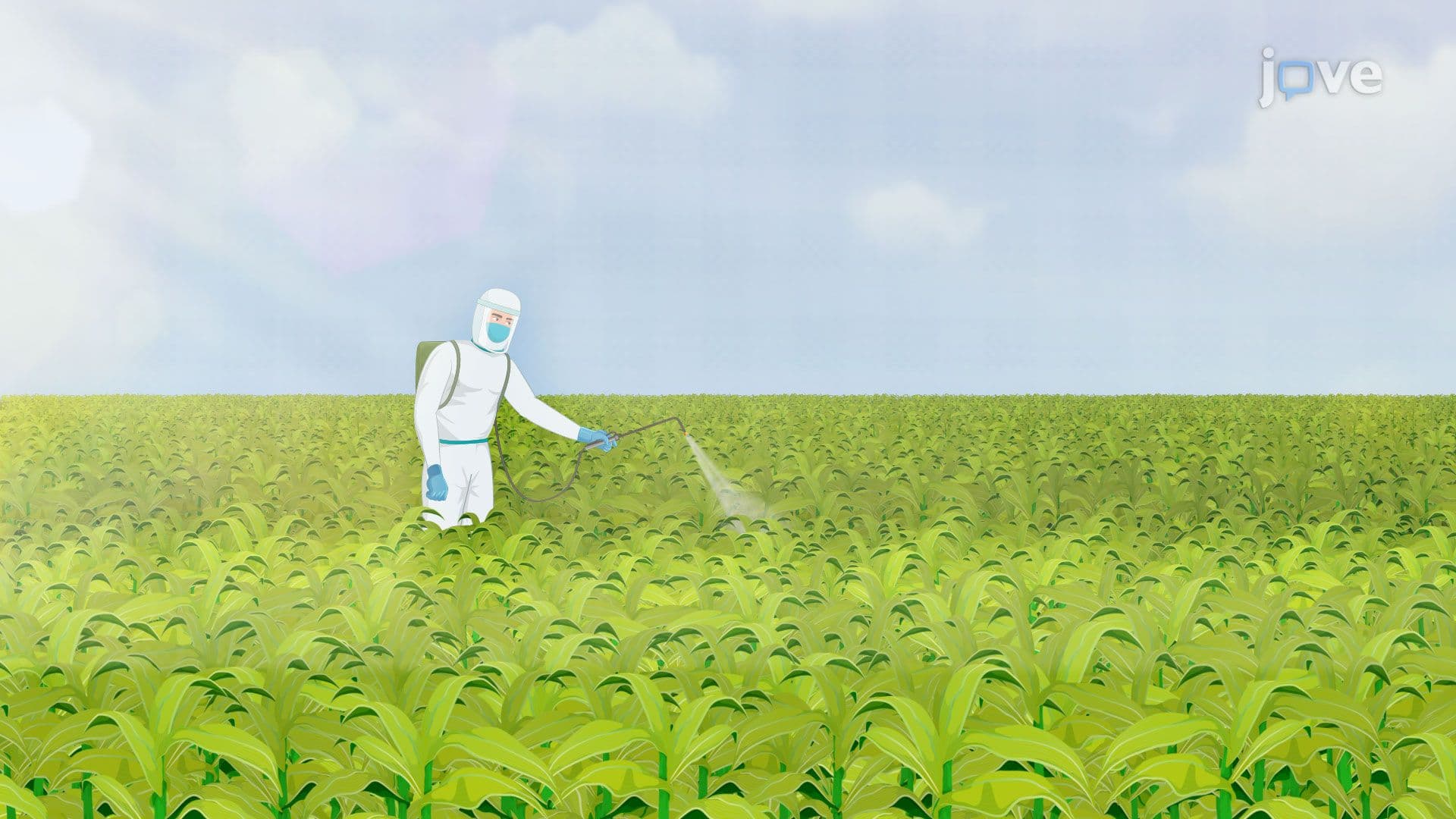
Bioremediation does not always proceed at a useful rate on its own. In many real-world contaminated environments, including sites monitored by the US Environmental Protection Agency (EPA) under the Superfund program, bioremediation is biostimulated by adding nitrogen and phosphorus fertilizers. These nutrients address the limiting factors that slow microbial growth when carbon (from oil) is abundant but other essential nutrients are scarce.
However, nutrient addition must be carefully managed. Excess nitrogen and phosphorus runoff can trigger eutrophication, a condition in which algal blooms deplete oxygen in waterways, harming aquatic life. This trade-off is a strong real-world example of how soil microbiology, water quality testing, and environmental management intersect in practice. Understanding this balance is essential for students studying biogeochemical cycling and for professionals entering careers in environmental remediation or wastewater treatment.
Related Micro-courses