Microbial diversity encompasses the incredible variety of microscopic life forms on Earth, from bacteria and archaea to fungi, algae, and protists. This comprehensive course explores how these diverse microorganisms are classified using modern molecular techniques, their unique characteristics across different phyla, and their critical roles in ecosystems, human health, and biotechnology applications. Students will master the three-domain system and advanced identification methods through JoVE Coach's interactive learning platform.
Understand the three-domain classification system separating Bacteria, Archaea, and Eukarya
Learn modern molecular taxonomy techniques including MLST and genome fingerprinting
Identify major bacterial phyla and their distinguishing characteristics and ecological roles
Explore archaeal diversity across extreme and moderate environments
Analyze fungal groups and their morphological and reproductive differences
Apply classification methods to distinguish between pathogenic and non-pathogenic strains
Understand the ecological significance of microbial diversity in biogeochemical cycles
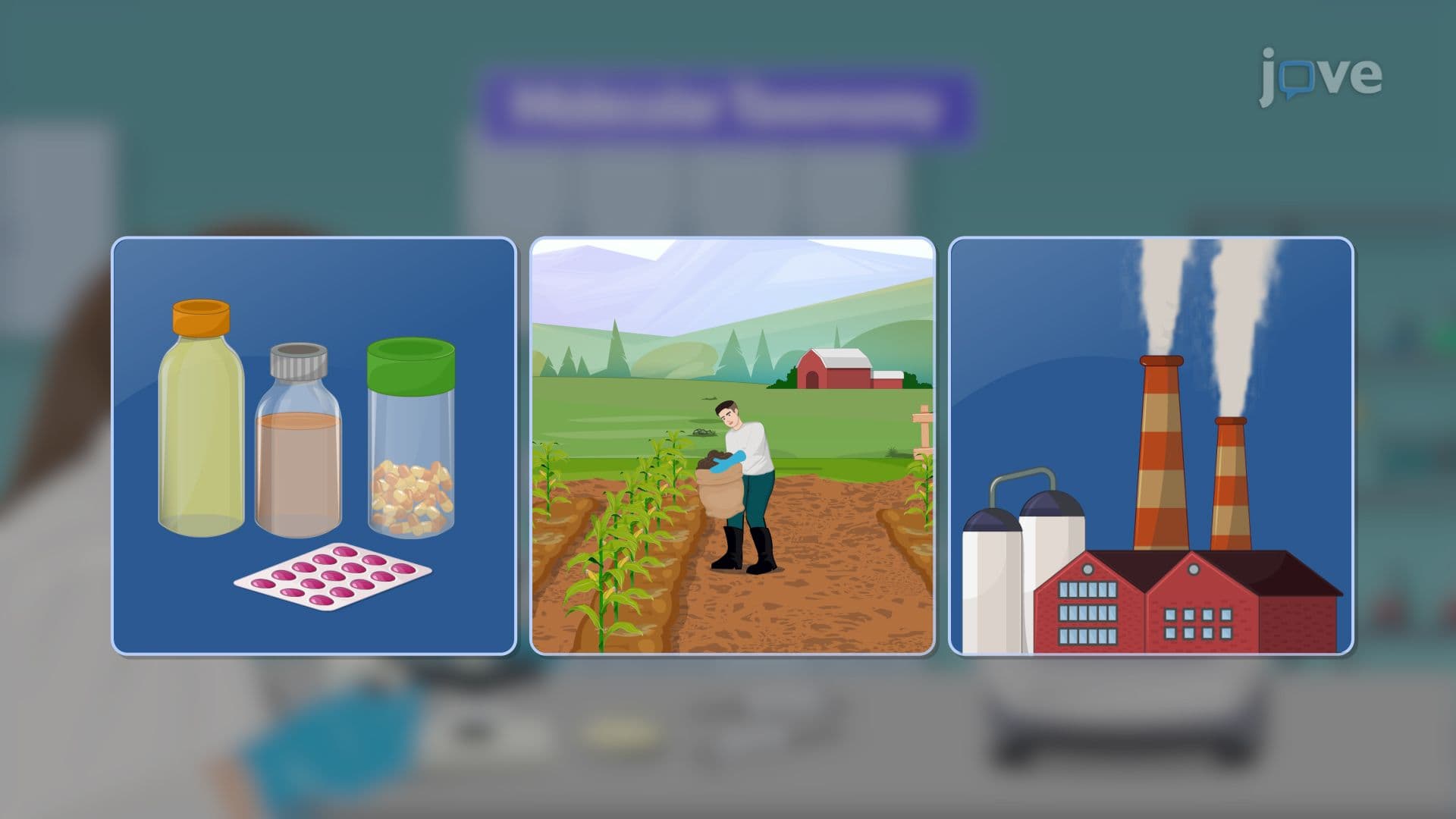
Examine the biotechnological applications of diverse microbial species
Learn the unique features of algae, protists, and other microscopic eukaryotes
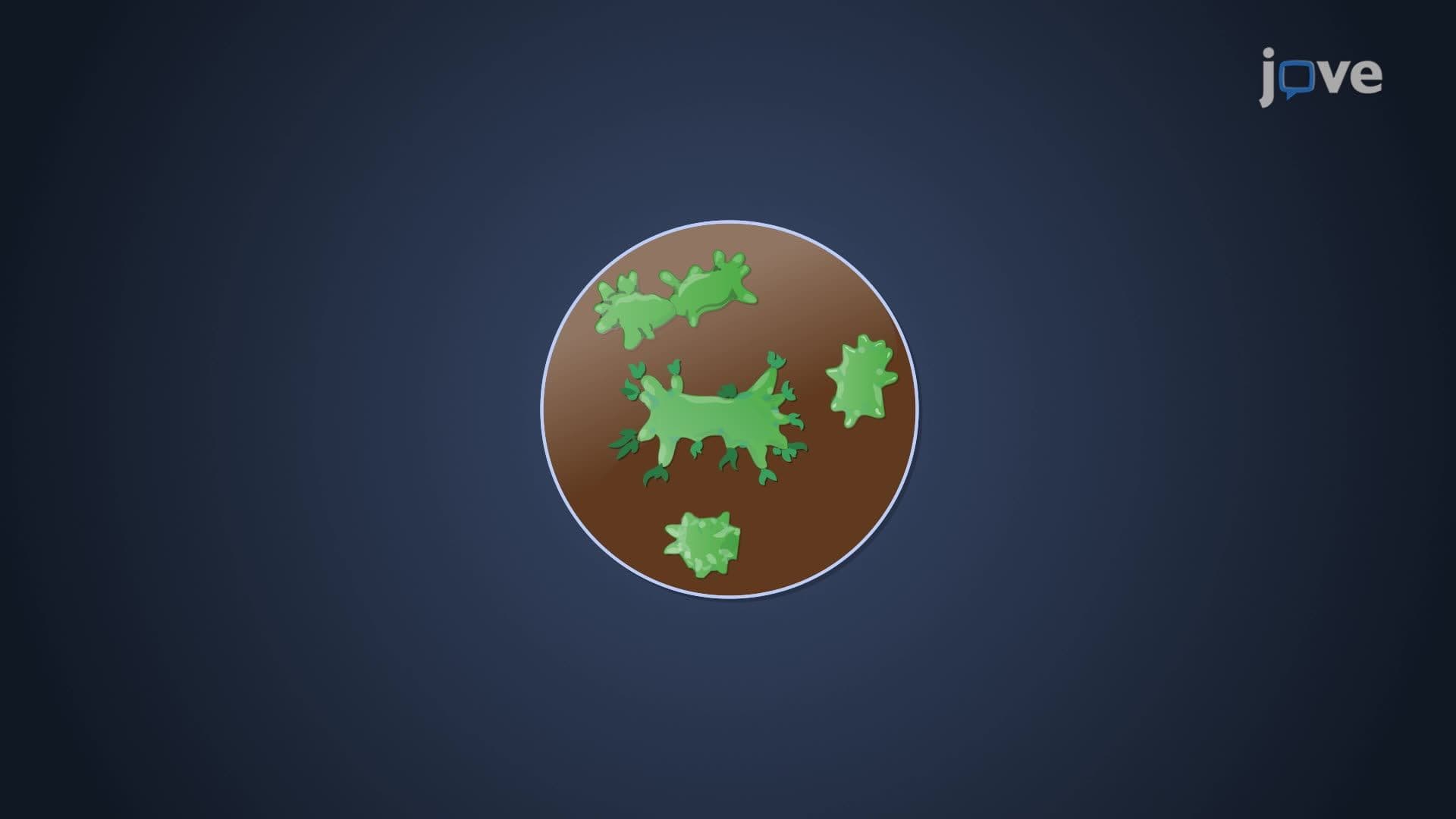
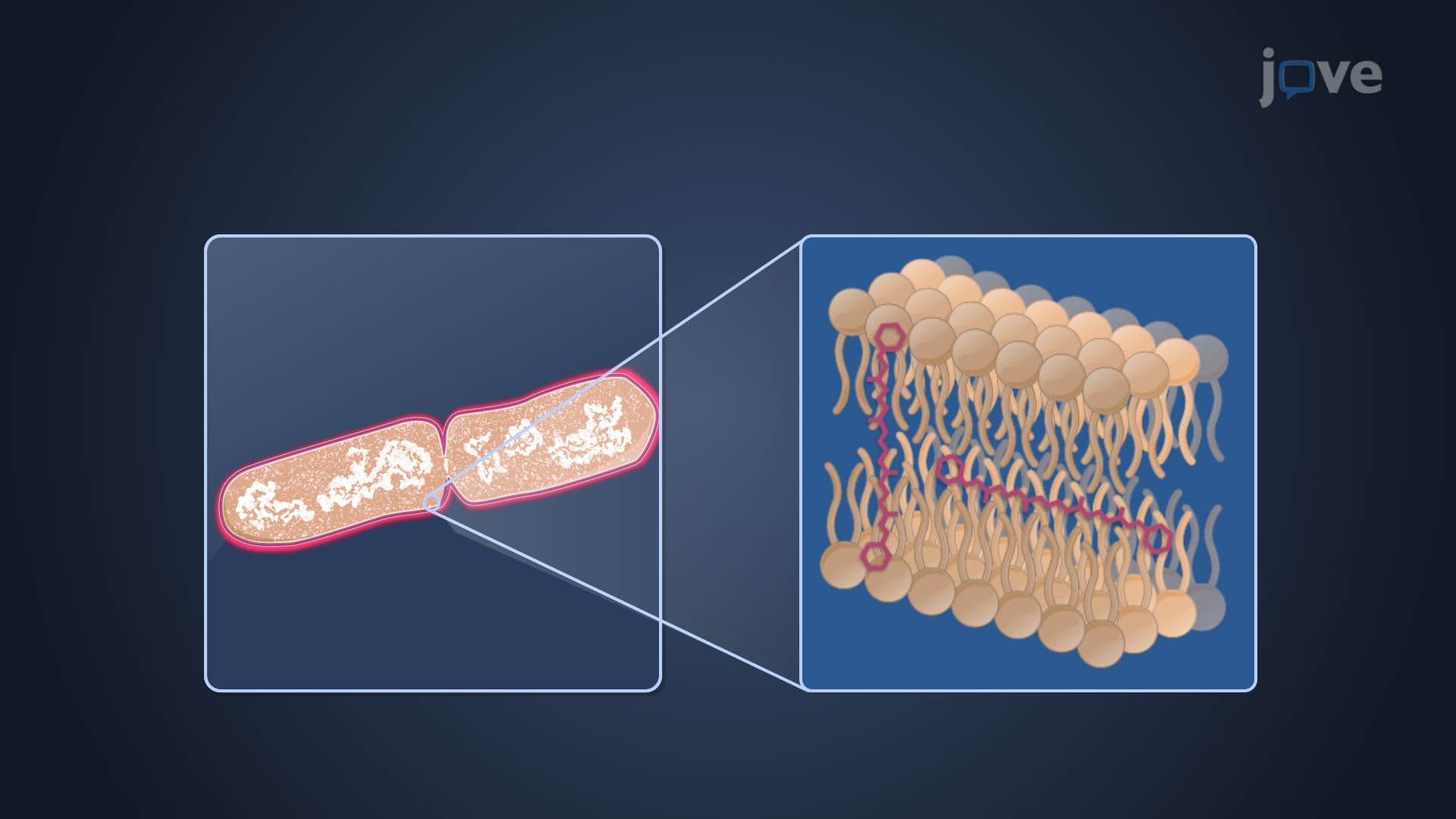
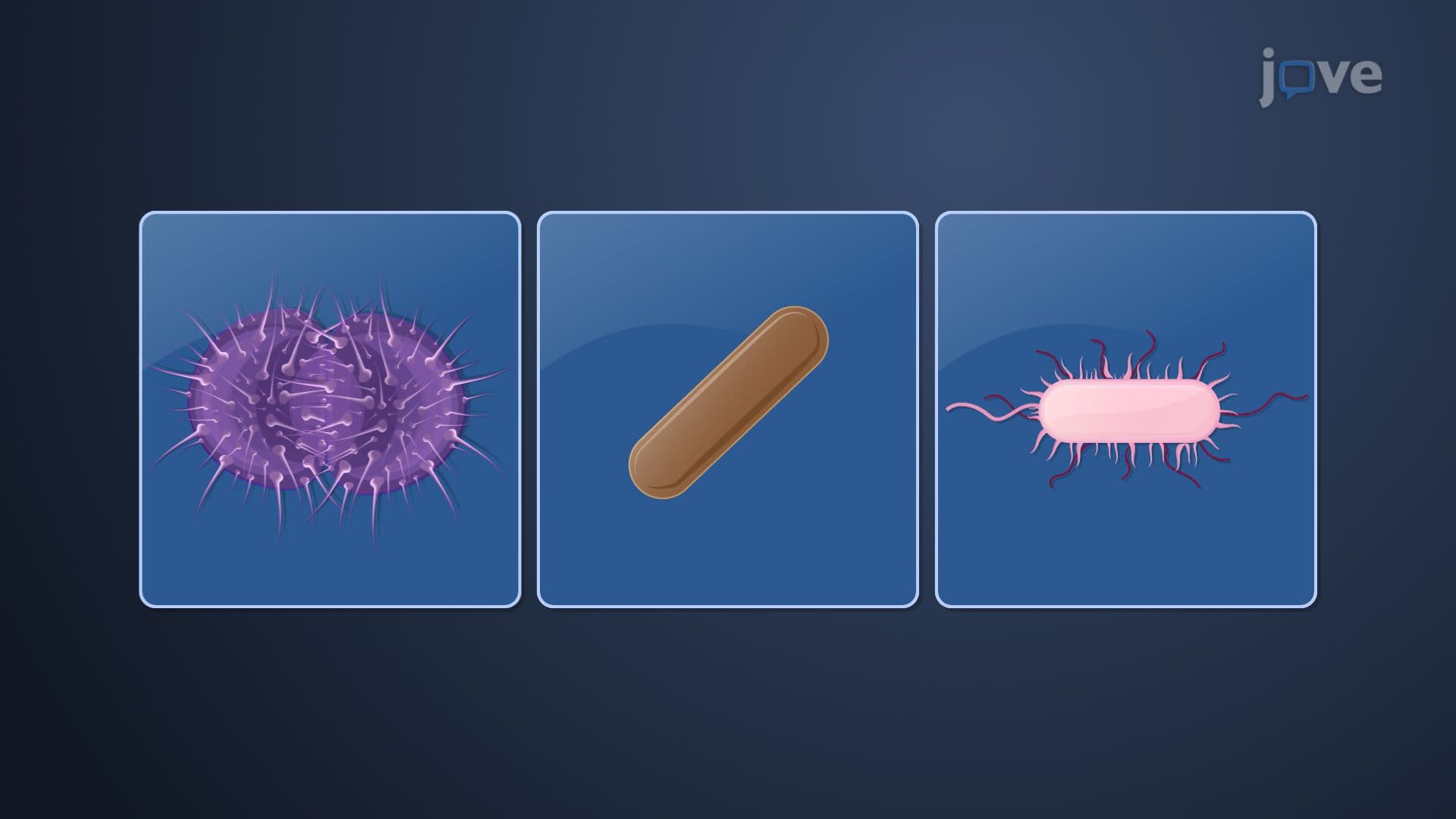
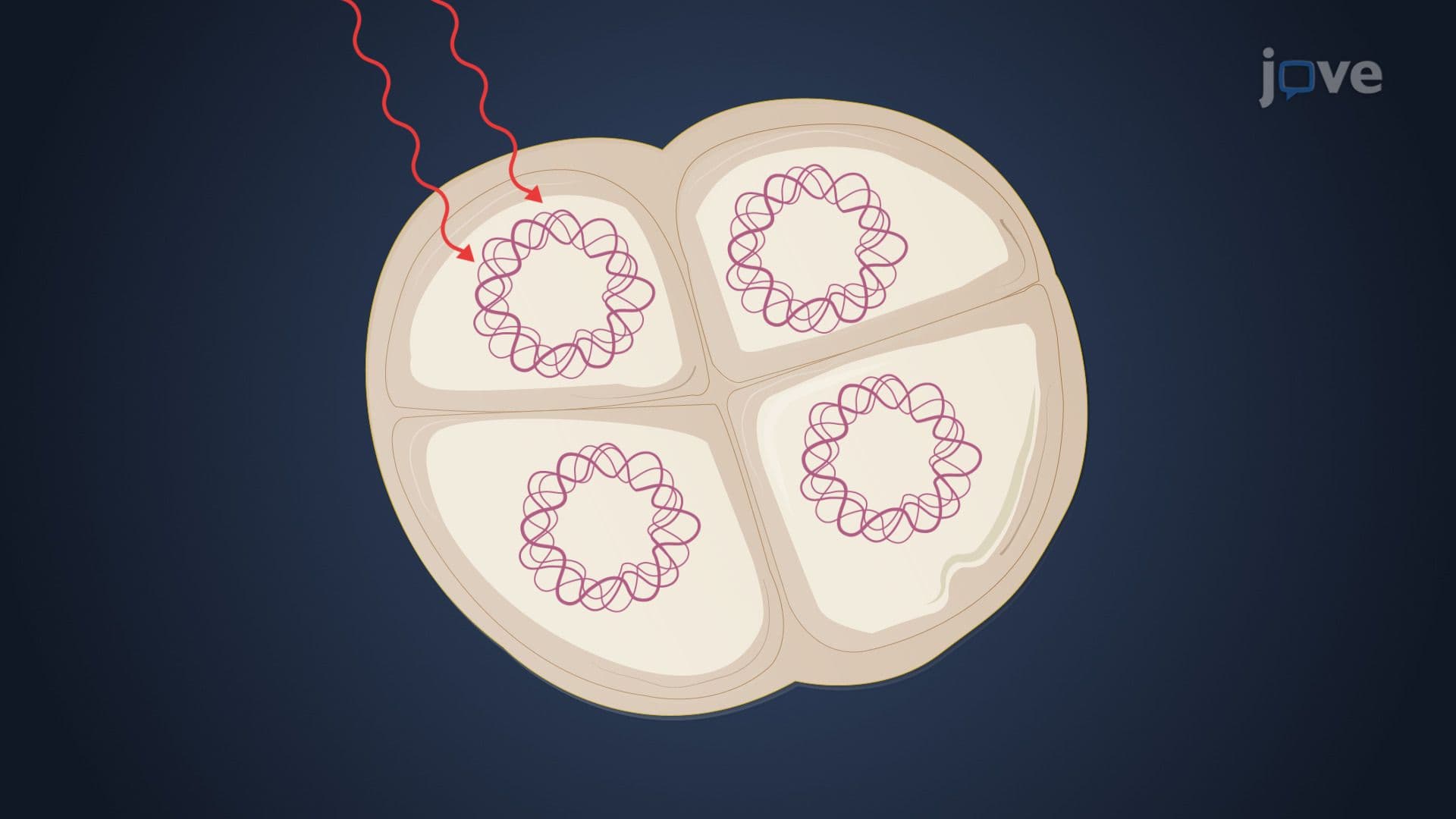
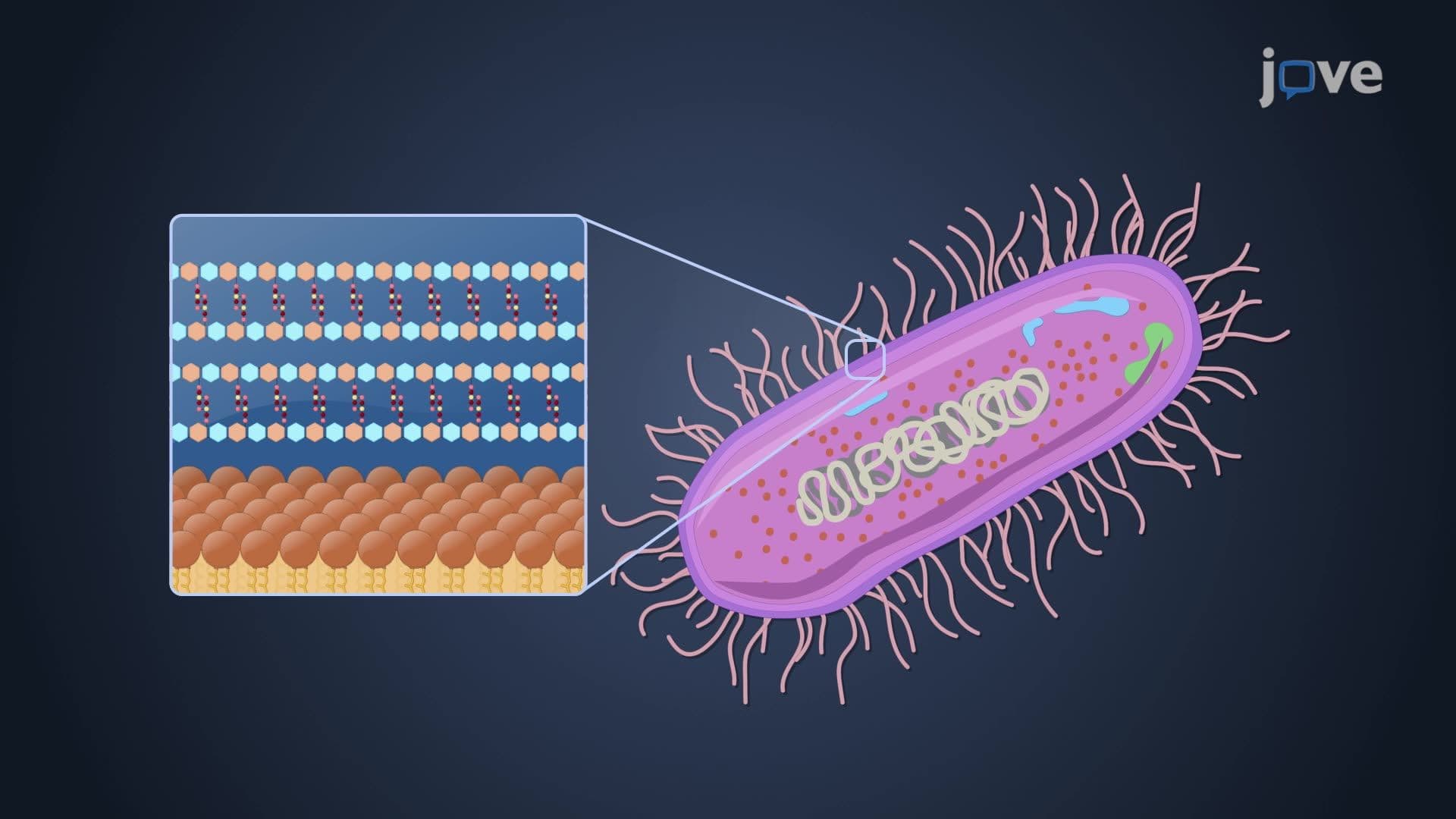
1. Three-Domain System of Life: The fundamental classification framework dividing all cellular life into Bacteria, Archaea, and Eukarya based on ribosomal RNA sequences and evolutionary relationships. Bacteria contain peptidoglycan cell walls and include both pathogenic species like *Escherichia coli* O157:H7 and beneficial nitrogen-fixers. Archaea lack peptidoglycan but thrive in extreme environments, including methanogens in anaerobic digesters and halophiles in Great Salt Lake. Eukarya encompasses nucleated organisms from single-celled protists to complex fungi, with applications ranging from antibiotic production by *Penicillium* to biofuel research using algae.
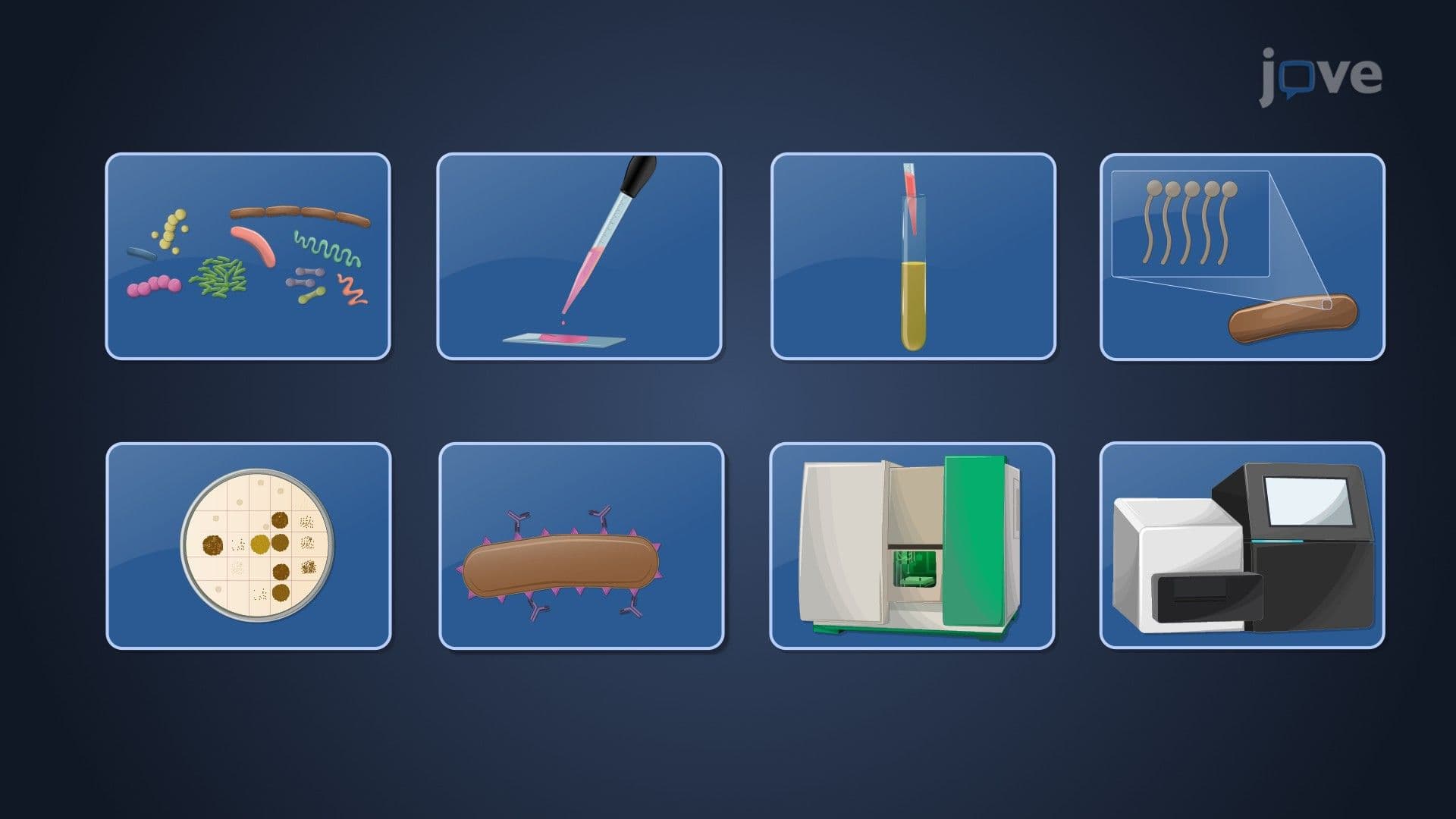
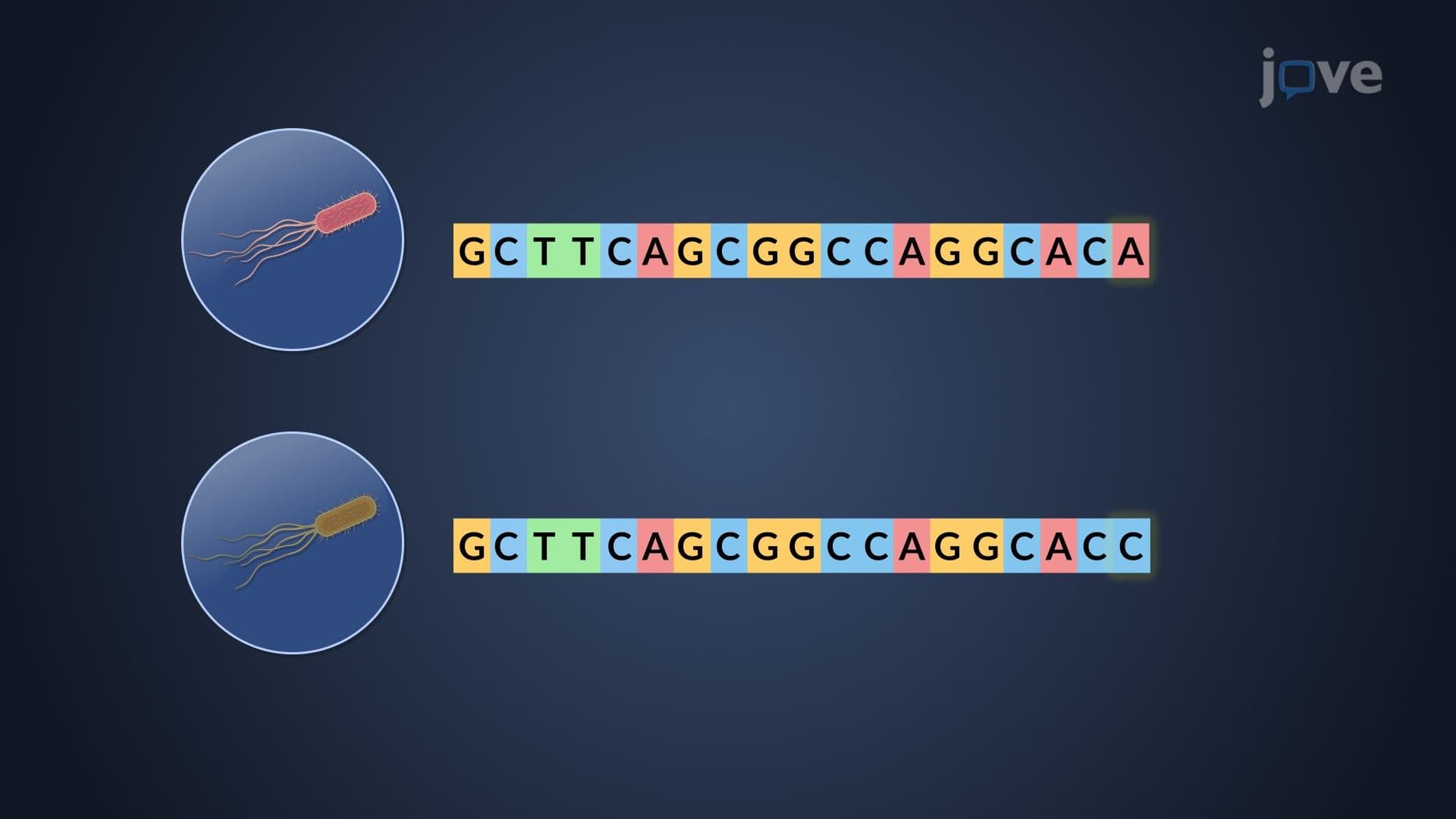
2. Modern Molecular Taxonomy Methods: Advanced techniques revolutionizing microbial identification and classification beyond traditional morphology-based methods. Multilocus sequence typing (MLST) distinguishes closely related strains like pathogenic *E. coli* O157:H7 from laboratory strain K-12, crucial for food safety investigations. 16S ribosomal RNA sequencing enables identification of unculturable species like *Akkermansia muciniphila*, important in gut microbiome research. Genome fingerprinting traces infection sources in hospital outbreaks, as demonstrated in tracking *Gordonia bronchialis* infections in cardiac surgery patients. These methods are essential for clinical diagnostics, epidemiological investigations, and pharmaceutical development in the United States.
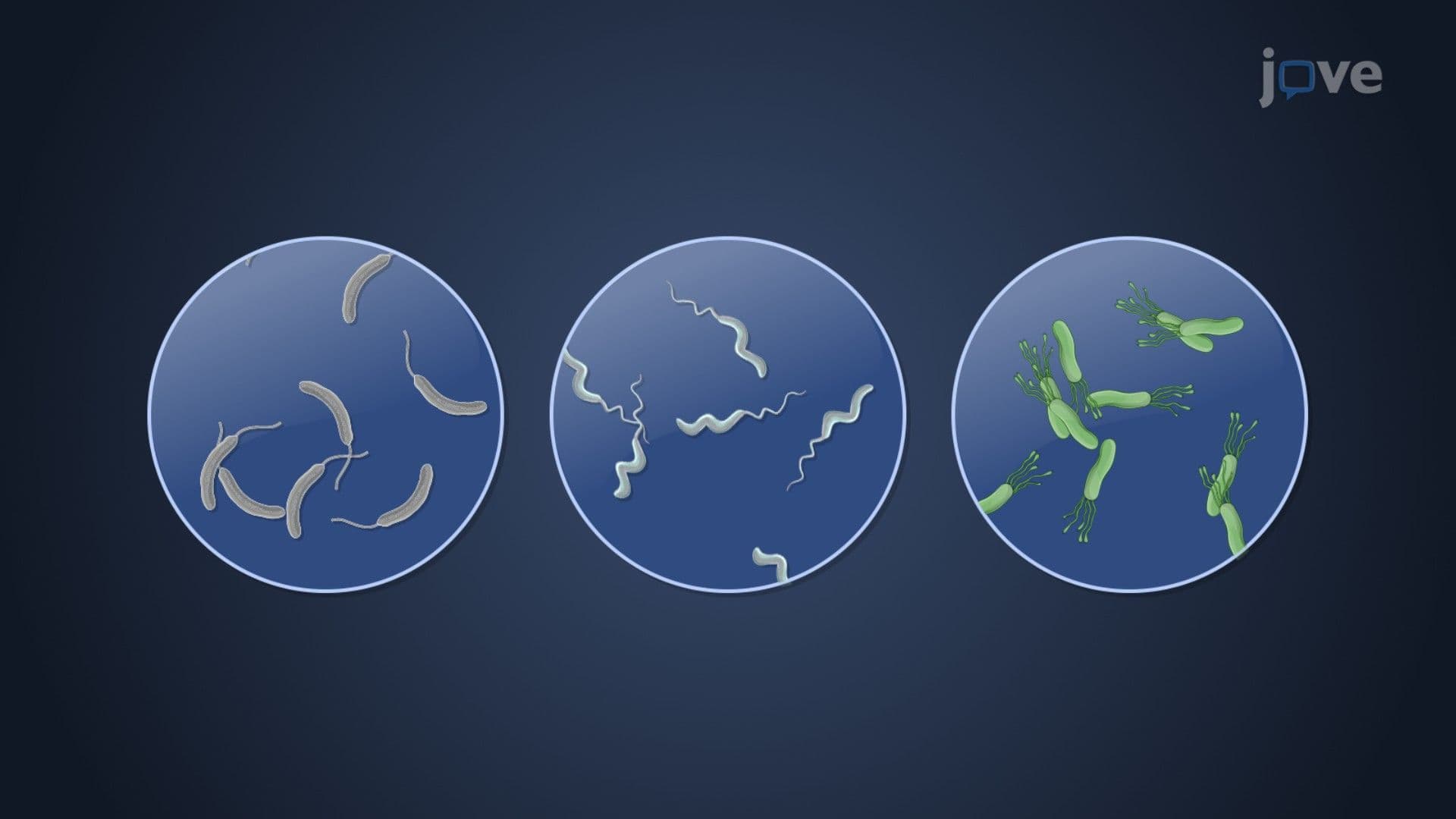
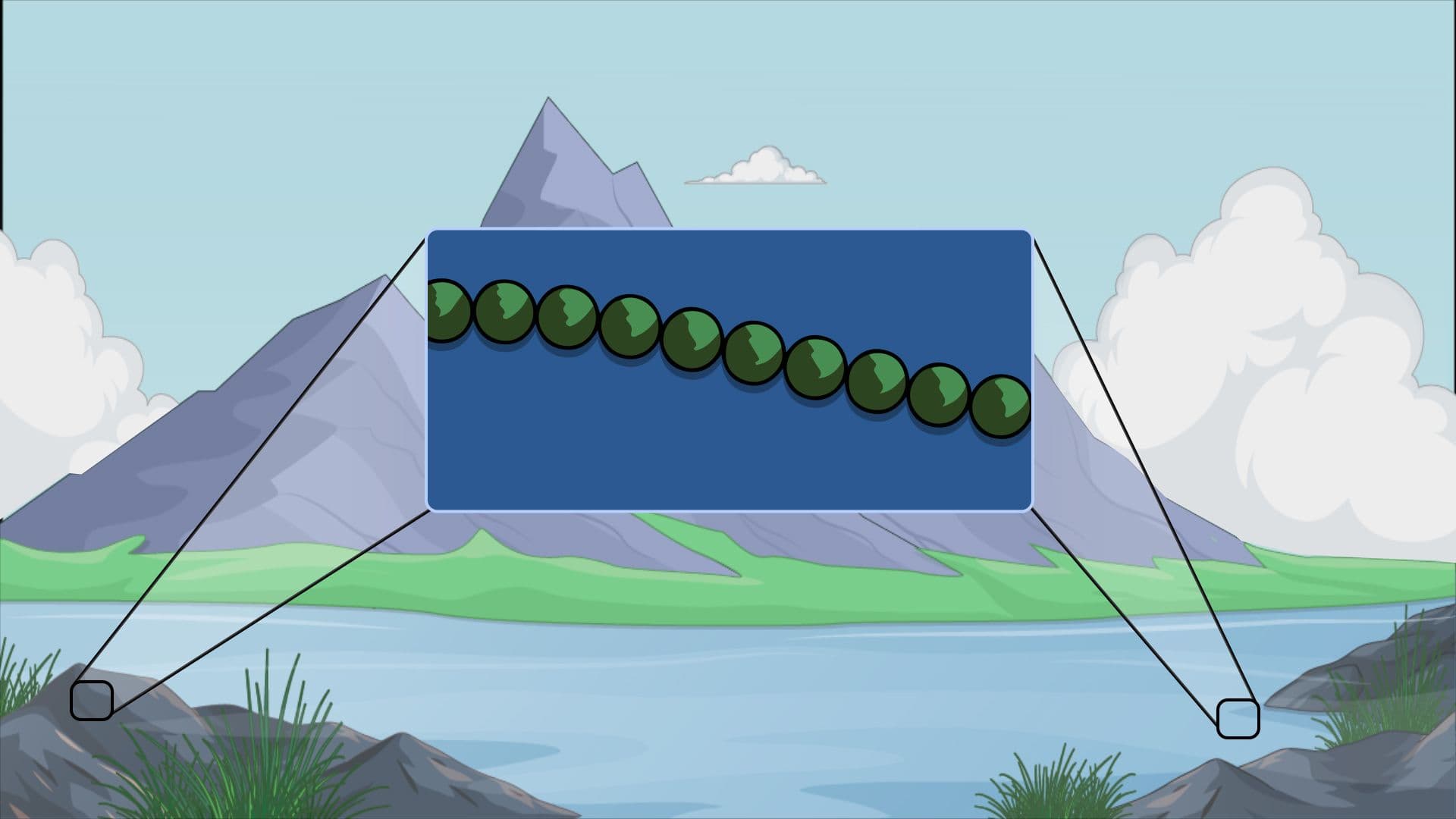
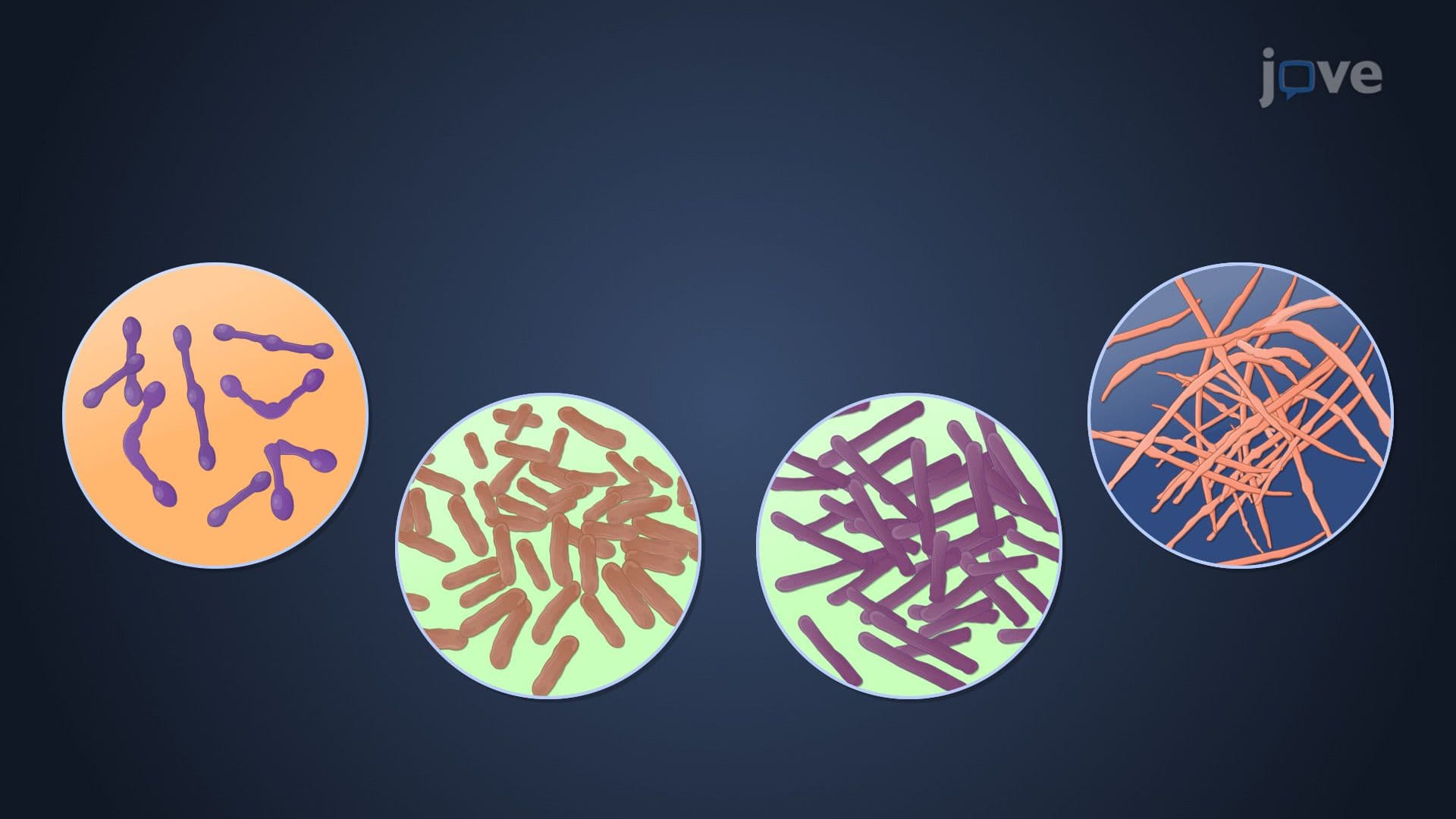
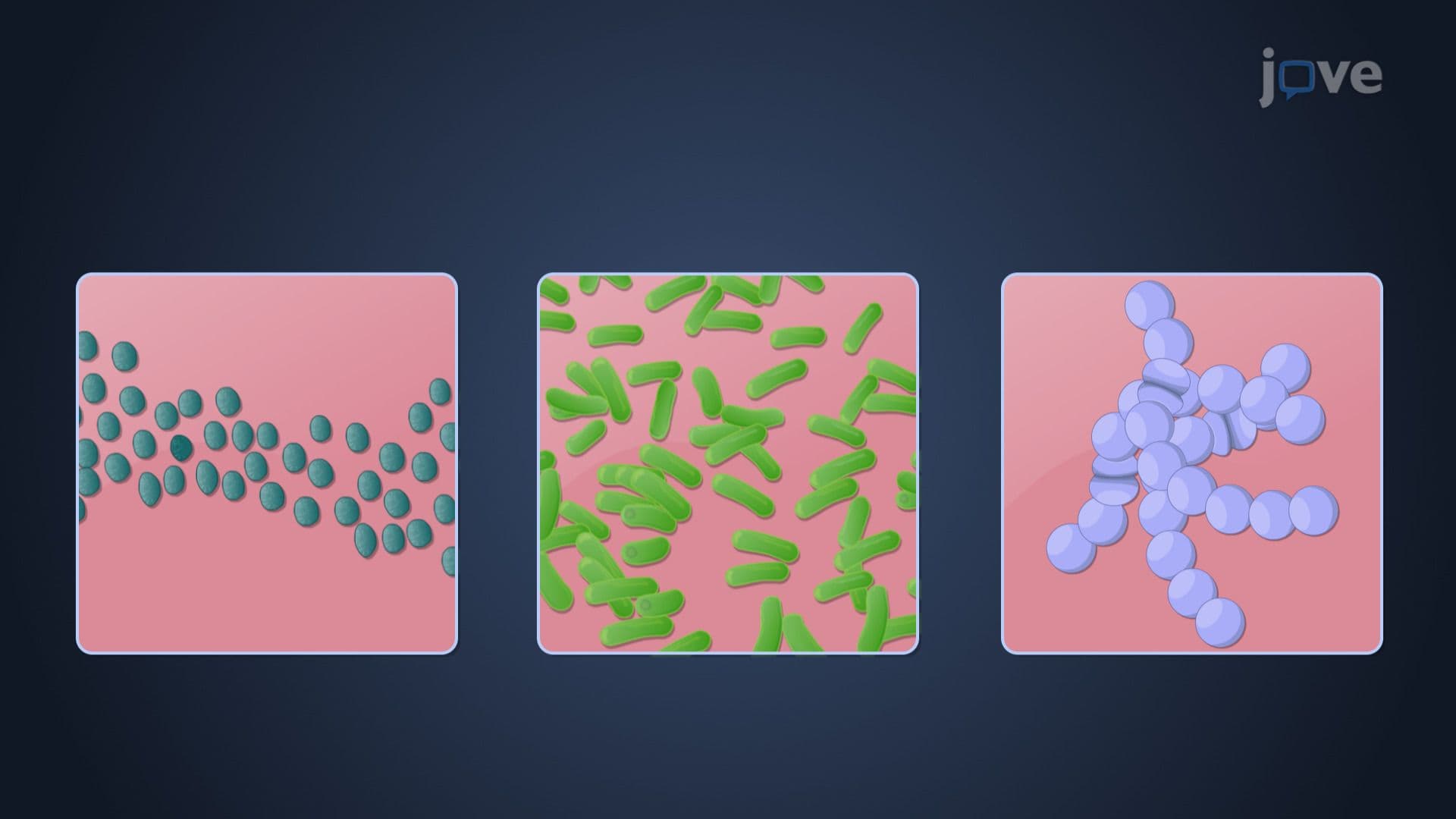
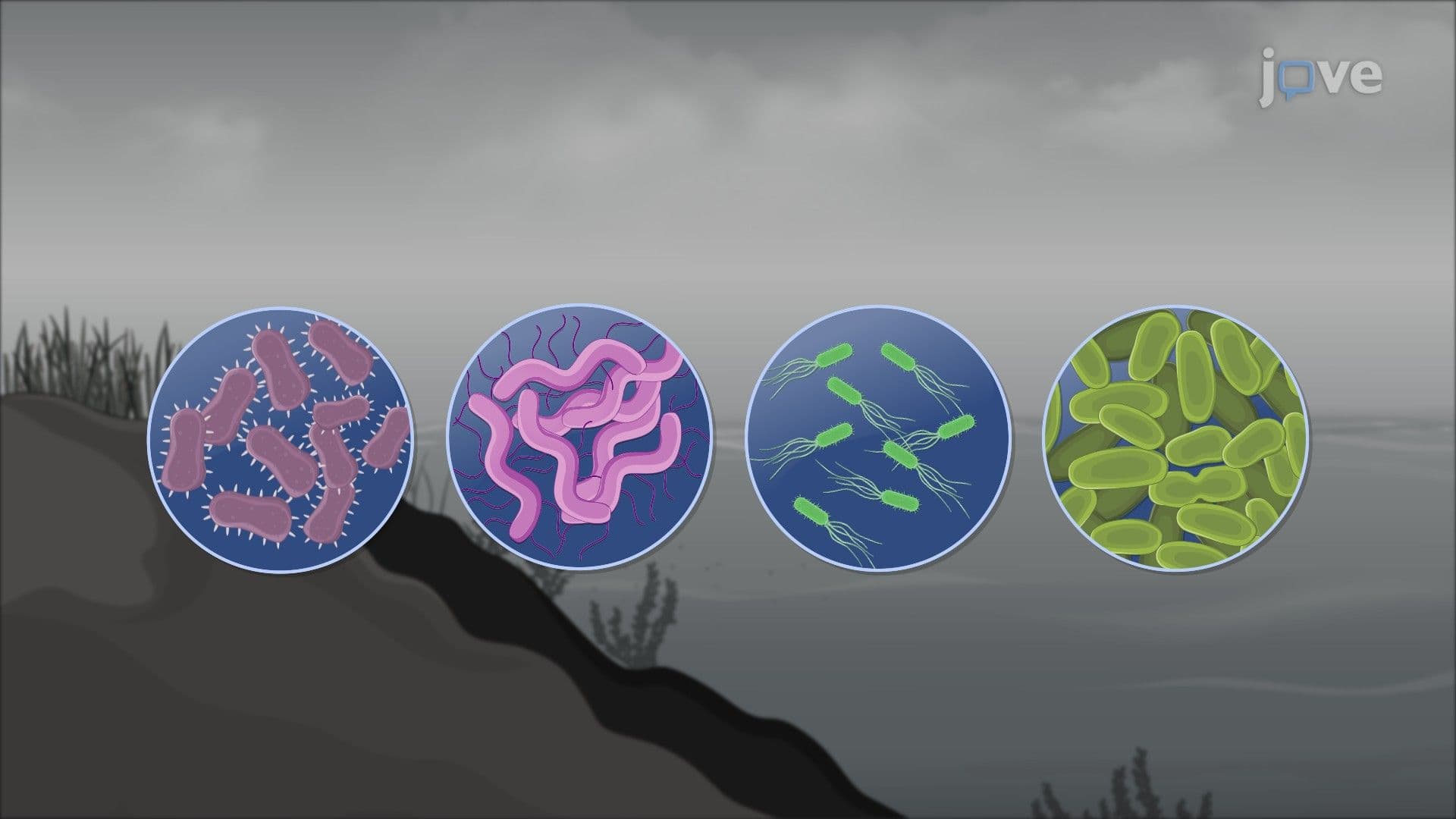
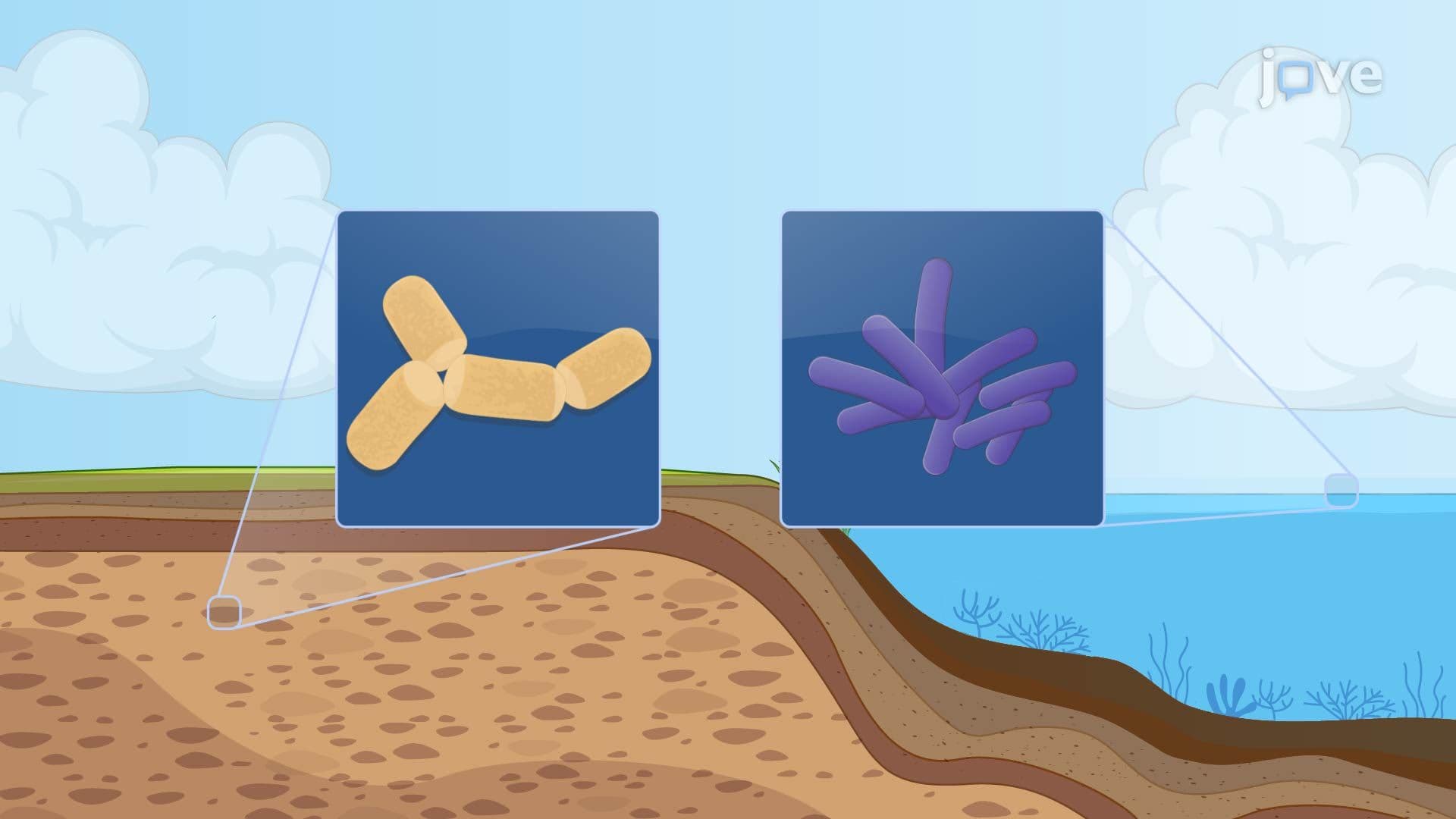
3. Bacterial Phylum Diversity: Major bacterial groups exhibiting remarkable metabolic and ecological diversity across American environments. Proteobacteria includes nitrogen-fixing *Rhizobium* species crucial for agriculture, pathogenic *Salmonella* causing foodborne illness, and *Pseudomonas* species used in bioremediation of contaminated sites. Firmicutes encompasses lactic acid bacteria like *Lactobacillus* in yogurt production and pathogenic *Clostridium difficile* in healthcare settings. Actinobacteria produces most clinically used antibiotics, including streptomycin from *Streptomyces*. Cyanobacteria perform oxygenic photosynthesis and cause harmful algal blooms in lakes like Lake Erie, impacting water treatment facilities across the Midwest.
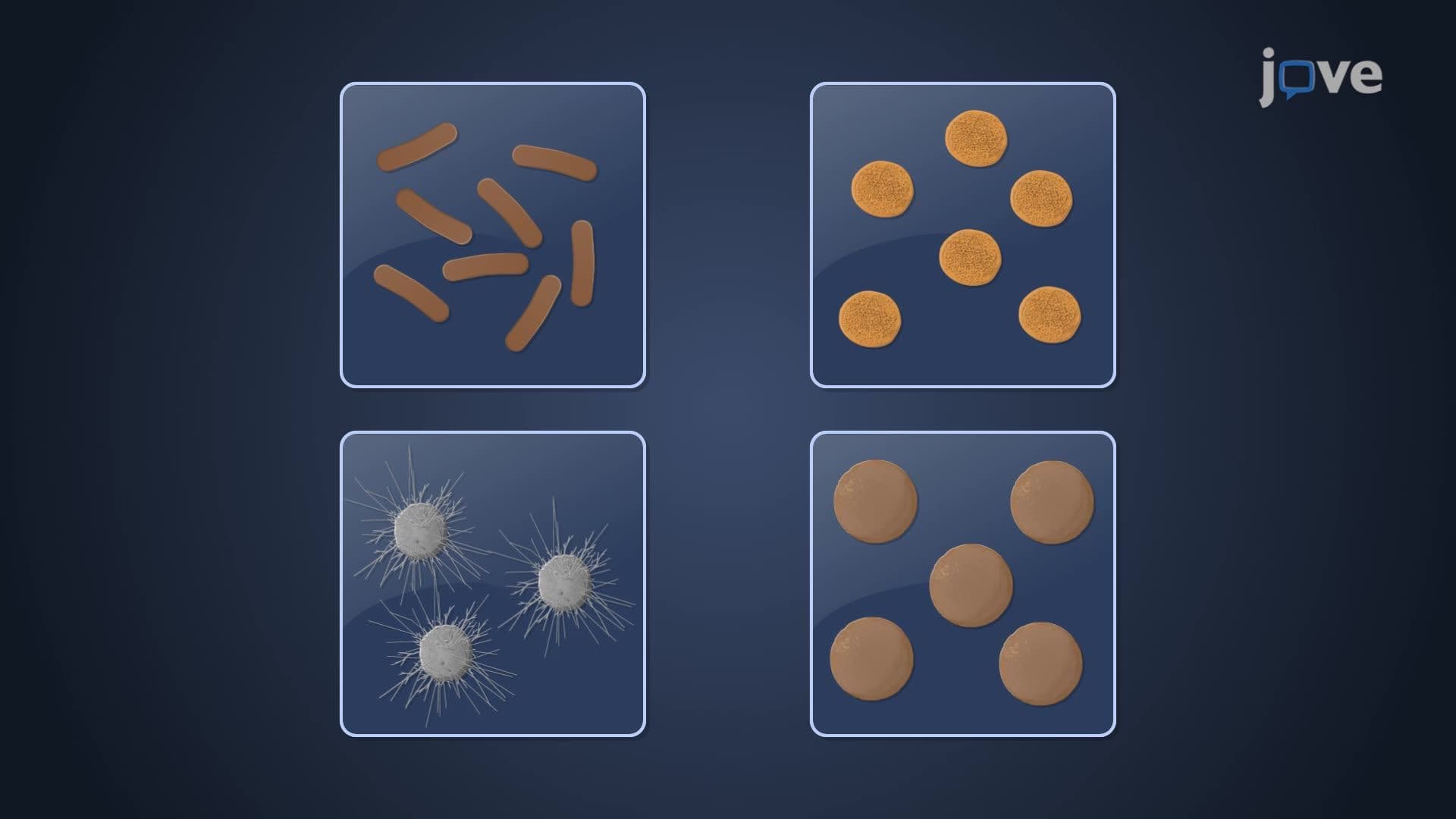
4. Archaeal Extremophiles and Their Applications: Unique prokaryotes thriving in extreme conditions with significant biotechnological potential. Hyperthermophilic archaea from Yellowstone hot springs produce thermostable enzymes like Taq polymerase, essential for PCR technology used in COVID-19 testing and forensic laboratories. Halophilic archaea from salt flats in Nevada and Utah contribute to industrial enzyme production and biofuel research. Methanogenic archaea in landfills and wastewater treatment plants produce biogas, supporting renewable energy initiatives. These organisms provide insights into early Earth conditions and potential extraterrestrial life, with NASA studying extremophiles to understand Mars habitability.
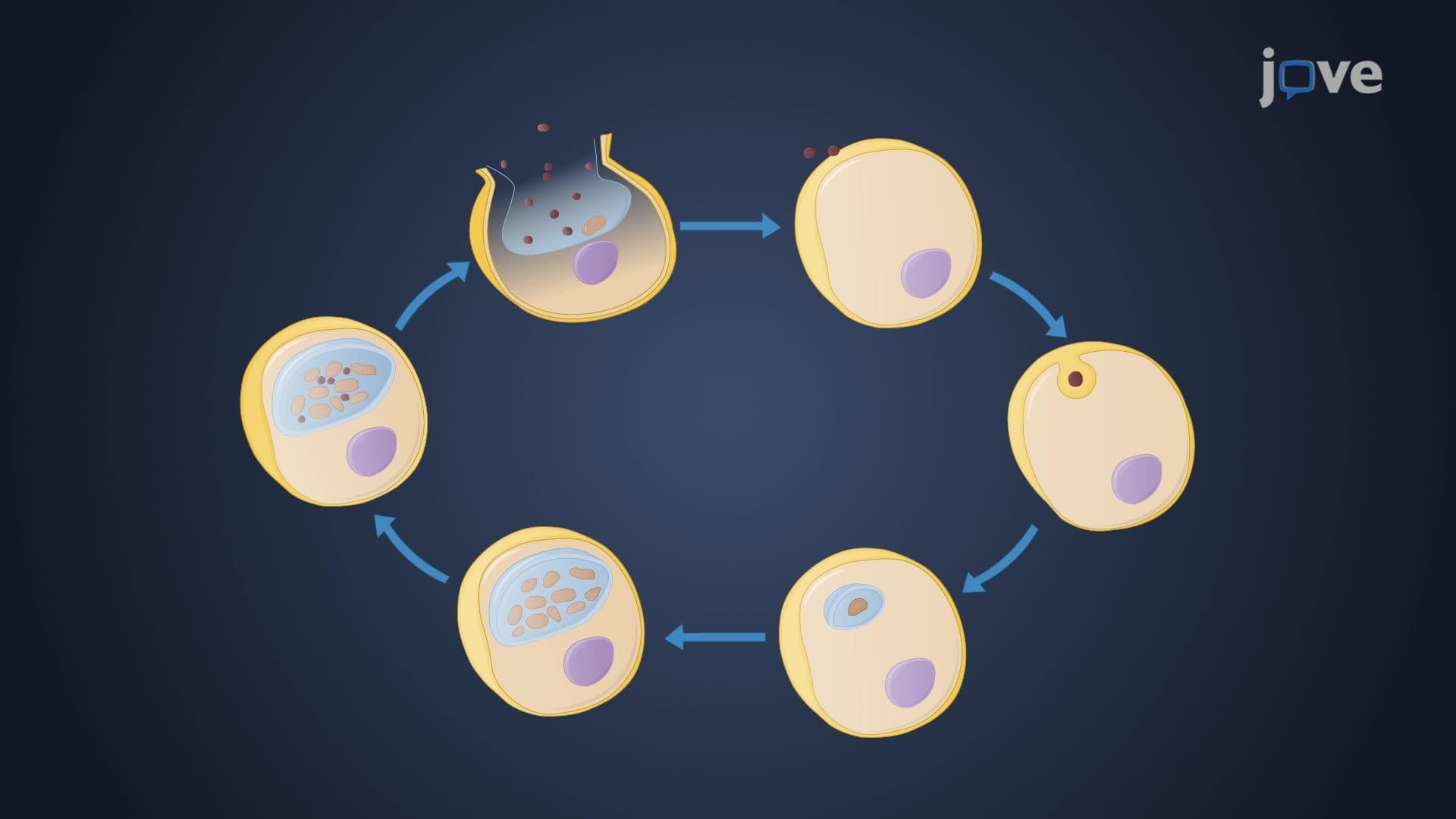
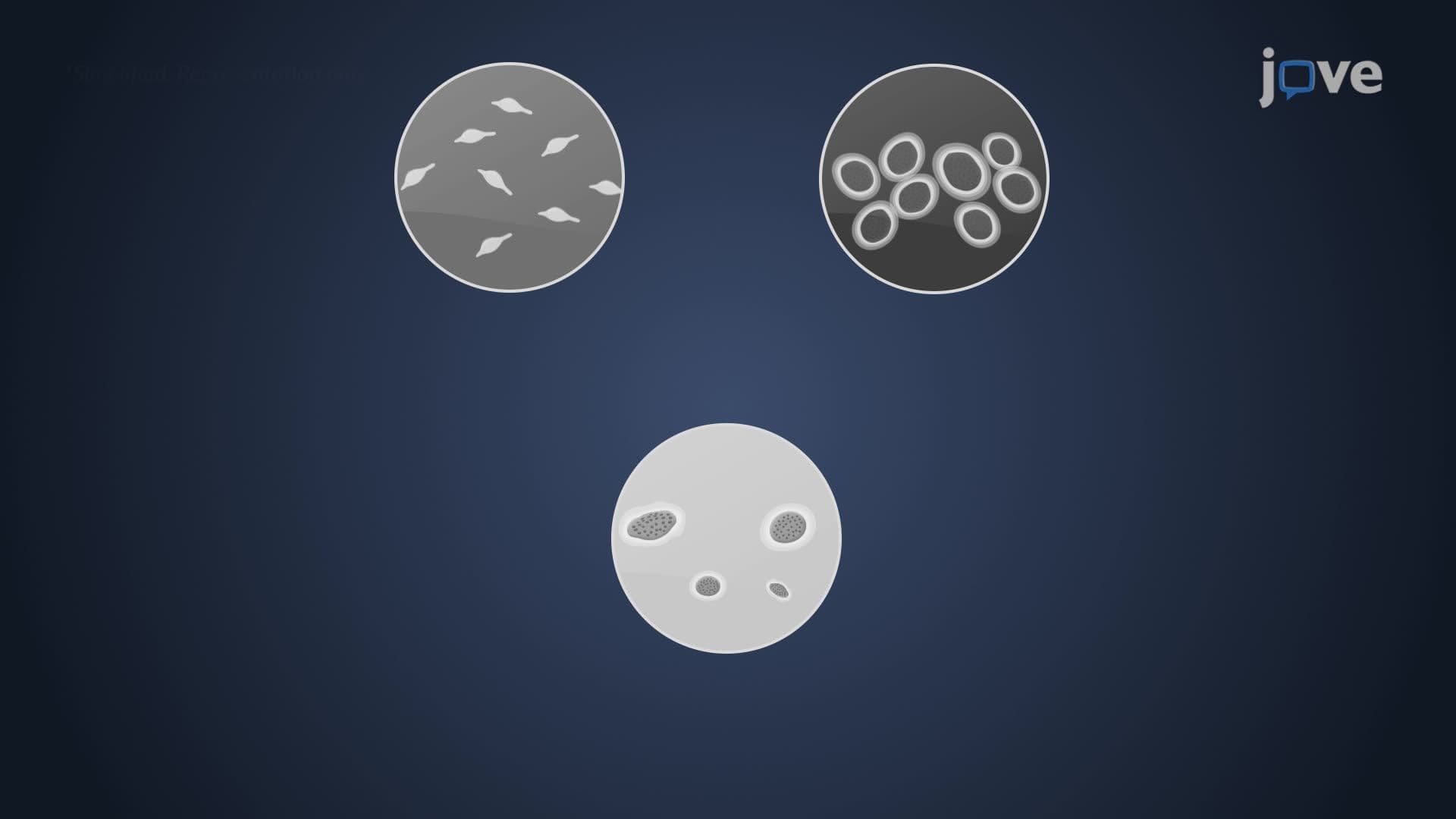
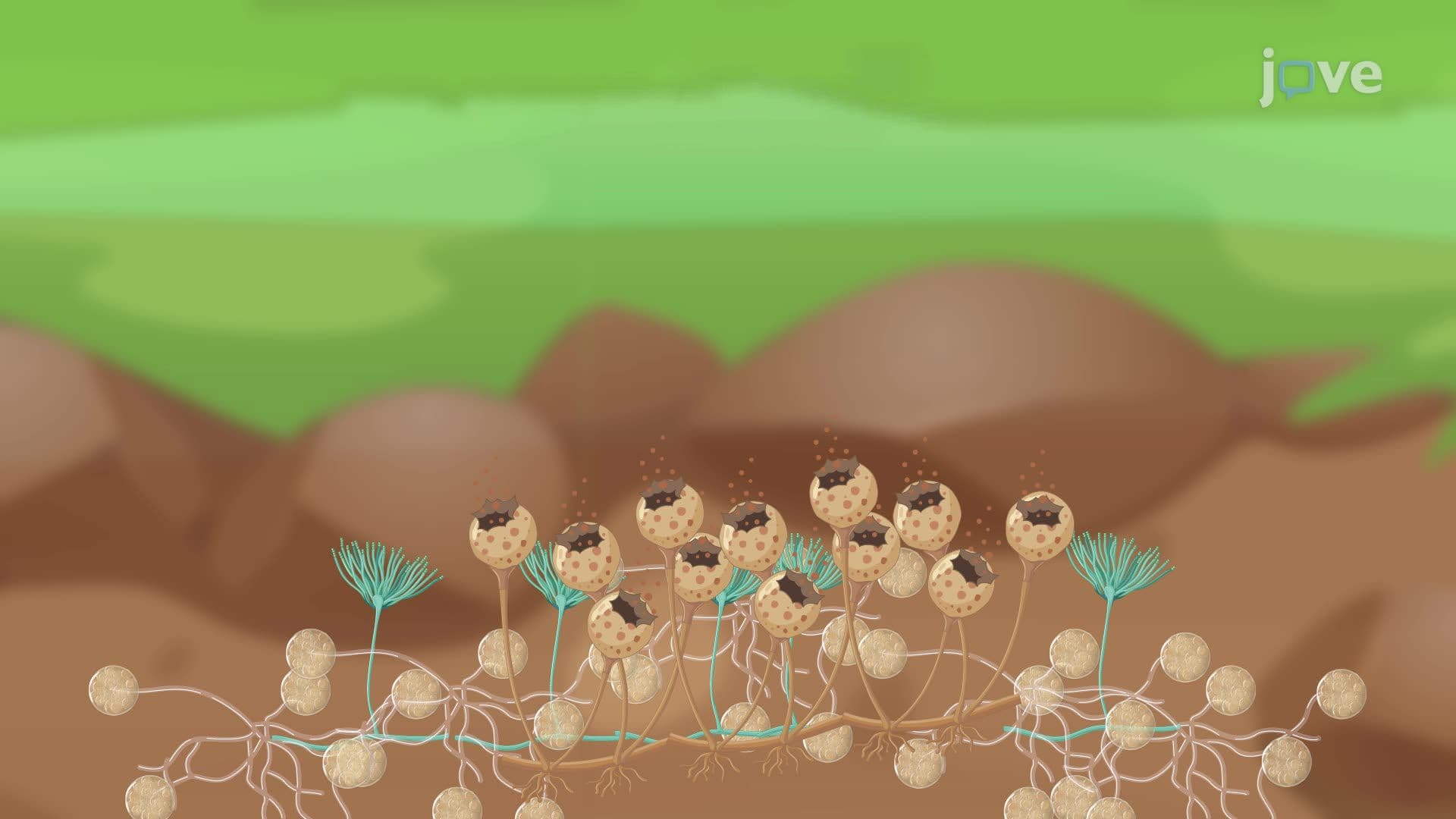
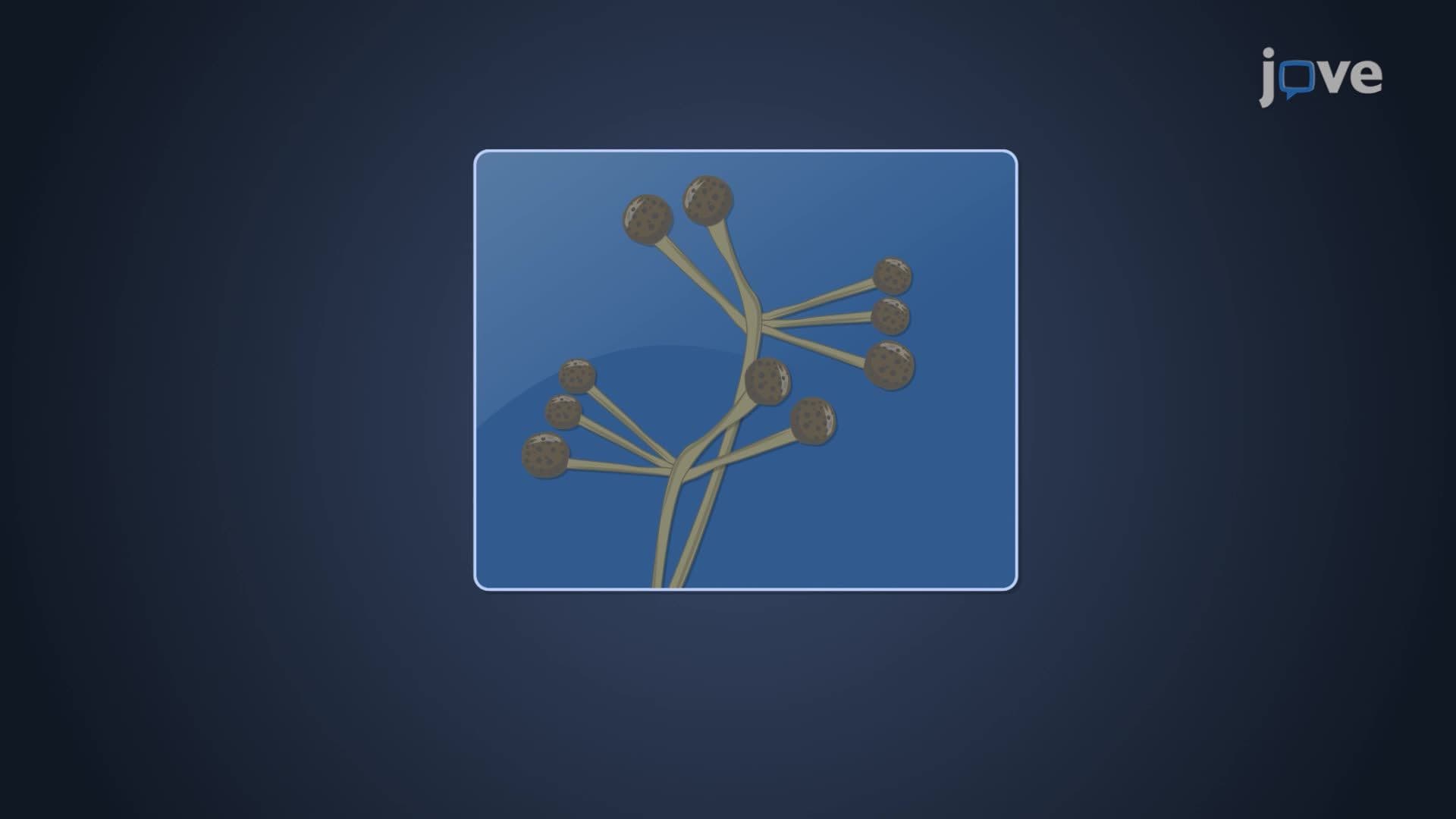
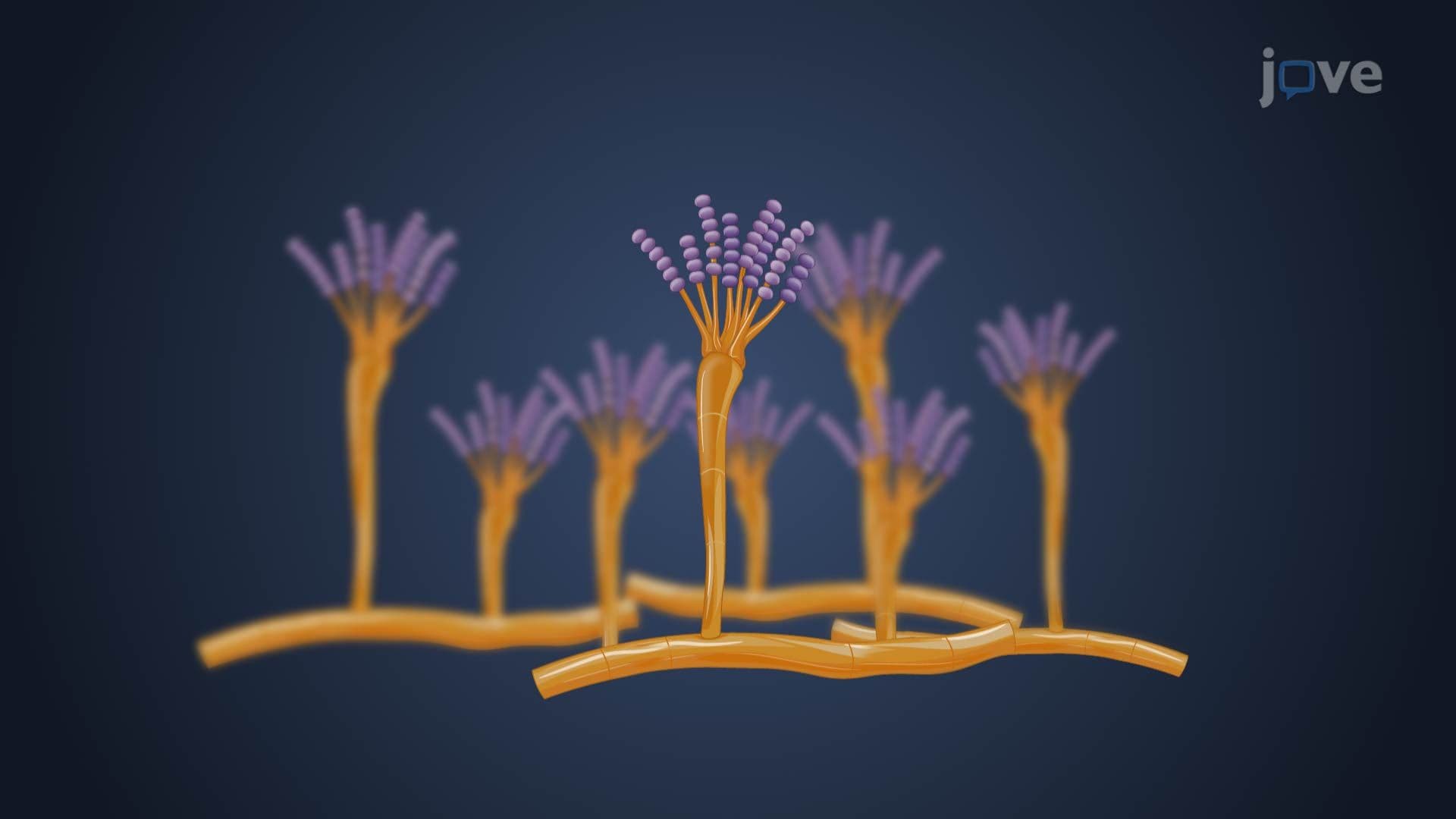
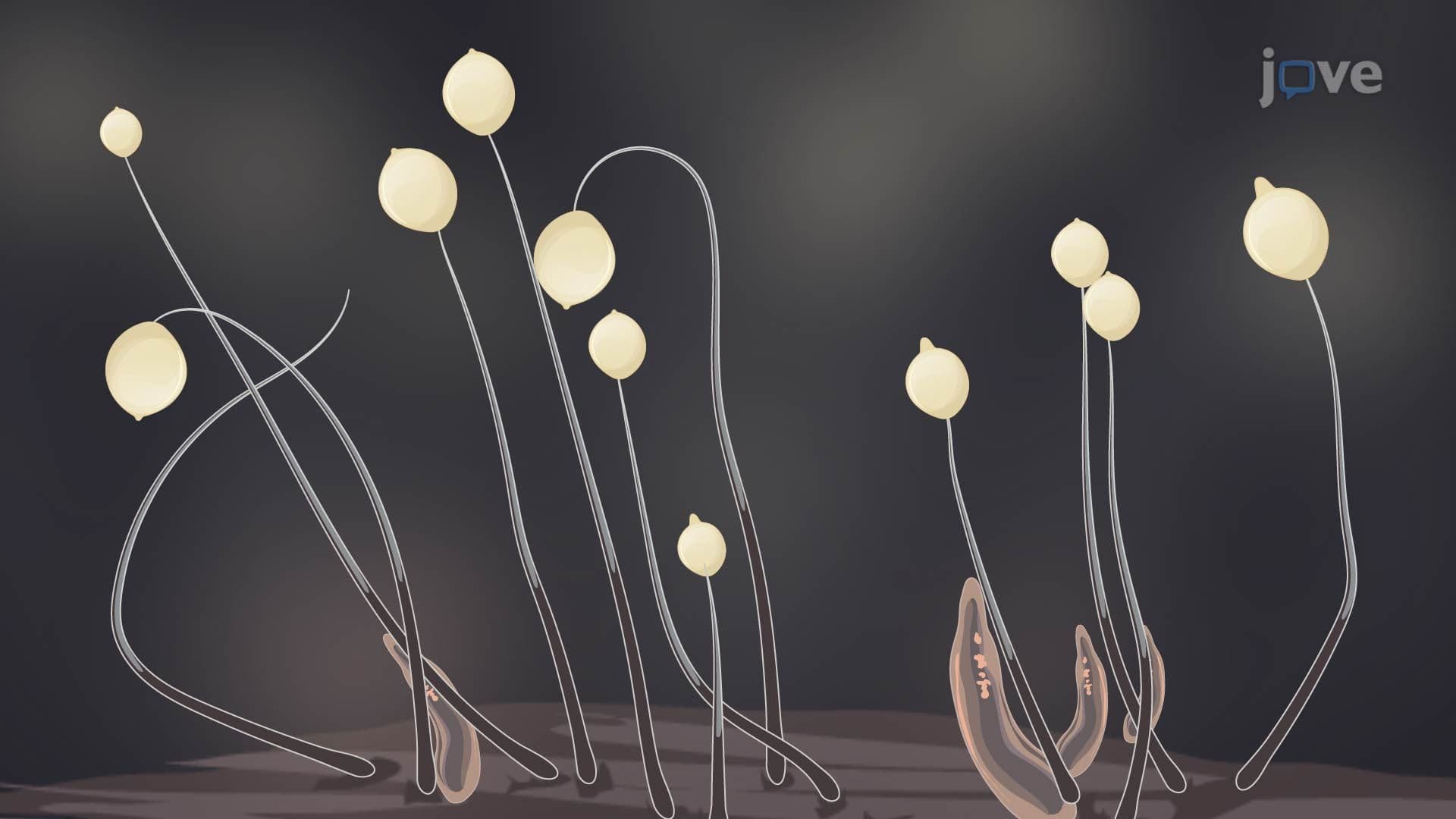
5. Fungal Groups and Medical Significance: Diverse eukaryotic microorganisms with critical roles in medicine, agriculture, and biotechnology. Ascomycota includes *Penicillium chrysogenum*, source of penicillin antibiotic, and pathogenic *Aspergillus fumigatus* causing respiratory infections in immunocompromised patients. Basidiomycota encompasses both edible mushrooms supporting the $1 billion U.S. mushroom industry and pathogenic *Cryptococcus neoformans* causing meningitis. Microsporidia are emerging opportunistic pathogens in AIDS patients and organ transplant recipients. Zygomycota includes *Mucor* species causing potentially fatal mucormycosis, particularly concerning during COVID-19 pandemic in diabetic patients. Understanding fungal diversity is crucial for pharmaceutical development and clinical diagnostics.
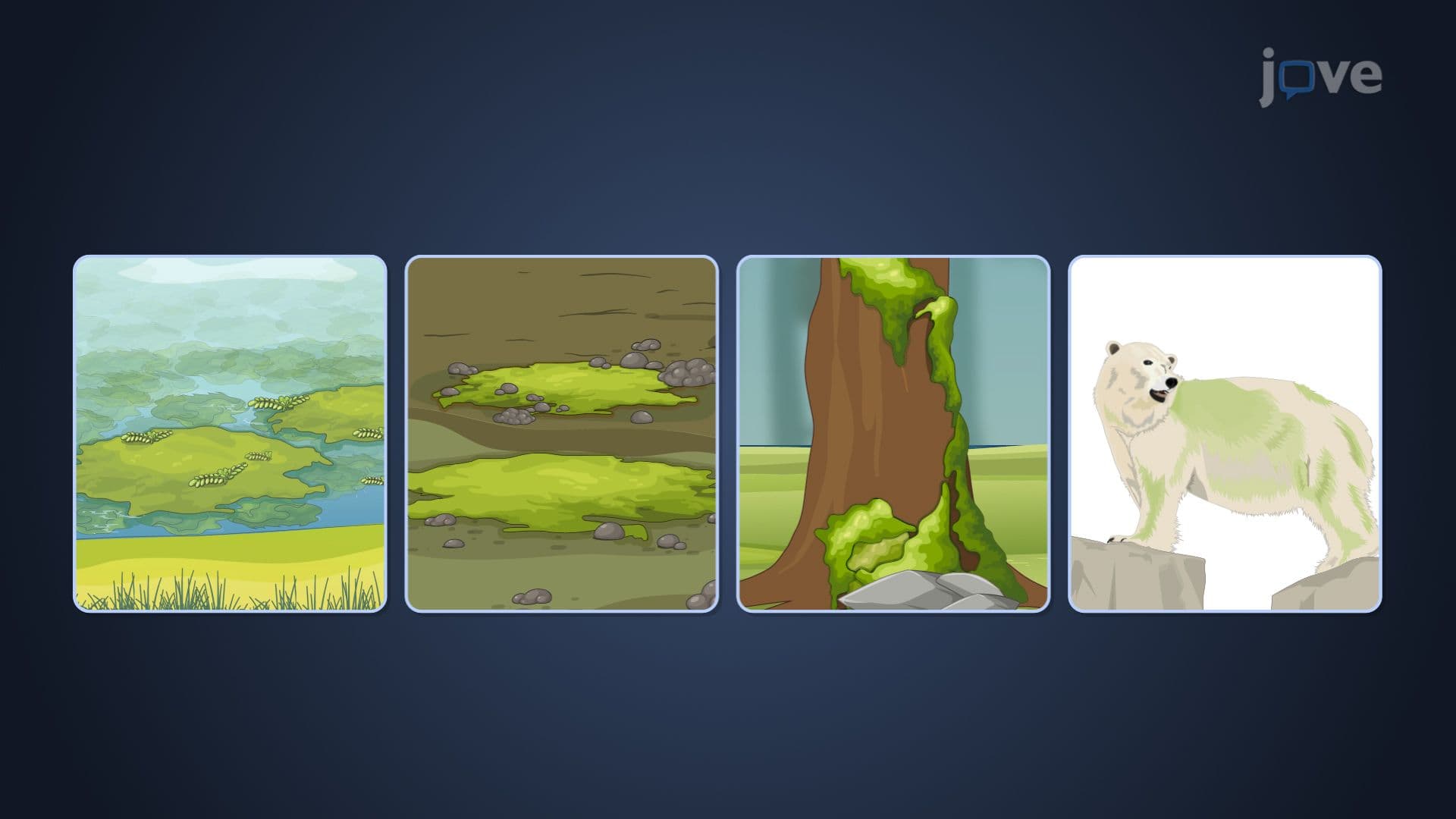
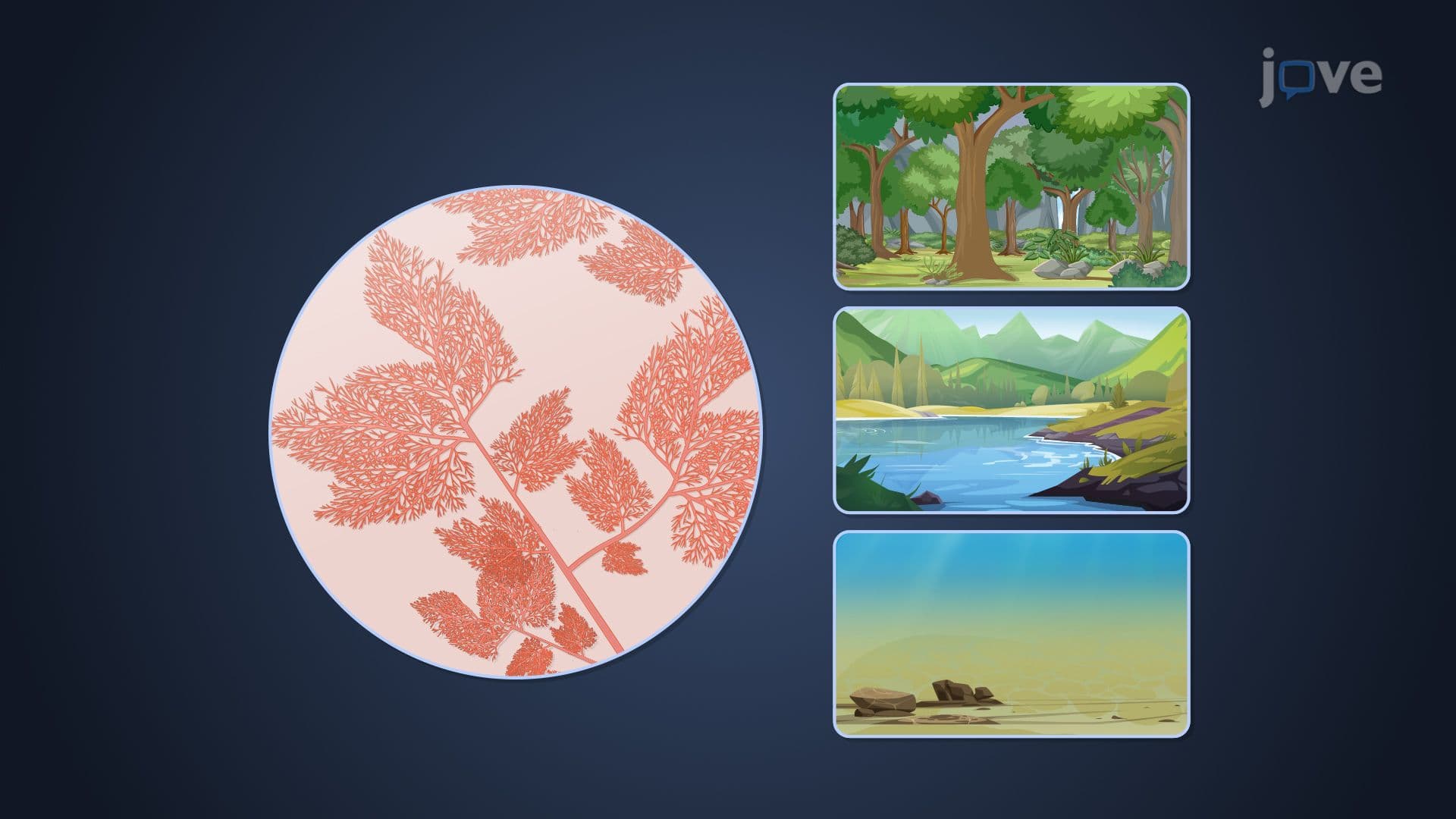
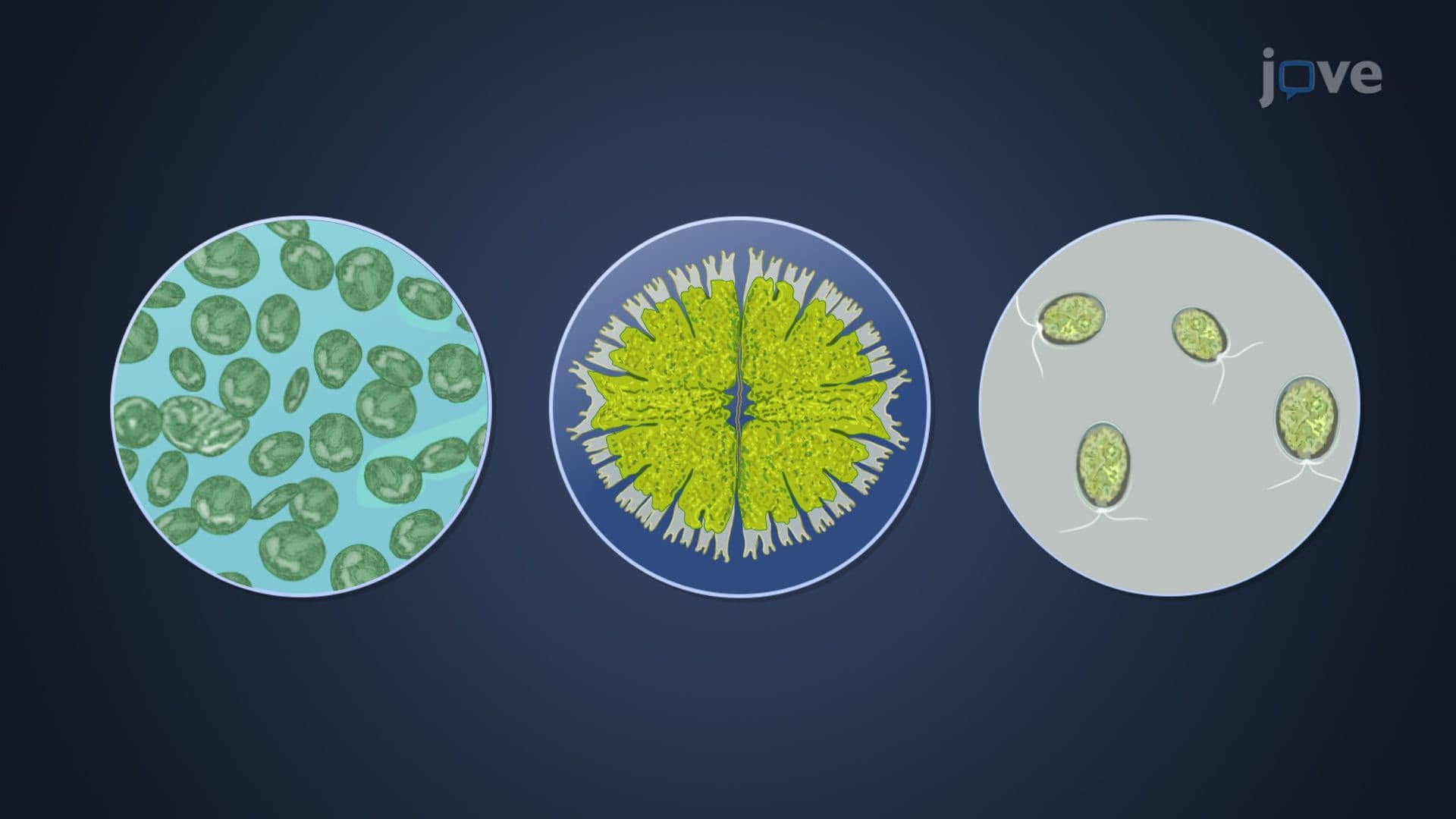
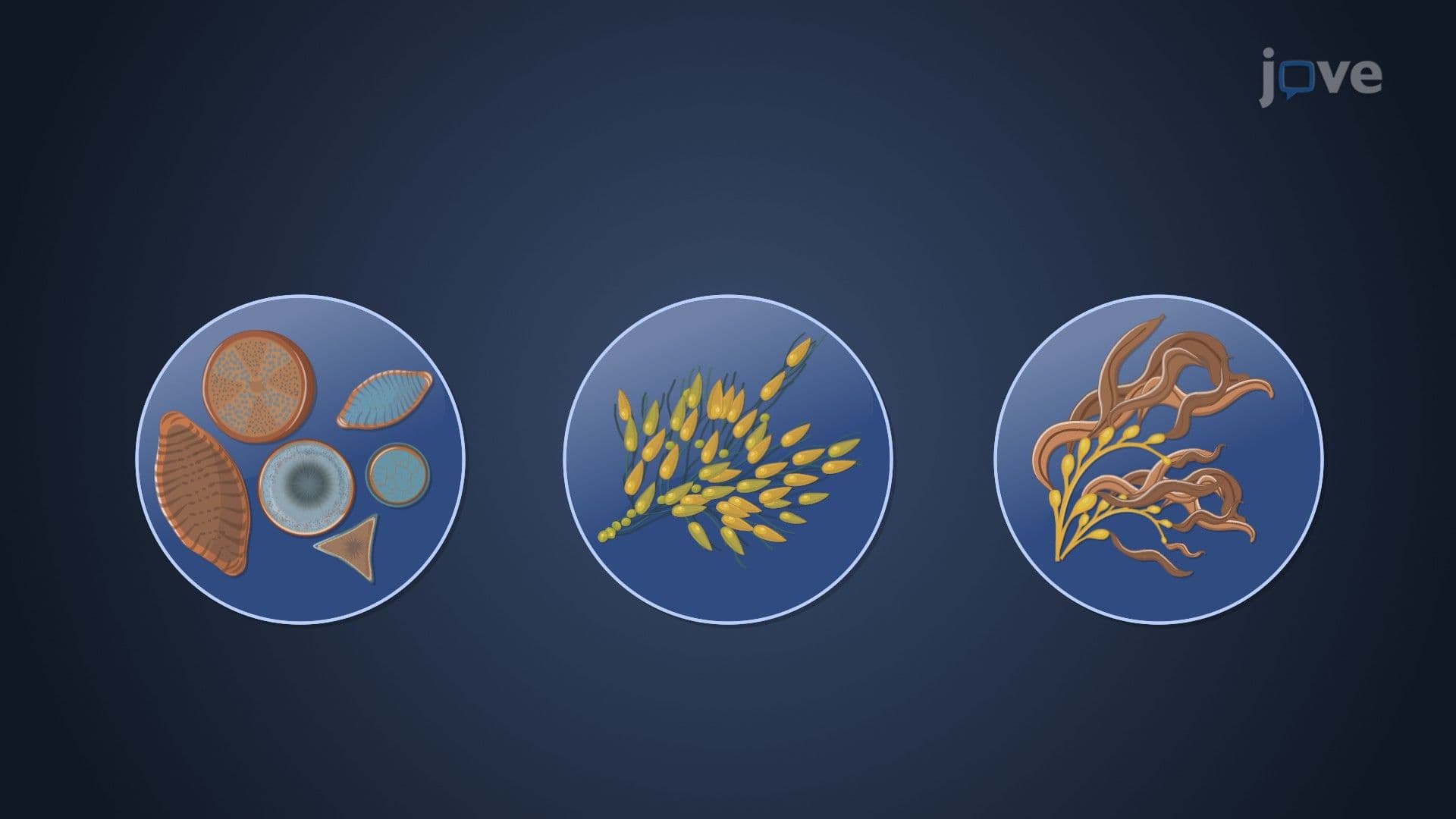
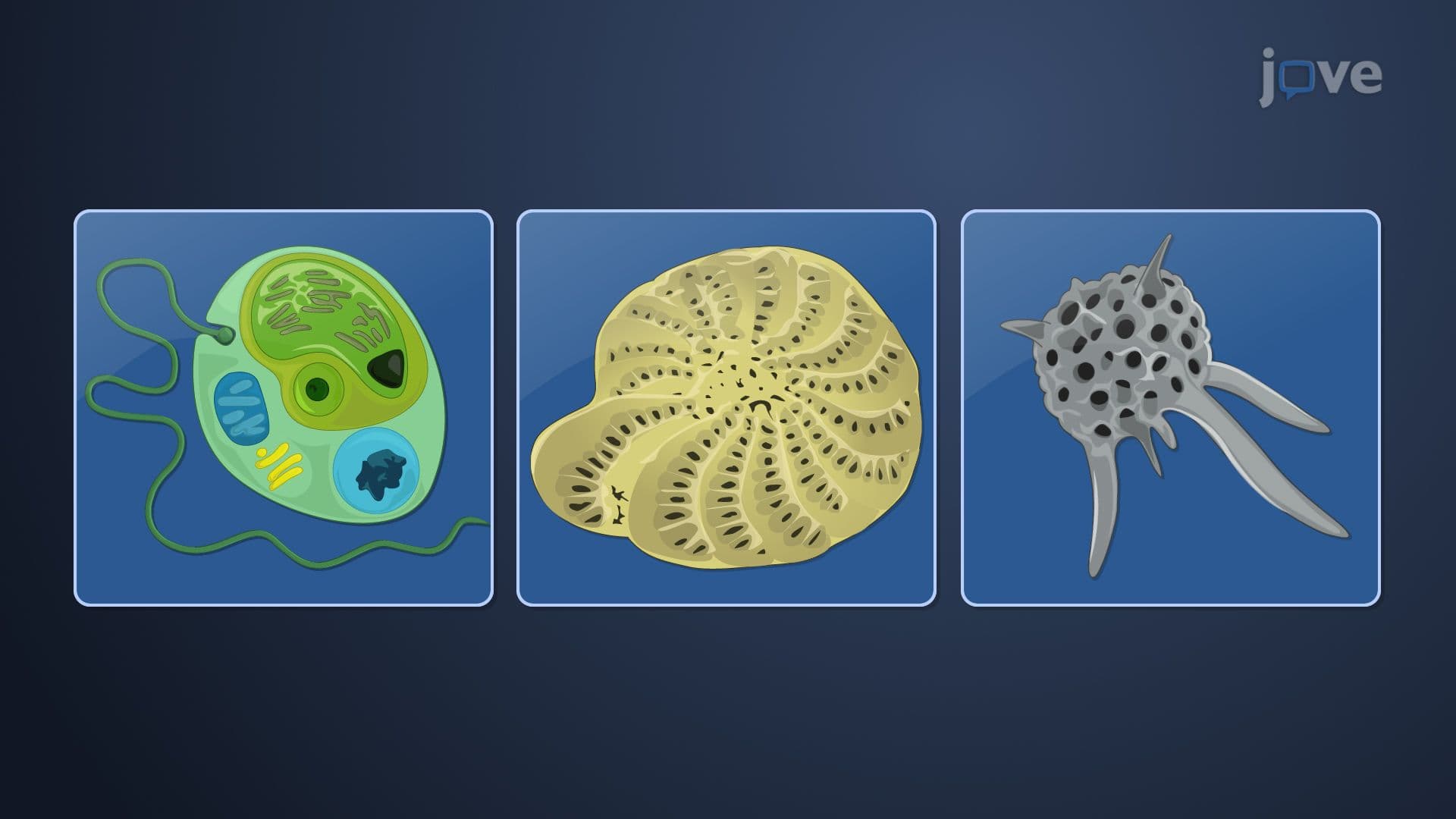
6. Algal Diversity and Environmental Impact: Photosynthetic microorganisms playing crucial roles in aquatic ecosystems and biotechnology applications. Green algae like *Chlorella* are studied for biofuel production and dietary supplements, supporting emerging bioeconomy initiatives. Red algae provide agar used in microbiology laboratories nationwide and carrageenan in food products. Diatoms contribute significantly to global oxygen production and serve as indicators of water quality in EPA environmental monitoring programs. Harmful algal blooms, particularly toxic *Microcystis* in freshwater lakes and *Karenia brevis* causing Florida red tides, impact tourism, fishing industries, and public health, requiring coordinated response from CDC and state health departments.
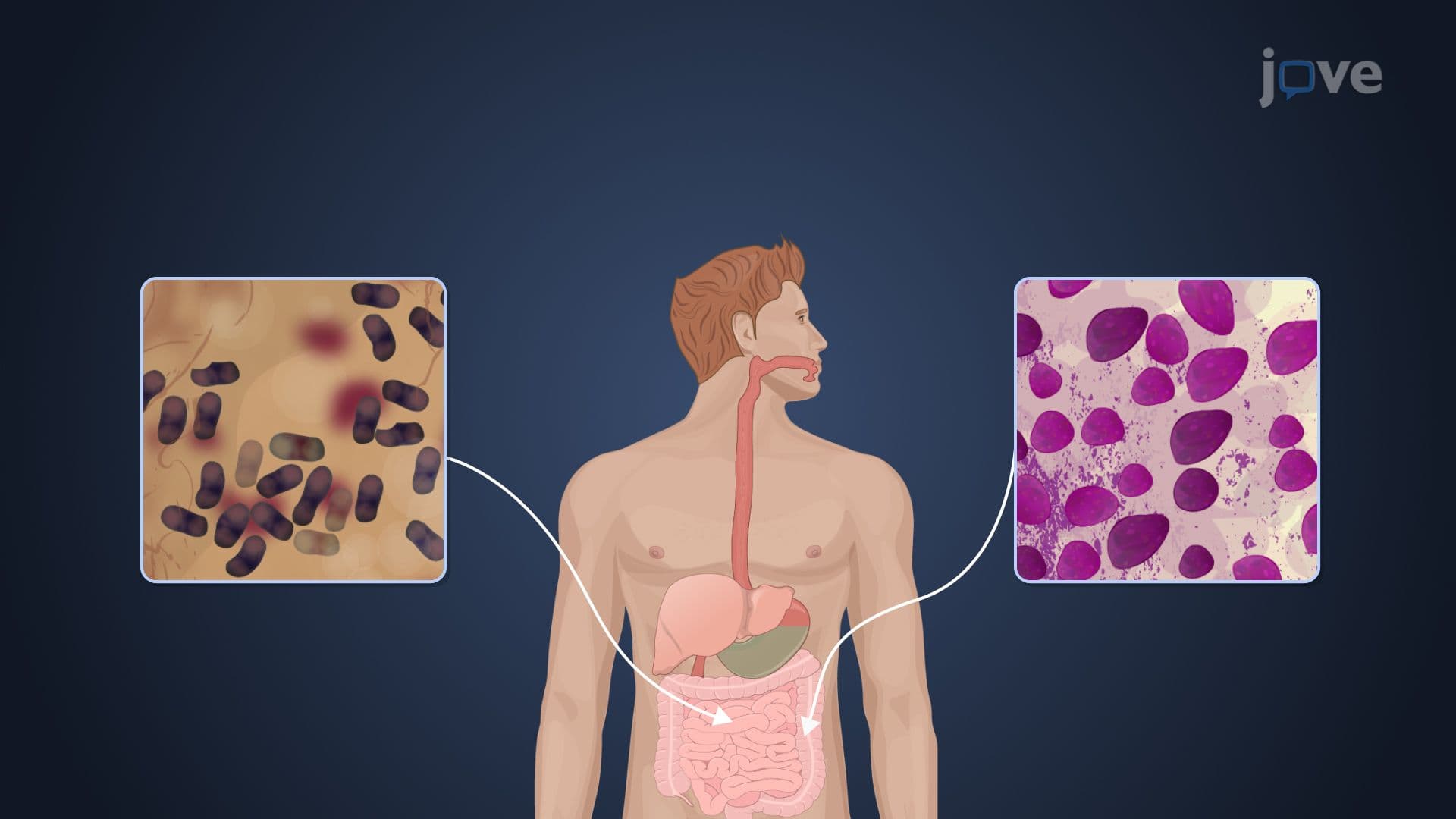
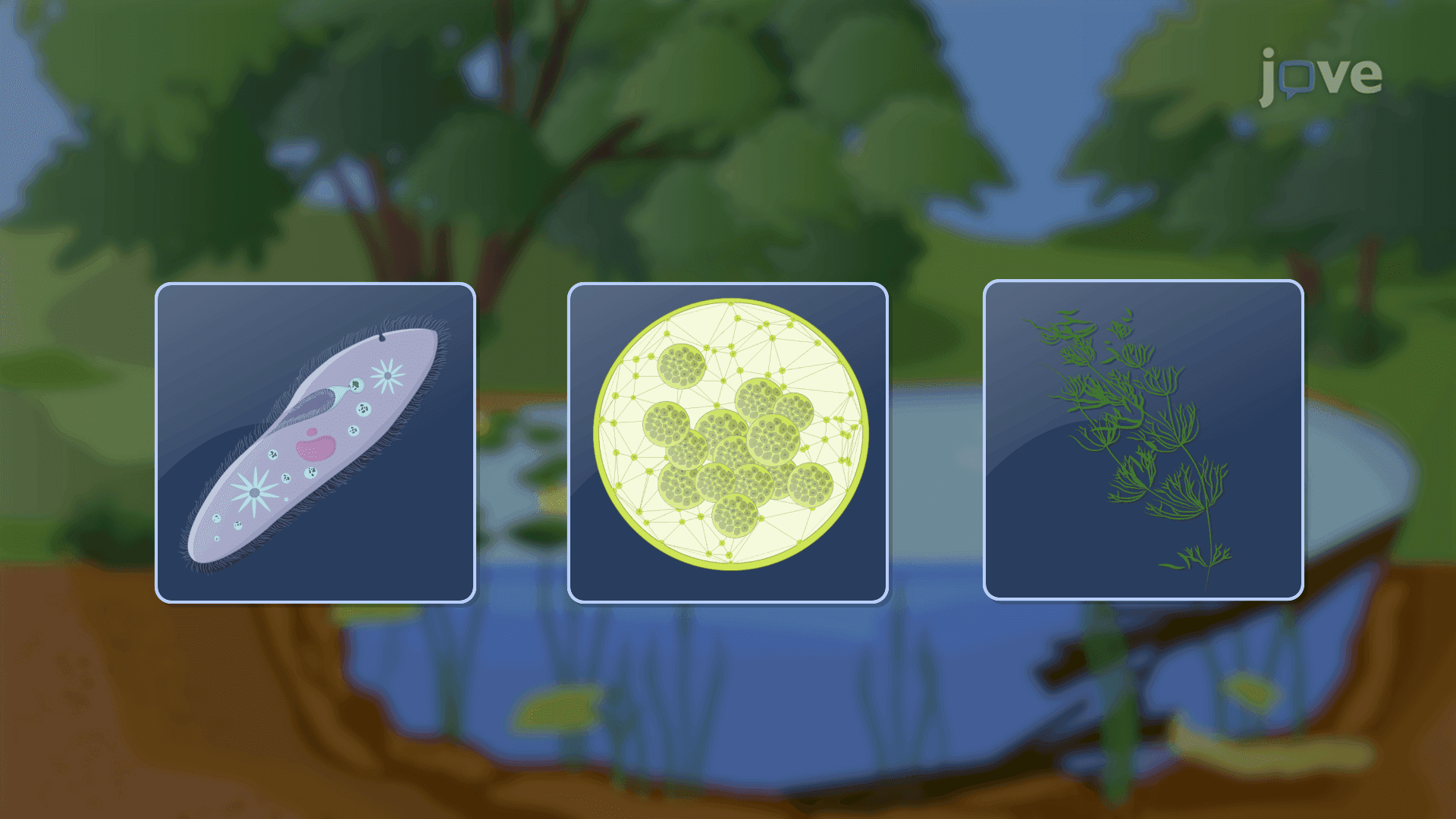
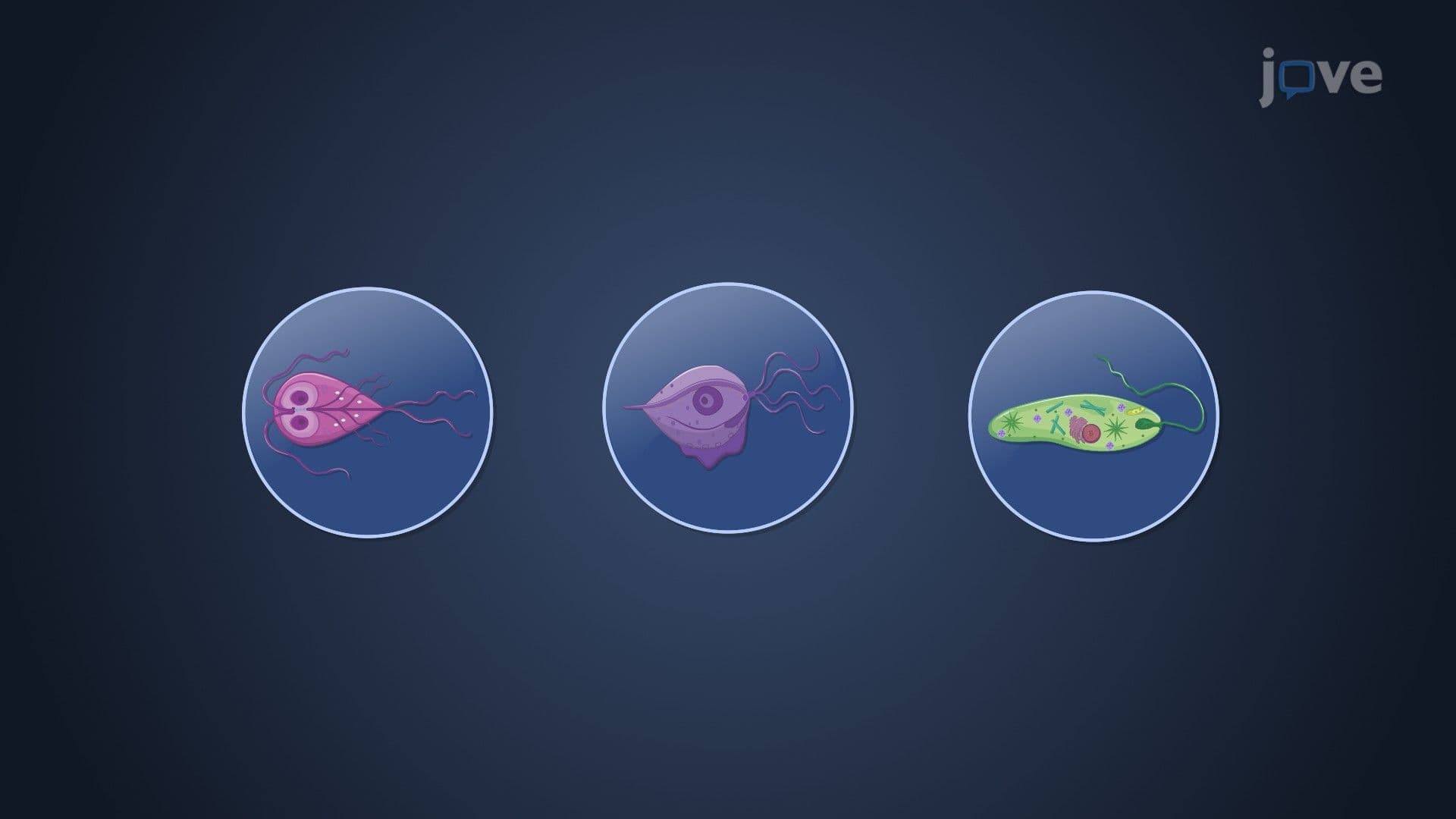
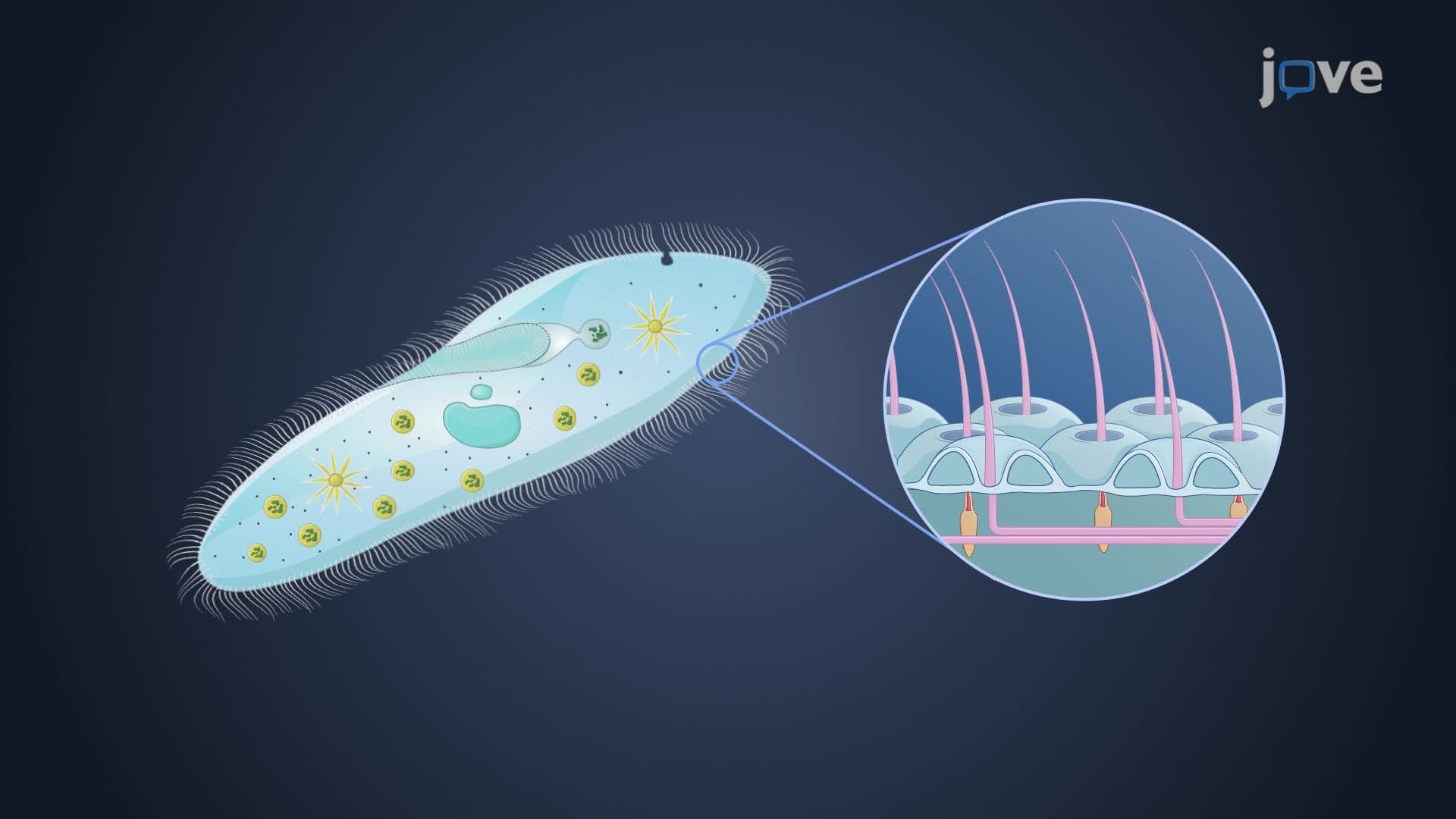
7. Protist Diversity and Disease: Single-celled eukaryotes exhibiting extraordinary diversity in form and function, including several medically significant pathogens. *Plasmodium* species cause malaria, a concern for U.S. travelers to endemic regions and military personnel deployed overseas. *Giardia lamblia* causes giardiasis, the most common waterborne illness in the United States, affecting hikers and campers drinking untreated water. *Entamoeba histolytica* causes amoebic dysentery, primarily affecting immigrants and travelers. Beneficial protists include *Paramecium* used in educational laboratories and marine protists forming the base of oceanic food webs supporting U.S. fisheries. Understanding protist diversity is essential for parasitology, environmental monitoring, and biotechnology applications.
Frequently Asked Questions
The three domains differ primarily in cellular structure and genetic organization. Bacteria have peptidoglycan cell walls and circular DNA in the cytoplasm. Archaea lack peptidoglycan, have unique ether-linked membrane lipids, and often thrive in extreme environments. Eukarya possess membrane-bound nuclei and organelles like mitochondria and chloroplasts.
Molecular techniques like 16S rRNA sequencing and MLST provide precise species identification and can distinguish closely related strains, even detecting single nucleotide differences. Traditional methods based on morphology and biochemical tests often cannot differentiate between pathogenic and non-pathogenic strains of the same species, while molecular methods enable accurate identification crucial for clinical diagnosis and epidemiological investigations.
Focus on the three-domain system, major bacterial phyla (especially Proteobacteria and Firmicutes), extremophile adaptations, and medically relevant microorganisms. Understand how molecular techniques like PCR relate to microbial identification, the role of microbes in biogeochemical cycles, and antibiotic resistance mechanisms. Pay special attention to pathogenic bacteria, fungi, and protists covered in medical microbiology.
Microbial diversity connects to multiple AP Biology topics including evolution, ecology, and molecular biology. Understanding phylogenetic relationships helps with evolutionary concepts, while microbial roles in nutrient cycling connects to ecosystem dynamics. Molecular taxonomy techniques relate to biotechnology applications, and studying extremophiles reinforces concepts about adaptation and natural selection.
Microorganisms are essential for food production (yogurt, cheese, bread), pharmaceutical manufacturing (antibiotics, insulin), waste treatment, and environmental cleanup. They also cause diseases requiring public health interventions, from foodborne illnesses to healthcare-associated infections. Understanding microbial diversity helps explain everything from why we pasteurize milk to how probiotics might benefit health.
The main challenge is the sheer number of different groups and their complex relationships. Start by mastering the three-domain system framework, then focus on major characteristics of each phylum rather than memorizing every genus. Use visual aids to understand cell structures and life cycles, and connect each group to familiar examples or applications to make the information more meaningful.
Create comparison charts highlighting key features of each major group, focusing on cell wall composition, metabolism, and ecological roles. Use mnemonics for remembering phylum names and their characteristics. Practice with case studies connecting microorganisms to real-world applications like food safety, medicine, or environmental issues. Regular review with flashcards helps memorize the hierarchical classification system.
Microbial diversity research drives advances in medicine (developing new antibiotics), biotechnology (engineering microbes for biofuel production), and environmental science (using microbes for pollution cleanup). Career opportunities include clinical microbiology, pharmaceutical research, environmental consulting, and biotechnology development. The COVID-19 pandemic highlighted the importance of microbiologists in public health and diagnostic testing.
This microcourse includes 37 concept videos that walk you through the building blocks of Microbiology. Each video is short, about 1 minute, so you can cover a full topic during a coffee break or between classes. The full sequence starts with Three-Domain System of Life and ends with Diversity of Protists IV.
The natural next step is Viruses. Once you finish those, the full Microbiology curriculum of 8 microcourses on JoVE Coach opens up, taking you from foundational concepts to advanced systems.