Loading video…

 37 Concepts
 13.4K views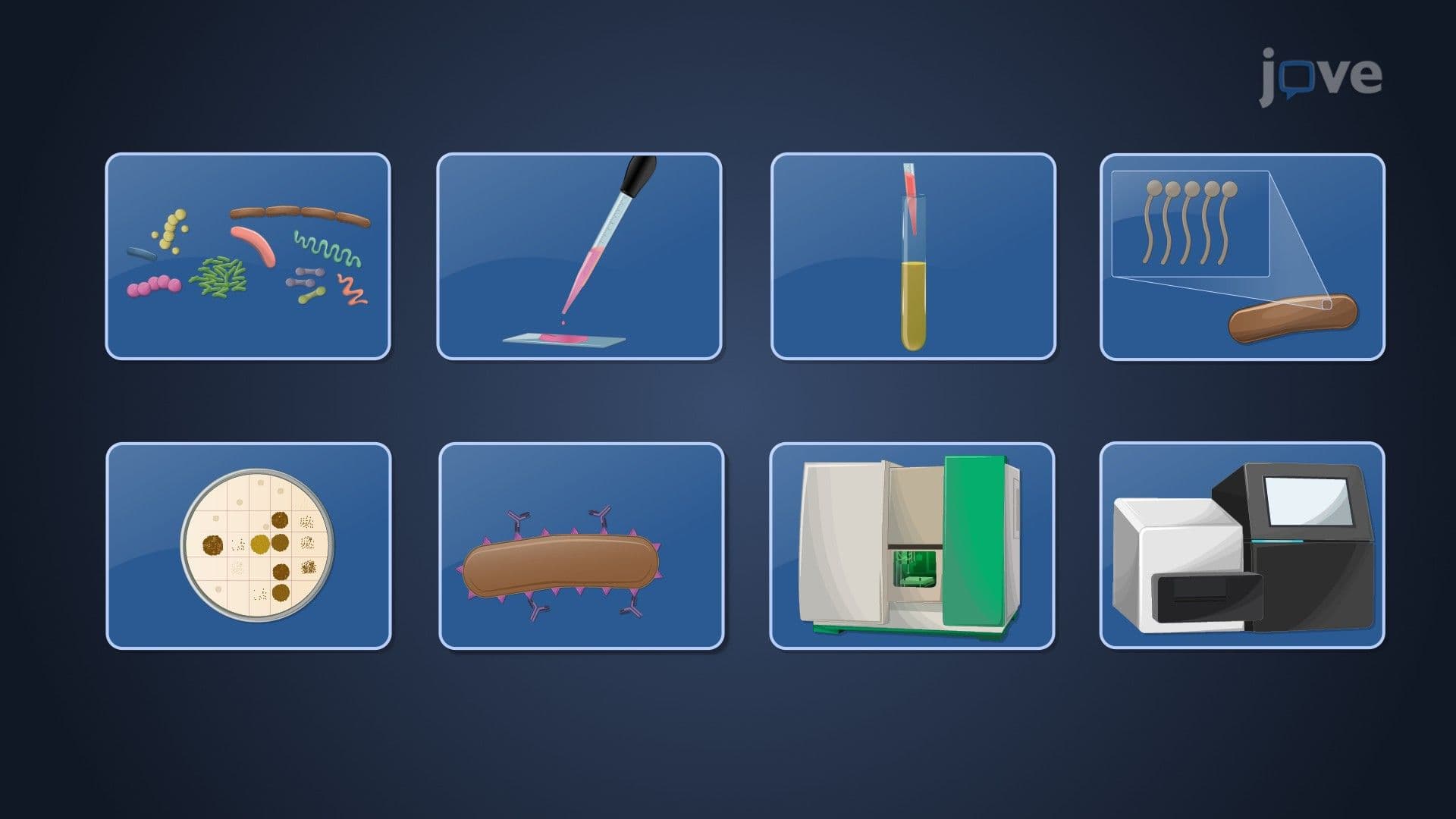

Video Summary: Methods of Classification and Identification Guide
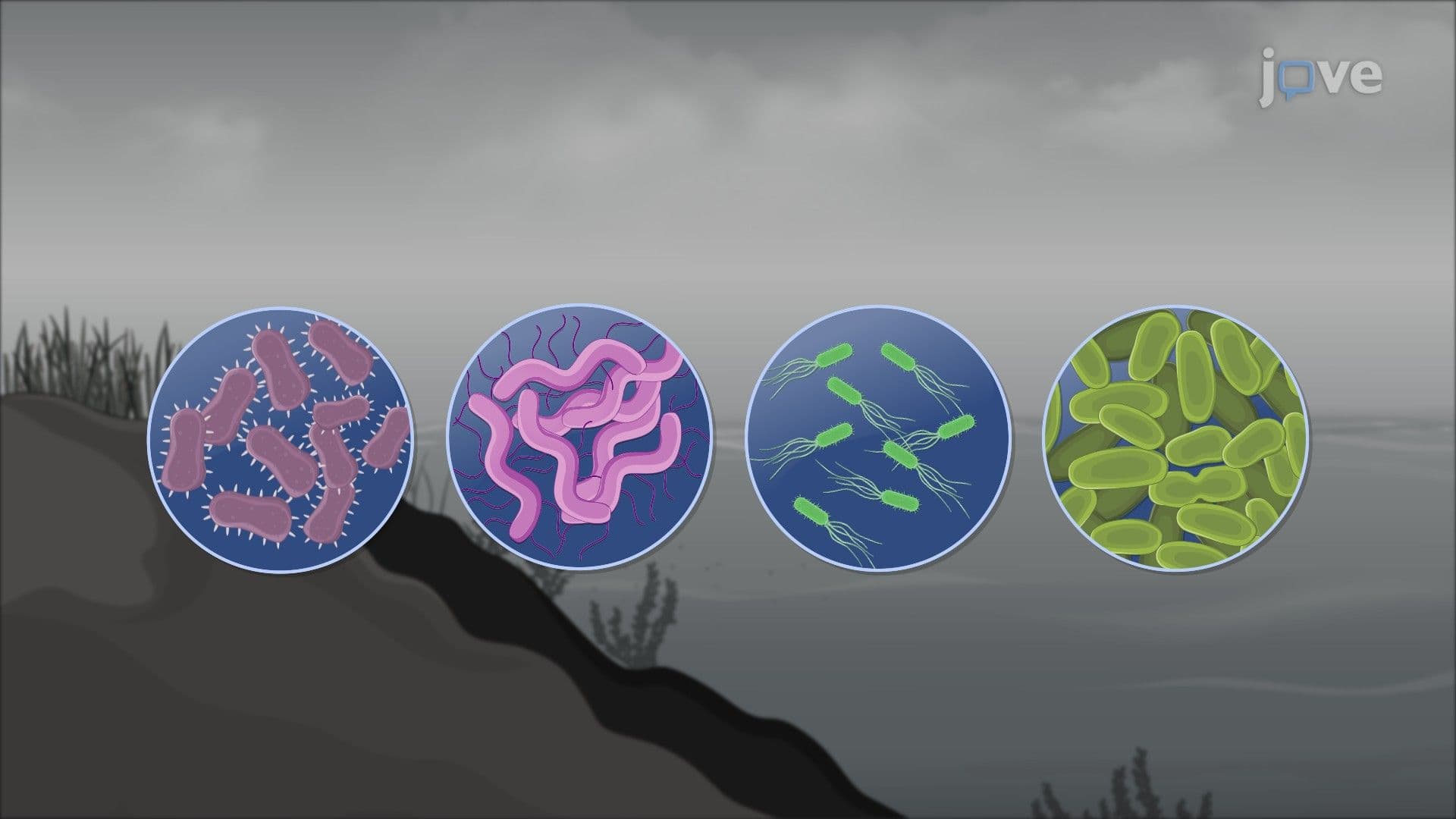
Ever wonder how scientists at the CDC identified the exact strain of E. coli causing a foodborne outbreak across multiple states? Methods of classification and identification provide the scientific framework for distinguishing between different bacterial species and strains. From simple microscopy used in high school labs to sophisticated DNA sequencing employed by research institutions like Johns Hopkins, these techniques form the backbone of microbiology diagnostics. Watch the full video on JoVE Coach to master this concept with expert-led visuals and step-by-step explanations.
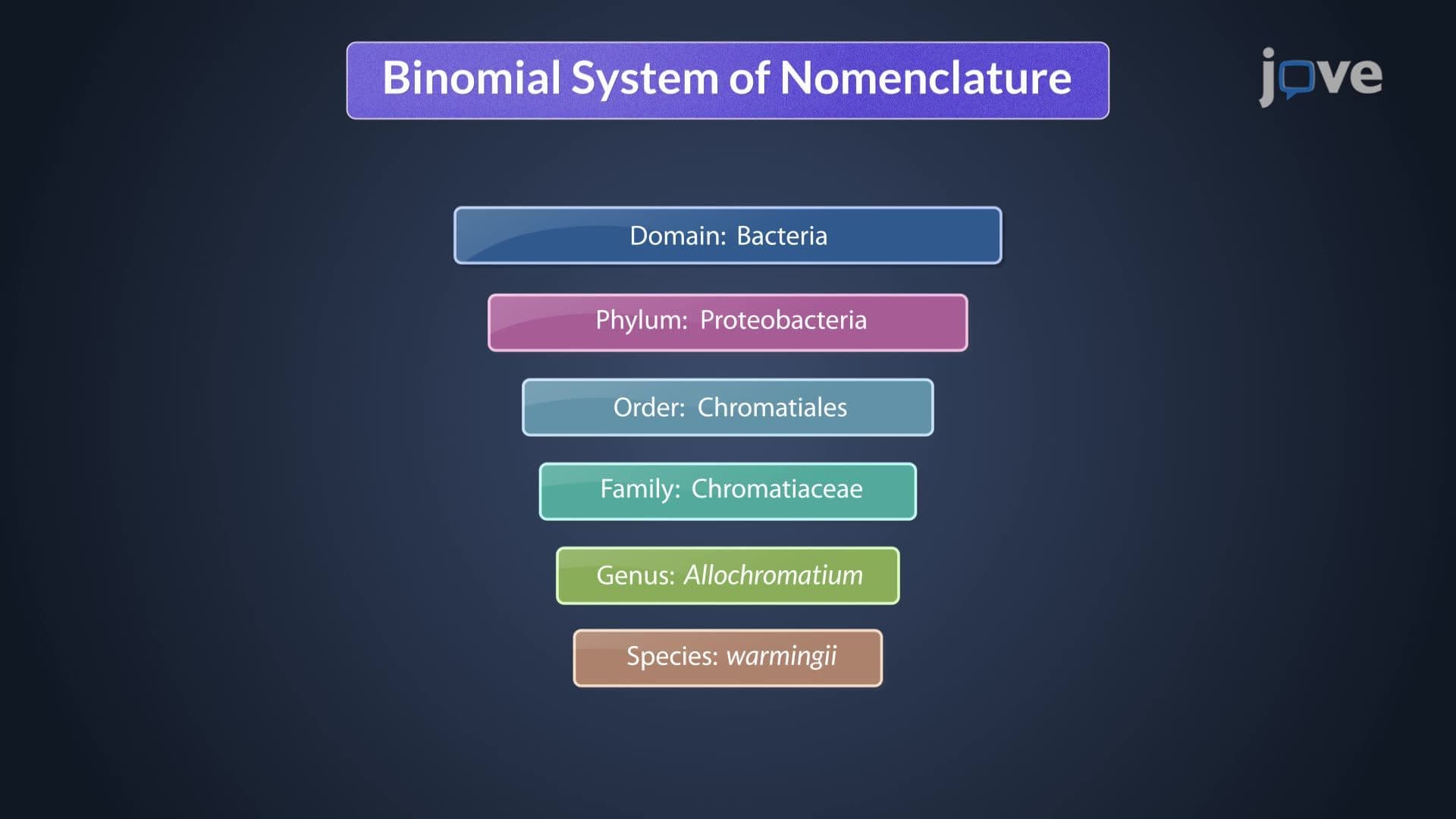
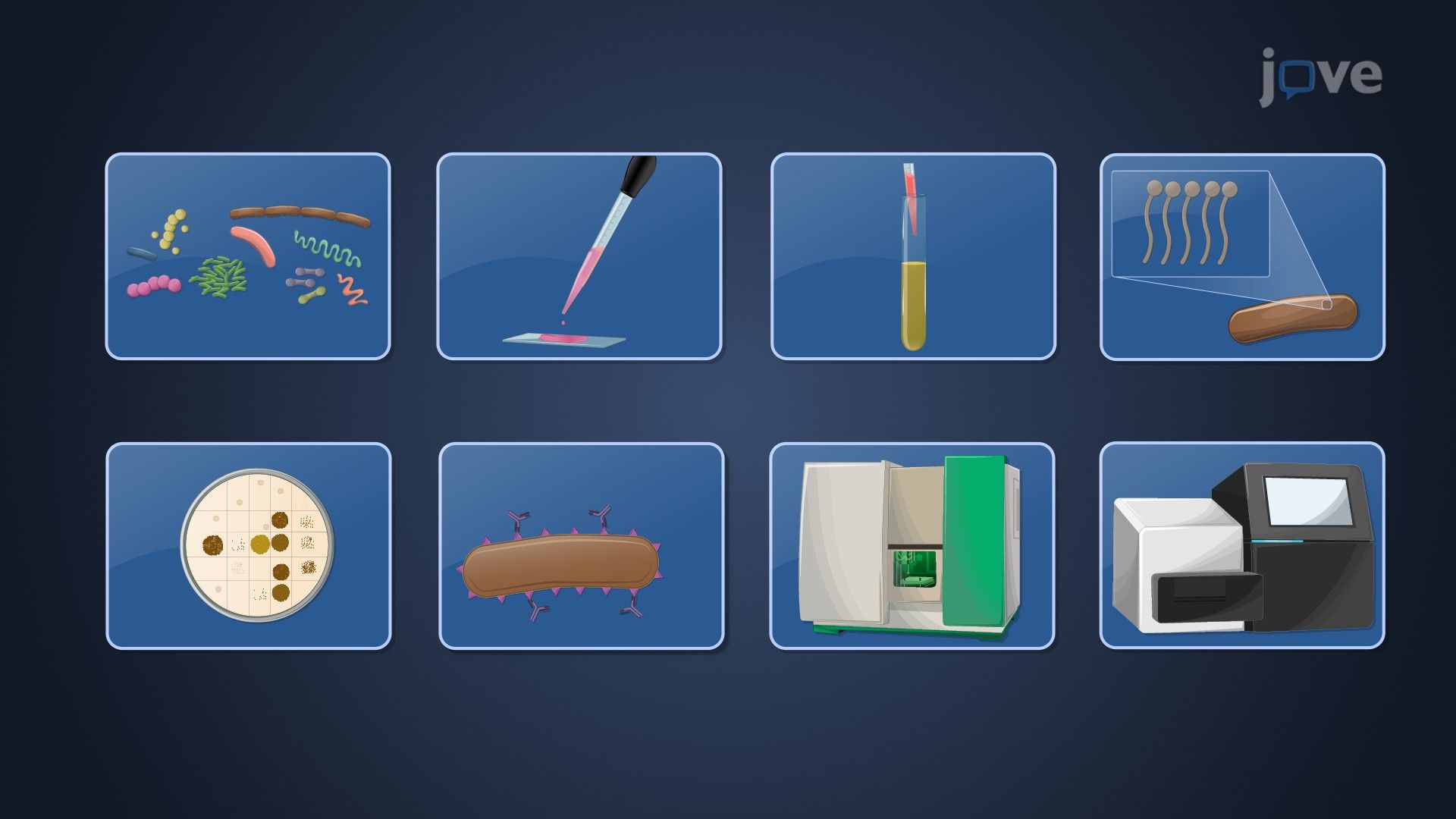
Methods of classification and identification represent a systematic approach to categorizing and distinguishing bacterial species based on their unique characteristics. These techniques have evolved from simple observational methods to sophisticated molecular analyses, forming the foundation of modern microbiology and infectious disease diagnosis.
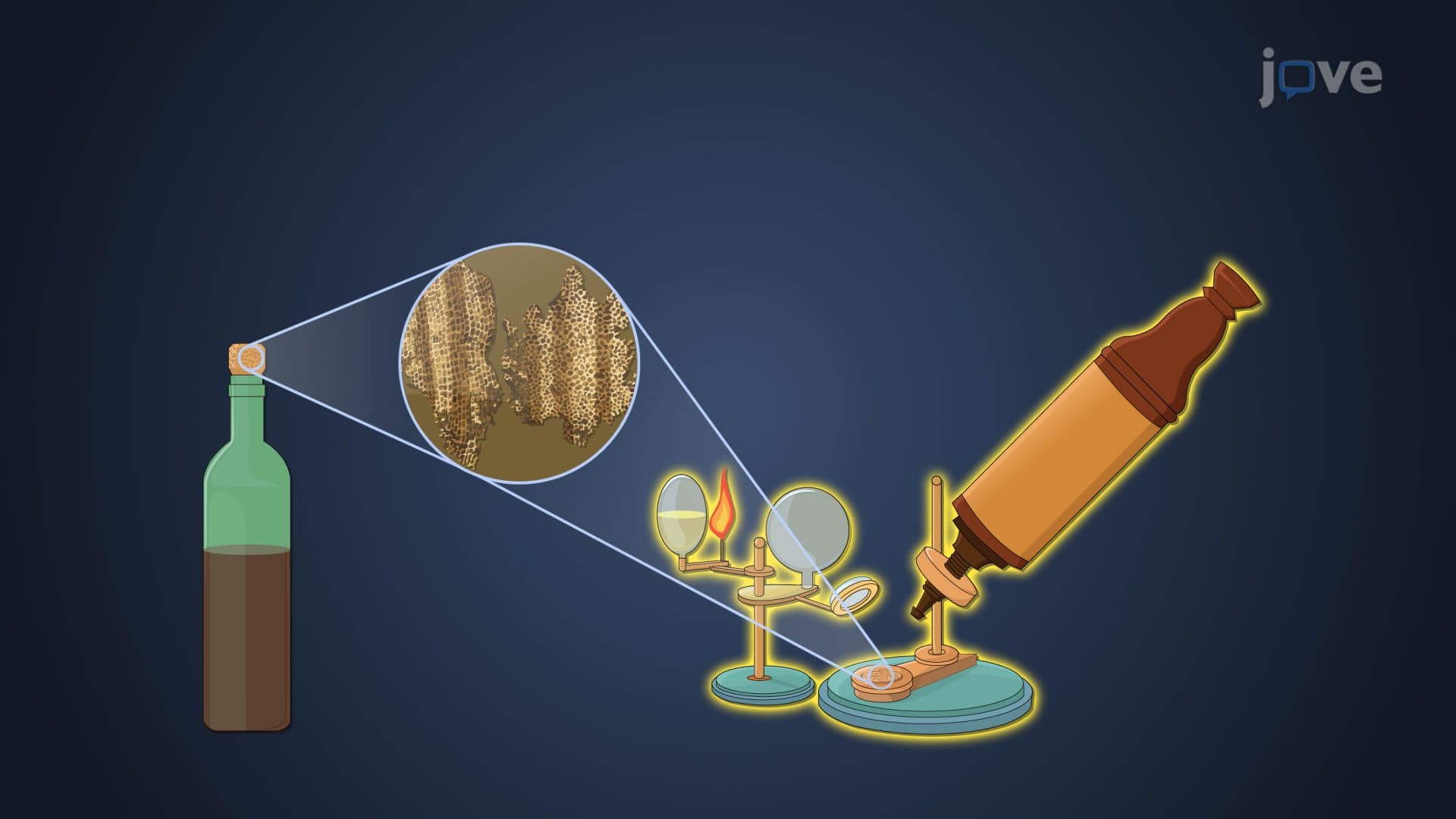
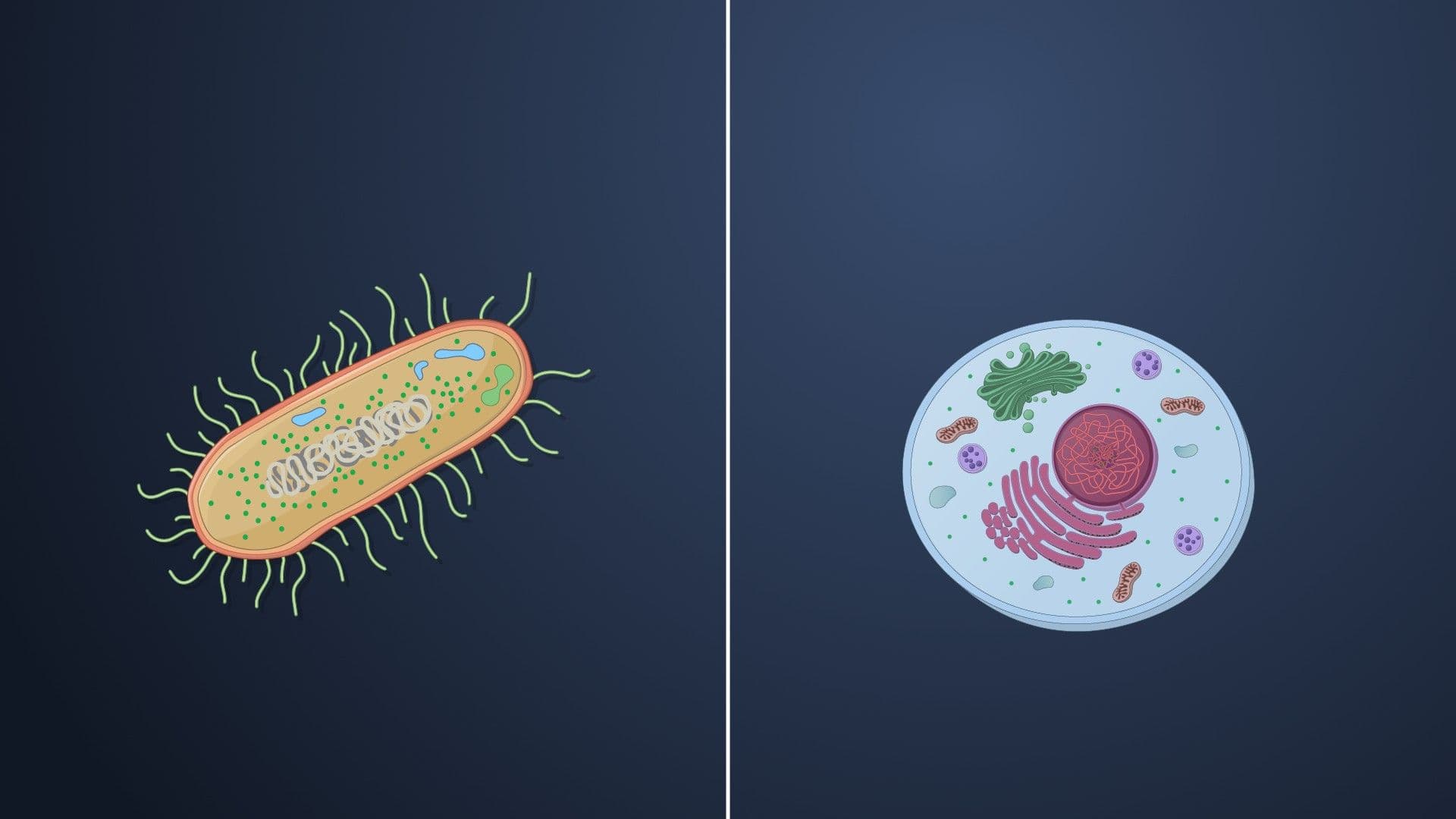
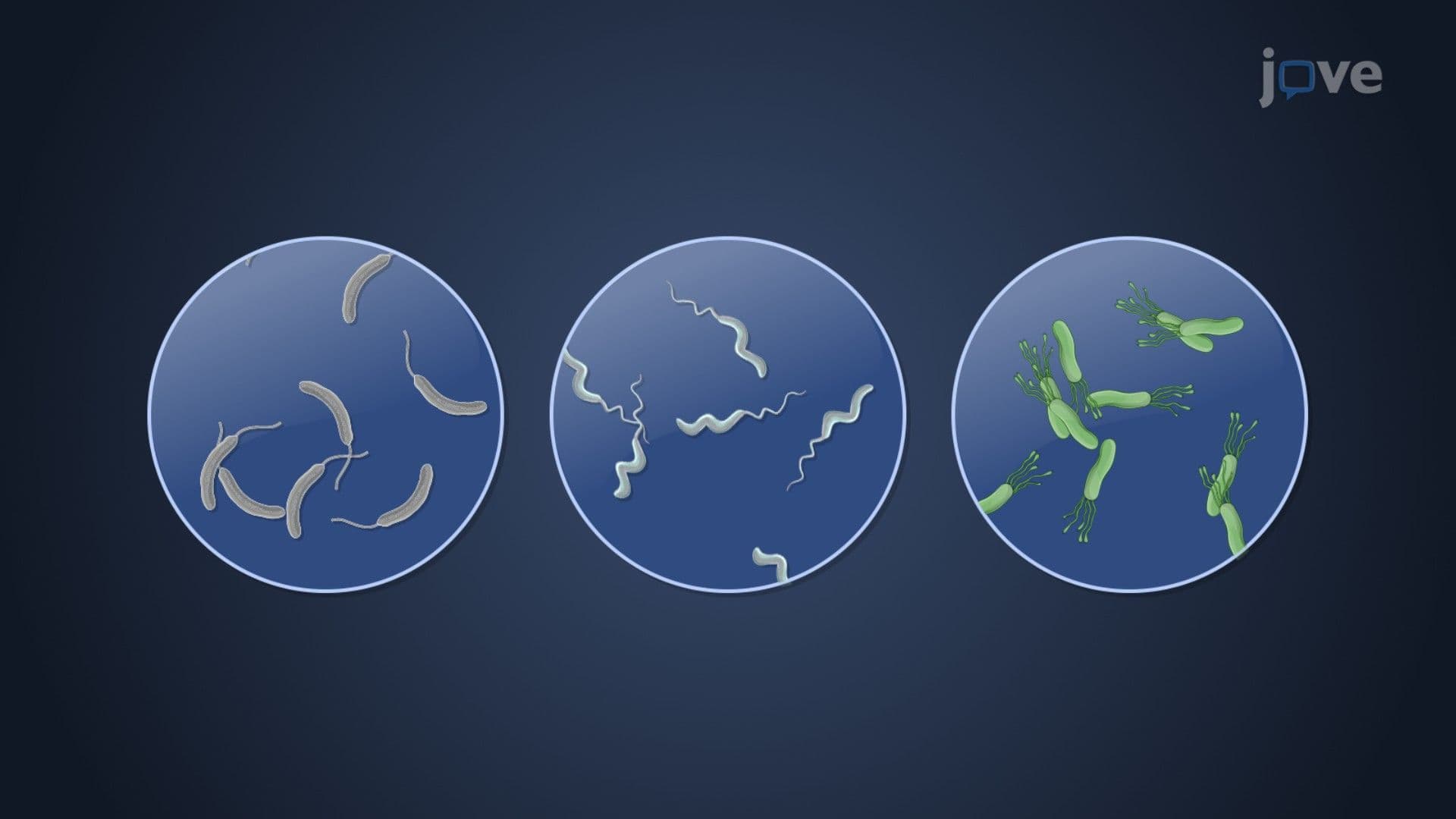
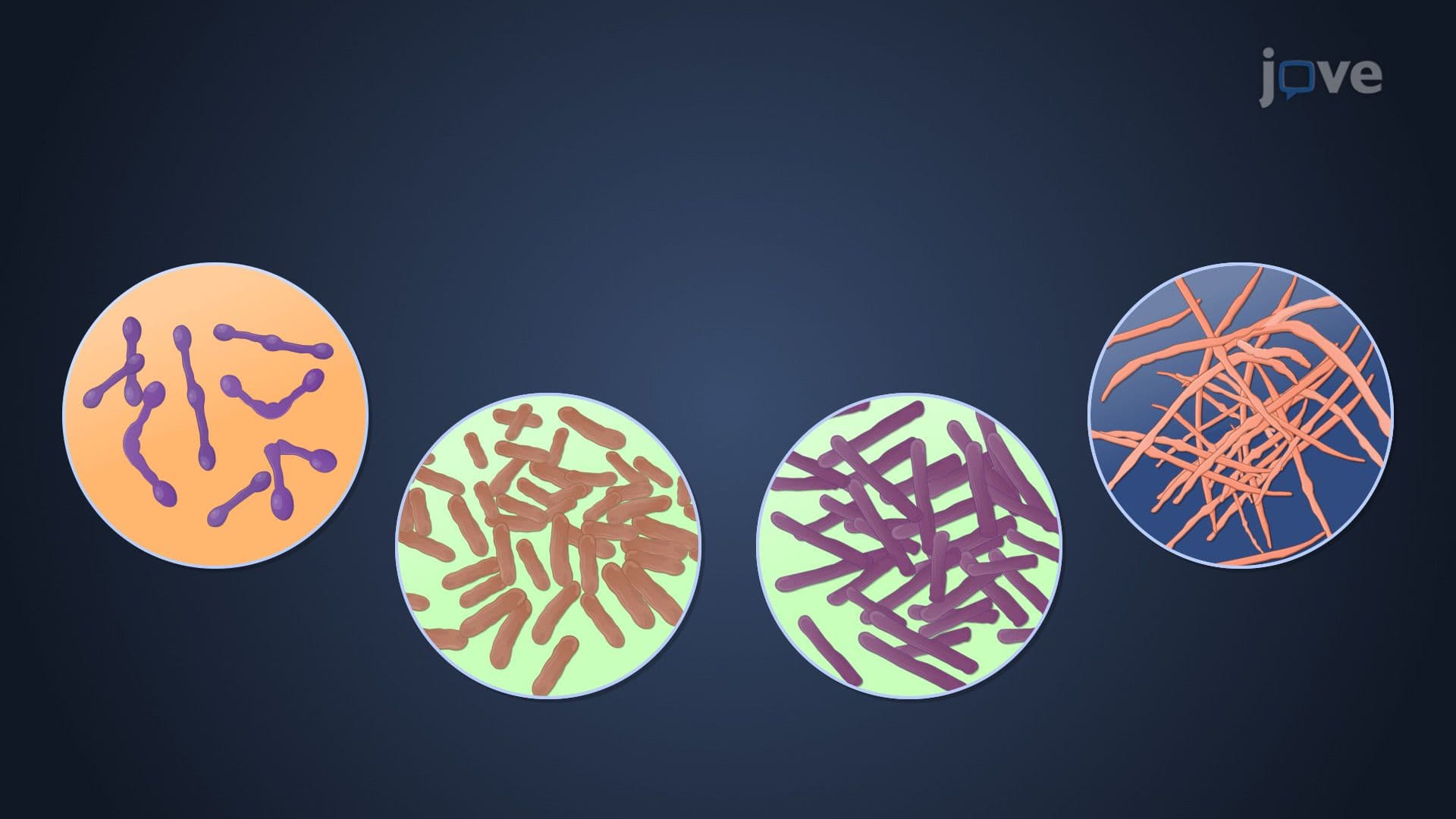
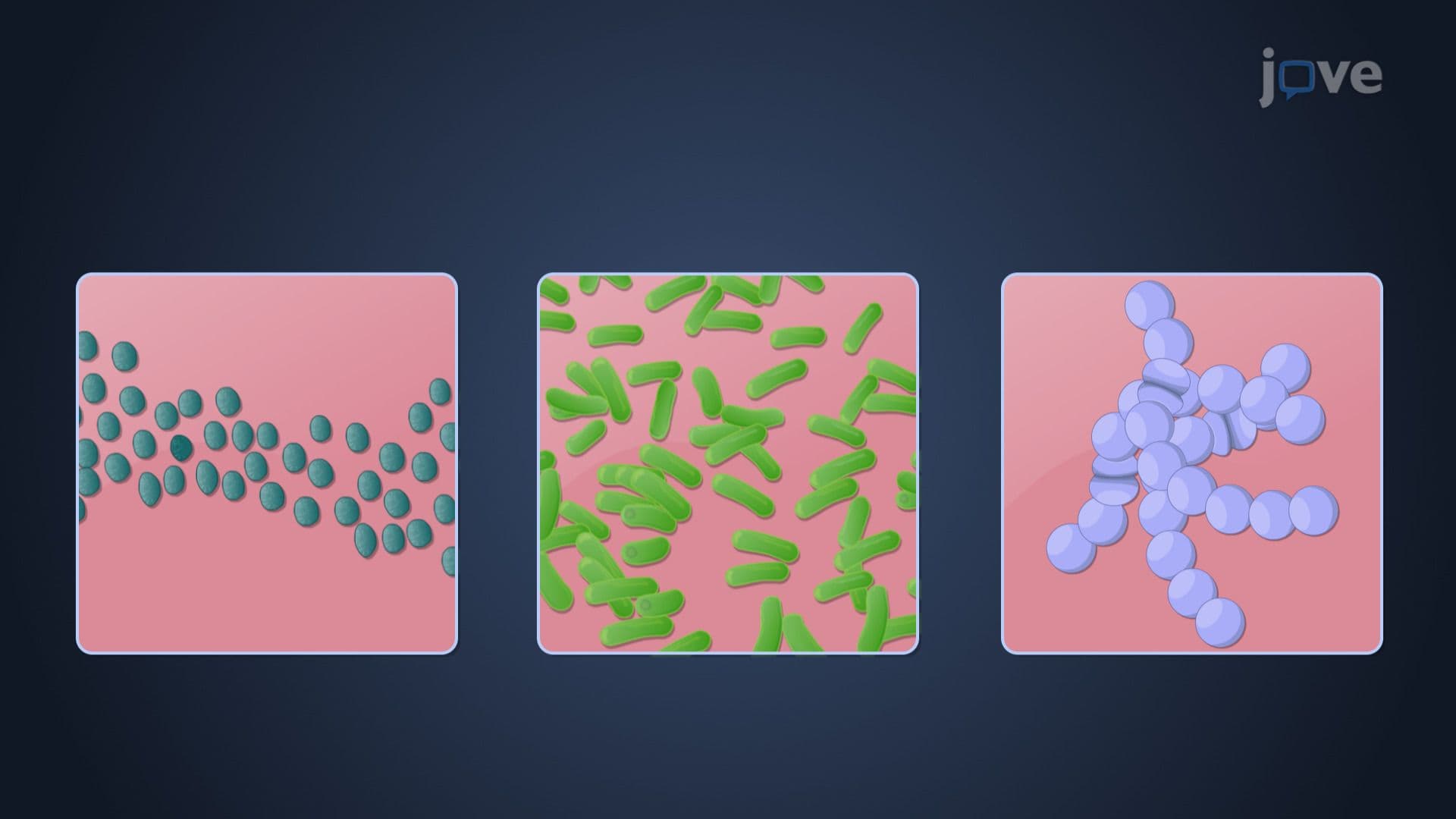
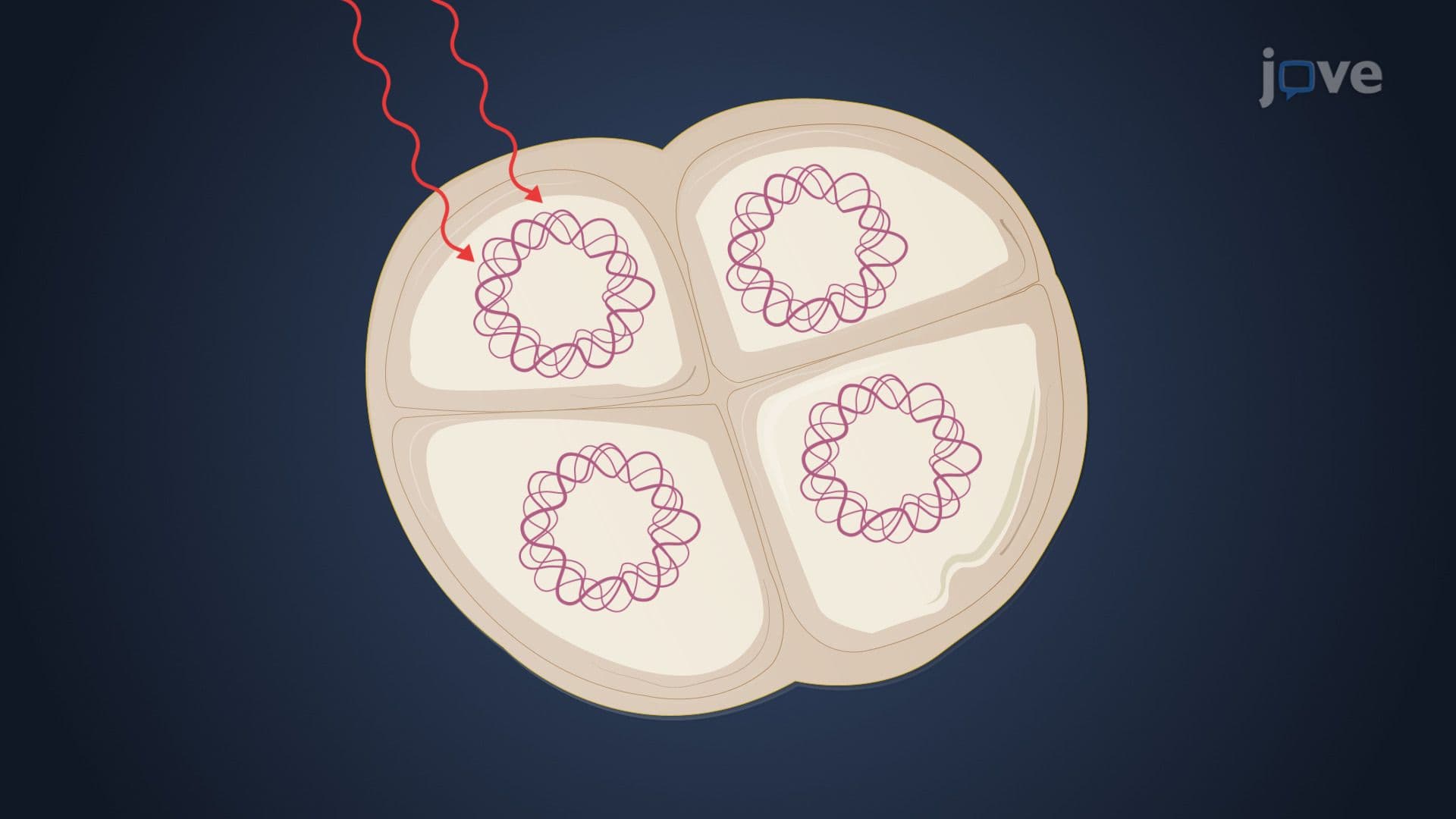
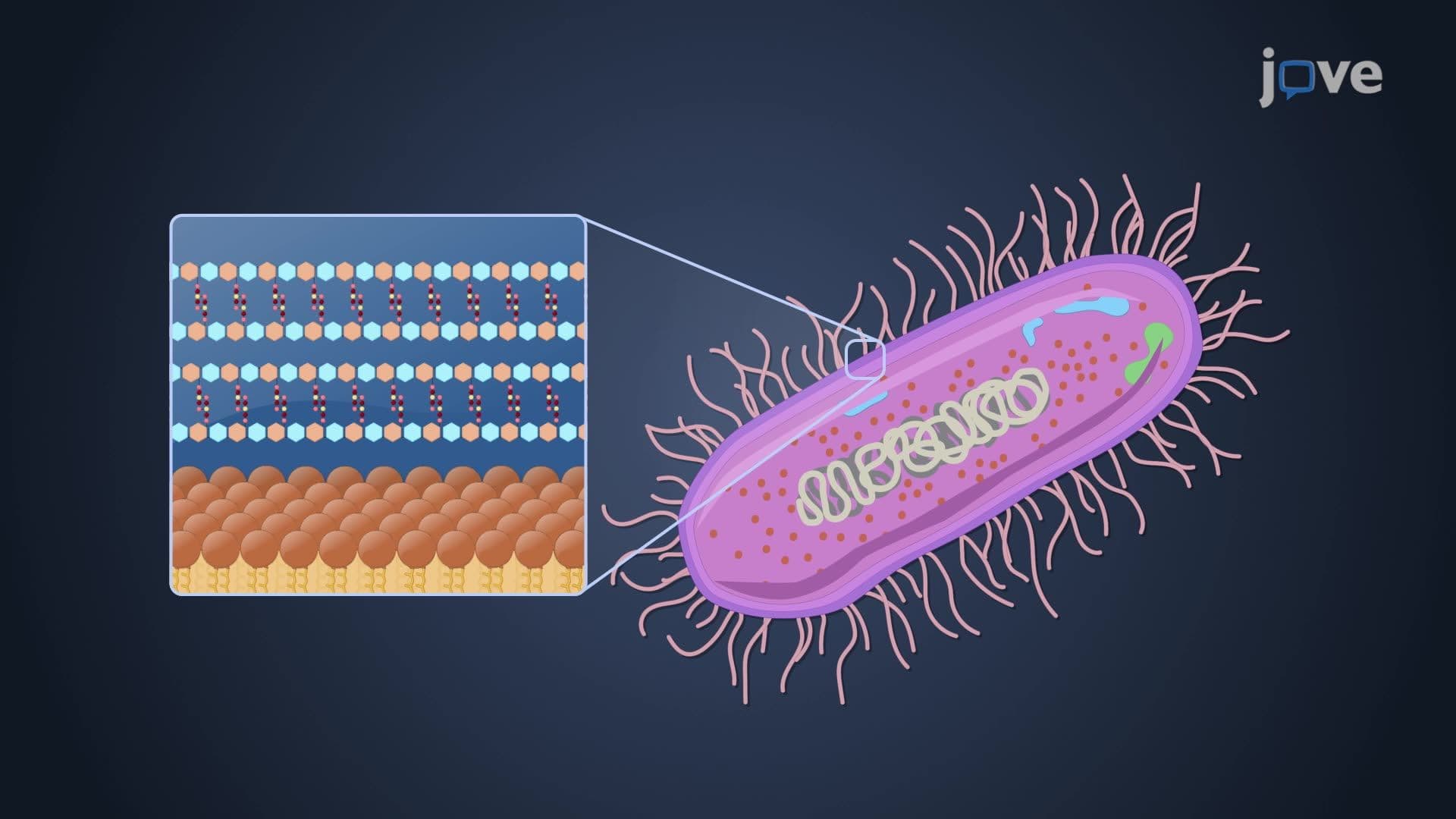
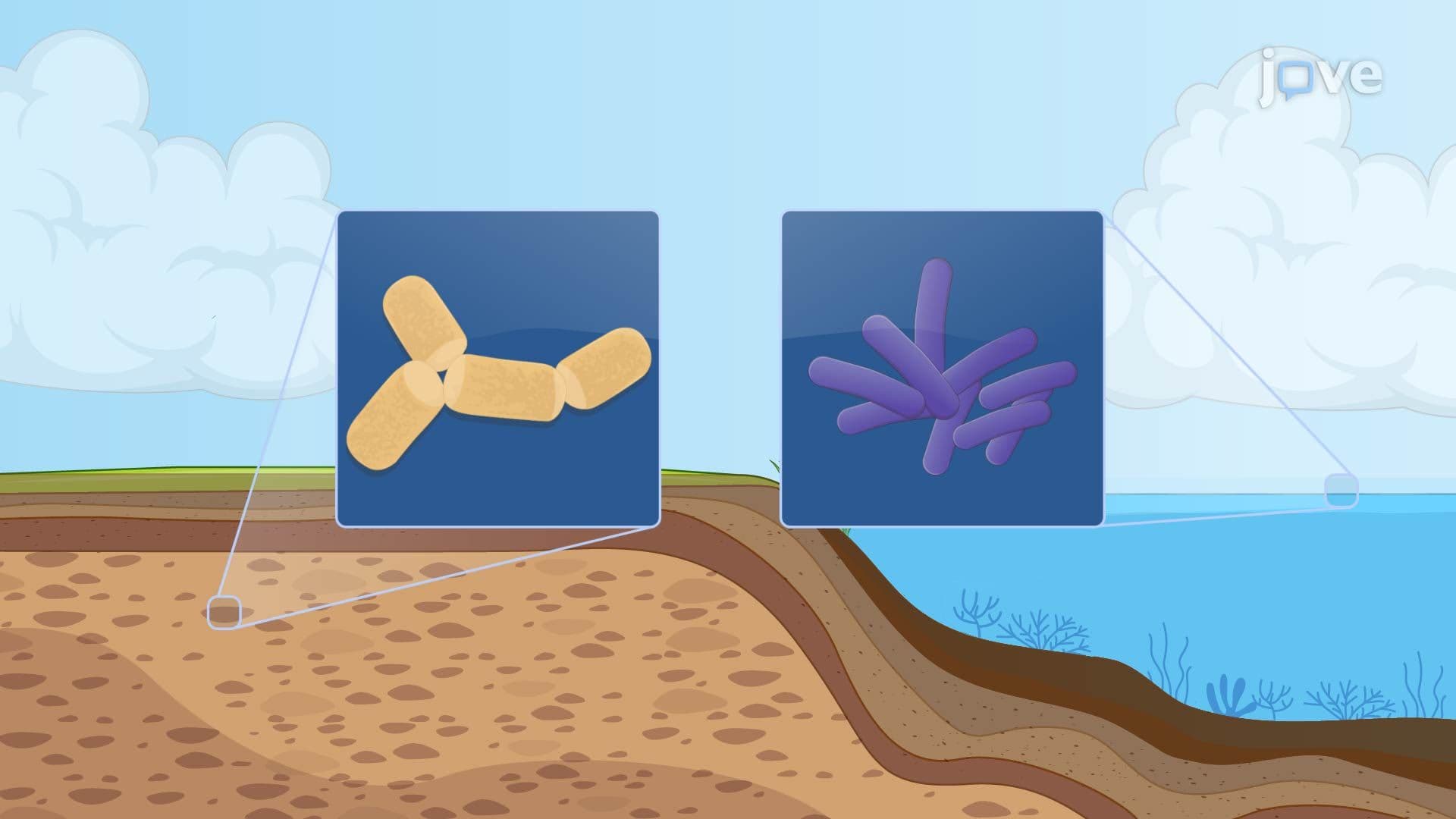
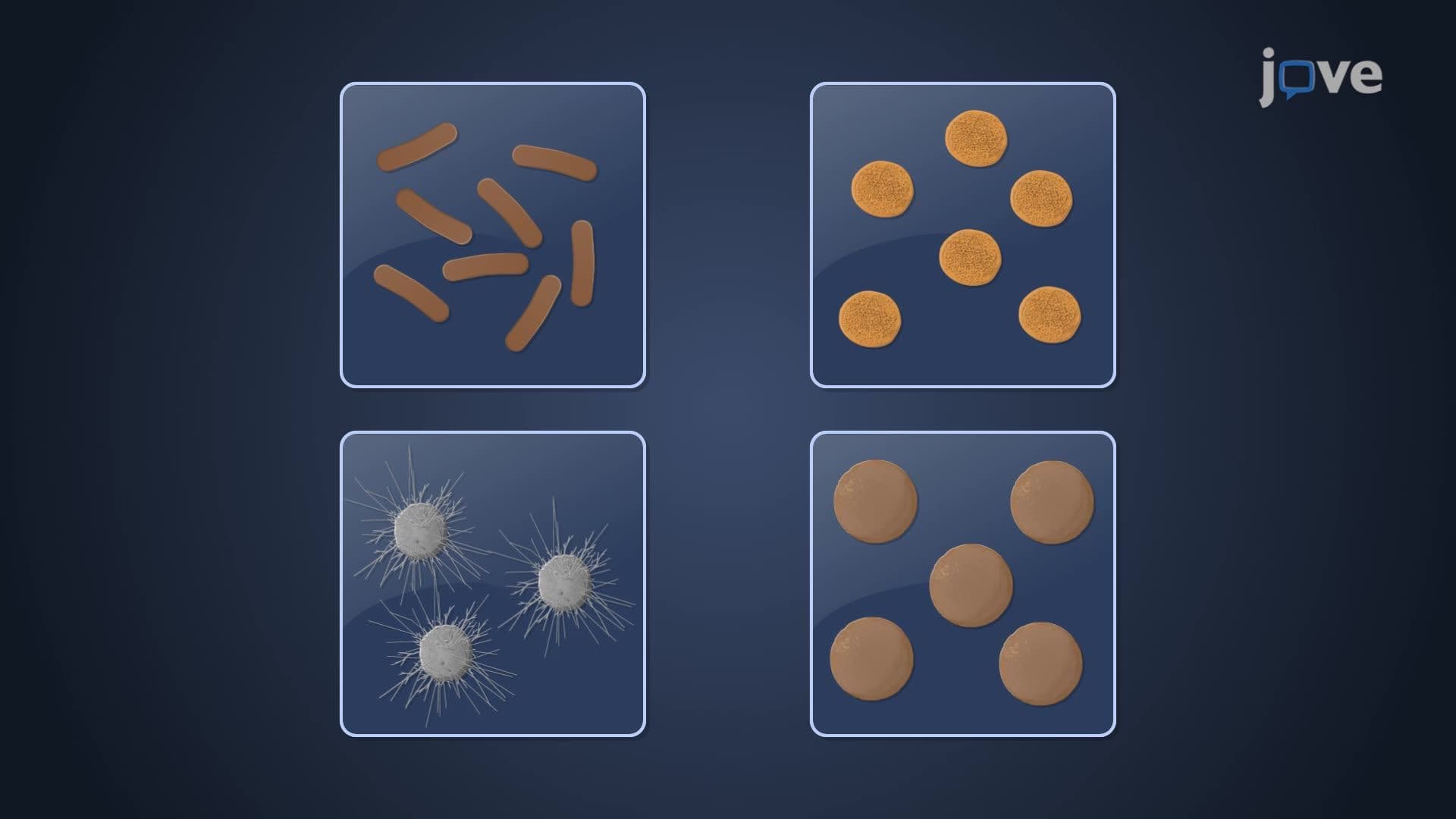
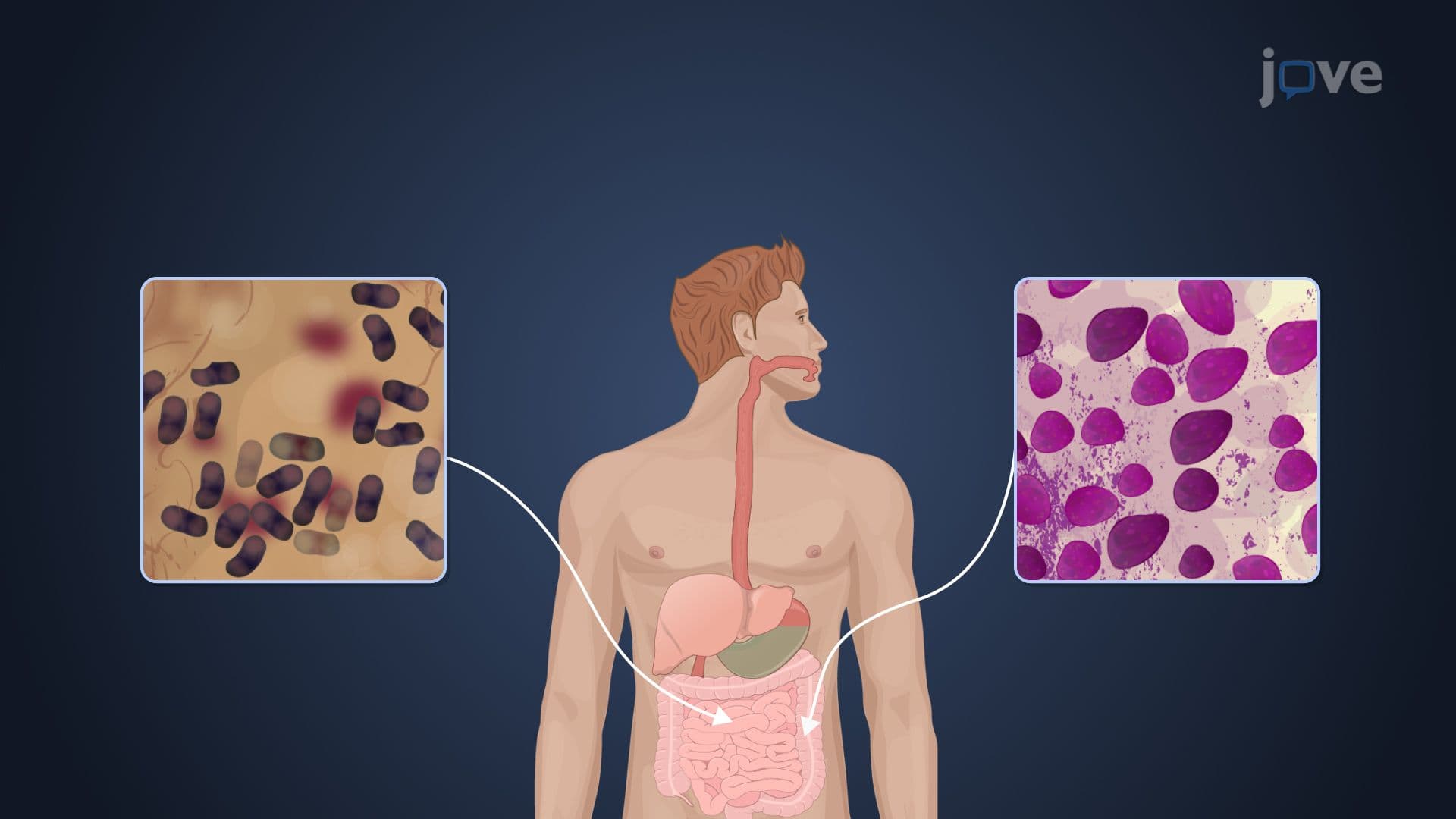
Cell morphology serves as the initial step in bacterial identification, where scientists observe shape (cocci, bacilli, spirilla), arrangement, and size under microscopy. However, morphology alone provides limited information. Differential staining techniques, particularly Gram staining, revolutionize bacterial classification by revealing cell wall composition differences. Gram-positive bacteria retain the crystal violet stain due to their thick peptidoglycan layer, appearing purple, while Gram-negative bacteria appear pink after safranin counterstaining. This fundamental distinction guides antibiotic selection in clinical settings and appears frequently on MCAT and AP Biology exams.
Biochemical tests exploit differences in bacterial enzymatic activities to distinguish species, particularly within the Enterobacteriaceae family. Classic tests include catalase (differentiating Staphylococcus from Streptococcus), oxidase testing, and carbohydrate fermentation patterns. These methods remain crucial in clinical laboratories across the United States, from small community hospitals to major medical centers like Mayo Clinic and Cleveland Clinic.
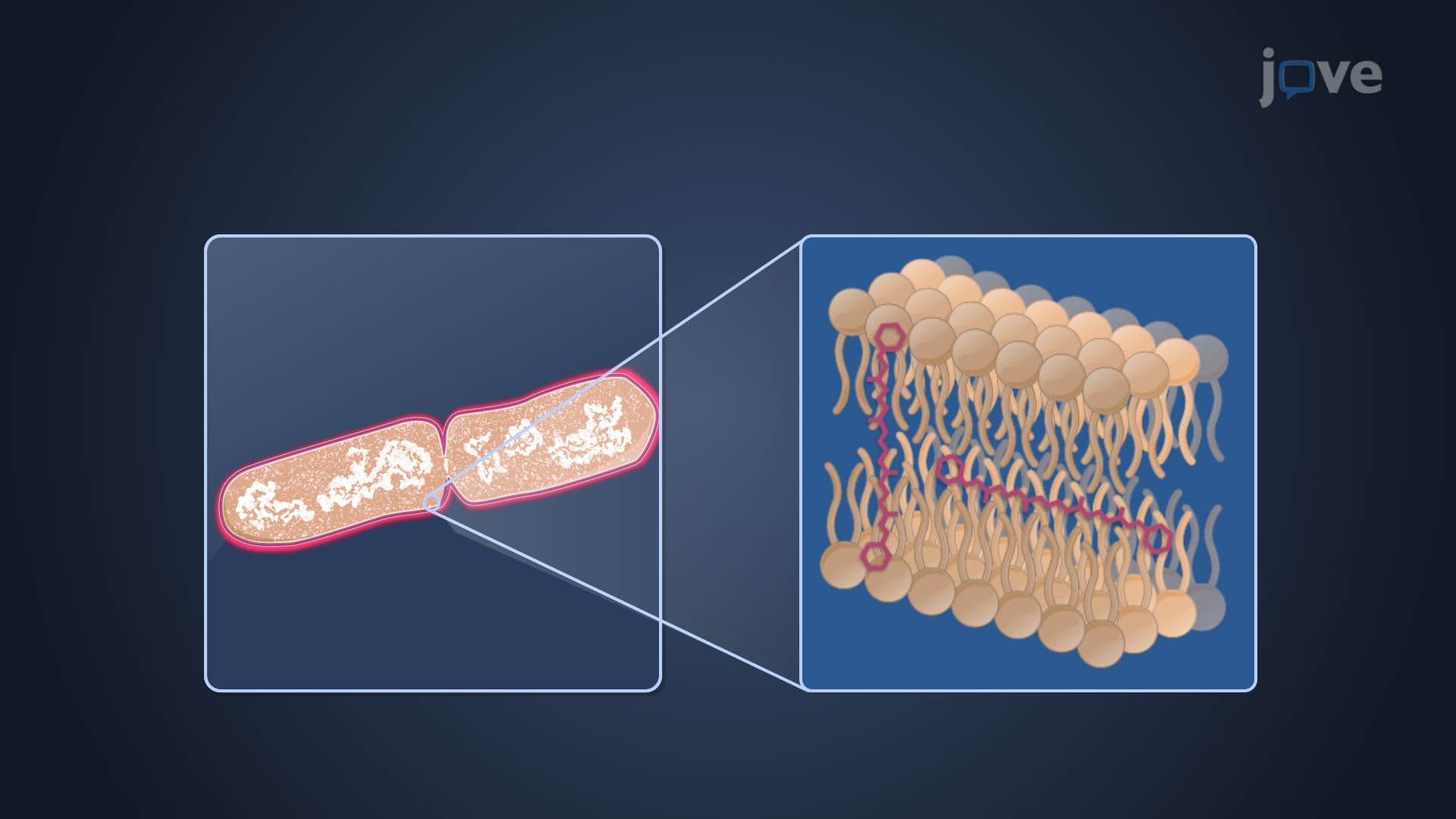
FAME (Fatty Acid Methyl Ester) analysis represents a more sophisticated biochemical approach, identifying bacteria based on their unique fatty acid profiles. Each species produces distinct fatty acid patterns, creating molecular fingerprints used by the CDC and state health departments for outbreak investigations and environmental monitoring.
Modern identification incorporates flow cytometry, which analyzes bacterial cell properties including size, density, and fluorescence patterns when tagged with specific dyes. This technology enables rapid identification in research settings and high-throughput clinical laboratories.
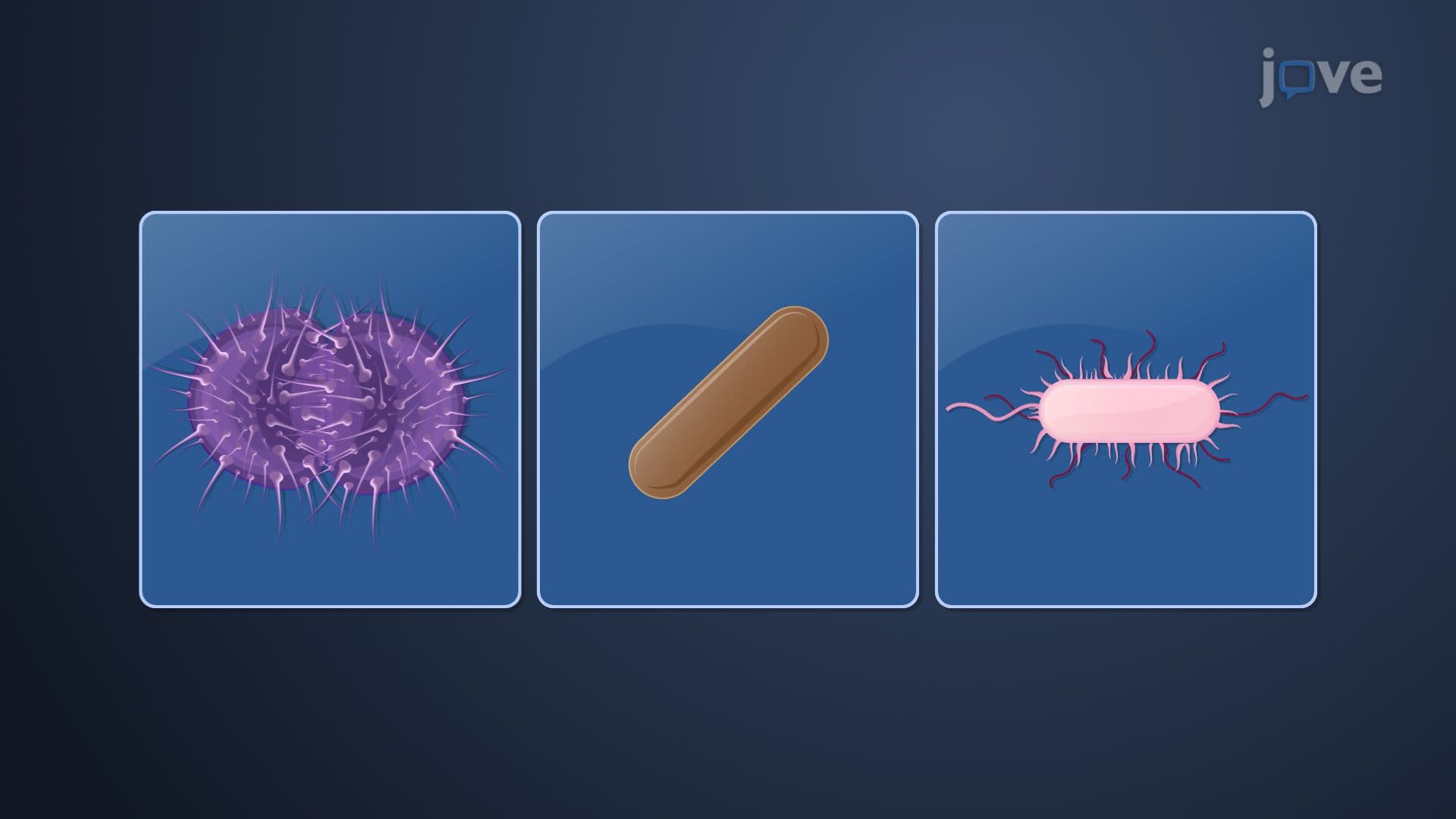
Serological methods utilize antibody-antigen interactions for species and strain identification, particularly valuable for public health surveillance. Phage typing exploits bacterial susceptibility to specific bacteriophages, historically important for tracking Salmonella outbreaks.
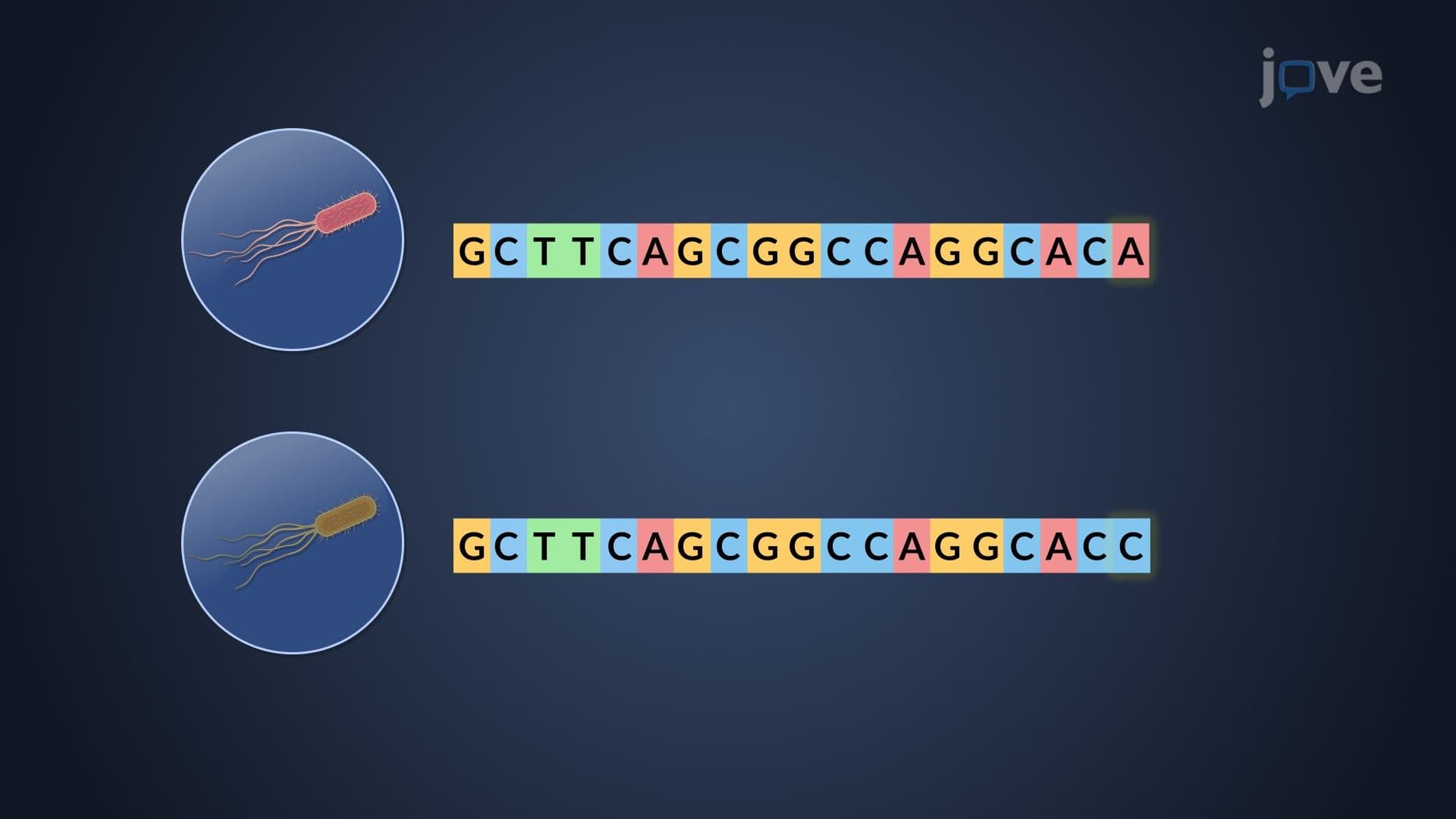
Contemporary molecular techniques, including DNA sequencing and PCR-based methods, provide the most precise identification and reveal evolutionary relationships. These approaches dominate modern clinical diagnostics and appear prominently in undergraduate microbiology curricula and standardized examinations.
Related Micro-courses