Loading subject page…


13,379 views

Video Summary: What Is Other Unique Bacteria
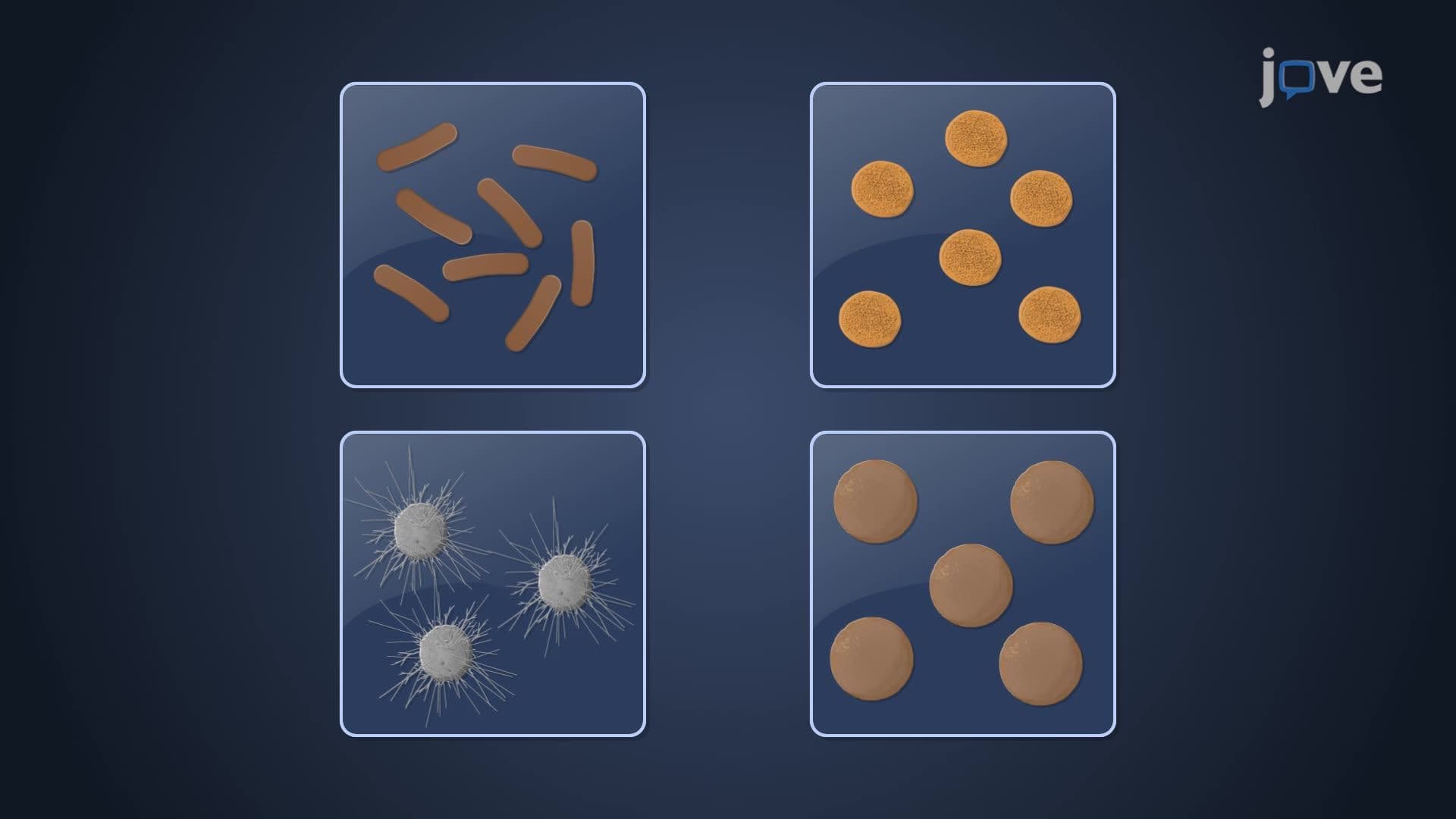
Did you know some bacteria can survive radiation levels 3,000 times higher than what would kill humans instantly? Other unique bacteria represent fascinating microbial species with extraordinary survival mechanisms, including magnetic navigation and extreme radiation resistance. From magnetic bacteria like *Magnetospirillum magnetotacticum* found in Wisconsin's stratified lakes to the radiation-resistant *Deinococcus radiodurans* studied at NASA facilities, these remarkable organisms showcase nature's most ingenious adaptations. Understanding What is Other Unique Bacteria reveals how life thrives in Earth's most extreme environments. Watch the full video on JoVE Coach to master this concept with expert-led visuals and step-by-step explanations.
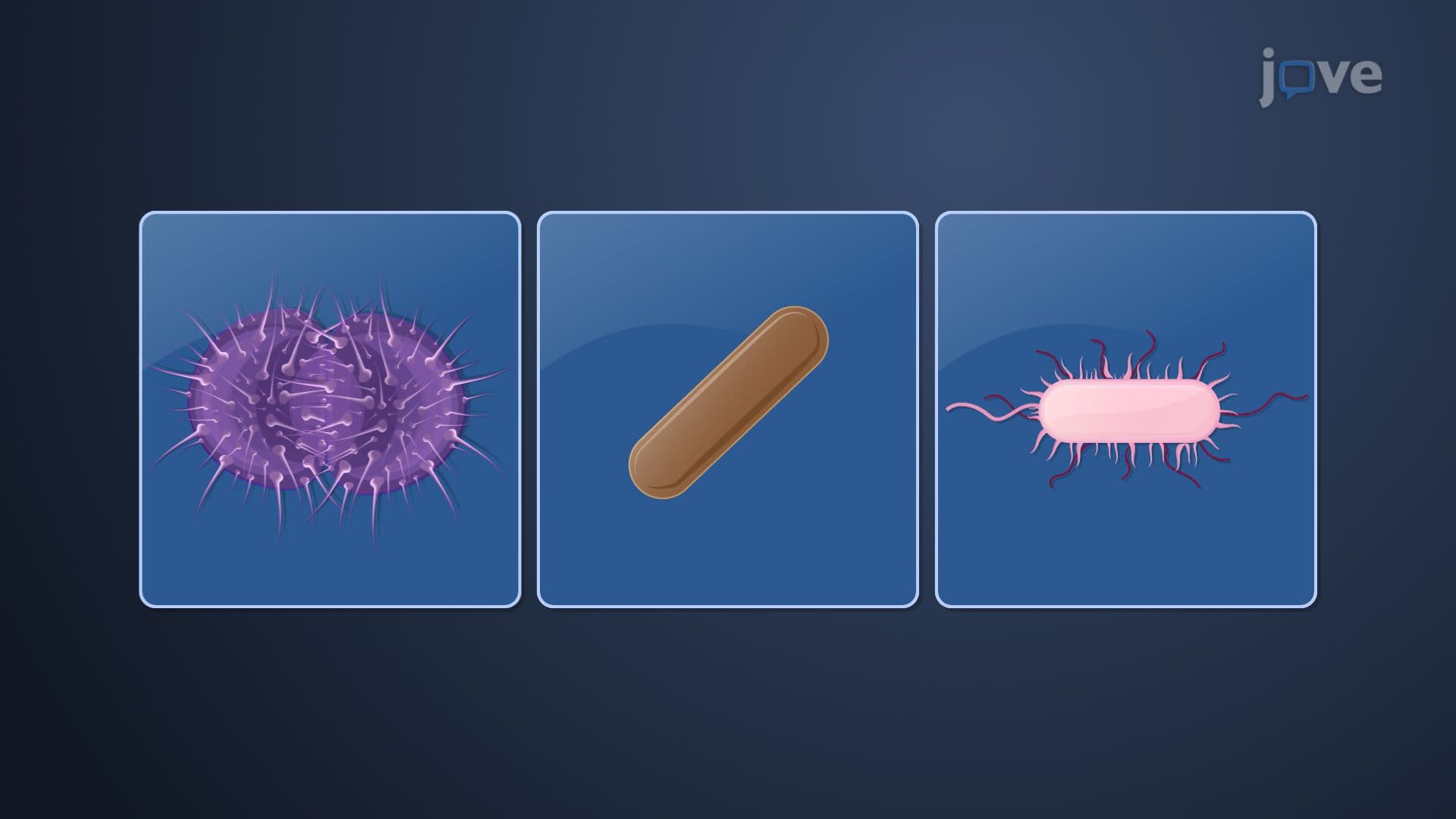
Other unique bacteria encompass extraordinary bacterial species that have evolved remarkable survival mechanisms and specialized cellular structures far beyond typical microbial capabilities. These fascinating organisms demonstrate nature's incredible adaptability, surviving in conditions that would instantly destroy most life forms. From navigating using magnetic fields to withstanding radiation doses that exceed nuclear reactor environments, these bacteria represent some of biology's most impressive evolutionary achievements.
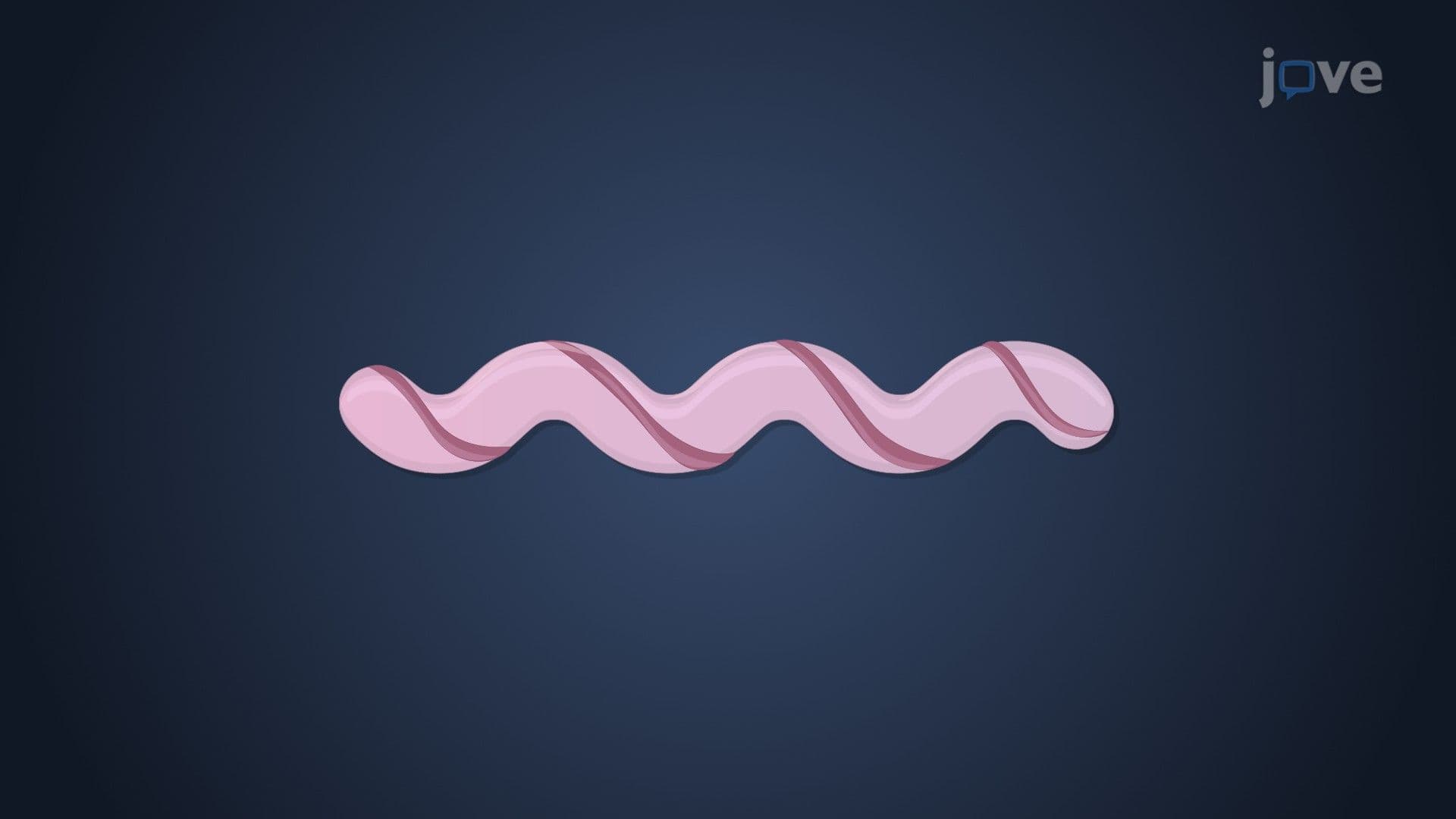
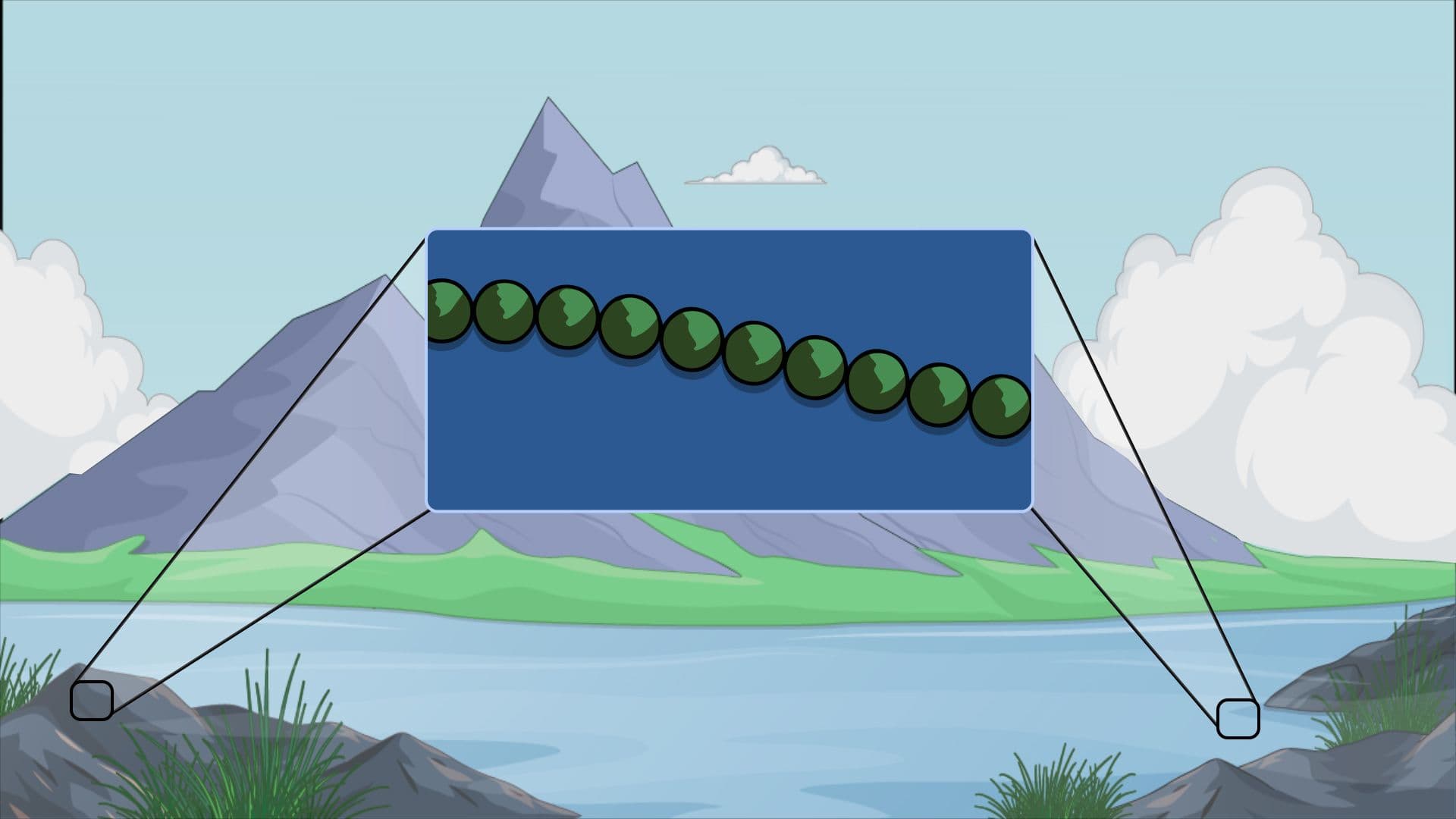
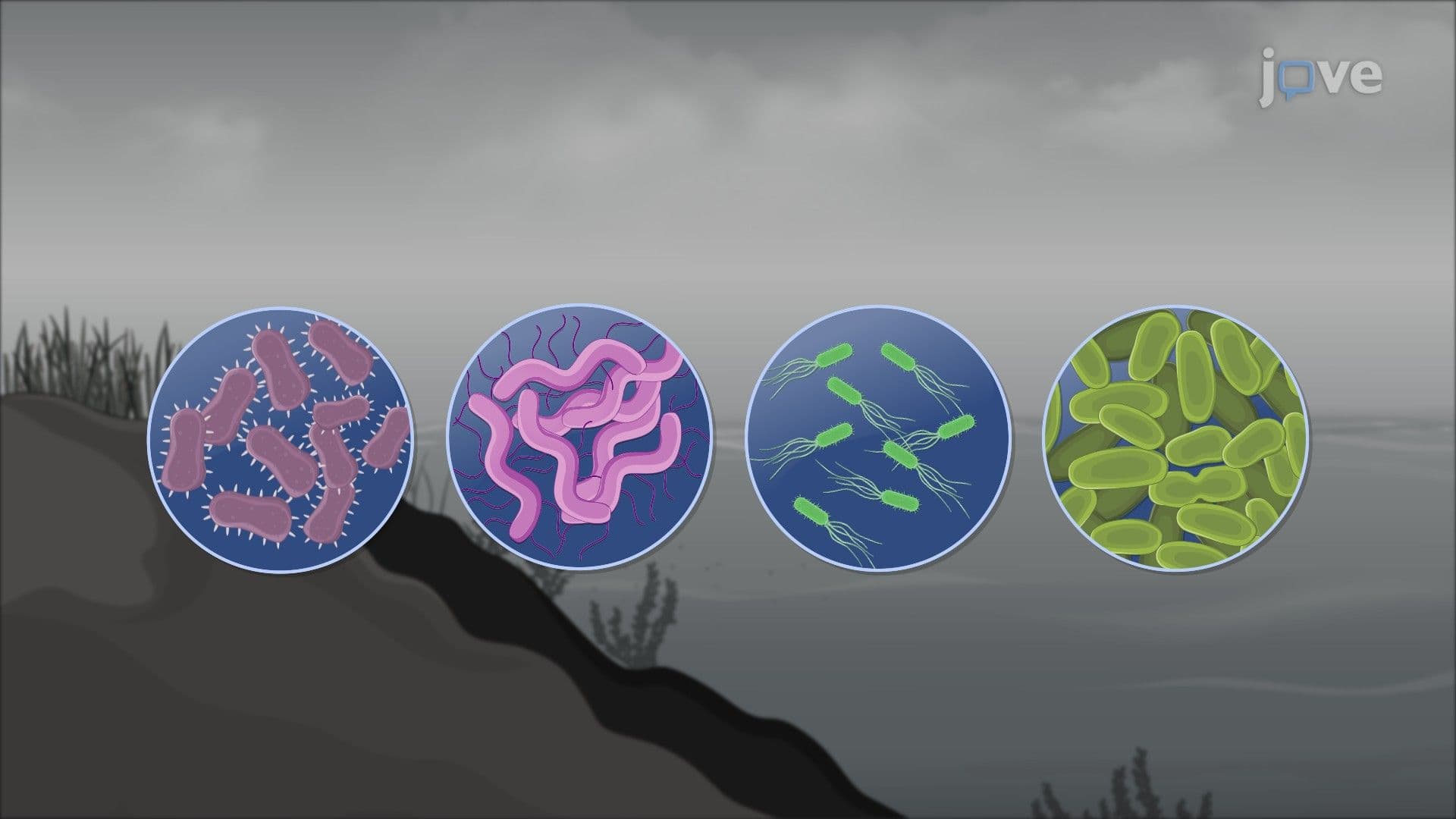
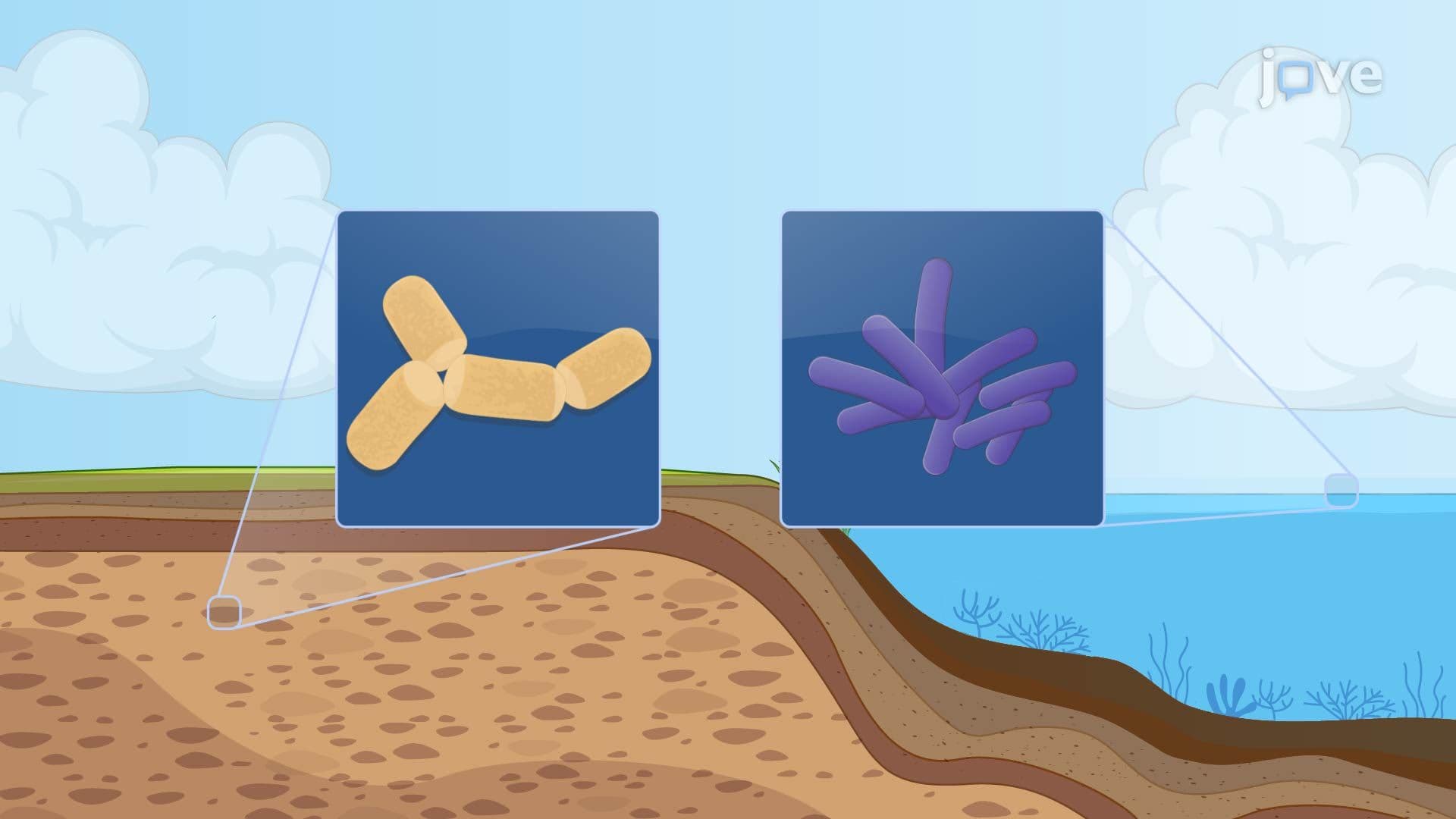
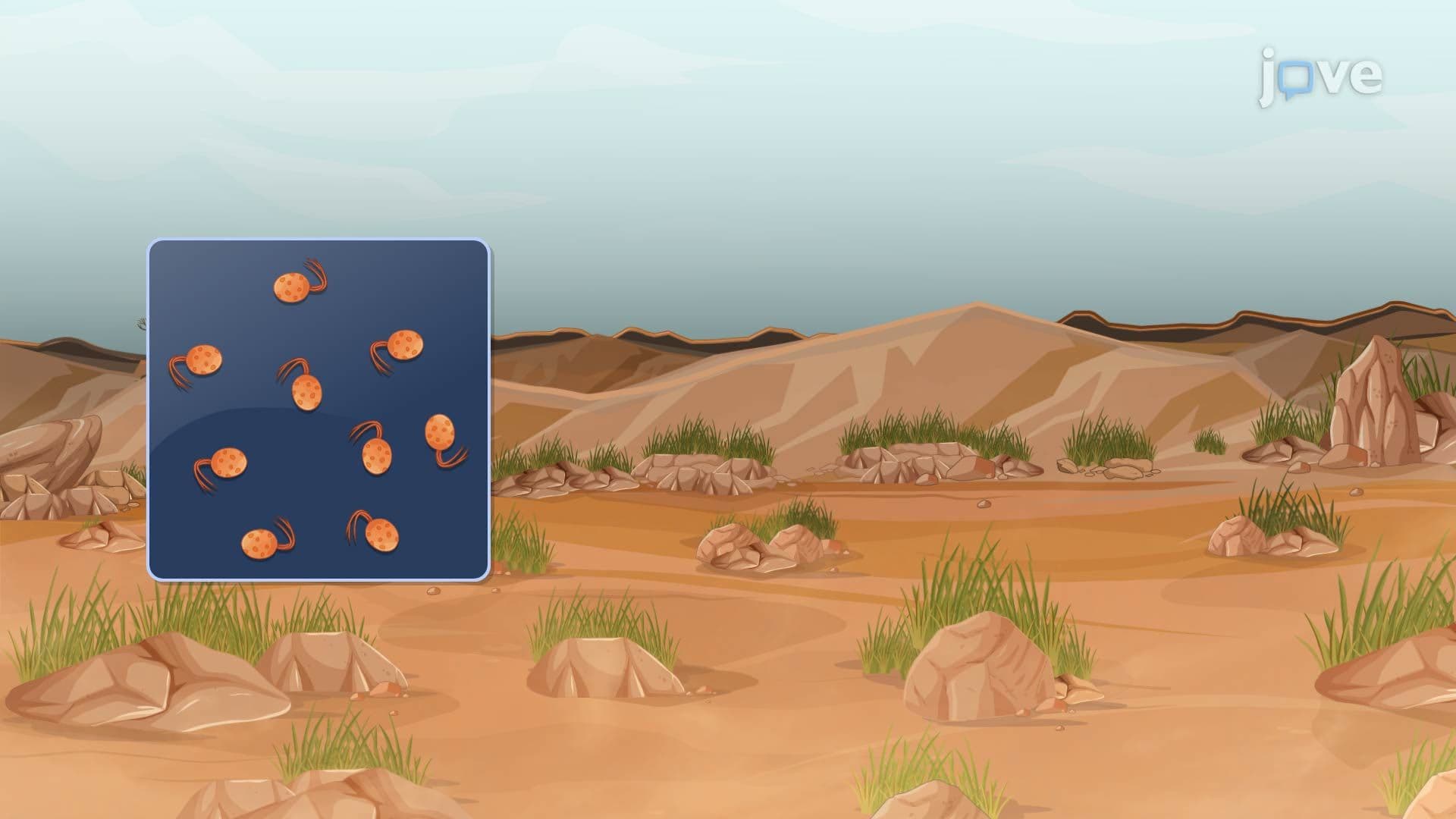
Magnetic bacteria, including *Magnetospirillum magnetotacticum* and *Desulfovibrio magneticus*, possess magnetosomes-specialized organelles containing magnetic mineral particles. In aerobic species, these magnetosomes contain magnetite (Fe₃O₄), while anaerobic species utilize greigite (Fe₃S₄). These magnetic particles arrange in chains, creating internal compasses that align with Earth's geomagnetic field.
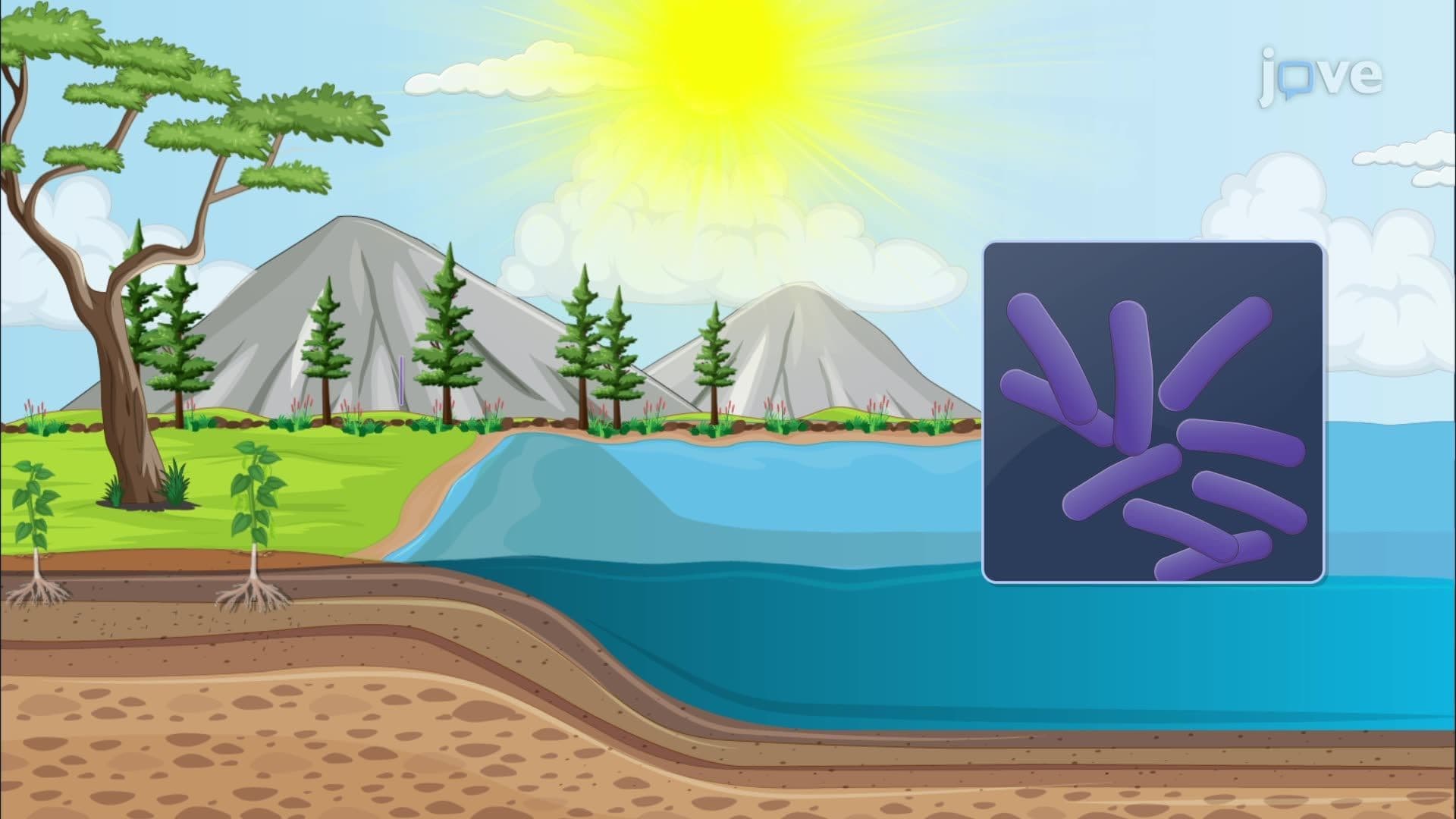
This magnetotaxis behavior guides bacteria toward optimal oxygen concentrations at oxic-anoxic interfaces in stratified water bodies. Research at institutions like the University of California, Berkeley, has revealed how these bacteria use magnetic navigation to locate nutrient-rich zones in lakes and marine environments. For AP Biology and college microbiology courses, understanding magnetotaxis demonstrates how organisms adapt to environmental gradients through specialized organelles.
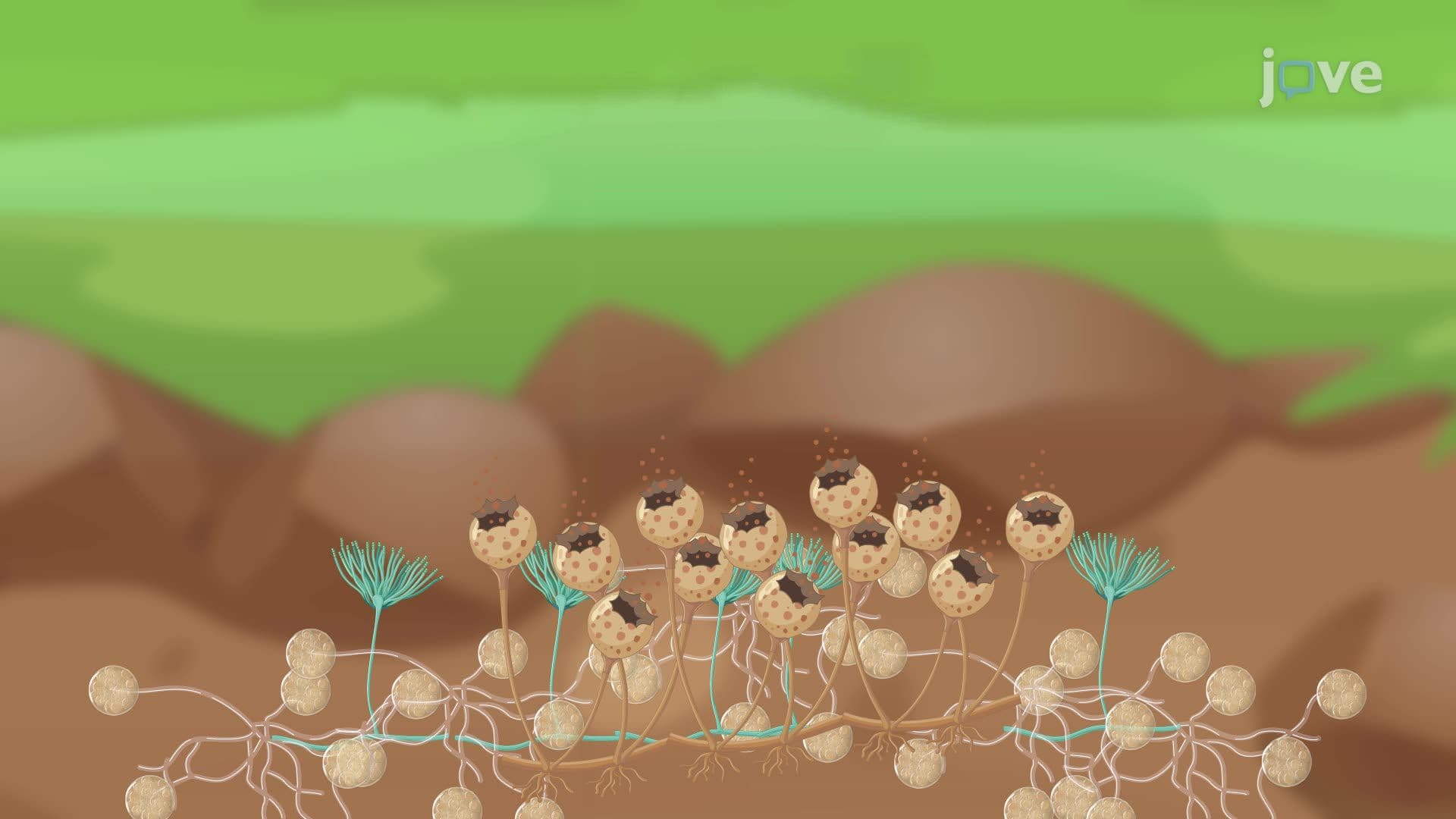
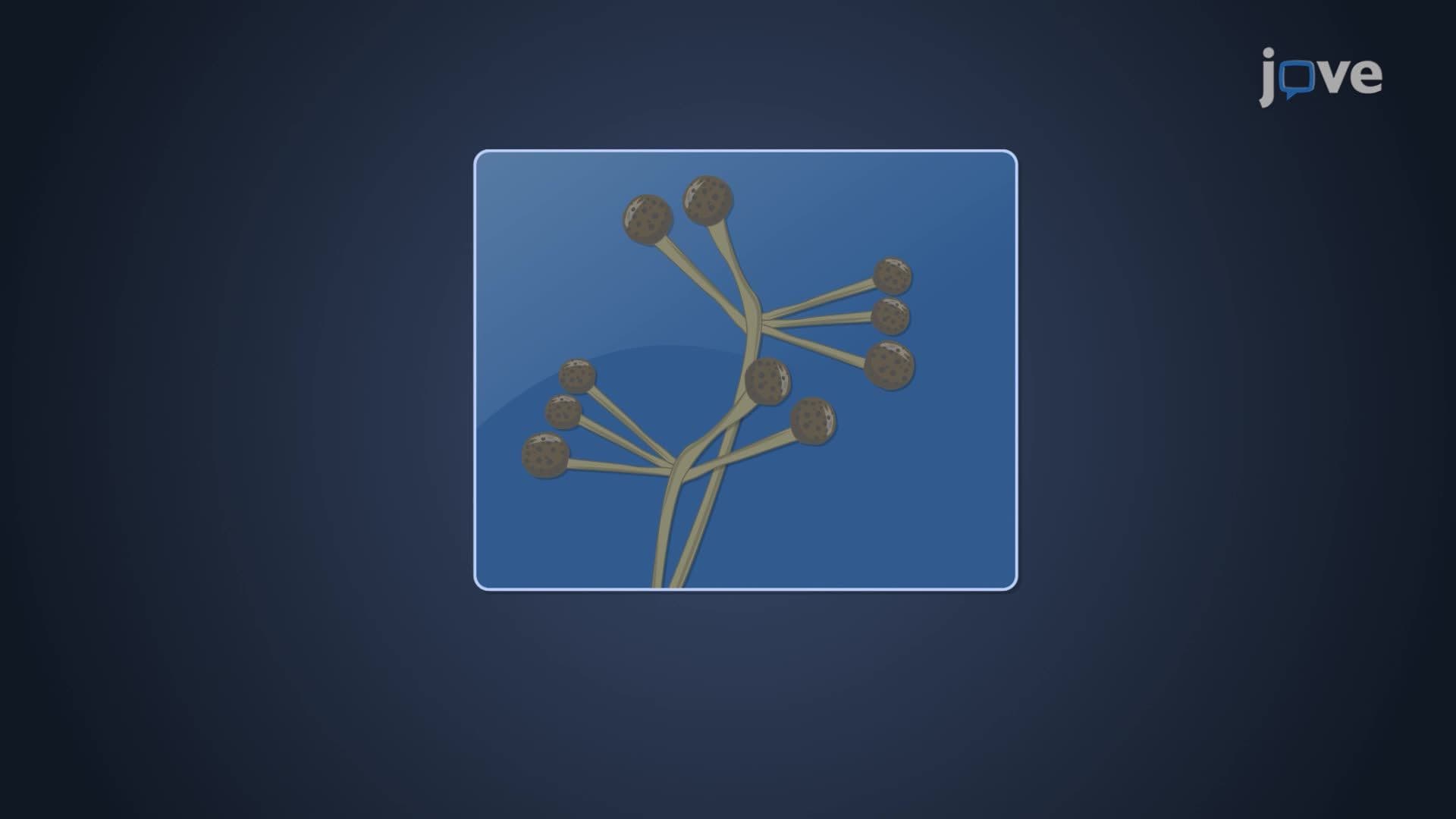
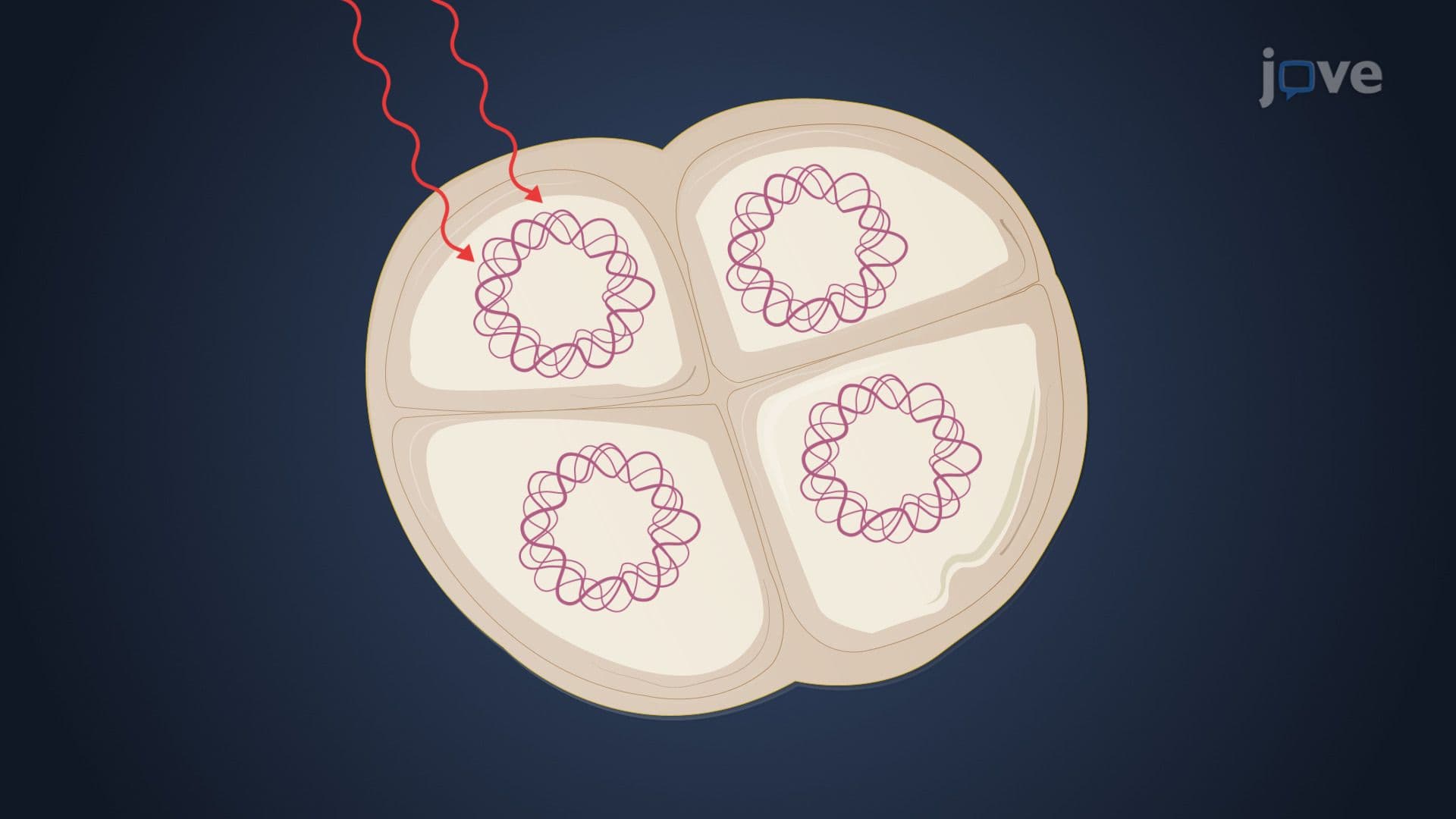
The Deinococcales order, particularly *Deinococcus radiodurans*, exhibits unprecedented radiation resistance, surviving 15,000 grays of ionizing radiation-doses that would be lethal to humans at just 5 grays. NASA's Jet Propulsion Laboratory studies these bacteria for potential Mars colonization applications, as they could survive the harsh radiation environment of space travel.
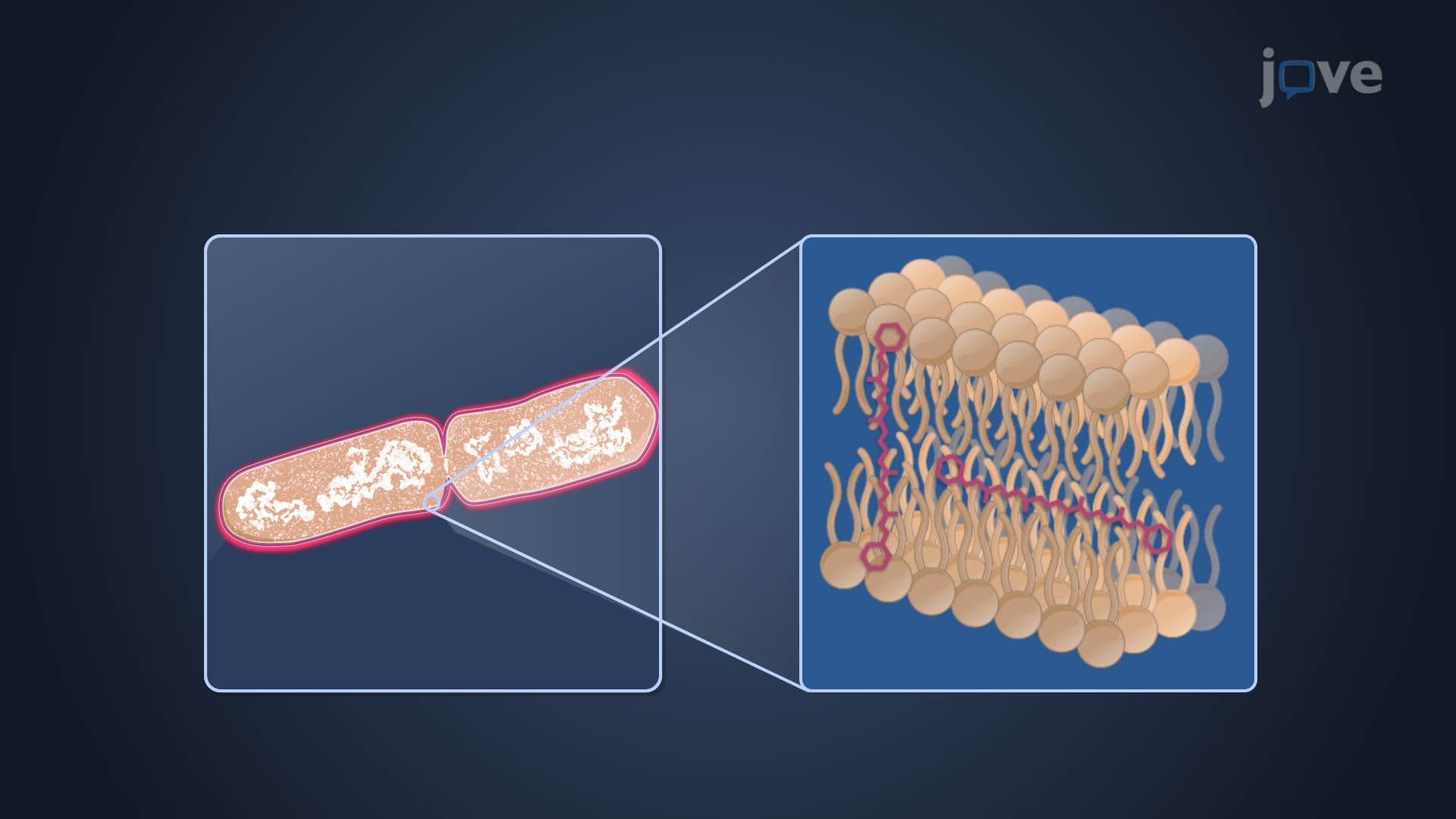
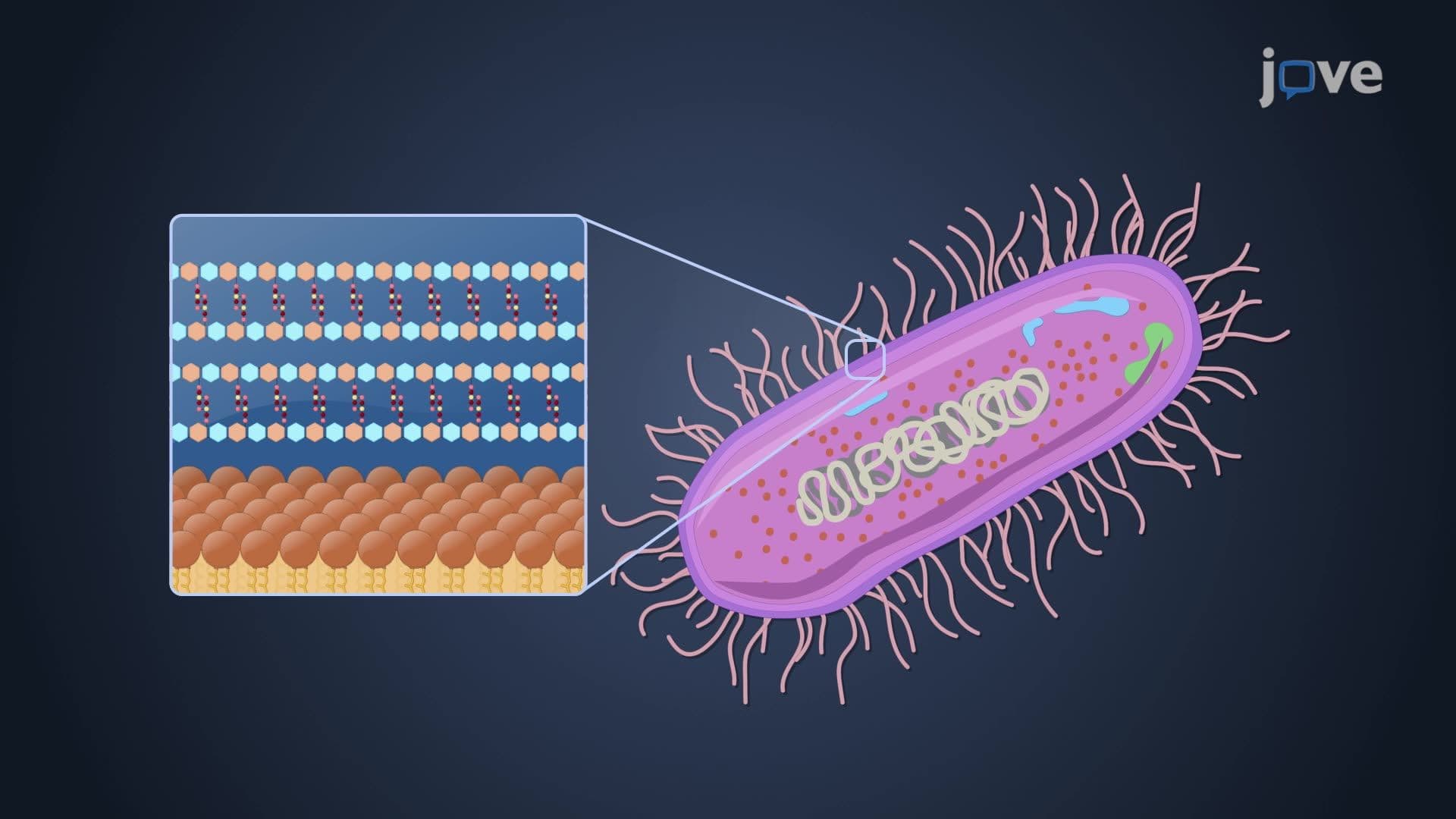
The secret lies in their unique cellular architecture: DNA arranged in toroidal (donut-shaped) structures and multilayered cell walls that protect genetic material from radiation damage. These bacteria also possess highly efficient DNA repair mechanisms, reconstructing their genomes from hundreds of fragments after radiation exposure.
These unique bacterial properties have significant biotechnological applications. Magnetic bacteria inspire biomineralization research for medical imaging contrast agents, while radiation-resistant bacteria inform astrobiology studies and nuclear waste remediation strategies. For MCAT preparation, understanding these adaptations demonstrates the relationship between structure and function in biological systems-a core concept tested across multiple exam sections.
Related Micro-courses