Loading subject page…

13,379 views
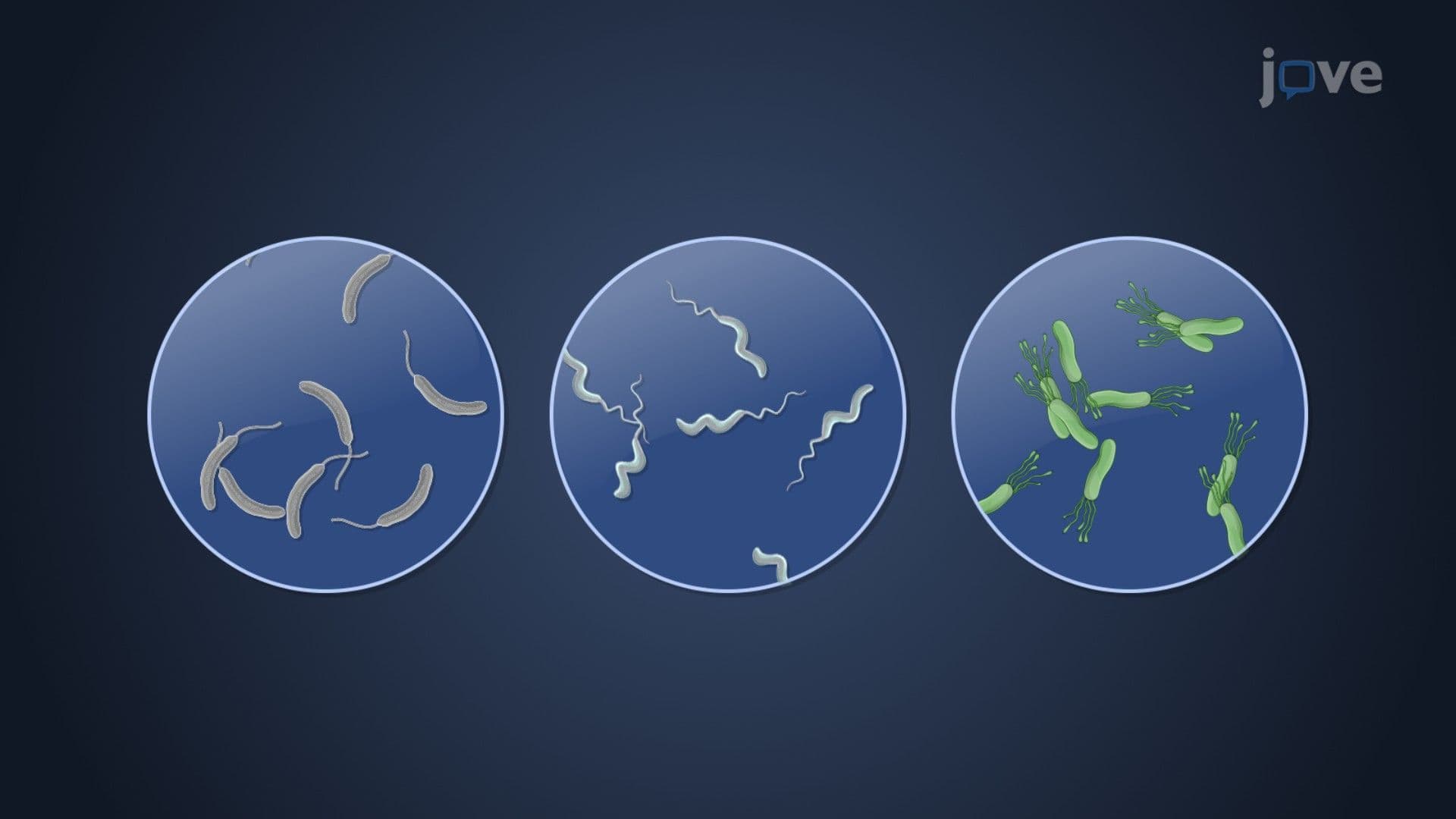

Video Summary: What Is Bacterial Phylum Proteobacteria
Did you know that the bacteria causing food poisoning from undercooked chicken (Salmonella) belongs to the same massive group as the nitrogen-fixing bacteria in your garden soil? Bacterial phylum Proteobacteria represents one of the largest and most diverse groups of bacteria on Earth, encompassing five distinct classes that include everything from disease-causing pathogens to environmentally beneficial microorganisms. From *E. coli* outbreaks reported by the CDC to the beneficial *Rhizobium* bacteria that help legumes grow, understanding What is Bacterial Phylum Proteobacteria reveals the incredible diversity within this single taxonomic group. Watch the full video on JoVE Coach to master this concept with expert-led visuals and step-by-step explanations.
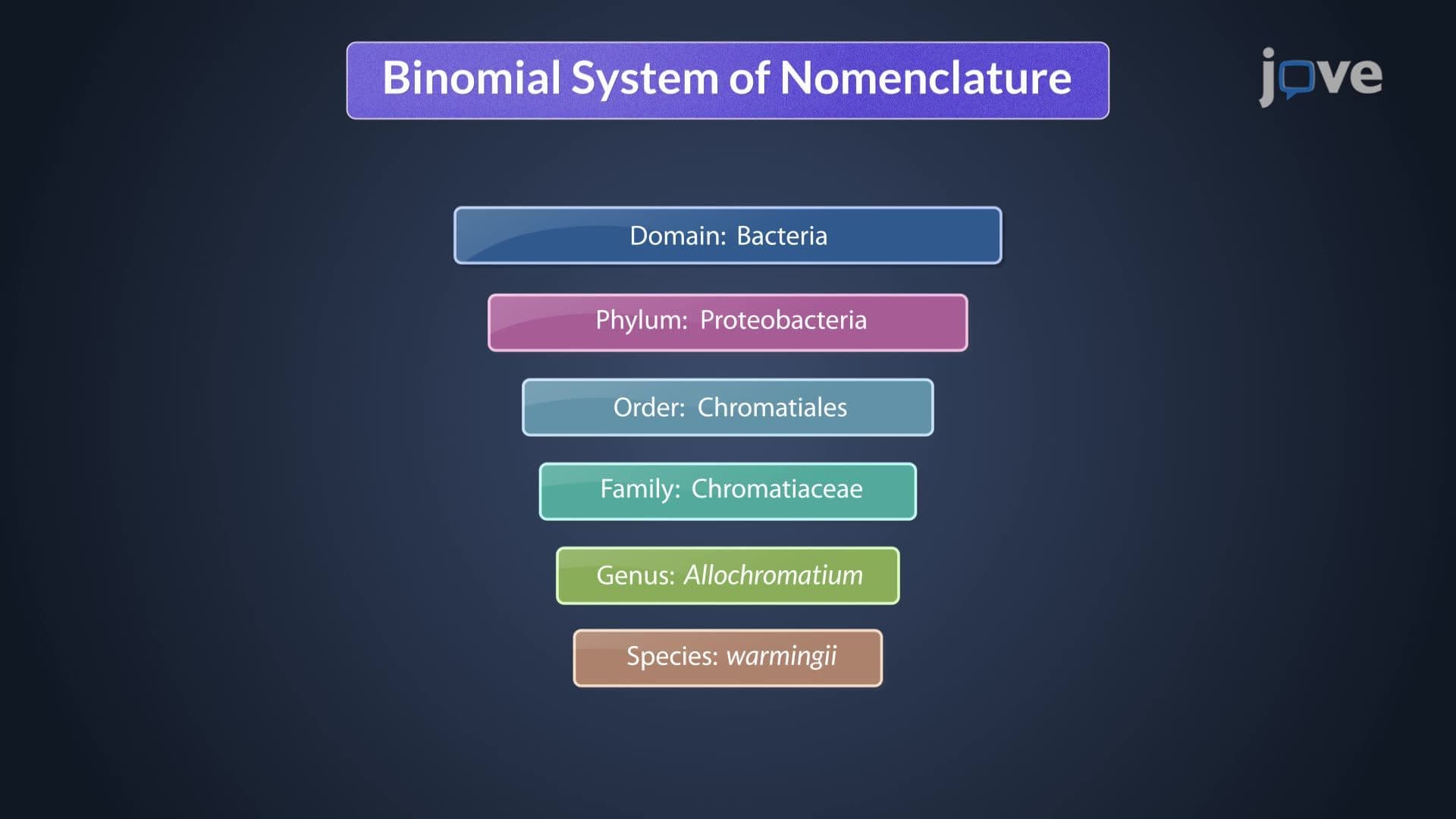
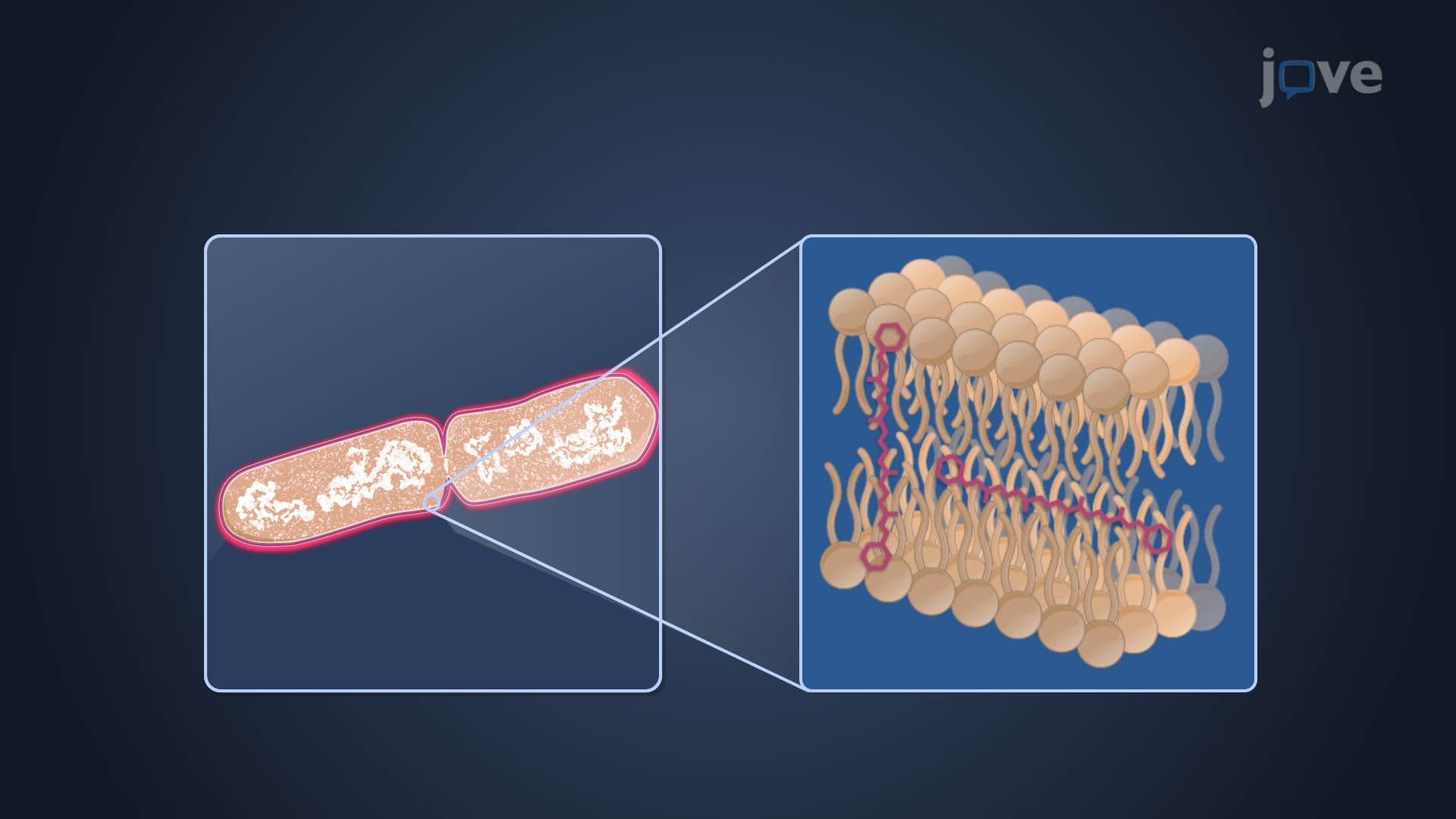
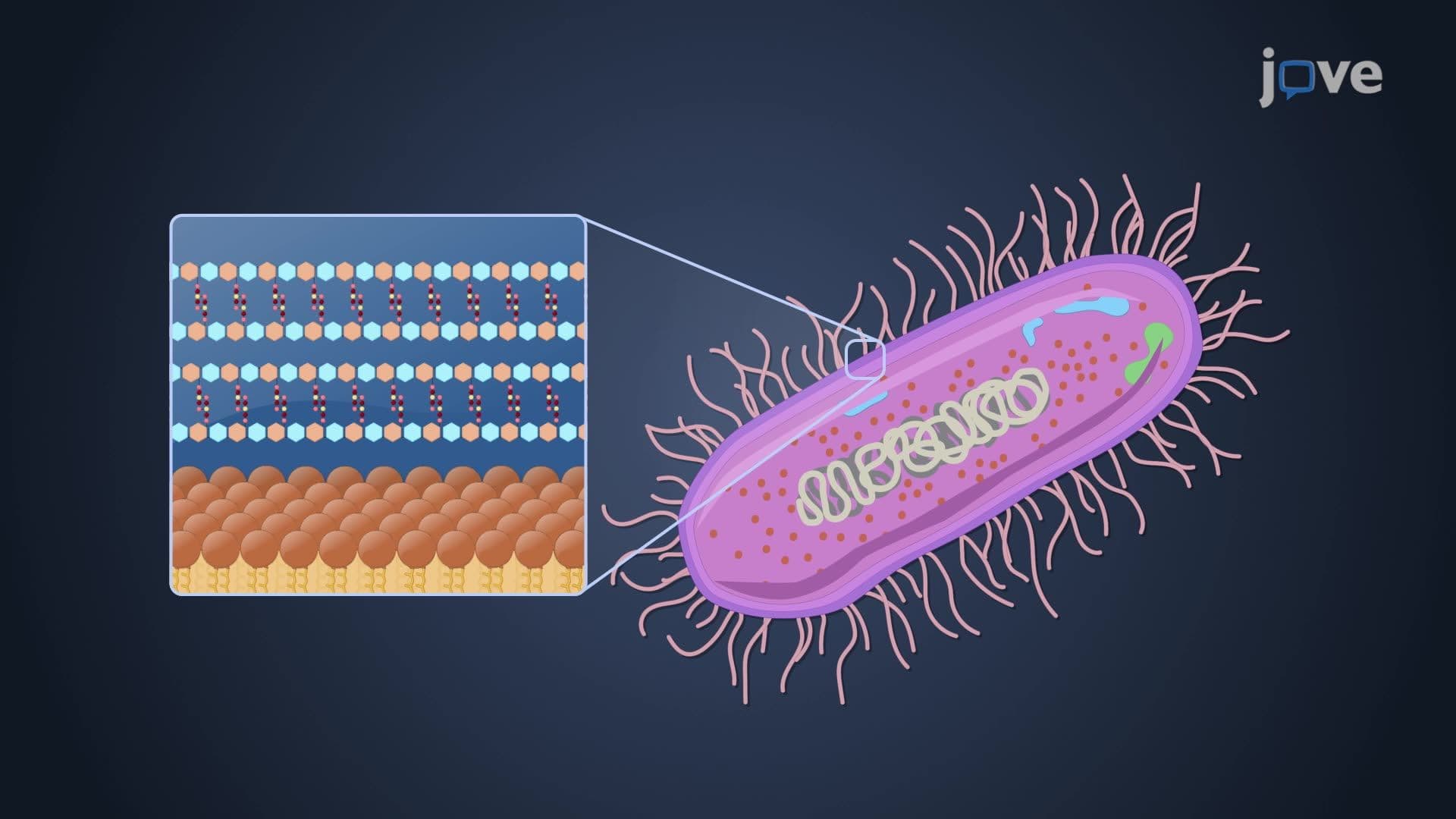
Bacterial phylum Proteobacteria stands as the largest and most metabolically diverse group within the bacterial domain, comprising an estimated 42% of all known bacterial species. Named after the Greek god Proteus, known for his ability to change shape, this phylum reflects the remarkable diversity of forms, functions, and lifestyles found within its ranks. All members share the fundamental characteristic of being Gram-negative bacteria, meaning they possess a thin peptidoglycan layer sandwiched between two cell membranes-a feature that significantly impacts their antibiotic resistance patterns and clinical treatment approaches.
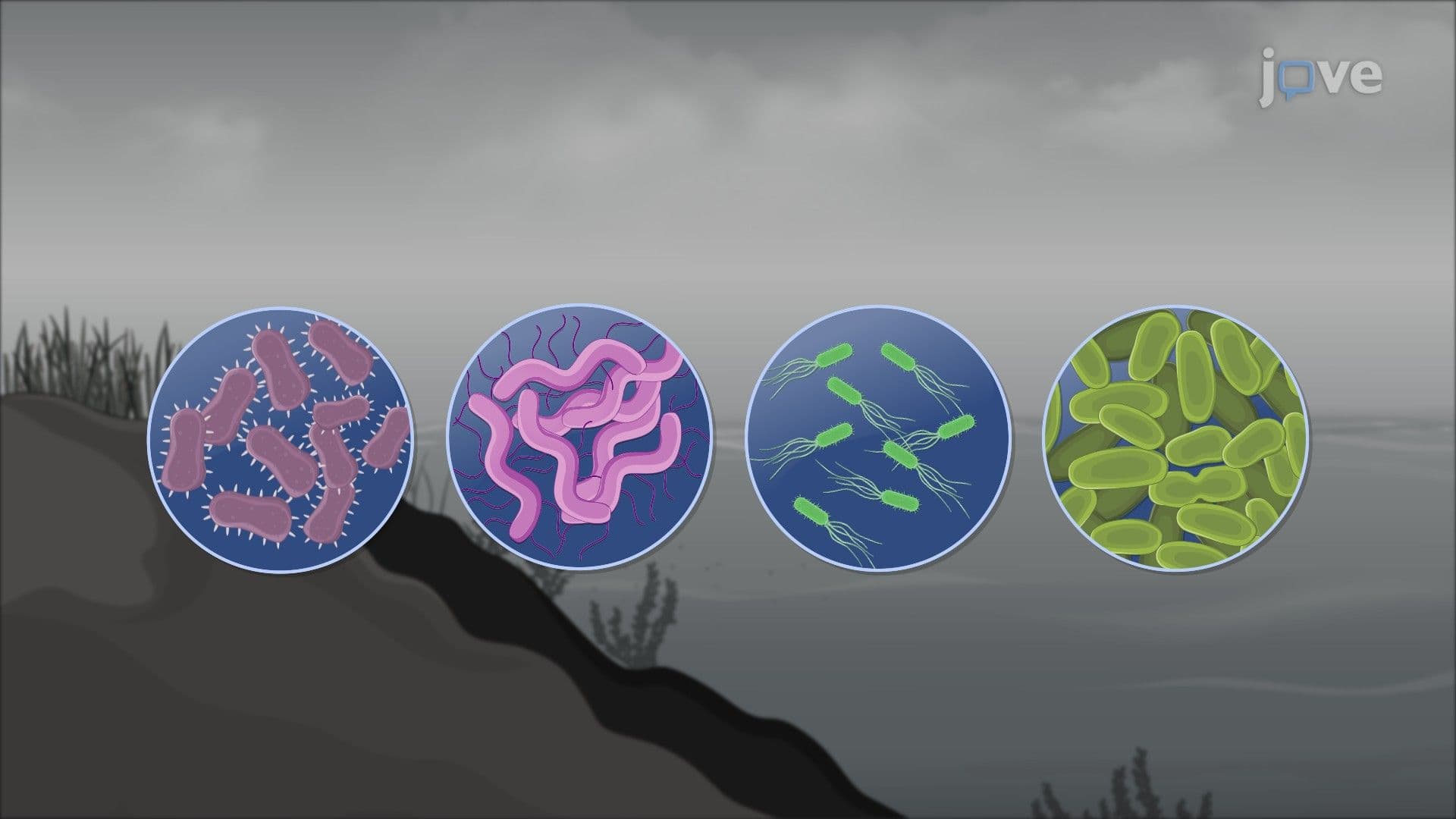
The phylum divides into five major classes, each representing distinct evolutionary lineages and ecological adaptations. Alphaproteobacteria contains the agriculturally vital *Rhizobium* species that form symbiotic relationships with legume plants, converting atmospheric nitrogen into ammonia that plants can utilize. This process proves essential for sustainable agriculture across the American Midwest, where soybean and alfalfa crops depend on these bacterial partners.
Betaproteobacteria includes medically significant genera like *Neisseria*, responsible for meningitis and gonorrhea-conditions frequently tested on the MCAT and covered extensively in medical microbiology courses. Gammaproteobacteria represents the most diverse class, housing the notorious Enterobacteriaceae family that includes *E. coli*, *Salmonella*, and *Shigella*-bacteria that cause millions of foodborne illnesses annually in the United States and serve as classic examples in AP Biology curricula.
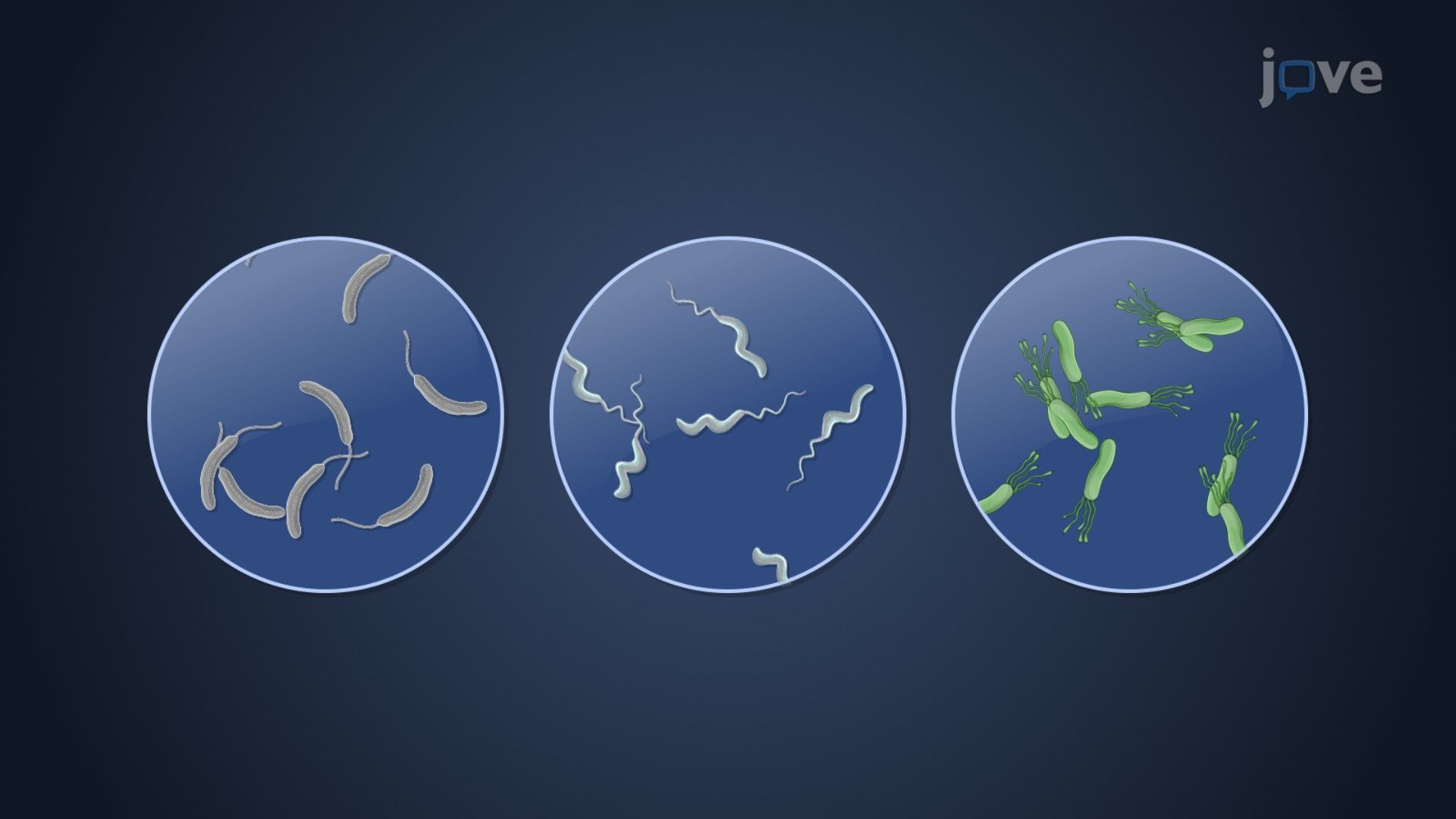
The medical importance of Proteobacteria cannot be overstated. Deltaproteobacteria contains unique predatory bacteria like *Bdellovibrio*, which literally hunt and consume other bacteria-a phenomenon that researchers are exploring for potential therapeutic applications against antibiotic-resistant infections. Meanwhile, Epsilonproteobacteria includes *Helicobacter pylori*, the Nobel Prize-winning discovery that revolutionized our understanding of peptic ulcers and gastric cancer.
For students preparing for standardized exams, understanding Proteobacteria classification helps organize the vast landscape of bacterial diversity. The MCAT frequently tests knowledge of pathogenic bacteria within this phylum, while college microbiology courses use Proteobacteria as a framework for discussing bacterial metabolism, pathogenesis, and ecological relationships. This systematic approach to bacterial classification provides the foundation for advanced studies in clinical microbiology, environmental science, and biotechnology applications.
Related Micro-courses