Loading subject page…


13,381 views


Video Summary: What Is Hyperthermophilic Bacteria
Did you know some bacteria thrive in water hot enough to kill most living organisms? Hyperthermophilic bacteria flourish in extreme temperatures between 70-95°C, making their homes in places like Yellowstone National Park's scalding hot springs. These remarkable microorganisms have revolutionized biotechnology, with *Thermus aquaticus* providing the heat-stable enzyme that powers DNA amplification in forensic labs across America. Watch the full video on JoVE Coach to master this concept with expert-led visuals and step-by-step explanations.
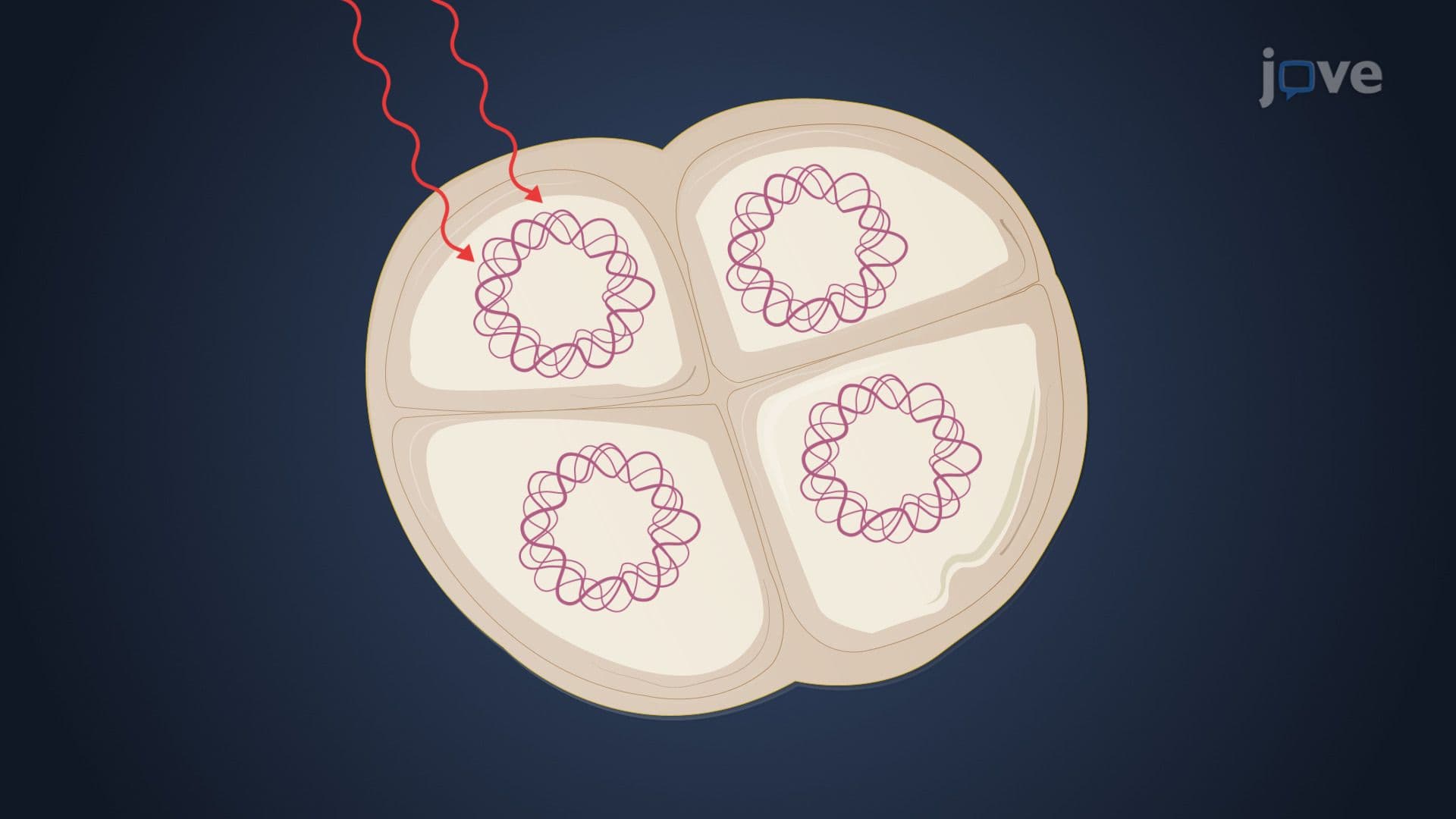
Hyperthermophilic bacteria represent nature's most heat-loving prokaryotes, thriving optimally between 70-95°C-temperatures that would instantly denature proteins in most organisms. These extremophiles occupy Earth's most hostile thermal environments, from the geothermal features of Yellowstone to deep-sea hydrothermal vents along the Mid-Atlantic Ridge. Their existence challenges our understanding of life's limits and provides crucial insights for astrobiology research.
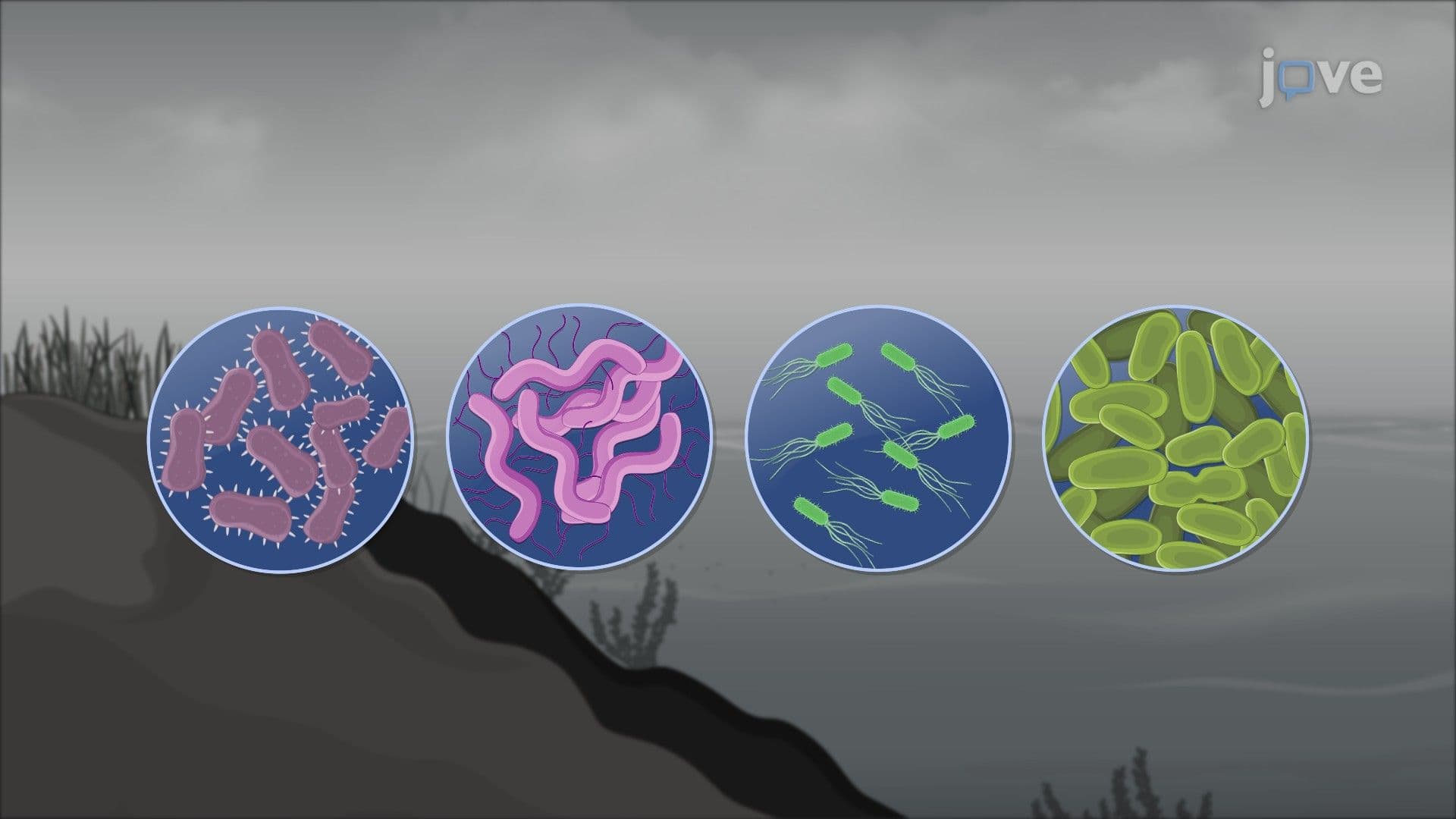
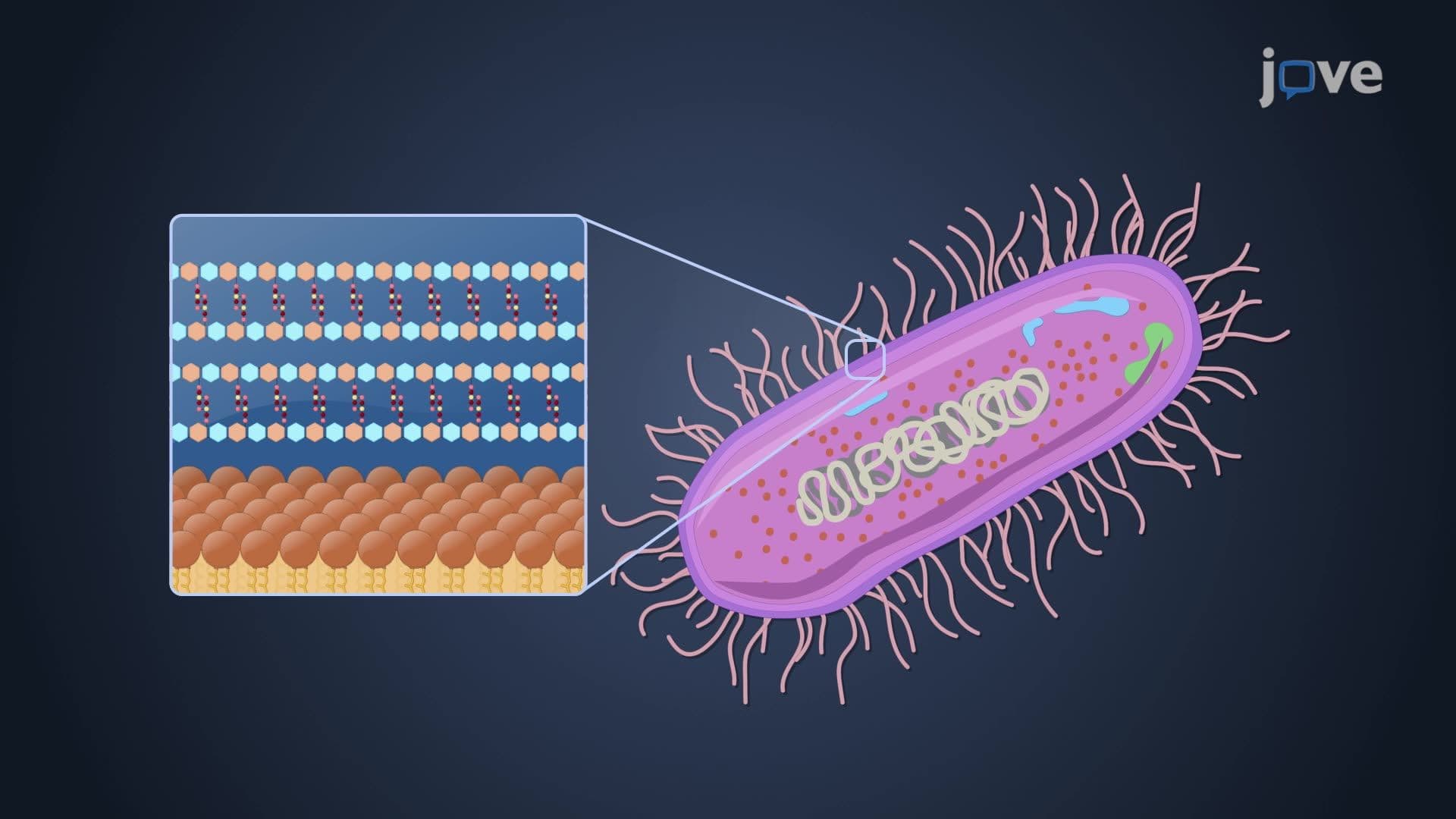
The diversity among hyperthermophilic bacteria reflects millions of years of adaptation to extreme heat. *Thermotoga* species showcase remarkable structural innovation with their distinctive "toga"-a sheath-like envelope that likely provides additional protection against thermal stress. These rod-shaped, non-sporulating anaerobes derive energy through fermentation, breaking down organic compounds without oxygen.
*Aquifex* species represent the ultimate bacterial thermophiles, surviving temperatures up to 95°C through obligate chemolithotrophic metabolism. They harness energy by oxidizing hydrogen, thiosulfate, and sulfur compounds using the reverse citric acid cycle-an ancient metabolic pathway that may mirror early Earth's biochemistry.
The biotechnology industry has revolutionized around hyperthermophilic enzymes. *Thermus aquaticus*, discovered in Yellowstone's hot springs, produces Taq DNA polymerase-the cornerstone enzyme enabling polymerase chain reaction (PCR) technology. This thermostable enzyme withstands repeated heating cycles, making possible everything from COVID-19 diagnostics to criminal forensics in FBI laboratories nationwide.
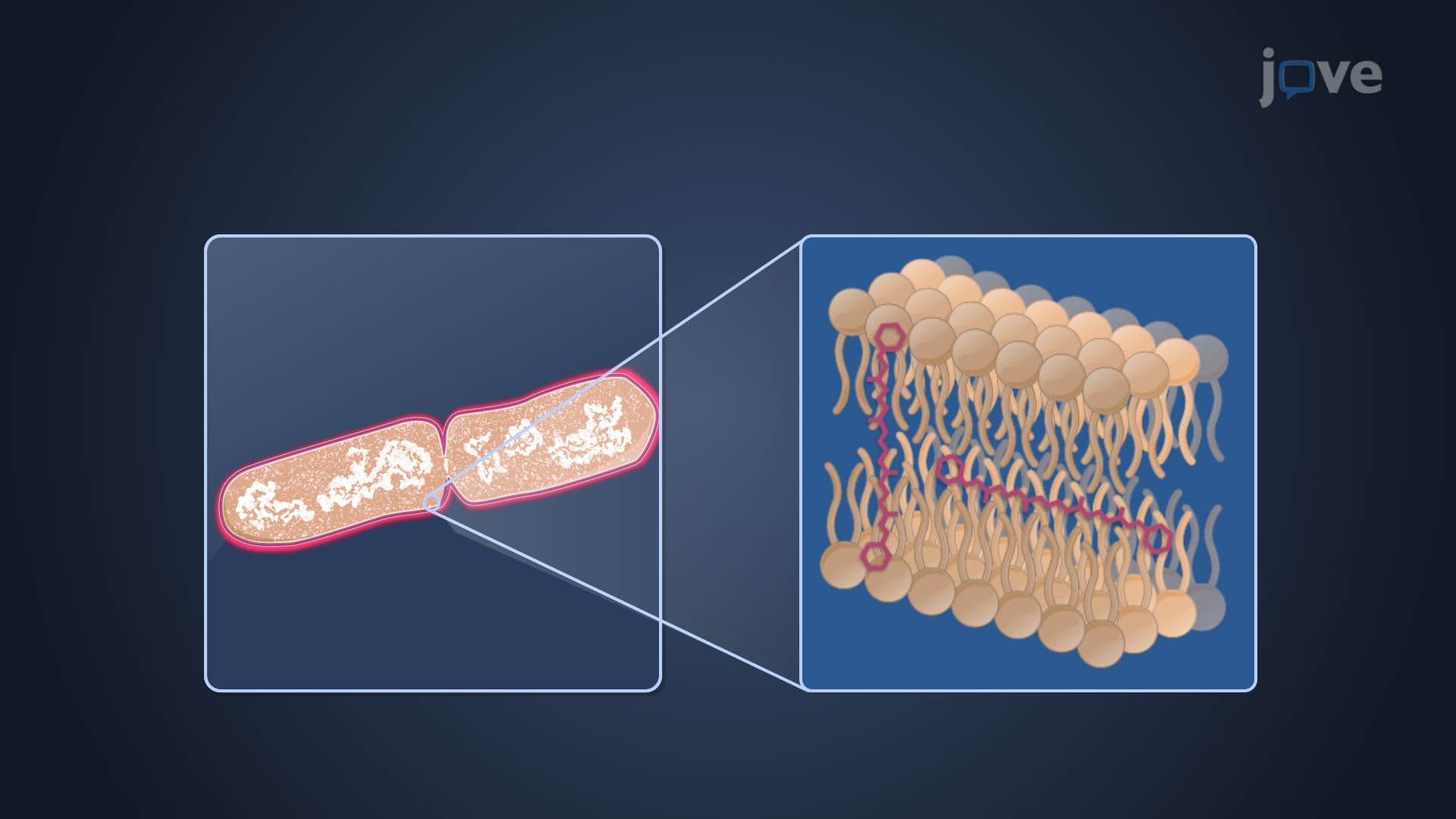
For students preparing for the MCAT or AP Biology exams, understanding these applications connects fundamental microbiology to real-world medical diagnostics. The unique ether-linked lipids found in *Thermodesulfobacterium* species blur the traditional bacteria-archaea boundary, representing key evidence for horizontal gene transfer and early evolutionary relationships.
These organisms serve as living laboratories for studying life under extreme conditions. NASA researchers study hyperthermophiles to understand potential life on other planets, while pharmaceutical companies investigate their heat-stable proteins for drug development. Their sulfate-reducing capabilities also make them important players in biogeochemical cycling, particularly in deep-sea ecosystems where they process sulfur compounds essential for marine food webs.
Related Micro-courses