Loading video…

 37 Concepts
 13.4K views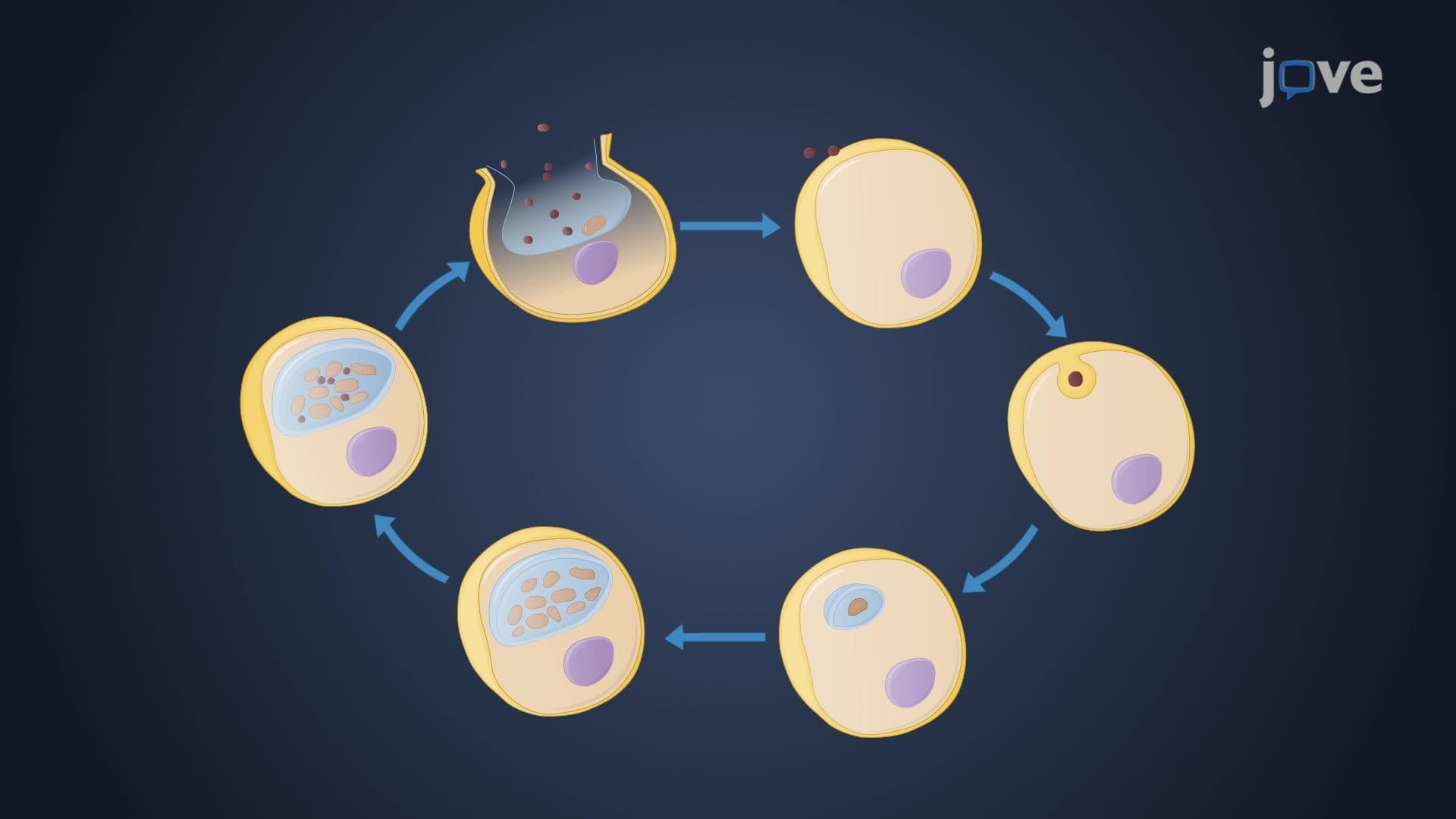

Video Summary: What Is Bacterial Phylum Chlamydiae
Did you know that some bacteria can only survive inside other living cells, causing everything from blindness to pneumonia? Bacterial phylum Chlamydiae represents one of the most unique groups of obligate intracellular parasites, with species like *Chlamydia trachomatis* responsible for millions of sexually transmitted infections annually in the United States. These microscopic organisms have evolved a fascinating two-stage life cycle that allows them to hijack host cells for reproduction. Watch the full video on JoVE Coach to master this concept with expert-led visuals and step-by-step explanations.
Bacterial phylum Chlamydiae represents a remarkable example of evolutionary specialization, consisting entirely of organisms that have abandoned free-living existence for obligate intracellular parasitism. Unlike typical bacteria that can survive independently in various environments, every member of this phylum requires a eukaryotic host cell to complete its life cycle. This dependency has shaped their unique biology, from their reduced genome sizes (0.55-1 Mbp) to their distinctive developmental cycle.
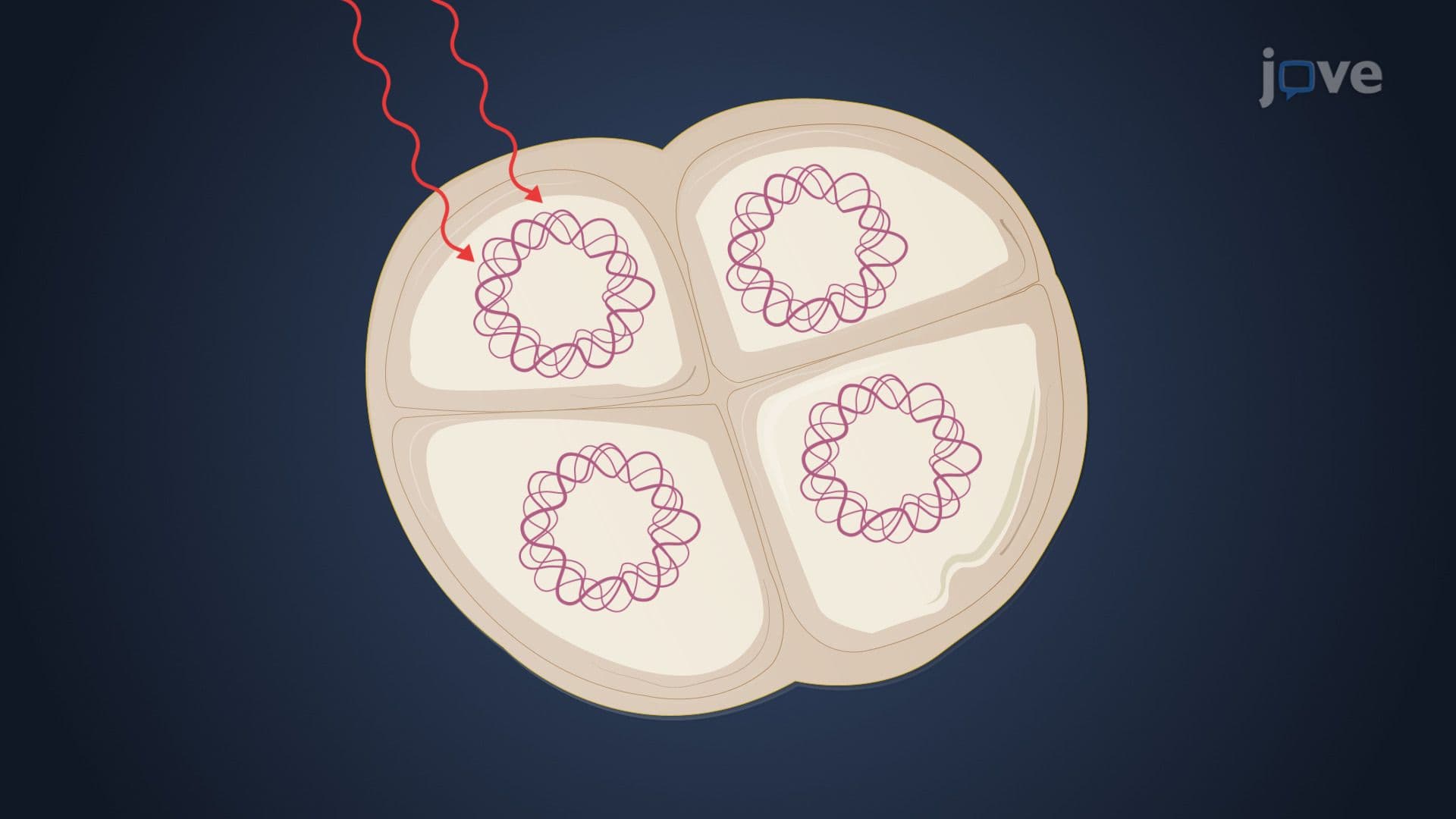
Chlamydiae species are characterized by their small size (approximately 0.5 micrometers in diameter) and coccoid shape. Their genomes represent some of the smallest among bacteria, reflecting massive gene loss during evolutionary adaptation to intracellular life. This genome reduction means these bacteria have lost many metabolic pathways and depend heavily on their hosts for essential nutrients and energy. For students preparing for AP Biology or college microbiology courses, understanding this trade-off between independence and specialization illustrates key principles of bacterial evolution.
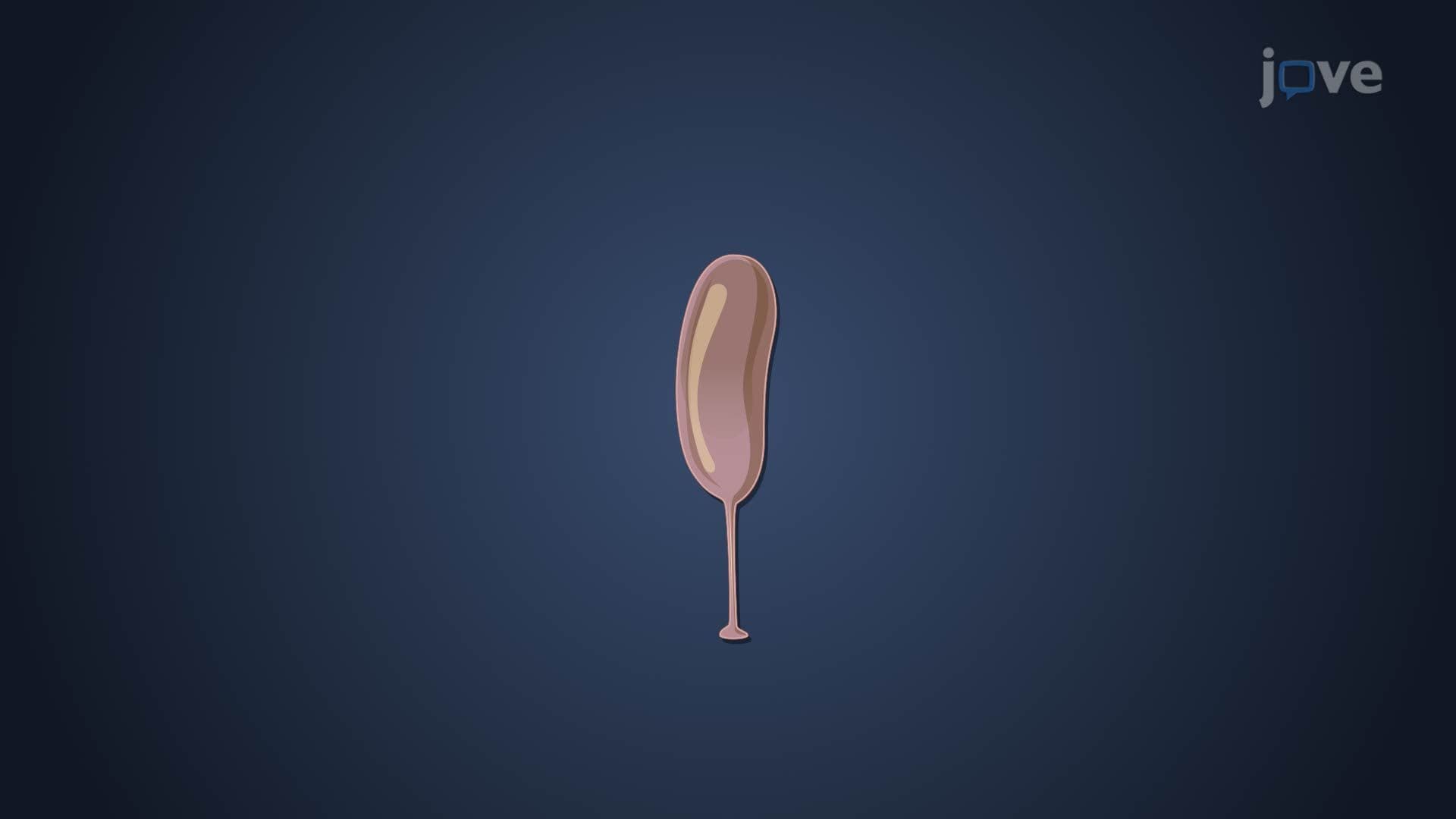
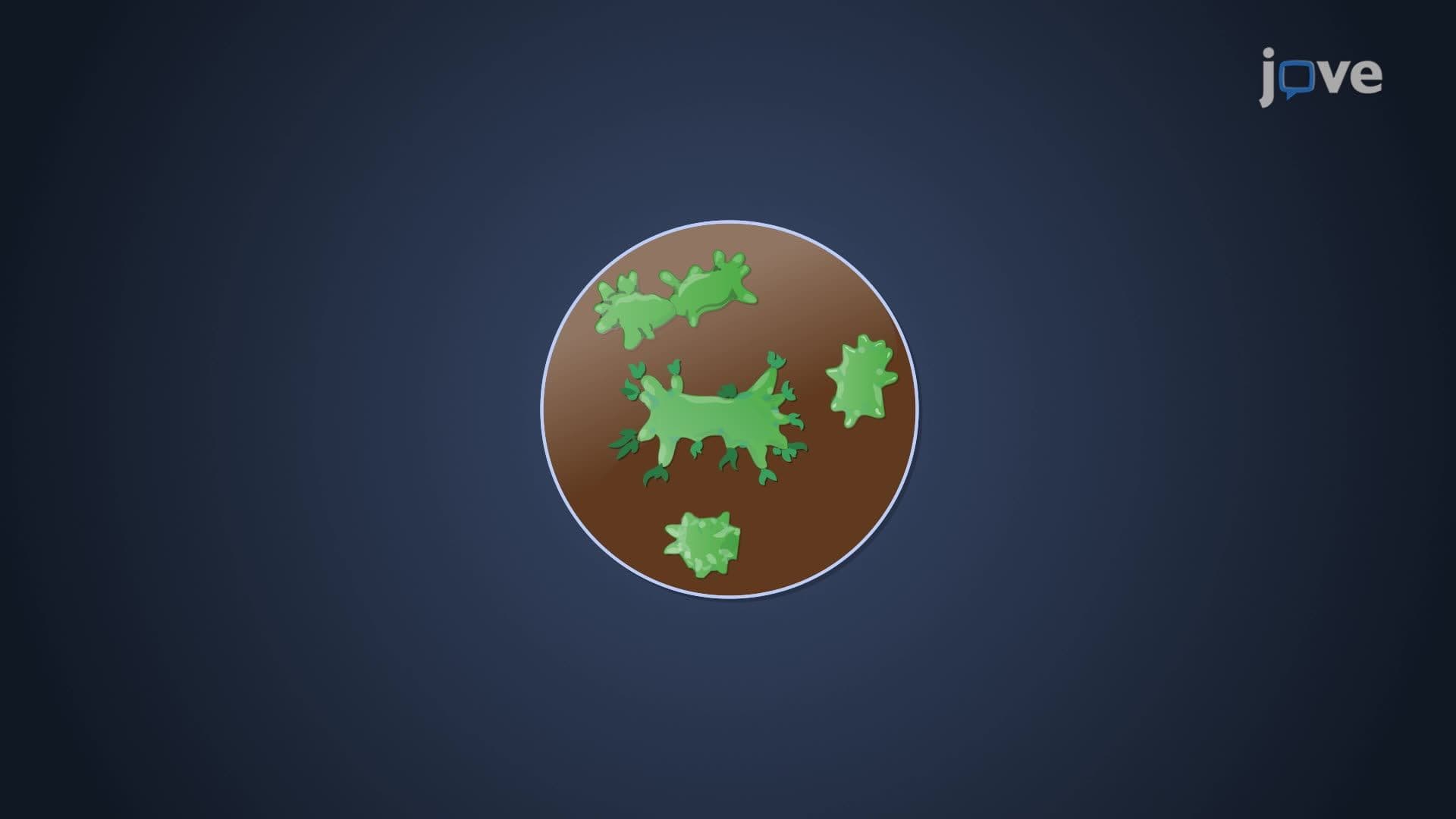
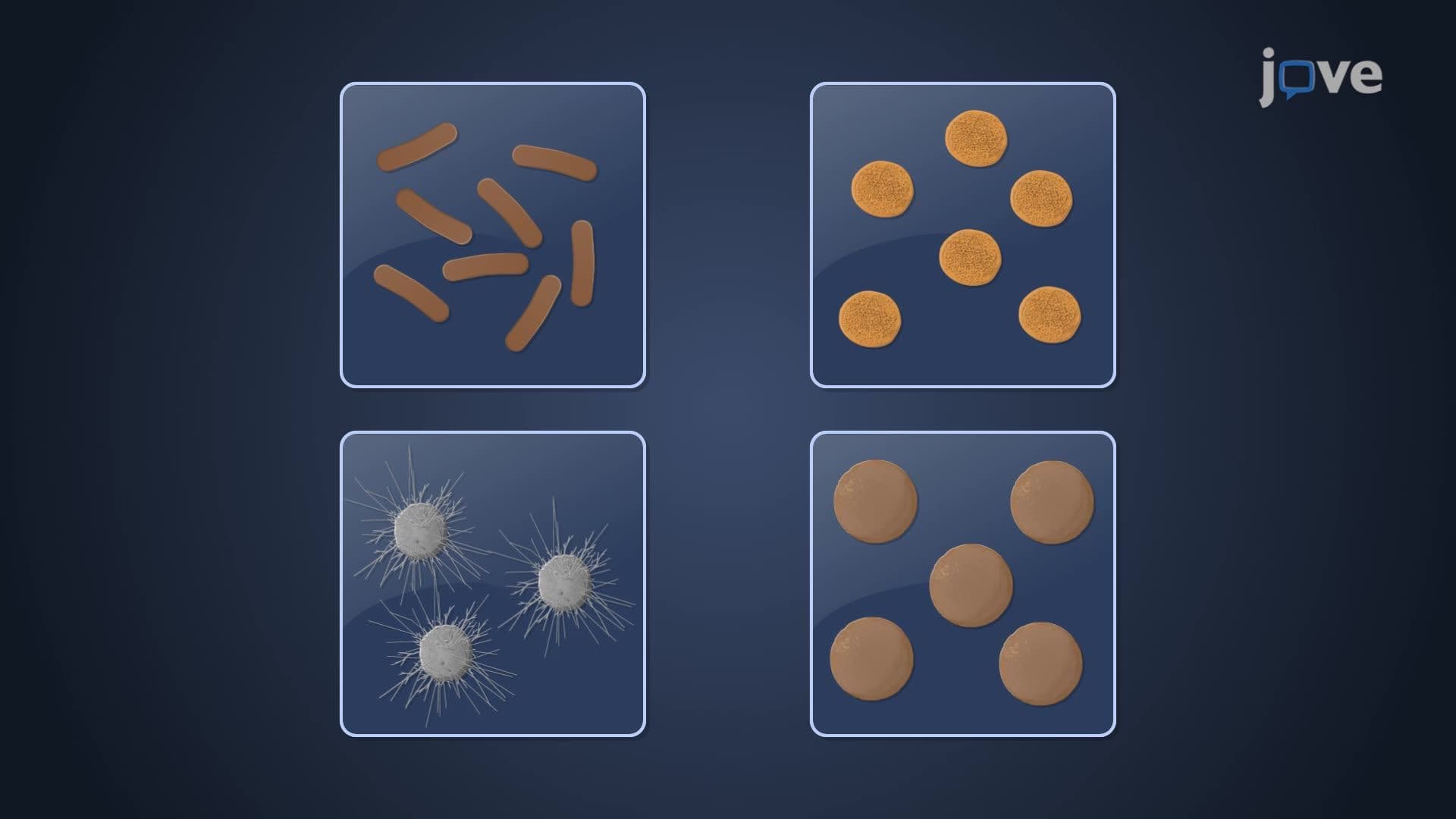
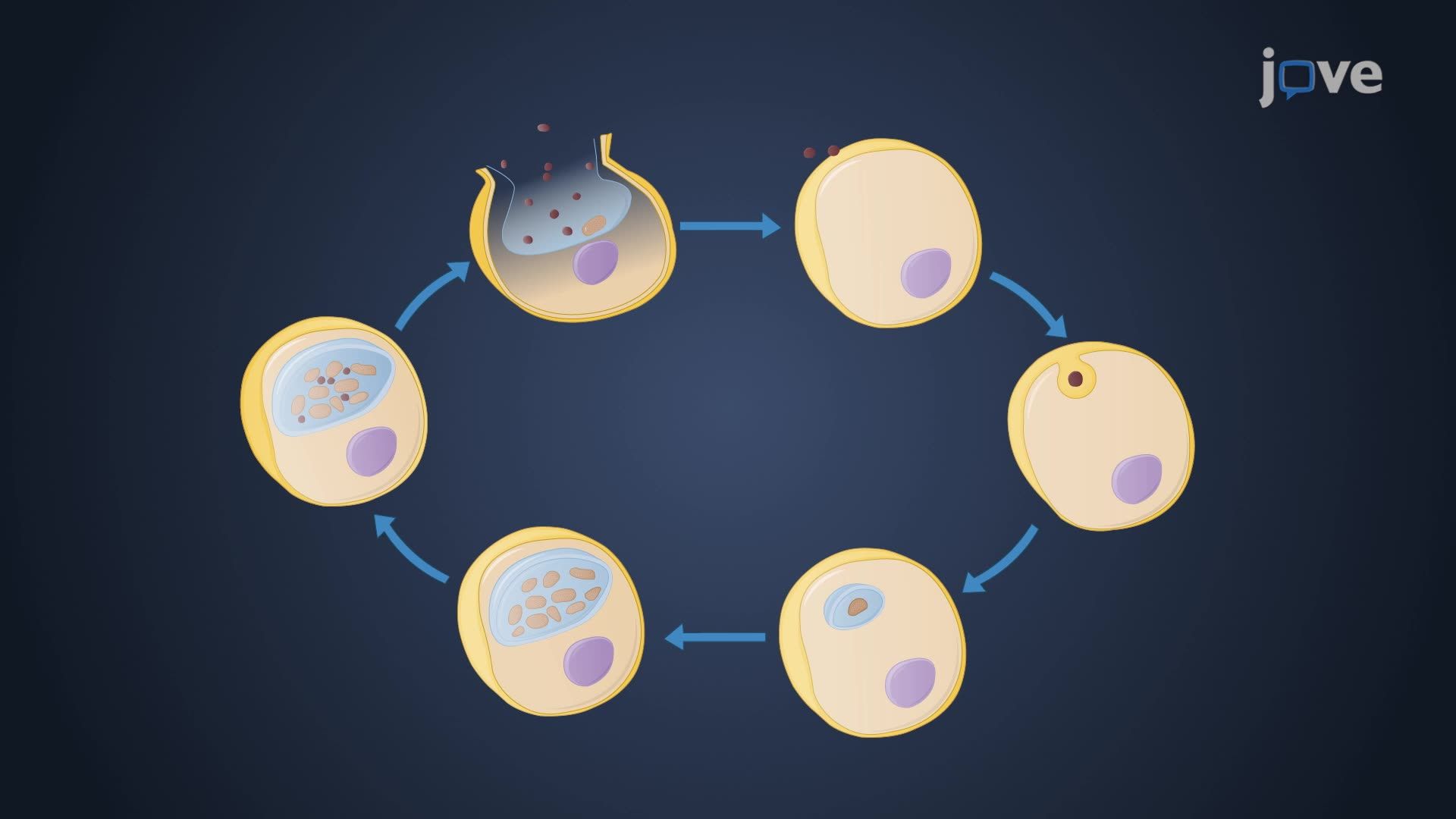
The hallmark of bacterial phylum Chlamydiae is its biphasic developmental cycle, alternating between two distinct cell forms. Elementary bodies serve as the infectious form-small, dense, metabolically inactive cells designed for survival outside host cells and transmission between hosts. Once an elementary body enters a host cell through phagocytosis, it transforms into a reticulate body, the metabolically active, reproductive form that divides within the host cell's protective environment. This cycle concludes when reticulate bodies convert back to elementary bodies and are released through host cell lysis.
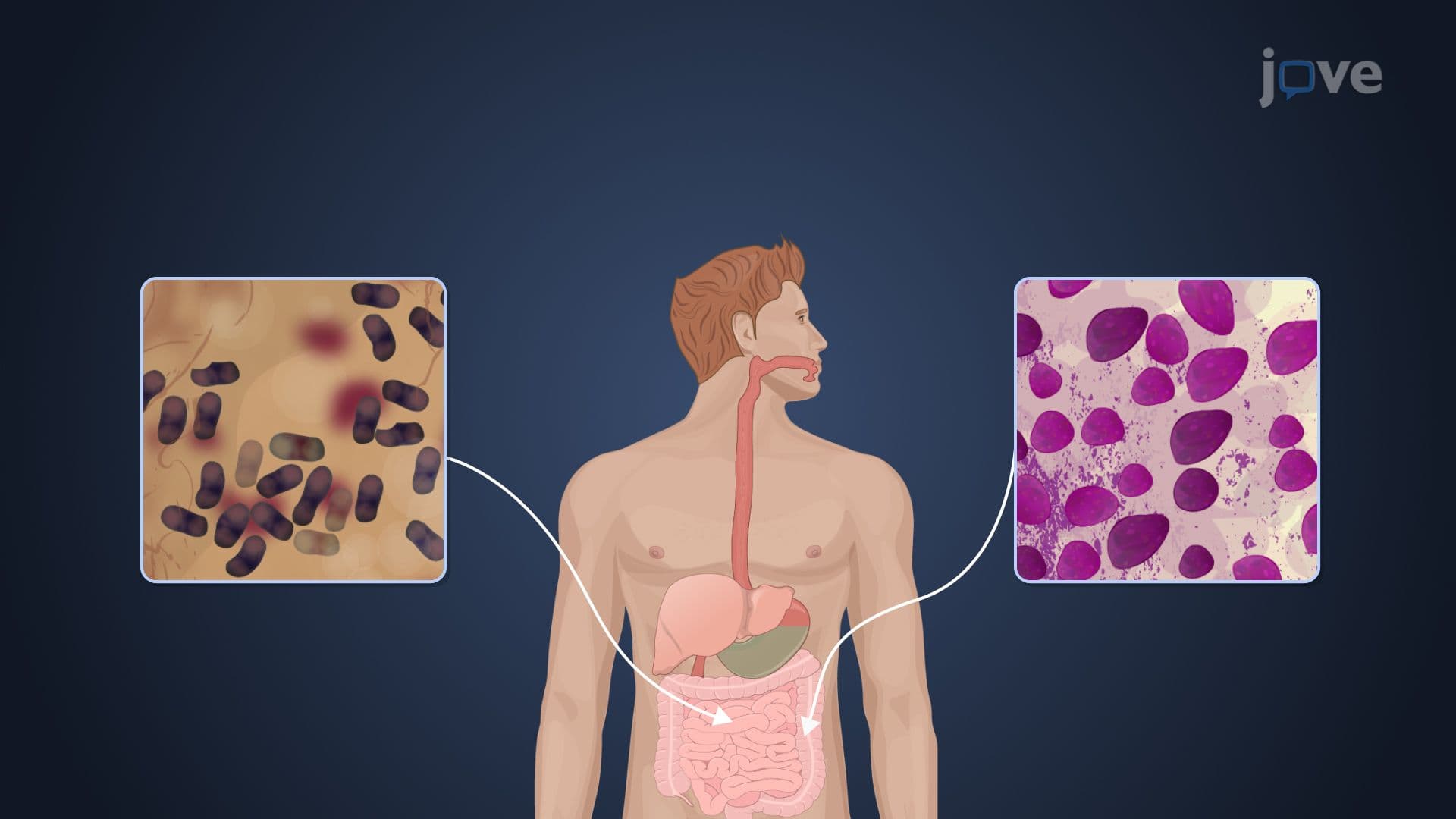
In the United States, chlamydial infections represent the most commonly reported bacterial sexually transmitted infection, with over 1.8 million cases reported annually to the CDC. *Chlamydia trachomatis* causes not only urogenital infections but also trachoma, a leading infectious cause of blindness globally. *Chlamydophila pneumoniae* contributes to community-acquired pneumonia, while *Chlamydophila psittaci* causes psittacosis (parrot fever), particularly relevant for veterinary students and professionals. Understanding these pathogens is crucial for MCAT preparation and medical school curricula, as they exemplify the relationship between bacterial biology and human disease.
Related Micro-courses