Loading video…

 37 Concepts
 13.4K views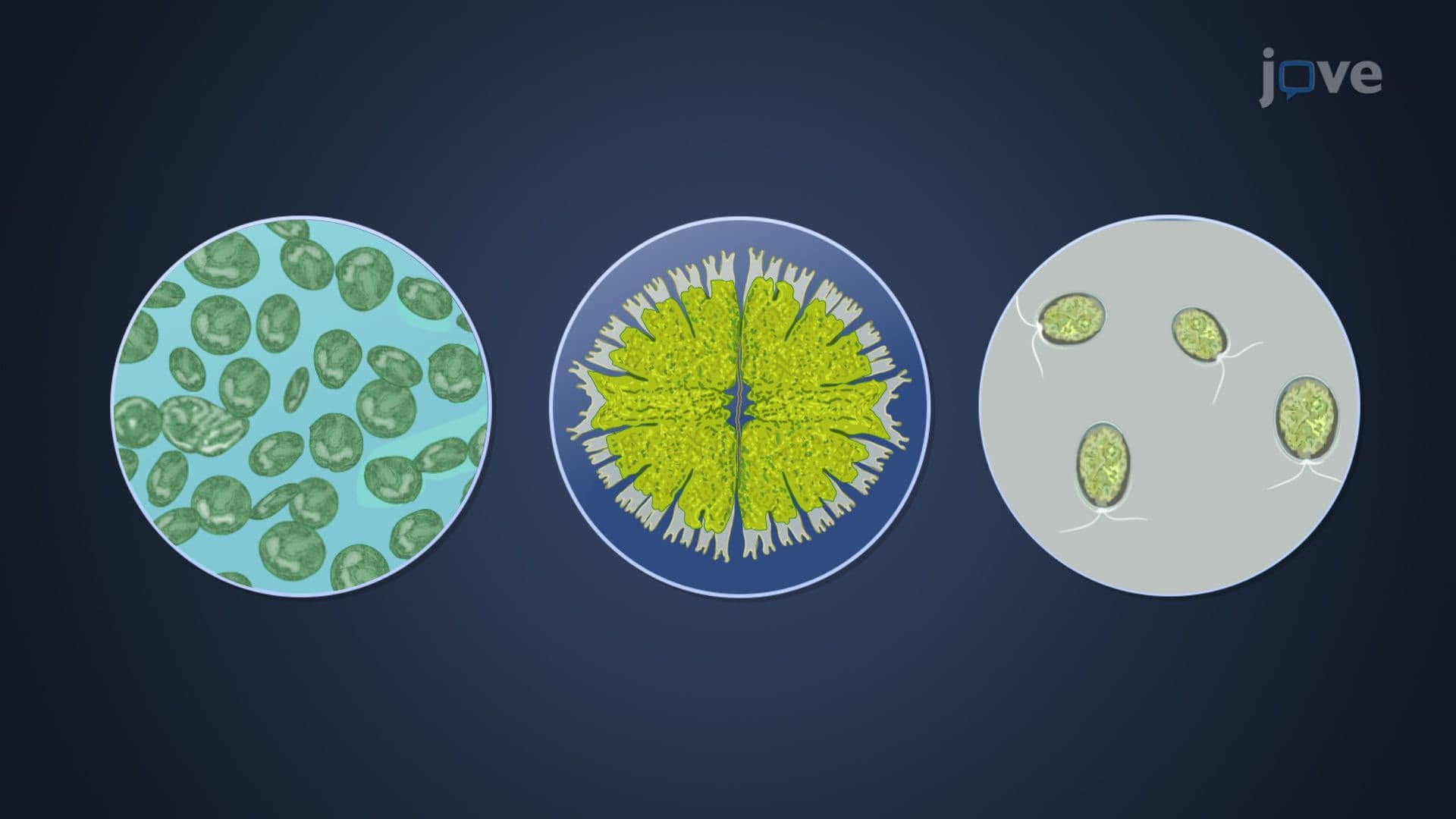

Video Summary: What Is Green Algae
Did you know that green algae living inside rocks in Antarctica could hold the key to sustainable energy? These remarkable organisms, which give many US lake ecosystems their distinctive green tint, represent one of Earth's most diverse and evolutionarily significant groups of photosynthetic life. What is green algae becomes clear when we explore their unique cellular structures and ecological roles across freshwater lakes, marine coastlines, and even extreme environments. Watch the full video on JoVE Coach to master this concept with expert-led visuals and step-by-step explanations.
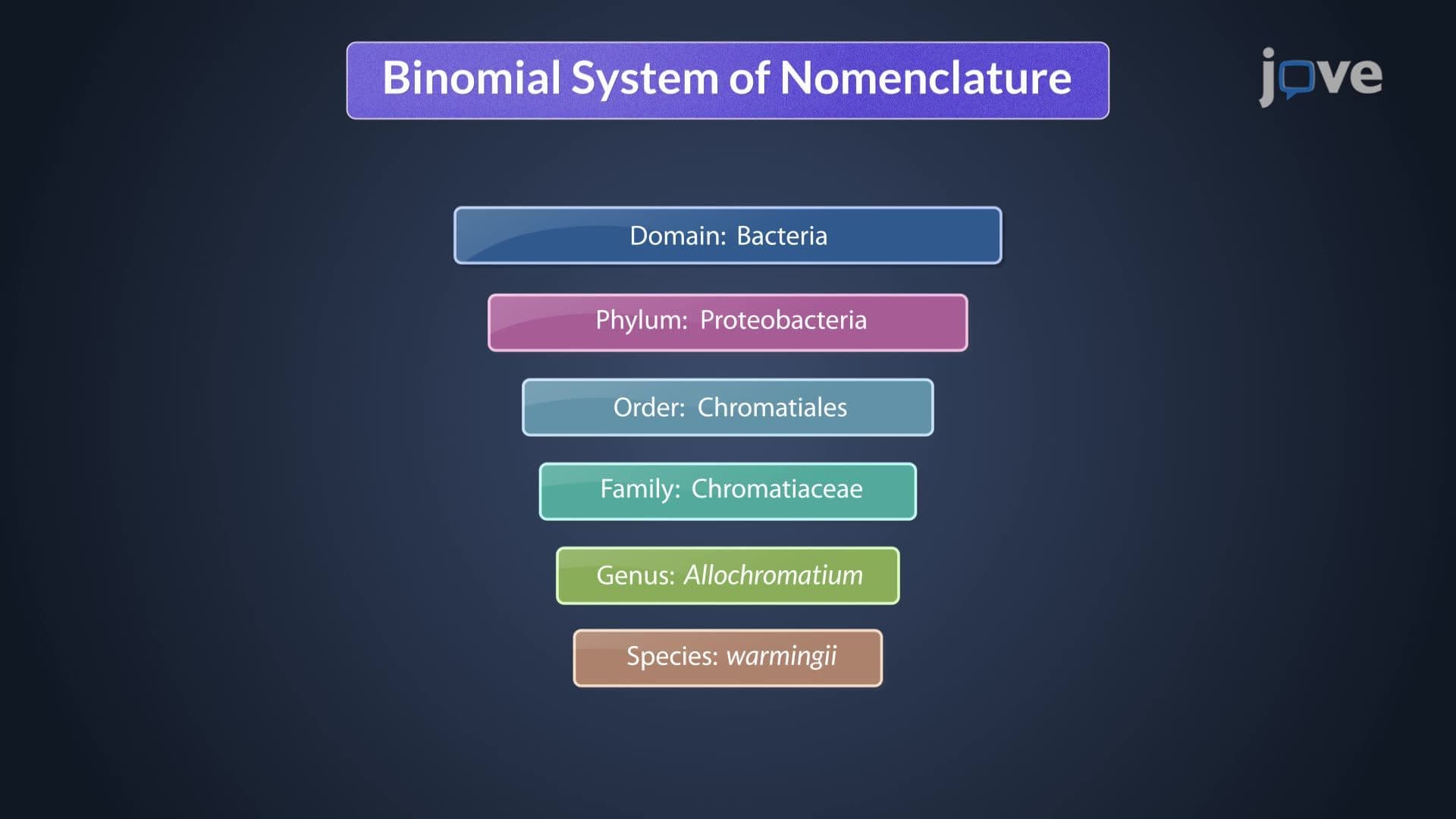
Green algae represent a diverse group of photosynthetic organisms classified within the phylum Chlorophyta in the kingdom Archaeplastida. Their characteristic green coloration results from chloroplasts containing both chlorophyll a and chlorophyll b, the same photosynthetic pigments found in land plants. This shared biochemistry reflects their close evolutionary relationship and makes green algae particularly important for understanding plant evolution.
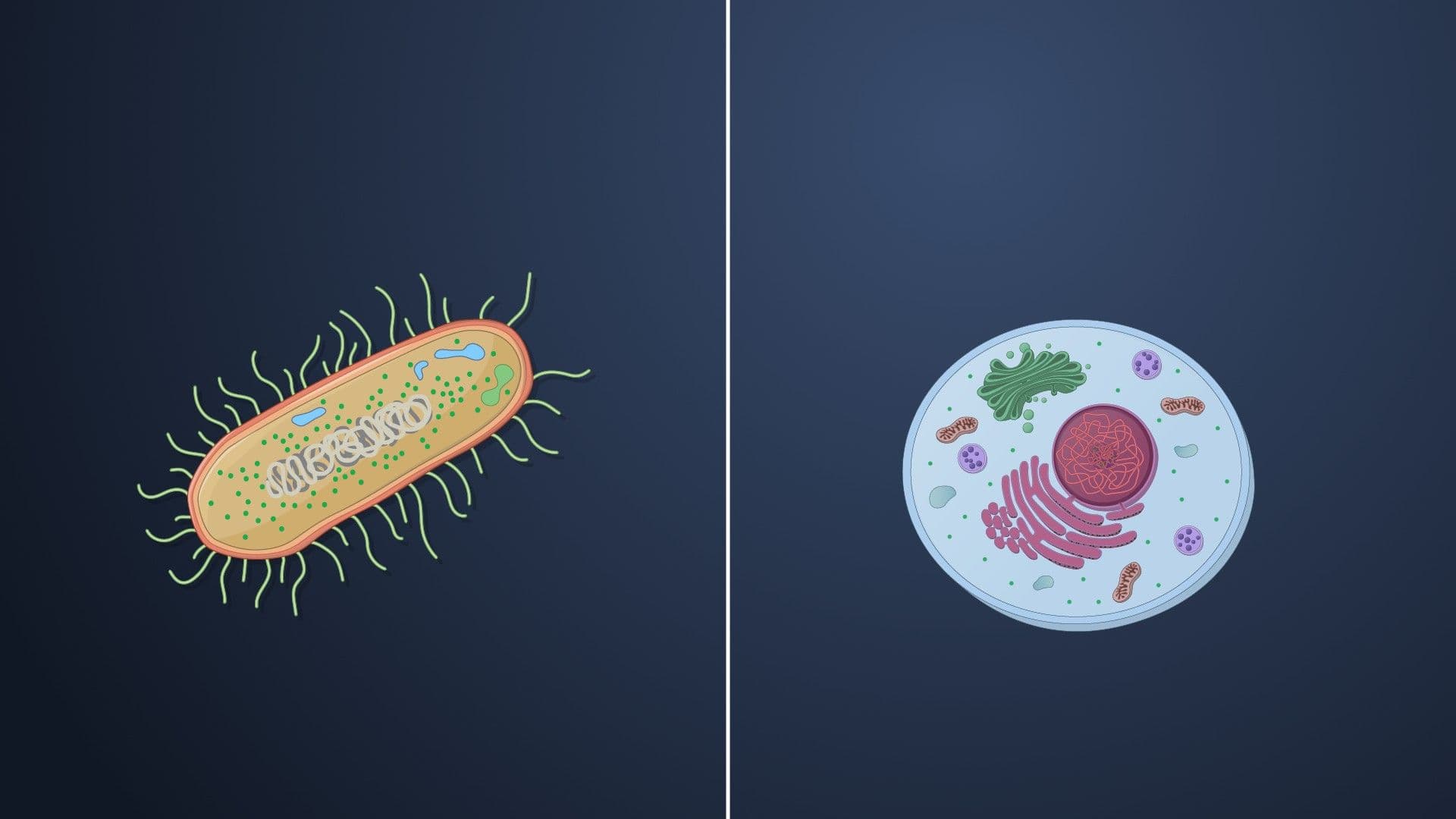
Students preparing for AP Biology or college-level botany courses should recognize that green algae serve as a crucial link between simple prokaryotic organisms and complex land plants. The presence of chlorophyll b distinguishes them from other algal groups and represents a key evolutionary innovation that enabled more efficient light harvesting.
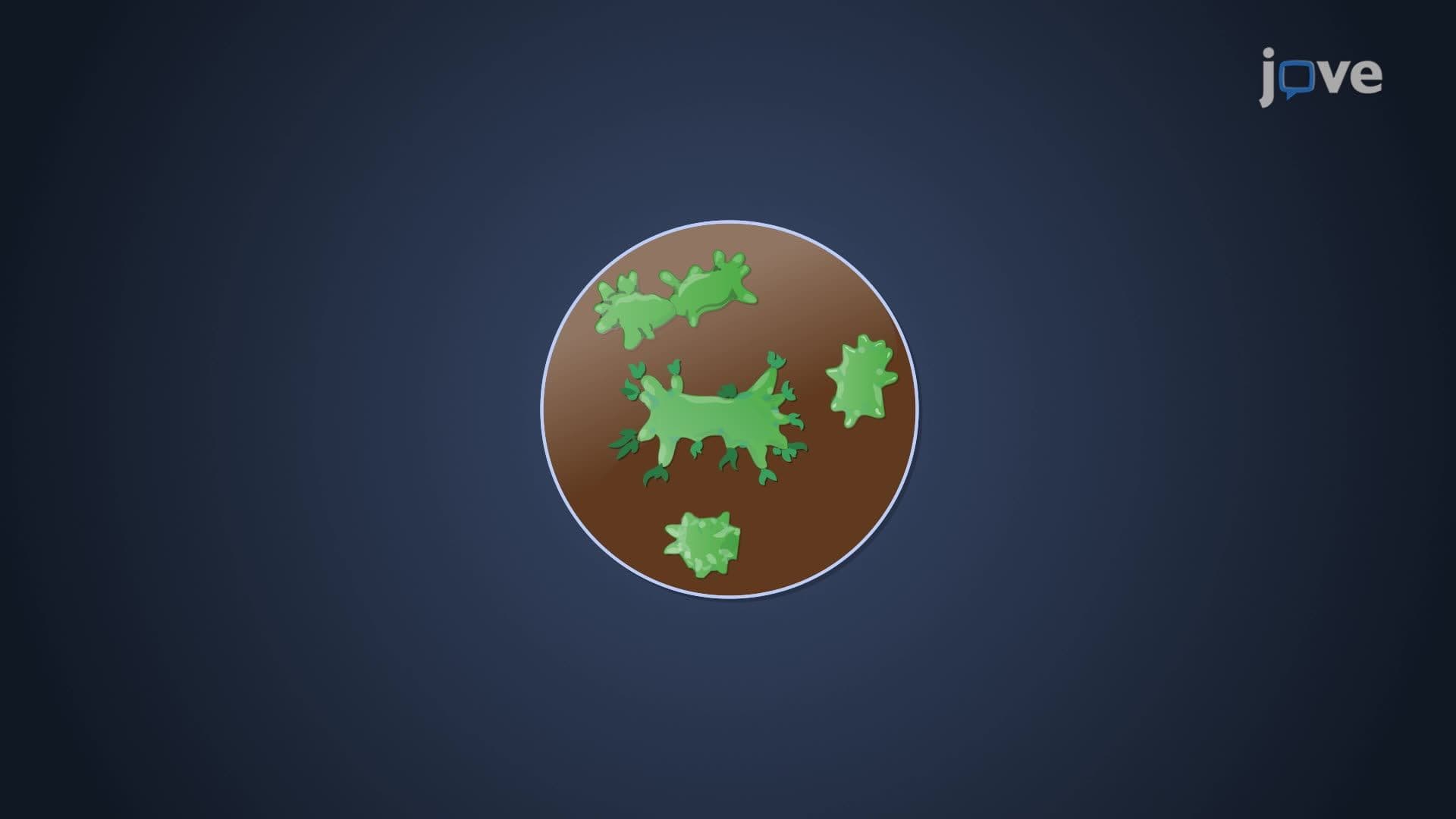
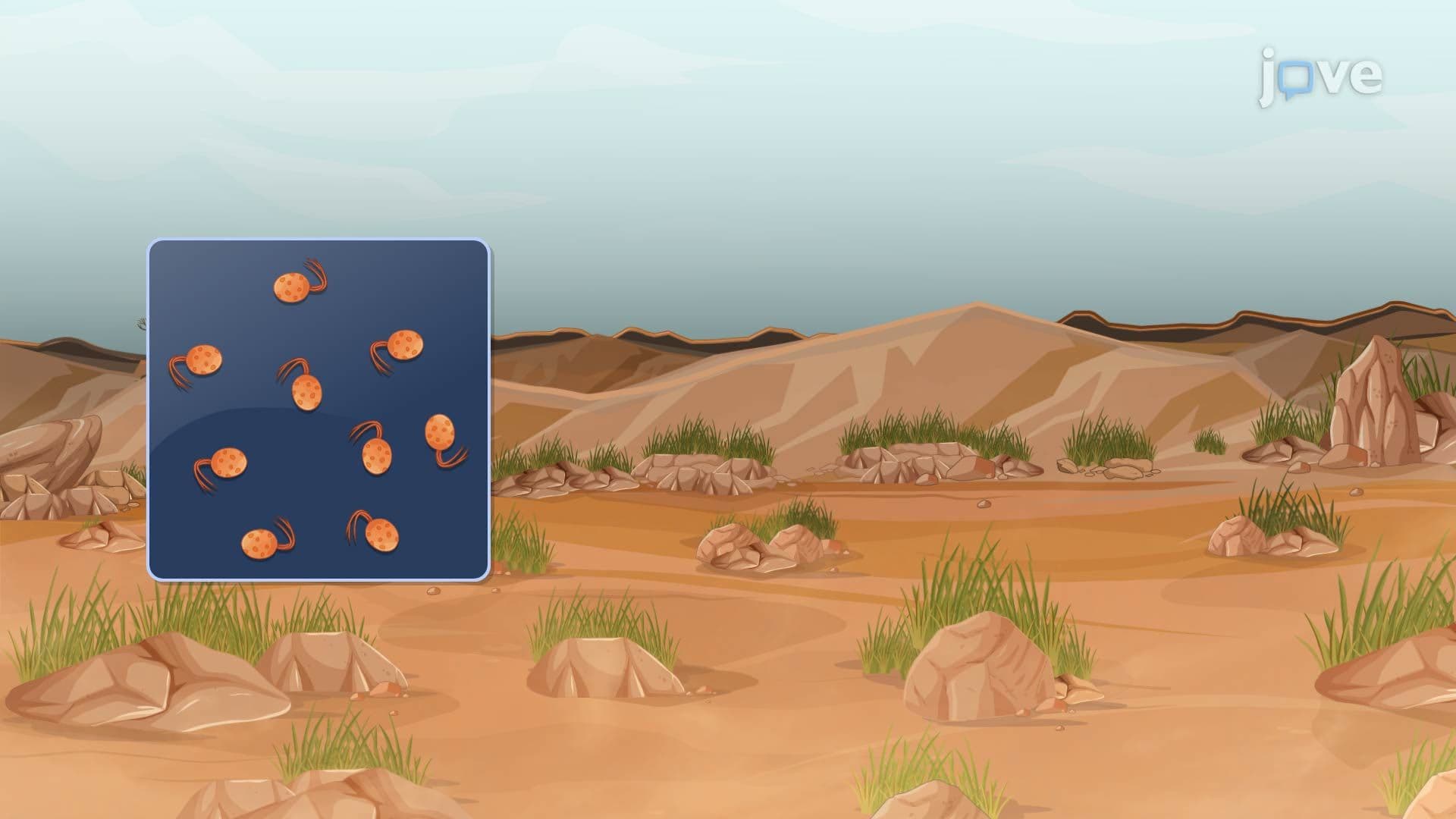
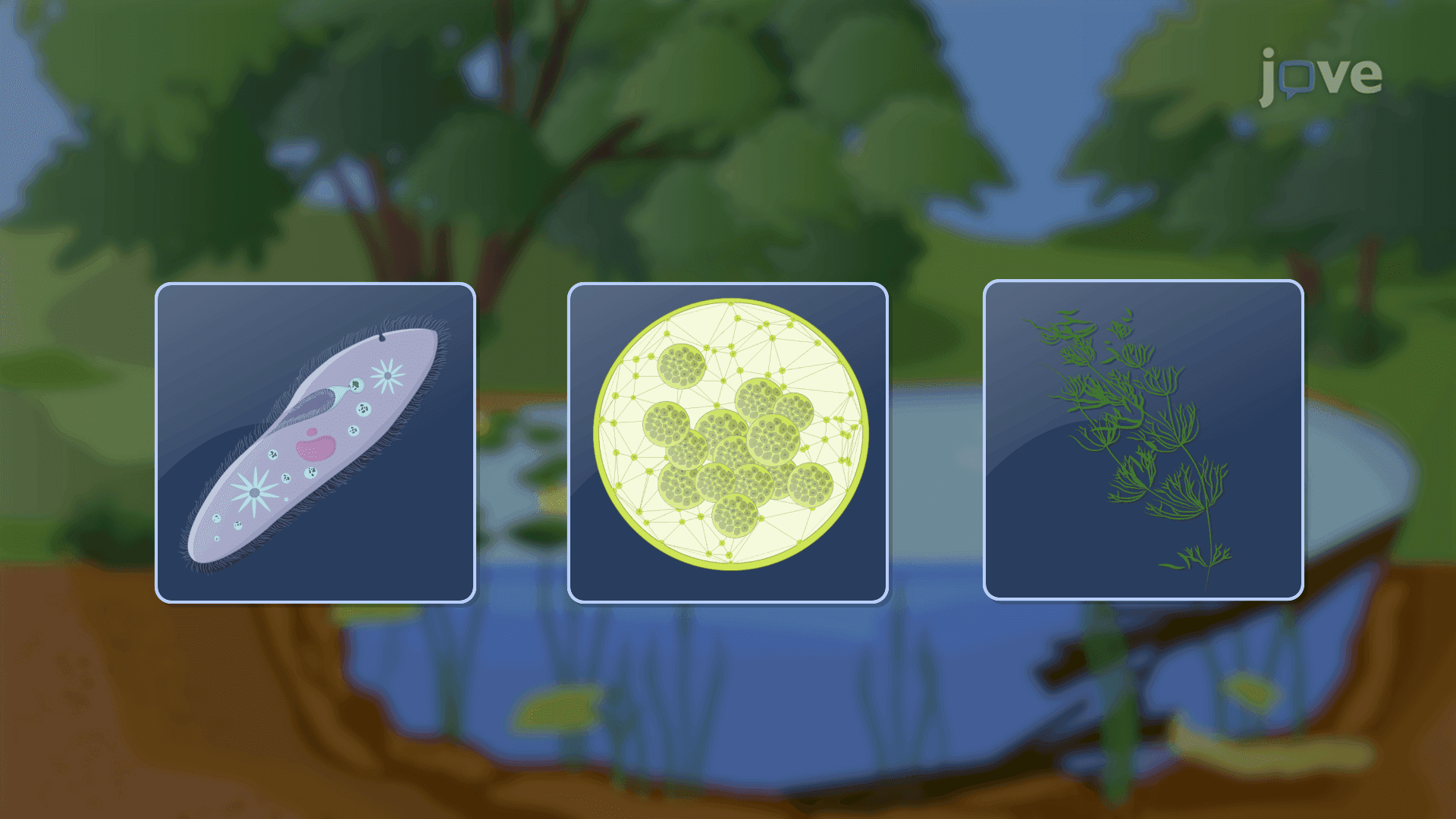
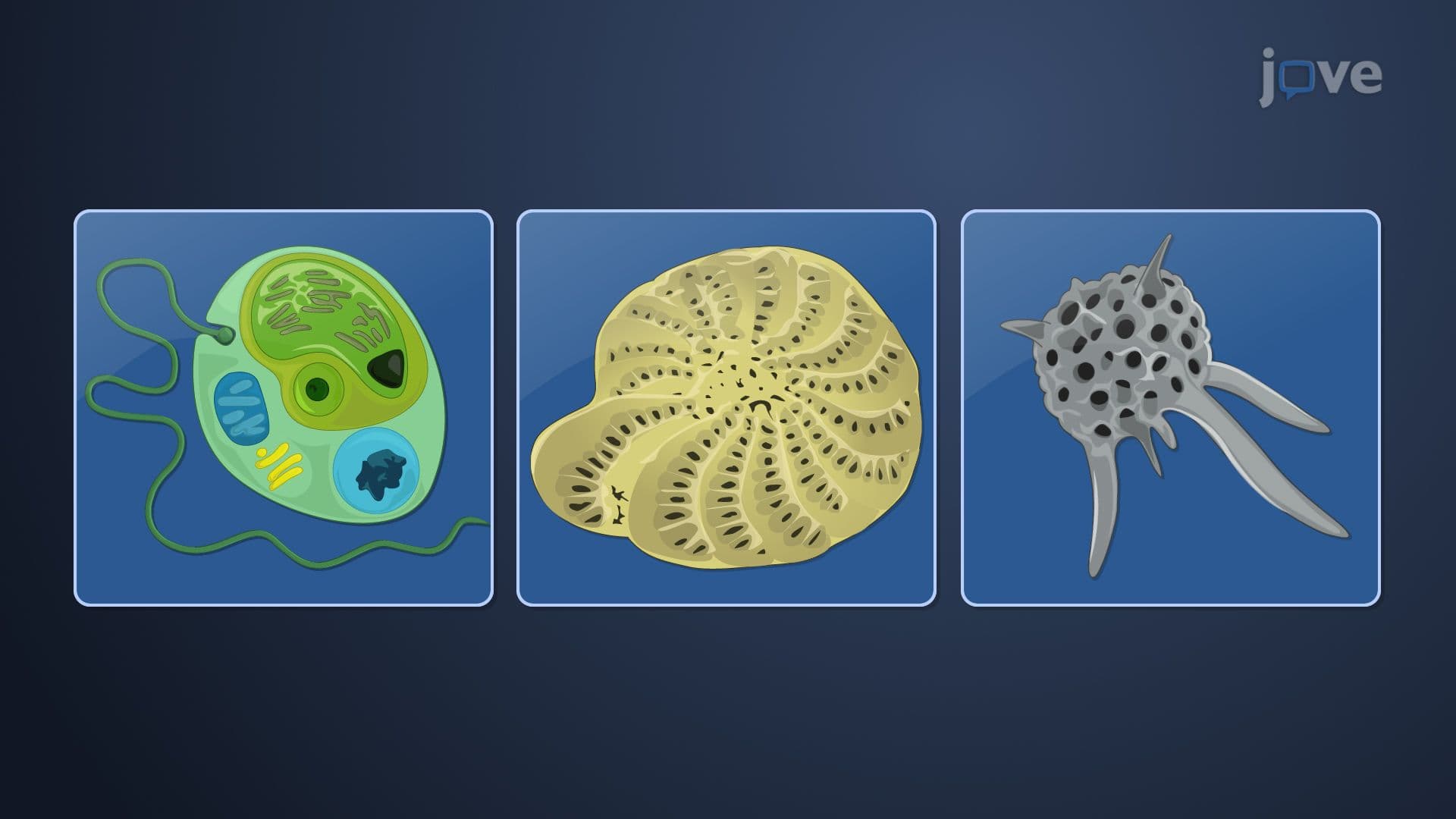
The structural diversity of green algae is extraordinary, ranging from simple unicellular organisms to complex multicellular forms. Microscopic species like *Chlamydomonas* represent the basic unicellular form, featuring flagella for movement and serving as model organisms in research laboratories across US universities. At the other extreme, *Ulva* species form large, sheet-like structures commonly known as sea lettuce, found along the Atlantic and Pacific coasts.
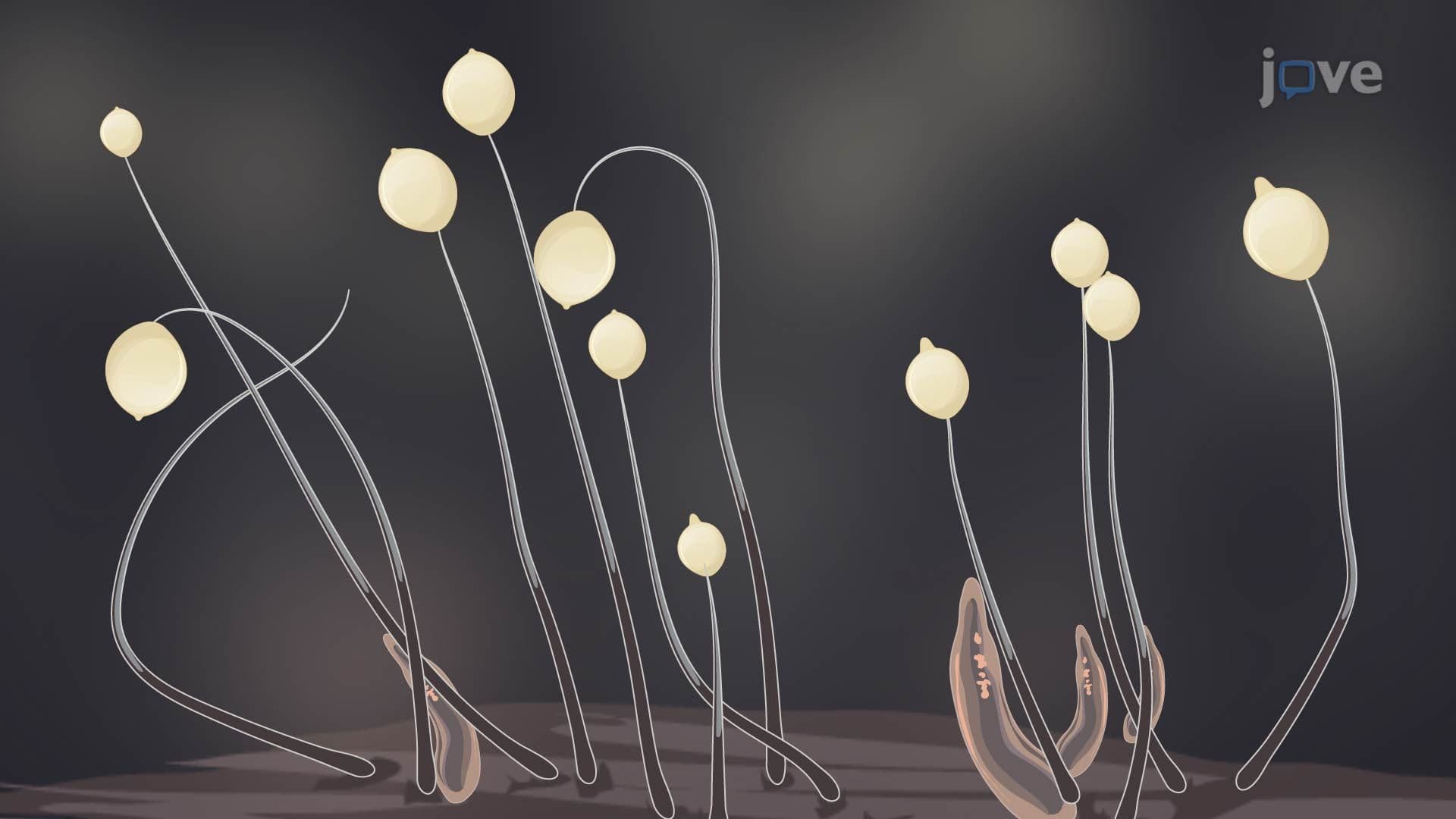
Colonial forms like *Volvox* demonstrate intermediate complexity, with hundreds of flagellated cells working together in spherical colonies. This organization provides excellent examples for students studying cell cooperation and multicellular evolution. *Spirogyra*, with its distinctive spiral chloroplasts, frequently appears in high school biology labs and represents the filamentous growth form.
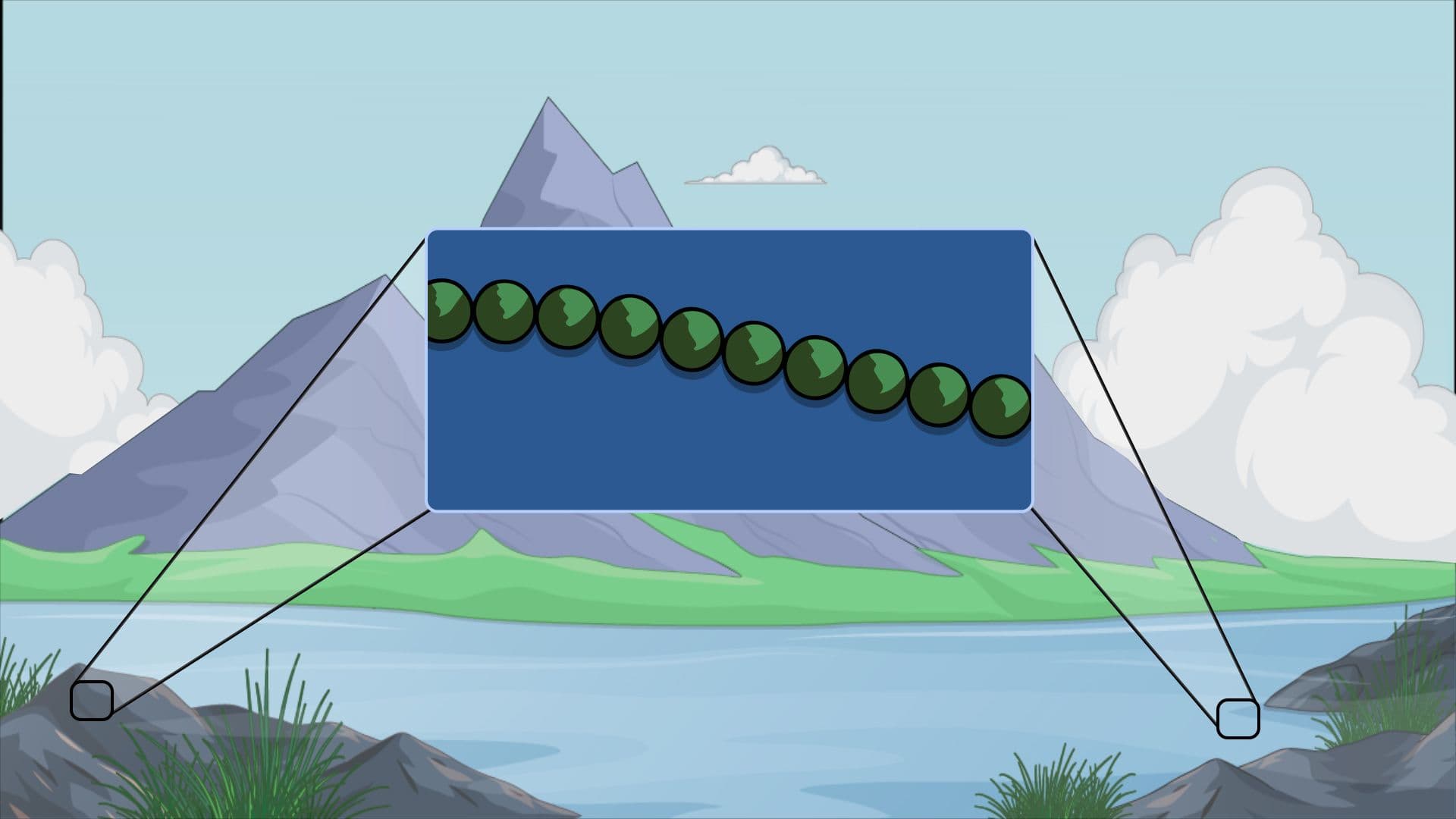
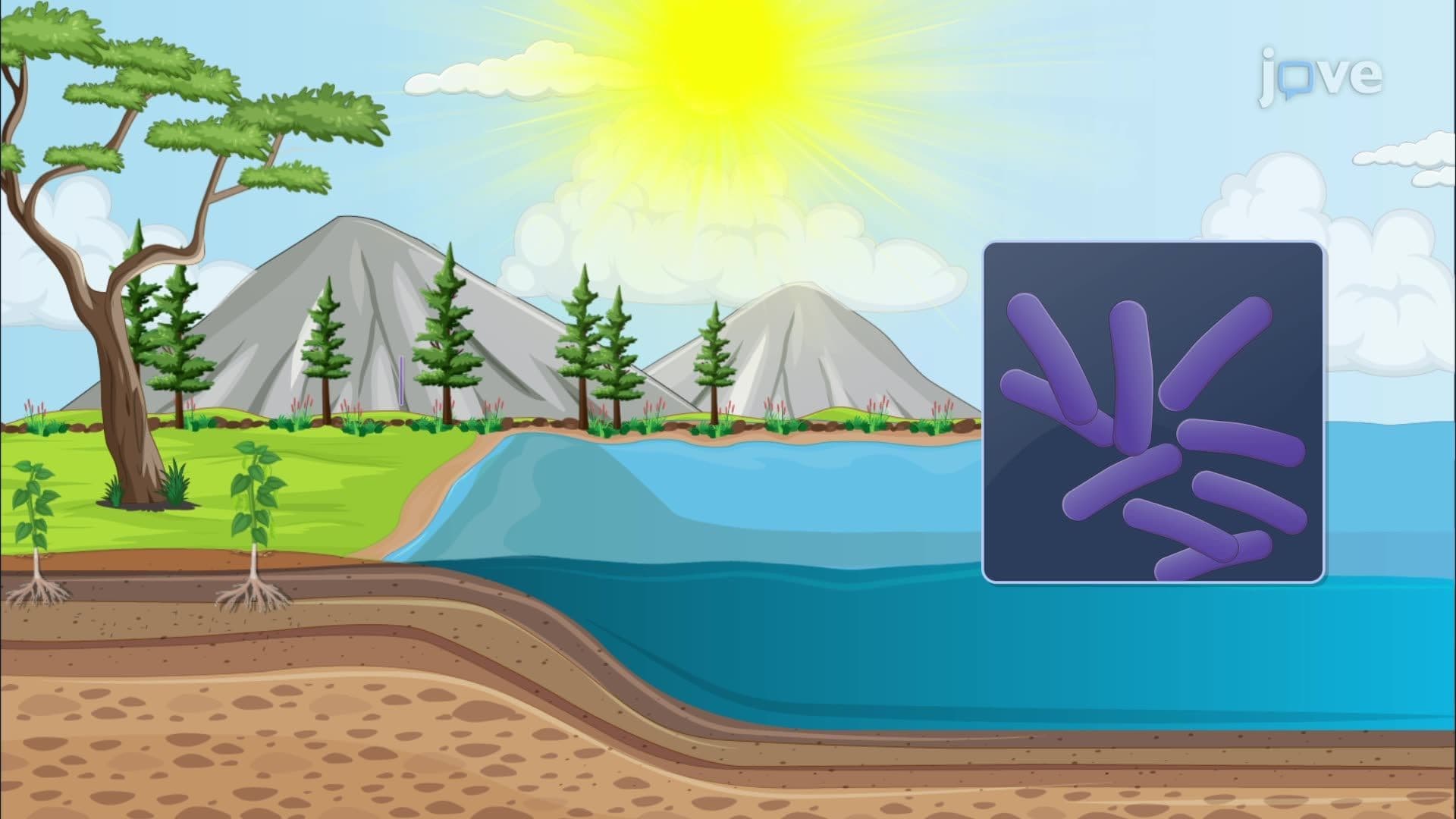
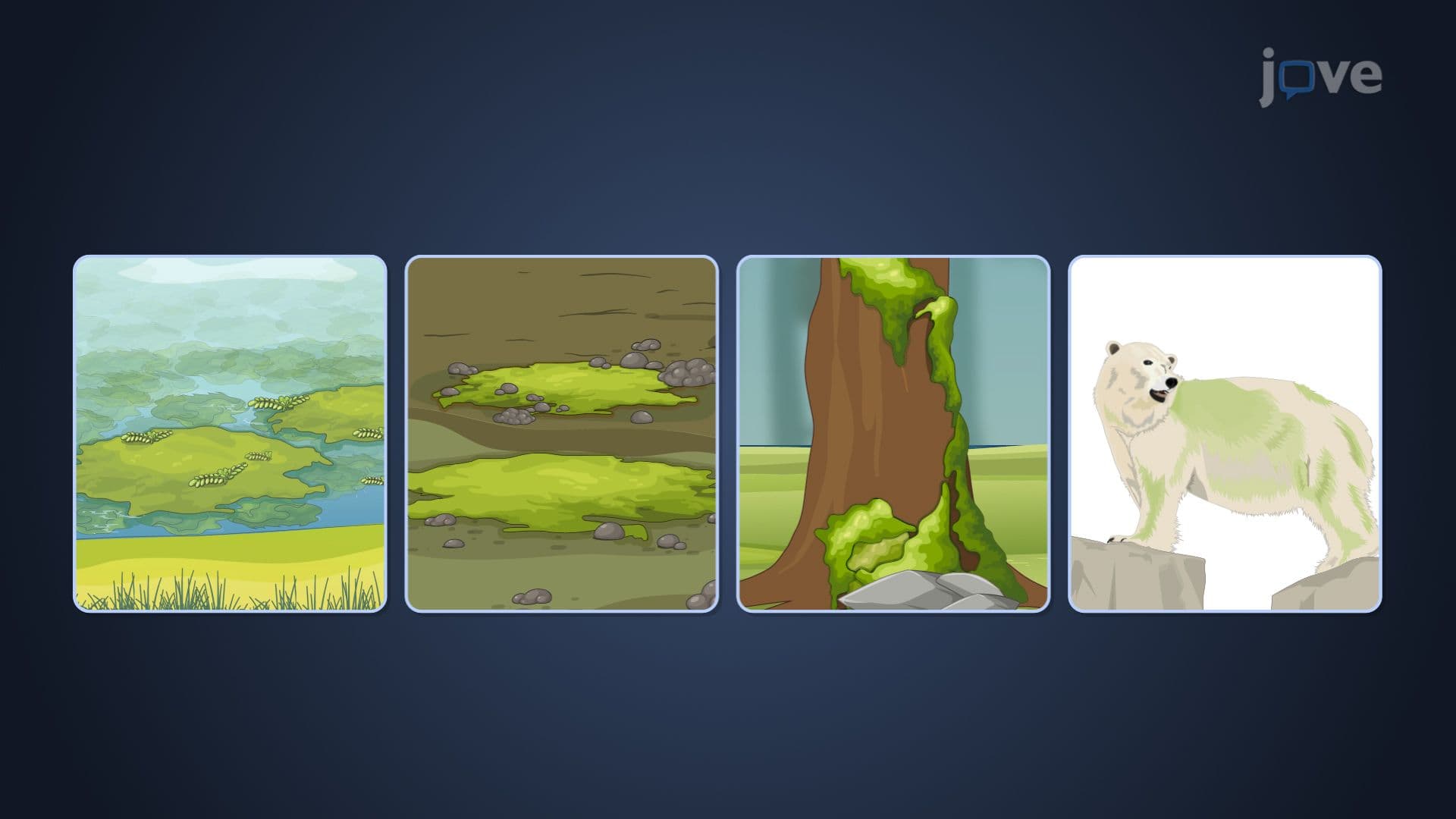
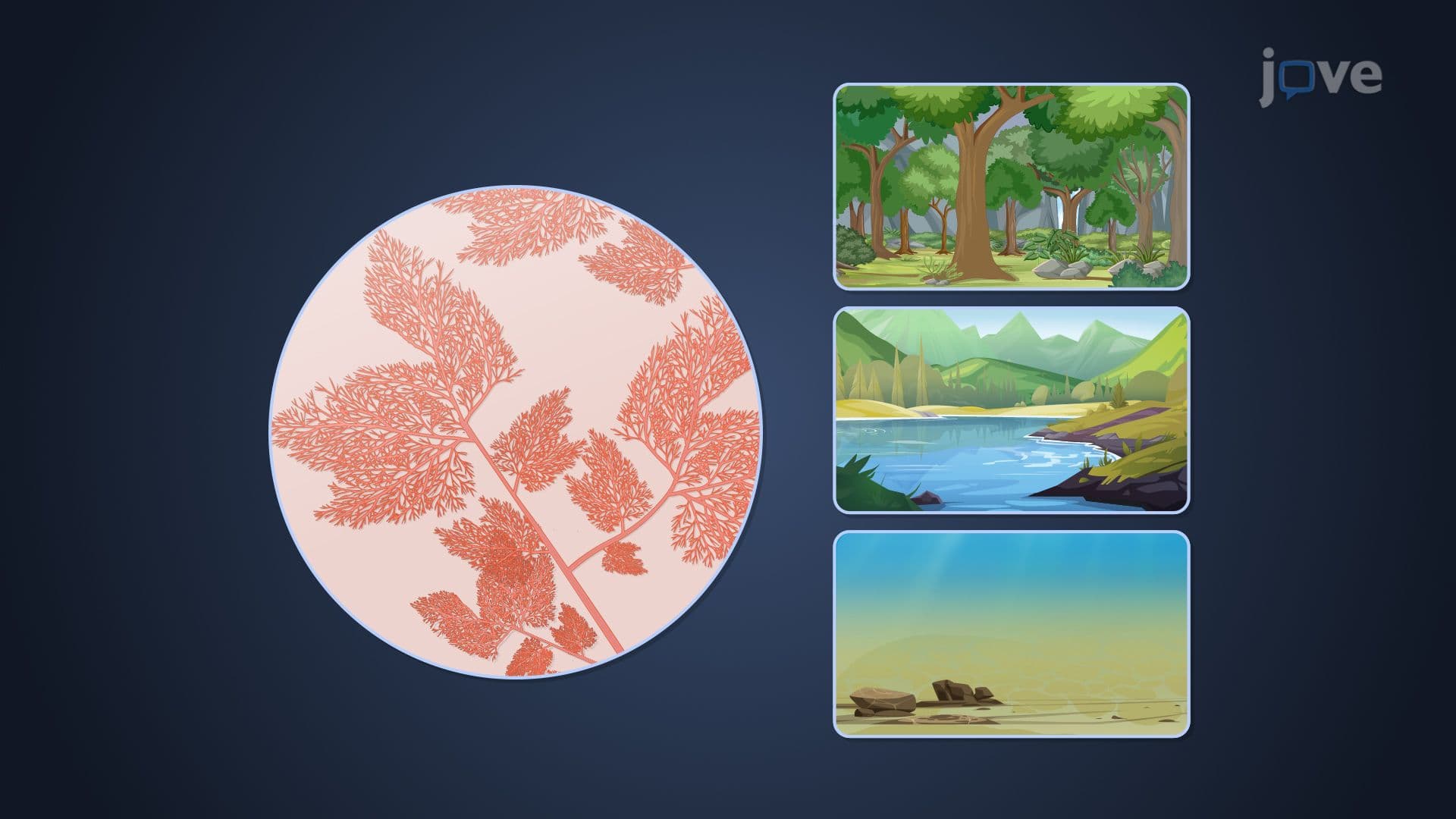
Green algae occupy virtually every aquatic and moist terrestrial habitat on Earth. In US freshwater systems like the Great Lakes, they form the foundation of aquatic food webs and contribute significantly to oxygen production. Some species, such as *Trebouxia*, have adapted to extreme environments, living as endolithic phototrophs within porous rocks in polar regions.
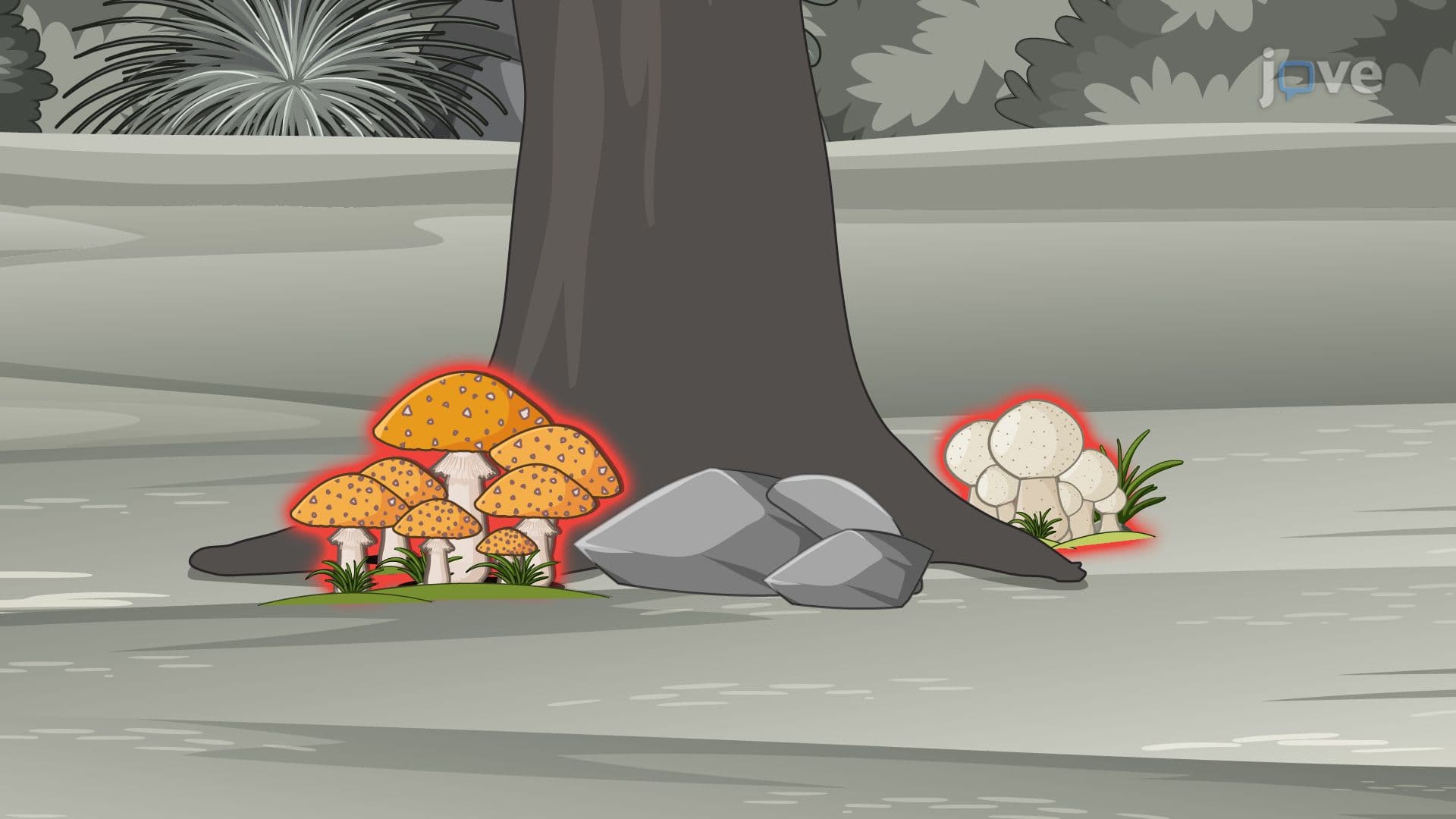
The symbiotic relationships green algae form in lichens demonstrate their ecological versatility. These partnerships between algae and fungi create some of the most resilient organisms on Earth, capable of surviving in environments from desert rocks to Arctic tundra.
*Botryococcus braunii* has gained attention in the renewable energy sector for its ability to produce hydrocarbons suitable for biofuel production. US research institutions continue investigating methods to scale up algal biofuel production, though economic challenges remain. Understanding these applications helps students connect classroom concepts to real-world energy solutions and environmental sustainability efforts.
Related Micro-courses