Loading video…

 37 Concepts
 13.4K views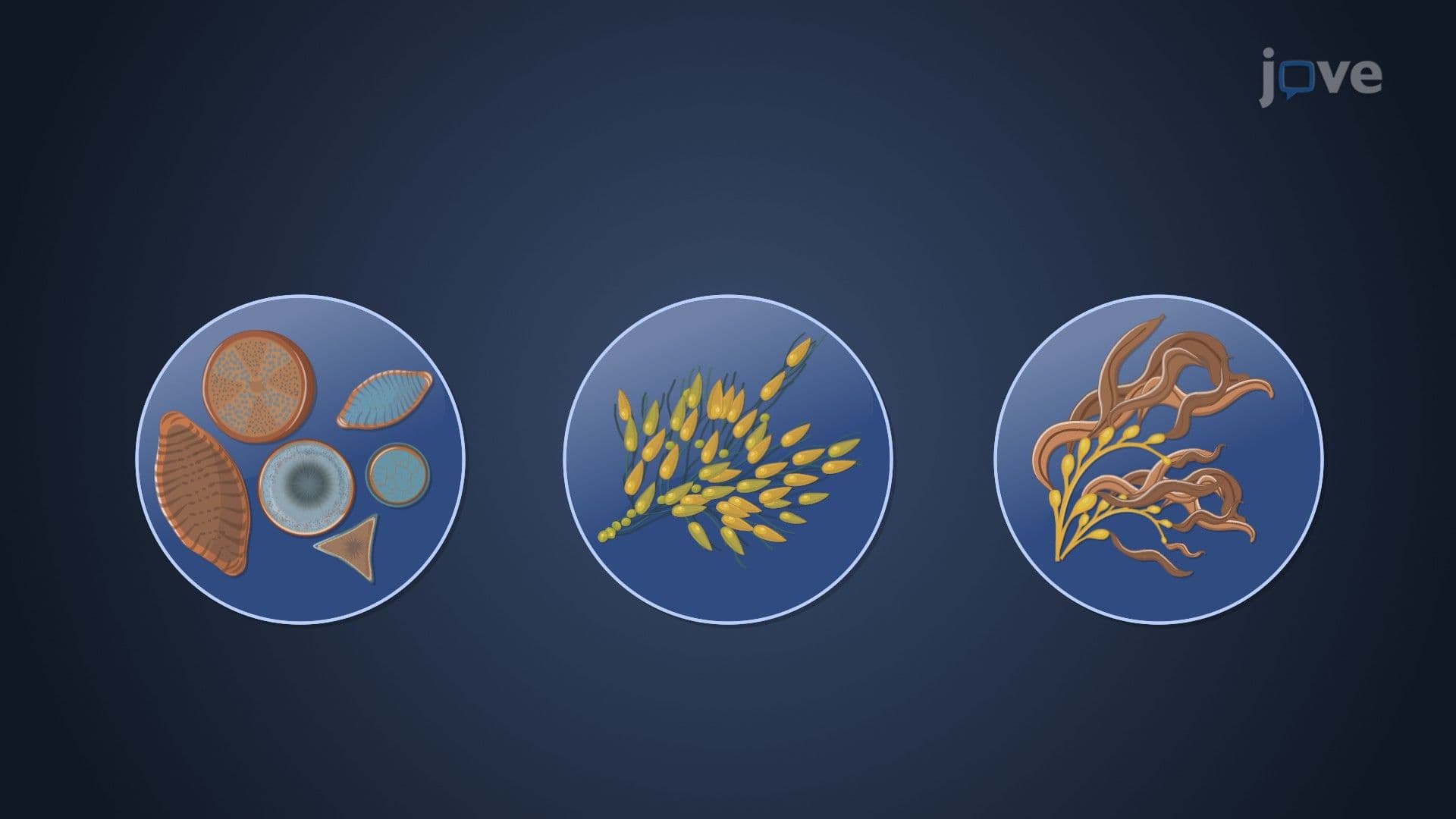

Video Summary: What Is Other Algae
Did you know that other algae include organisms that create the intricate glass-like structures found in California's marine sediments? Other algae encompass three major groups: diatoms, golden algae, and brown algae, all classified as Stramenopiles. These photosynthetic organisms range from microscopic diatoms with silica shells to massive kelp forests off the Pacific Coast that support entire marine ecosystems. Watch the full video on JoVE Coach to master this concept with expert-led visuals and step-by-step explanations.
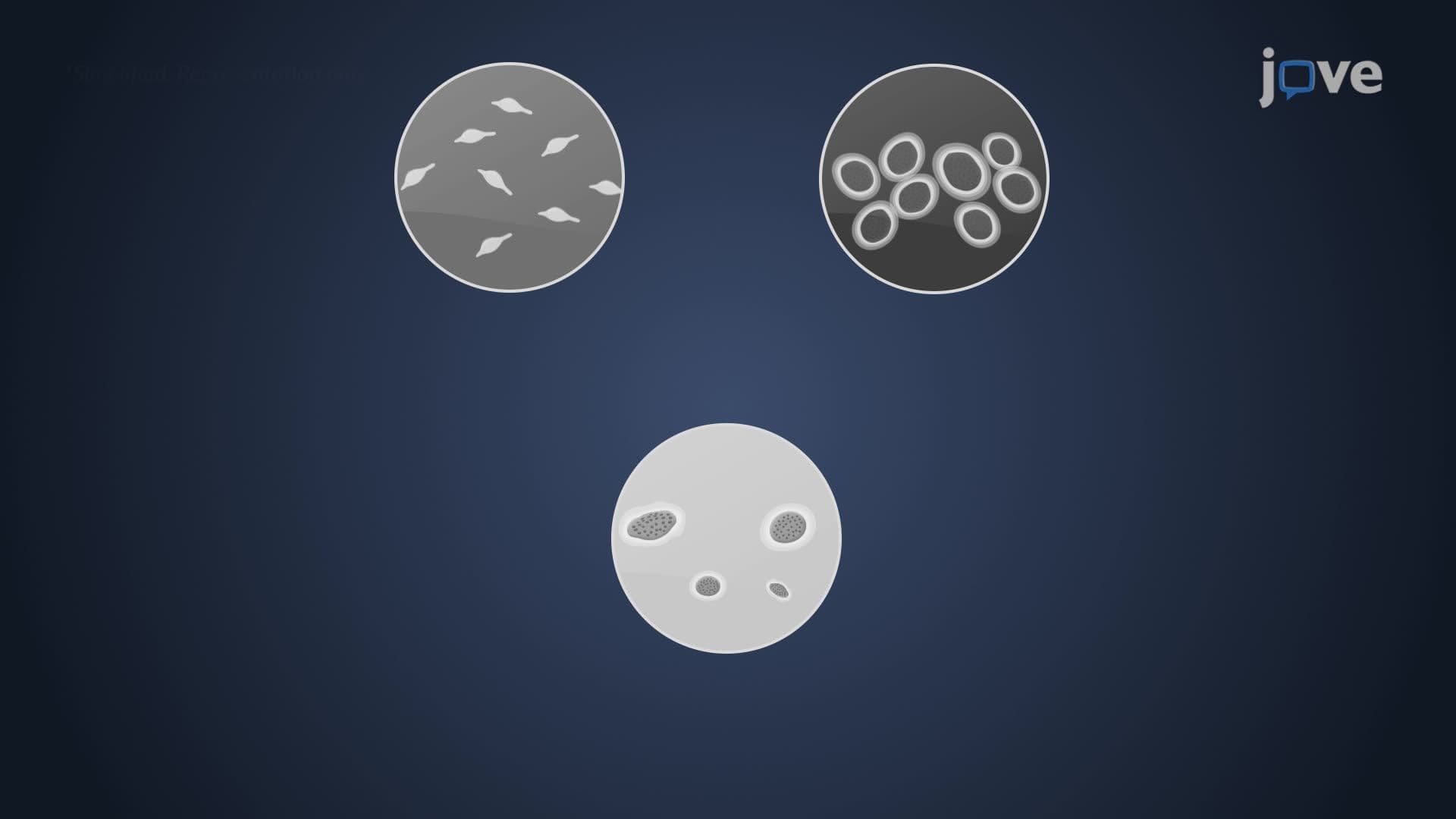
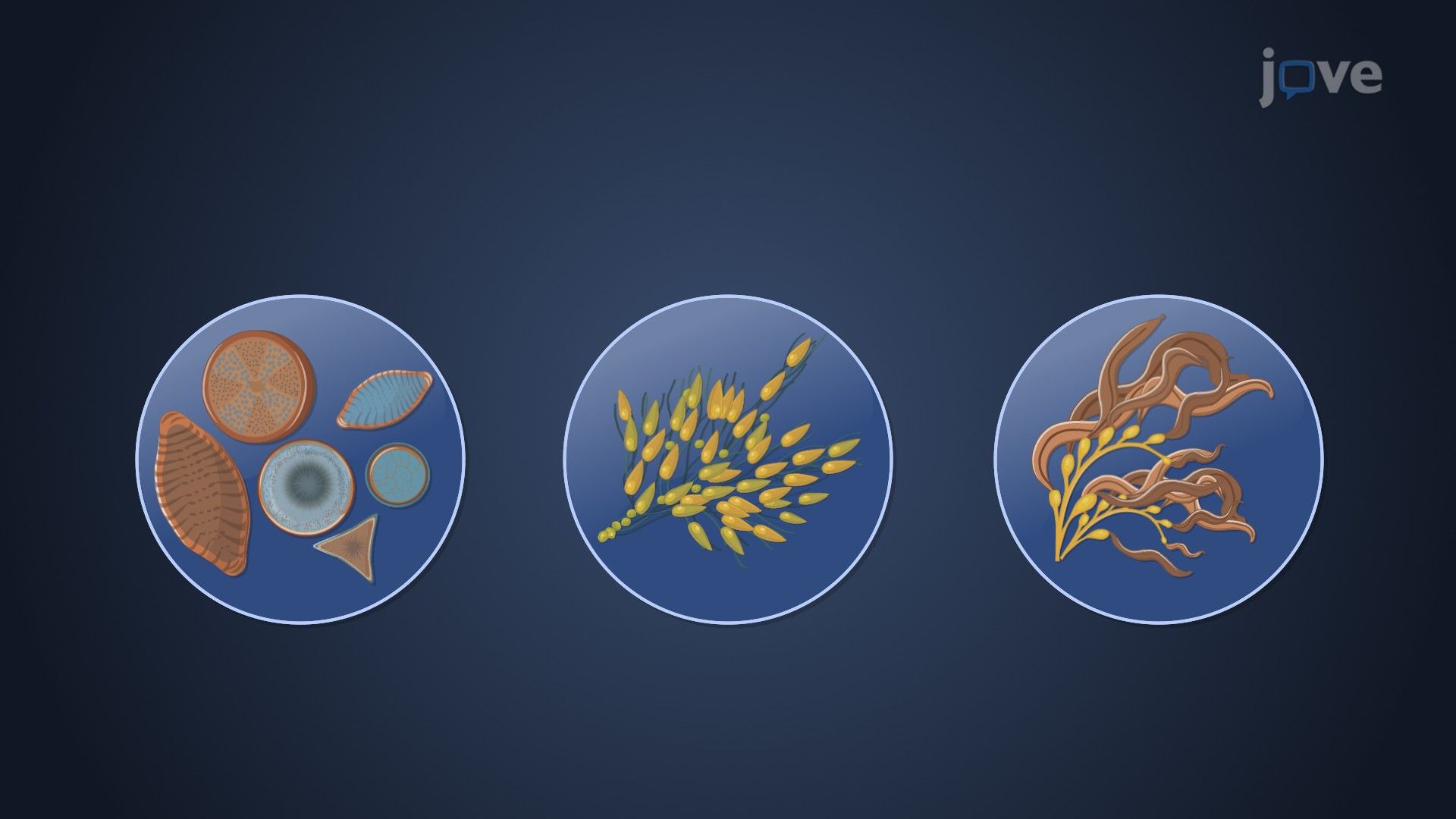
Other algae represent a fascinating and diverse group of photosynthetic organisms that belong to the phylogenetic group called Stramenopiles. Unlike the more familiar green algae found in freshwater ponds or the red algae used in sushi wrapping, other algae encompass three distinct groups: diatoms, golden algae, and brown algae. These organisms play crucial roles in both marine and freshwater ecosystems across the United States, from the kelp forests of California to the microscopic communities in the Great Lakes.
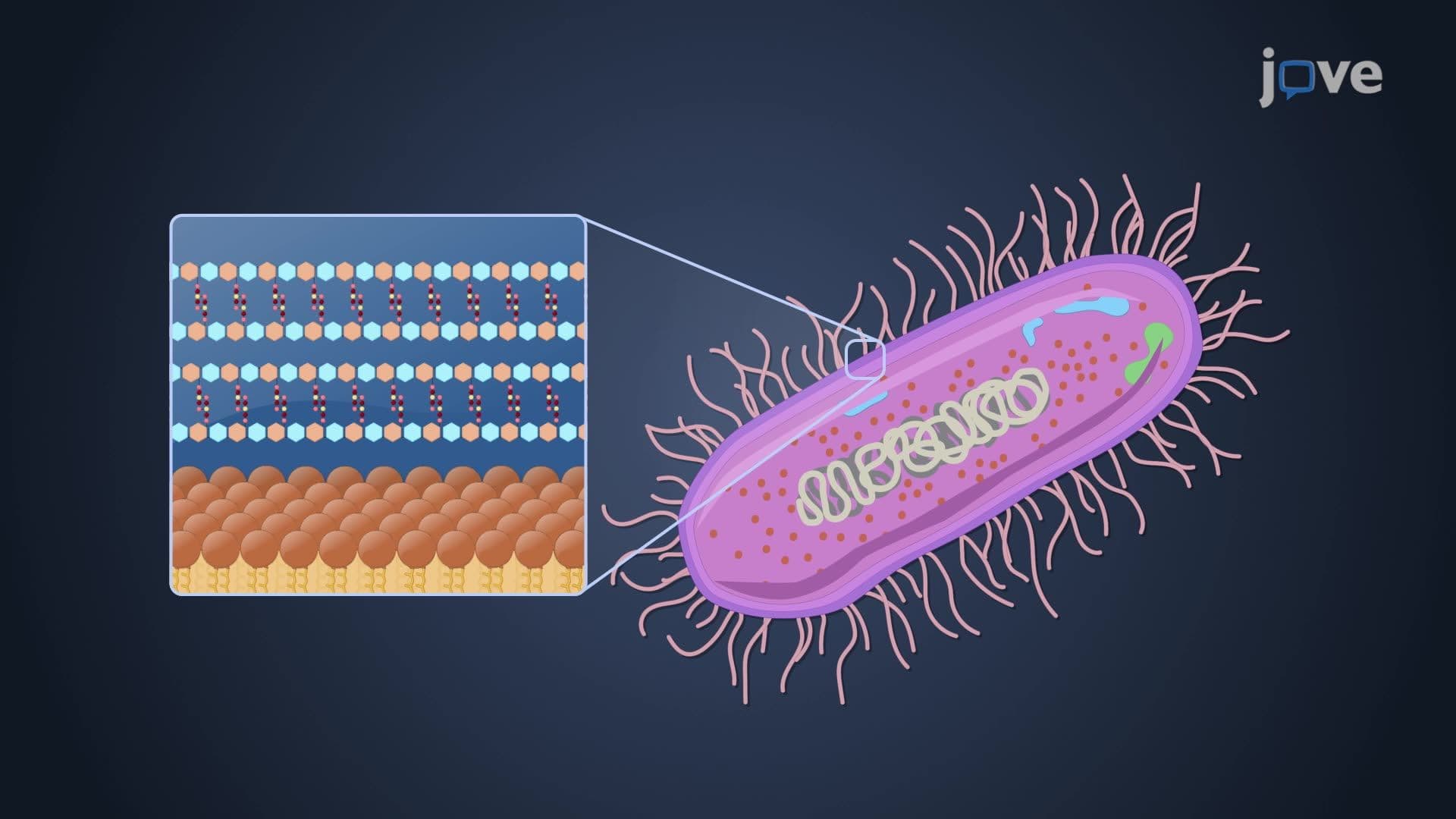
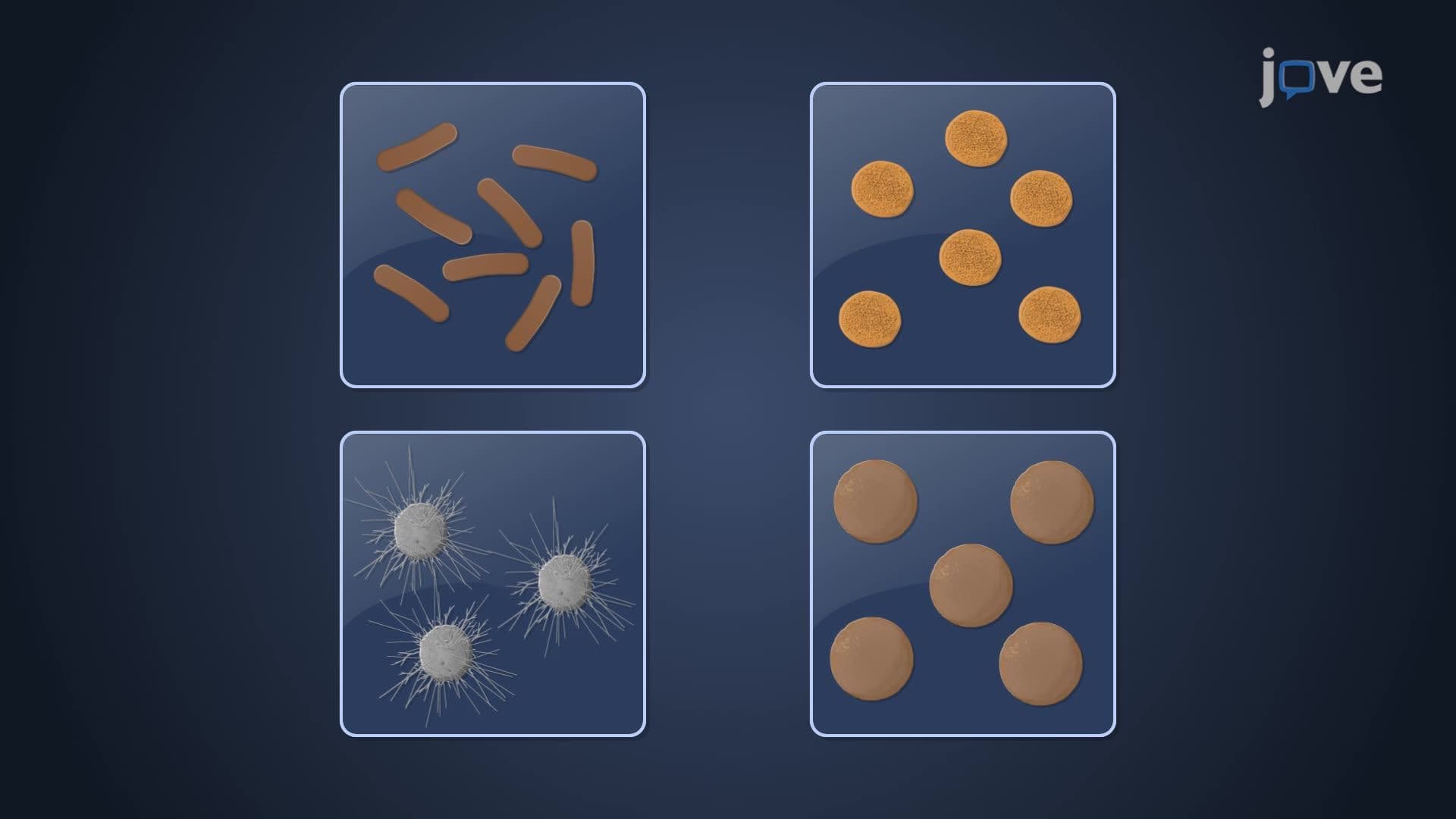
Diatoms stand out as unicellular powerhouses of the aquatic world. These microscopic organisms construct elaborate cell walls called frustules made primarily of silica-the same material found in glass. The frustule's intricate patterns, whether pinnate (feather-like) or radially symmetrical, are so precise that they're used as test specimens for high-powered microscopes. In the United States, diatom analysis helps forensic scientists determine drowning locations by identifying species-specific patterns in lung tissue. Students preparing for AP Biology or college biology courses should understand that diatoms contribute significantly to global oxygen production and serve as primary producers in aquatic food webs.
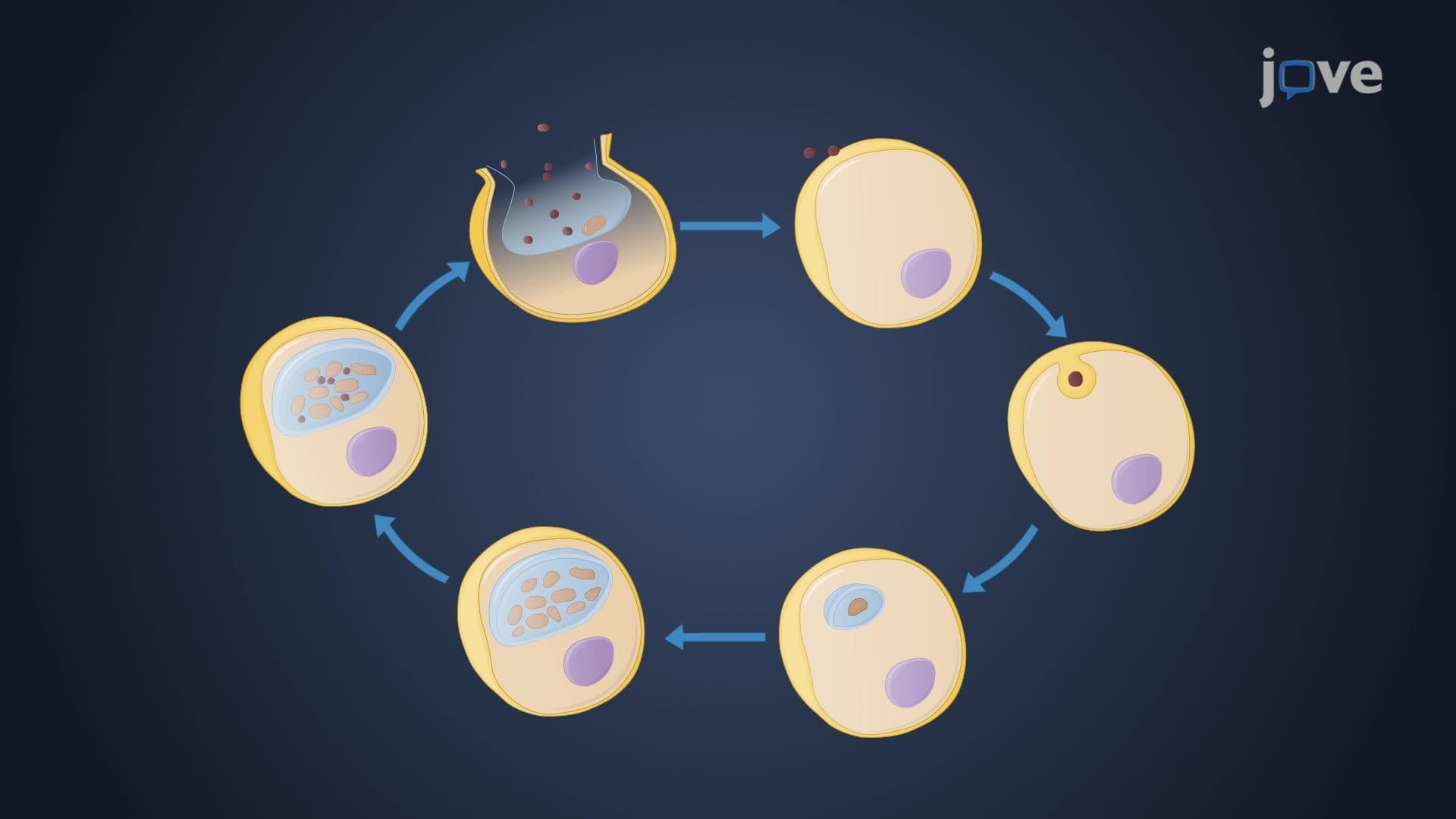
Golden algae, scientifically known as chrysophytes, derive their distinctive golden-brown color from the pigment fucoxanthin found in their chloroplasts. While they primarily use chlorophyll c for photosynthesis, fucoxanthin gives them their characteristic appearance and helps them capture light efficiently in deeper waters. Species like Ochromonas exist as single cells, while Dinobryon forms colonial structures. These organisms demonstrate remarkable metabolic flexibility-some can switch between photosynthesis and consuming organic matter when light becomes limited. This adaptability makes them important study subjects for understanding evolutionary biology concepts tested on the MCAT.
Brown algae represent the most structurally complex group among other algae, existing exclusively as multicellular marine organisms. From the familiar Fucus seaweed found in New England tide pools to the towering Macrocystis kelp forests off California's coast, these organisms demonstrate incredible size diversity. Giant kelp can grow up to 50 meters tall, creating underwater forests that support diverse marine communities including sea otters, fish, and invertebrates. Students studying for college marine biology courses should recognize that brown algae possess specialized structures like holdfasts for attachment and air bladders for buoyancy-adaptations that allow them to thrive in challenging marine environments.
Related Micro-courses