Loading video…

 37 Concepts
 13.4K views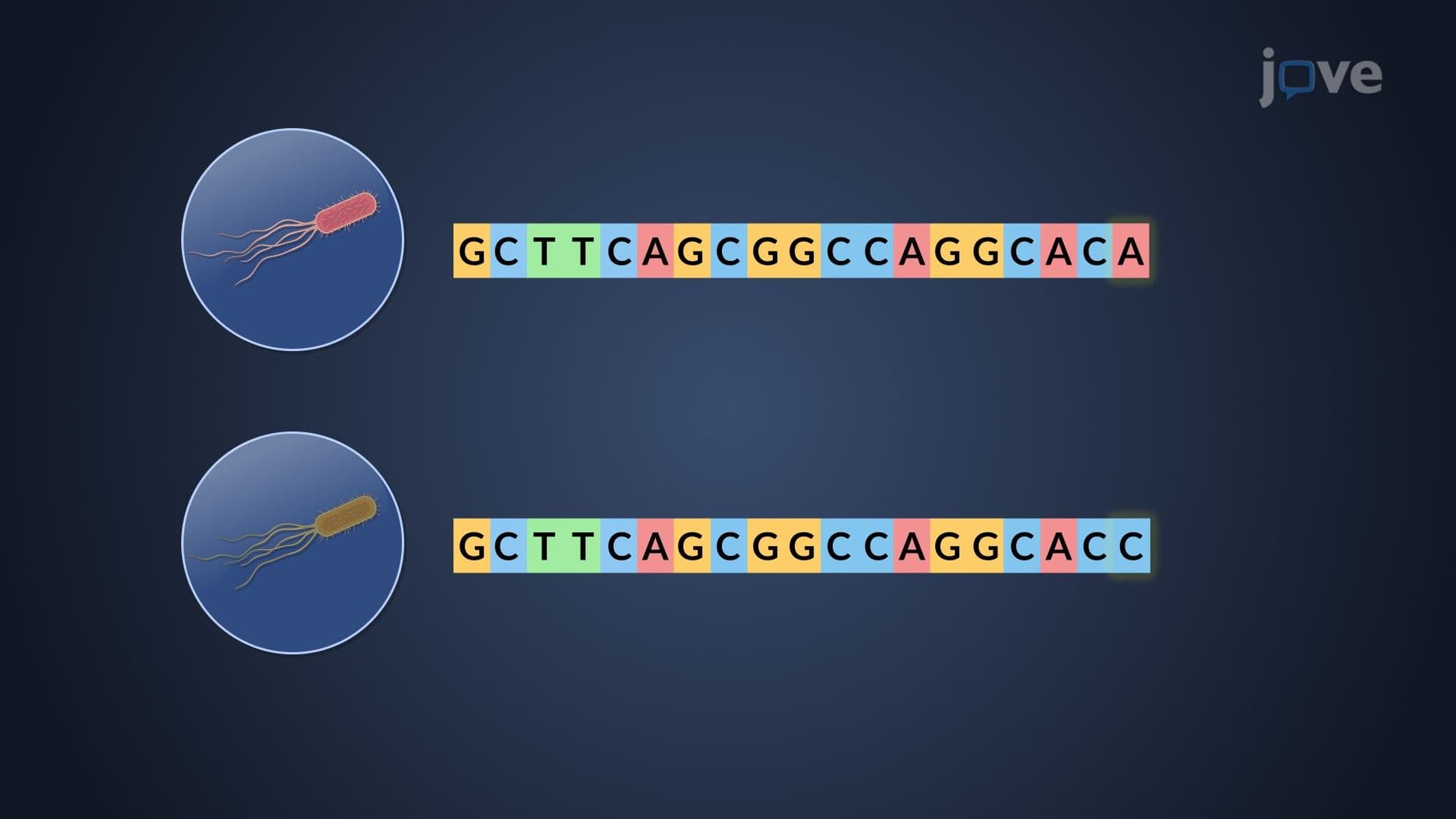

Video Summary: What Is Modern Molecular Taxonomy
Ever wonder how scientists can distinguish between deadly E. coli O157:H7 and harmless E. coli K-12 strains that look identical under a microscope? Modern molecular taxonomy revolutionizes bacterial identification by analyzing DNA sequences instead of relying solely on physical characteristics. This polyphasic approach combines multiple molecular methods like conserved gene analysis, multilocus sequence typing (MLST), and genome fingerprinting to accurately classify bacteria. The CDC uses these techniques to rapidly identify foodborne pathogens during outbreak investigations across the United States. Watch the full video on JoVE Coach to master this concept with expert-led visuals and step-by-step explanations.
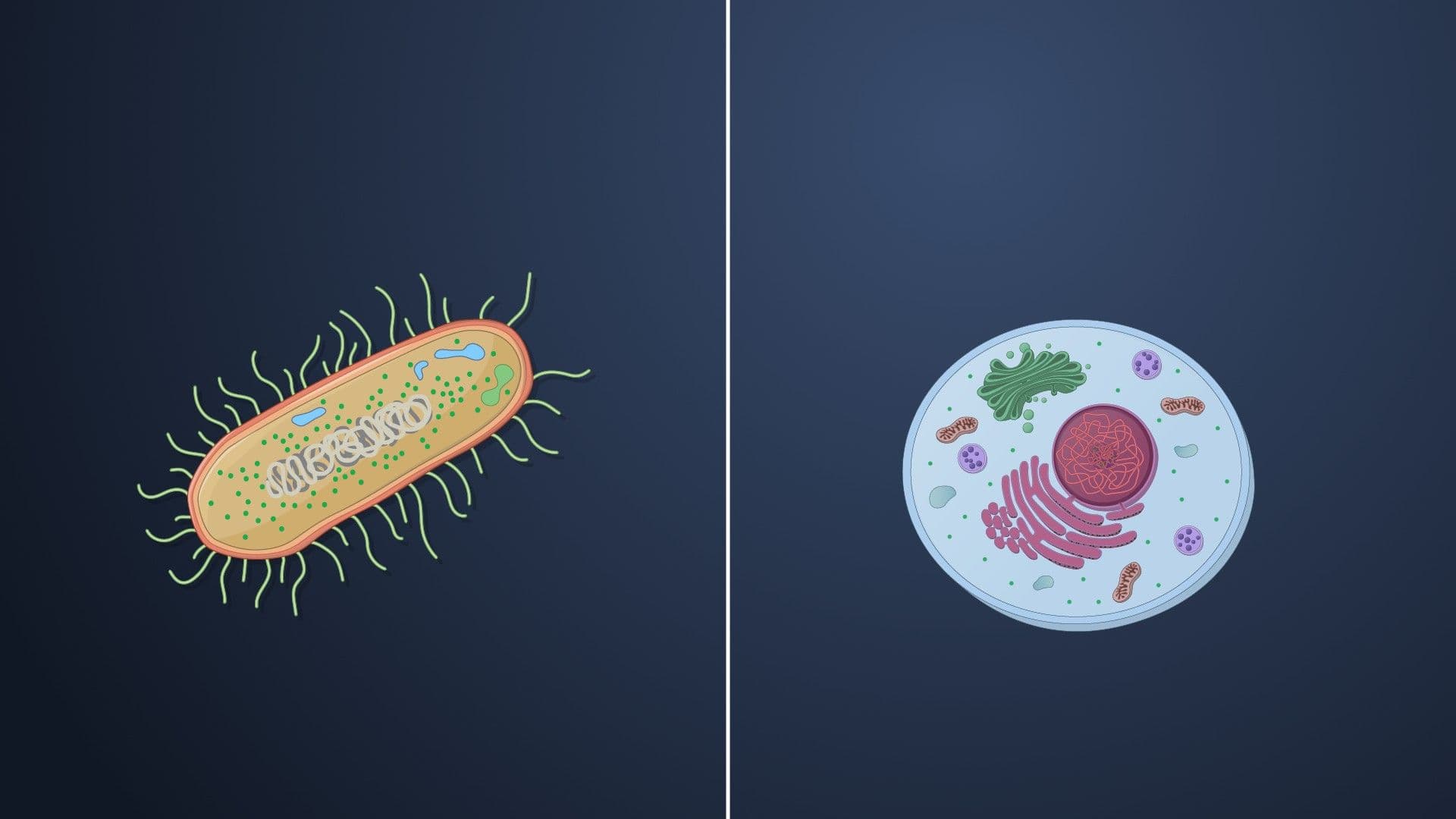
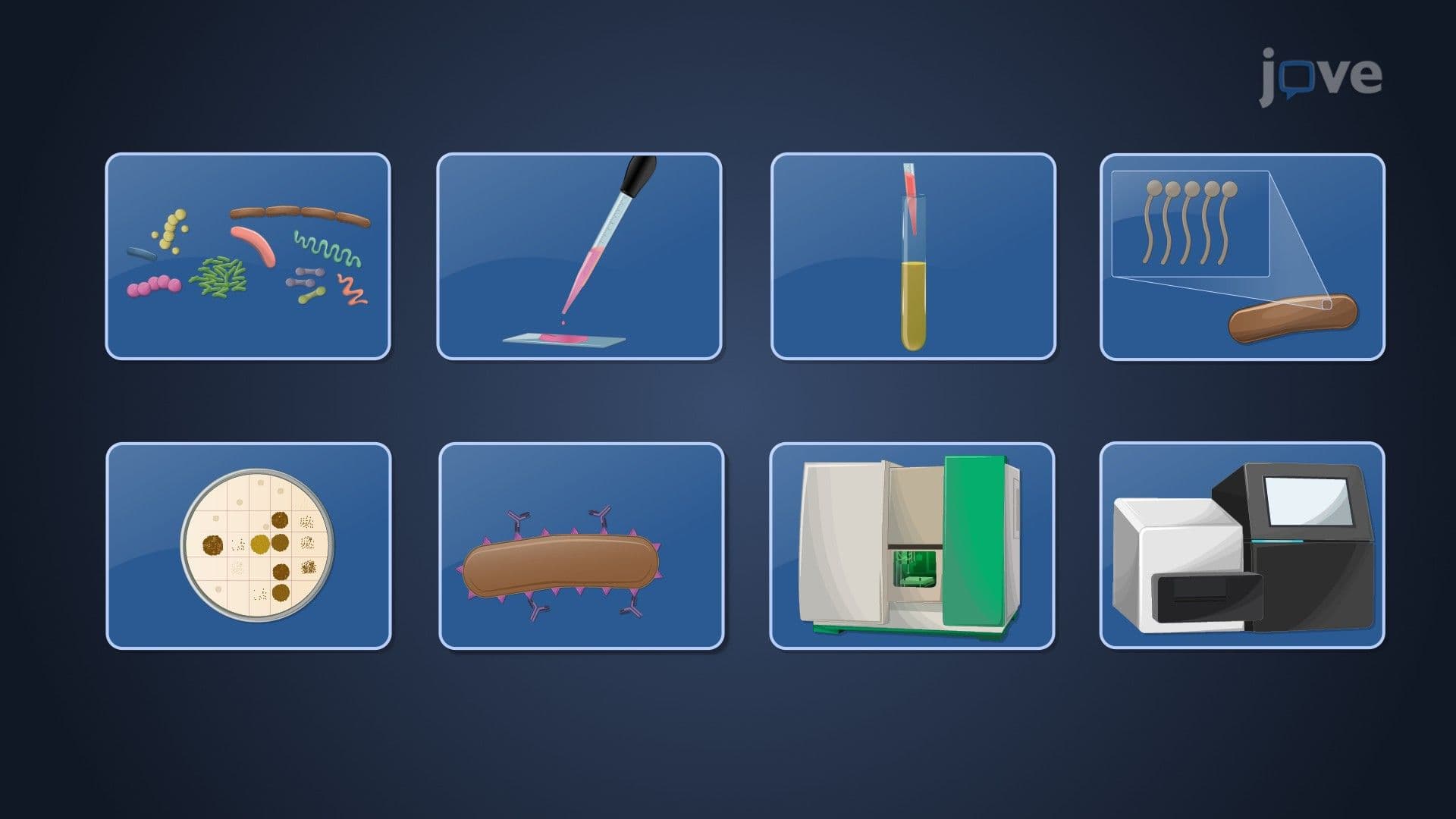
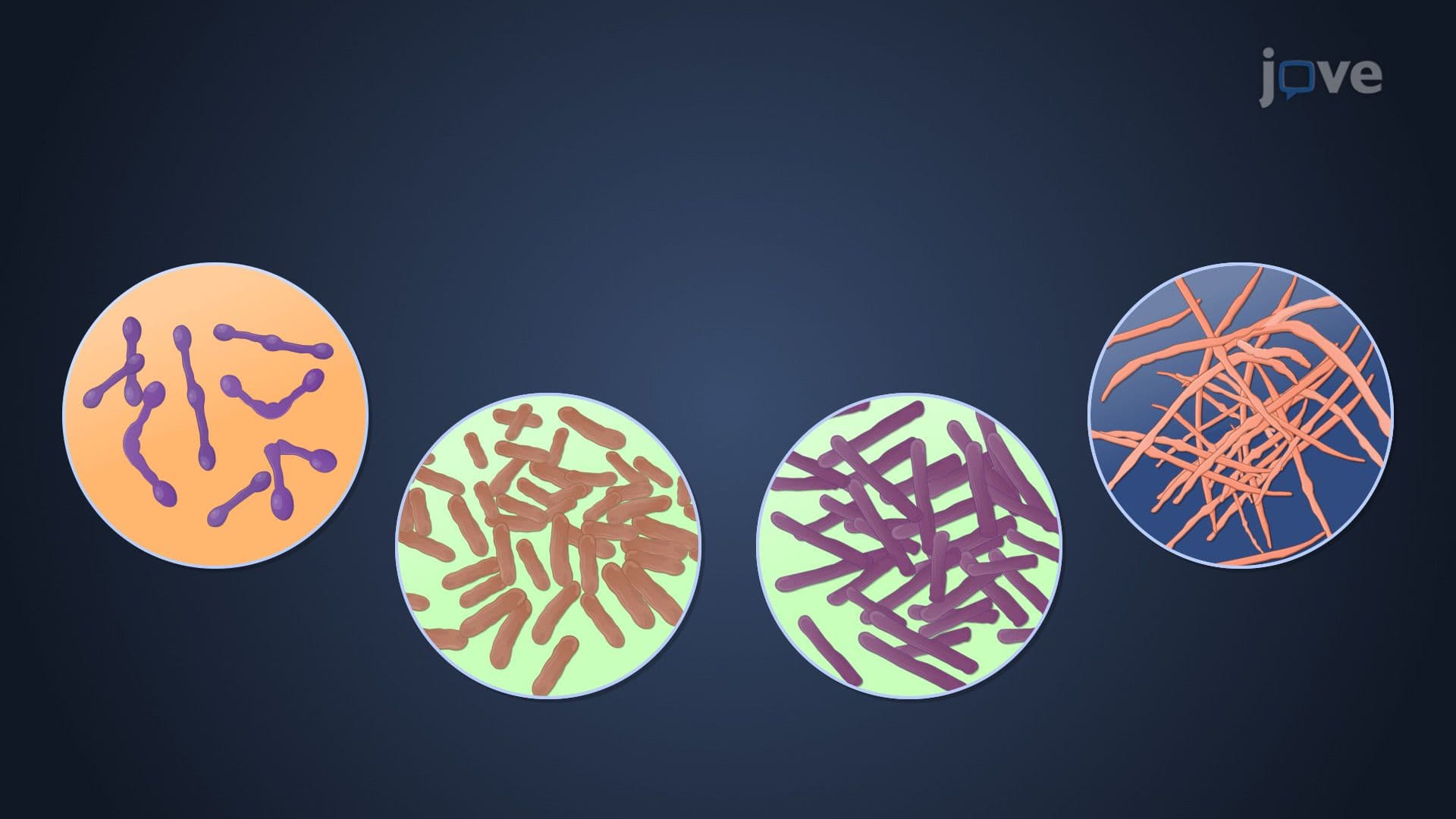
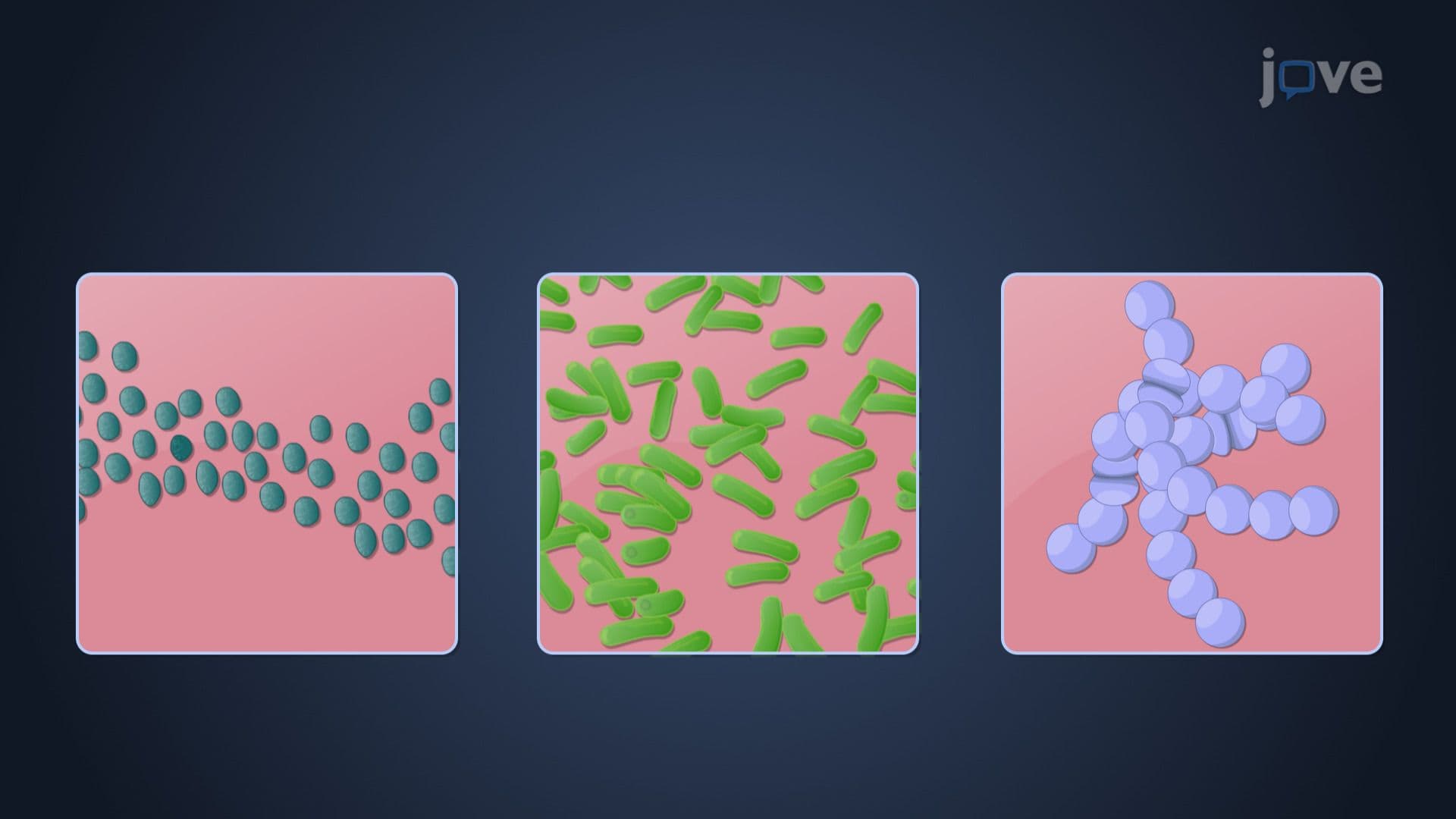
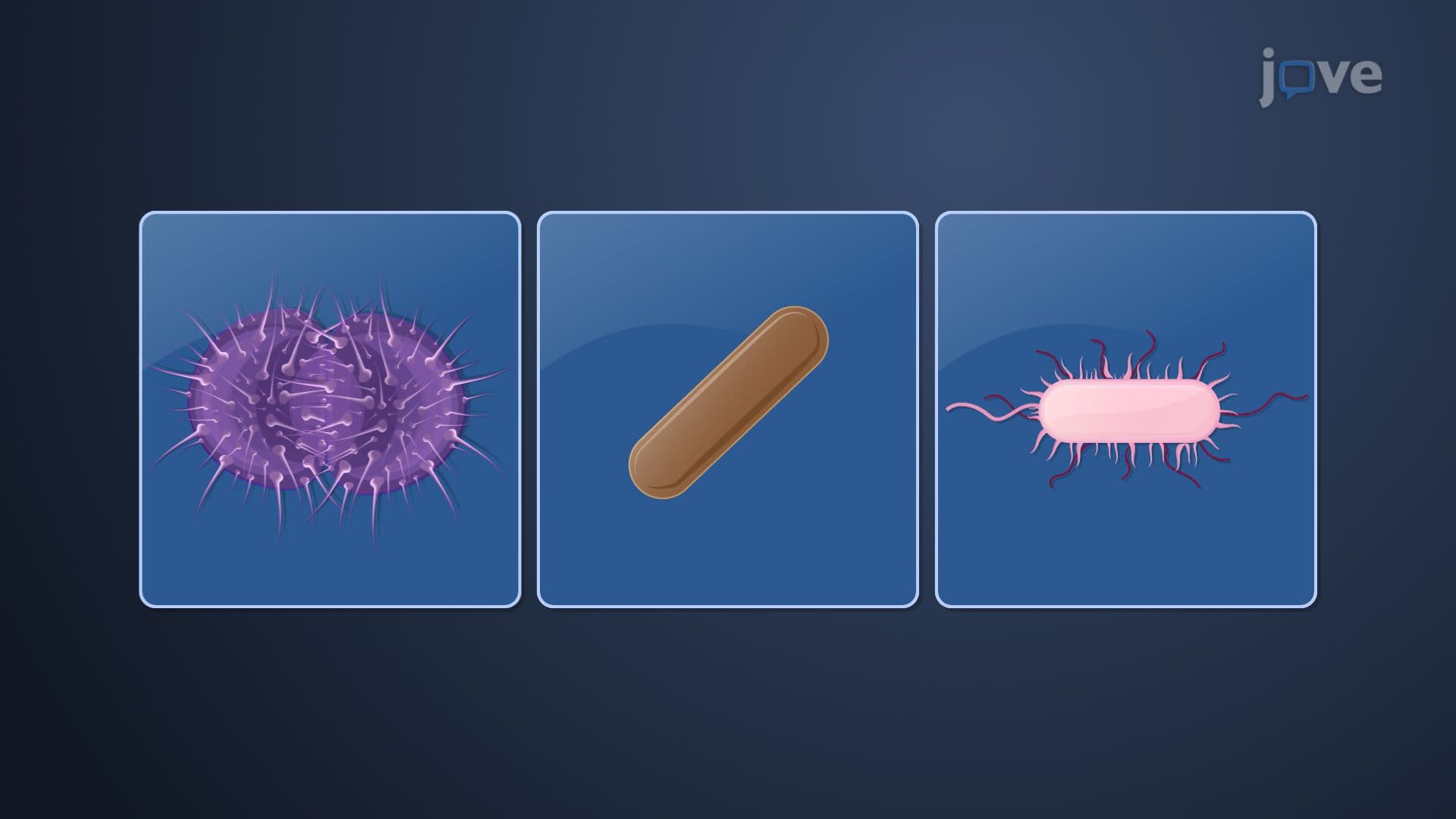
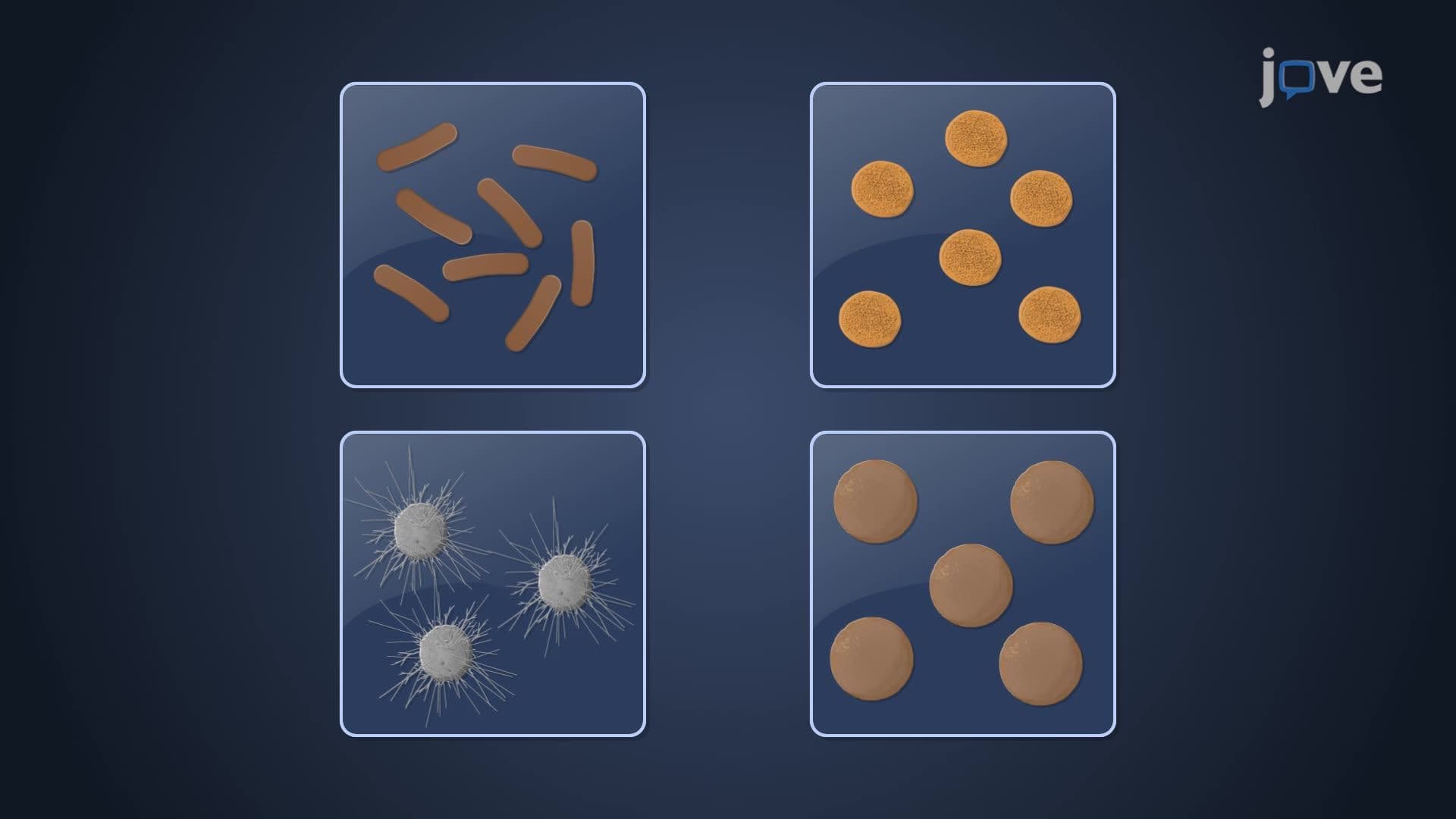
Modern molecular taxonomy represents a paradigm shift in how scientists classify and identify bacteria. Unlike traditional taxonomy that relied heavily on observable characteristics like cell shape, staining properties, and biochemical tests, this modern molecular taxonomy definition explained encompasses DNA-based methods that provide unprecedented accuracy and resolution. The polyphasic approach integrates multiple molecular techniques to create a comprehensive picture of bacterial identity and evolutionary relationships.
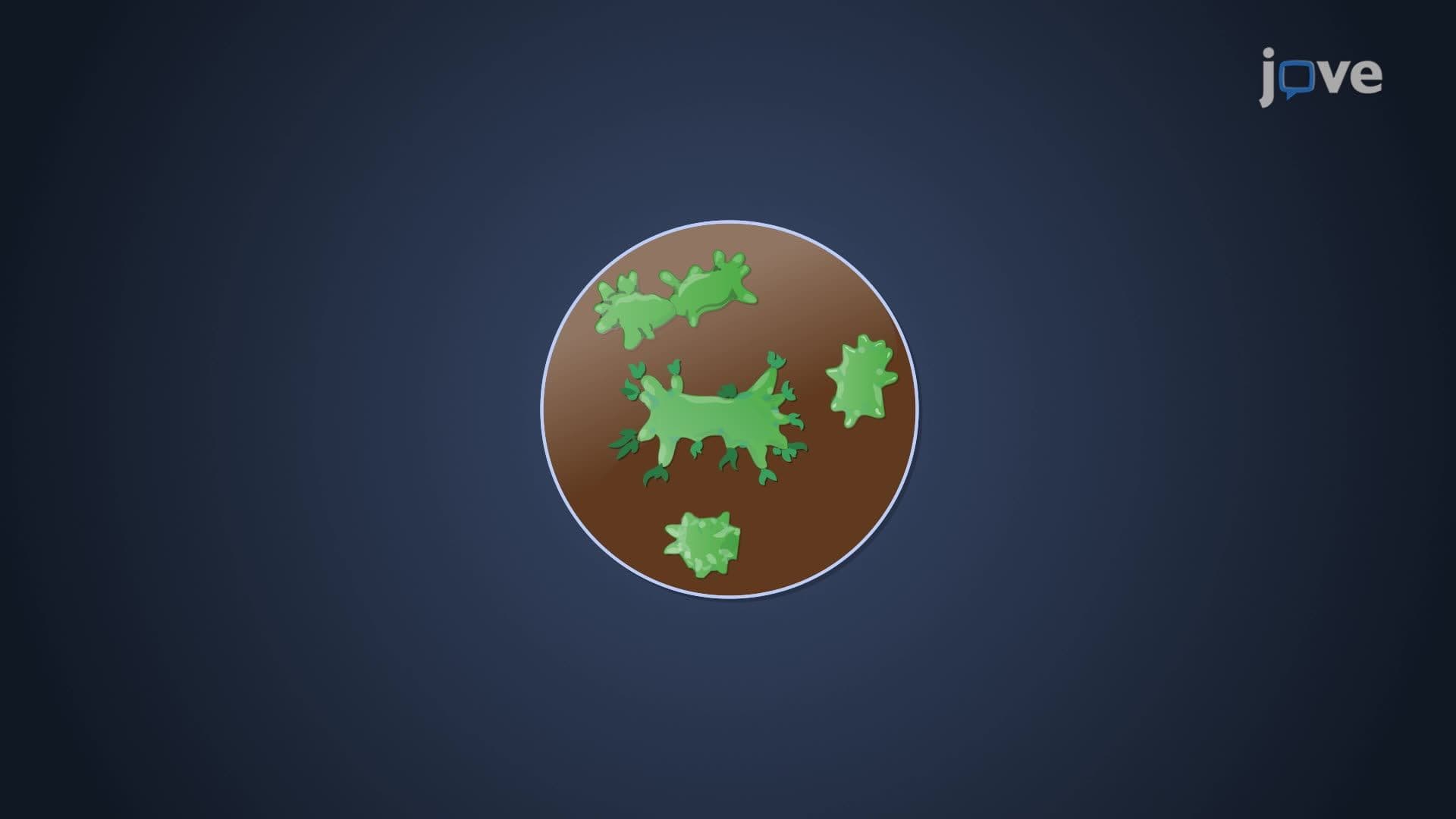
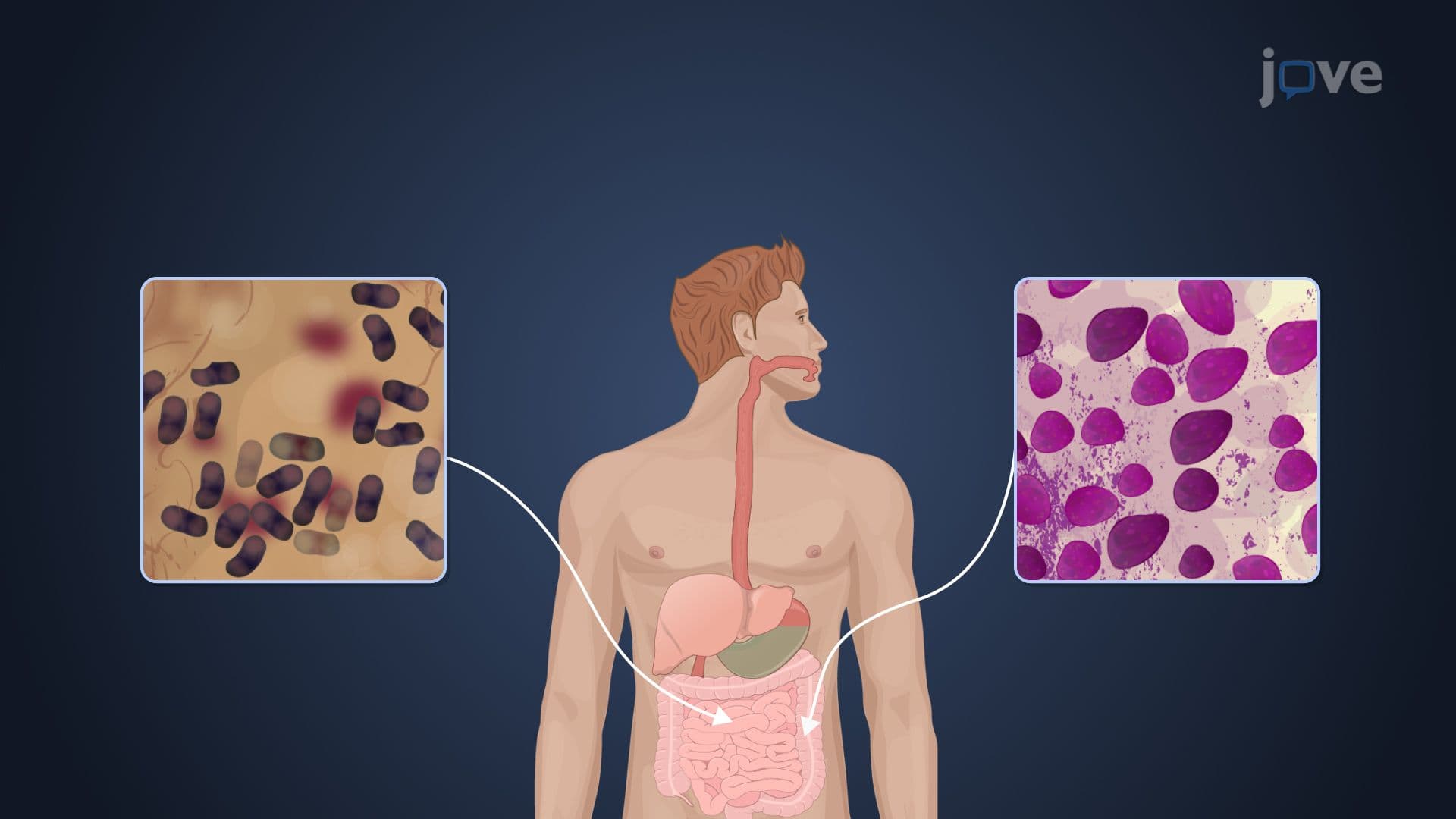
This molecular revolution addresses a critical limitation of classical taxonomy: many bacteria appear morphologically identical yet possess vastly different genetic makeups and pathogenic potential. For instance, the 2006 spinach E. coli outbreak that affected 26 states required precise molecular identification to distinguish the deadly O157:H7 strain from harmless E. coli variants.
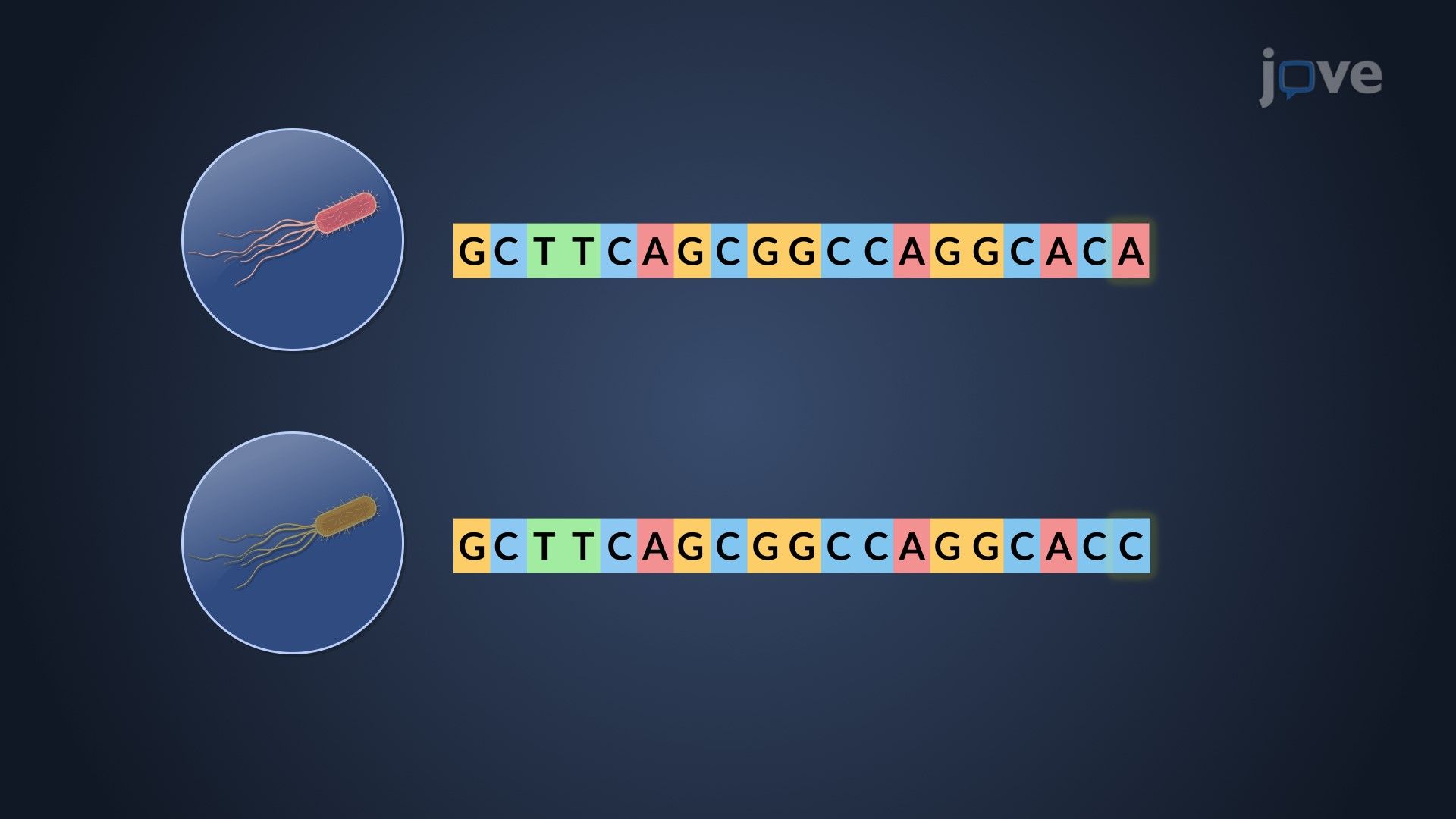
Conserved gene sequence analysis forms the backbone of modern molecular taxonomy by examining genes that remain relatively unchanged across evolutionary time. Scientists focus on housekeeping genes like recA (DNA repair) and gyrB (DNA gyrase) because these essential functions are preserved across bacterial species while still containing enough variation to distinguish between closely related organisms.
This approach proves invaluable in clinical microbiology laboratories across the United States. When hospitals encounter difficult-to-identify bacterial infections, conserved gene analysis provides reliable identification that directly impacts patient treatment decisions. The method's precision makes it a favorite topic on MCAT microbiology sections and AP Biology exams testing student understanding of molecular classification principles.
MLST represents a sophisticated modern molecular taxonomy concept explained through its ability to analyze approximately 450 base-pair fragments from multiple housekeeping genes simultaneously. This technique creates unique genetic "fingerprints" for bacterial strains, enabling differentiation between variants that appear identical through traditional methods.
The power of MLST becomes evident in epidemiological investigations. During the 2011 German E. coli outbreak that also affected American travelers, MLST analysis revealed the outbreak strain's unique genetic signature, distinguishing it from typical E. coli O157:H7 variants. This single-nucleotide resolution capability makes MLST questions frequent on college microbiology exams and medical licensing tests like the USMLE.
Genome fingerprinting evaluates polymorphisms across entire genomes or specific gene regions, providing comprehensive taxonomic information. Ribotyping, a specialized fingerprinting method focusing on ribosomal RNA gene patterns, offers rapid species and strain identification crucial for food safety monitoring.
The FDA employs ribotyping extensively in food safety surveillance, analyzing samples from processing facilities across the United States. This real-world application frequently appears in NCLEX questions for nursing students and HESI A2 exams, emphasizing the clinical relevance of molecular taxonomy in healthcare settings.
Related Micro-courses