Loading video…

 37 Concepts
 13.4K views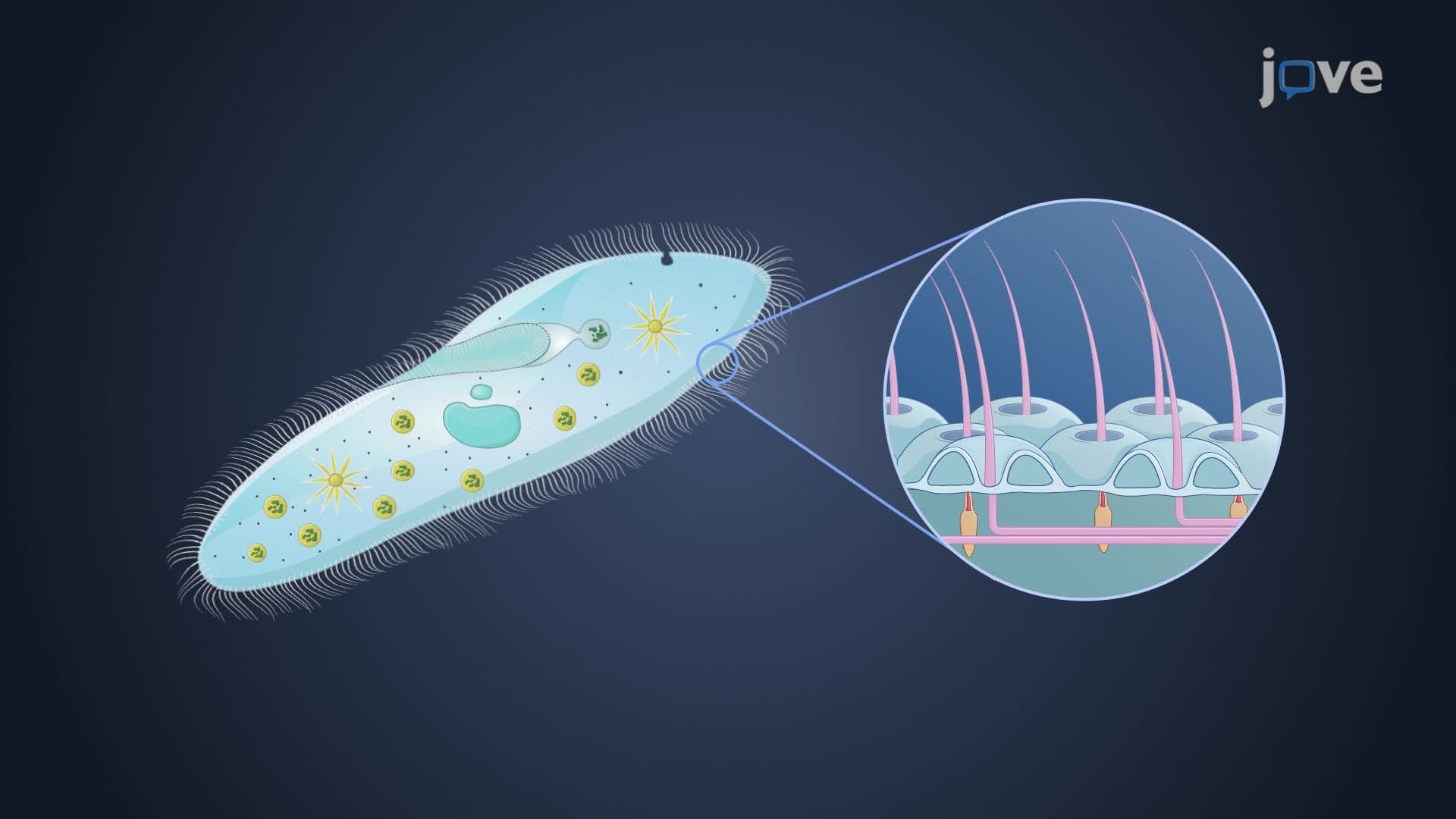

Video Summary: What Is Diversity of Protists Ii
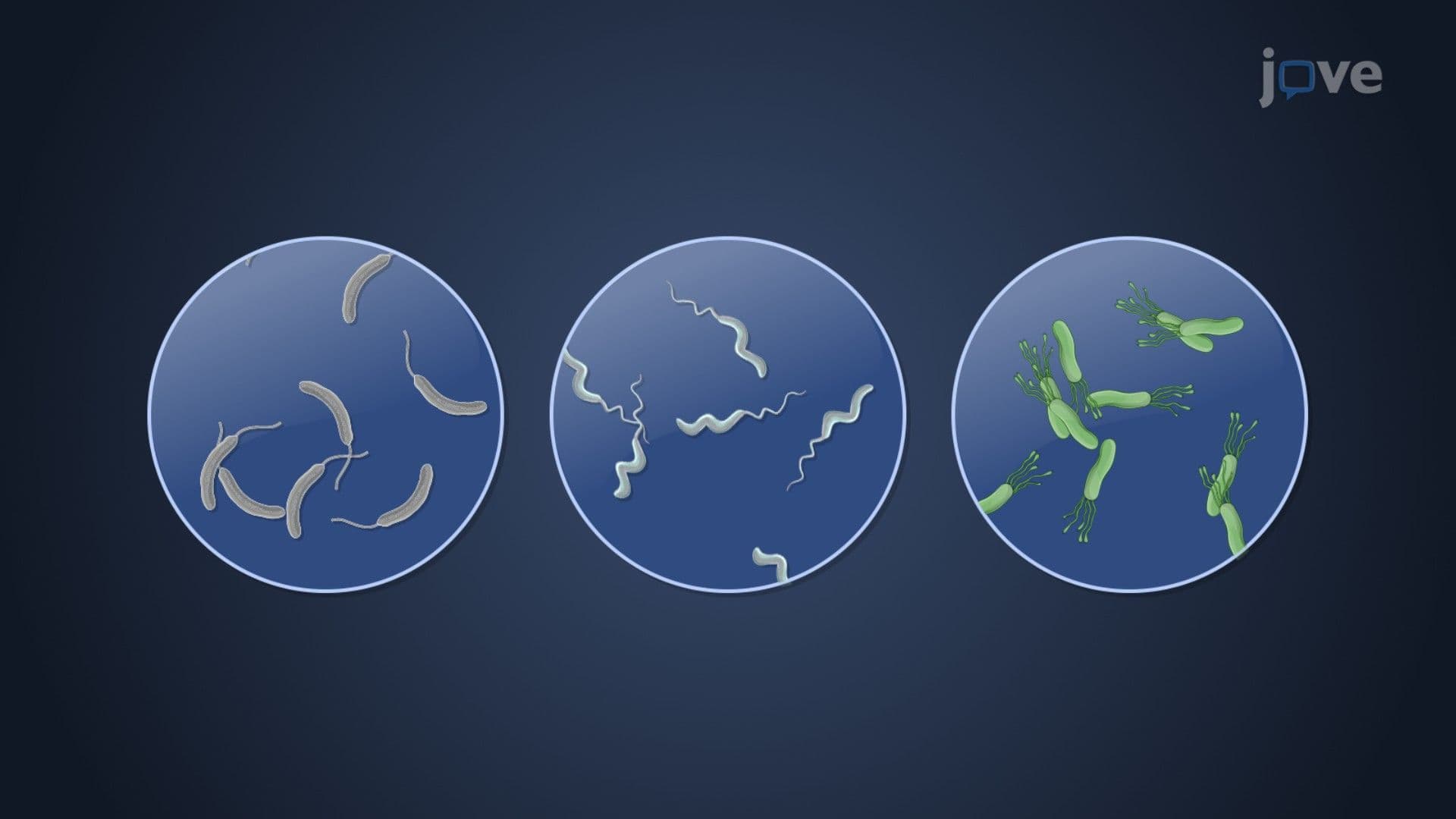
Did you know that the red tide events plaguing Florida's coastlines are caused by microscopic protists? The diversity of protists extends far beyond simple single-celled organisms, encompassing complex groups like alveolates that dramatically impact marine ecosystems and human health. What is Diversity of Protists II explores three major alveolate groups: ciliates with their hair-like movement structures, bioluminescent dinoflagellates creating sparkling coastal waters, and parasitic apicomplexans responsible for diseases like malaria. Watch the full video on JoVE Coach to master this concept with expert-led visuals and step-by-step explanations.
The diversity of protists becomes particularly fascinating when examining alveolates, a major supergroup characterized by membrane-bound sacs called alveoli beneath their cell surfaces. This diversity of protists definition explained encompasses three distinct lineages that have evolved remarkably different lifestyles while maintaining this shared cellular feature. Understanding these groups is essential for AP Biology students and forms a cornerstone of college-level cell biology courses.
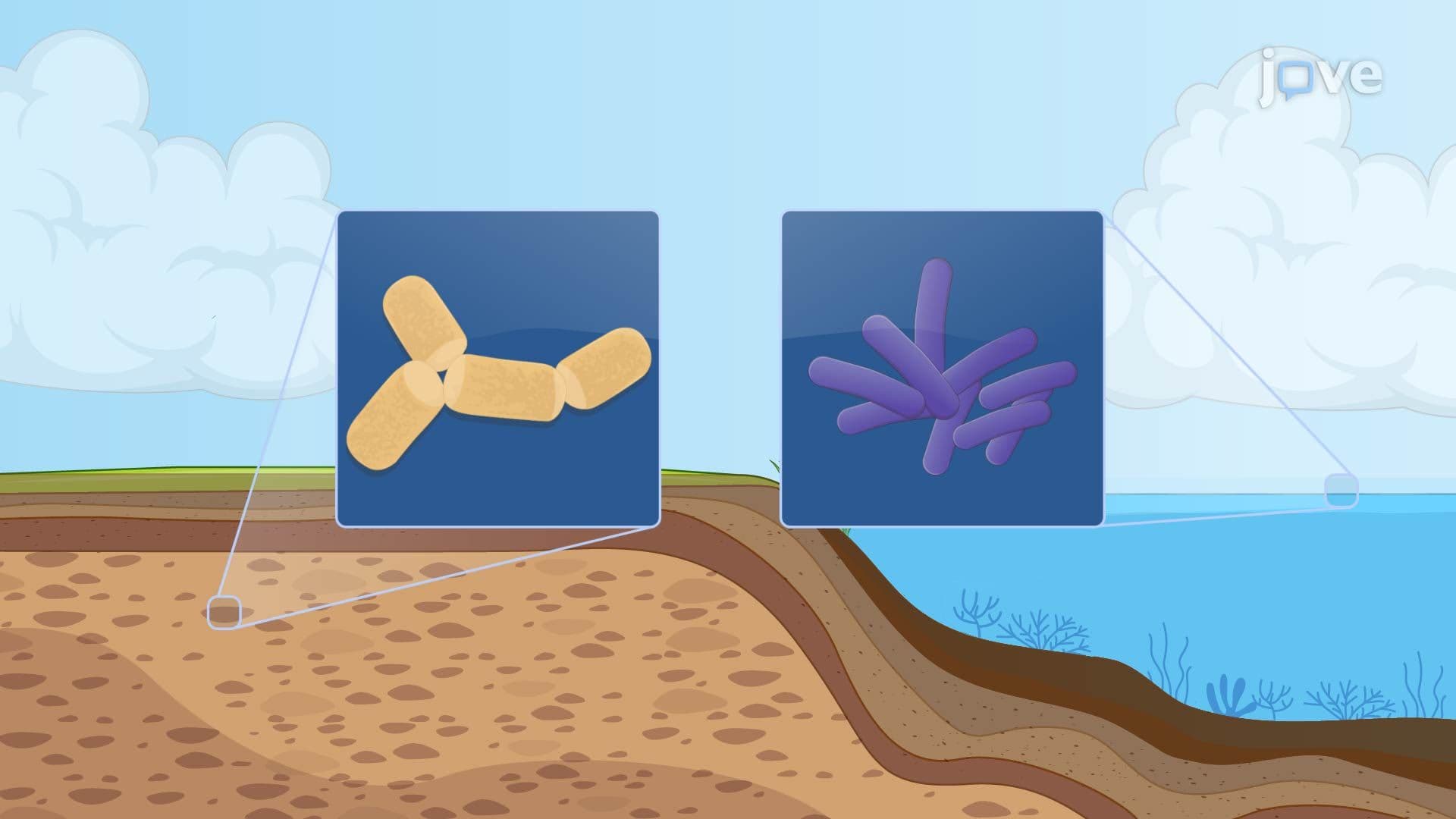
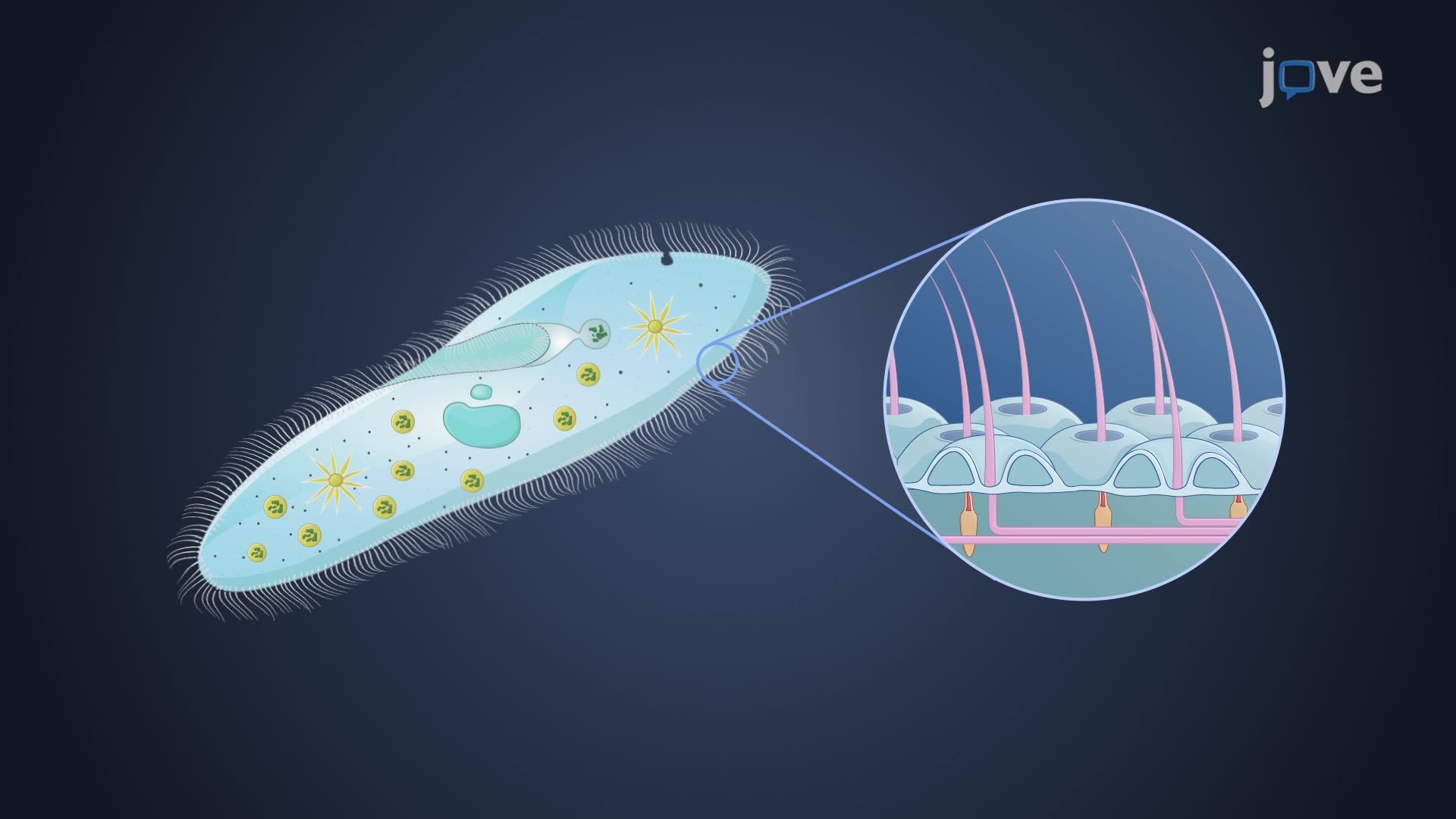
Ciliates represent one of the most structurally sophisticated protist groups, with Paramecium serving as the classic example studied in US high school biology labs. These organisms possess thousands of hair-like cilia that beat in coordinated waves, propelling them through freshwater environments like those found in the Great Lakes region. The diversity of protists concept explained through ciliates reveals their unique nuclear dimorphism: large macronuclei control daily cellular functions, while smaller micronuclei participate in sexual reproduction through conjugation. This dual-nucleus system appears frequently on MCAT practice questions and college biology exams, as it represents a significant departure from typical eukaryotic organization.
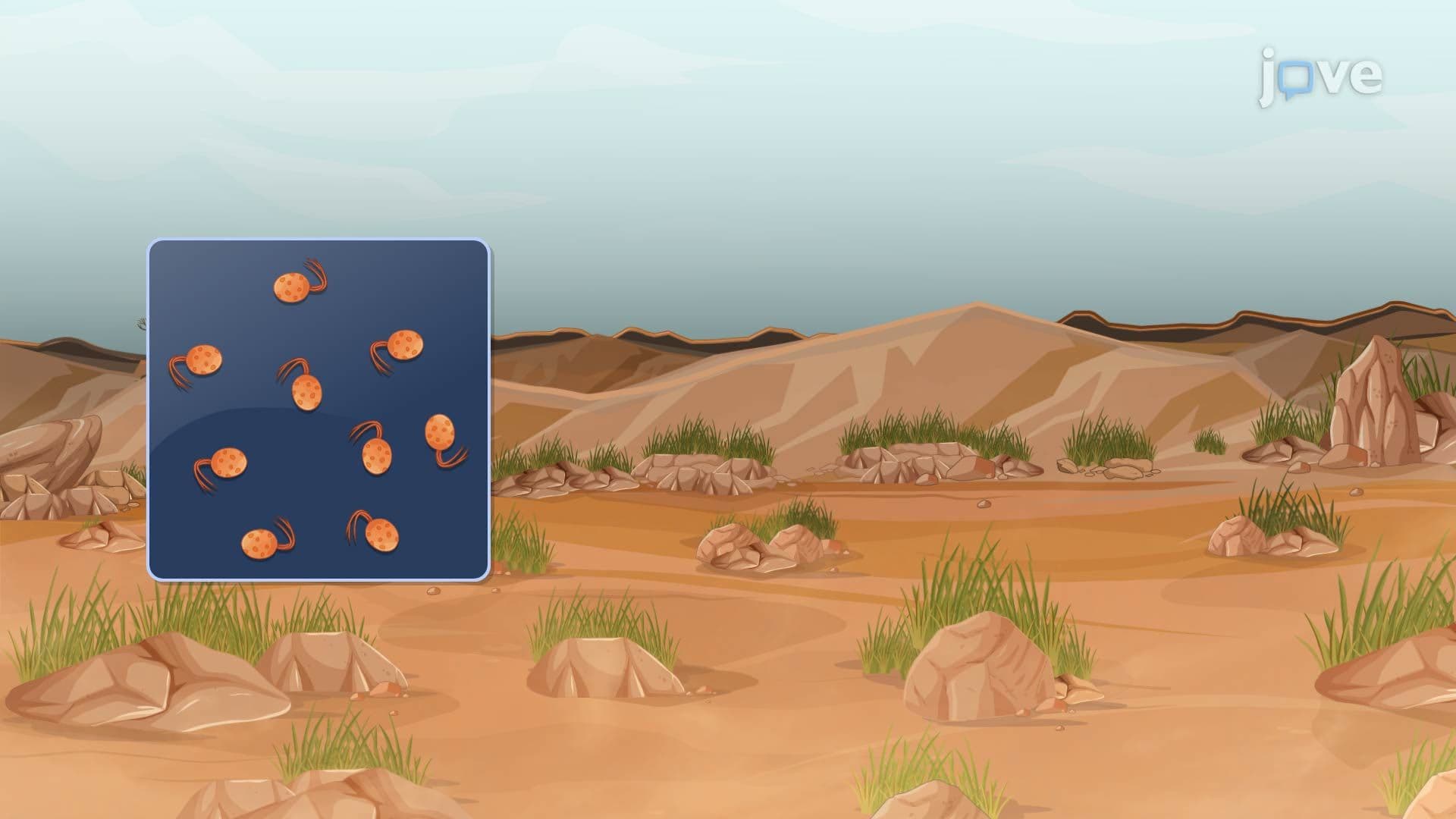
Dinoflagellates exemplify how diversity protists overview must include both beneficial and harmful species. These photosynthetic protists move through distinctive spinning motions powered by two perpendicular flagella. In US coastal waters, species like Gonyaulax create spectacular bioluminescent displays when disturbed, turning breaking waves into sparkling blue lights visible along California and Florida beaches. However, the same group includes species responsible for harmful algal blooms that devastate shellfish industries and create dead zones in the Gulf of Mexico. Students preparing for environmental science AP exams should understand how dinoflagellate population explosions result from nutrient pollution and climate change.
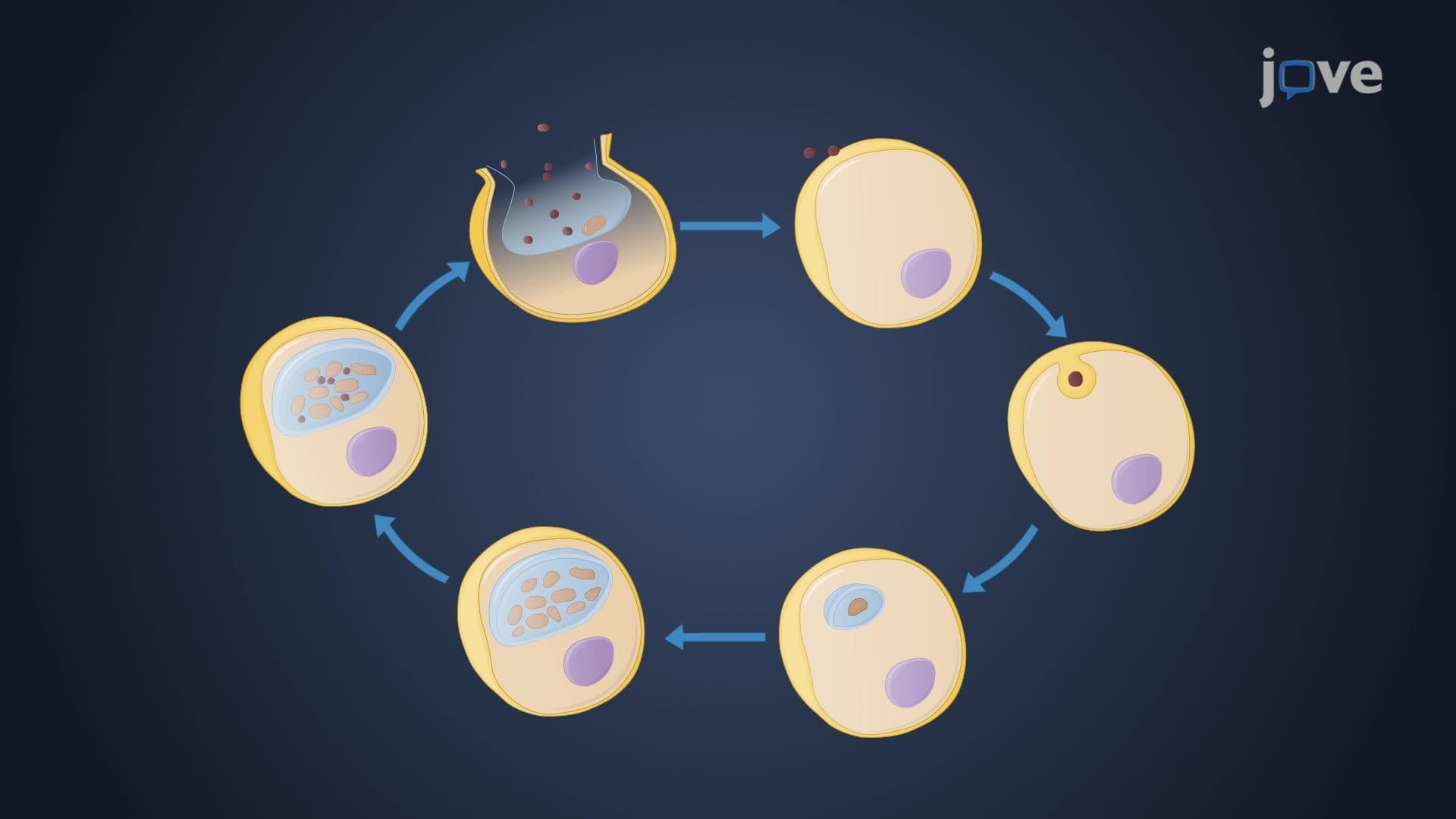
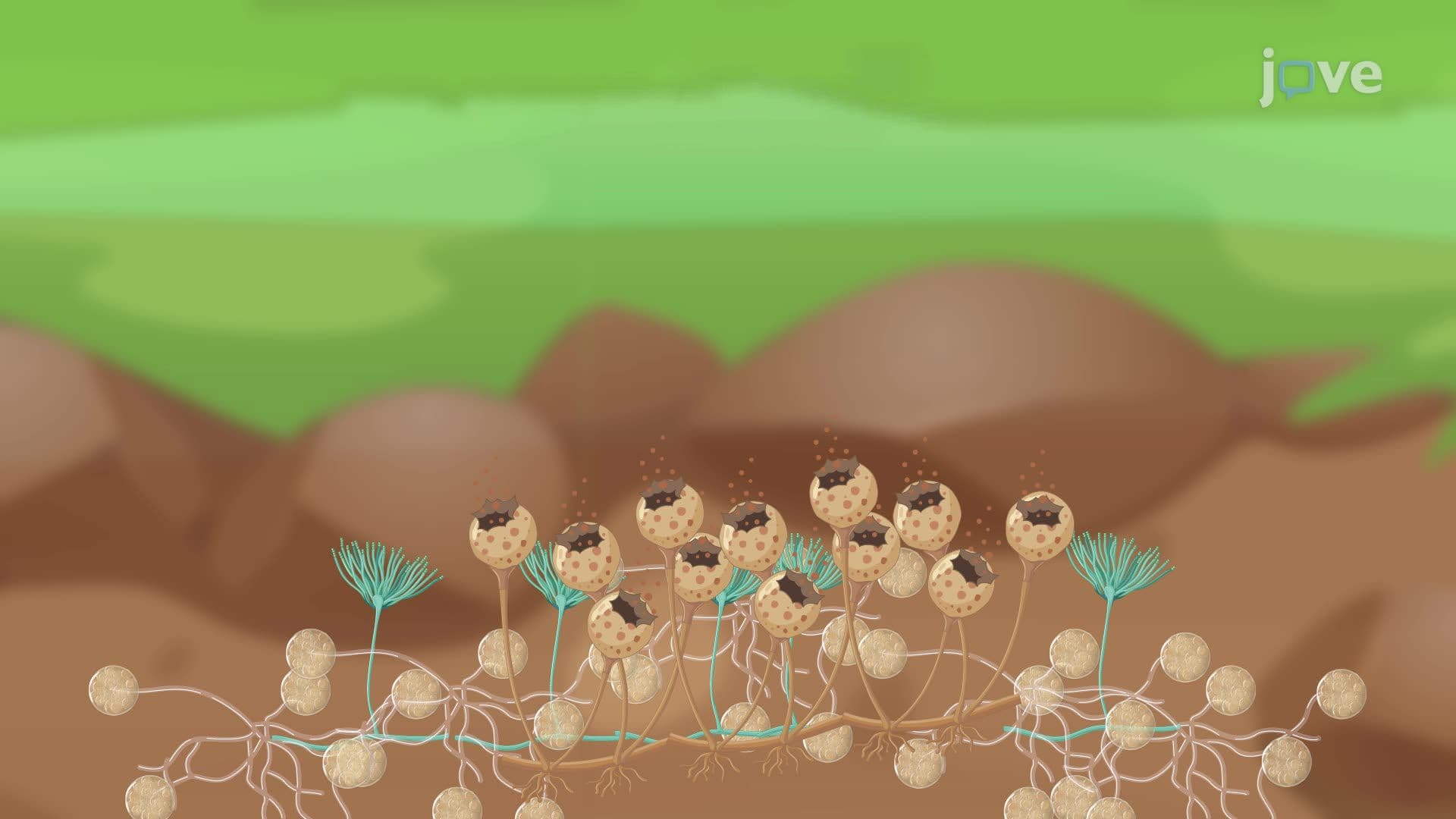
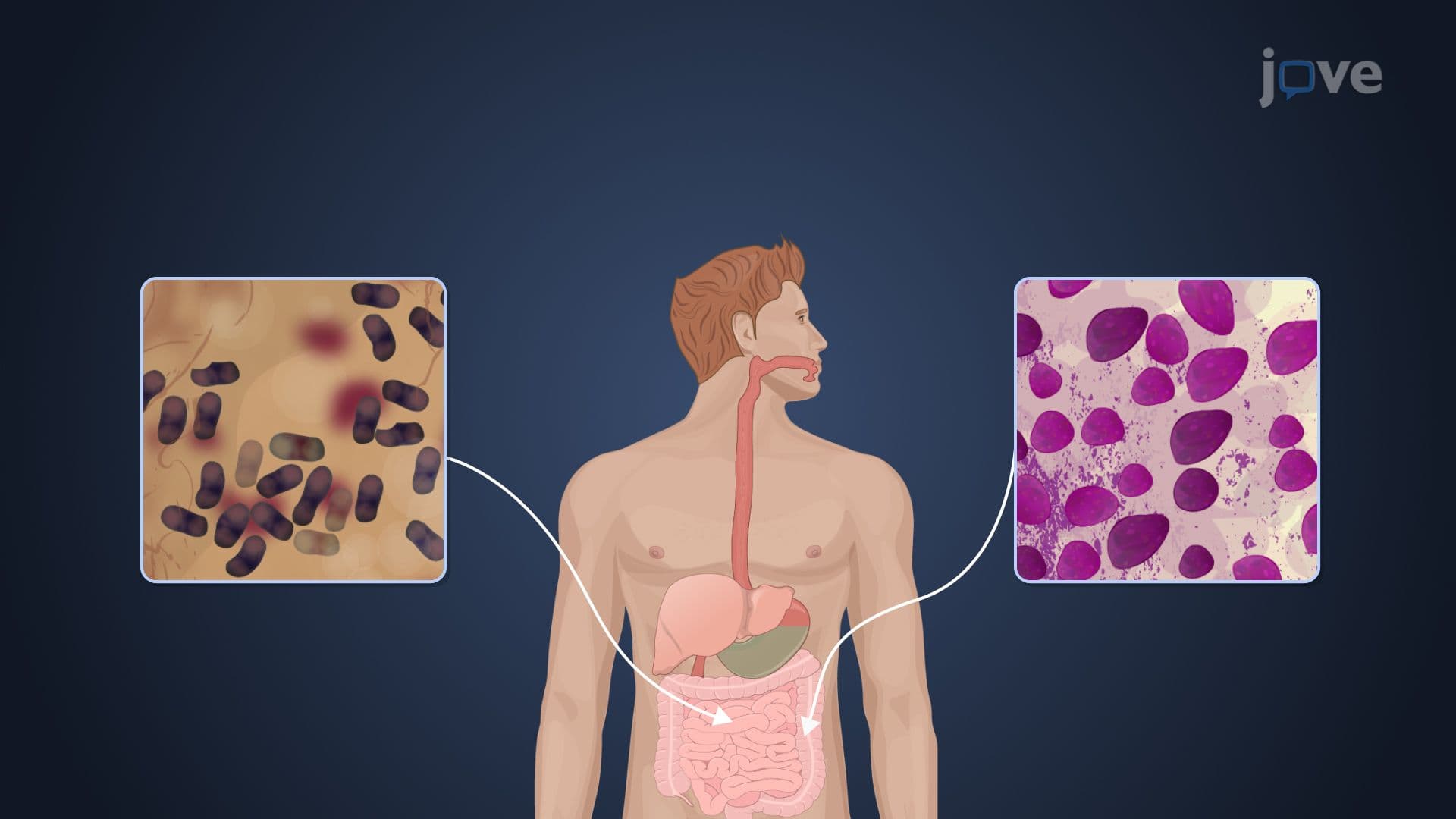
The parasitic lifestyle of apicomplexans demonstrates how diversity of protists study guide materials must address medically relevant organisms. These non-motile parasites have evolved sophisticated infection mechanisms, including sporozoites that penetrate host cells and apicoplasts-remnant chloroplasts that synthesize essential compounds. Plasmodium species cause over 200 million malaria cases annually worldwide, while Toxoplasma infections affect approximately 40 million Americans, particularly impacting immunocompromised patients. Pre-med students encounter these organisms extensively in MCAT biology sections, as their complex life cycles involving multiple hosts represent key examples of parasite-host coevolution studied in medical school parasitology courses.
Related Micro-courses