Loading video…


 37 Concepts
 13.4K views

Video Summary: What Is Bacterial Phylum Firmicutes
Did you know that the bacteria responsible for food poisoning from improperly stored potato salad belong to the same phylum as beneficial yogurt cultures? Bacterial phylum Firmicutes represents one of the largest groups of Gram-positive bacteria, distinguished by their low guanine-cytosine DNA content and diverse metabolic capabilities. From Staphylococcus aureus causing infections in US hospitals to Lactobacillus species used in American dairy production, What is Bacterial Phylum Firmicutes encompasses organisms with vastly different roles in human health and industry. Watch the full video on JoVE Coach to master this concept with expert-led visuals and step-by-step explanations.
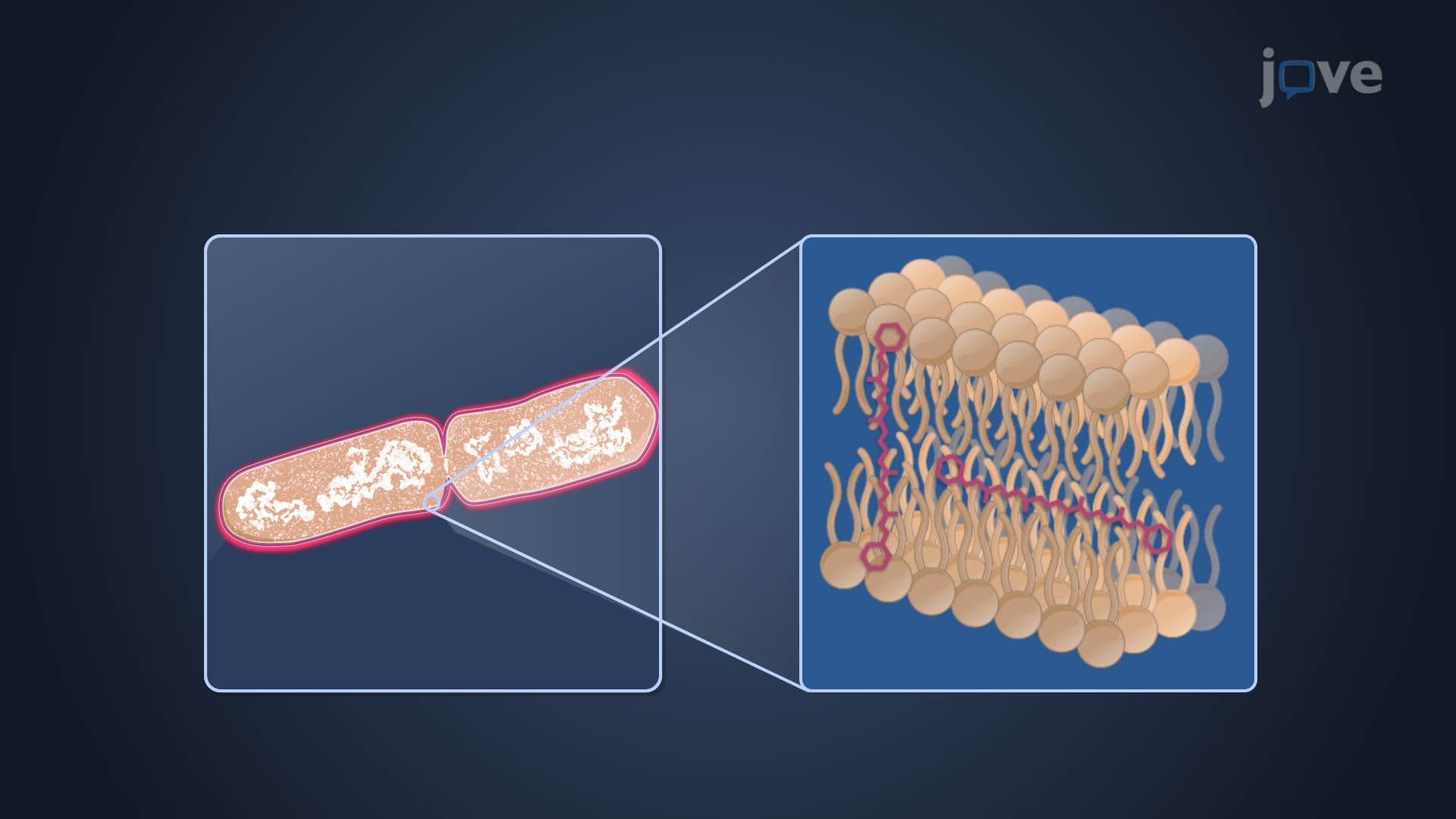
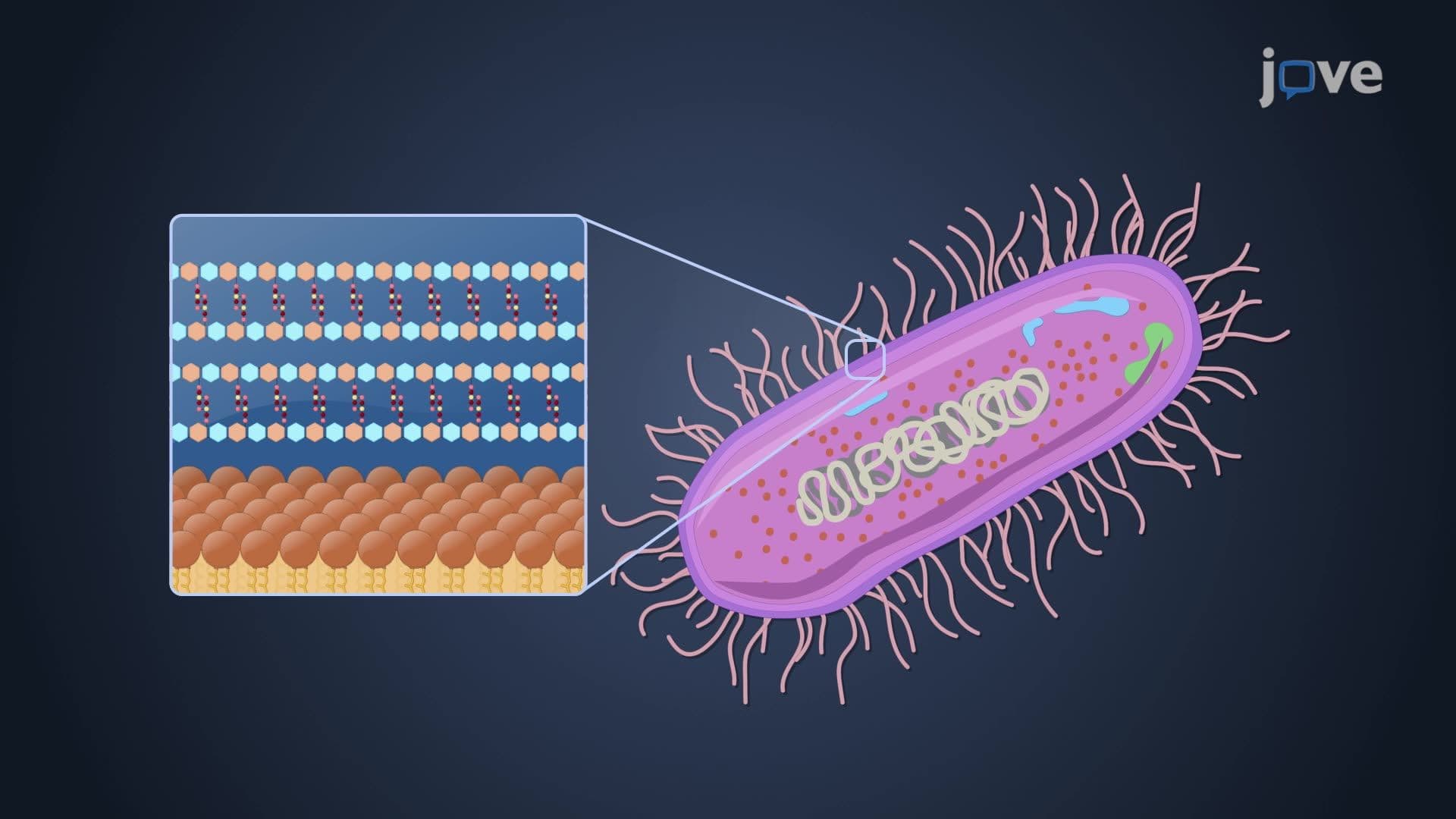
Bacterial phylum Firmicutes represents one of the most diverse and clinically significant groups in bacterial taxonomy. These Gram-positive bacteria share a fundamental characteristic: low guanine-cytosine (G-C) content in their genomic DNA, typically ranging from 25-50%. This low G-C content distinguishes them from other Gram-positive bacteria like Actinobacteria, which have high G-C content. The thick peptidoglycan cell wall that defines Gram-positive bacteria gives Firmicutes their structural integrity and influences their staining properties in clinical diagnostics.
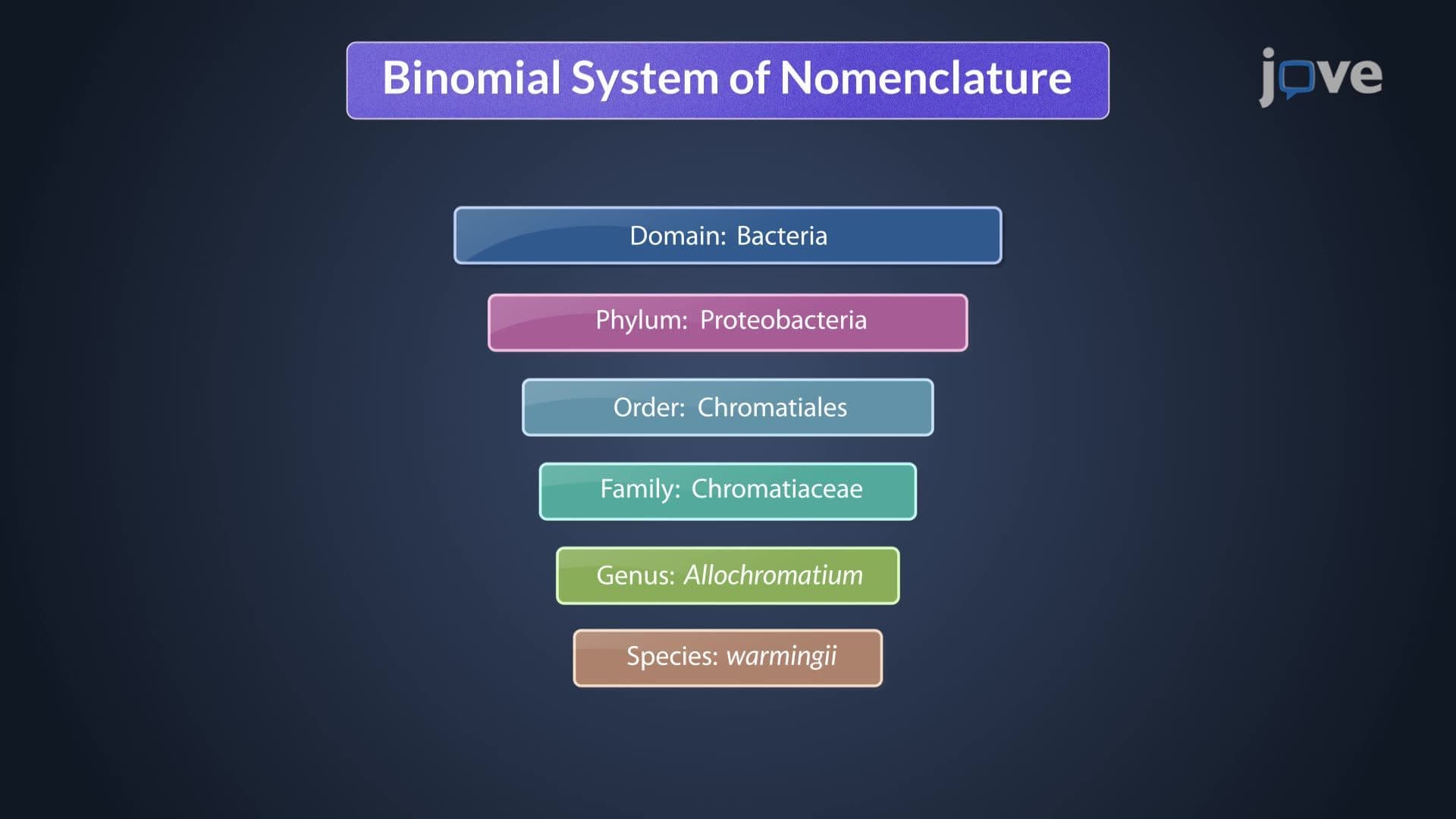
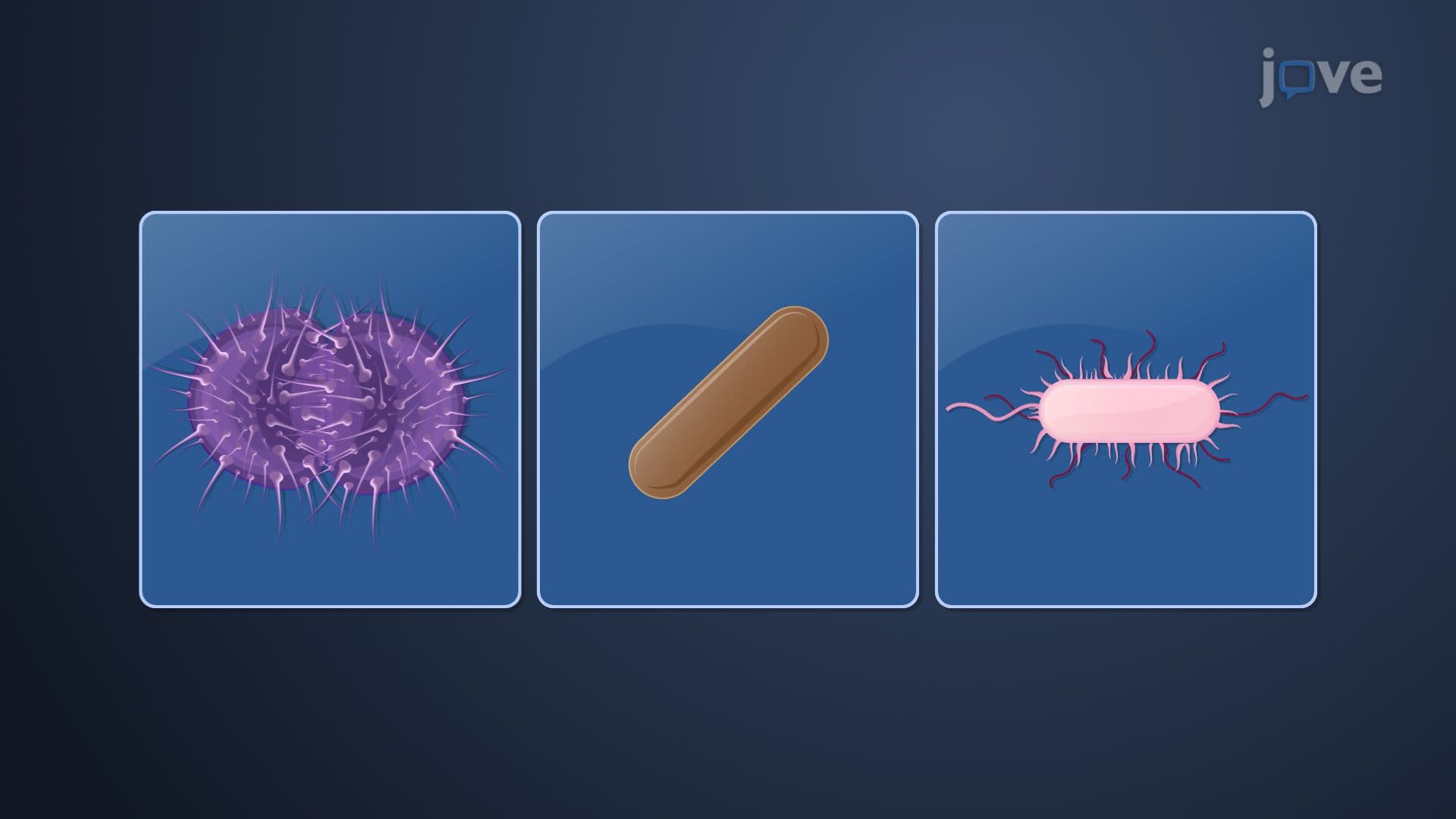
The phylum encompasses three primary orders, each with distinct medical and industrial relevance. Lactobacillales includes non-sporulating bacteria crucial to the American food industry and human health. Lactobacillus species ferment milk into yogurt and cheese, while pathogenic Streptococcus pyogenes causes strep throat affecting millions of US students annually. Enterococcus species, though part of normal gut flora, can cause life-threatening infections in immunocompromised patients in American hospitals.
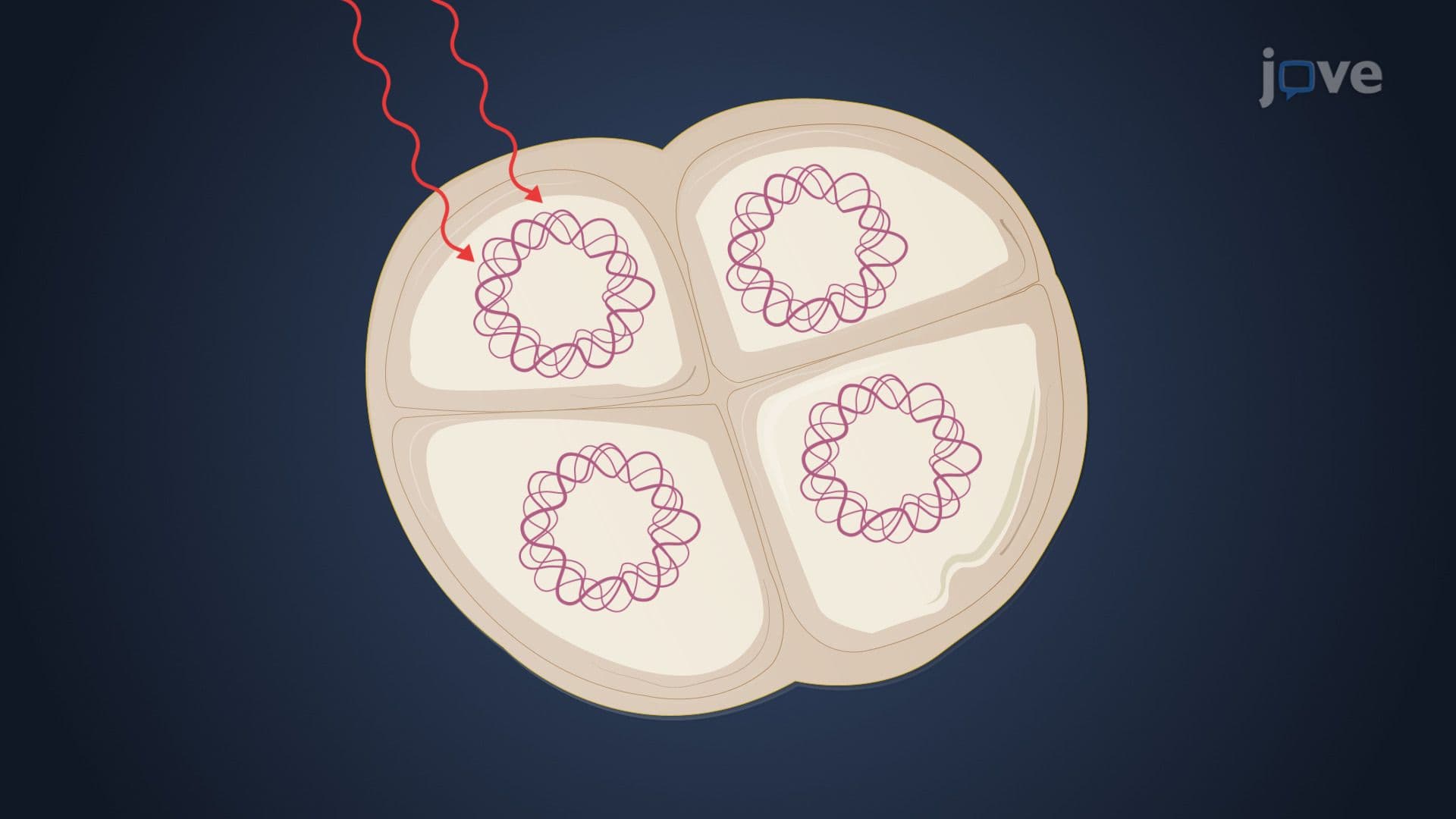
Bacillales demonstrates remarkable diversity in spore formation. Non-sporulating genera like Staphylococcus aureus represent major healthcare challenges, causing methicillin-resistant infections (MRSA) in US medical facilities. Listeria monocytogenes, another non-sporulating member, triggers foodborne illness outbreaks, particularly dangerous for pregnant women. Conversely, sporulating genera like Bacillus anthracis (anthrax) and Bacillus cereus (food poisoning) showcase the survival advantages of endospore formation.
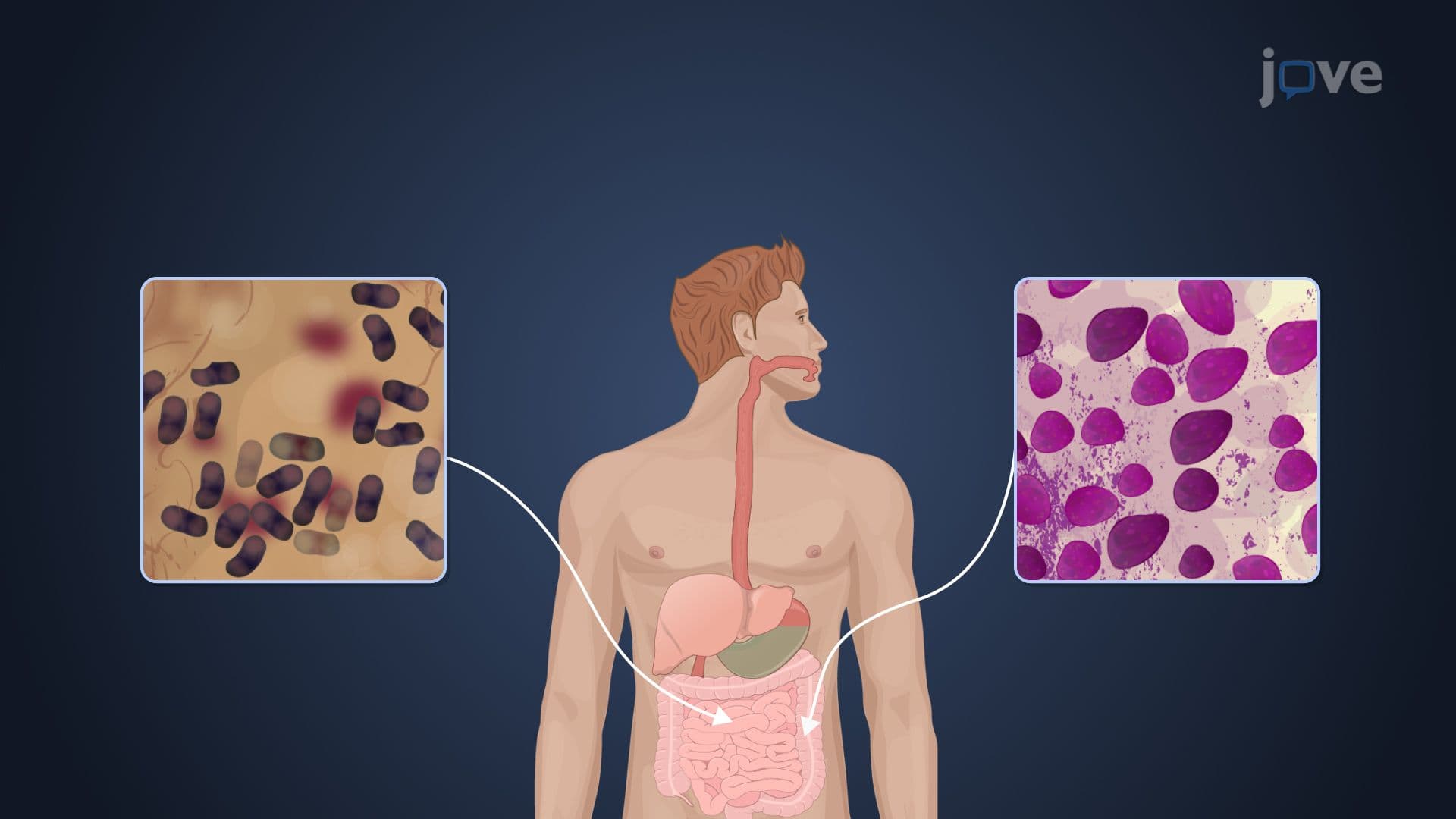
Clostridiales exemplifies metabolic versatility within Firmicutes. While Sarcina species tolerate acidic conditions without forming spores, Clostridium species produce some of nature's most potent toxins. Clostridium botulinum causes botulism from improperly canned foods, while C. difficile triggers antibiotic-associated colitis in US hospitals. This metabolic diversity makes Firmicutes essential topics in AP Biology, MCAT preparation, and undergraduate microbiology courses.
Understanding Firmicutes classification proves invaluable for healthcare professionals and food scientists. Medical technologists use Gram staining and catalase testing to differentiate Staphylococcus (catalase-positive) from Streptococcus (catalase-negative), guiding antibiotic therapy decisions. In biotechnology, Bacillus species produce industrial enzymes, while lactic acid bacteria create probiotics worth billions in the US supplement market.
Related Micro-courses