Loading subject page…

13,377 views
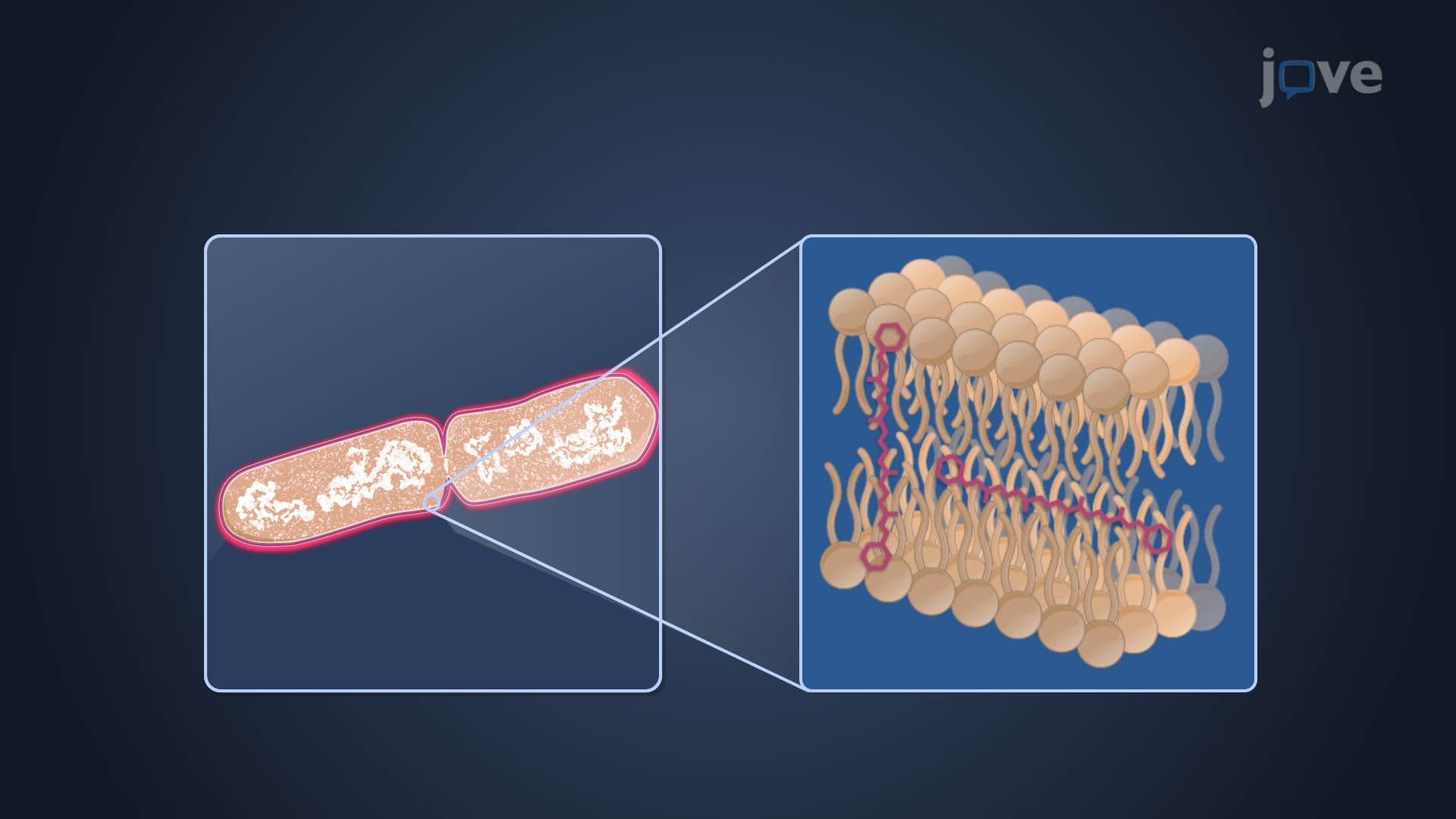

Video Summary: What Is Bacterial Phylum Bacteroidota
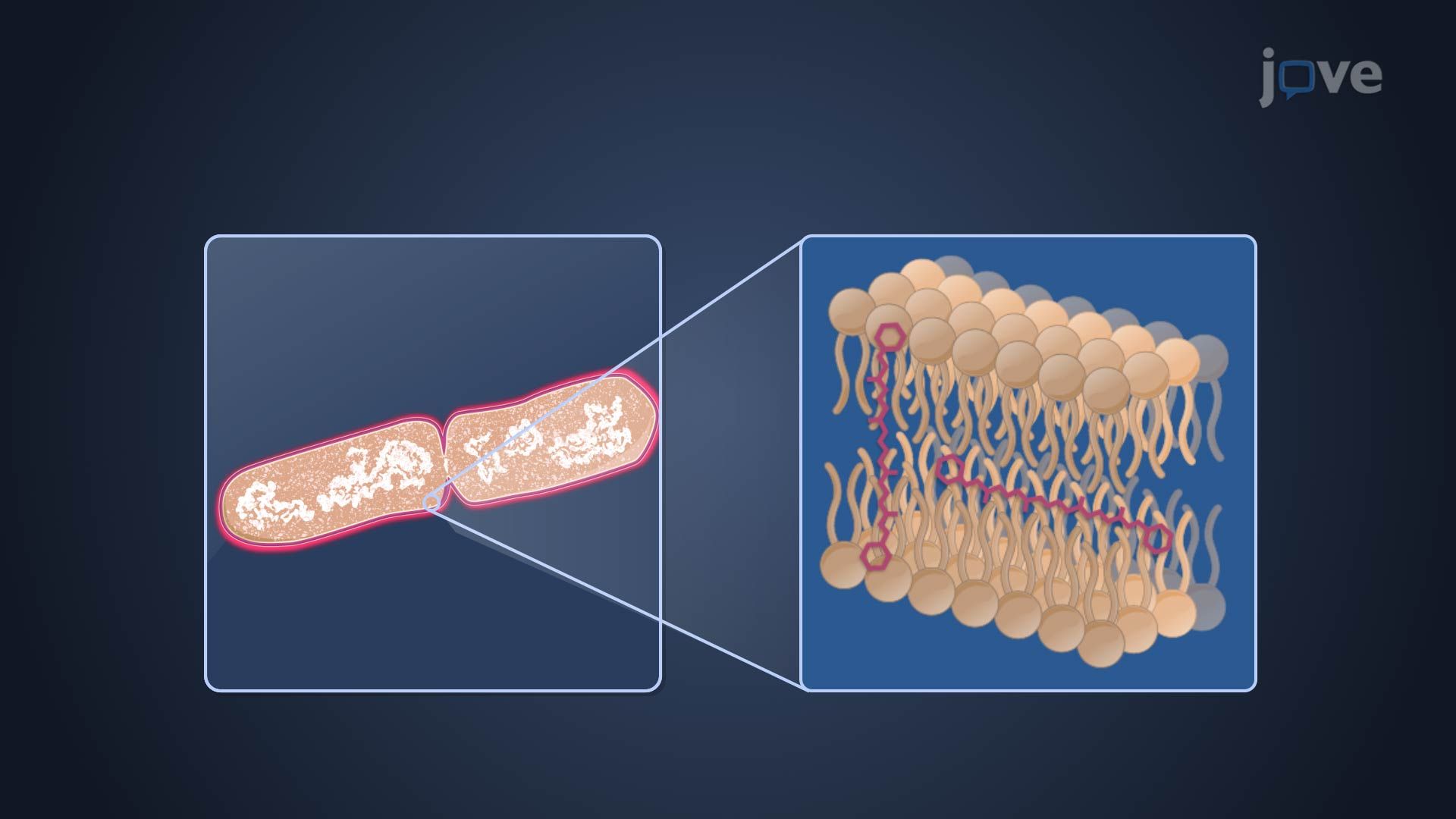
Did you know that one-third of the bacteria in your gut belong to the bacterial phylum Bacteroidota? This diverse group of Gram-negative bacteria plays crucial roles in human health, from breaking down complex carbohydrates in your intestines to decomposing organic matter in freshwater ecosystems across the United States. Understanding what is bacterial phylum Bacteroidota reveals how these microorganisms impact everything from digestion to environmental cleanup. Watch the full video on JoVE Coach to master this concept with expert-led visuals and step-by-step explanations.
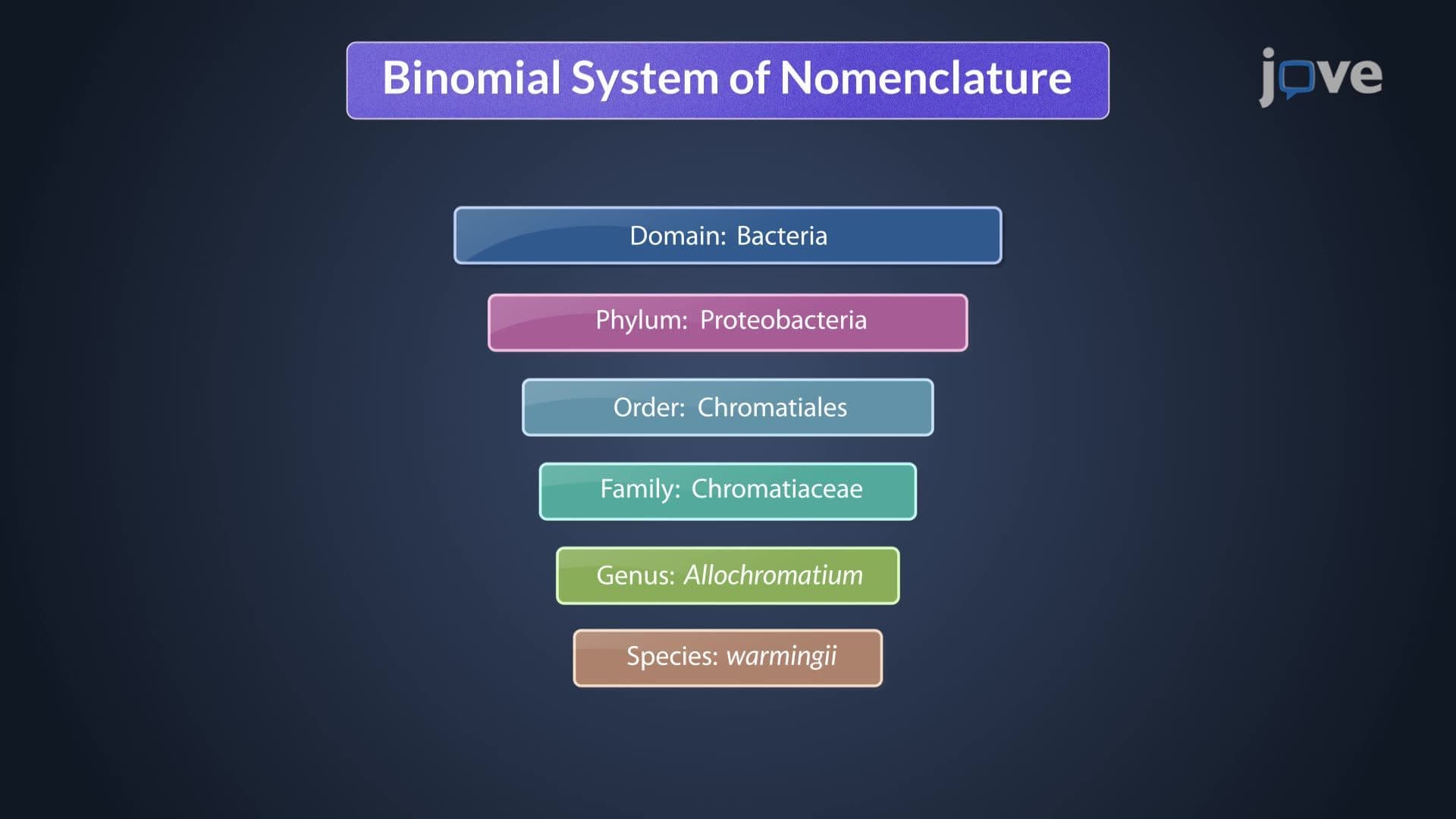
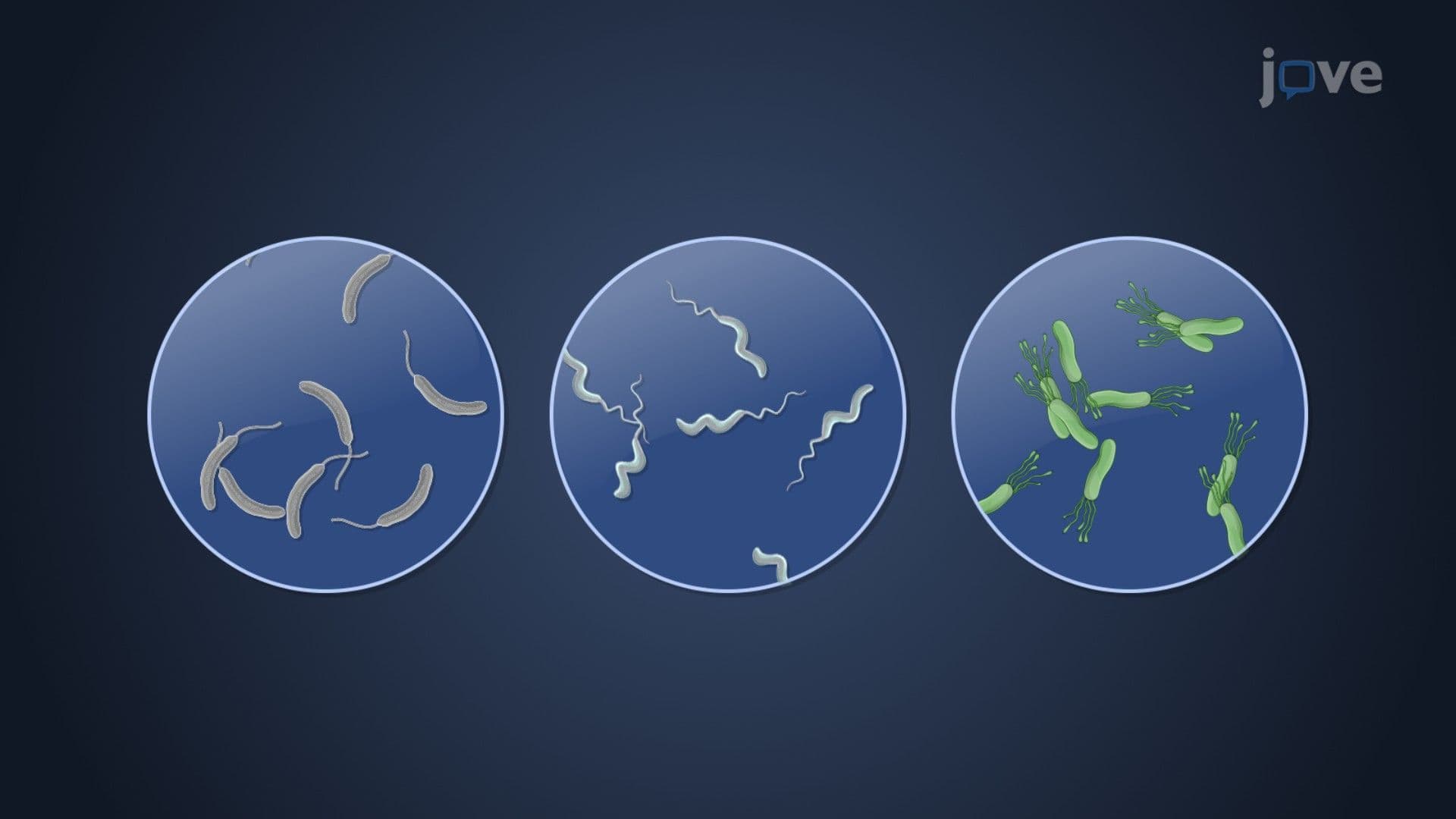
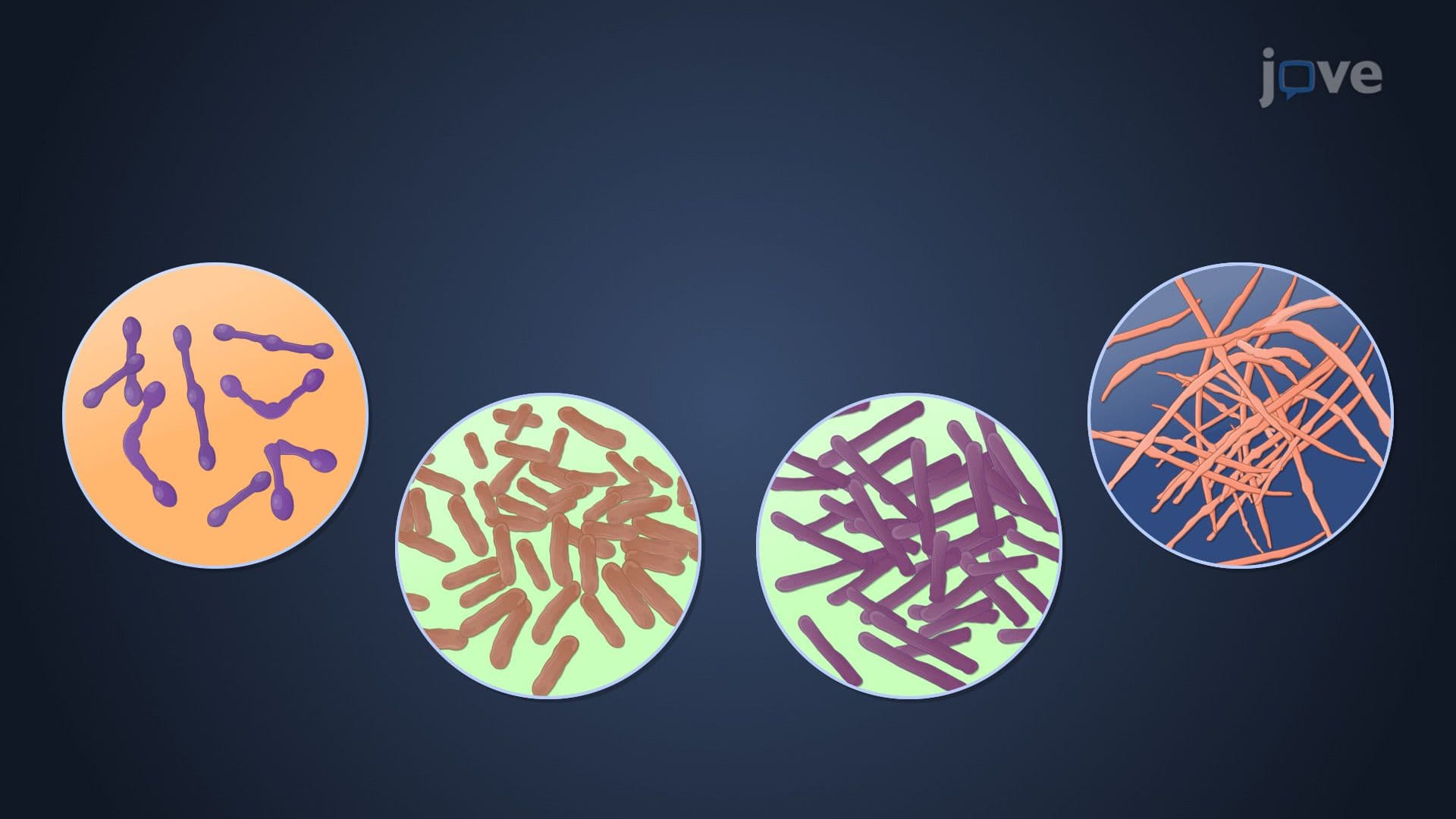
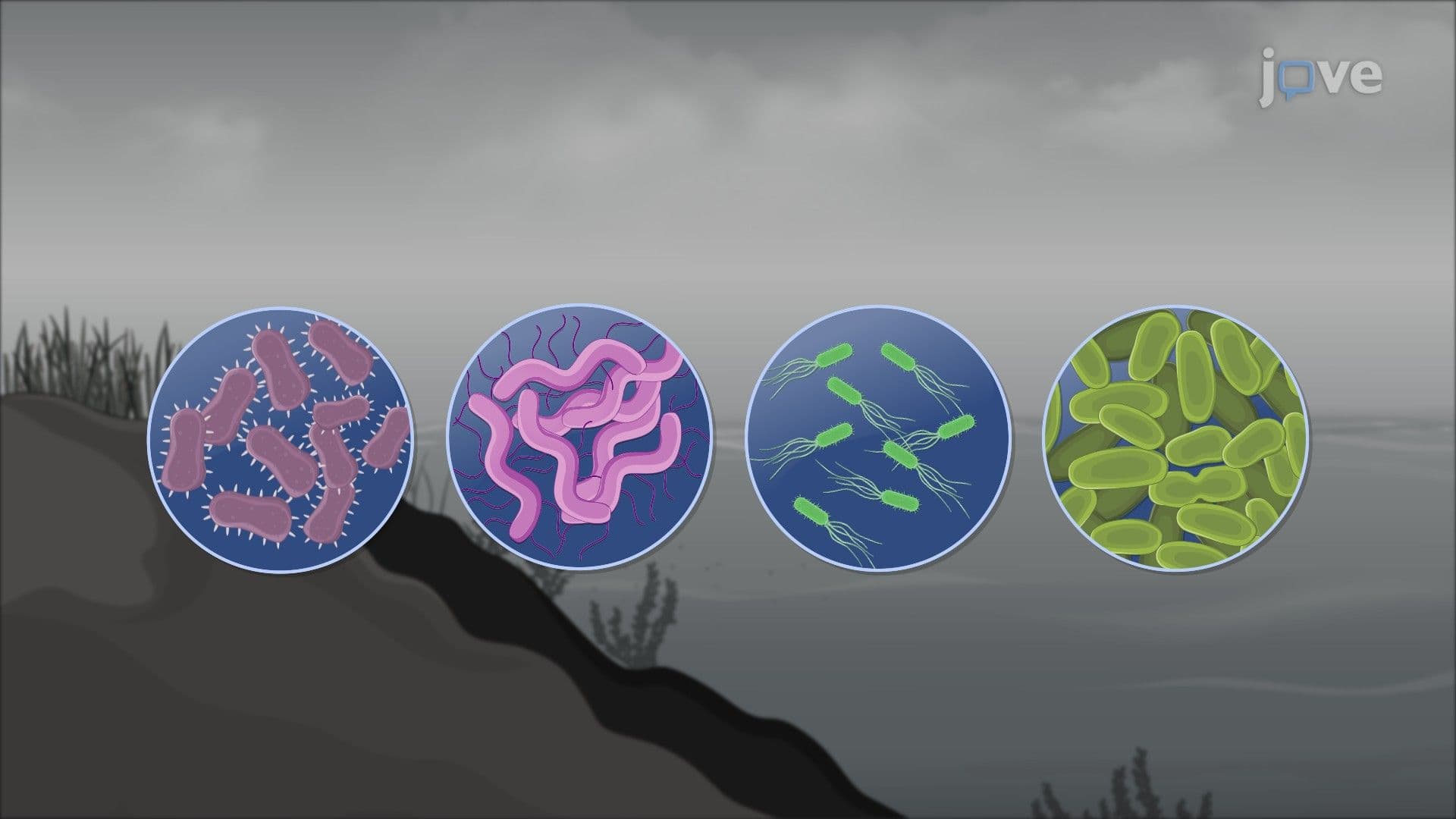
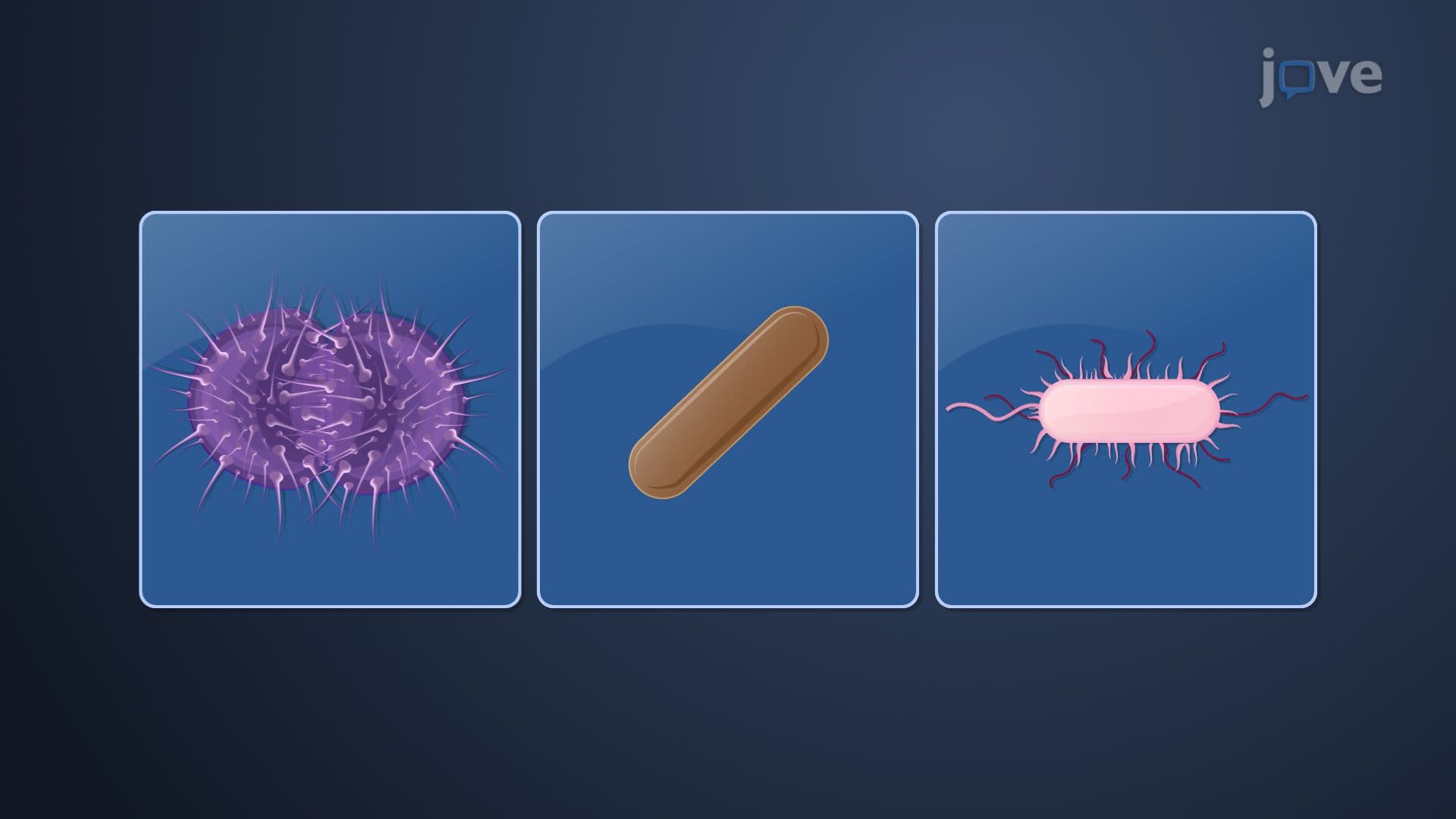
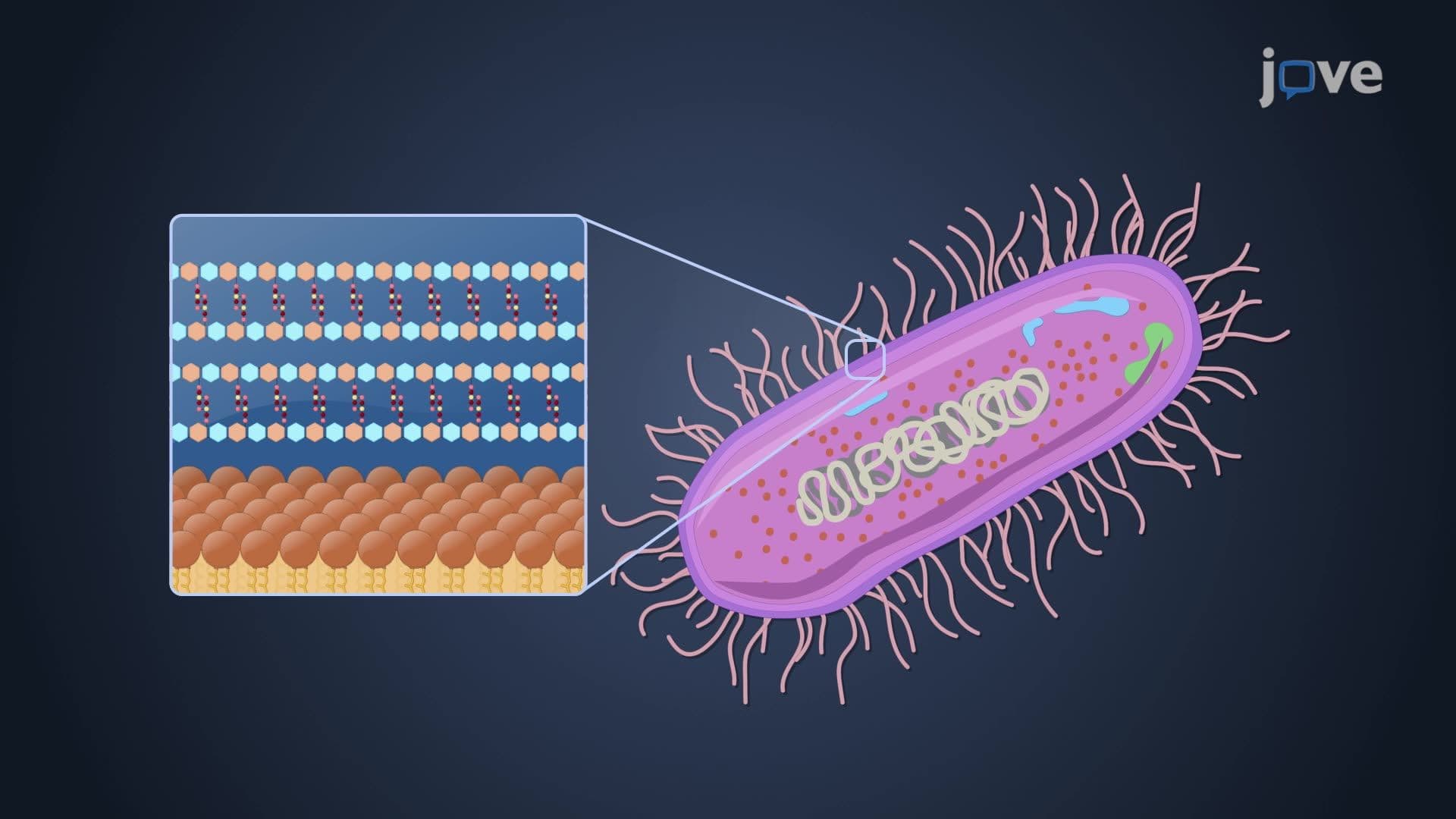
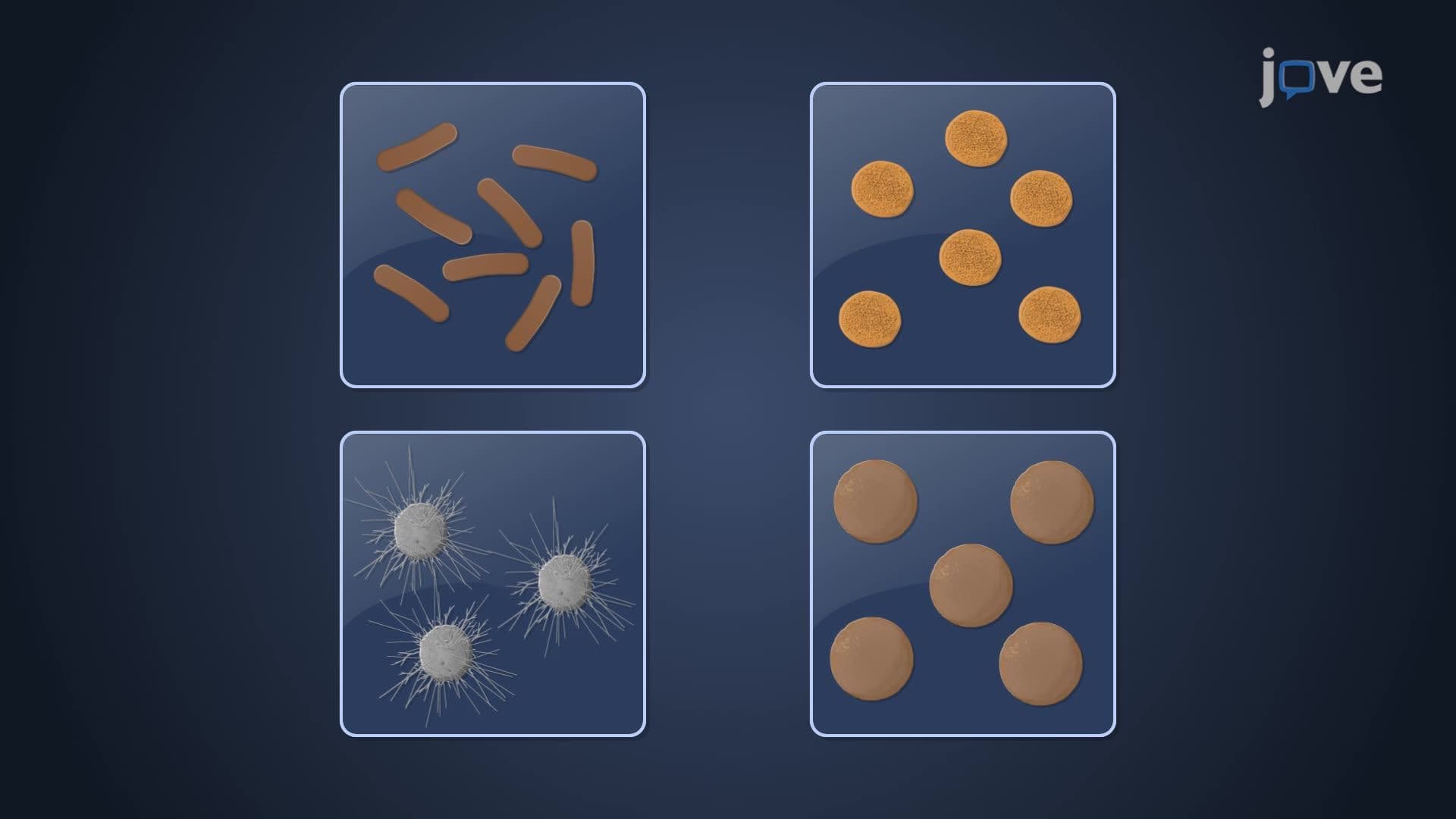
Bacterial phylum Bacteroidota represents one of the most ecologically significant groups of prokaryotes, encompassing four distinct orders that demonstrate remarkable metabolic and environmental diversity. This phylum's classification reflects evolutionary relationships among Gram-negative, rod-shaped bacteria that have adapted to vastly different ecological niches, from the oxygen-free environment of the human colon to the icy waters of Alaska's marine ecosystems.
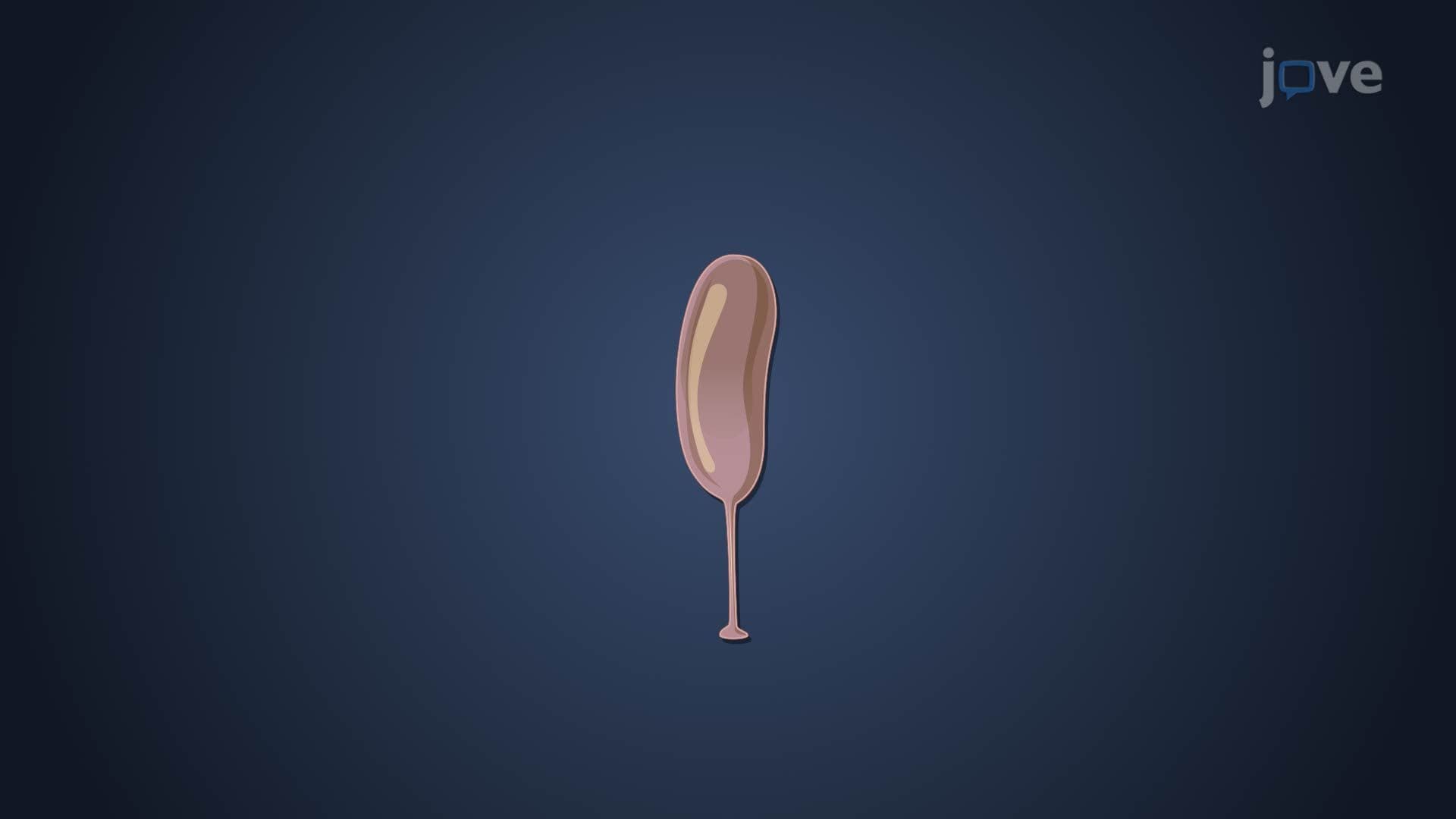
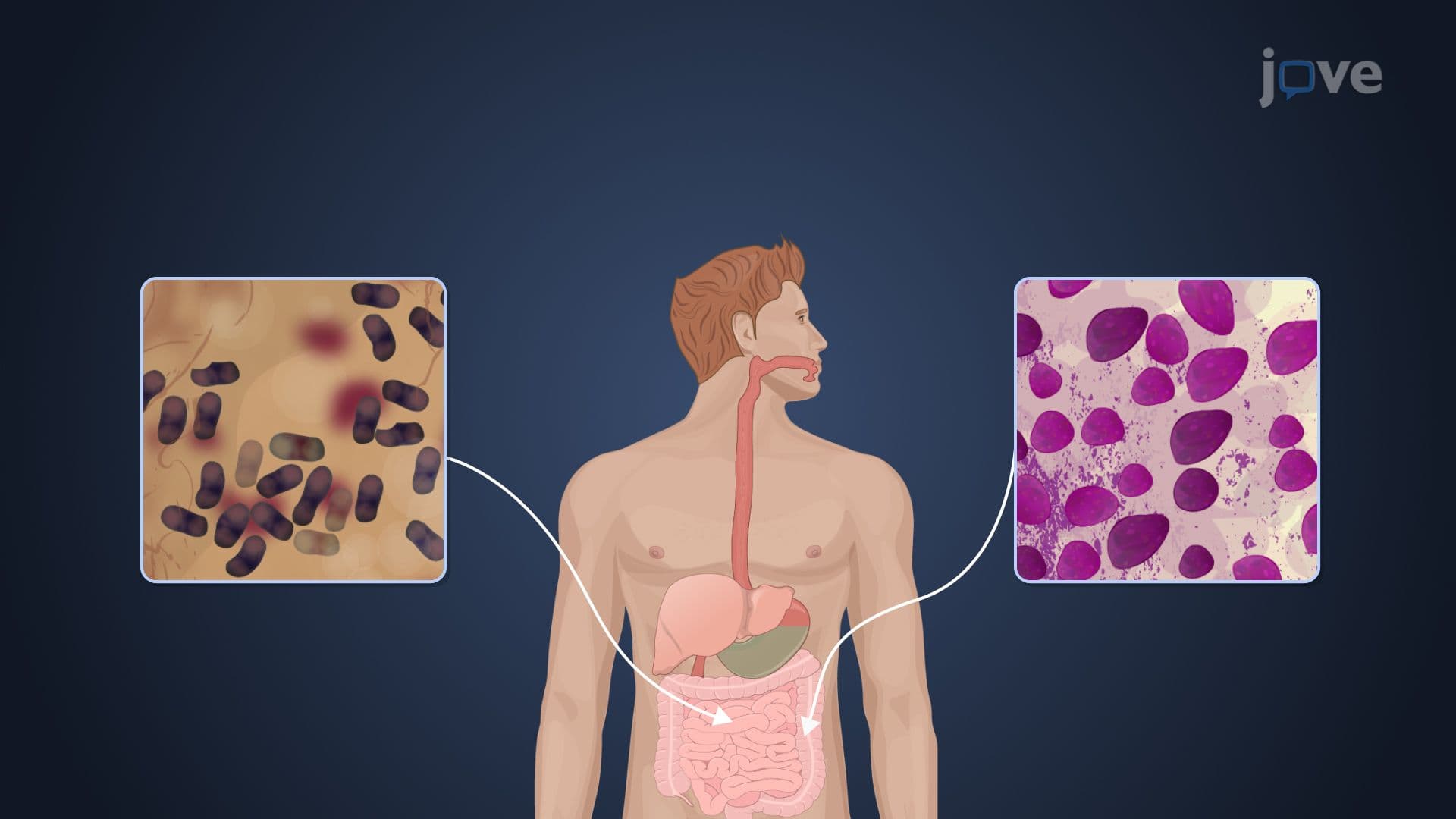
The order Bacteroidales dominates the bacterial phylum Bacteroidota in terms of human health relevance. These obligately anaerobic bacteria have evolved sophisticated fermentation pathways that break down complex polysaccharides from dietary fiber. In the typical American gut microbiome, Bacteroides species can represent up to 25% of all bacterial cells, producing short-chain fatty acids that nourish intestinal cells and regulate immune function. Medical students preparing for the MCAT often encounter questions about how Bacteroidales contribute to colonization resistance against pathogenic bacteria like Clostridioides difficile in hospital settings.
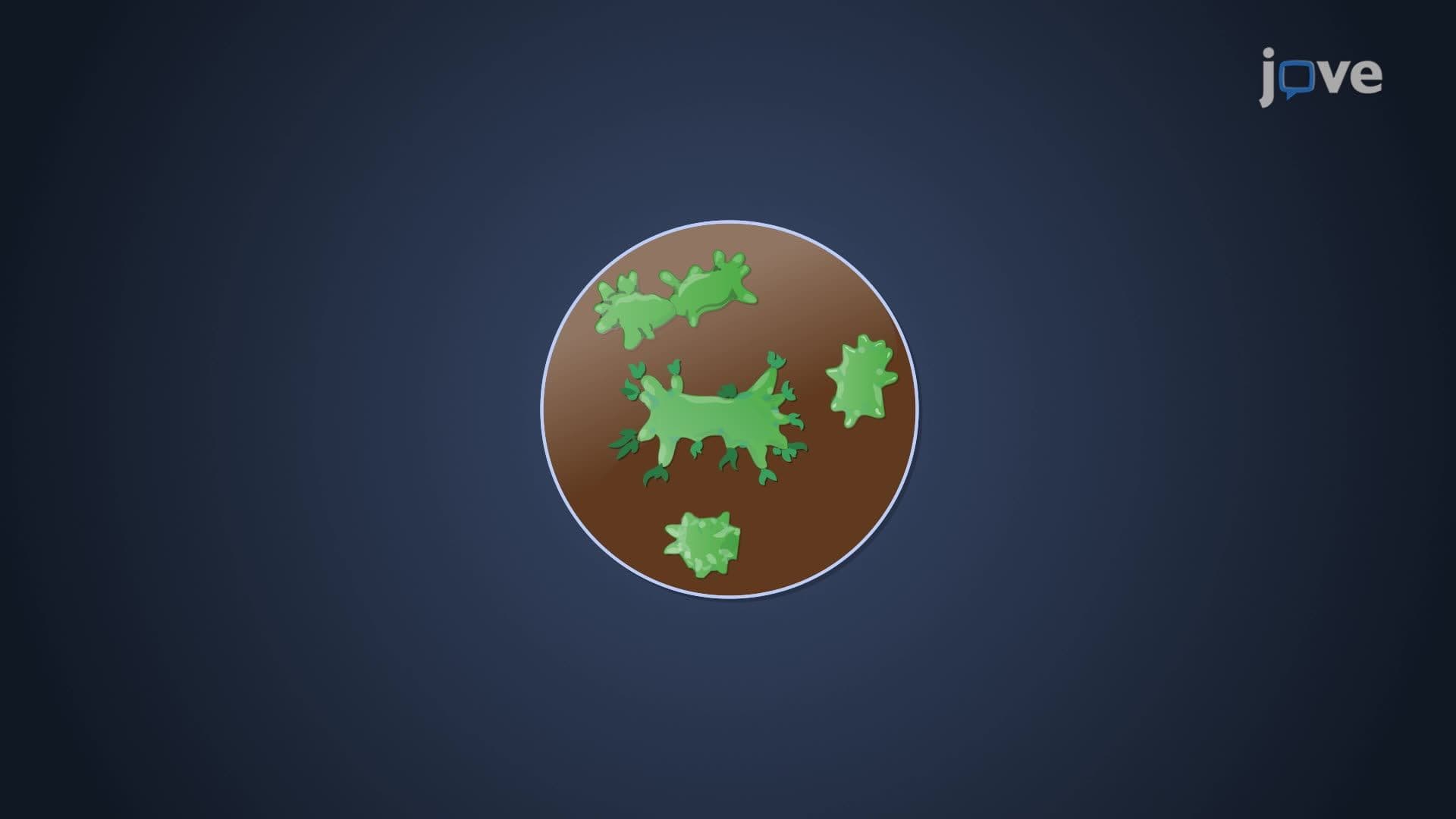
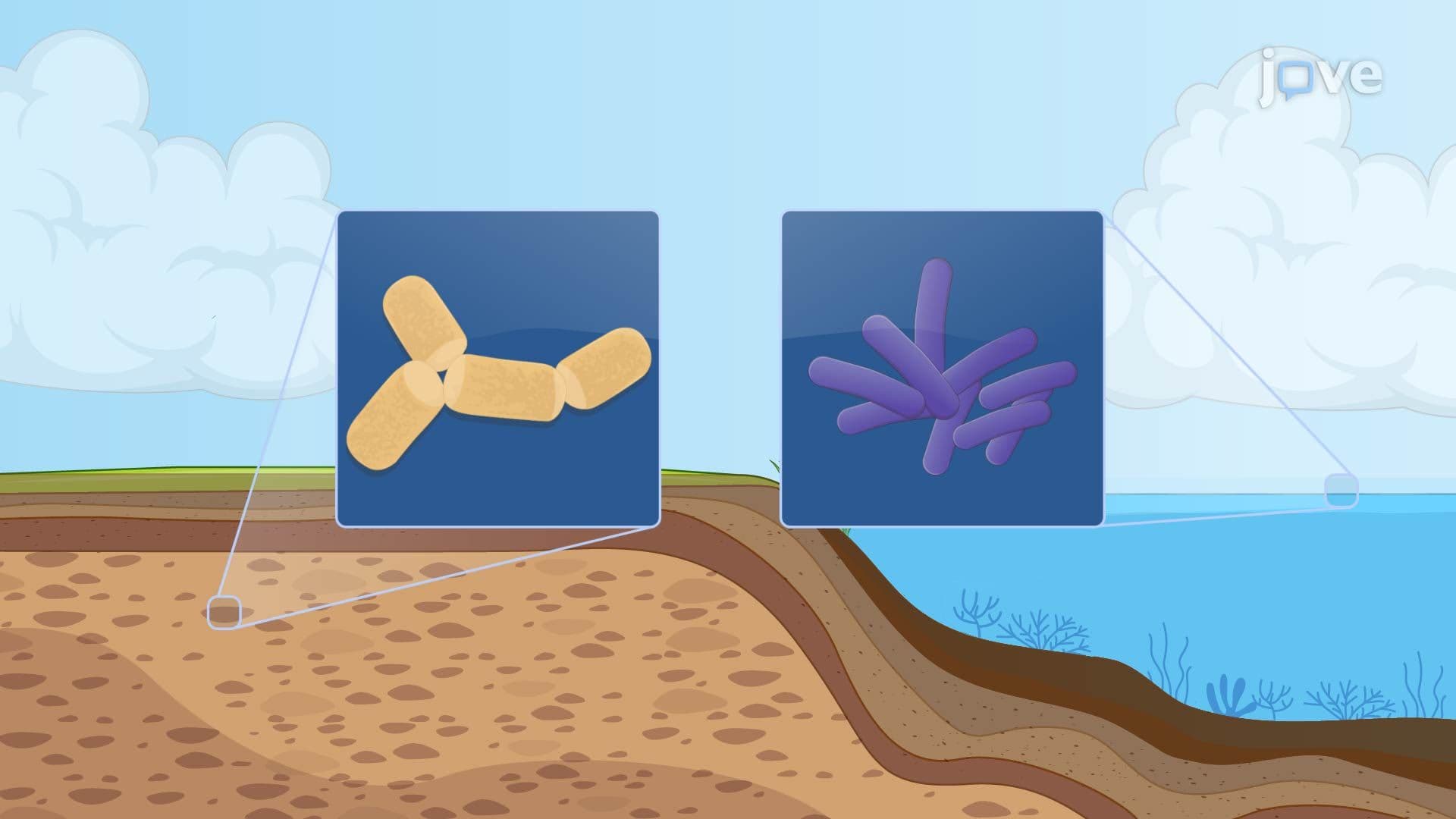
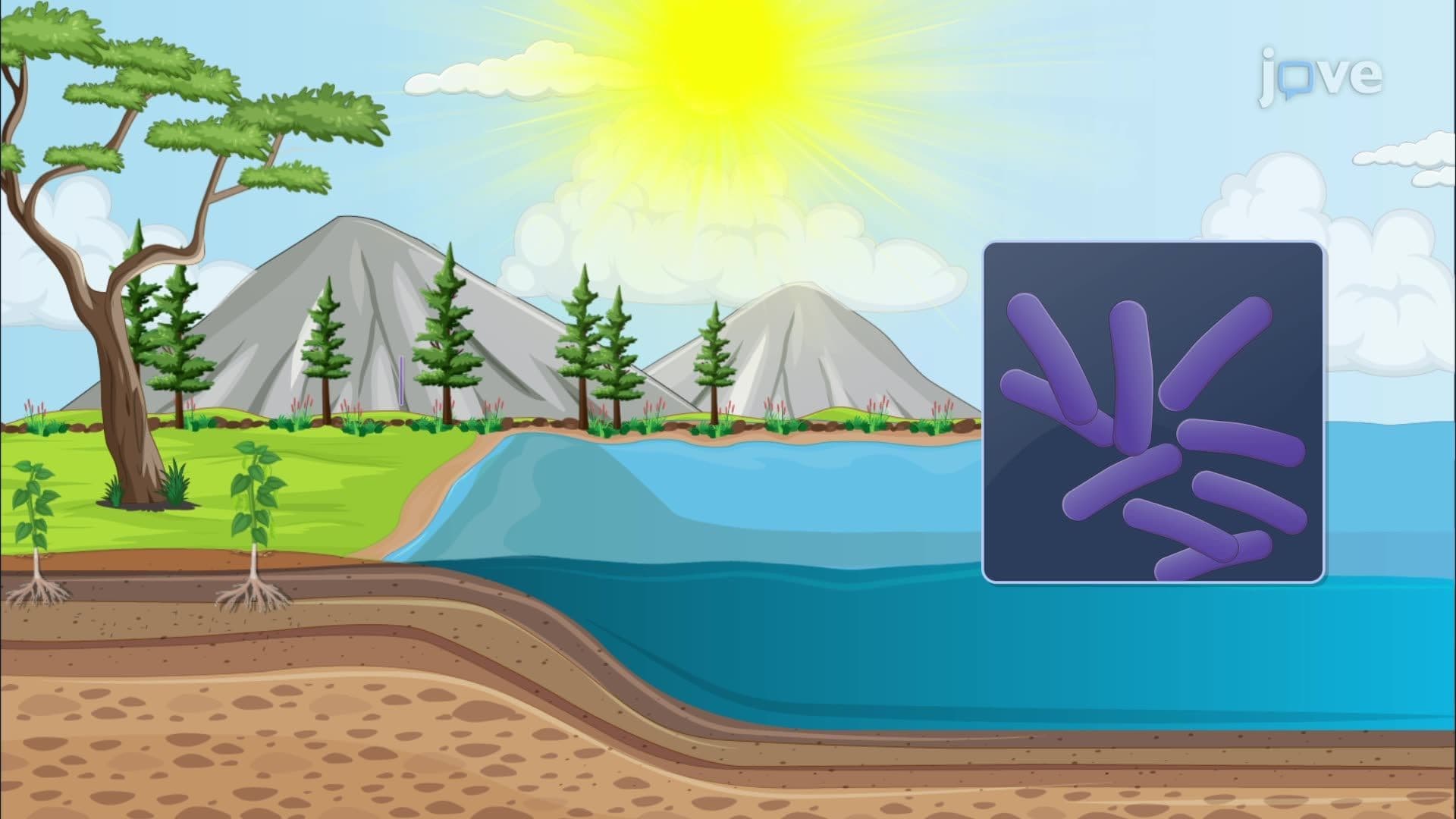
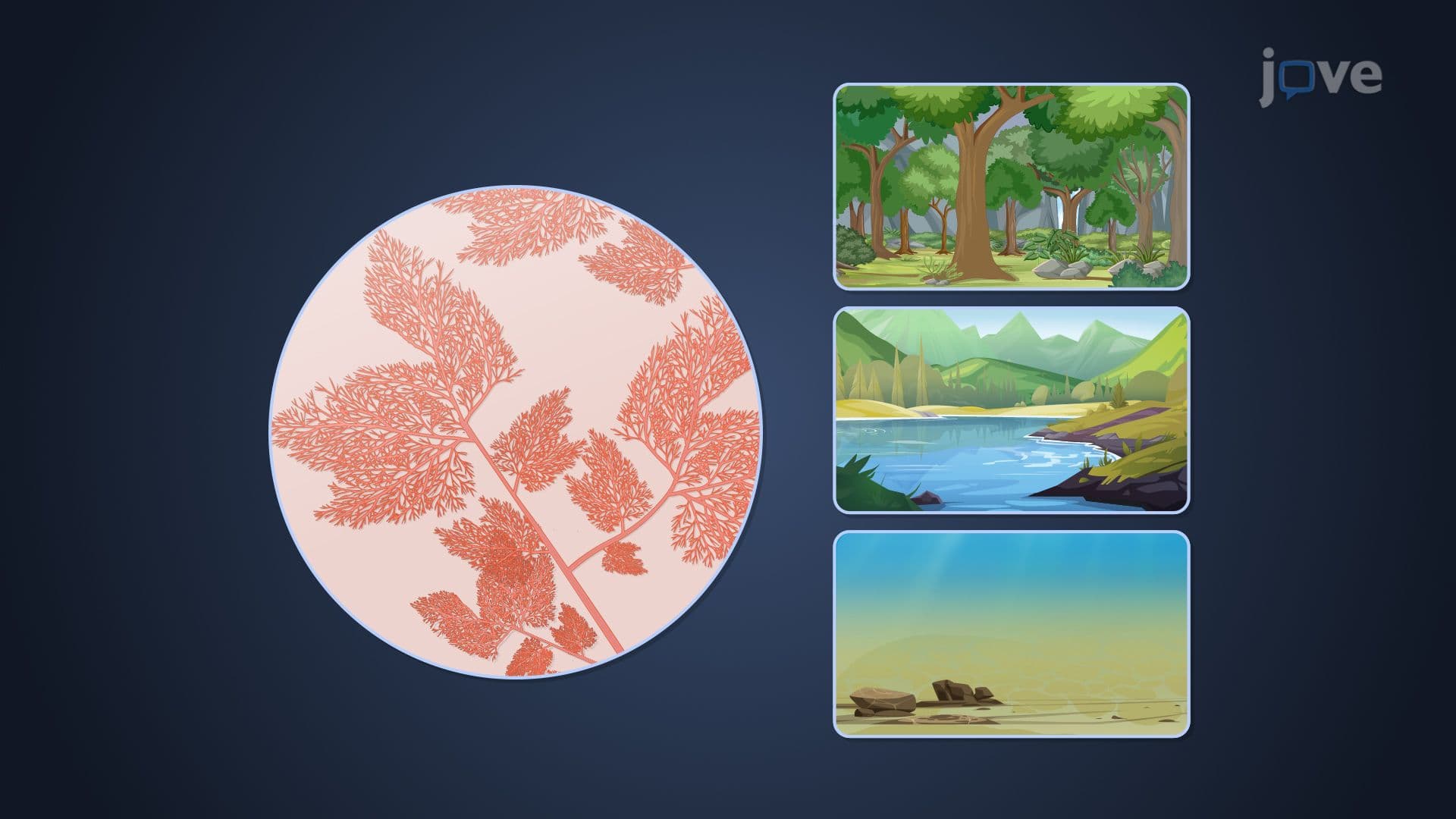
Cytophagales order showcases the environmental prowess within bacterial phylum Bacteroidota. Unlike their anaerobic relatives, these obligate aerobes possess unique enzymatic machinery for degrading structural biopolymers. Cytophaga species found in Pacific Northwest forest soils can break down cellulose from fallen Douglas fir needles, while marine Cytophaga strains decompose algal cell walls in Chesapeake Bay. This metabolic versatility makes them essential players in carbon cycling, a concept frequently tested in AP Environmental Science exams.
Flavobacteriales and Sphingobacteriales complete the bacterial phylum Bacteroidota diversity picture. Flavobacterium species demonstrate remarkable cold adaptation, with some strains isolated from Antarctic research stations maintaining active metabolism at temperatures that would halt most bacterial growth. Meanwhile, Sphingobacterium species contribute to soil health across American agricultural regions, their carotenoid pigments providing protection against UV radiation while they process organic matter. College microbiology courses often use these examples to illustrate how bacterial adaptation mechanisms enable survival in extreme environments.
Related Micro-courses