Loading video…

 37 Concepts
 13.4K views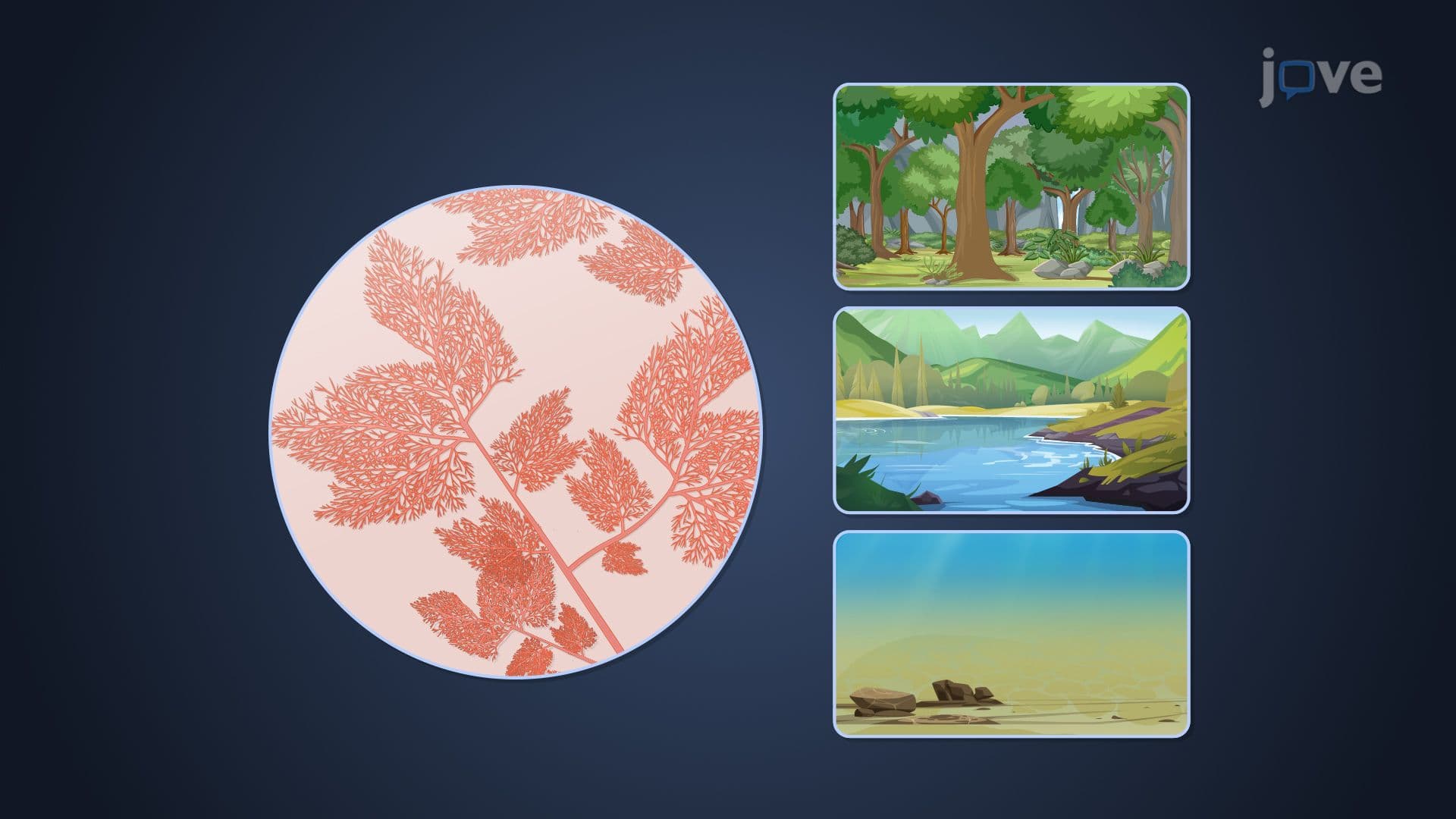

Video Summary: What Is Red Algae
Did you know that red algae can survive in volcanic hot springs with pH levels as acidic as battery acid? Red algae are fascinating organisms belonging to Phylum Rhodophyta, distinguished by their characteristic red pigmentation from phycoerythrin. These photosynthetic organisms thrive in diverse environments, from California's coastal waters where species like Porphyra are harvested for sushi nori production. Understanding what is red algae reveals organisms that have adapted to some of Earth's most extreme conditions while serving important commercial purposes. Watch the full video on JoVE Coach to master this concept with expert-led visuals and step-by-step explanations.
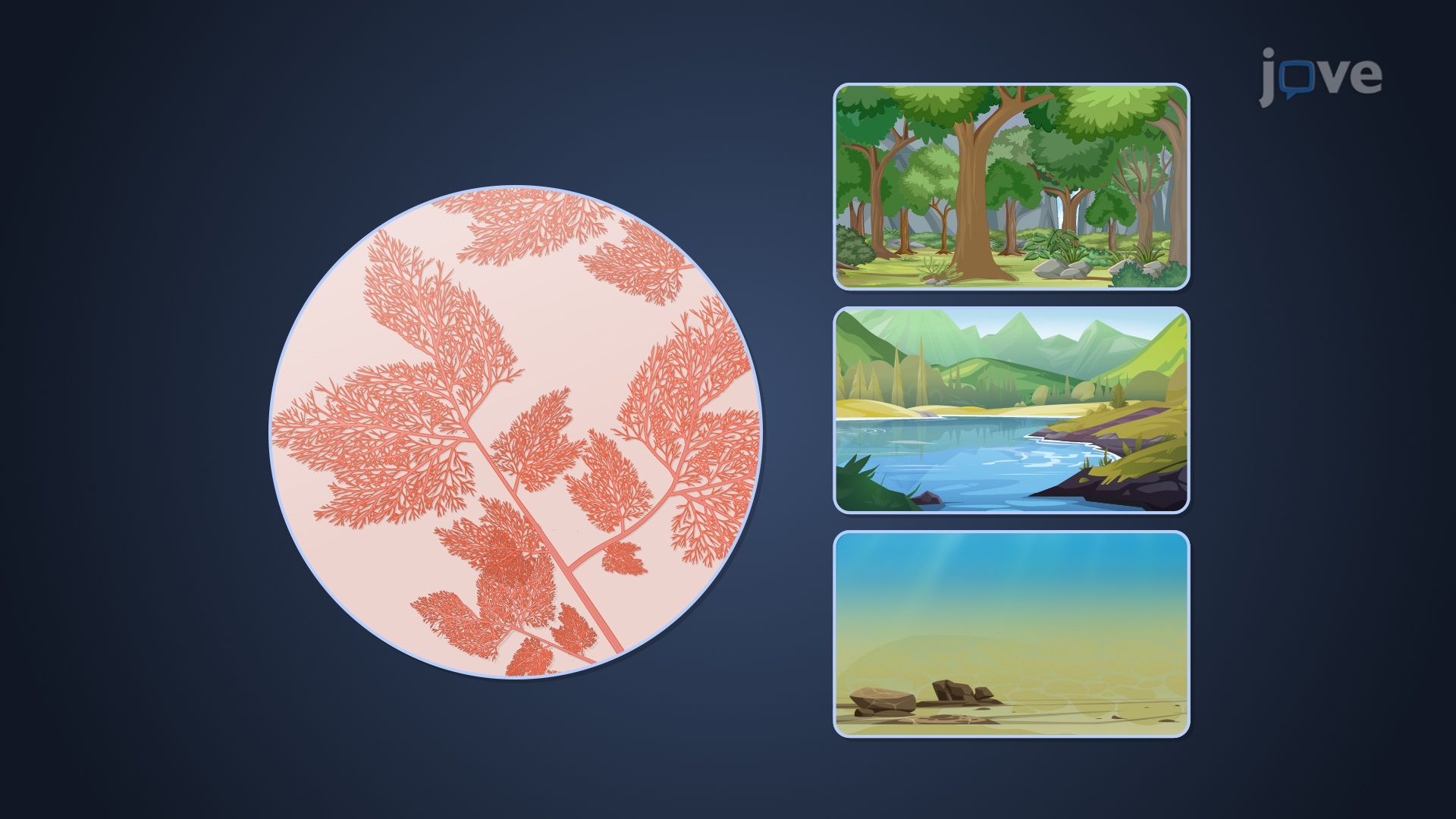
Red algae represent one of the most ancient and diverse groups of photosynthetic organisms on Earth. These remarkable organisms belong to Phylum Rhodophyta within the Kingdom Archaeplastida, sharing evolutionary relationships with green algae and land plants. The red algae definition encompasses both unicellular and multicellular species that have colonized virtually every aquatic environment on the planet, from the frigid Arctic waters off Alaska to the thermal pools of Yellowstone National Park.
What makes red algae truly distinctive is their unique pigmentation system. While they possess chlorophyll a like other photosynthetic organisms, their characteristic red coloration comes from phycoerythrin, a specialized pigment housed within structures called phycobilisomes. This adaptation allows red algae to capture light wavelengths that penetrate deeper into water, giving them a competitive advantage in marine environments where blue-green light dominates.
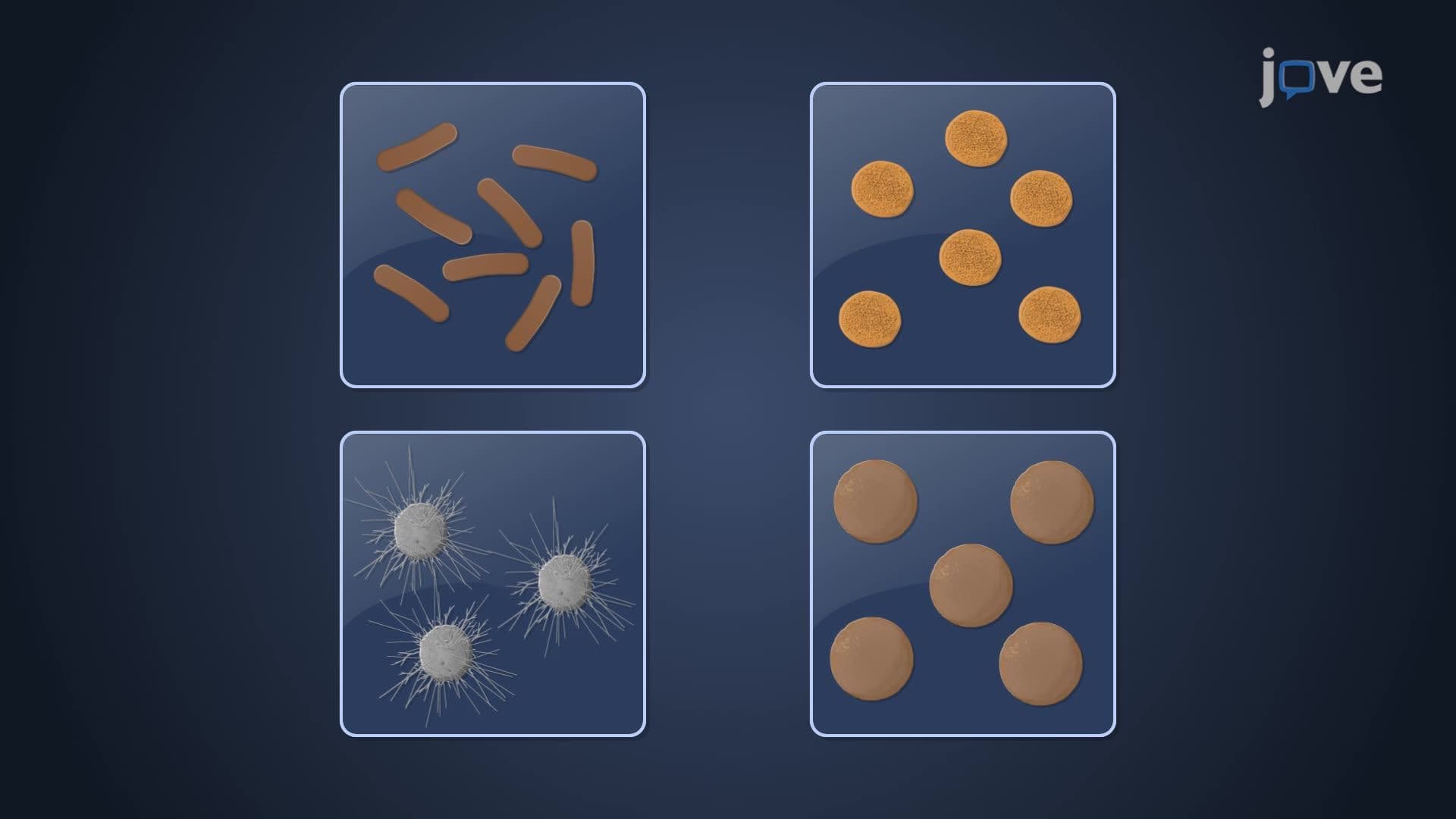
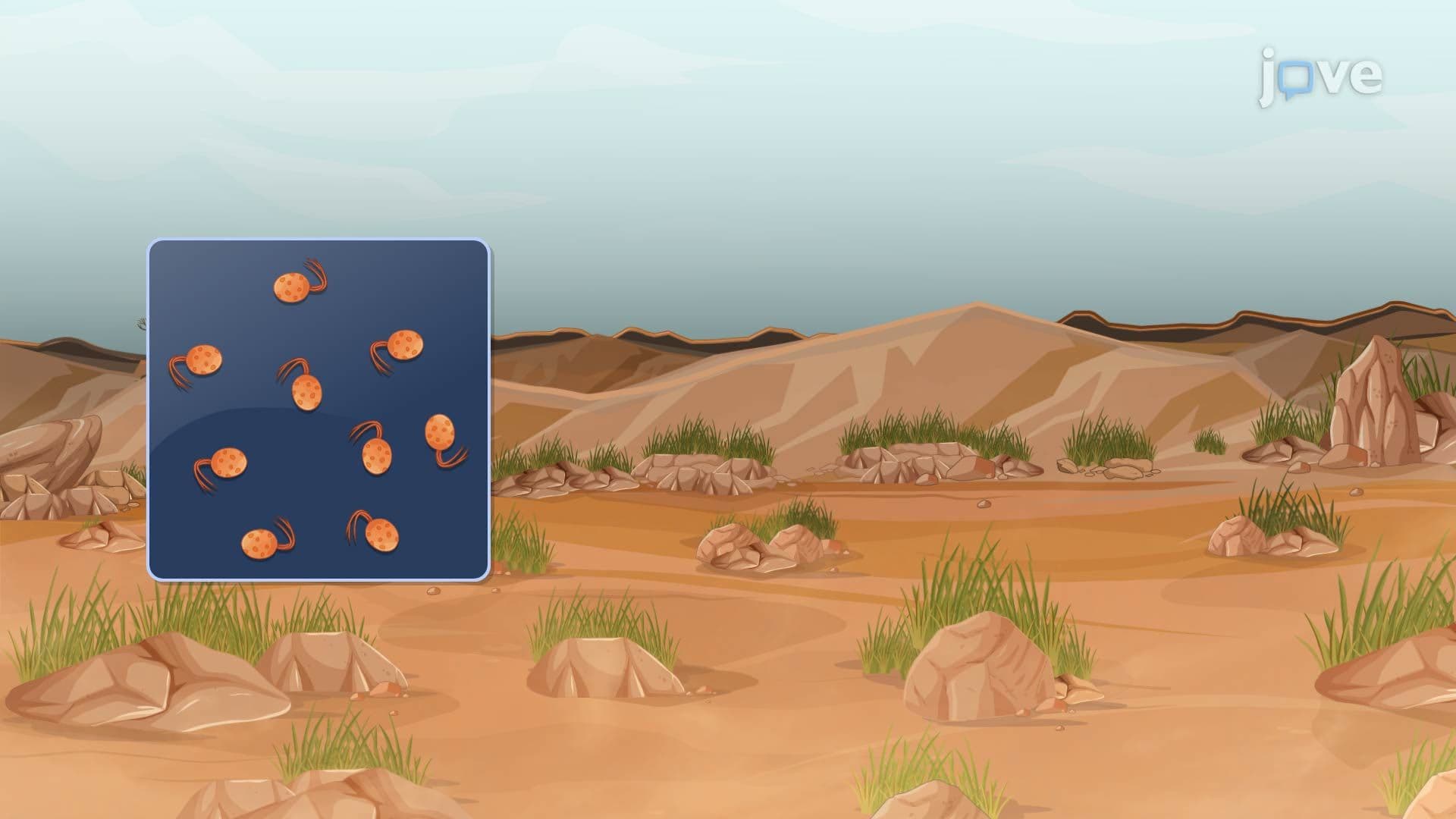
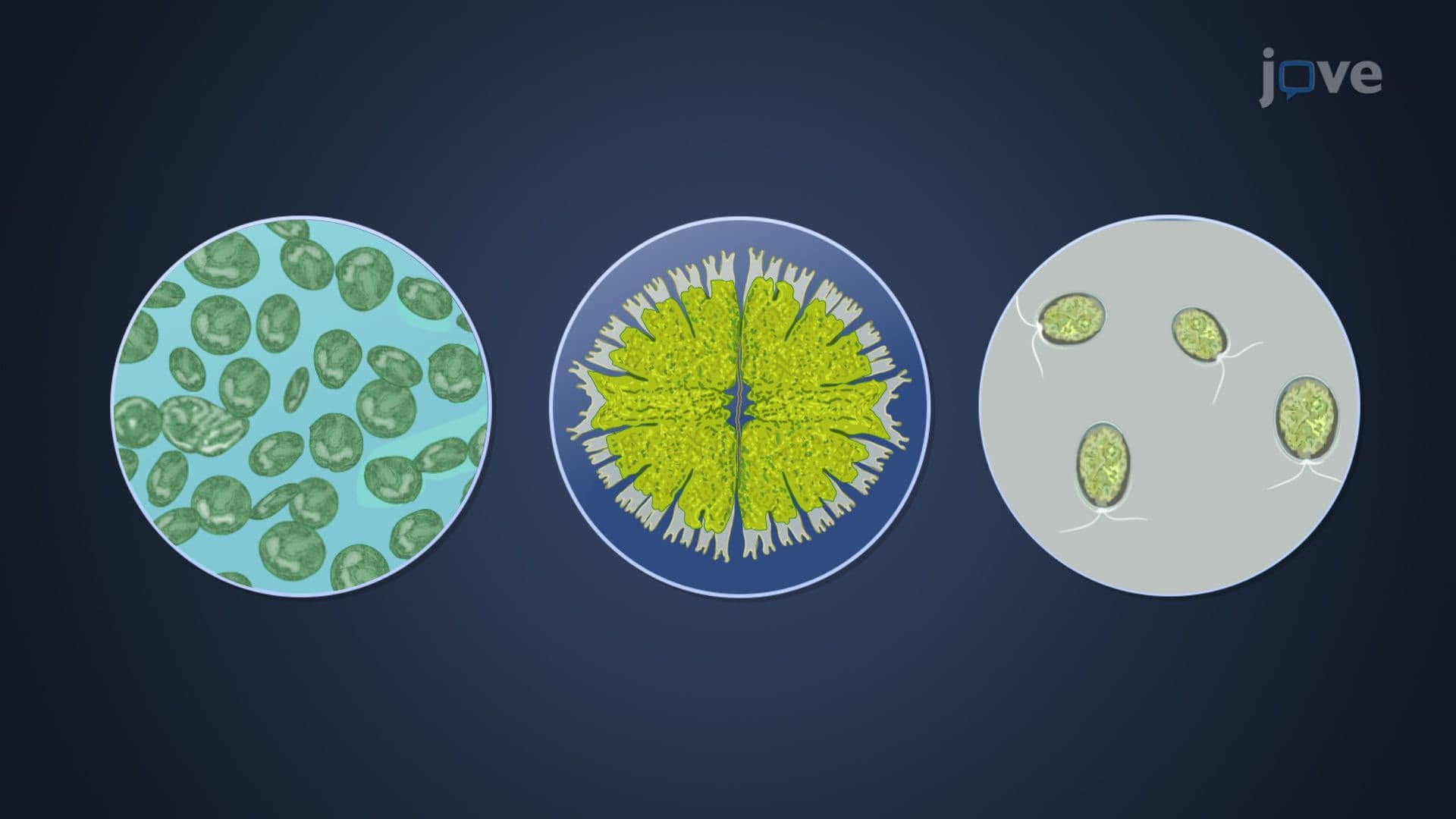
The structural diversity of red algae is remarkable, ranging from microscopic unicellular forms to complex multicellular seaweeds. Unicellular species like Cyanidioschyzon merolae are among the smallest eukaryotes known, measuring only 1-2 micrometers in diameter with a compact genome of approximately 16.5 million base pairs. These tiny organisms thrive in extreme environments, including acidic hot springs with temperatures reaching 140°F (60°C) and pH levels as low as 0.5-conditions that would destroy most other life forms.
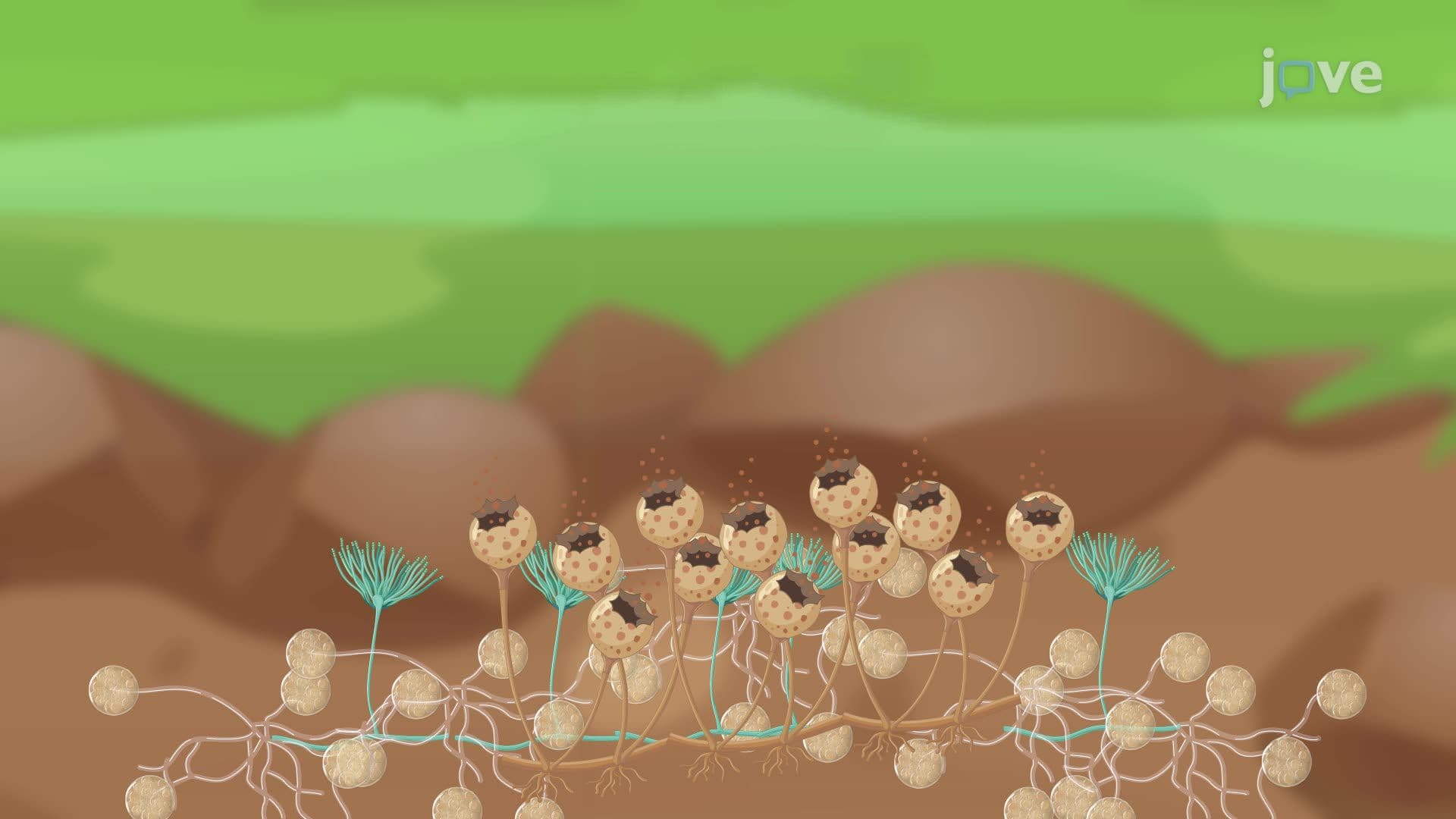
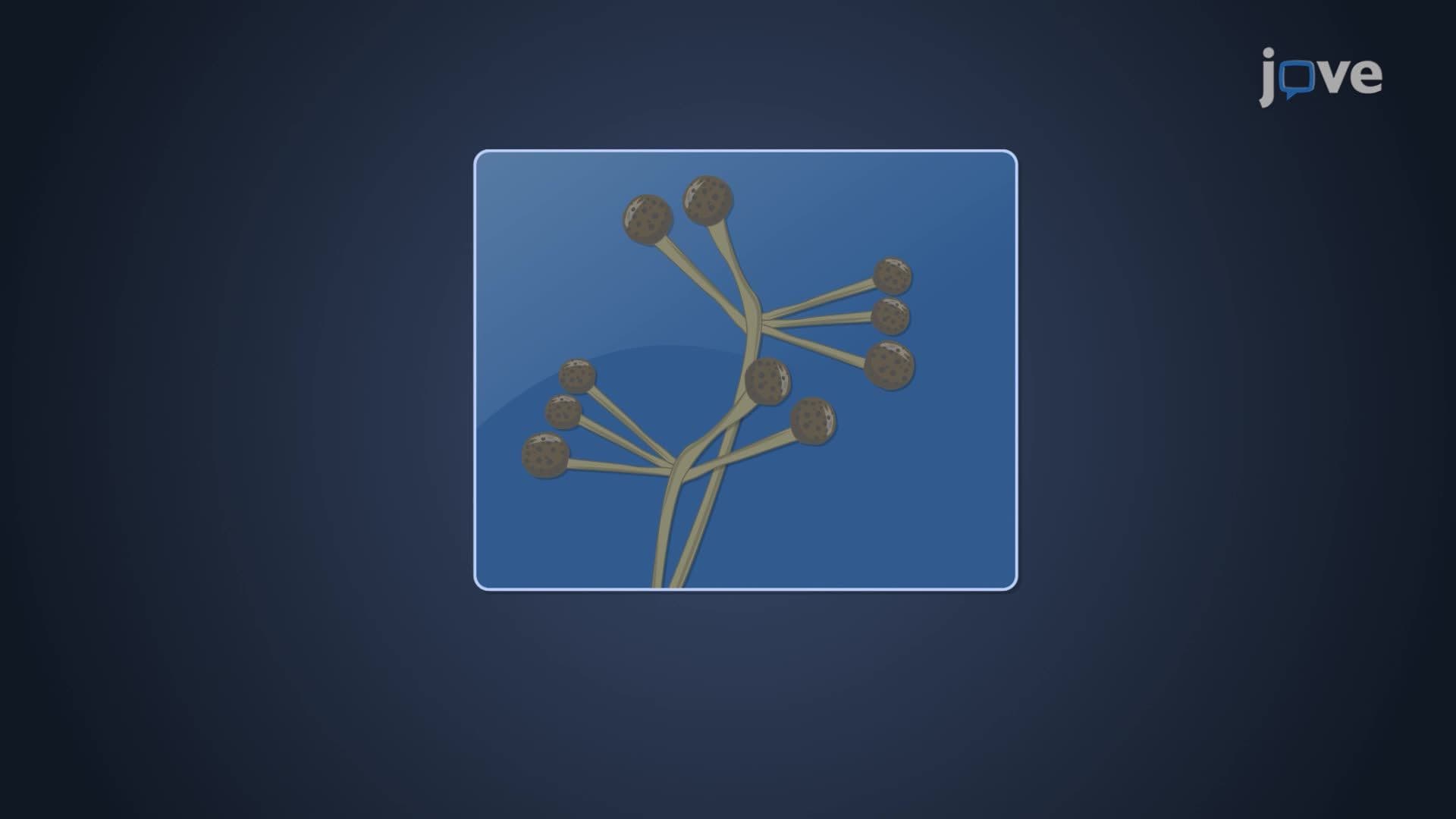
In contrast, multicellular red algae like Polysiphonia form intricate filamentous structures that can create complex underwater forests along the Pacific Coast. These larger species demonstrate sophisticated cellular organization and reproductive strategies that students encounter in advanced AP Biology coursework and college-level marine biology classes.
Red algae play crucial roles both ecologically and economically in the United States. From an ecological perspective, they serve as primary producers in marine food webs, particularly in deeper waters where their light-harvesting efficiency gives them advantages over other algae. Species like Porphyra are extensively cultivated along the coasts of Maine and California, where they're processed into nori sheets worth millions of dollars annually to the US sushi industry.
Beyond food applications, red algae produce valuable polysaccharides including agar and carrageenan. Agar, extracted from species like Gelidium, is essential for microbiology laboratories across American universities and research institutions, serving as the standard medium for bacterial culture. Carrageenan, derived from species such as Chondrus crispus (Irish moss), functions as a thickening agent in numerous food products from ice cream to plant-based milk alternatives found in US grocery stores.
Understanding red algae is fundamental for students preparing for the MCAT, where questions about photosynthetic organisms and their adaptations frequently appear in the biology sections. AP Biology students encounter red algae when studying cellular respiration, photosynthesis, and evolutionary relationships among major groups of organisms. The unique characteristics of extremophilic red algae species also appear in college-level microbiology and ecology courses, where they serve as examples of life's remarkable adaptability.
Related Micro-courses