Loading video…

 16 Concepts
 5K views

Video Summary: What Is Development of Human Microbiota
Did you know your gut hosts trillions of microorganisms that begin colonizing your body the moment you're born? The development of human microbiota, a foundational concept in microbiology, describes how these microbial communities form, shift, and stabilize across a lifetime. For example, researchers at Stanford have shown that delivery method alone can shape a newborn's bacterial profile for months. Watch the full video on JoVE Coach to master this concept with expert-led visuals and step-by-step explanations.
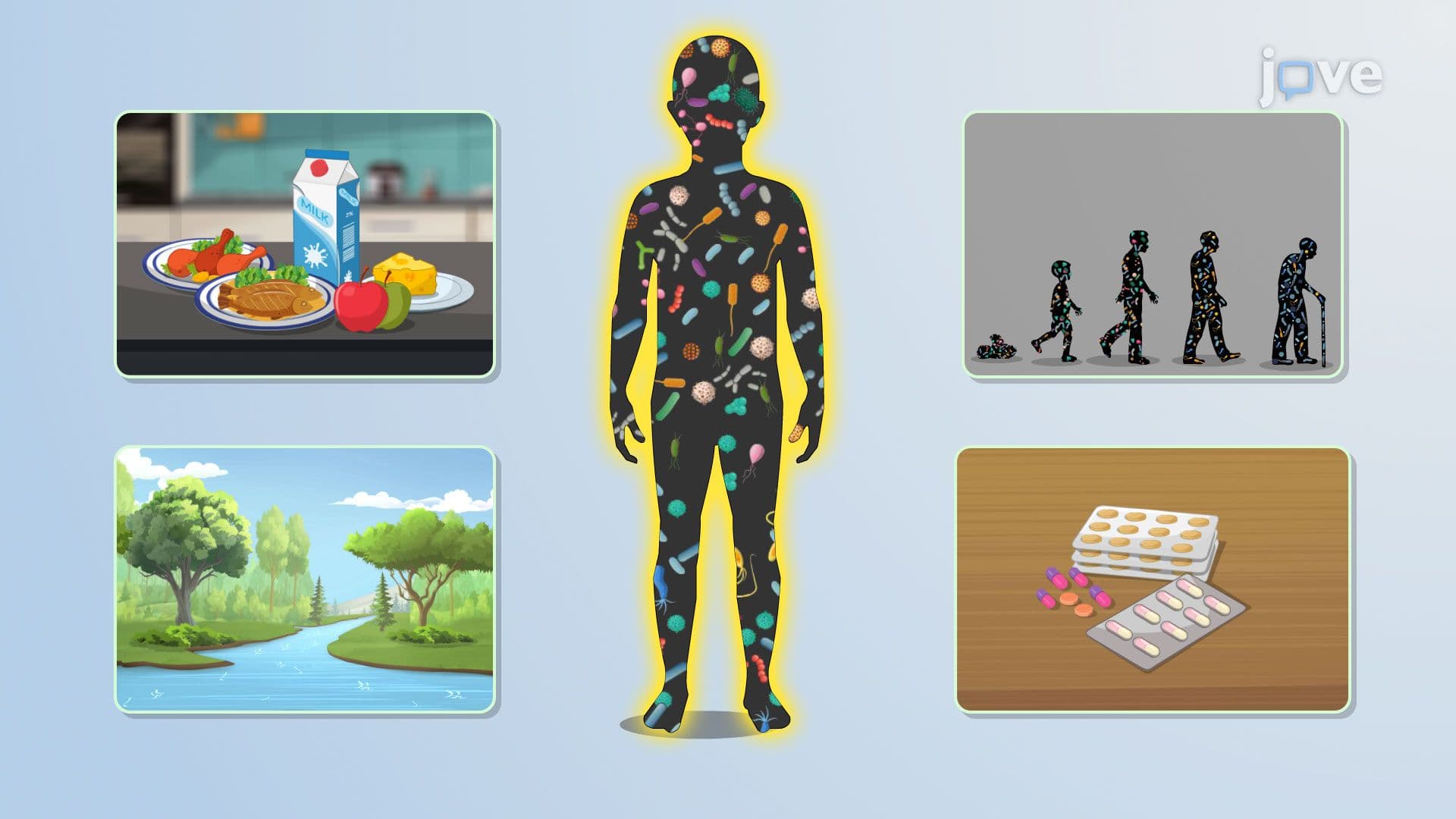
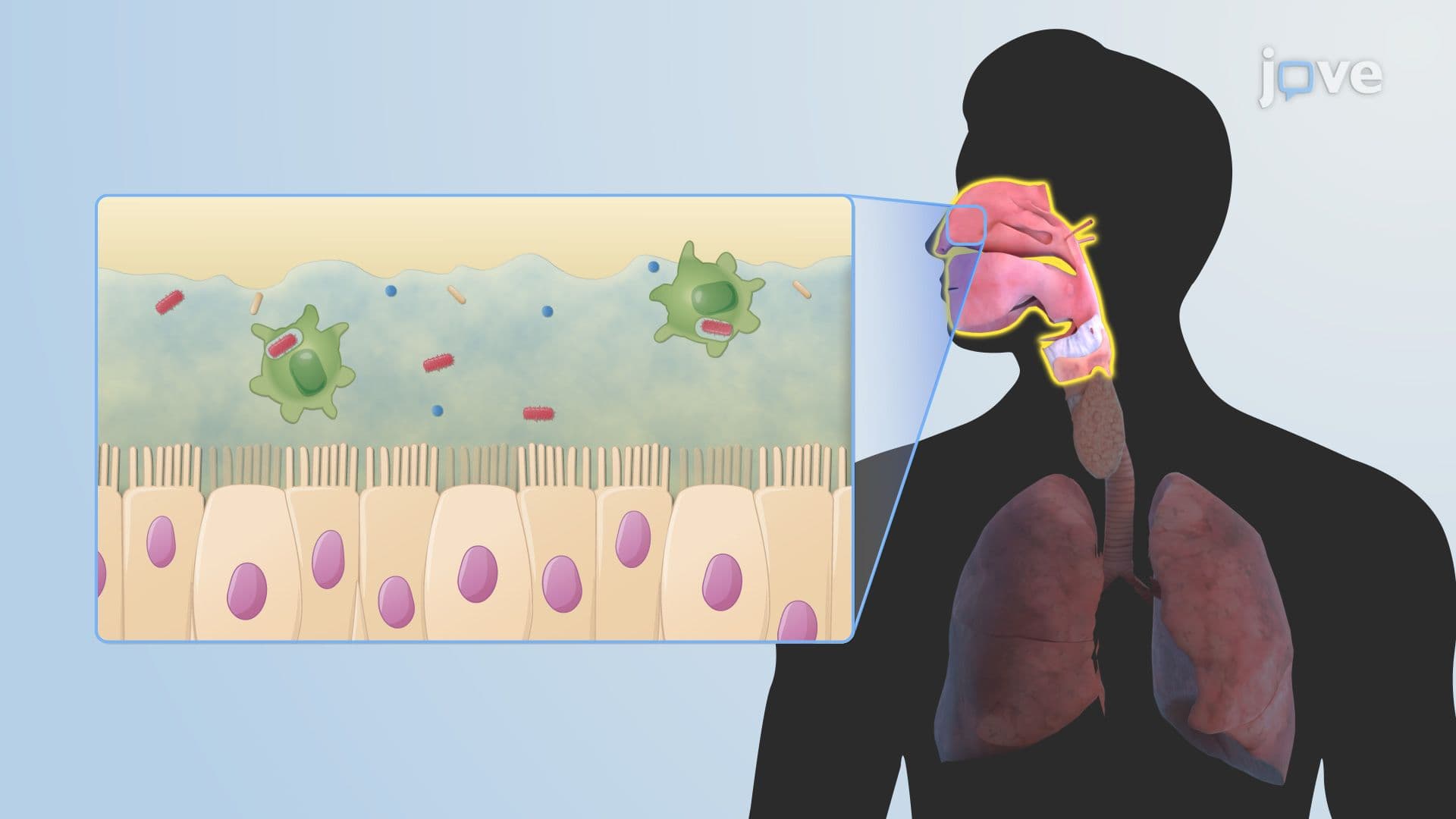
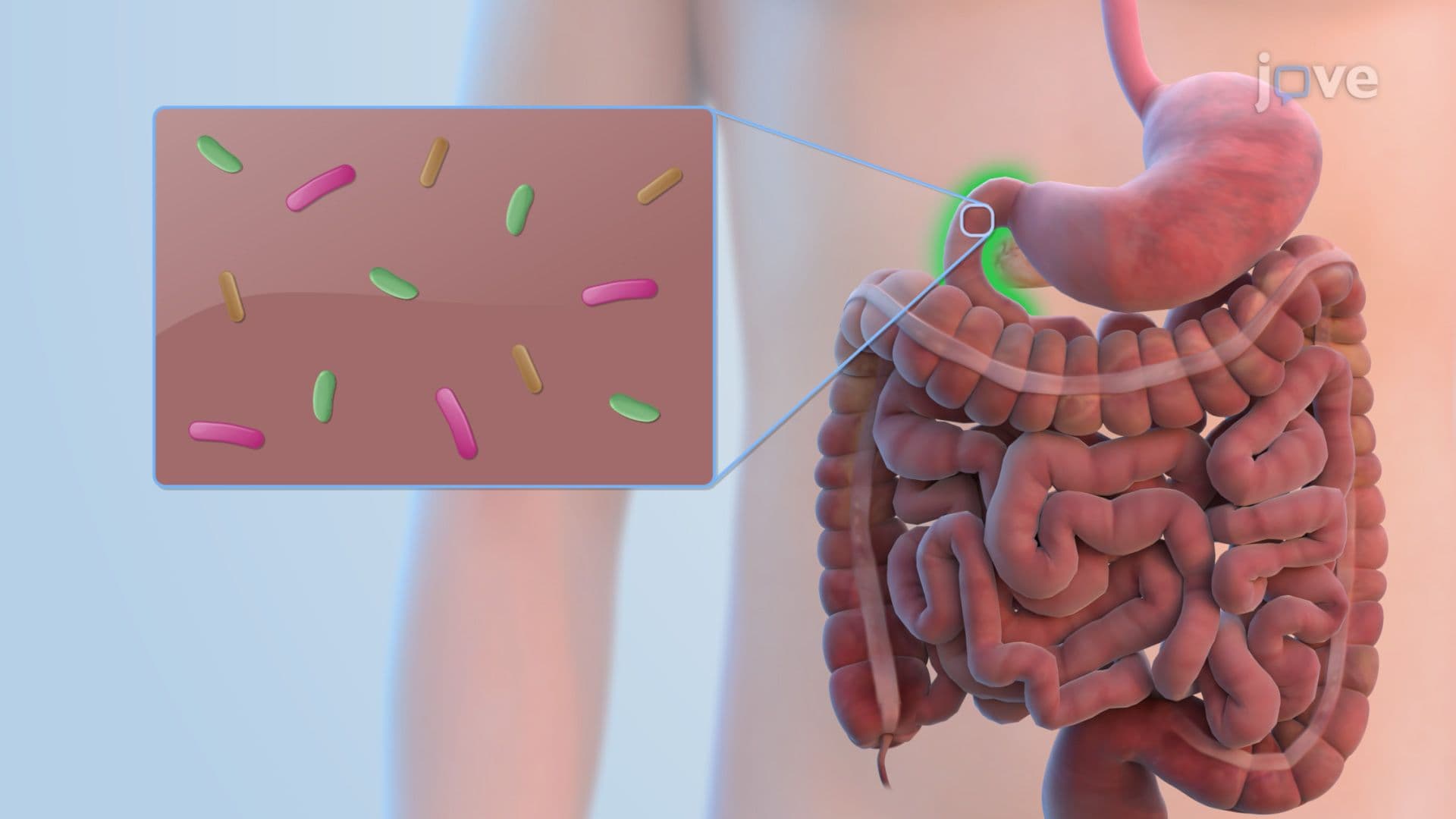
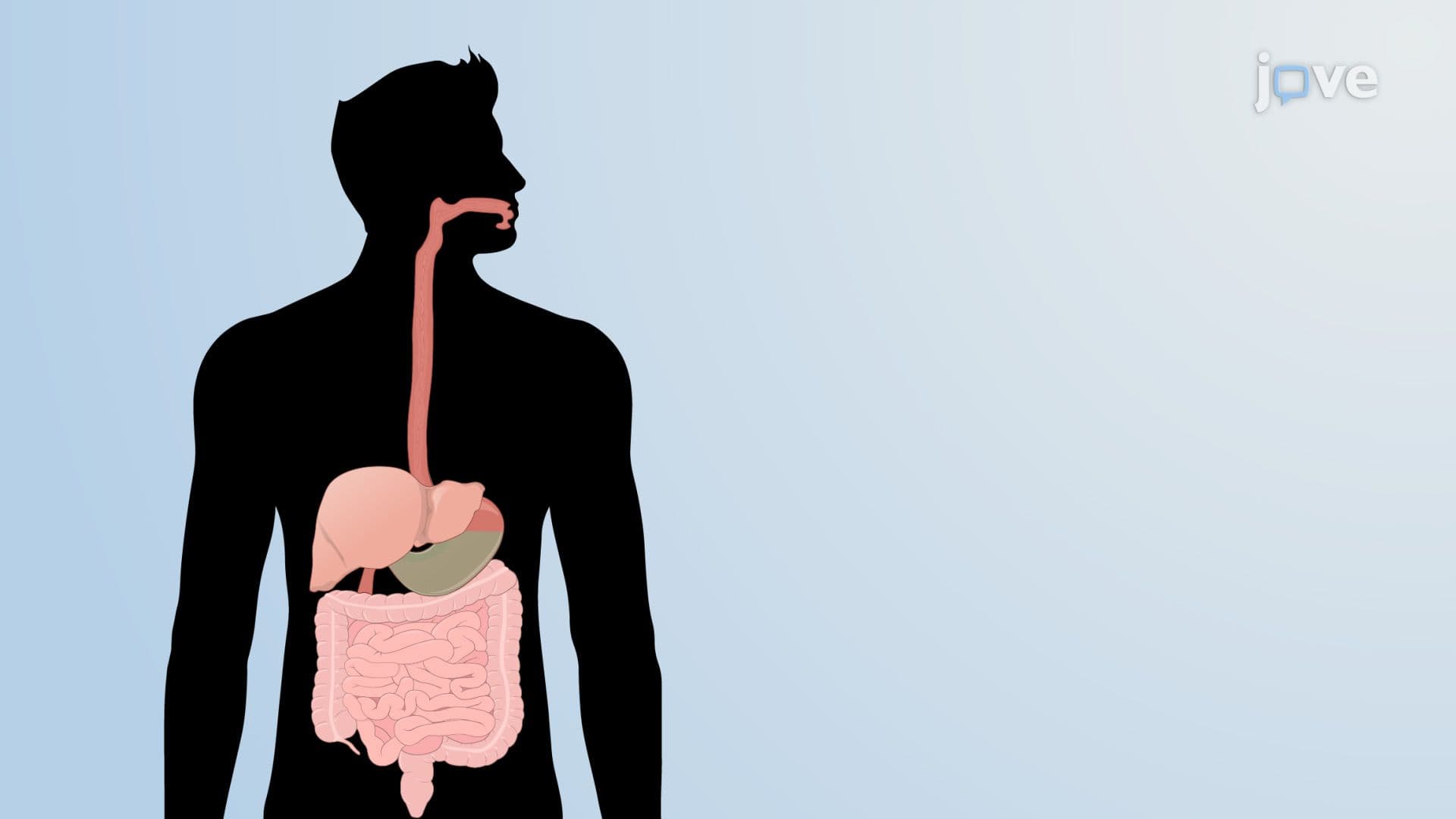
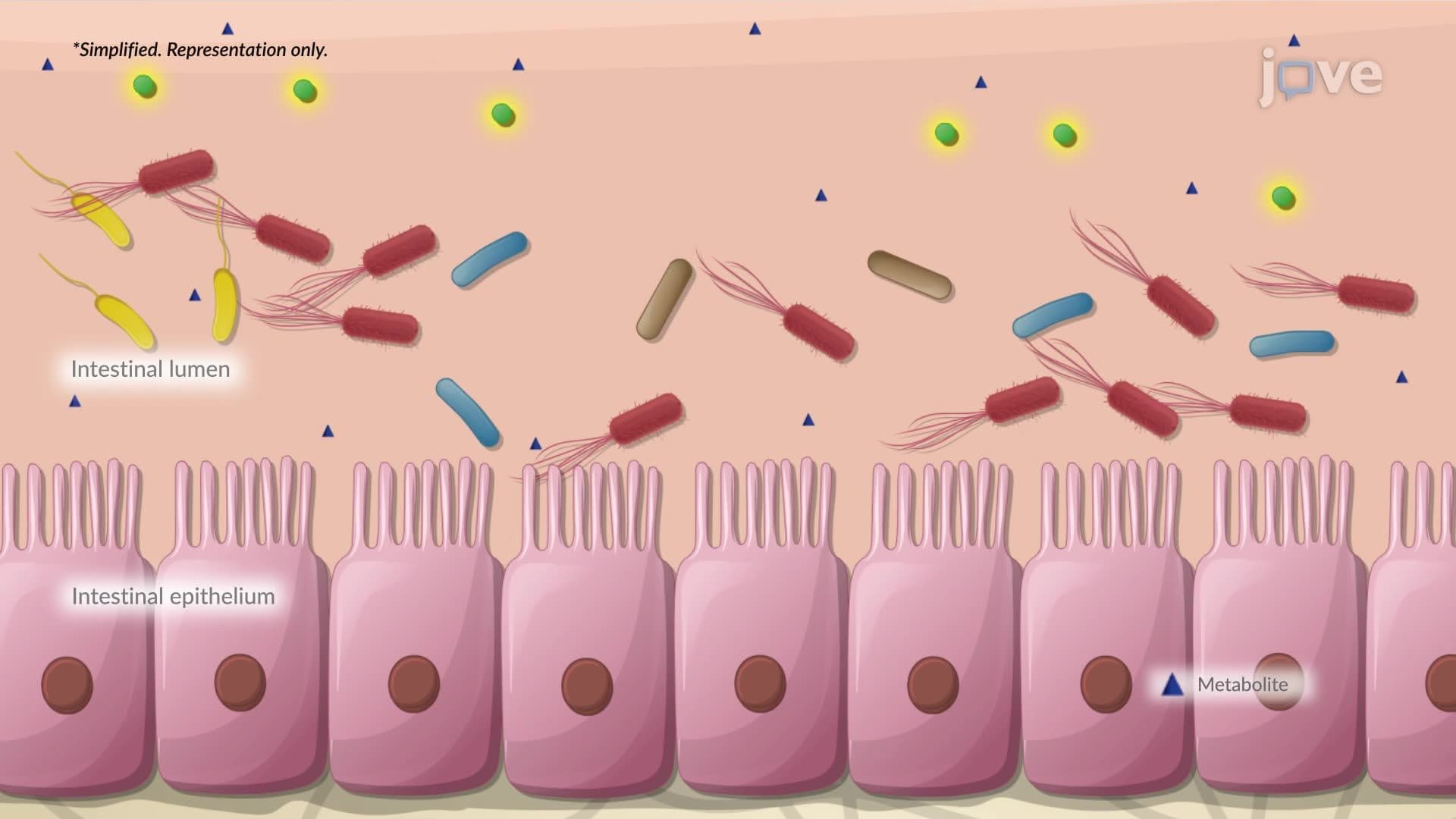
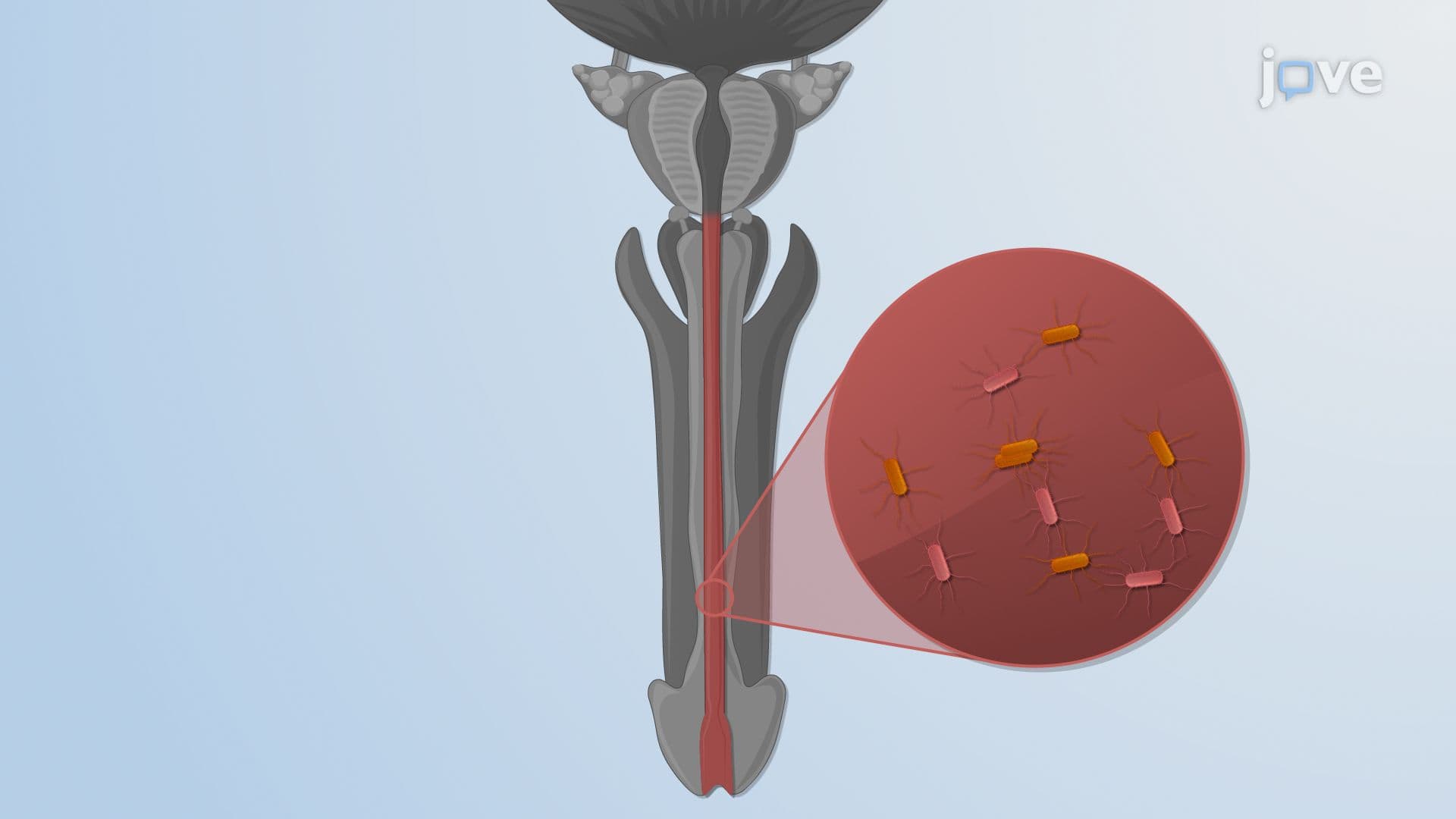
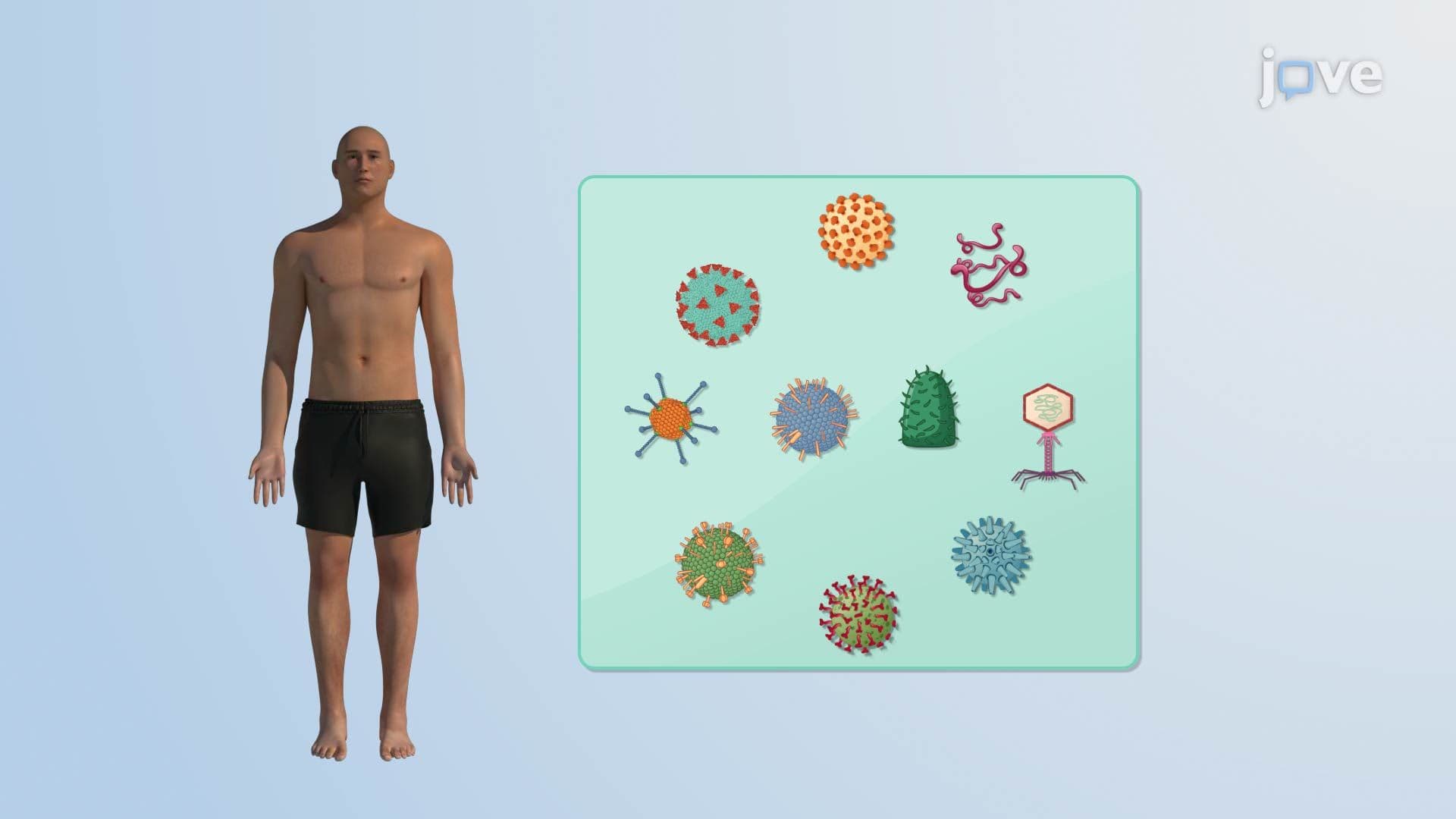
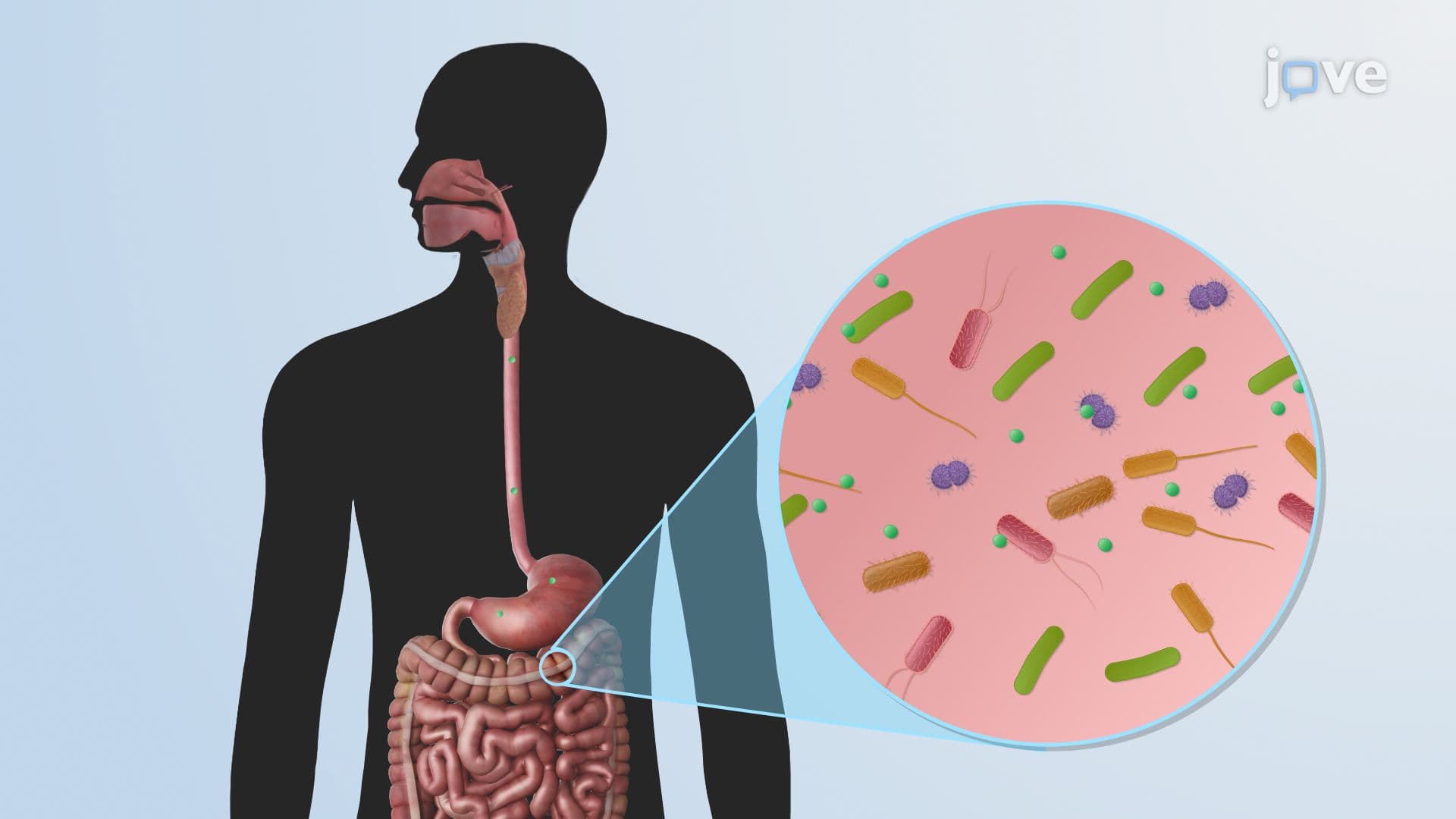
The development of human microbiota refers to the dynamic, lifelong process by which trillions of microorganisms, bacteria, fungi, viruses, and archaea, colonize, diversify, and stabilize within the human body, particularly in the gut. Far from being passive passengers, these microbial communities actively influence immunity, metabolism, brain function, and disease susceptibility. Understanding this process is central to microbiology, immunology, and even public health courses at the AP Biology and college undergraduate level.
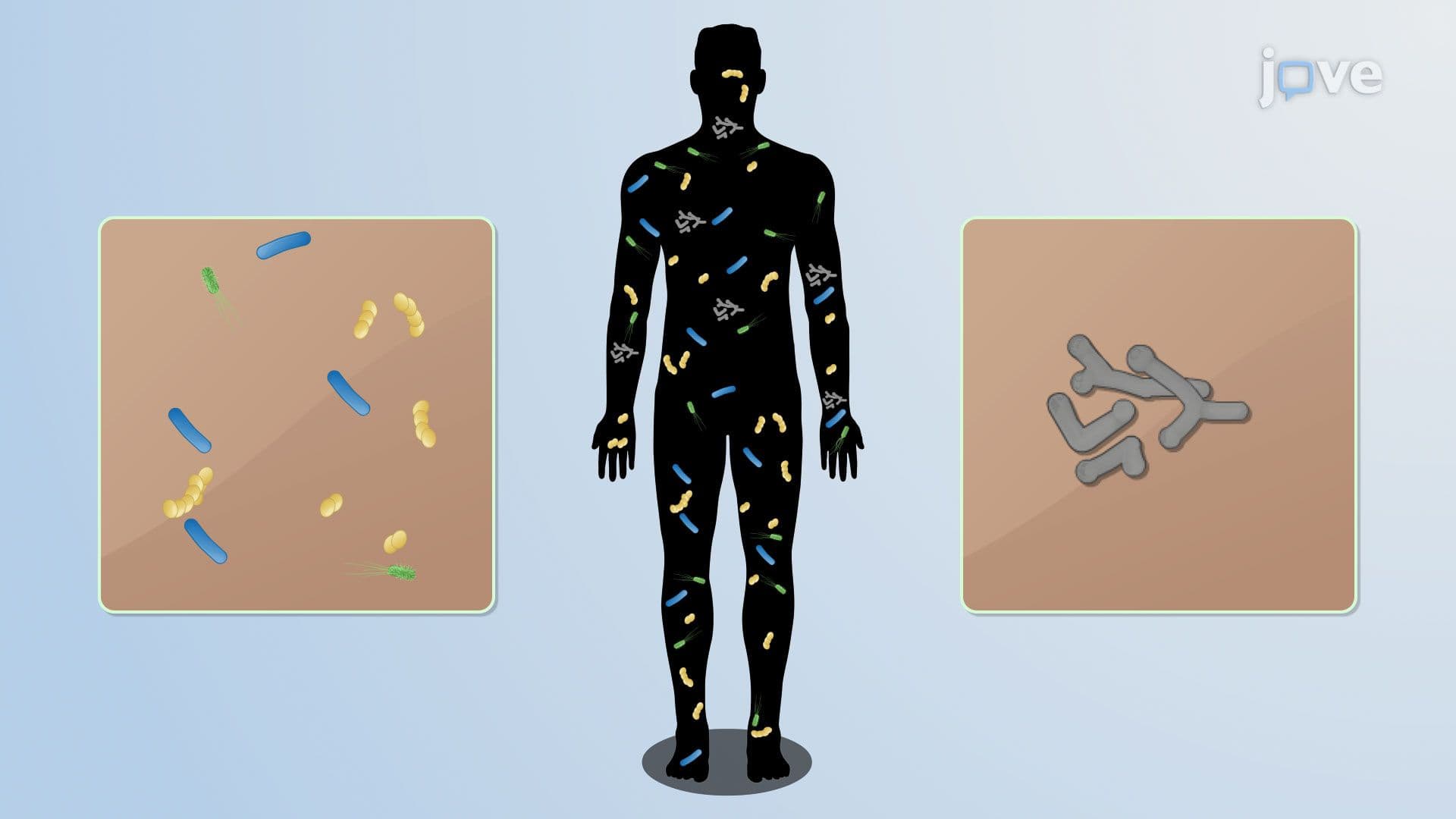
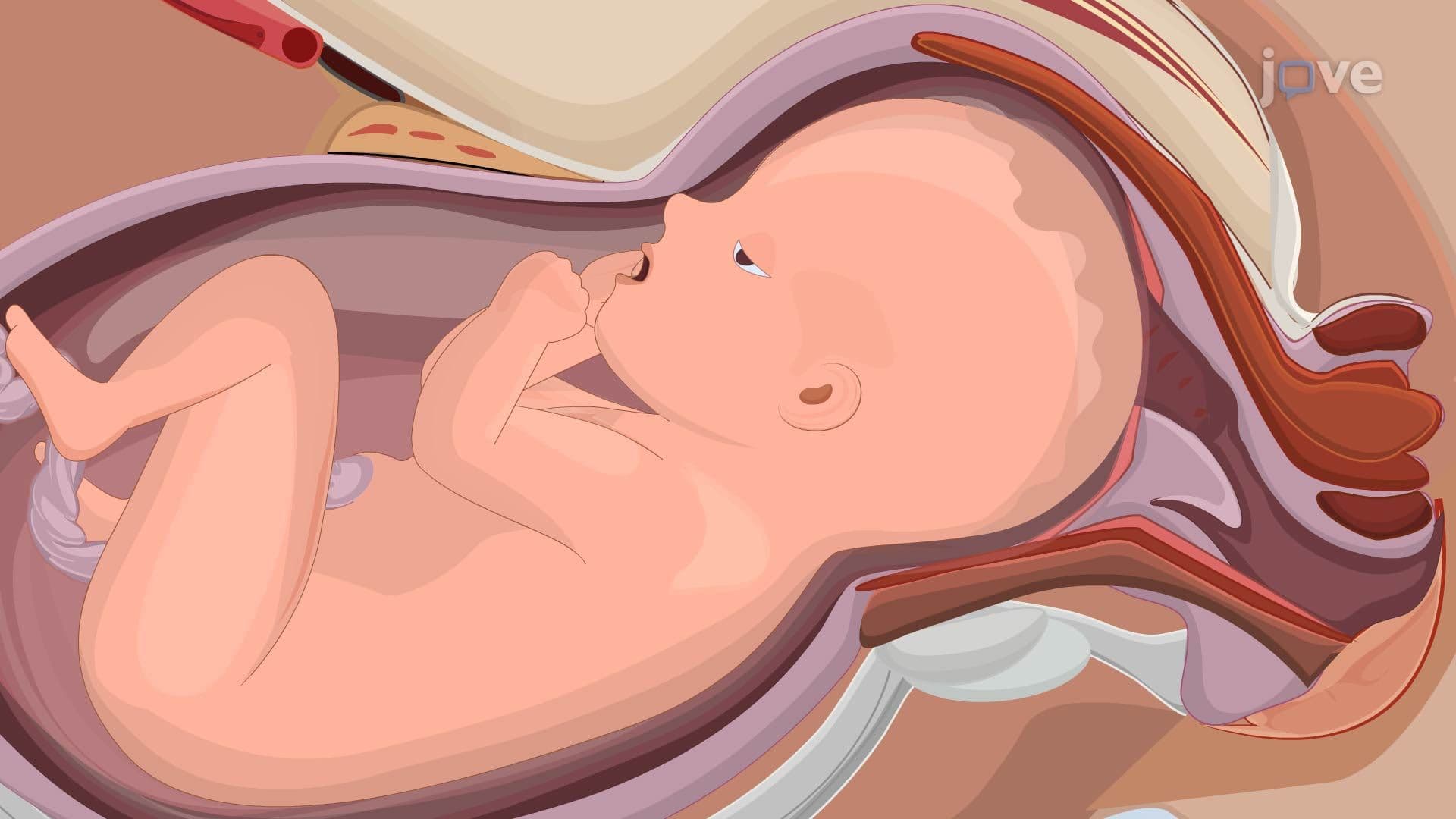
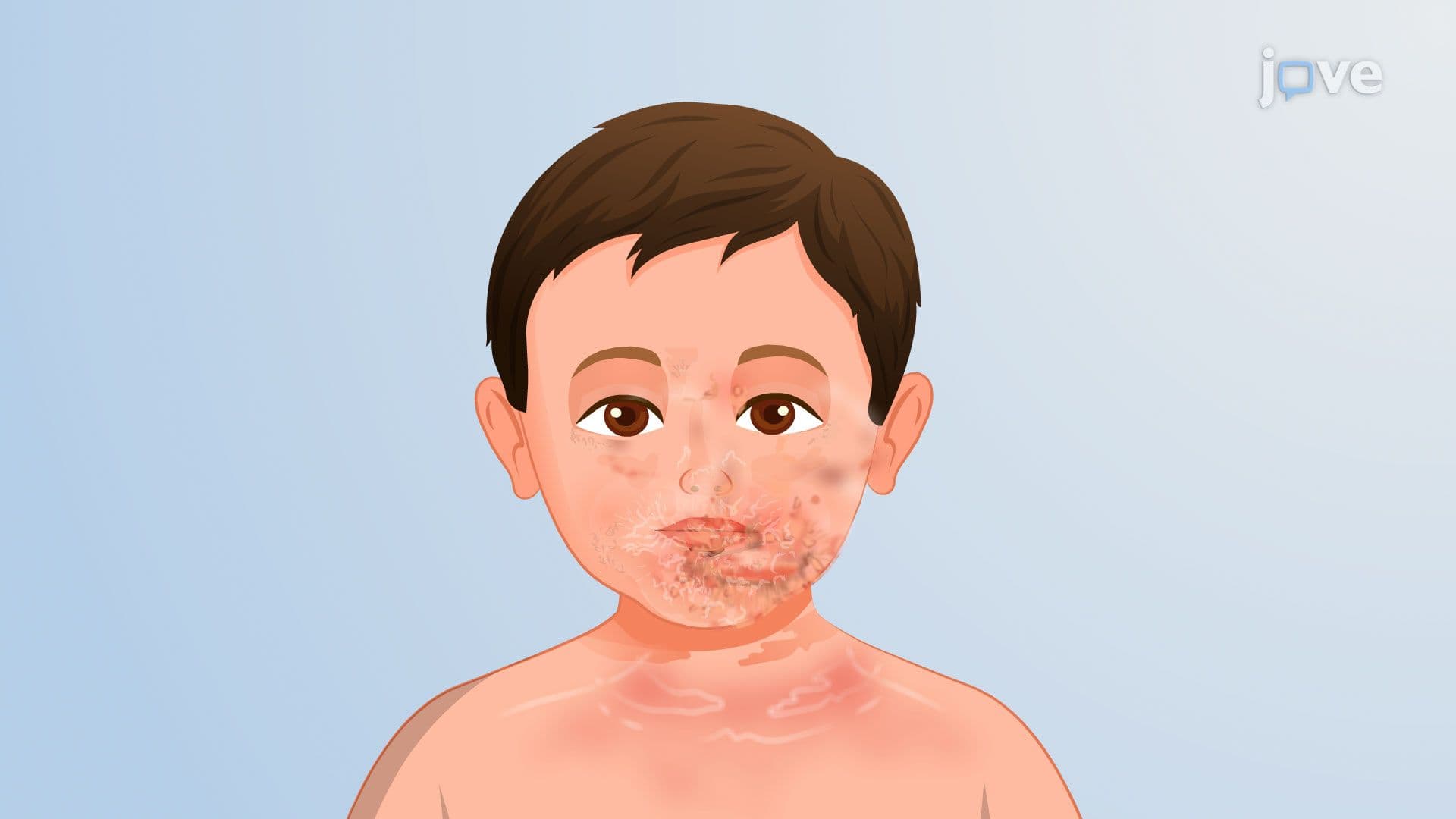
The moment of birth marks the beginning of microbial colonization. Delivery mode plays a decisive role in shaping early microbiota composition. Infants born vaginally acquire bacteria such as *Lactobacillus* and *Bifidobacterium* from the mother's birth canal, which are associated with healthy immune priming. By contrast, cesarean-delivered infants are first exposed to skin- and hospital-associated bacteria like *Staphylococcus* and *Corynebacterium*, a difference that has been linked, in US clinical research, to higher rates of asthma and allergies later in life. Breast milk further shapes early colonization: its human milk oligosaccharides (HMOs) act as prebiotics, selectively feeding *Bifidobacterium* species and reinforcing the infant's developing immune barrier.
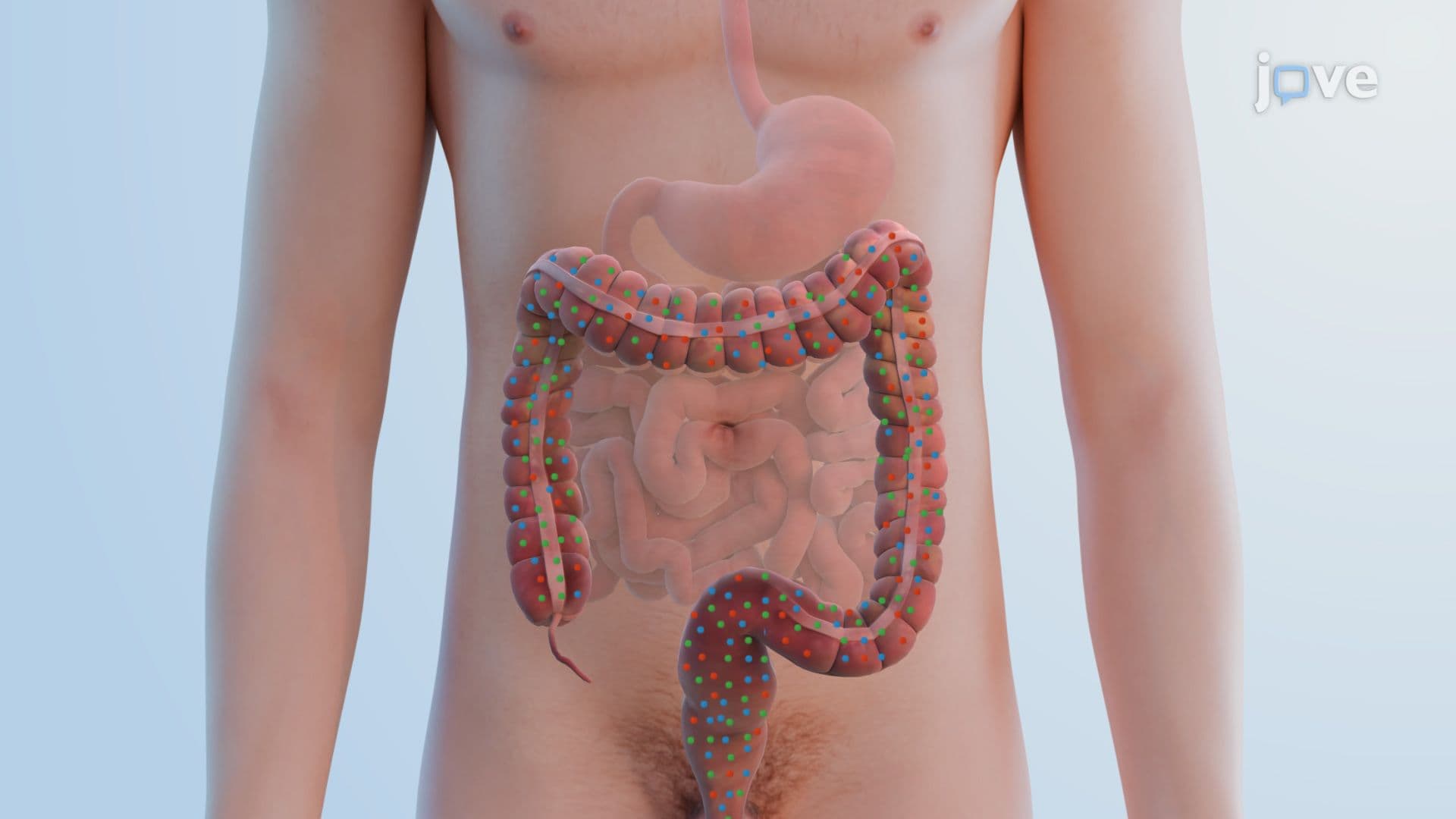
As solid foods enter the diet, microbial diversity expands rapidly. Taxa like *Bacteroidota* and *Bacillota*, two dominant bacterial phyla in the adult gut, begin to establish in greater numbers. By approximately age three, the gut microbiota reaches an adult-like composition, a milestone recognized in pediatric and gastroenterological research across leading US institutions such as the NIH's Human Microbiome Project. In adulthood, the microbiota is relatively stable but highly individualized. Diet remains one of the strongest modulators: fiber-rich diets promote short-chain fatty acid (SCFA)-producing bacteria, while high-fat, low-fiber diets are associated with dysbiosis, a microbial imbalance linked to conditions including obesity, type 2 diabetes, and inflammatory bowel disease (IBD).
With aging, microbial diversity typically decreases. The Bacillota-to-Bacteroidota ratio shifts, and beneficial *Bifidobacteria* levels fall. These changes are associated with increased systemic inflammation, sometimes called "inflammaging", as well as reduced immune surveillance. Researchers at the Mayo Clinic and other US centers are actively studying whether interventions such as targeted probiotics, dietary fiber, or fecal microbiota transplantation (FMT) can slow or reverse age-related microbial decline, with implications for longevity and chronic disease prevention.
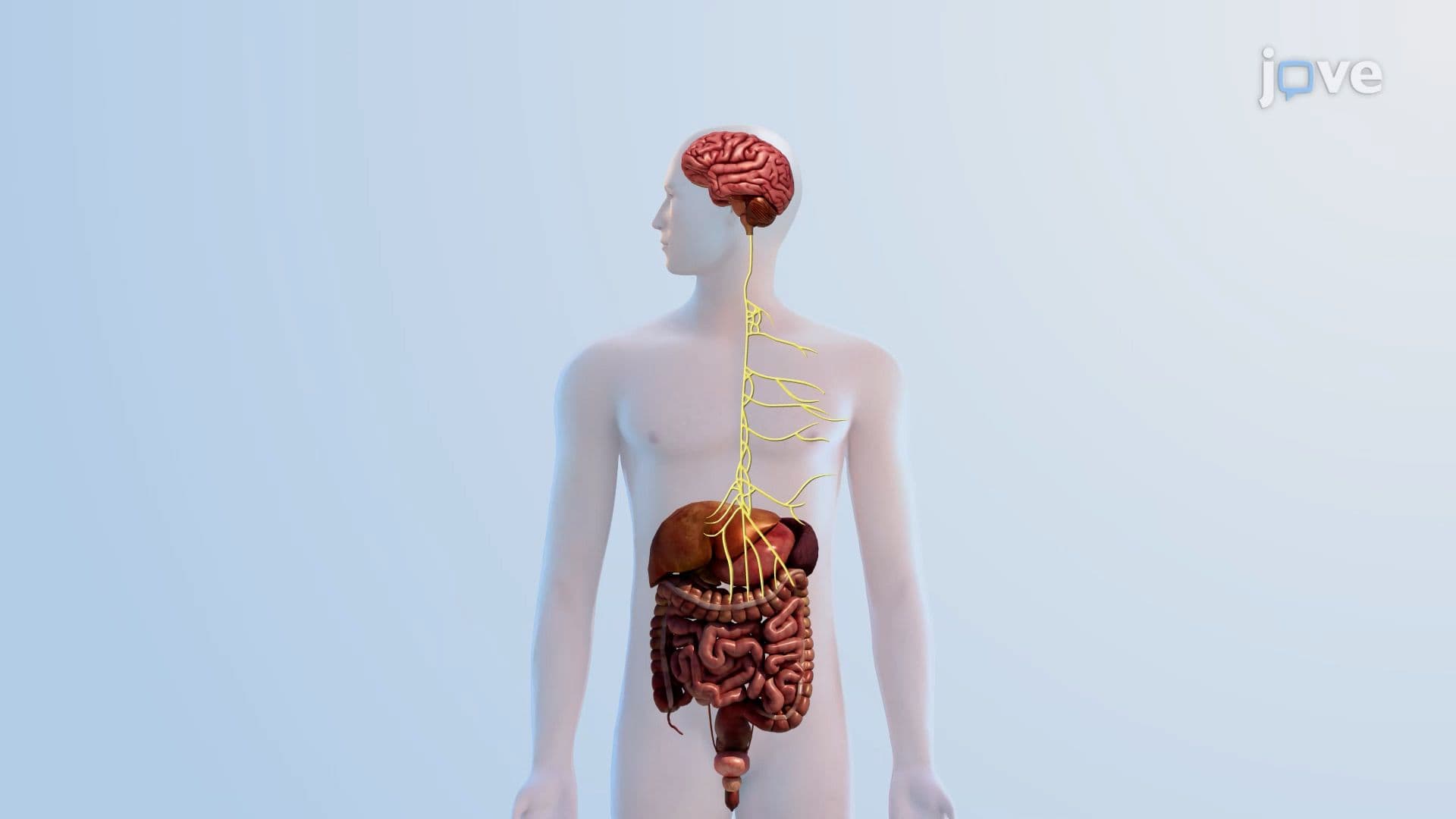
The microbiota does far more than aid digestion. It trains and calibrates the immune system, produces neuroactive compounds that communicate along the gut-brain axis, and even influences responses to medications. On exams like the MCAT and AP Biology, students are expected to connect normal flora function to broader physiological outcomes, including how dysbiosis drives disease. Understanding the role of probiotics and prebiotics, the human virome composition, and how diet affects the gut microbiome provides the conceptual foundation for advanced coursework in microbiology, nutrition, and biomedical research.
Related Micro-courses