Loading video…

 16 Concepts
 5K views

Video Summary: Functions of the Gut Microbiota Explained
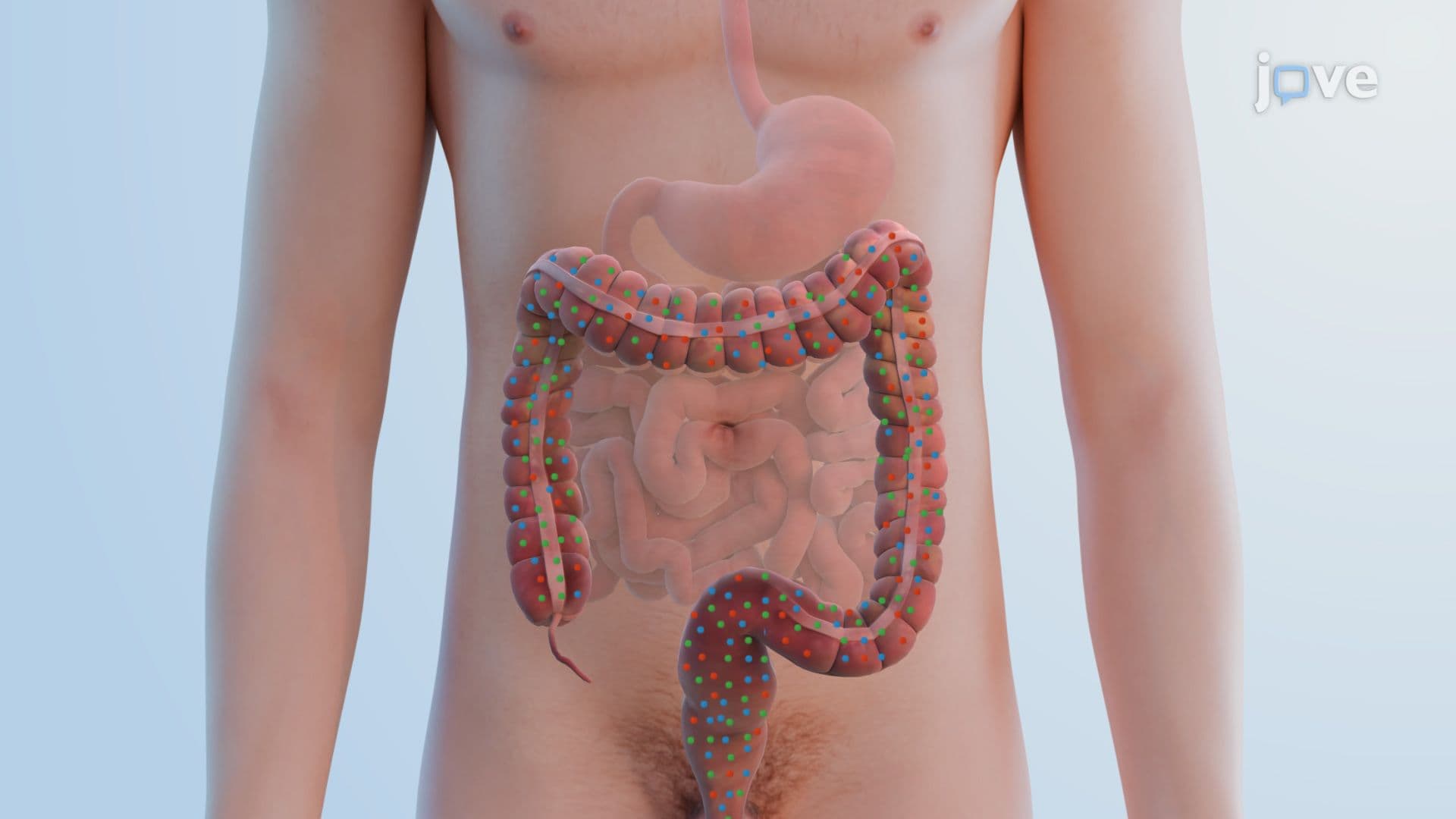
Did you know trillions of microbes living in your gut are silently shaping your immune system right now? Understanding the functions of the gut microbiota, the diverse microbial community lining your digestive tract, is essential in modern biology. In the US, researchers at institutions like the NIH Human Microbiome Project have mapped how these microbes ferment fiber, synthesize vitamins, and fight off pathogens like *Clostridioides difficile*. Watch the full video on JoVE Coach to master this concept with expert-led visuals and step-by-step explanations.
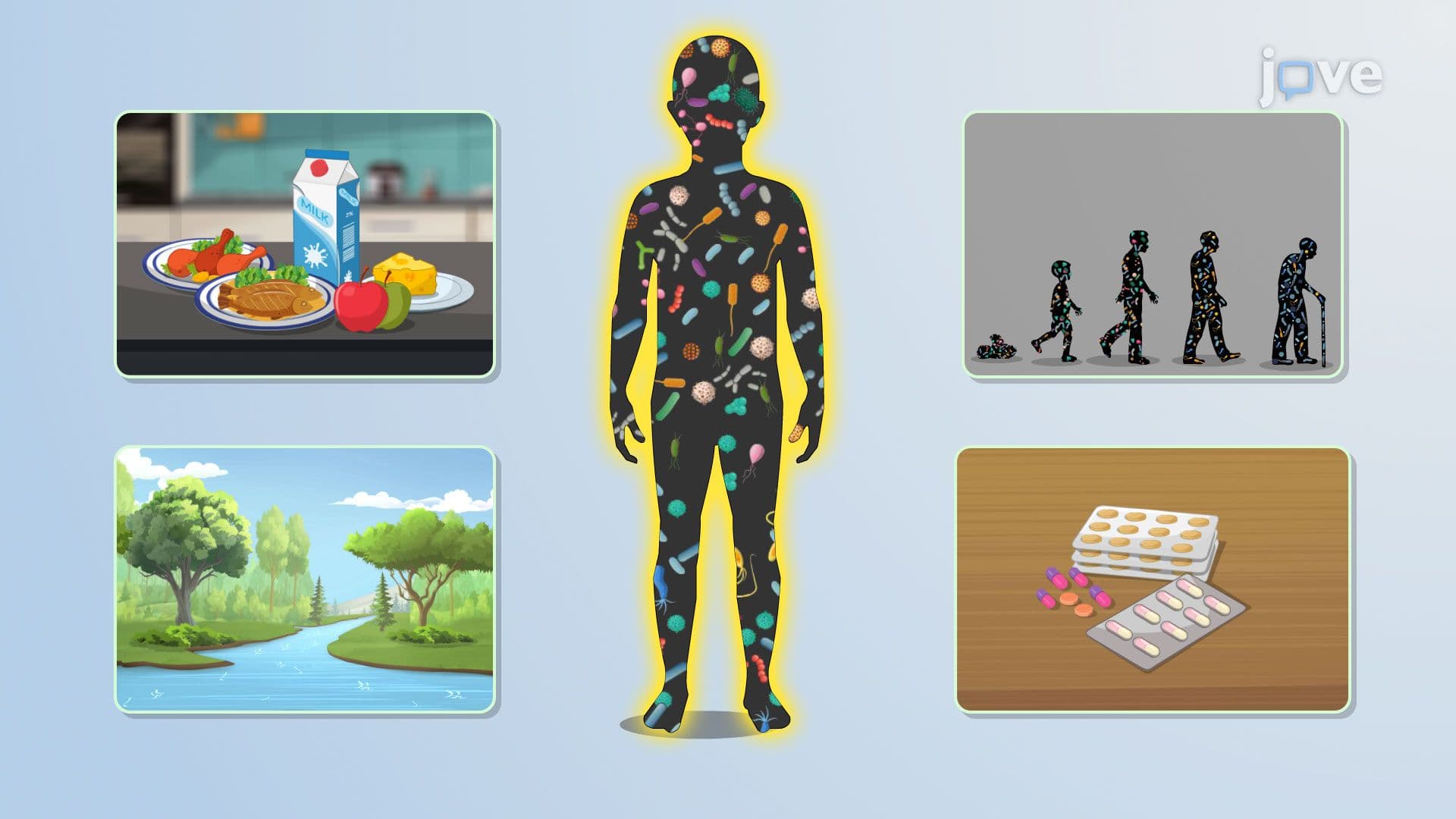
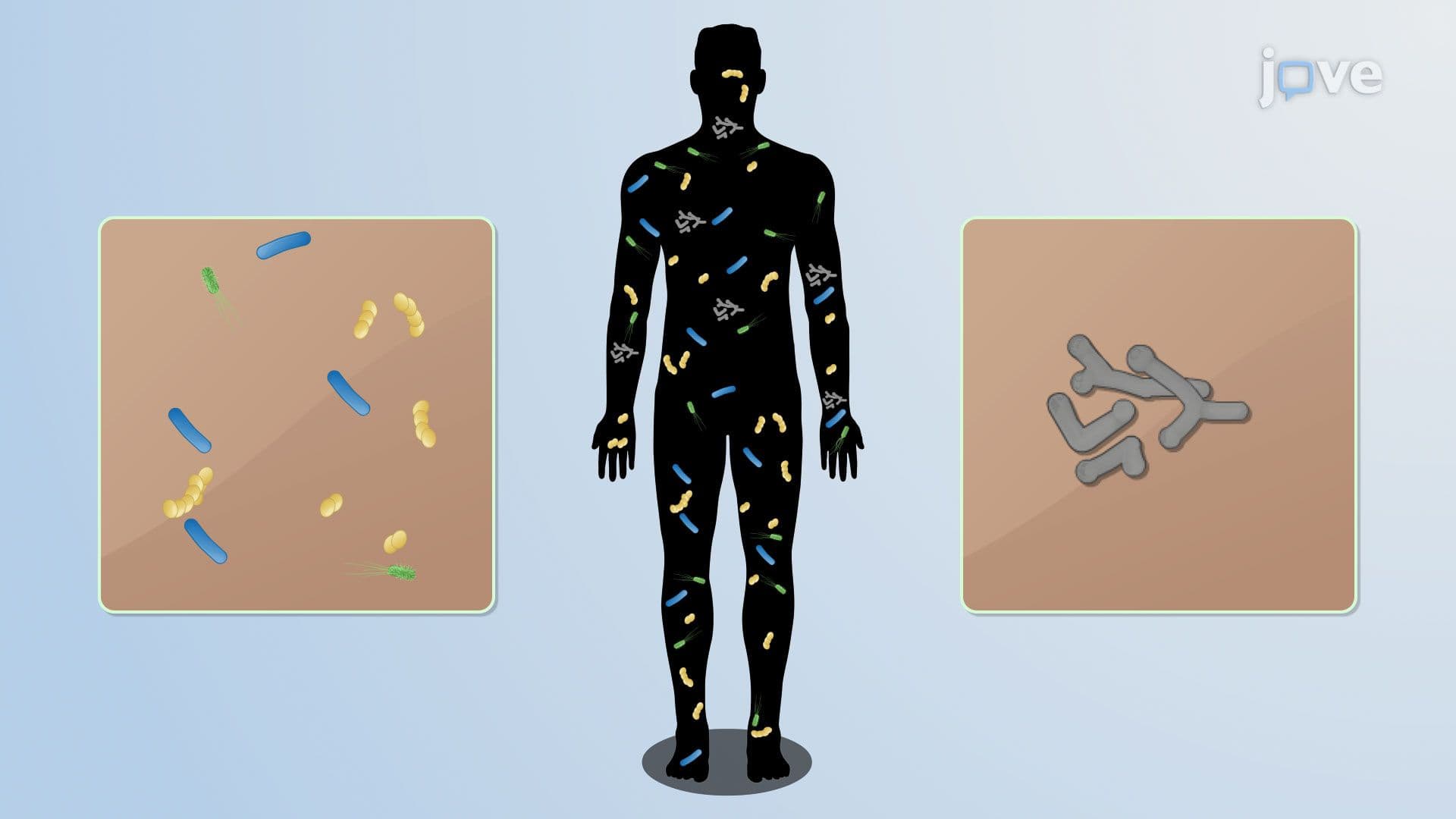
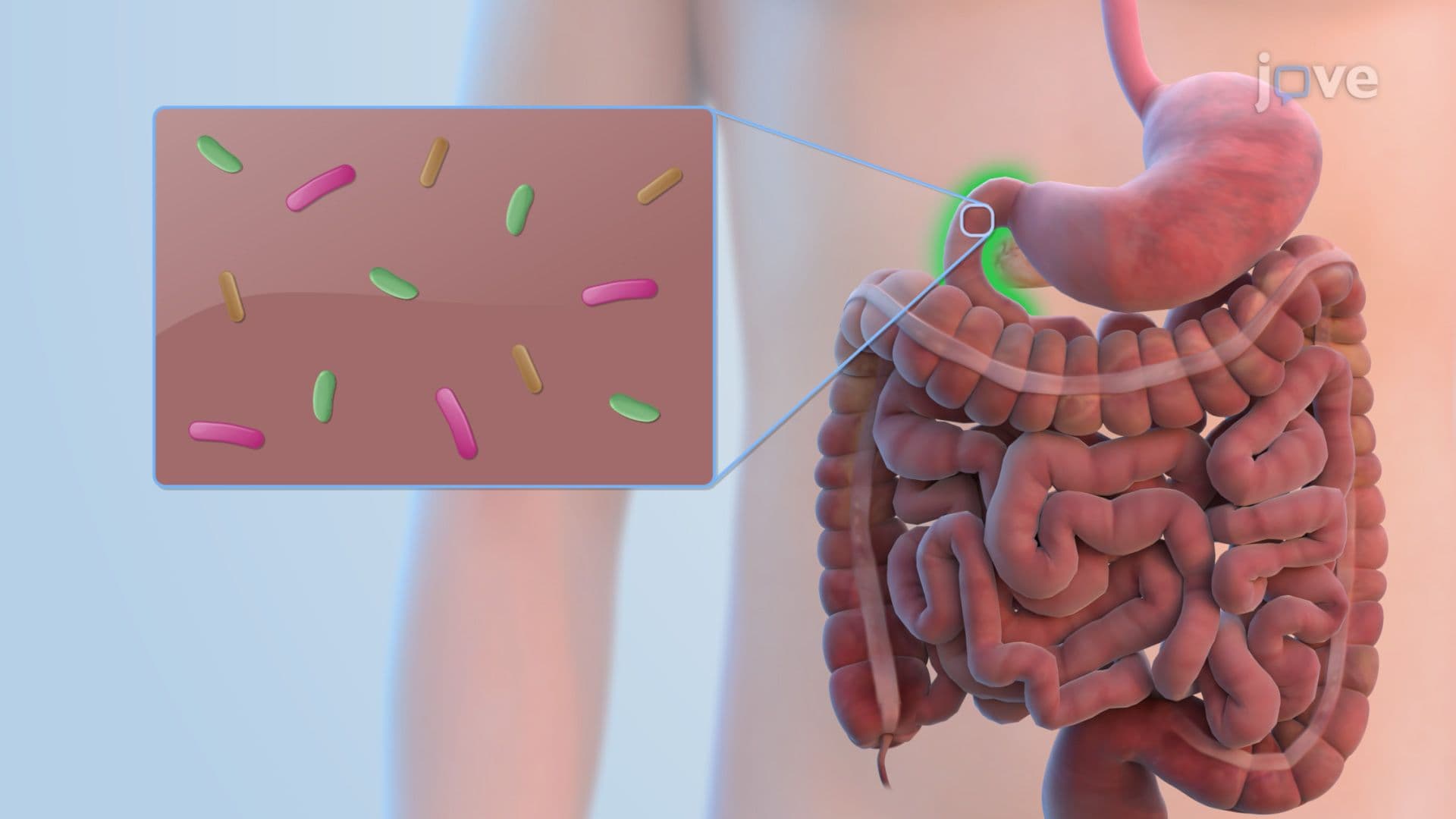
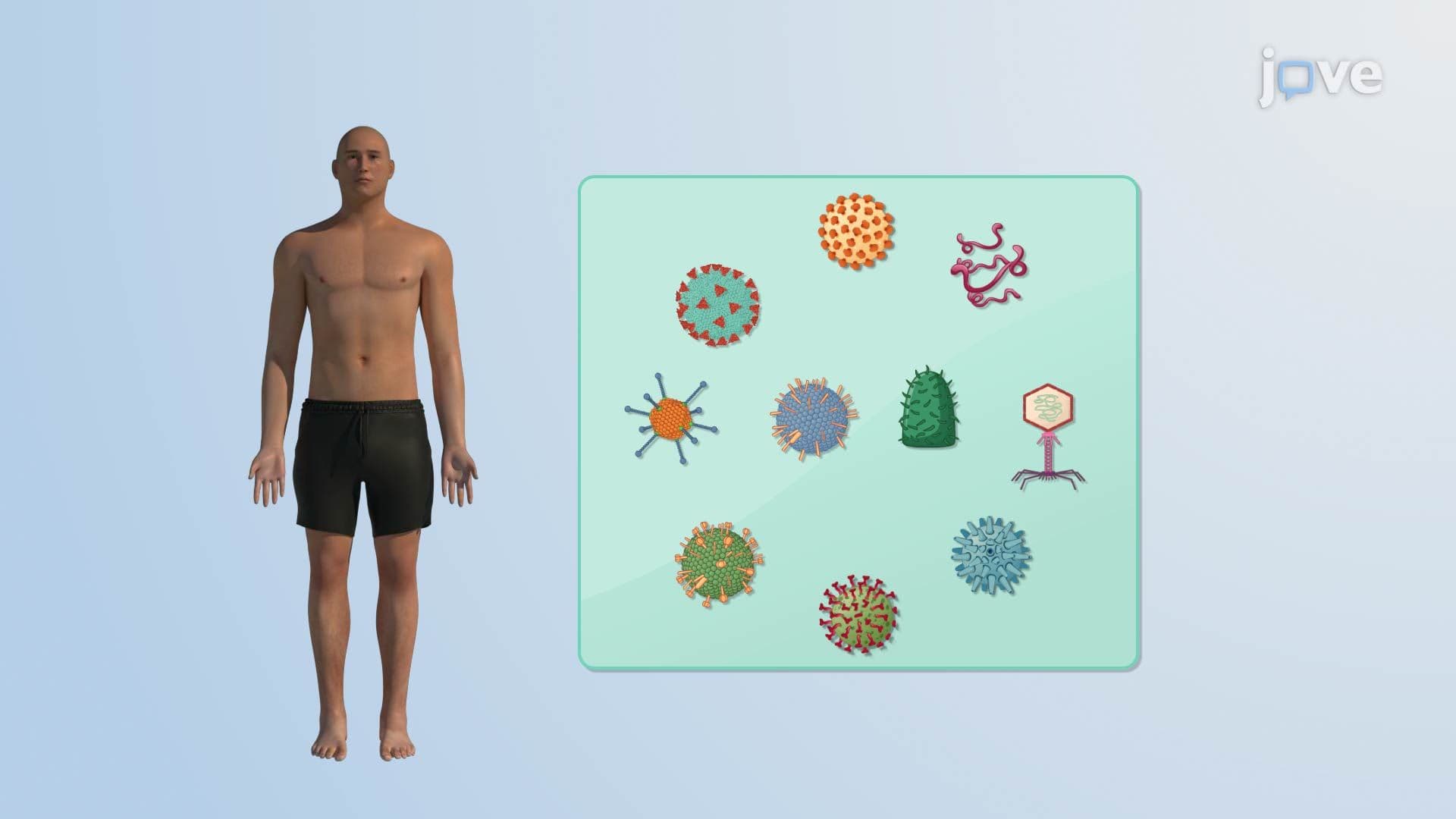
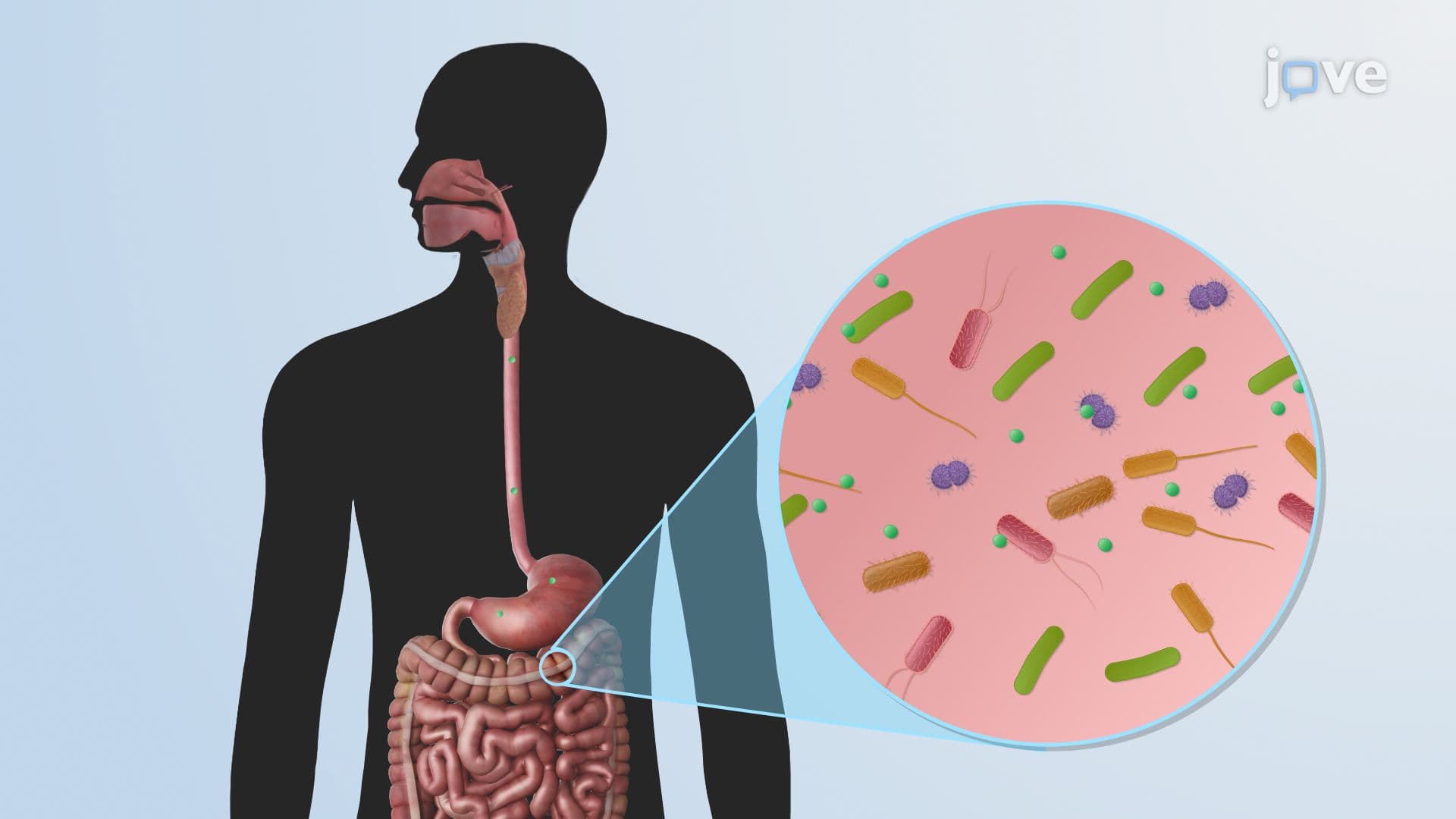
The human gut is home to an estimated 38 trillion microbial cells, roughly equal to the number of human cells in the body. The functions of the gut microbiota extend far beyond breaking down food. These microorganisms regulate immunity, protect against infection, produce essential nutrients, and even influence metabolism. For high school and college students studying biology, microbiology, or anatomy and physiology, mastering this topic is foundational, it appears on AP Biology exams, college midterms, and standardized tests like the MCAT.
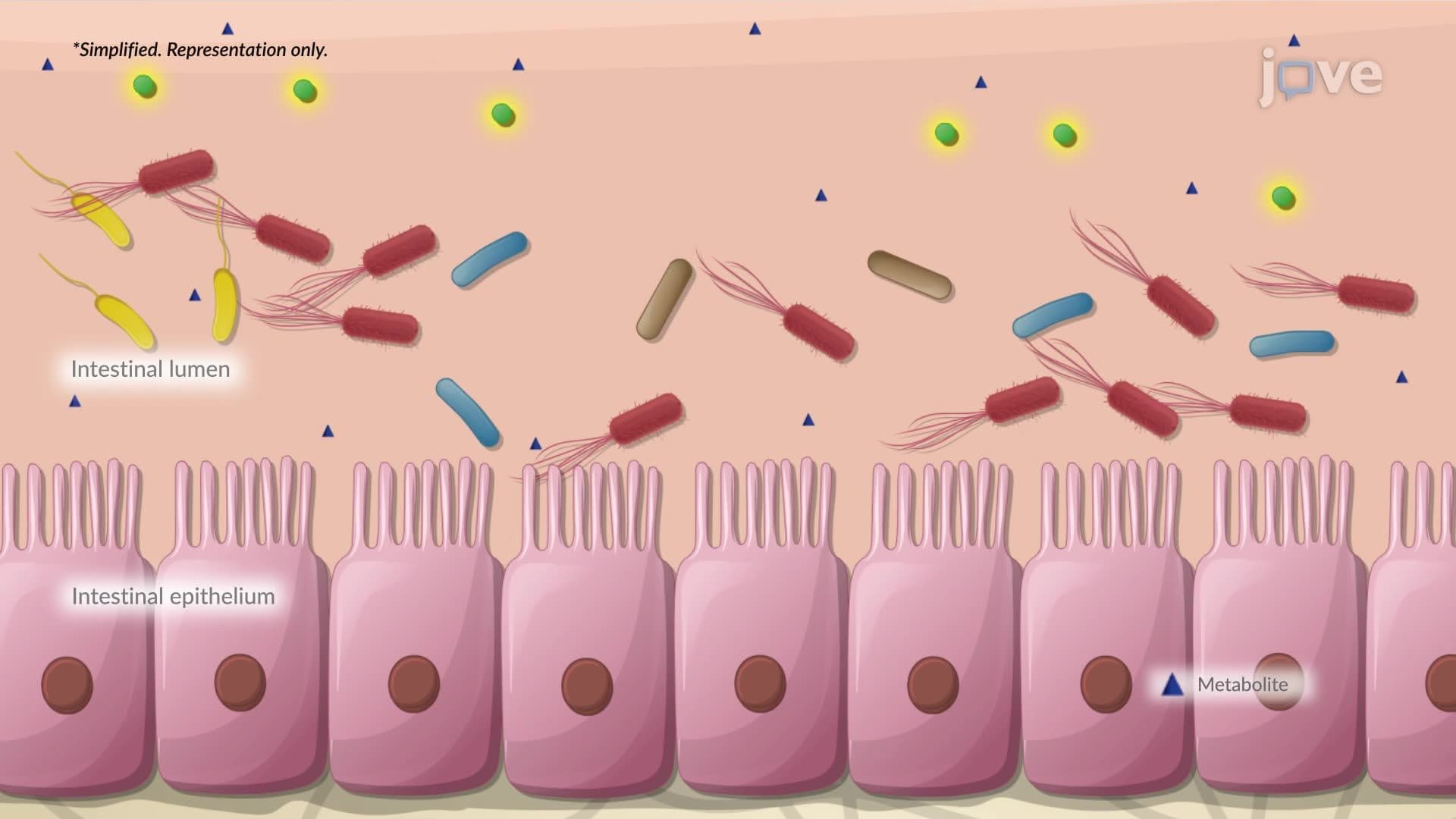
One of the most important roles of gut microbiota is fermenting dietary fiber and complex carbohydrates that human enzymes cannot digest. Dominant colonizers from the *Bacteroidota* and *Bacillota* phyla break down these polysaccharides and release short-chain fatty acids (SCFAs), primarily acetate, butyrate, and propionate. Butyrate, in particular, serves as the preferred energy source for colonocytes (cells lining the colon) and plays a critical role in maintaining the gut's mucosal barrier. When this barrier is compromised, a hallmark of dysbiosis, inflammation and disease can follow. This is why dietary fiber recommendations from organizations like the American Heart Association aren't just about digestion; they're about feeding your microbiome.
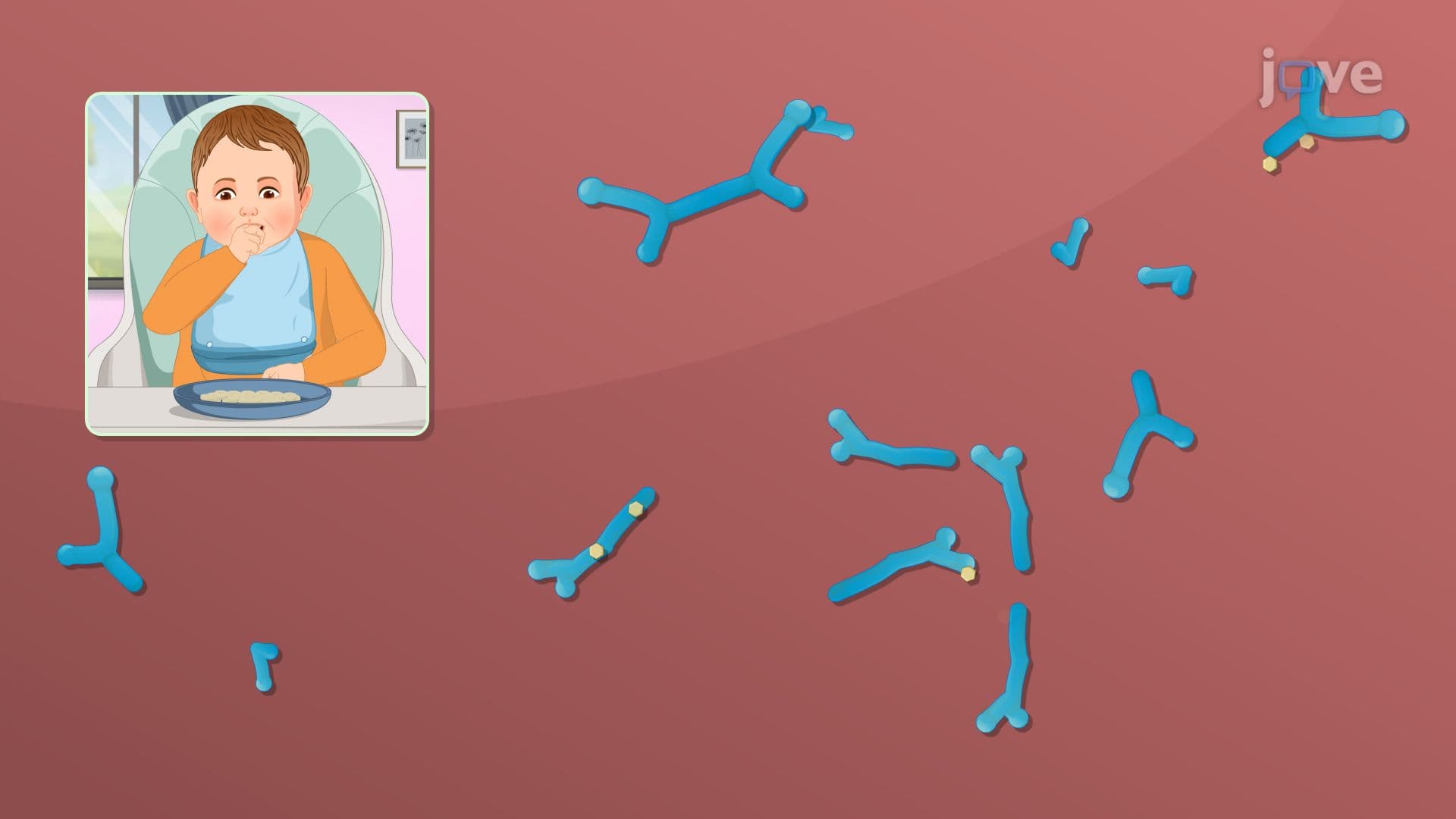
The gut microbiota acts as a powerful trainer for the immune system. Certain *Bacteroidota* species stimulate the differentiation of regulatory T cells (Tregs), which help prevent excessive immune responses and autoimmunity. This makes the question, *how does the microbiome affect immunity?*, highly relevant in both academic settings and clinical practice. Additionally, some gut bacteria produce bacteriocins, which are antimicrobial proteins that target and eliminate competing or harmful microorganisms. This dual function, promoting immune tolerance while fighting pathogens, illustrates why a healthy, diverse microbiome is so critical. Research from institutions like the Broad Institute in Massachusetts has shown that disruptions to this balance (dysbiosis) are linked to conditions including inflammatory bowel disease and allergies.
Beyond defense, gut bacteria serve as a biochemical factory. Members of *Bacillota* and *Actinomycetota* synthesize essential B vitamins (including B12, folate, and biotin) and vitamin K2, which is critical for blood clotting and bone metabolism. Students preparing for the MCAT or USMLE should note that vitamin K deficiency, common in patients on long-term antibiotics that disrupt normal flora, can impair coagulation. Gut bacteria also convert primary bile acids (made in the liver) into secondary bile acids, which act as signaling molecules regulating lipid absorption and glucose metabolism. This metabolic crosstalk is a hot research area linking gut microbiota to conditions like type 2 diabetes and obesity.
One of the most clinically significant functions of the gut microbiota is colonization resistance, the ability of resident microbes to outcompete dangerous pathogens for nutrients and attachment sites. *Clostridioides difficile* (*C. diff*), a bacterium responsible for severe gastrointestinal infections in US hospitals, gains a foothold primarily when antibiotic treatment wipes out the normal flora. This is why fecal microbiota transplants (FMTs), now approved by the FDA for recurrent *C. diff* infections, are a groundbreaking therapy rooted in restoring microbial competition. Understanding this function helps connect classroom microbiology to real-world public health challenges across the United States.
Related Micro-courses