Loading subject page…

4,974 views

Video Summary: Bacteriophages of the Human Virome Explained
Did you know the viruses living inside your gut may actually be protecting you from harmful bacteria? Bacteriophages of the human virome are a fascinating, and often overlooked, layer of your body's defense system. In the US, researchers studying gut health have discovered these phages outnumber even eukaryotic viruses. They shape immunity, transfer genes, and can even make bacteria more dangerous. Watch the full video on JoVE Coach to master this concept with expert-led visuals and step-by-step explanations.
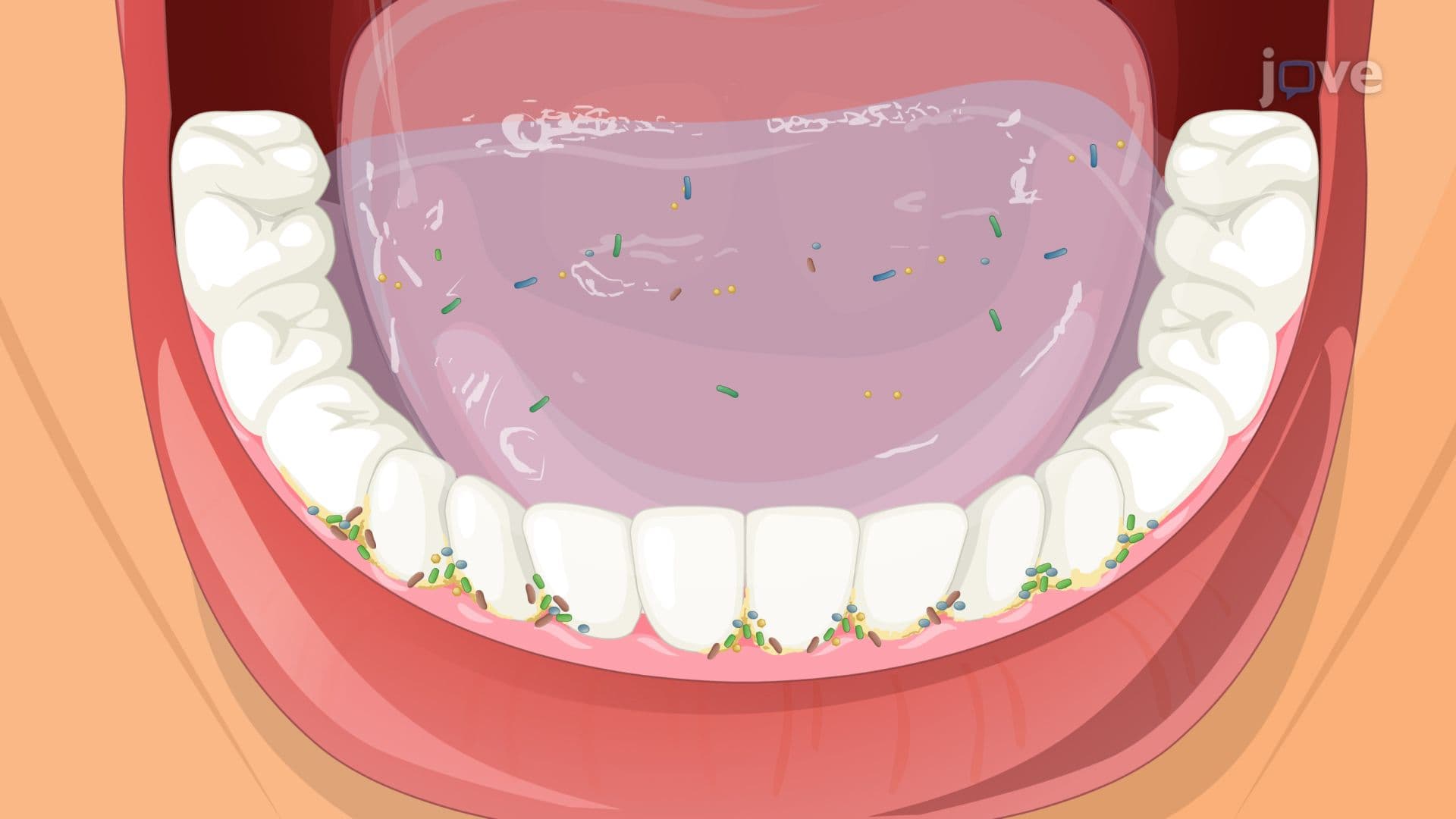
When most people think about viruses in the human body, they imagine pathogens causing illness. But bacteriophages of the human virome tell a far more complex story. These viruses specifically infect bacteria, not human cells, and they exist in enormous numbers across the gut, lungs, oral cavity, and skin. Understanding their roles is increasingly relevant in AP Biology, college microbiology, and even medical school coursework.
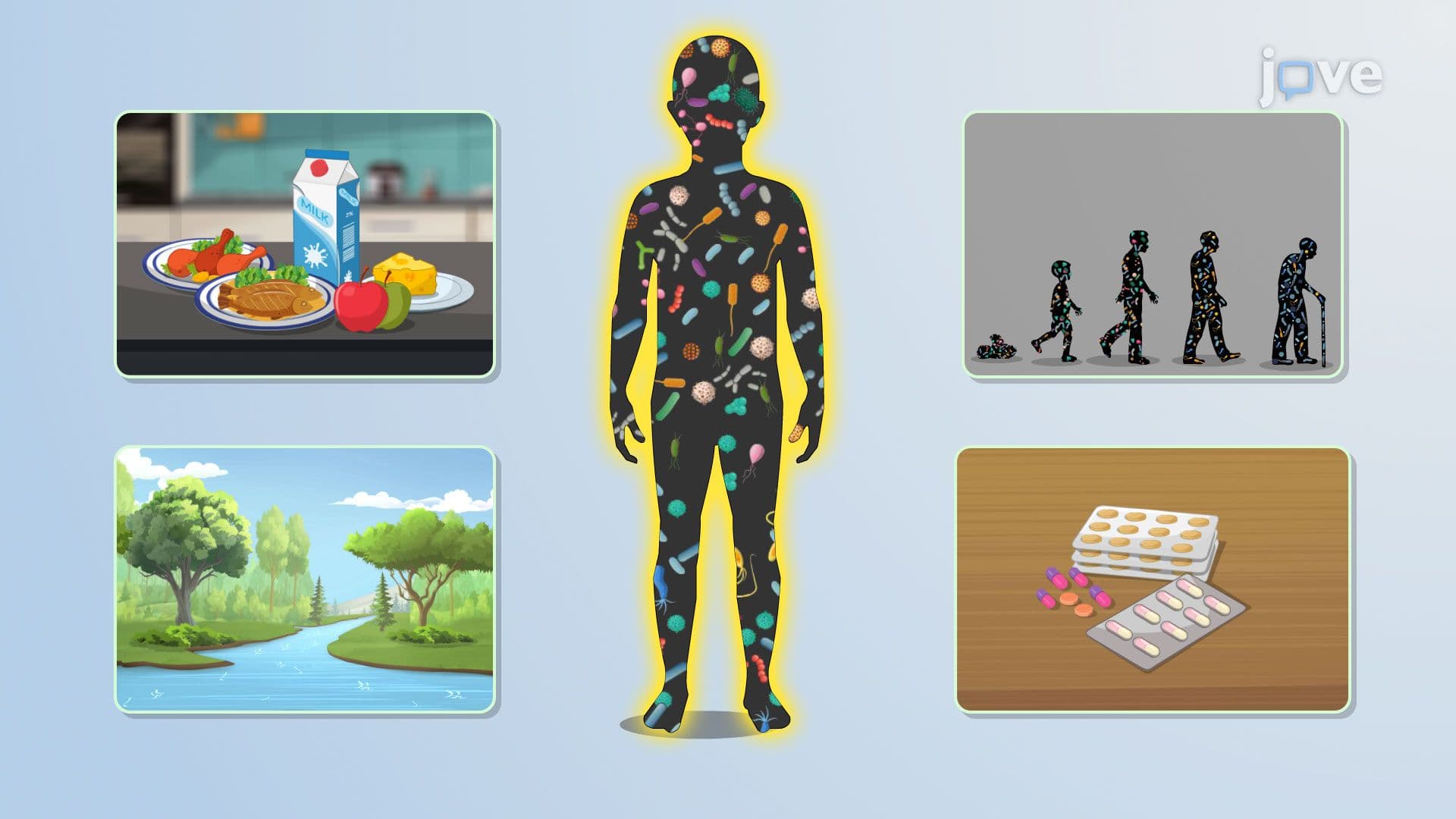
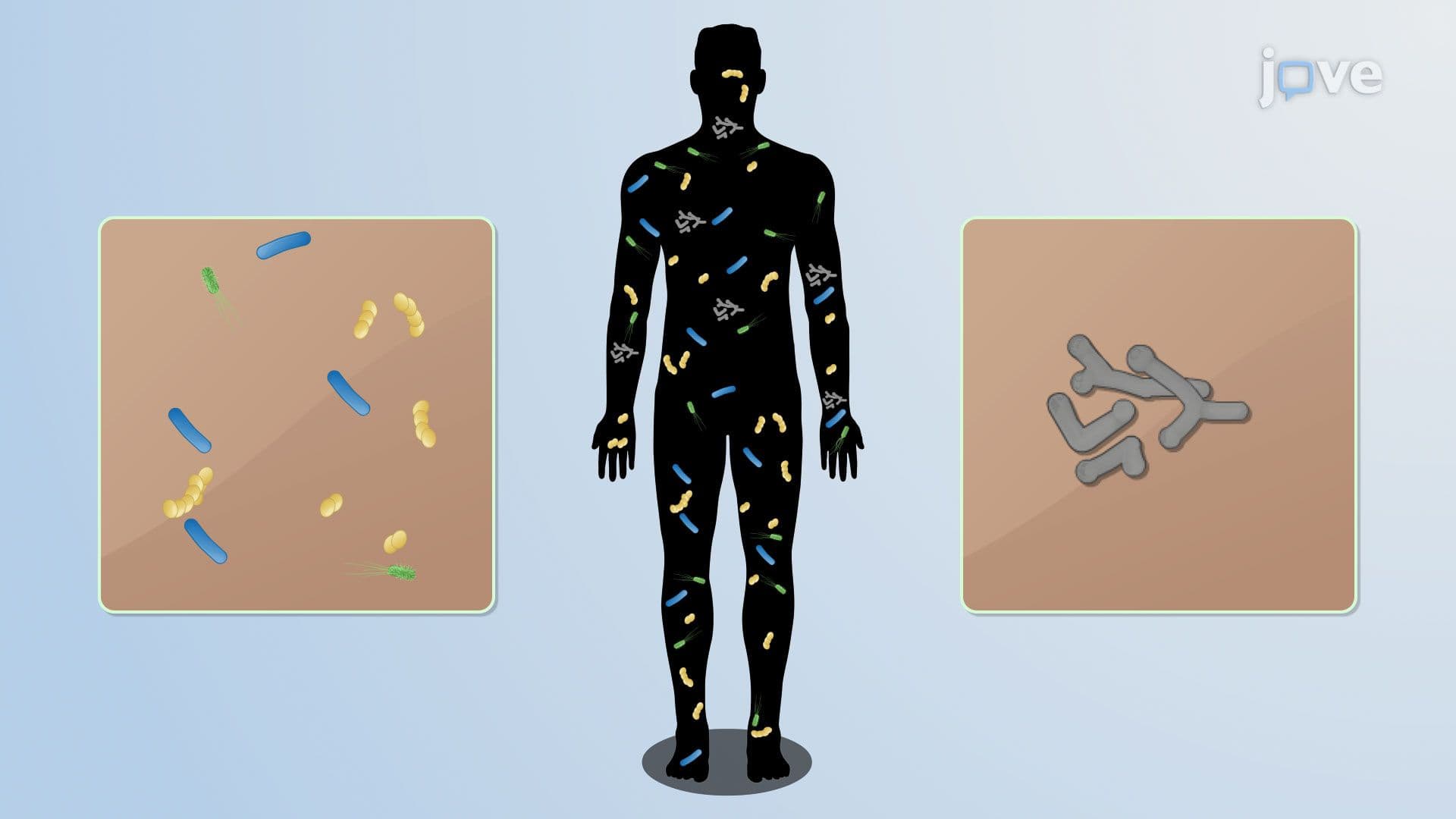
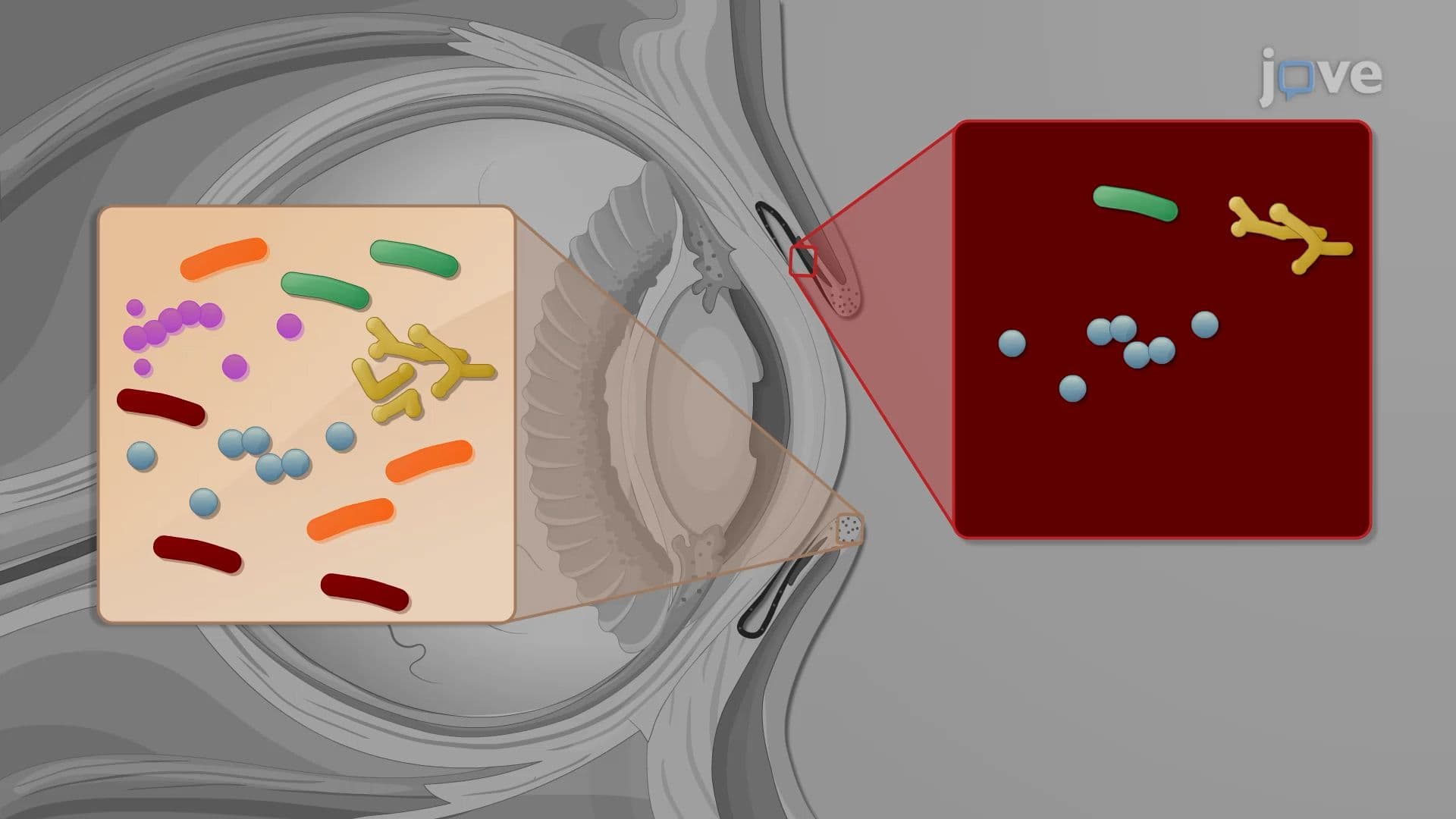
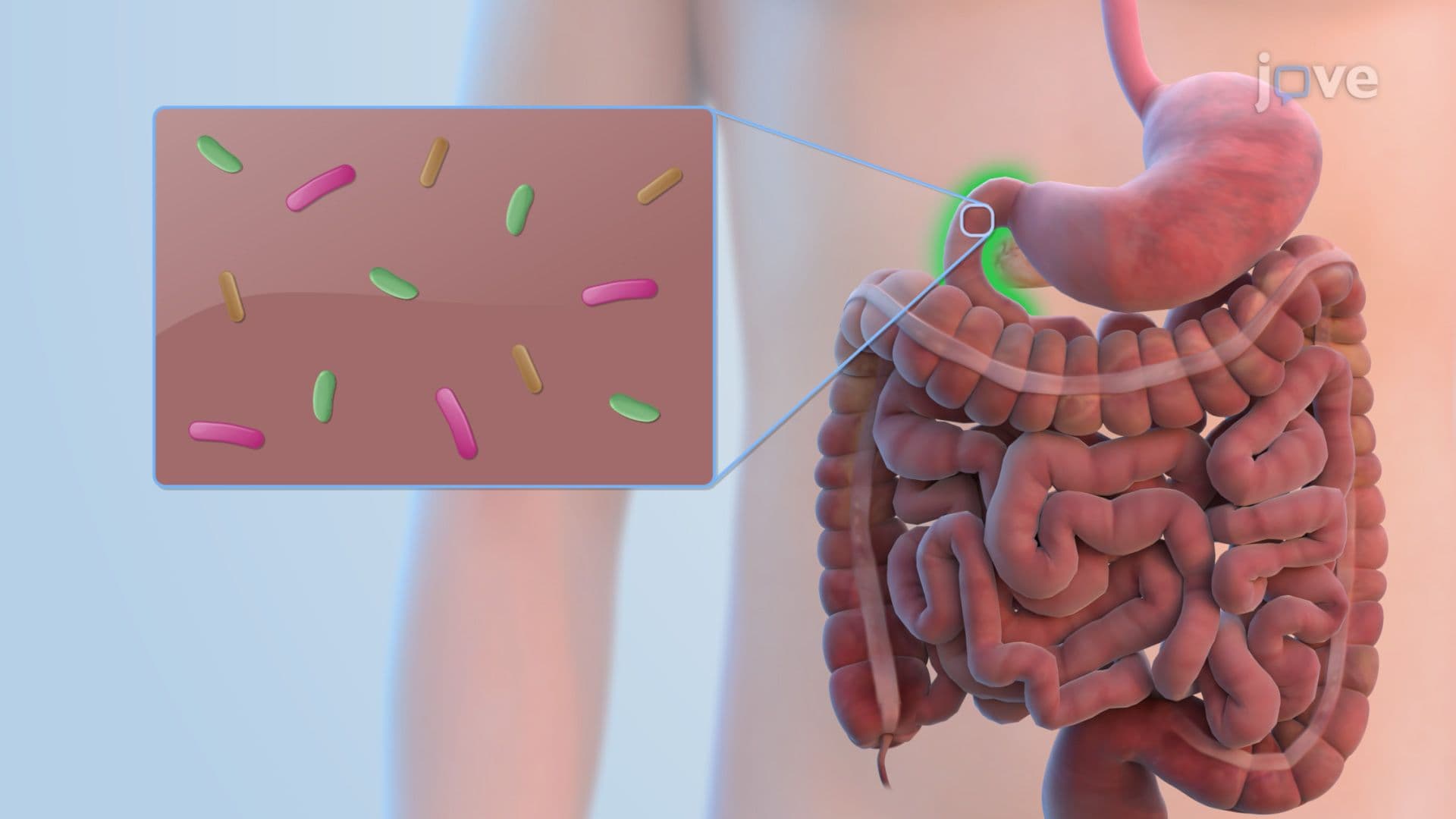
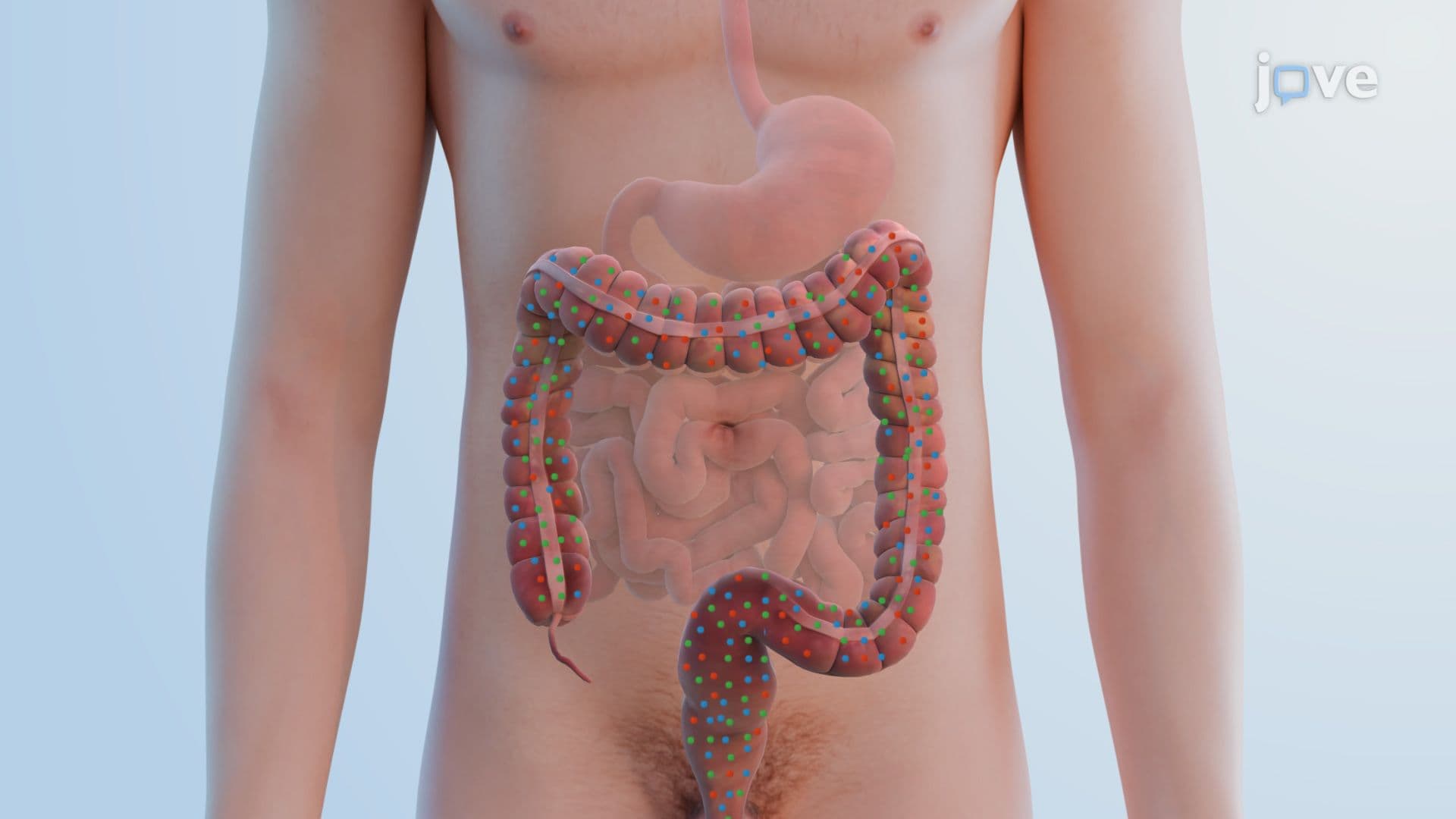
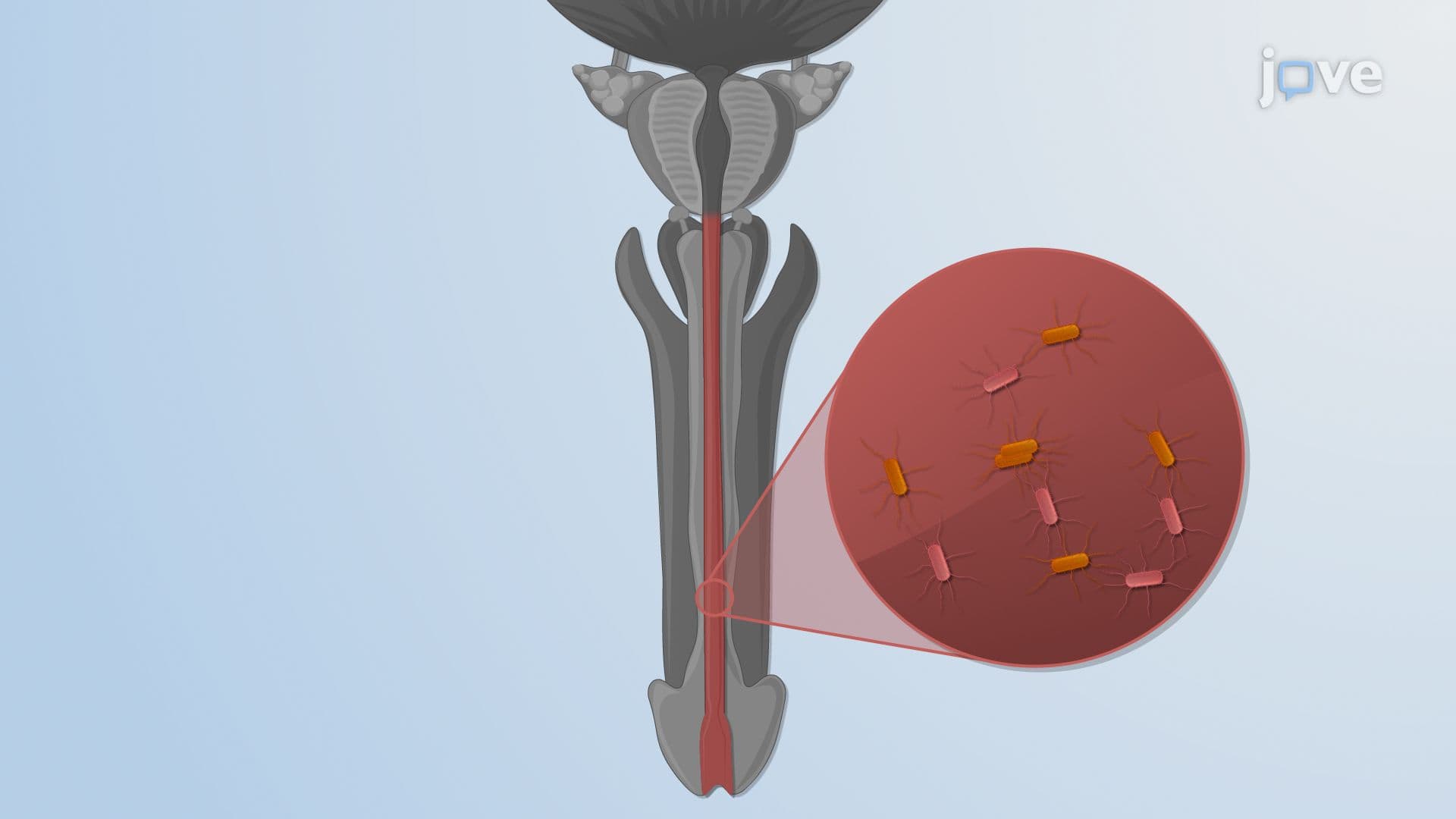
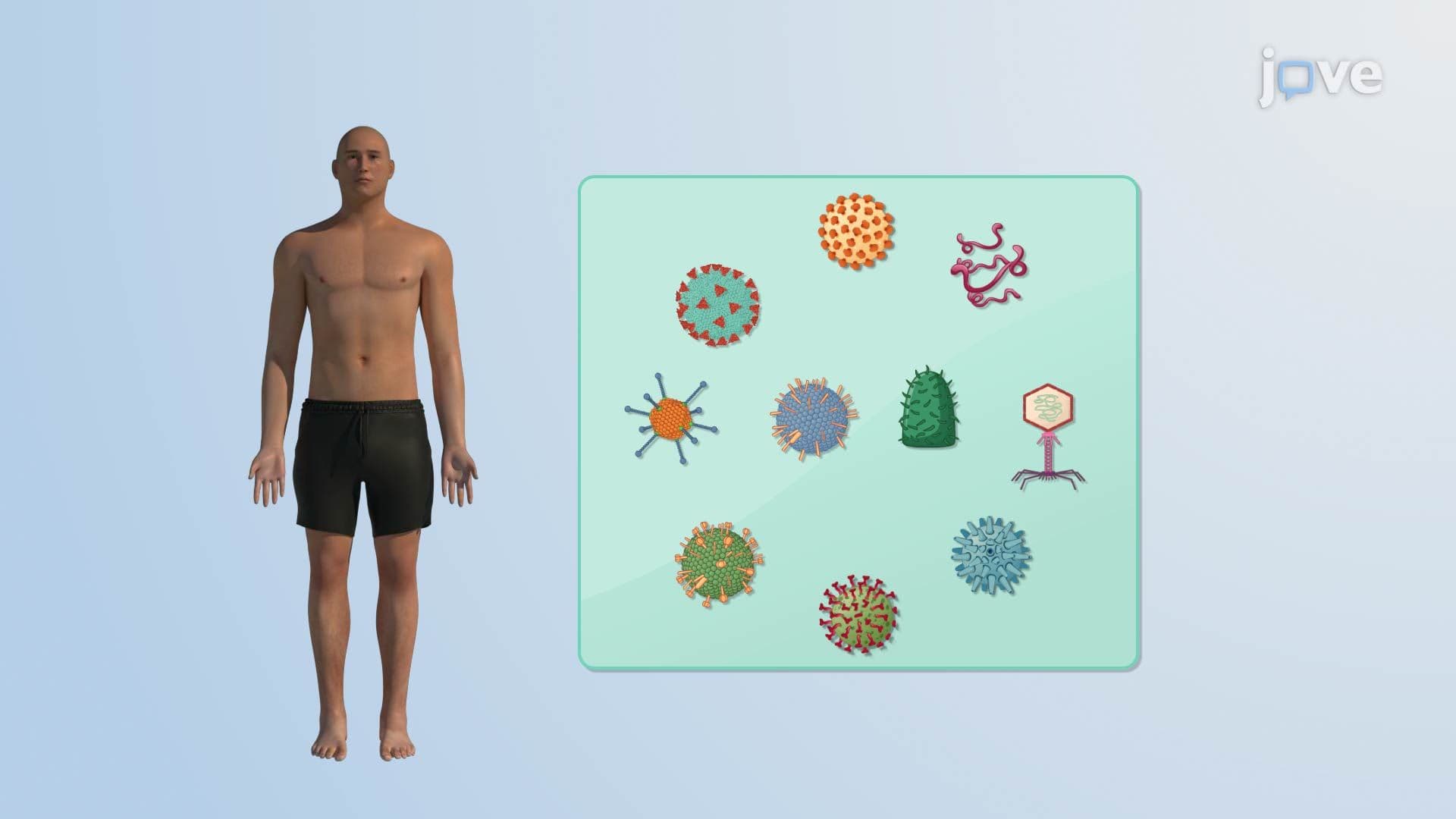
The human virome refers to the complete collection of viruses associated with the human body, including both viruses that infect human cells and those that infect the microorganisms living within us. Bacteriophages, or simply "phages," make up a significant, possibly dominant, portion of the virome. In the gut alone, estimates from research institutions like the University of California San Diego suggest phage populations reach into the trillions. Unlike eukaryotic viruses, phages target bacterial cells, making them indirect rather than direct players in human biology.
One of the most important mechanisms phages use is lysogenic conversion. In this process, a phage integrates its genetic material into a bacterial chromosome rather than immediately destroying the host. This can introduce entirely new genes, sometimes coding for antibiotic resistance or specialized metabolic functions, into the bacterial genome. Over time, these genetic additions can reshape which bacterial strains dominate the gut. Under conditions of antibiotic exposure, this becomes especially significant: antibiotic use creates selective pressure that may eliminate certain bacterial species while allowing phage-modified strains to flourish, contributing to dysbiosis, an imbalance in the normal flora. This concept frequently appears on AP Biology exams and college-level microbiology midterms when covering horizontal gene transfer.
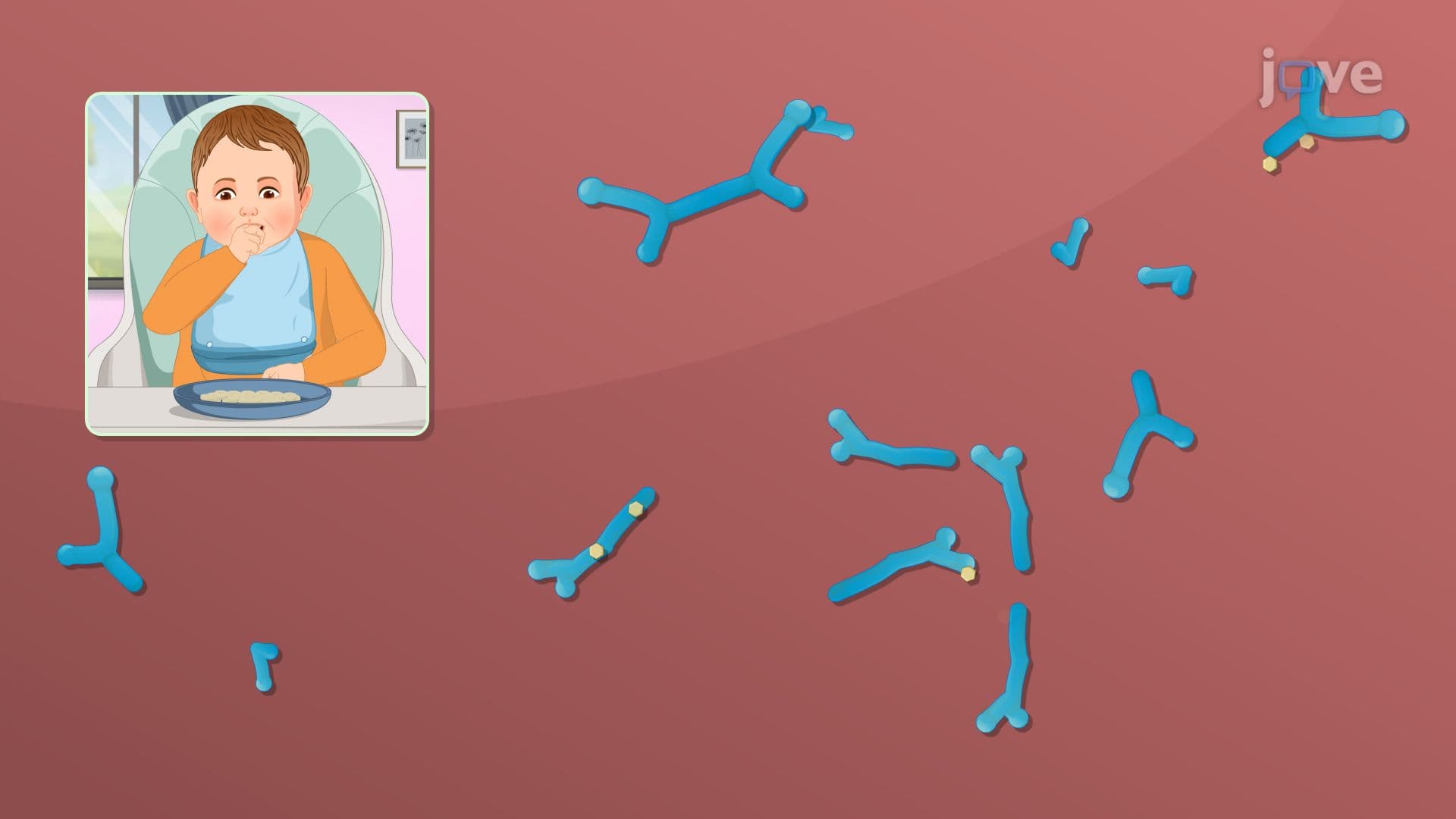
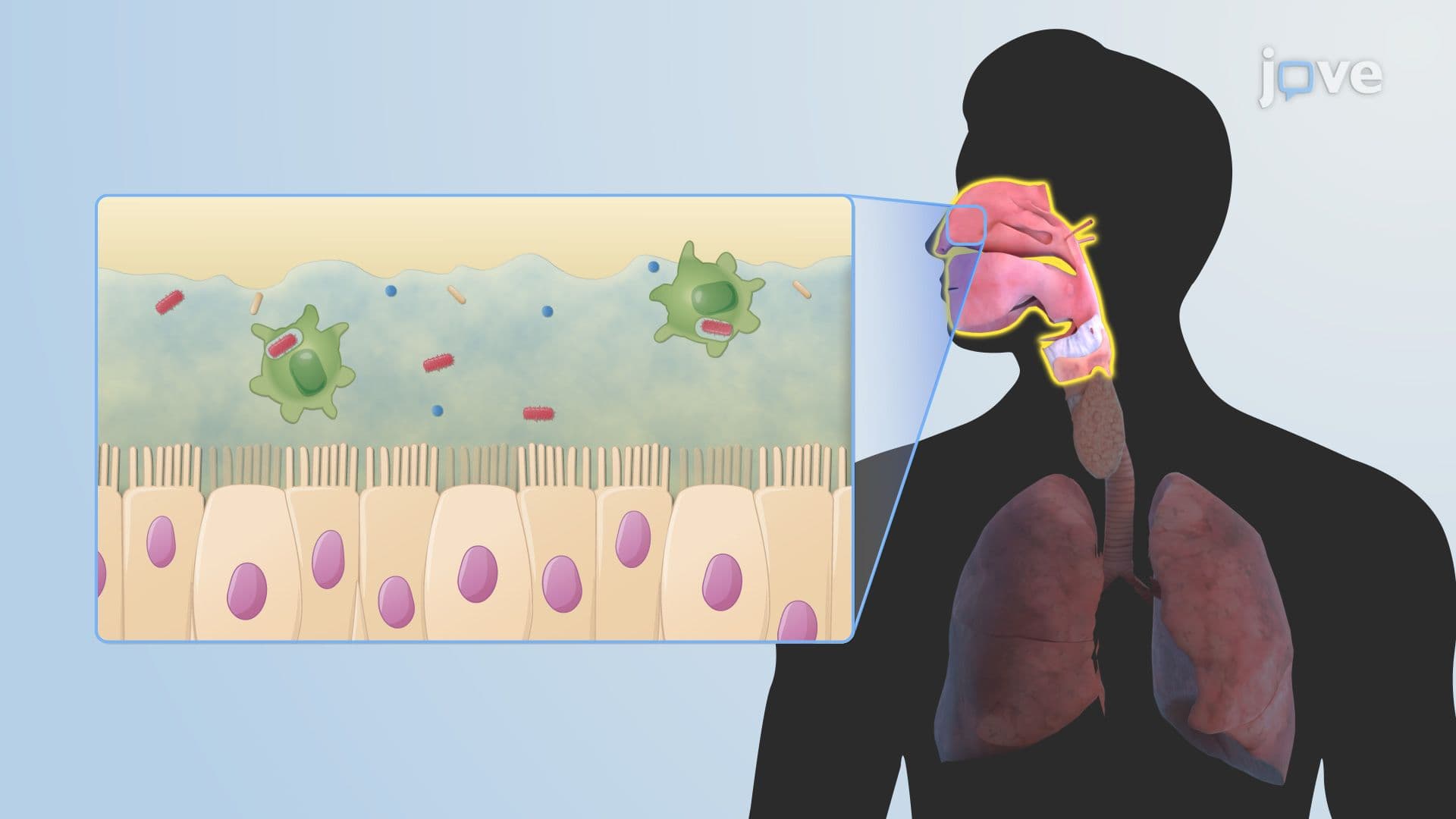
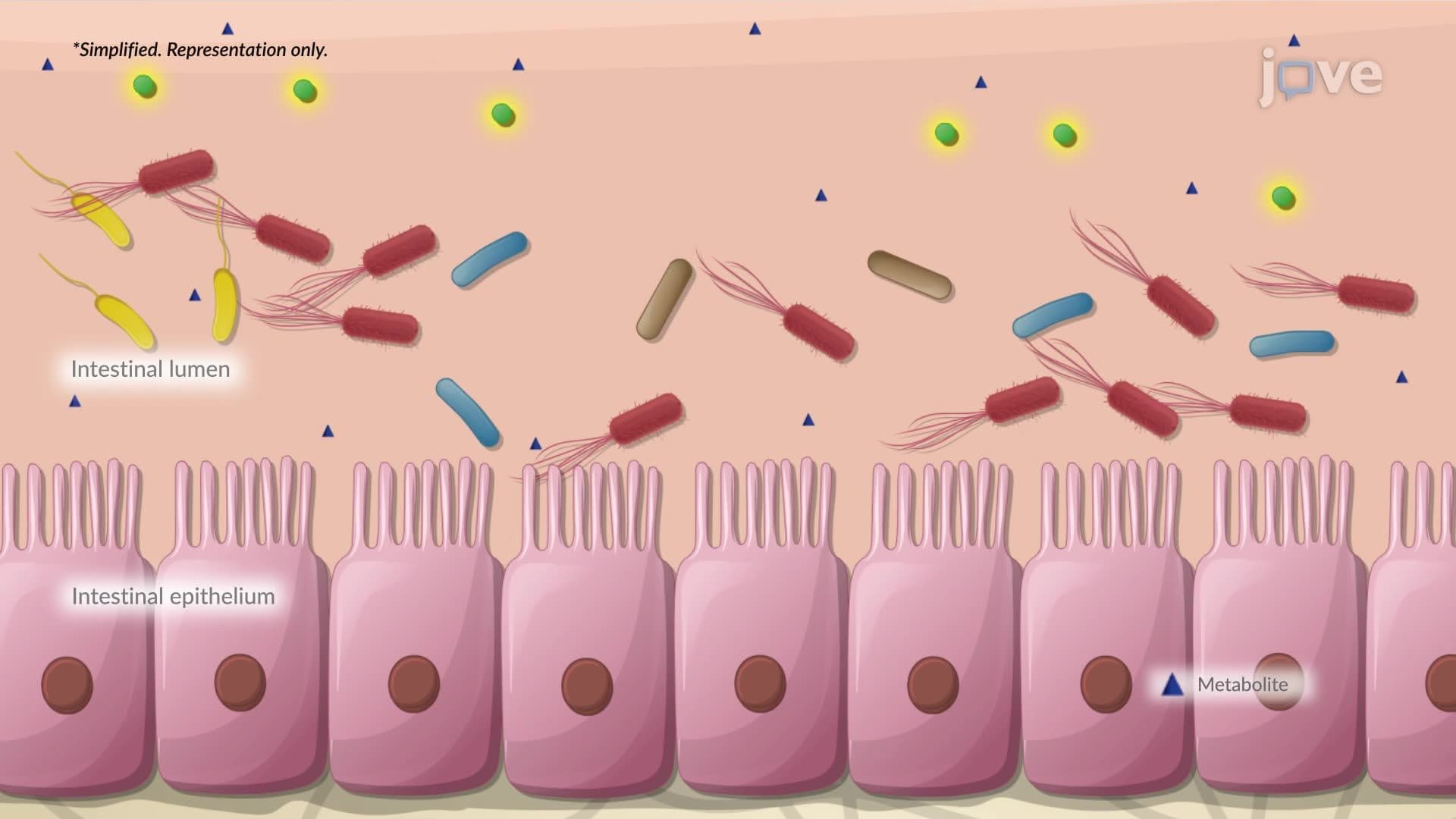
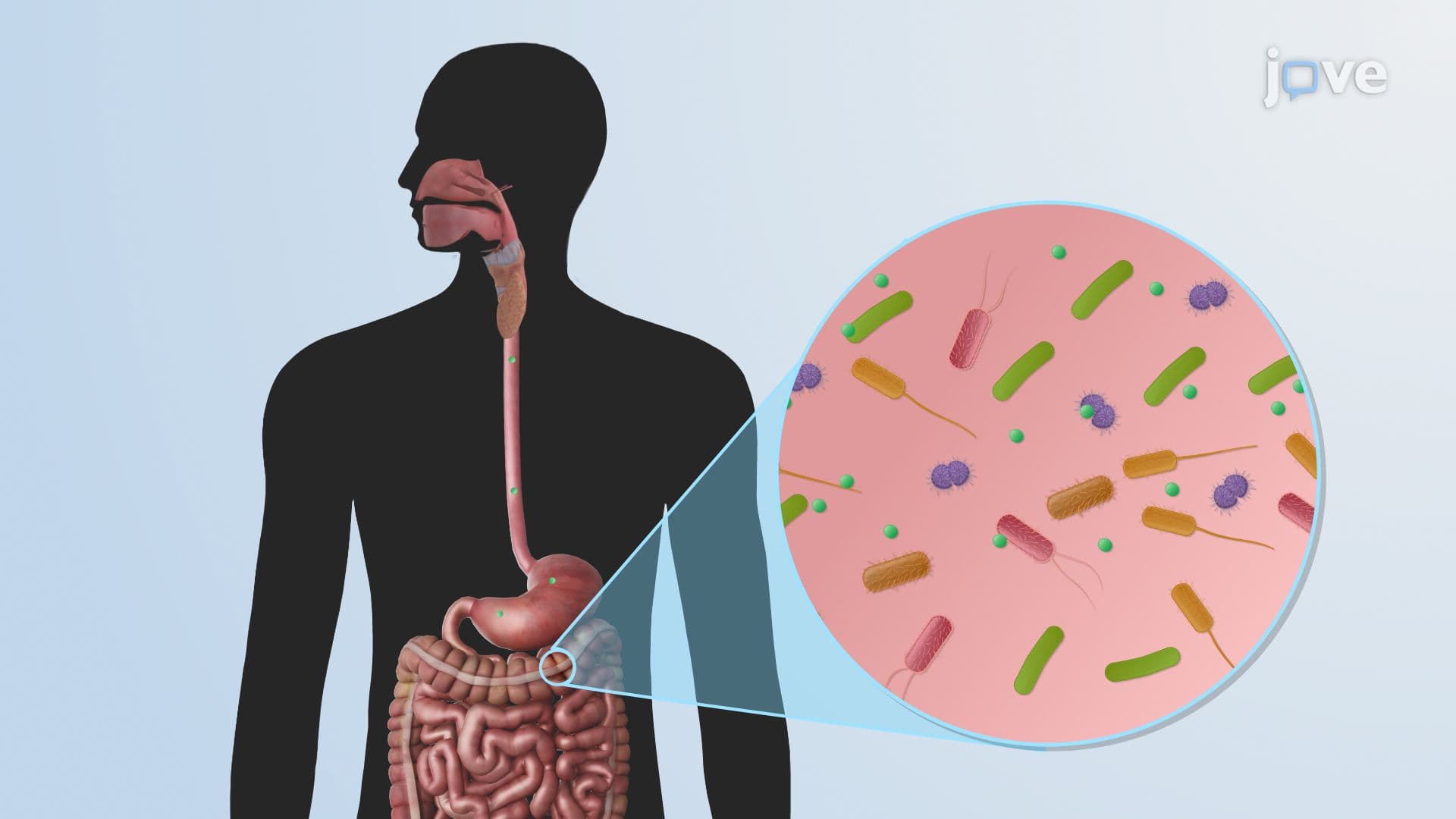
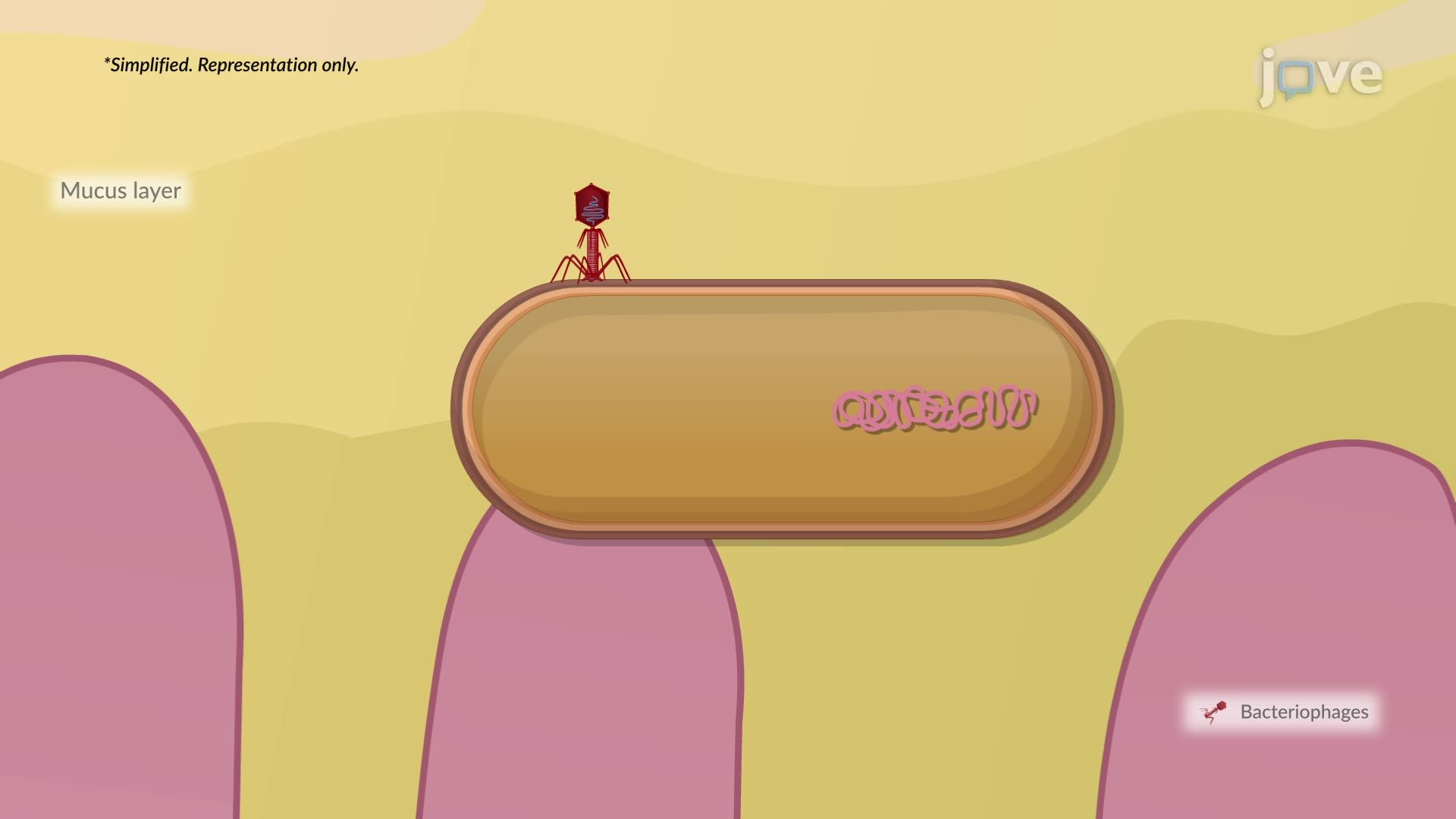
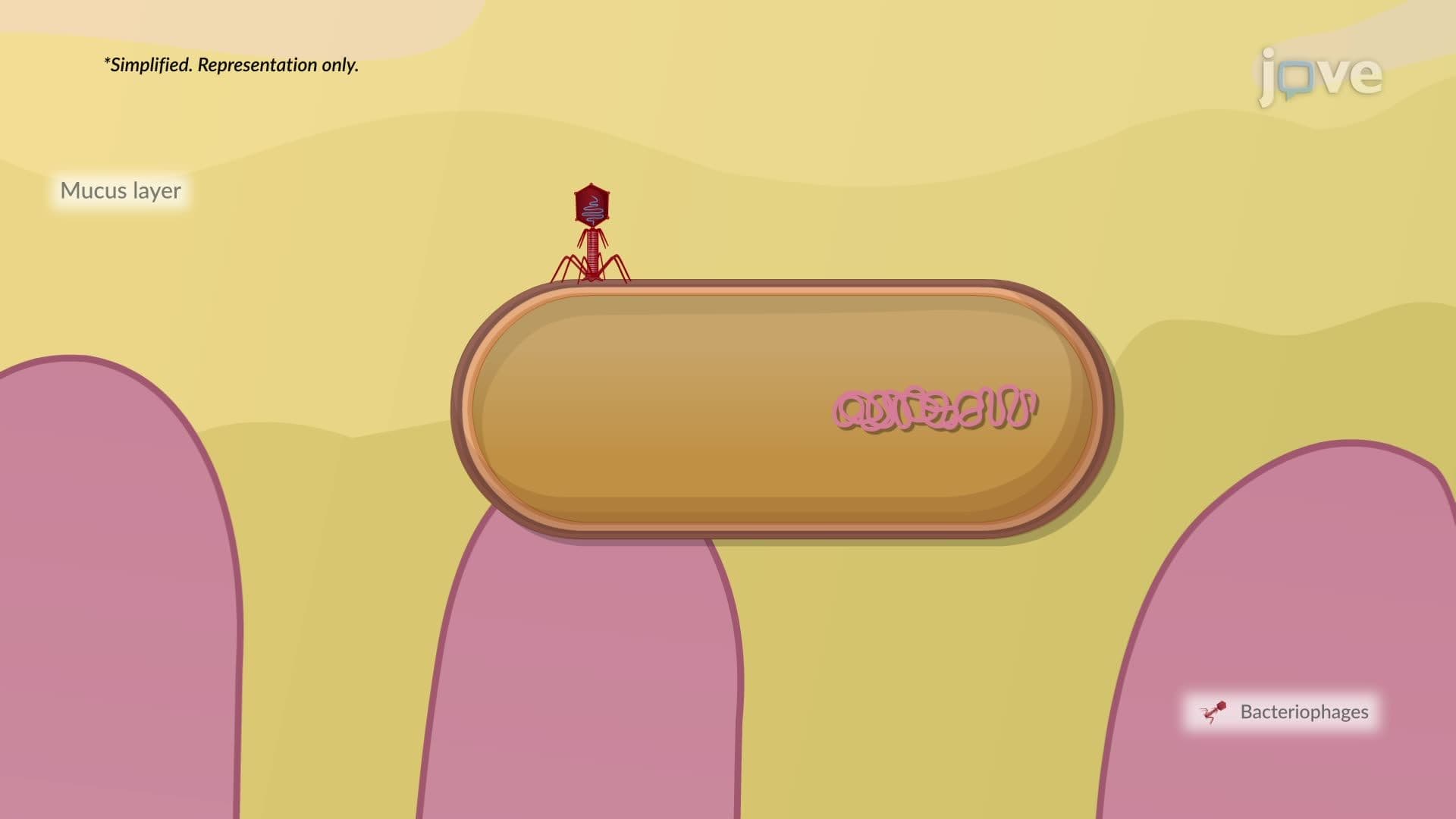
On mucosal surfaces, including those lining the gut, respiratory tract, and reproductive system, bacteriophages play a surprising protective role. Capsid proteins on the phage surface bind specifically to mucin glycoproteins embedded in the mucus layer. This binding concentrates phages at the epithelial barrier, essentially creating a front-line defense. When harmful bacteria attempt to cross this barrier, phages are positioned to intercept and destroy them before they reach epithelial cells. This "phage layer" acts as a non-immune, non-cellular defense mechanism, a concept that connects directly to broader questions like *how does the microbiome affect immunity?* and is increasingly being explored in US clinical research on gut health and infectious disease prevention.
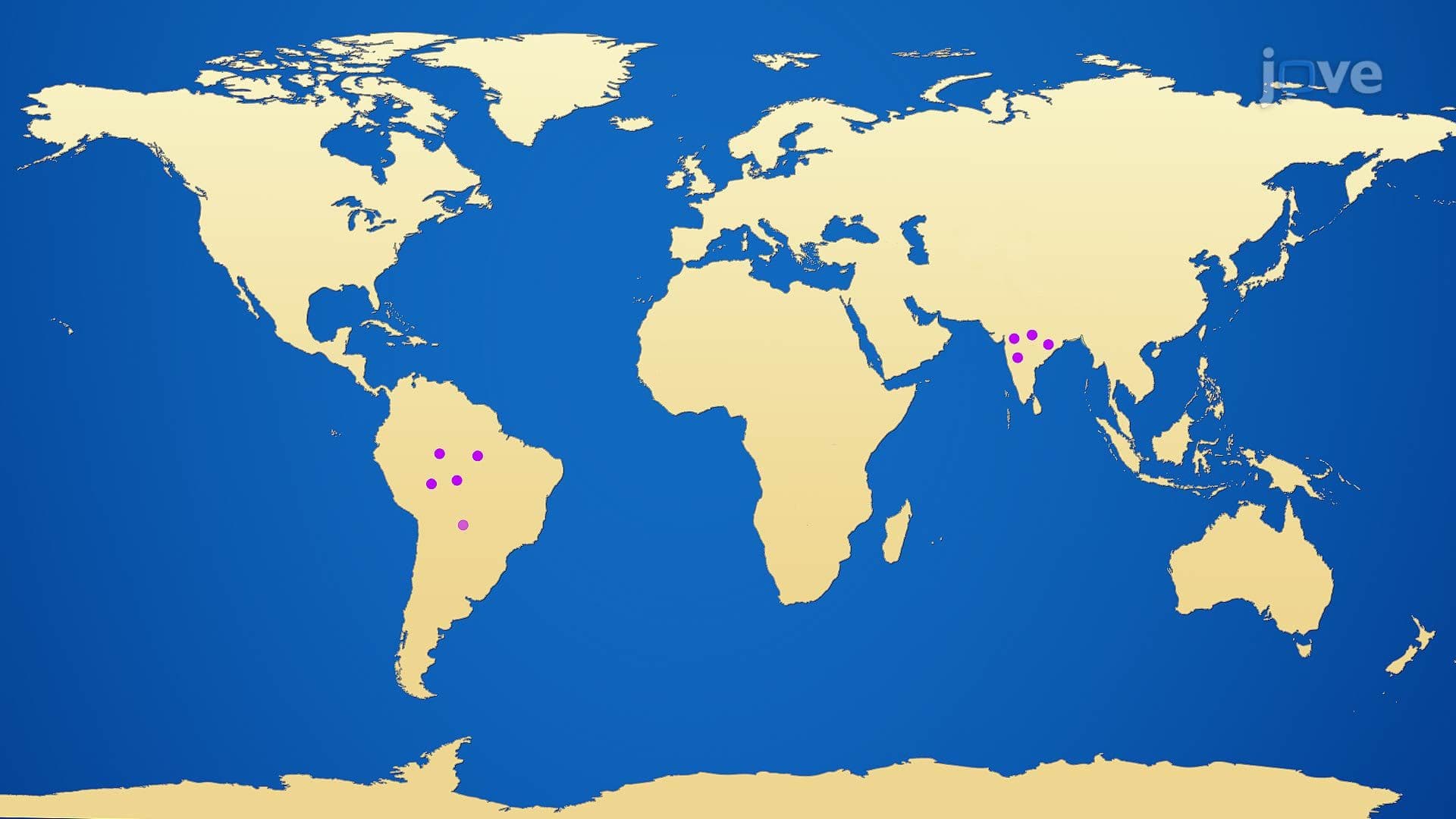
Not all phage-bacterial interactions benefit the human host. Some phages carry genes that dramatically increase bacterial virulence. The CTXφ bacteriophage is a well-documented example: it injects genes encoding cholera toxin directly into *Vibrio cholerae*. Once lysogenized, meaning the phage genome is stably integrated, the bacterial strain becomes fully pathogenic. It produces cholera toxin and aggressively colonizes the gut epithelium, causing the severe diarrheal disease recognized globally. This example is a classic case study in MCAT preparation and USMLE Step 1 review, illustrating the concept of pathogenicity islands and phage-driven virulence. It also connects to real-world US public health concerns, particularly in outbreak management and the study of cholera in vulnerable populations. Understanding this mechanism helps students bridge microbiology with immunology, epidemiology, and even discussions of probiotics and prebiotics as tools for maintaining a balanced gut ecosystem.
Related Micro-courses