Loading video…

 16 Concepts
 5K views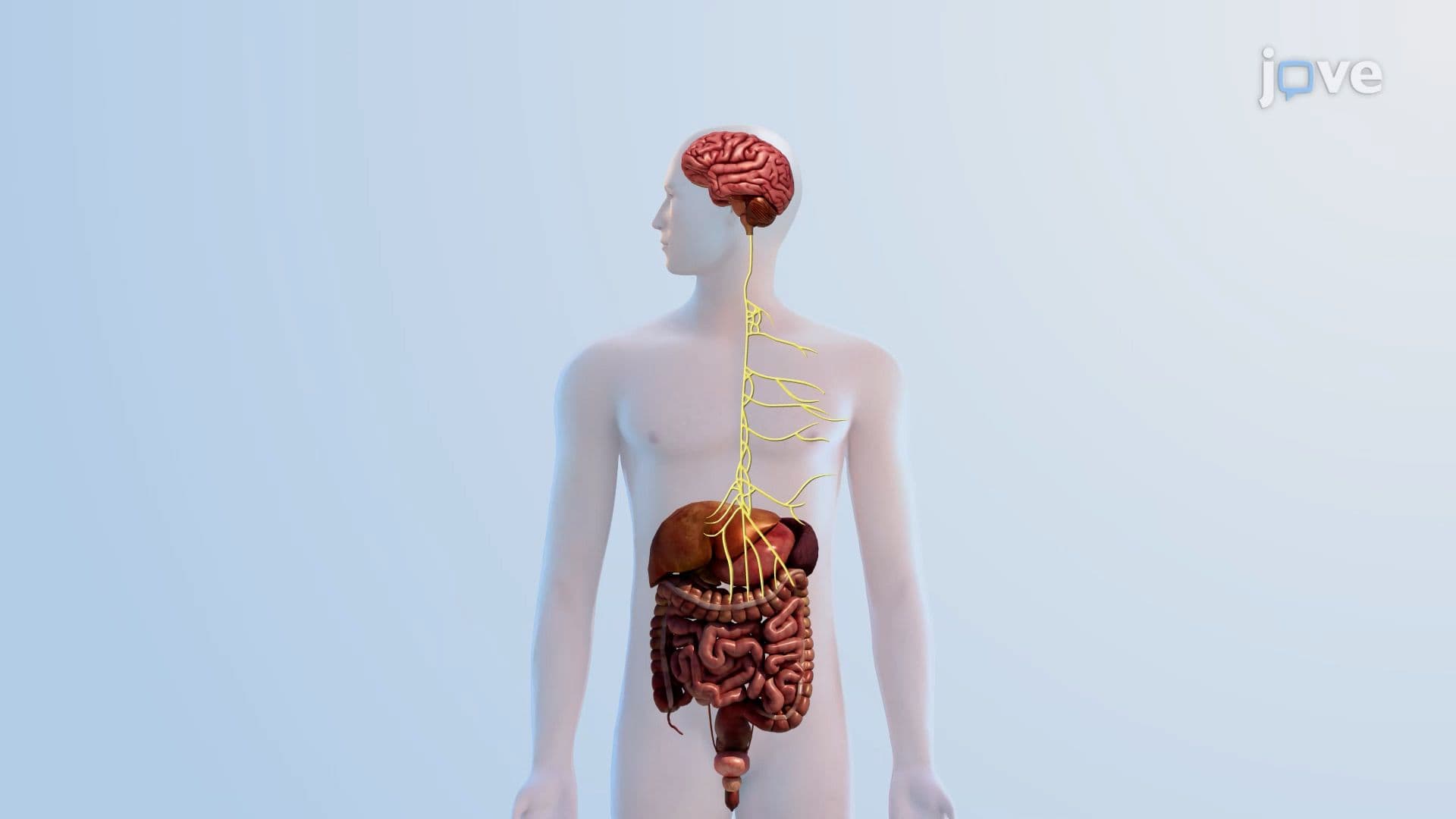

Video Summary: What Is Gut Brain Axis
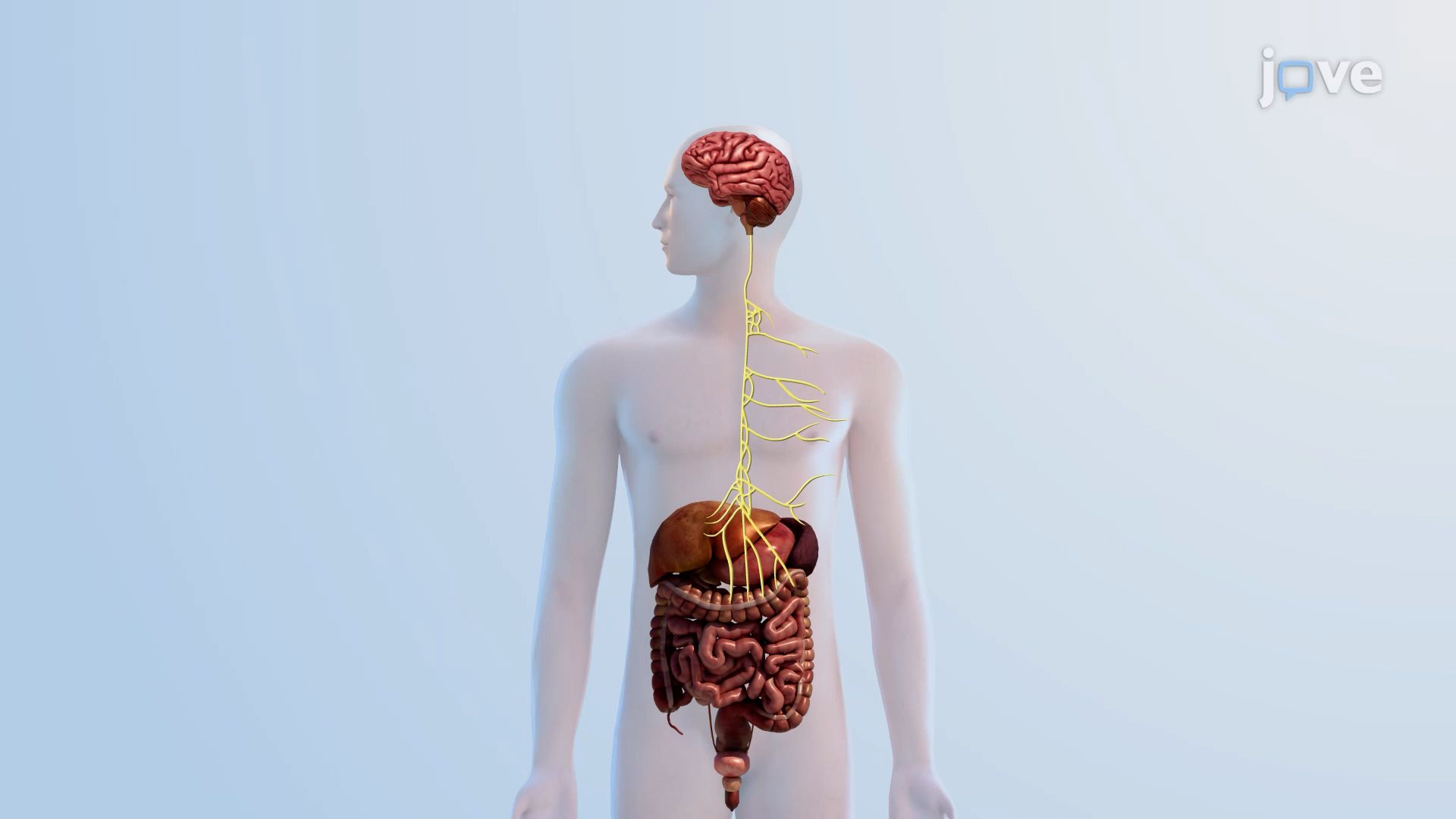
Did you know your gut sends more signals to your brain than your brain sends back? The gut-brain axis is a dynamic, two-way communication network connecting your digestive system and brain through neurons, immune cells, and bacterial metabolites. In the US, rising rates of anxiety and inflammatory bowel disease have pushed researchers to investigate this link more closely. Understanding the gut-brain axis basics reveals how gut bacteria influence mood, immunity, and even brain barrier integrity. Watch the full video on JoVE Coach to master this concept with expert-led visuals and step-by-step explanations.
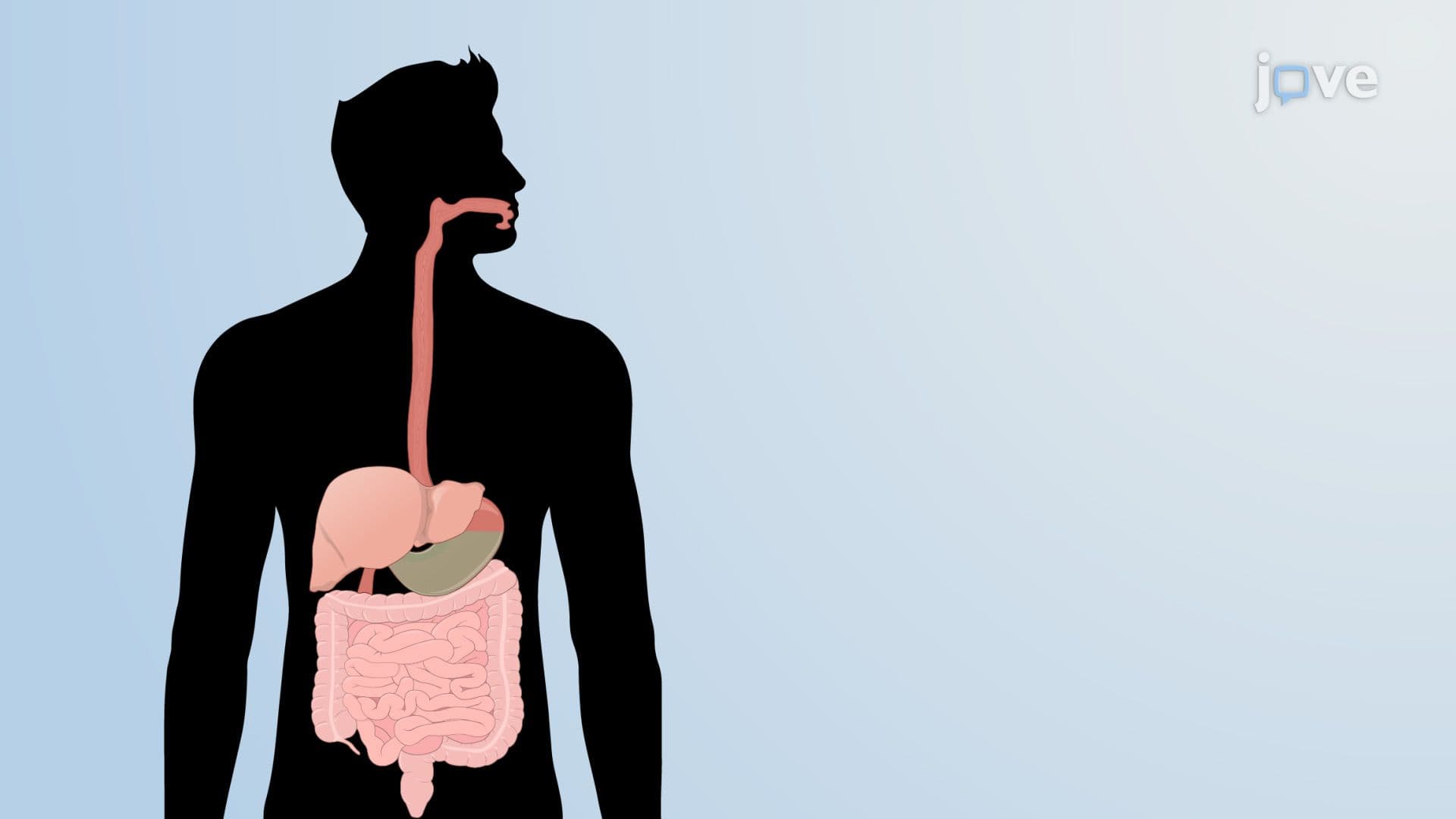
The gut-brain axis refers to the complex, bidirectional communication network that links your gastrointestinal system with your central nervous system. Far from being two separate systems, the gut and brain are in constant dialogue, exchanging information through neural signals, hormones, immune molecules, and the metabolic byproducts of trillions of microorganisms living in your digestive tract. For high school biology and college-level microbiology or neuroscience students, this concept bridges multiple disciplines and appears across AP Biology, college physiology courses, and even MCAT-level biochemistry.
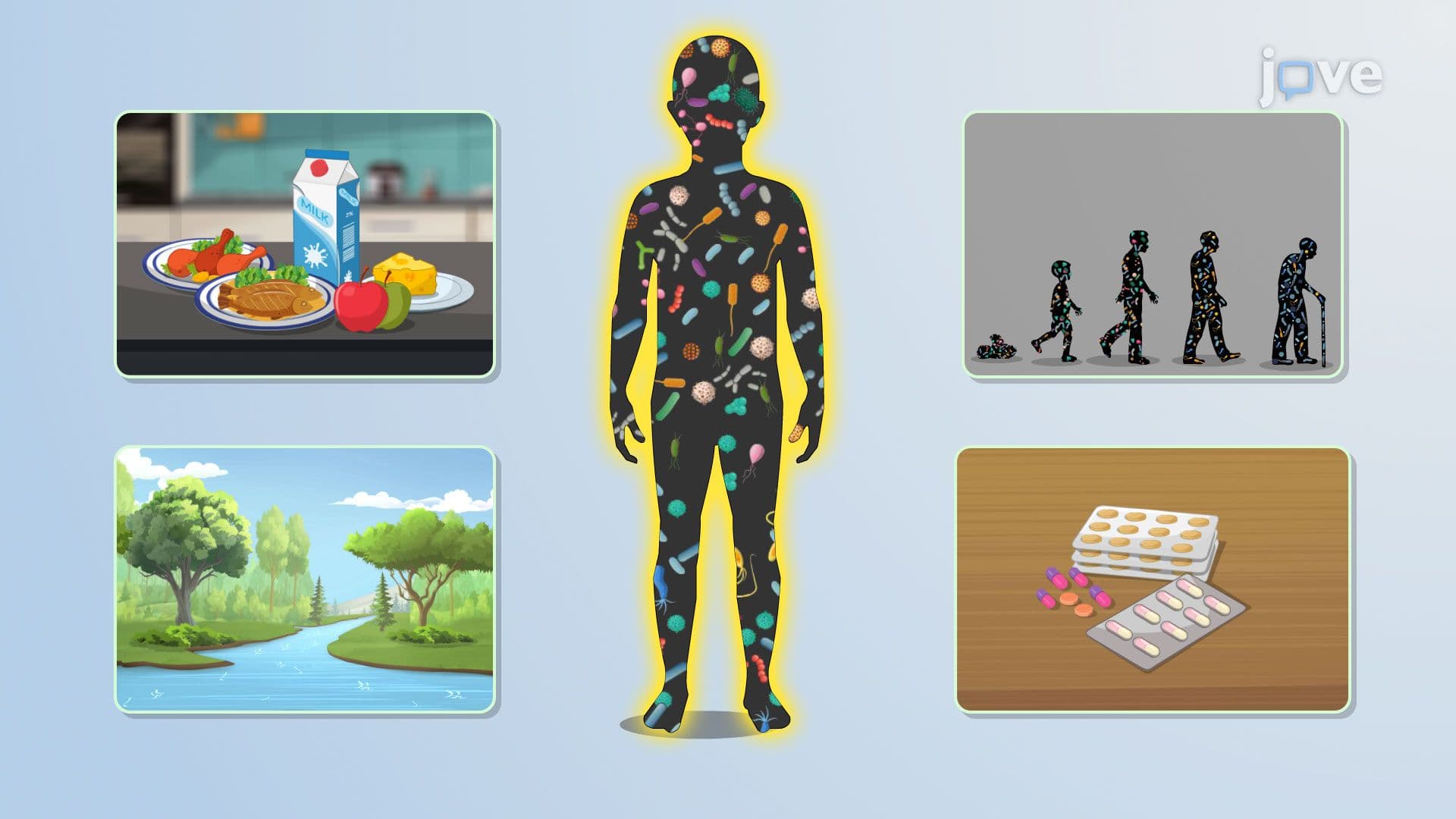
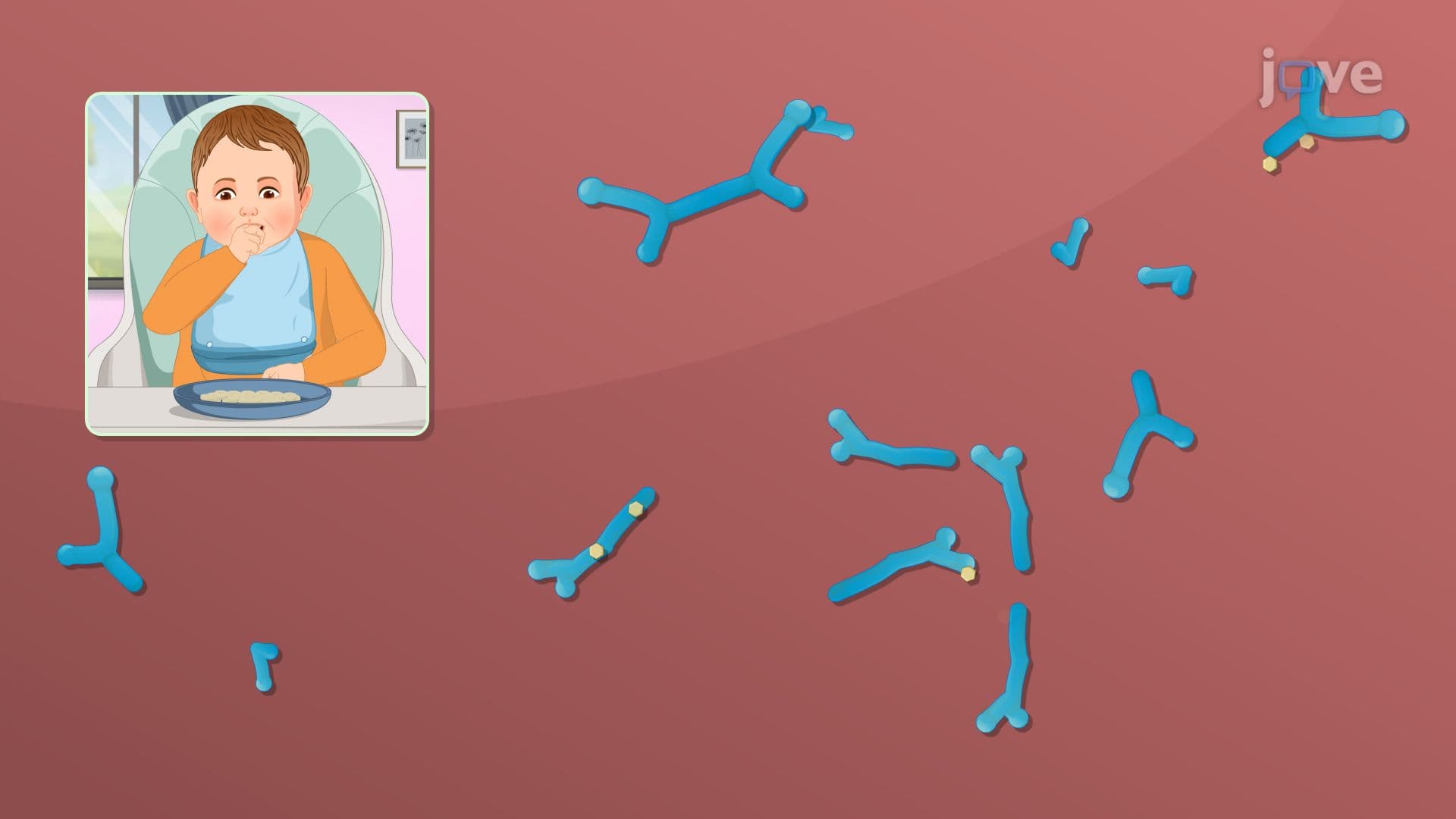
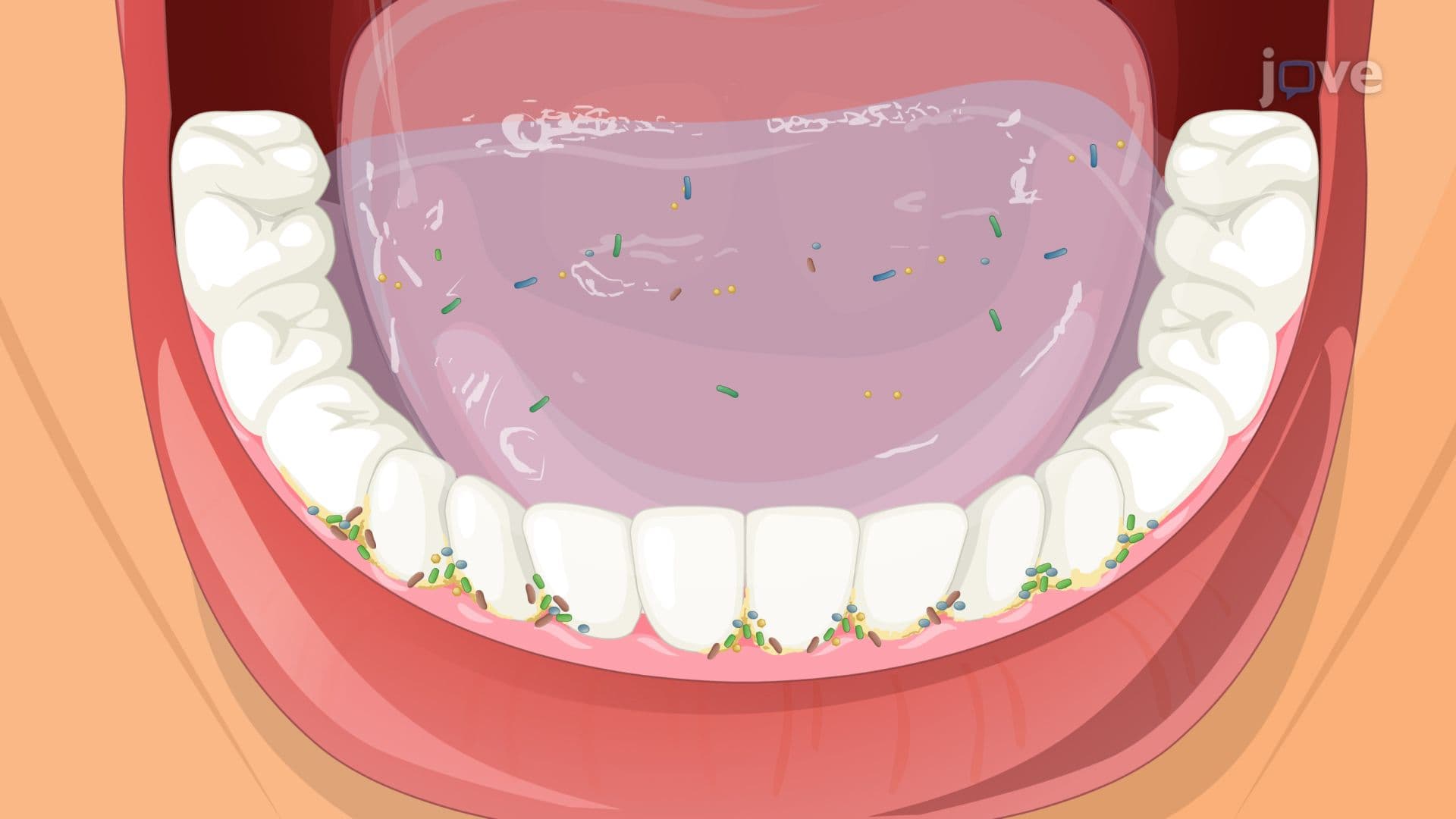
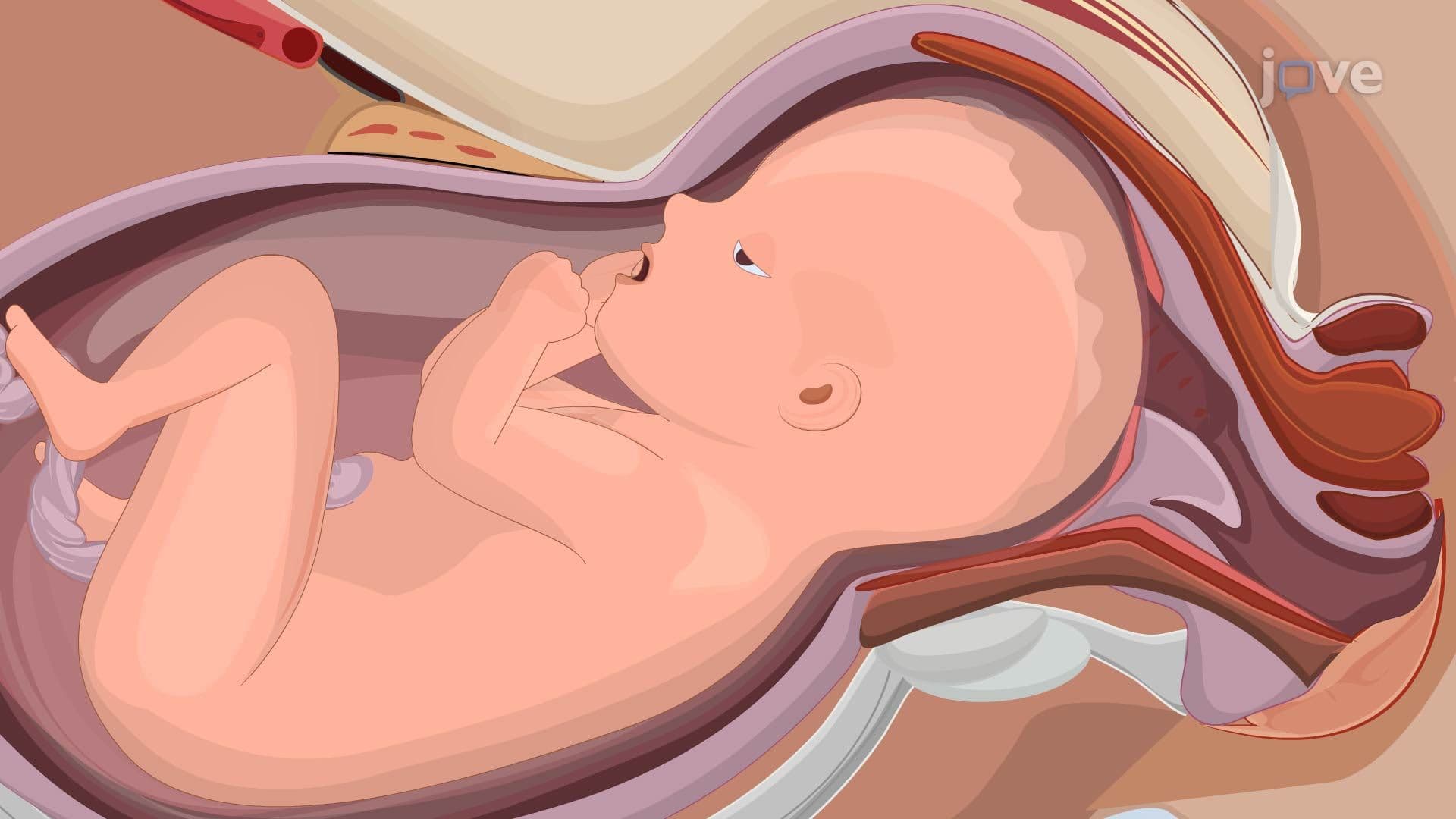
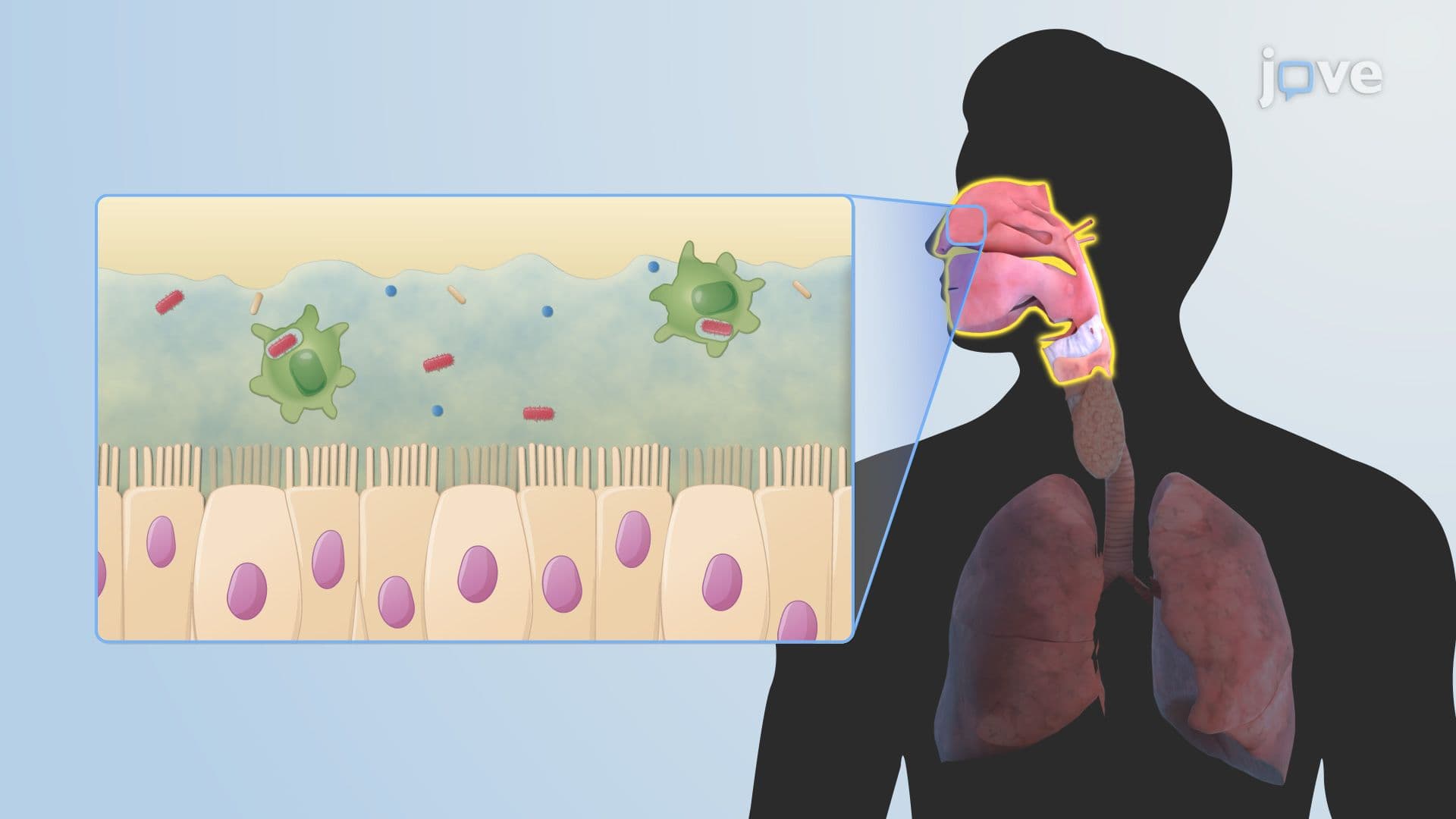
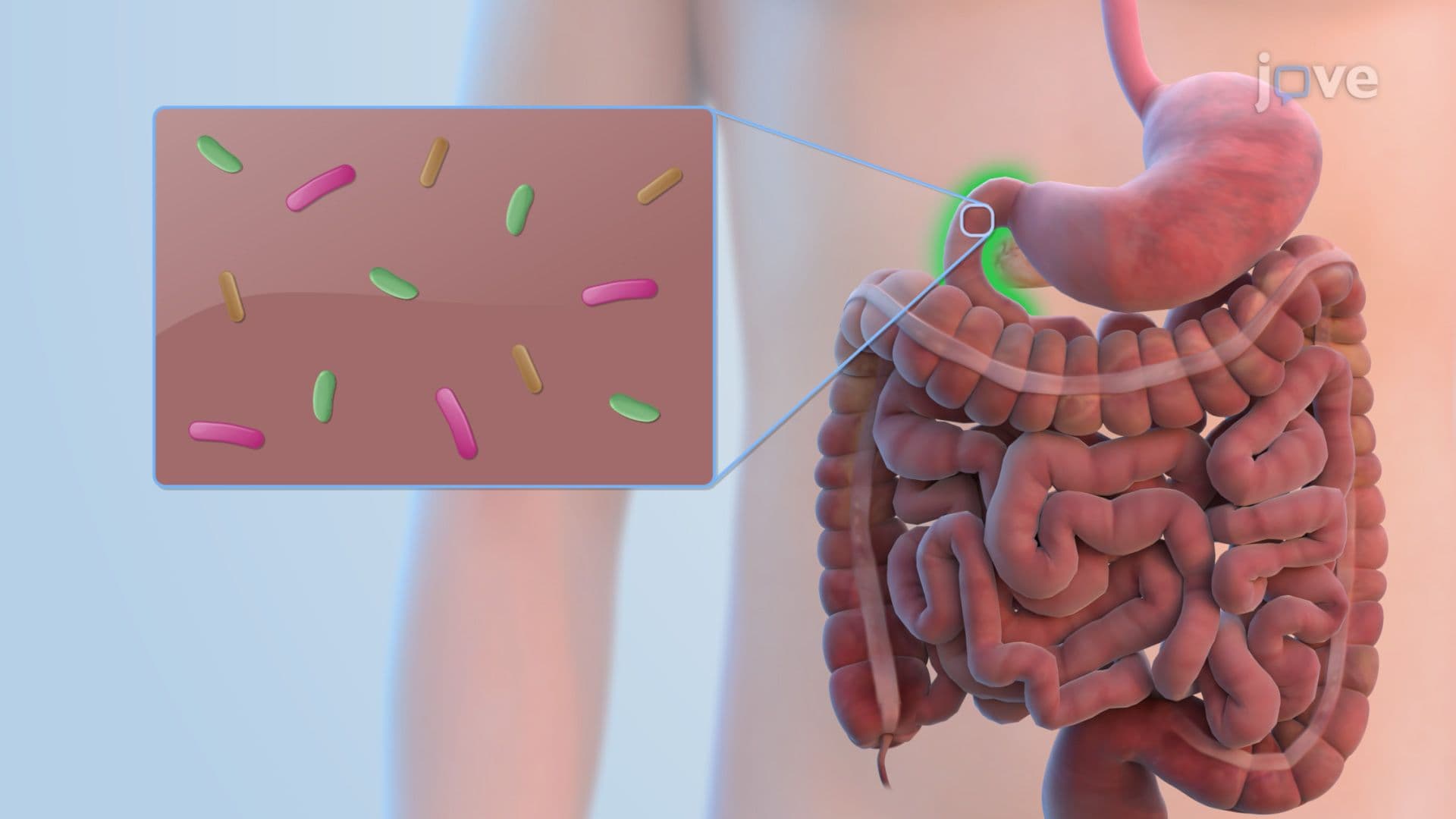
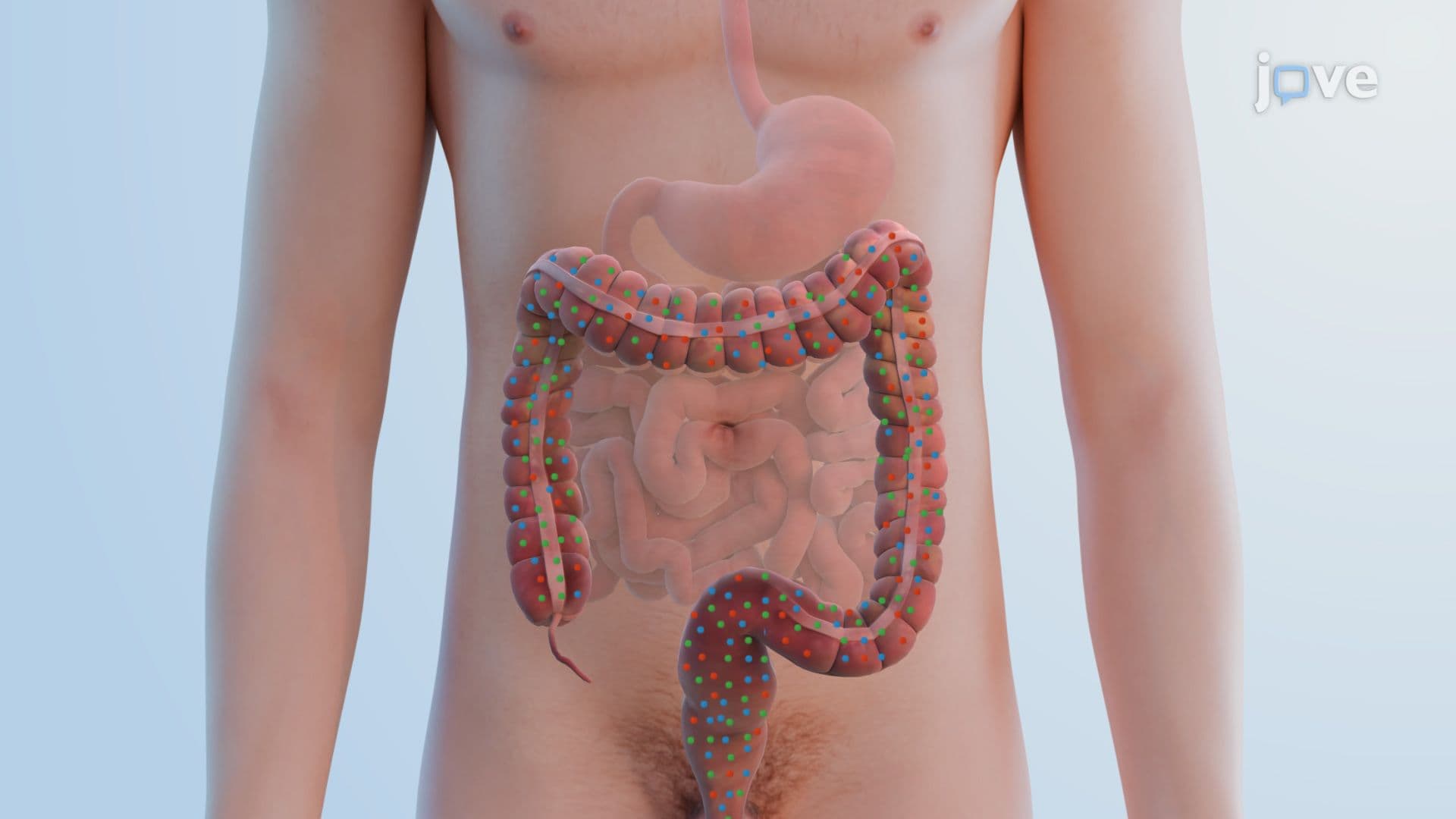
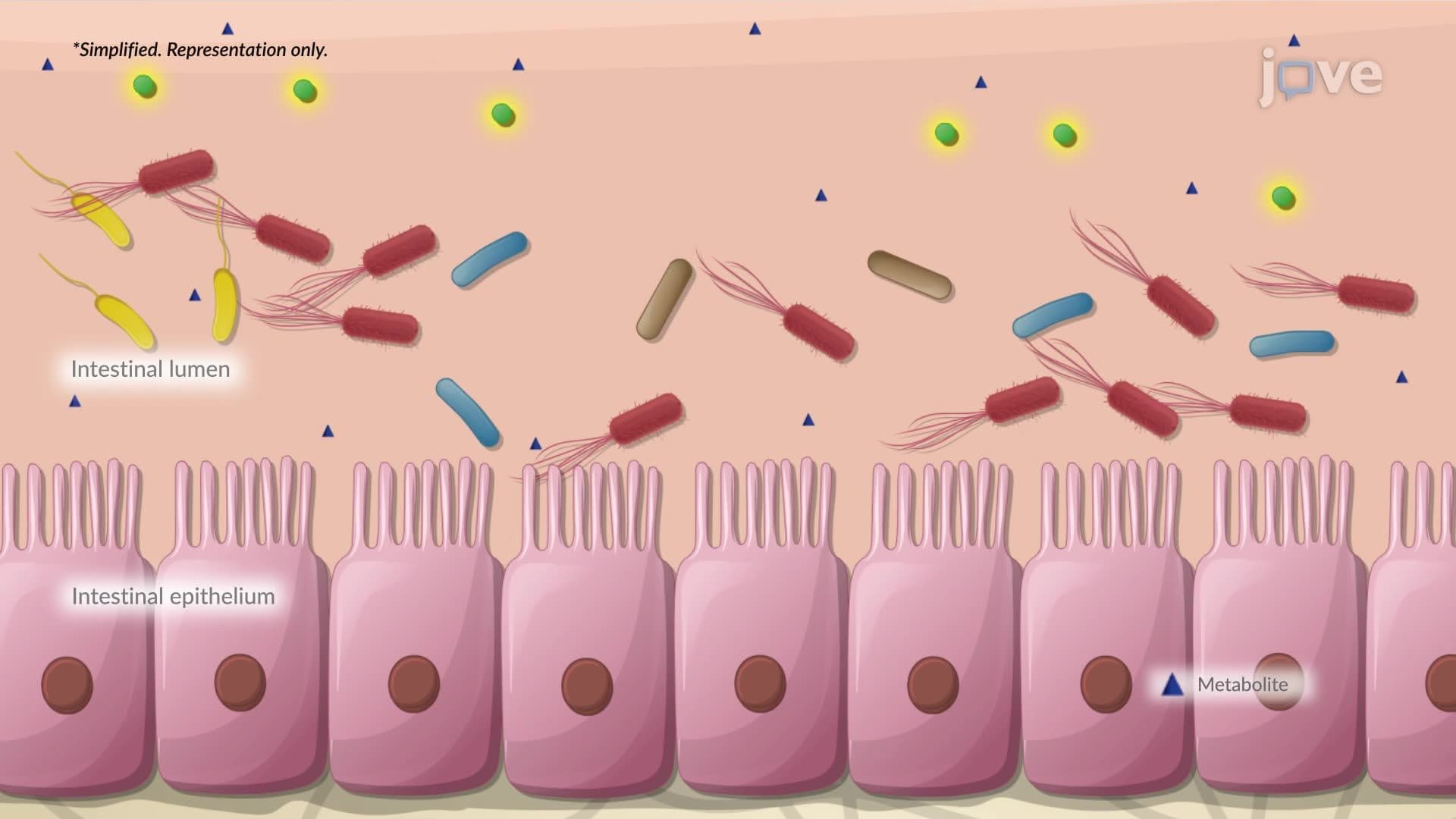
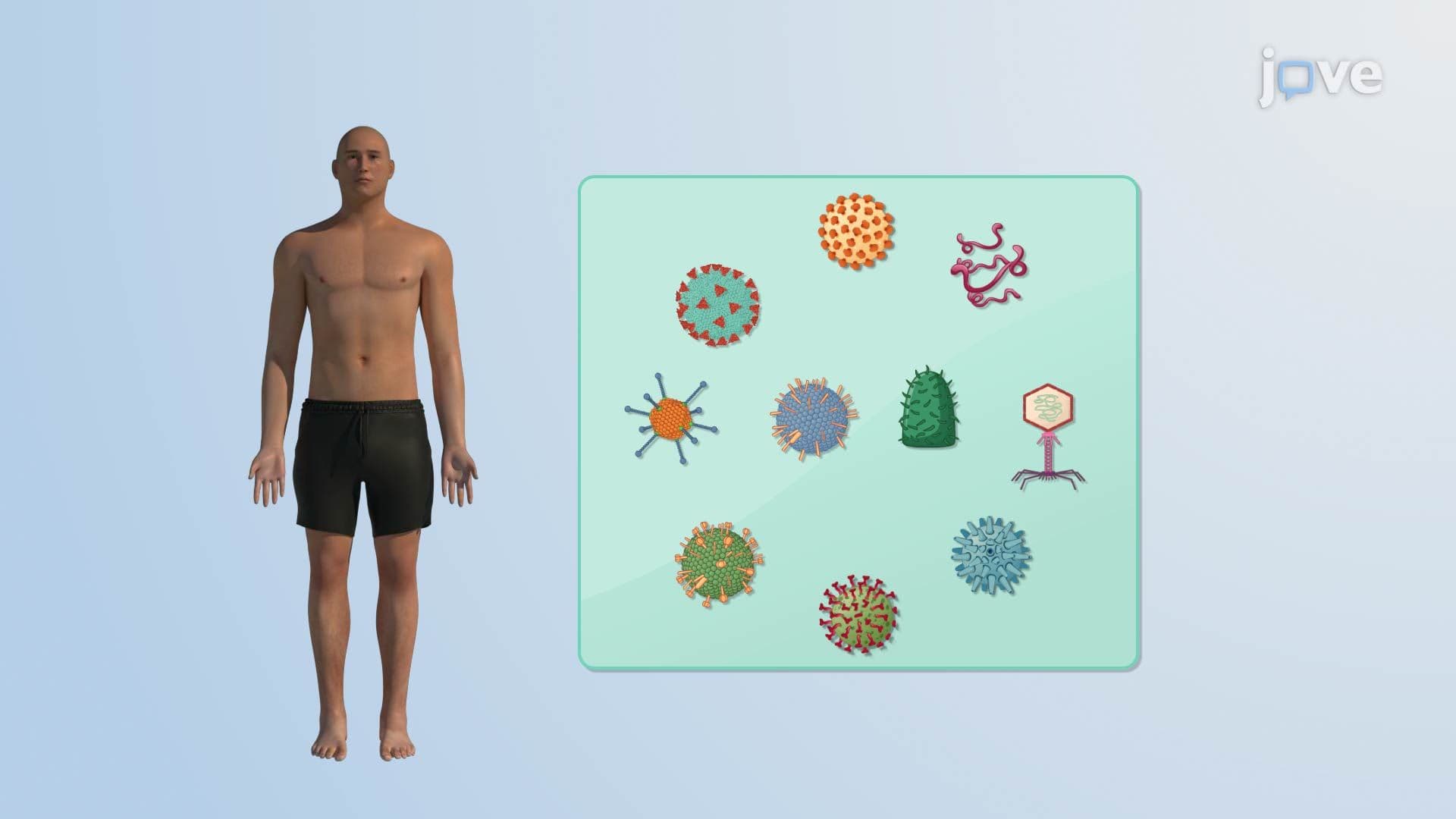
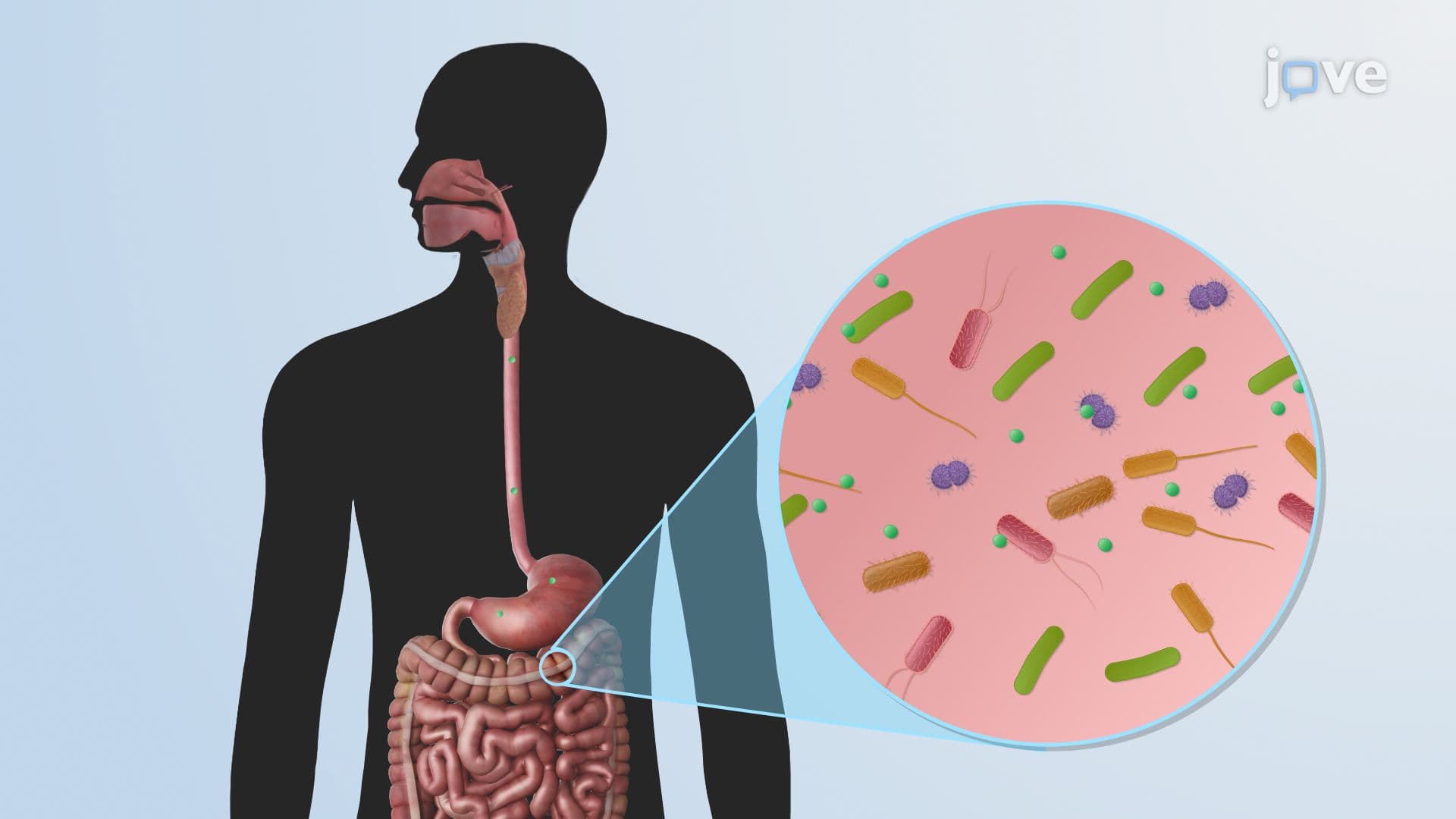
At the core of gut-brain axis function is the gut microbiome, the vast community of bacteria, fungi, viruses, and other microbes residing in your intestines. What many students call "normal flora" in introductory biology is actually a highly regulated ecosystem. After birth, maternal and environmental microbes begin colonizing the infant gut almost immediately. By approximately three years of age, this microbial community stabilizes and takes on critical responsibilities: aiding nutrient absorption, regulating metabolism, and maintaining homeostasis.
One especially important contribution is the production of tryptophan derivatives, metabolites that enter the bloodstream and help maintain the structural integrity of the blood-brain barrier (BBB). The BBB is a selective membrane that protects the brain from harmful substances while allowing necessary molecules through. When the microbiome is functioning well, these metabolites support BBB function. This directly connects to questions about how diet affects the gut microbiome, since dietary choices shape which microbes thrive and what metabolites they produce.
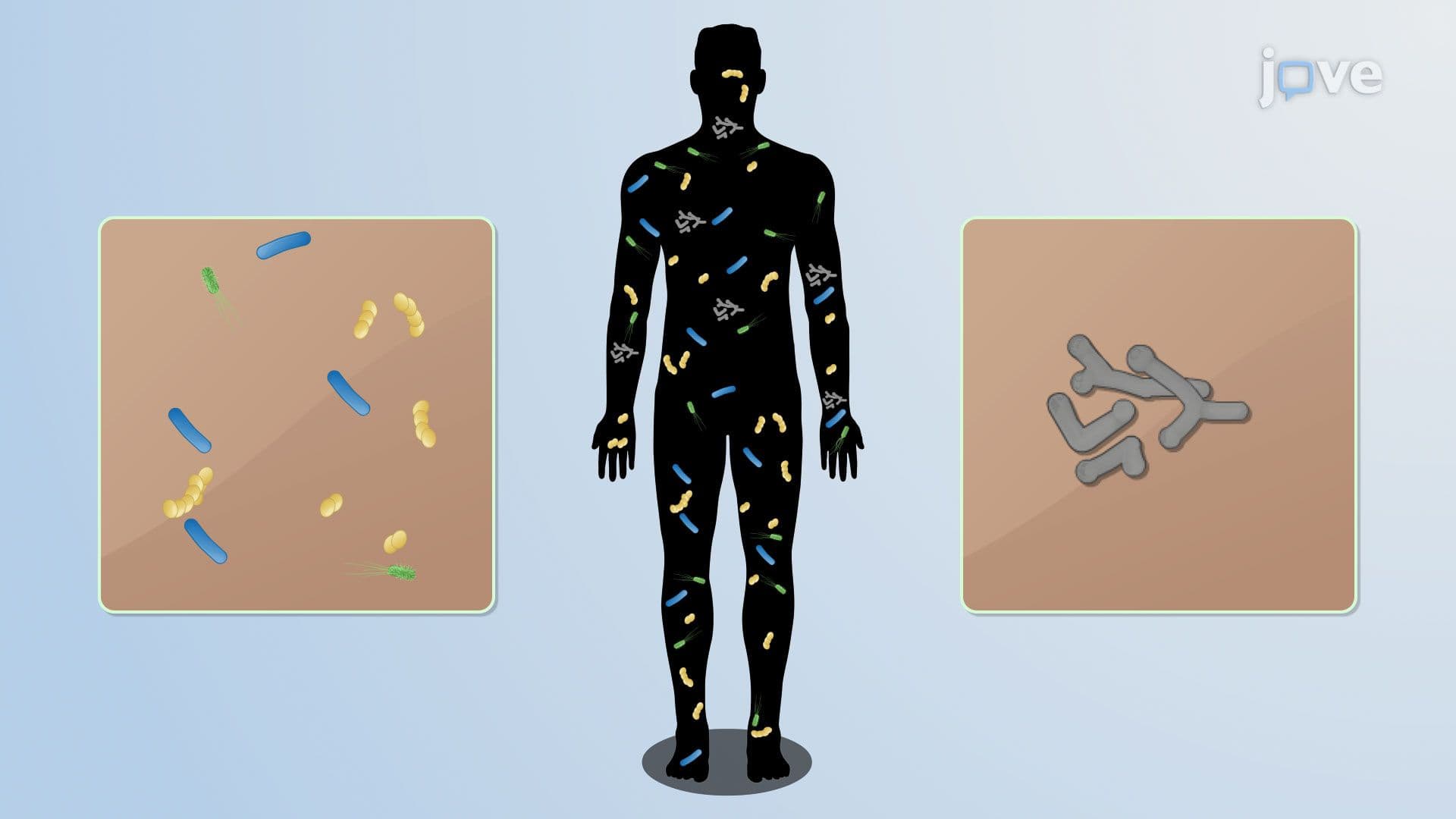
Dysbiosis describes a state of microbial imbalance, too many harmful microbes or too few beneficial ones. This disruption can reduce the production of protective metabolites, weakening the blood-brain barrier and altering gut-brain communication. In research conducted using mouse models, dysbiosis-associated compounds such as 4-ethylphenylsulfate (4-EPS) have been linked to anxiety-like behaviors. This finding is particularly relevant because it suggests that mental health conditions may have a gut-microbial component, a concept being actively explored by US-based research institutions such as the Caltech laboratory of Dr. Sarkis Mazmanian.
For students preparing for the MCAT or AP Biology exams, understanding how microbial imbalance connects to immune dysregulation, inflammation, and neurological effects is a high-yield topic. Questions about how the microbiome affects immunity often require students to link dysbiosis to increased intestinal permeability, immune activation, and downstream effects on the nervous system.
The gut-brain axis isn't just a system that breaks down, it can be repaired. Specific probiotics, live beneficial bacteria like *Bacteroides fragilis*, have been shown in animal models to restore microbial balance and reverse dysbiosis-related behavioral changes. This has broad implications for understanding how dietary interventions, including probiotics and prebiotics, may support both gut and brain health. In US clinical settings, gastroenterologists and psychiatrists are increasingly collaborating to explore microbiome-based therapies for conditions like irritable bowel syndrome (IBS), depression, and autism spectrum disorder.
For college undergraduates in biology or pre-med tracks, and for high schoolers taking AP Biology or AP Psychology, the gut-brain axis offers a compelling real-world model of how systems biology, where no body system operates in isolation, plays out at the molecular level.
Related Micro-courses