Loading video…

 16 Concepts
 5K views

Video Summary: What Is Microbiome of the Eye
Did you know your eyes host their own microscopic community, even while constantly bathed in tears? The microbiome of the eye is a surprisingly dynamic ecosystem living on the ocular surface, dominated by bacteria like *Staphylococcus* and *Corynebacterium*. Understanding microbiome of the eye basics matters because disruptions are linked to common conditions diagnosed daily in US eye clinics. Watch the full video on JoVE Coach to master this concept with expert-led visuals and step-by-step explanations.
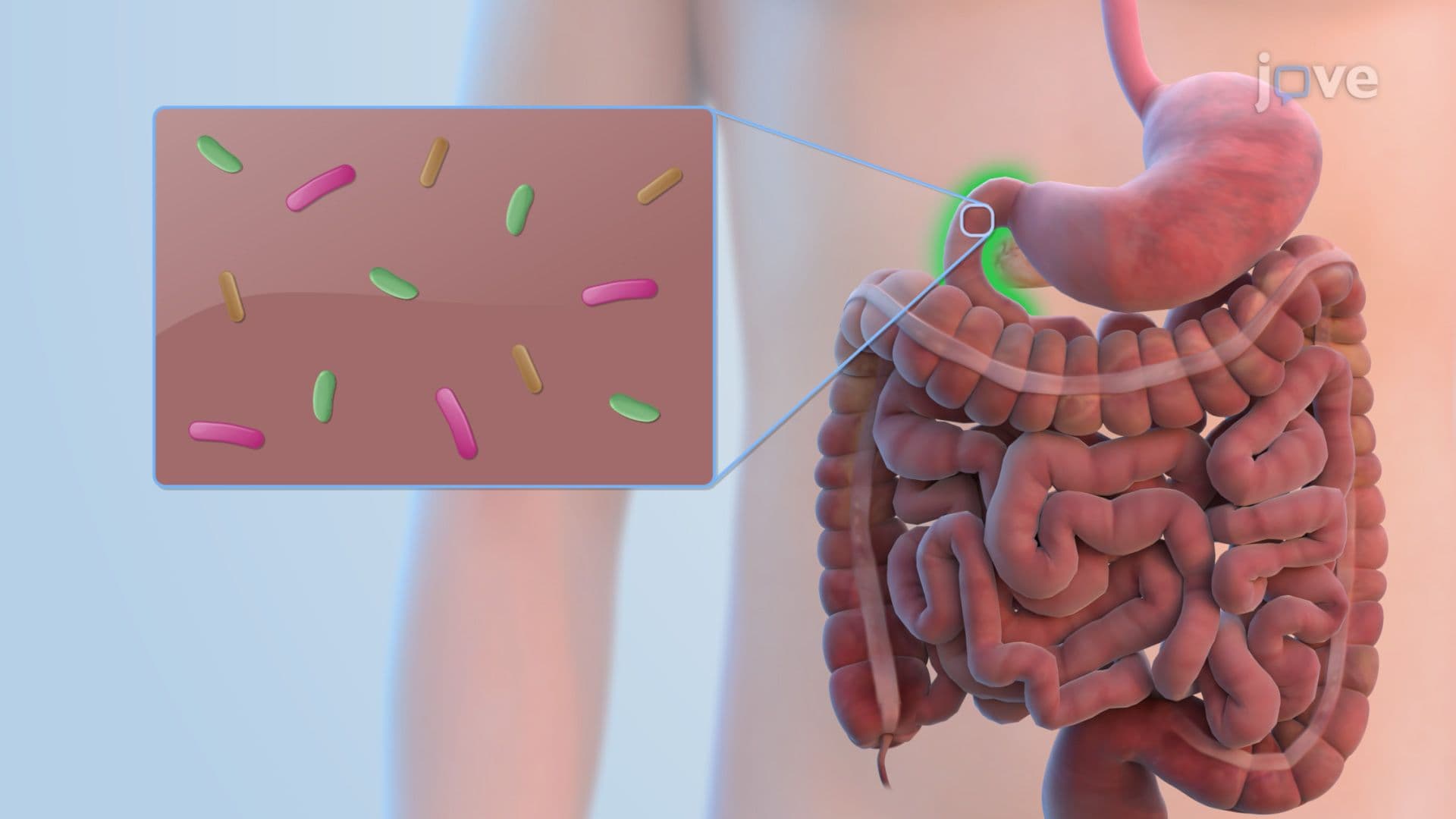
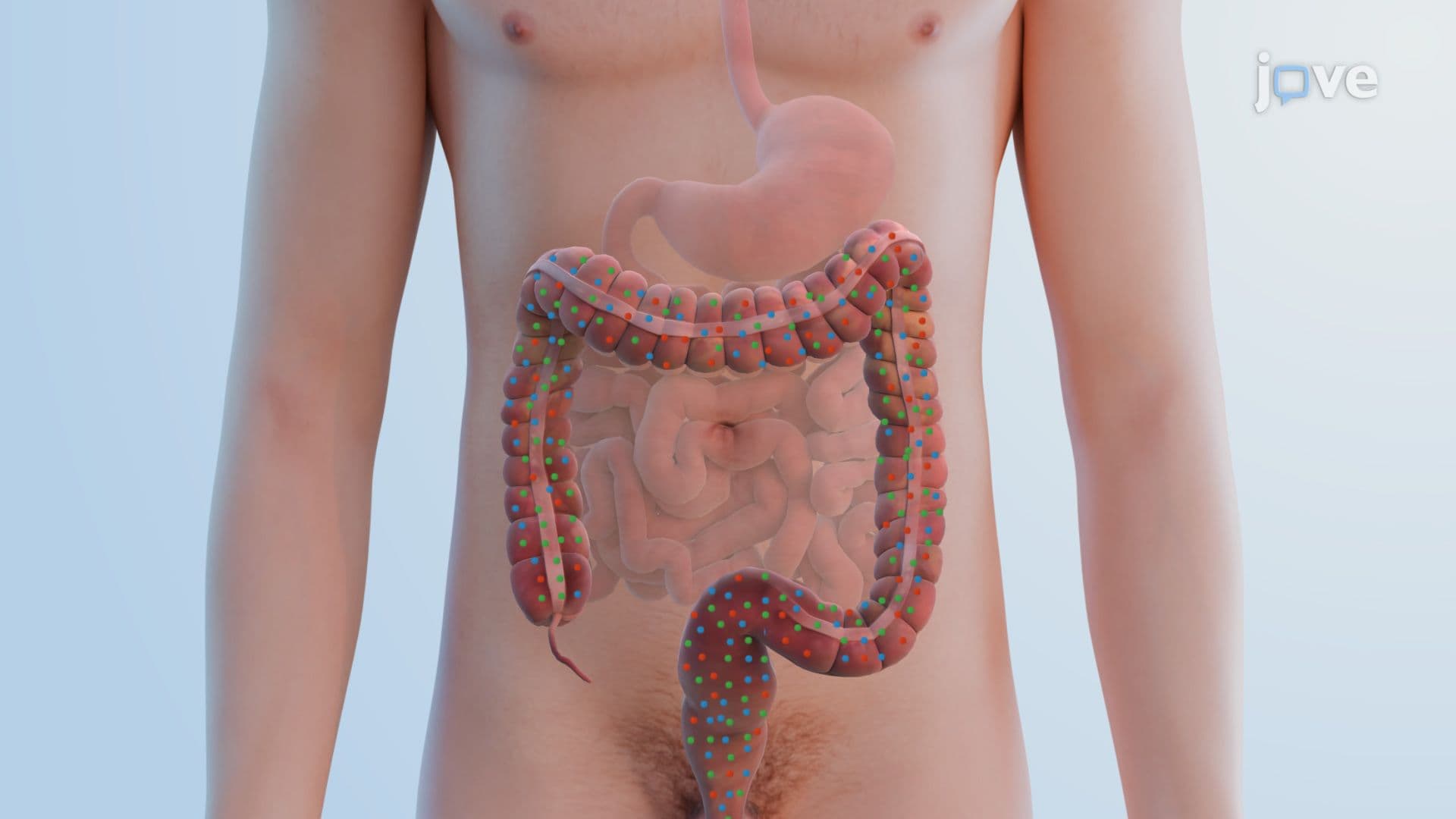
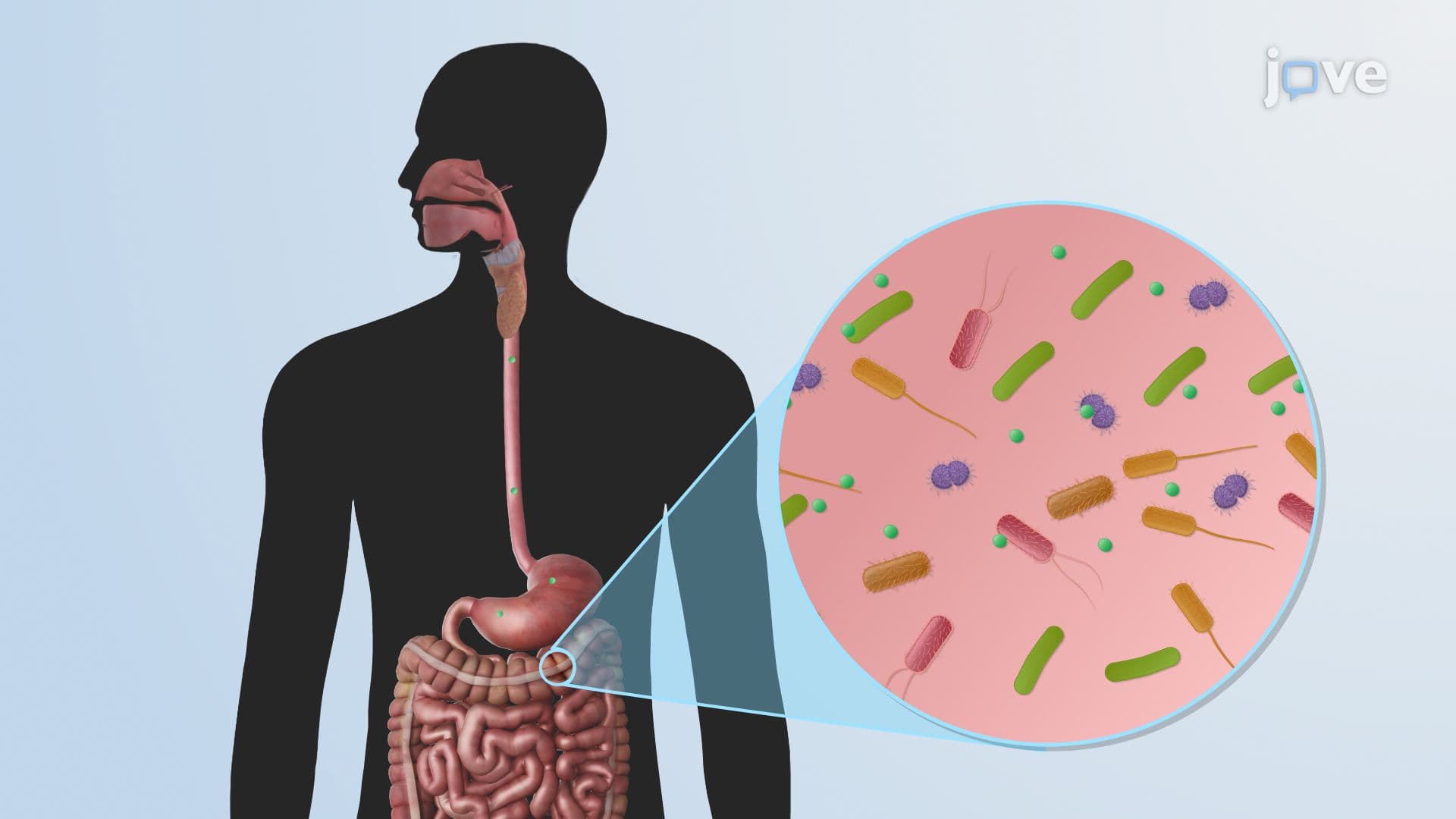
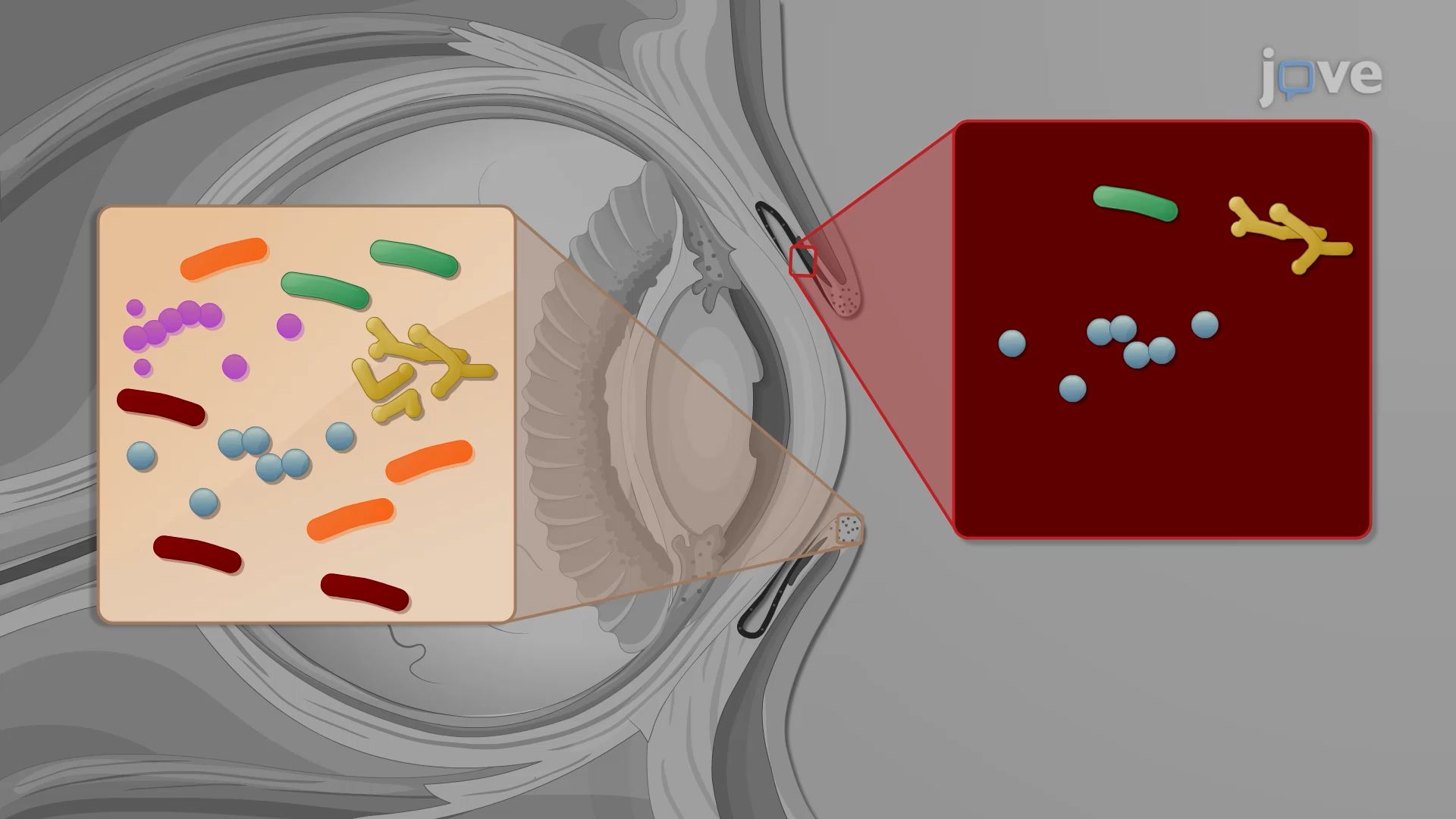
The microbiome of the eye refers to the community of microorganisms, primarily bacteria, that reside on and around the ocular surface. Unlike the gut, which teems with trillions of microbes, the eye is a low-biomass environment, meaning it hosts far fewer organisms. Yet this sparse microbial community plays a surprisingly significant role in maintaining ocular health. For high school biology students and college undergraduates taking microbiology or anatomy and physiology courses, understanding ocular normal flora is an important extension of the broader concept of the human microbiome.
The primary habitat for the eye's microbial residents is the conjunctiva, the thin, transparent membrane covering the white of the eye and lining the inner eyelids. Here, the dominant bacterial genera include *Staphylococcus*, *Cutibacterium* (formerly *Propionibacterium*), and *Corynebacterium*. These are gram-positive, skin-associated bacteria, which makes sense because the conjunctiva shares environmental exposure with facial skin.
However, the eyelid margins and meibomian glands, tiny oil-secreting glands along the eyelid edges, support a noticeably more diverse microbiota. The sebaceous (oily) secretions and direct skin contact create a richer niche for microbial colonization. This anatomical distinction is frequently tested in college-level microbiology and is relevant to understanding conditions like meibomian gland dysfunction.
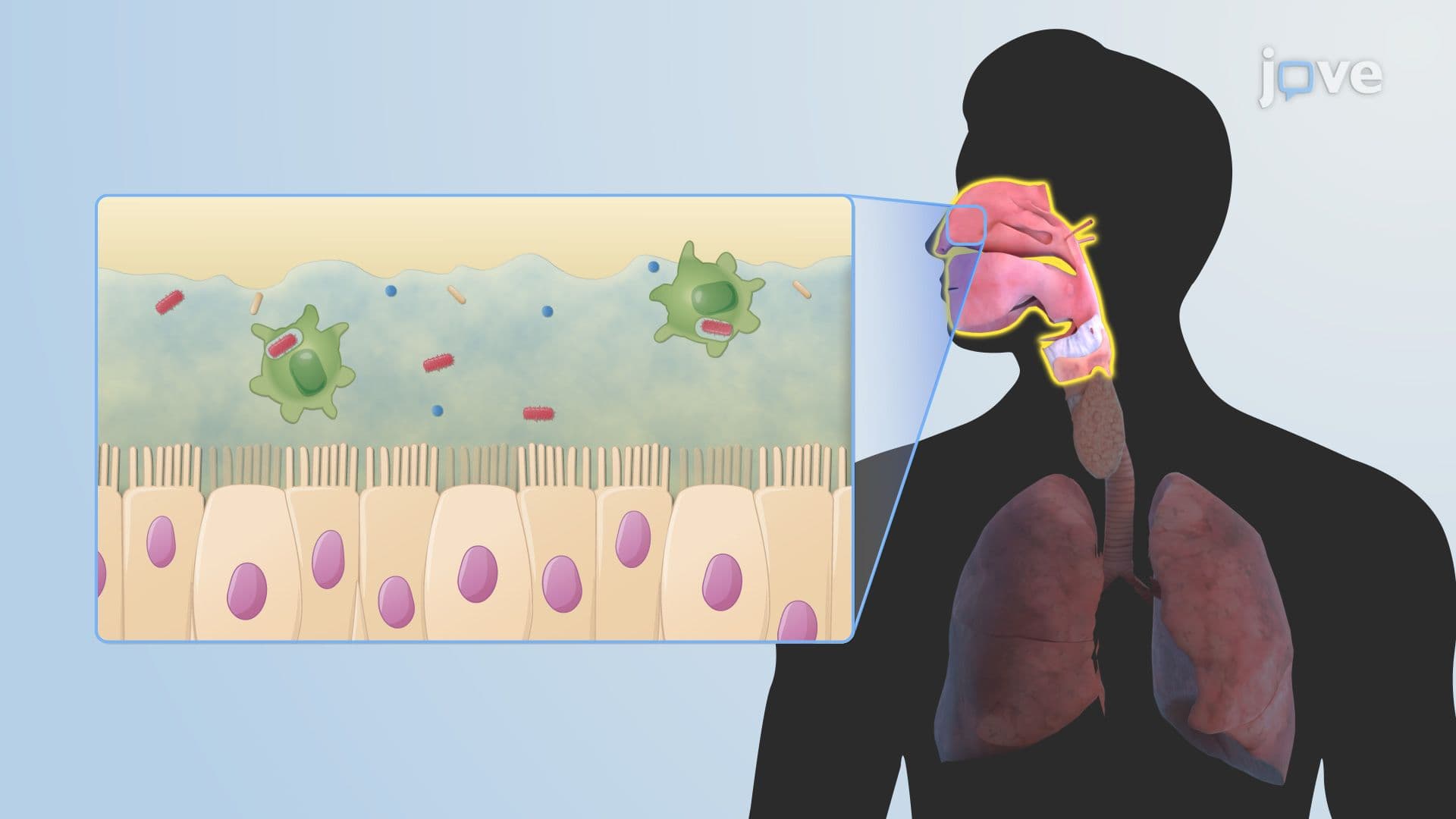
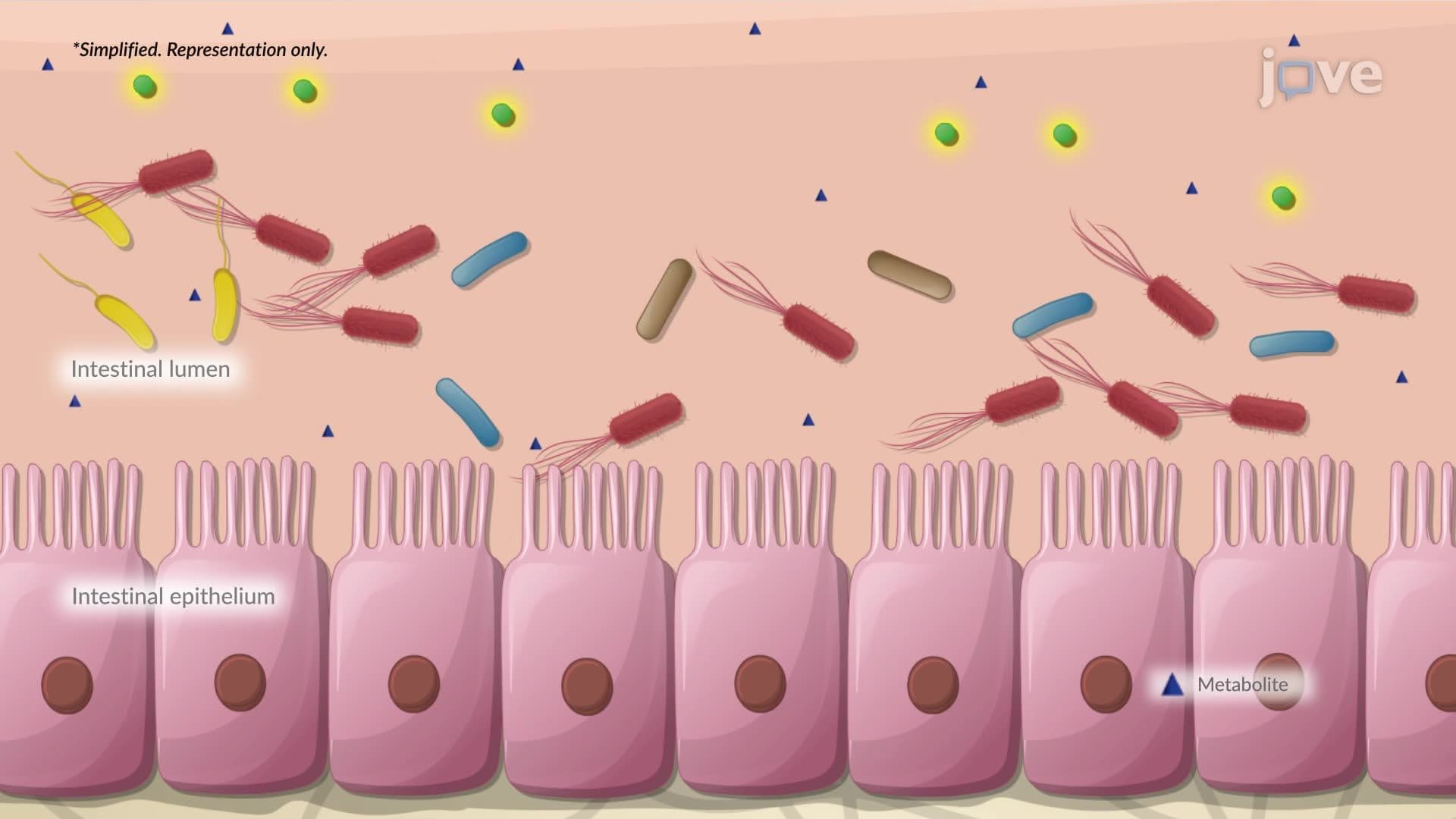
The ocular surface is not passive. The eye actively manages its microbial load through several elegant mechanisms:
Just as gut dysbiosis is linked to systemic disease, disruptions in ocular normal flora, ocular dysbiosis, are associated with several well-known clinical conditions:
Importantly, these conditions are multifactorial, meaning the microbiome is one contributing factor among many, including genetics, environment, and immune function.
When the eye's natural barriers are compromised, during cataract surgery, LASIK procedures, or traumatic injury, microorganisms can gain entry to normally sterile intraocular spaces, potentially causing endophthalmitis, a serious intraocular infection. This is why sterile technique and antibiotic prophylaxis are standard in US surgical protocols. Understanding the microbiome of the eye explained in this context bridges basic science with real-world clinical practice, a connection that AP Biology, college microbiology, and MCAT prep all emphasize when covering the role of the microbiome in health and disease.
Related Micro-courses