Loading video…

 16 Concepts
 5K views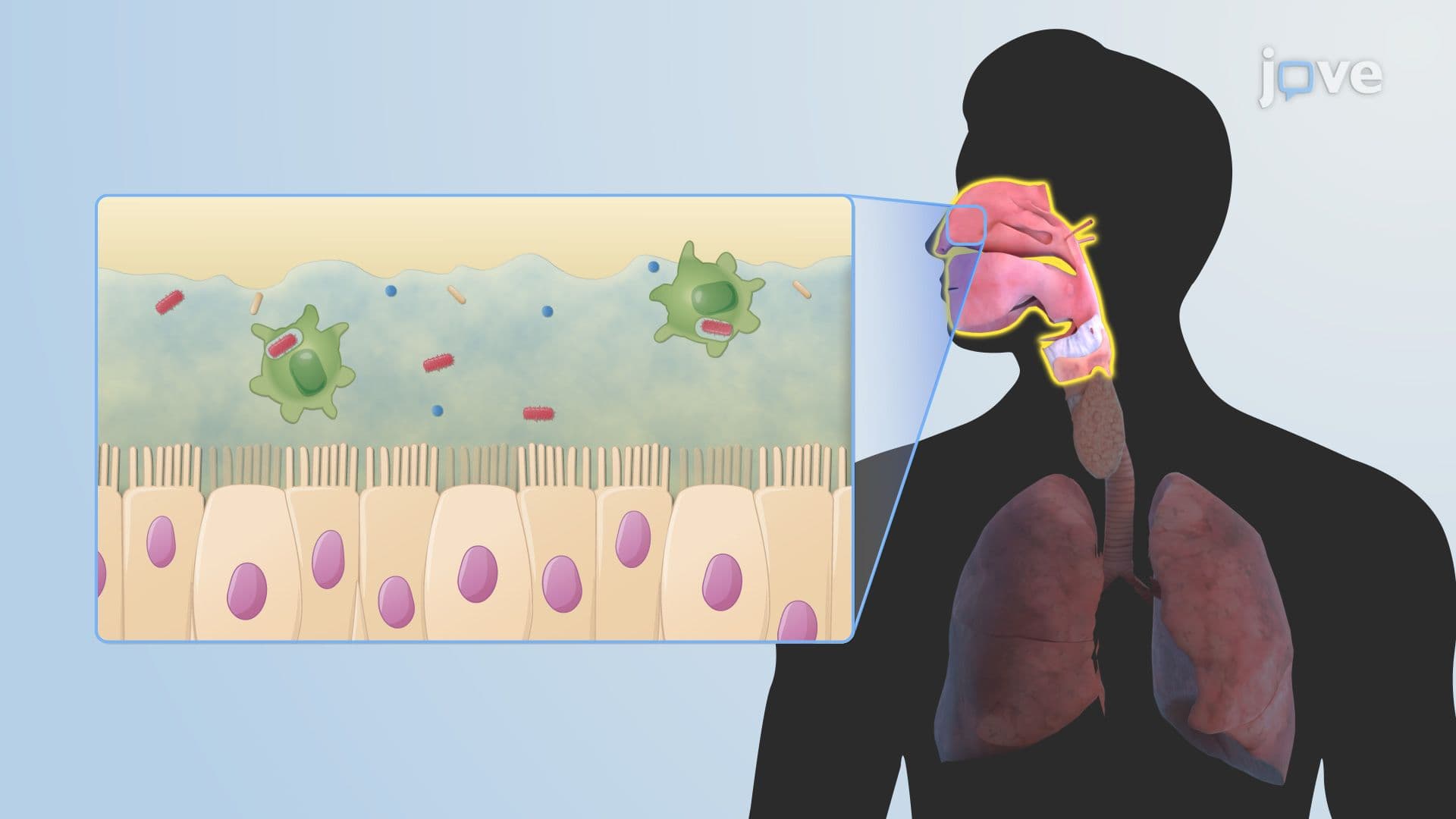

Video Summary: Microbiota of the Respiratory Tract Explained
Did you know your airways are home to thousands of bacteria, even in healthy lungs? The microbiota of the respiratory tract shapes your immune defenses from your nostrils all the way down to your bronchioles. For example, US clinical research has shown that disruptions in this microbial community contribute to chronic conditions like sinusitis and COPD. Understanding Microbiota of the Respiratory Tract Explained helps decode how normal flora protects us. Watch the full video on JoVE Coach to master this concept with expert-led visuals and step-by-step explanations.
When most students think about bacteria in the airways, they picture infection. But the microbiota of the respiratory tract is a complex, dynamic ecosystem of microorganisms that actively maintains respiratory health. This community of normal flora is not random, it is regionally organized, functionally specialized, and deeply connected to immune regulation. Understanding this system is essential for AP Biology, college-level microbiology, and health sciences curricula across the US.
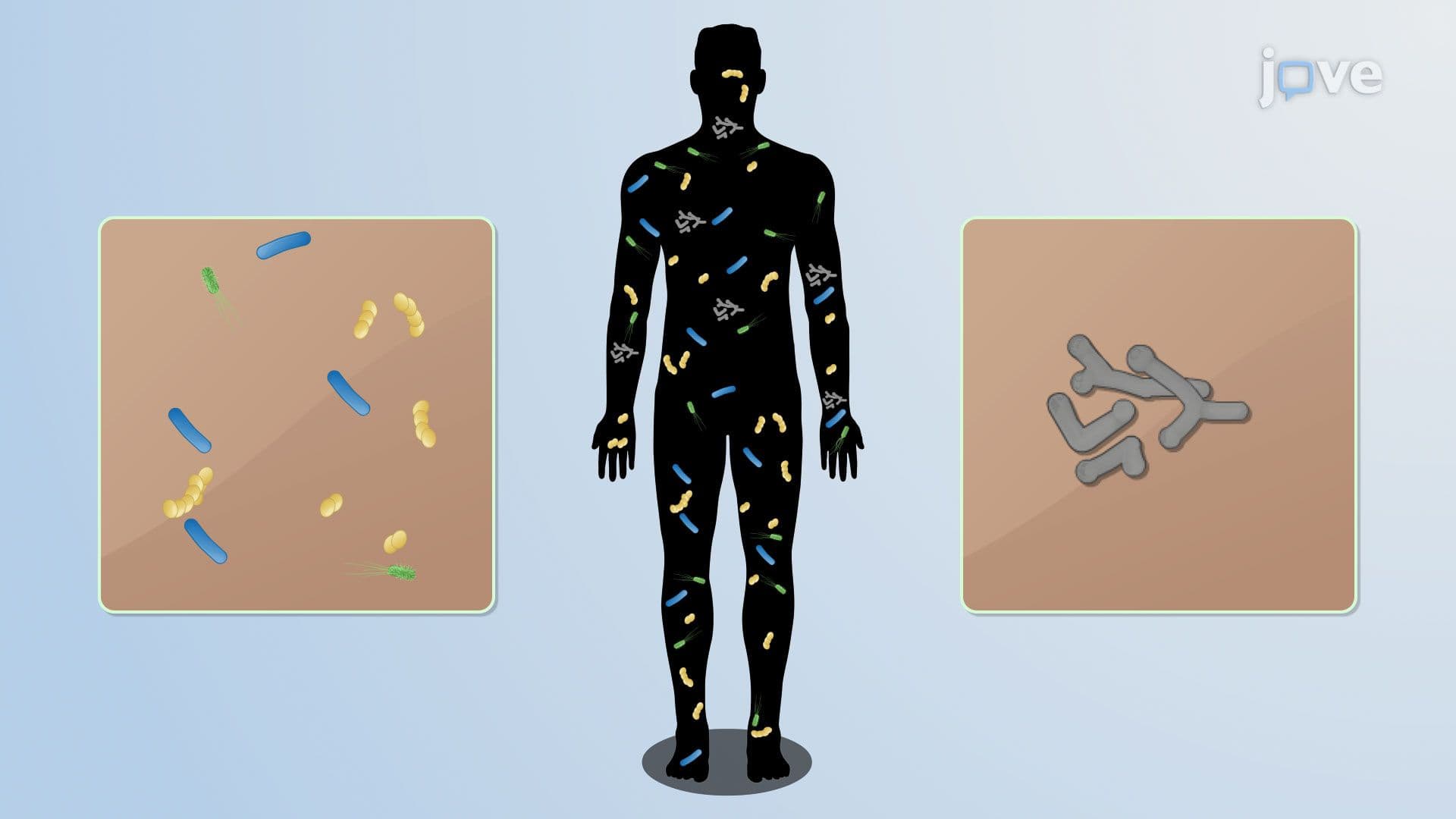
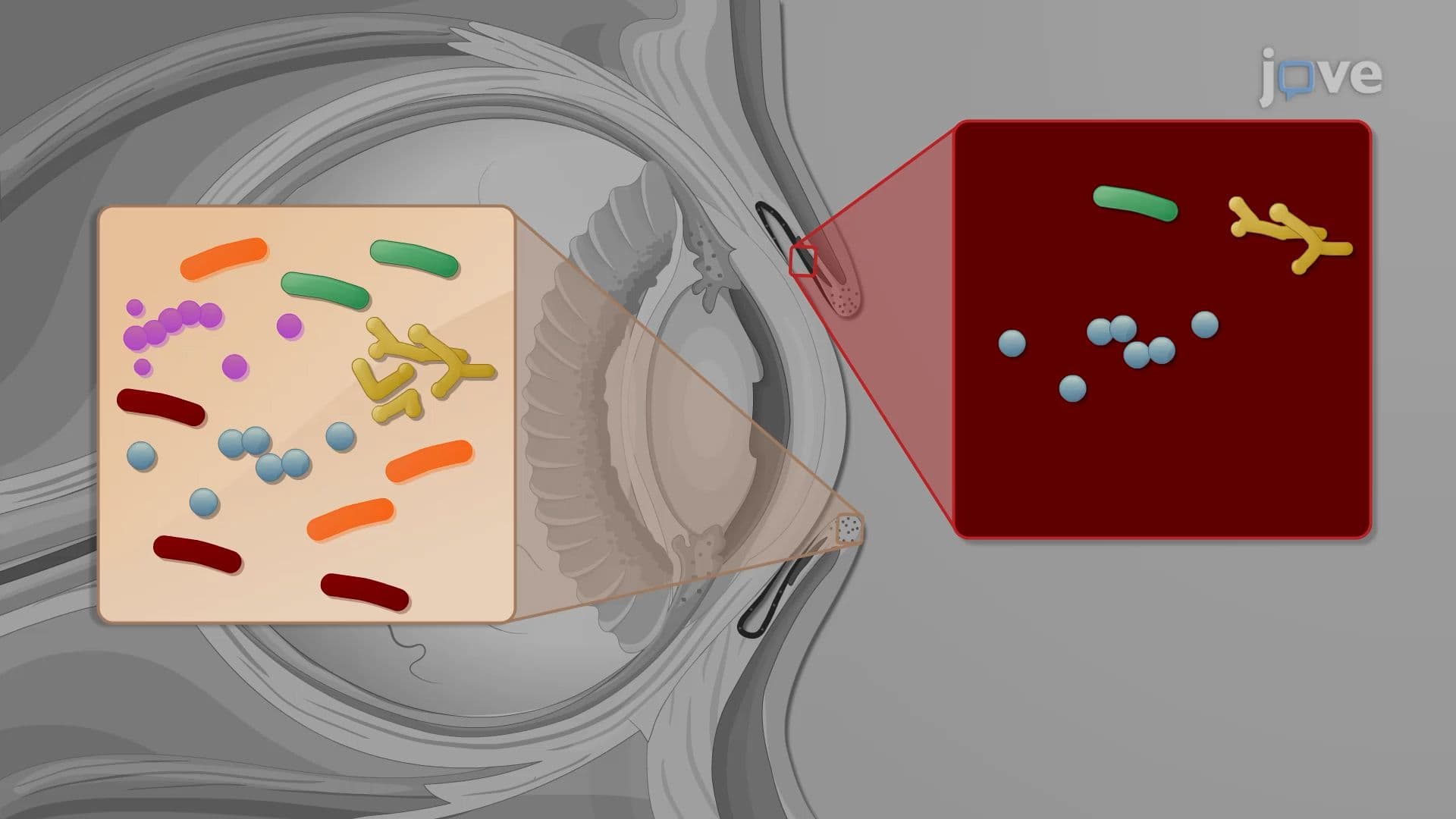
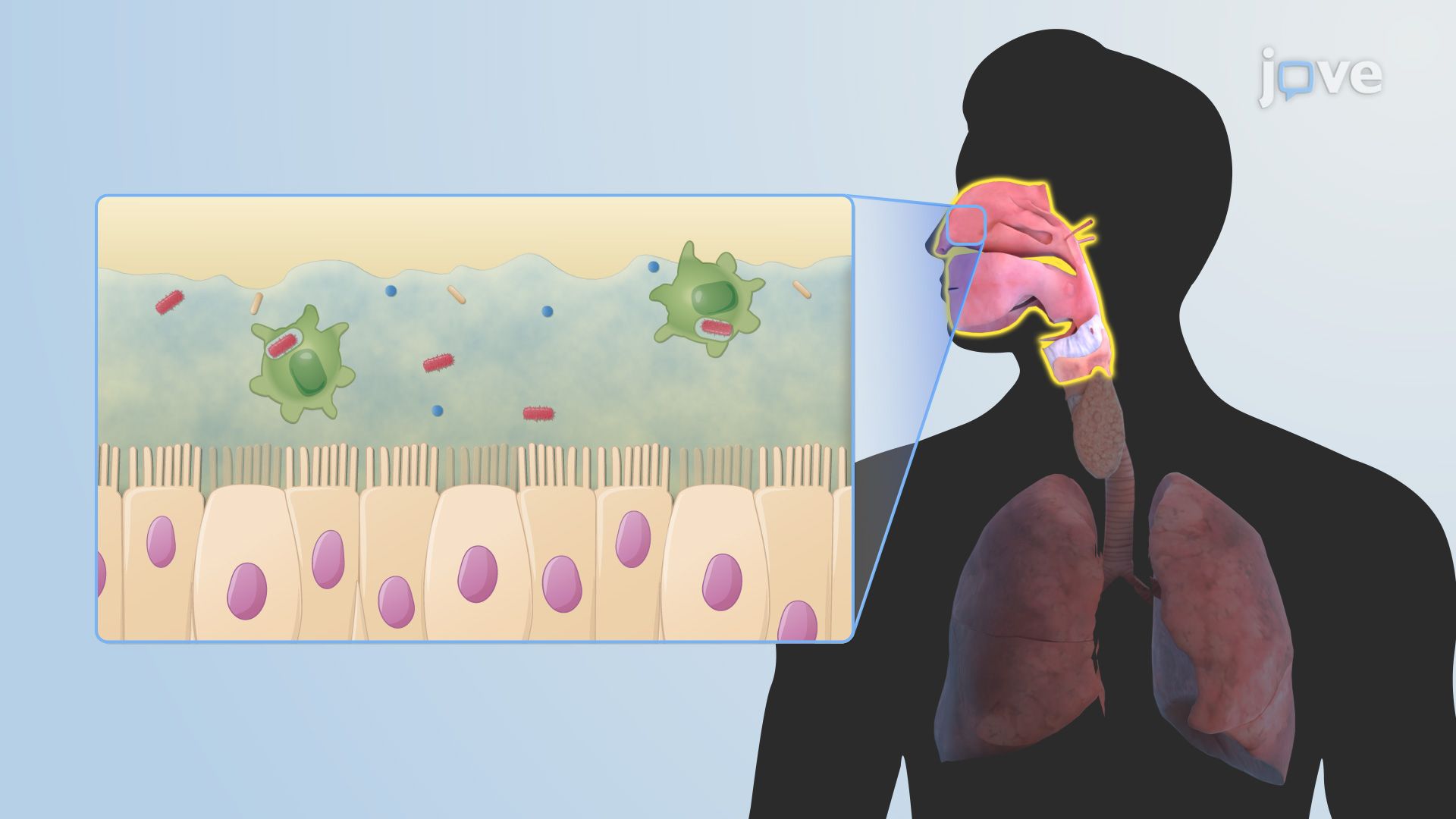
The anterior nares, essentially the nostrils, serve as the first biological checkpoint for inhaled air. Commensal species like *Staphylococcus epidermidis* and *Corynebacterium* dominate this region and engage in competitive exclusion, physically and chemically blocking potential pathogens from establishing a foothold. Moving deeper into the nasal cavity and oropharynx, microbial diversity increases significantly. Resident *Streptococcus* species produce bacteriocins, small antimicrobial peptides, that suppress the growth of harmful bacteria. This upper airway community acts as a biological gatekeeper, and disruption of it (dysbiosis) has been linked to increased susceptibility to strep throat and otitis media, conditions commonly seen in US pediatric clinics.
Not all respiratory tract residents remain harmless. Non-typeable *Haemophilus influenzae* (NTHi) is a prime example of an opportunistic pathogen, one that lives peacefully under normal conditions but turns aggressive when host immunity is compromised. NTHi adheres preferentially to non-ciliated epithelial cells and mucus layers, forming structured communities called biofilms. Biofilms are notoriously difficult to treat because they resist both antibiotics and immune cells. In the US, NTHi biofilms are a leading contributor to chronic otitis media in children and exacerbations in patients with chronic obstructive pulmonary disease (COPD). This pathogen-to-disease pathway is a high-yield concept for MCAT and USMLE Step 1 test takers.
For decades, the lower respiratory tract was considered sterile. Modern sequencing techniques have overturned that assumption. Genera like *Prevotella* and *Veillonella* are regularly detected in the bronchi and even the lungs of healthy individuals. These microbes arrive via microaspiration from the oropharynx and inhaled air. Because the lower airways generate reactive oxygen species (ROS) as metabolic byproducts, surviving bacteria must deploy detoxifying enzymes, such as catalase and superoxide dismutase, to protect their DNA and cellular structures. Research from institutions like the University of Michigan has shown that shifts in lower airway microbiota composition correlate with asthma severity and lung transplant outcomes, illustrating how the role of the microbiome in health and disease extends far beyond the gut.
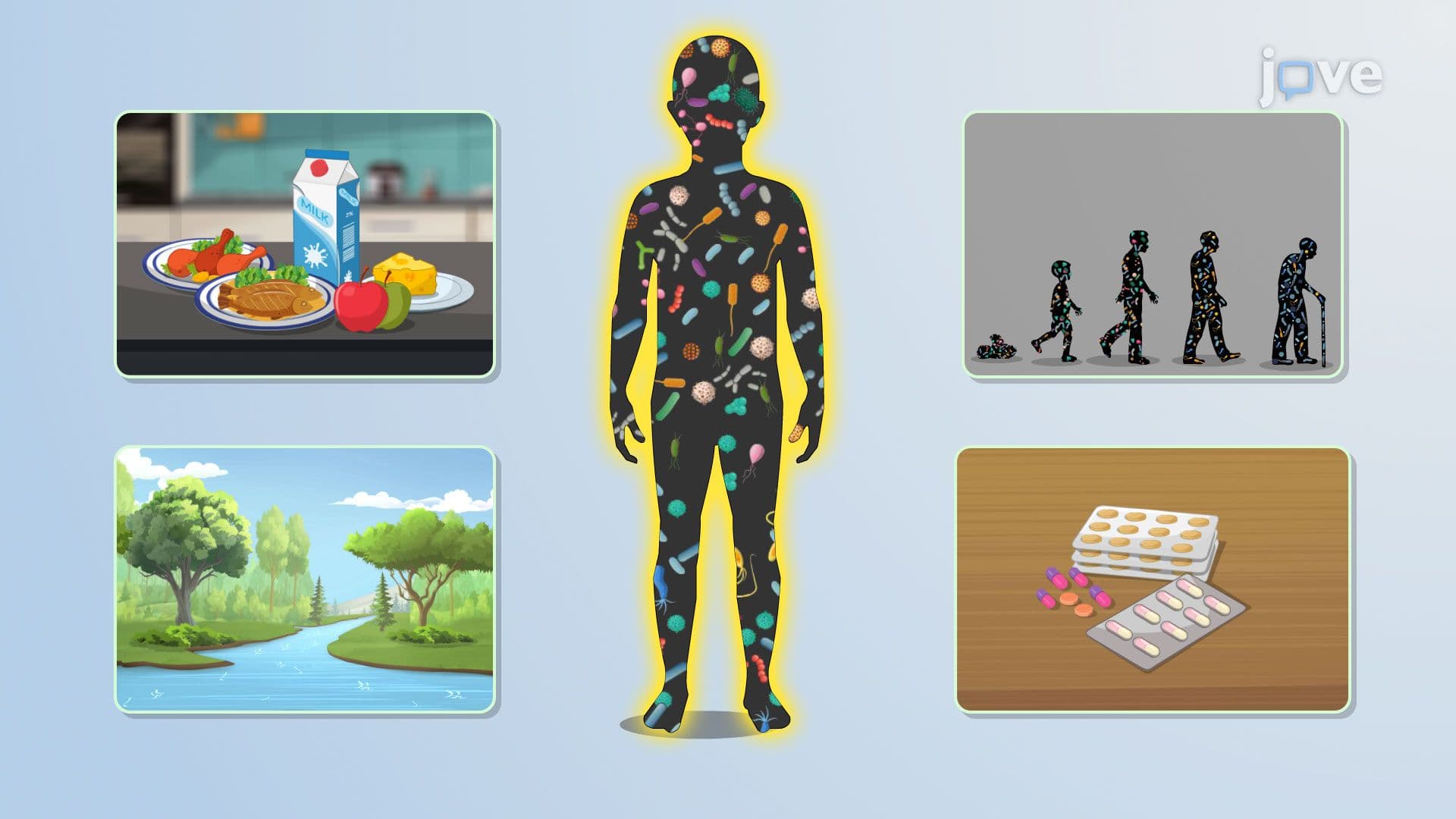
The respiratory microbiome does not operate in isolation. It interacts with systemic immunity, responds to diet and lifestyle factors, and influences how the body responds to viral infections, connecting to broader topics like the human virome composition and how does the microbiome affect immunity. Students studying for AP Biology, college midterms, or pre-health prerequisites will find that mastering respiratory microbiota basics unlocks deeper understanding of immune tolerance, chronic disease, and the therapeutic potential of probiotics and prebiotics in respiratory health research.
Related Micro-courses