Loading video…

 16 Concepts
 5K views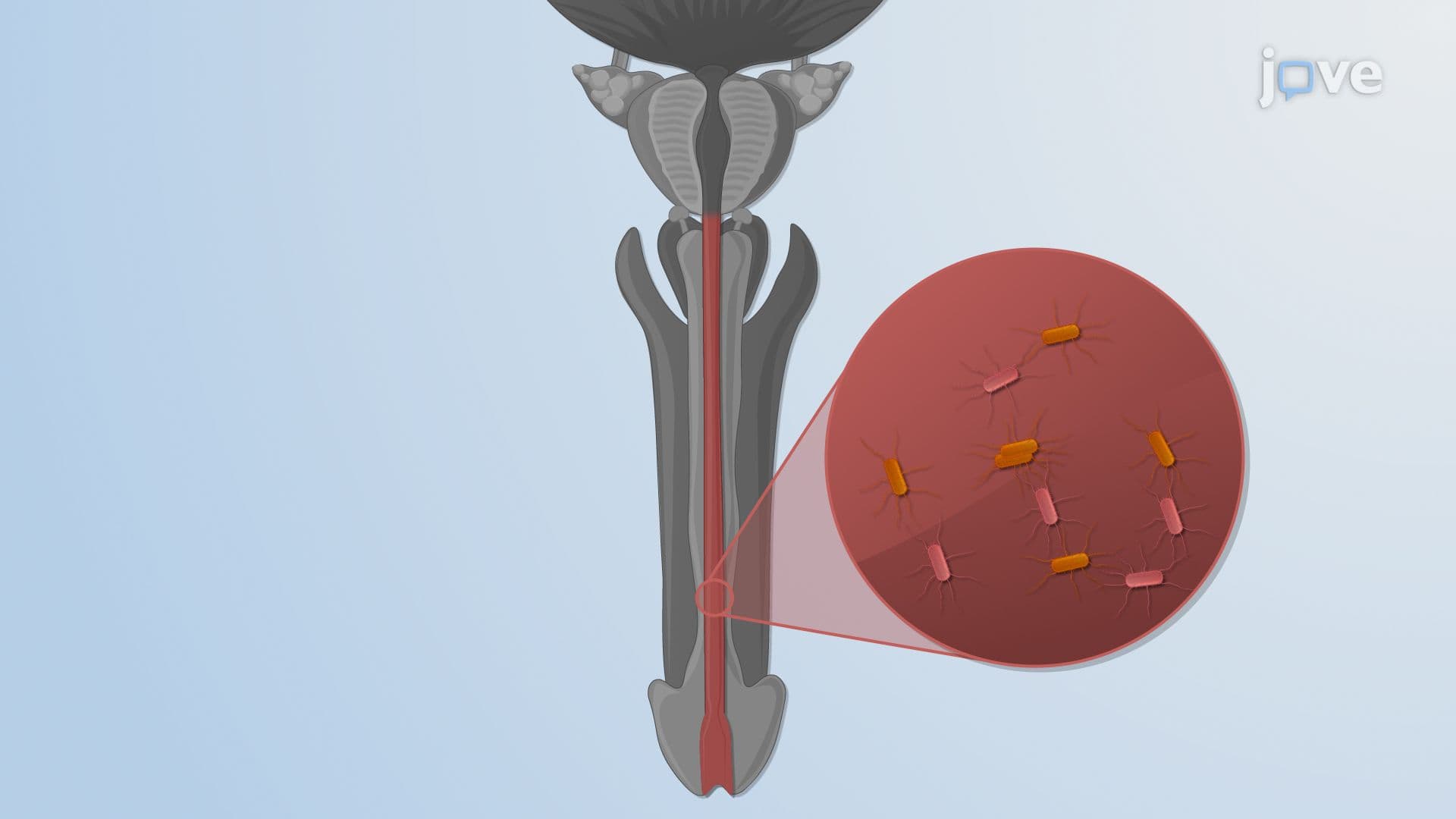

Video Summary: Microbiota of the Urogenital Tract Explained
Did you know your bladder isn't sterile, it actually hosts living microbial communities? Understanding the microbiota of the urogenital tract reveals how bacteria maintain health or trigger infections depending on their environment. For example, US urologists commonly link *Proteus mirabilis* overgrowth to kidney stone formation in patients. This concept, known as Microbiota of the Urogenital Tract Explained, connects directly to immunity, infection, and women's health. Watch the full video on JoVE Coach to master this concept with expert-led visuals and step-by-step explanations.
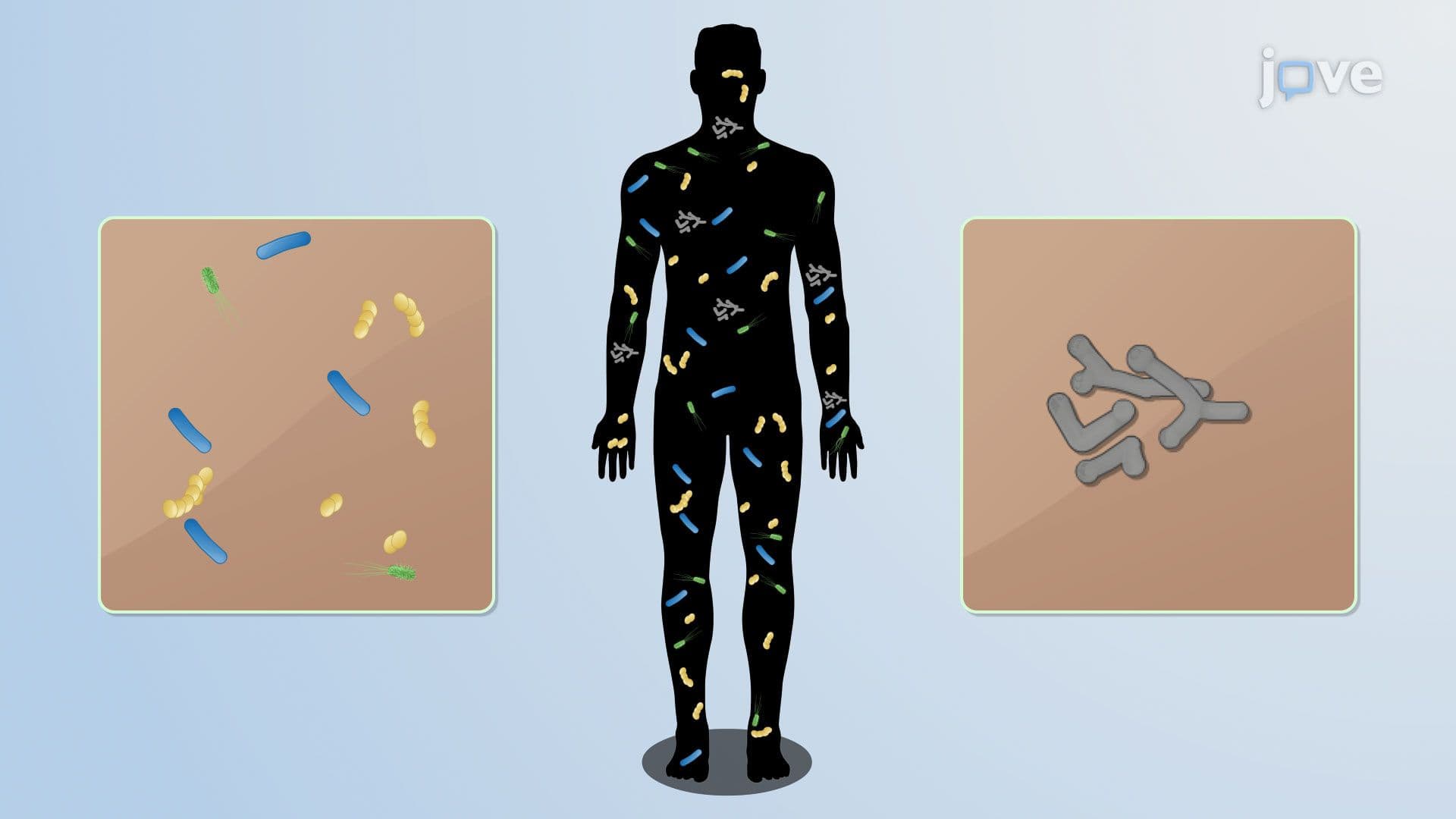
The Microbiota of the Urogenital Tract refers to the diverse communities of microorganisms, bacteria, fungi, and other microbes, that naturally inhabit the urinary and reproductive organs. Far from being contaminants, these organisms play active roles in preventing infection, regulating immune responses, and maintaining tissue health. For students in AP Biology, college Microbiology, or anyone preparing for the MCAT or USMLE, understanding this system is essential because it bridges core concepts in microbiology, immunology, and human physiology.
For decades, medical textbooks taught that healthy urine and bladders were sterile. Modern sequencing technologies have overturned that assumption. The bladder harbors low-biomass microbial communities, meaning the bacterial populations are small but functionally significant. Facultative anaerobes, organisms that can survive with or without oxygen, such as *Escherichia coli* and *Proteus mirabilis* are commonly detected here.
*Proteus mirabilis* is clinically notable because it produces urease, an enzyme that hydrolyzes urea into ammonia. This raises urine pH, creating an alkaline environment that promotes the crystallization of magnesium ammonium phosphate, leading to struvite kidney stones. In US hospital settings, *Proteus mirabilis* is a leading cause of catheter-associated urinary tract infections (CAUTIs), making it a high-yield topic on nursing exams like the NCLEX and HESI A2.
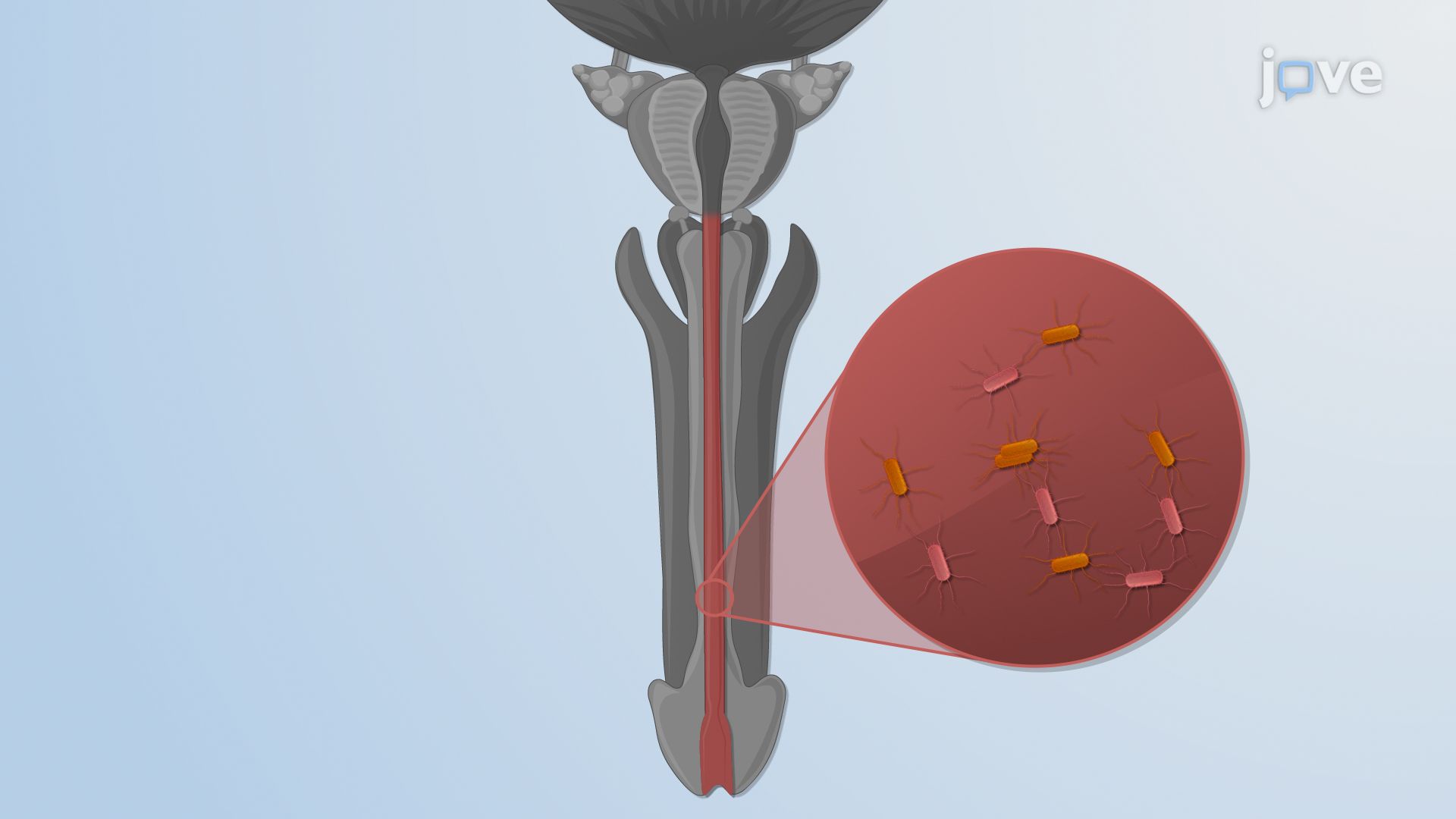
The penile surface, particularly the prepuce and distal urethra, hosts a distinct microbial community. Genera such as *Corynebacterium* and *Staphylococcus* are characteristic residents. These organisms are part of the normal flora, microbes that coexist with the host without causing harm under typical conditions. Their presence helps competitively exclude more dangerous pathogens by occupying surface receptors and consuming available nutrients.
When the balance of normal flora is disrupted, a state called dysbiosis, the risk of sexually transmitted infections and inflammatory conditions can increase. Research from institutions like the University of California, San Francisco has investigated how penile microbiota composition correlates with HIV susceptibility, highlighting how the role of microbiome in health and disease extends into sexual health and epidemiology.
The vaginal microbiota is one of the most studied and clinically relevant microbial ecosystems in the human body. Before puberty, low estrogen means low glycogen availability in vaginal epithelial cells, and a near-neutral pH favors colonization by *Staphylococci*, *Streptococci*, and *Corynebacteria*.
During reproductive years, rising estrogen levels increase glycogen deposition in vaginal epithelial cells. *Lactobacillus* species, particularly *L. crispatus* and *L. iners*, ferment this glycogen into lactic acid, driving vaginal pH down to approximately 3.8-4.5. This mildly acidic environment is powerfully protective. It inhibits opportunistic pathogens including *Candida* species (the cause of yeast infections) and pathogenic *E. coli*.
This is a prime example of how the role of microbiome in health and disease operates: a single dominant genus shapes the entire chemical environment of a body cavity. Disruption through antibiotics, hormonal changes, or unprotected intercourse can trigger bacterial vaginosis (BV), the most common vaginal condition in US women of reproductive age, affecting approximately 21 million women annually according to the CDC. This real-world relevance makes vaginal microbiota a frequent topic on AP Biology free-response questions, college Microbiology midterms, and the MCAT's Biological and Biochemical Foundations section.
Related Micro-courses