Loading subject page…

4,974 views

Video Summary: What Is the Oral Microbiota
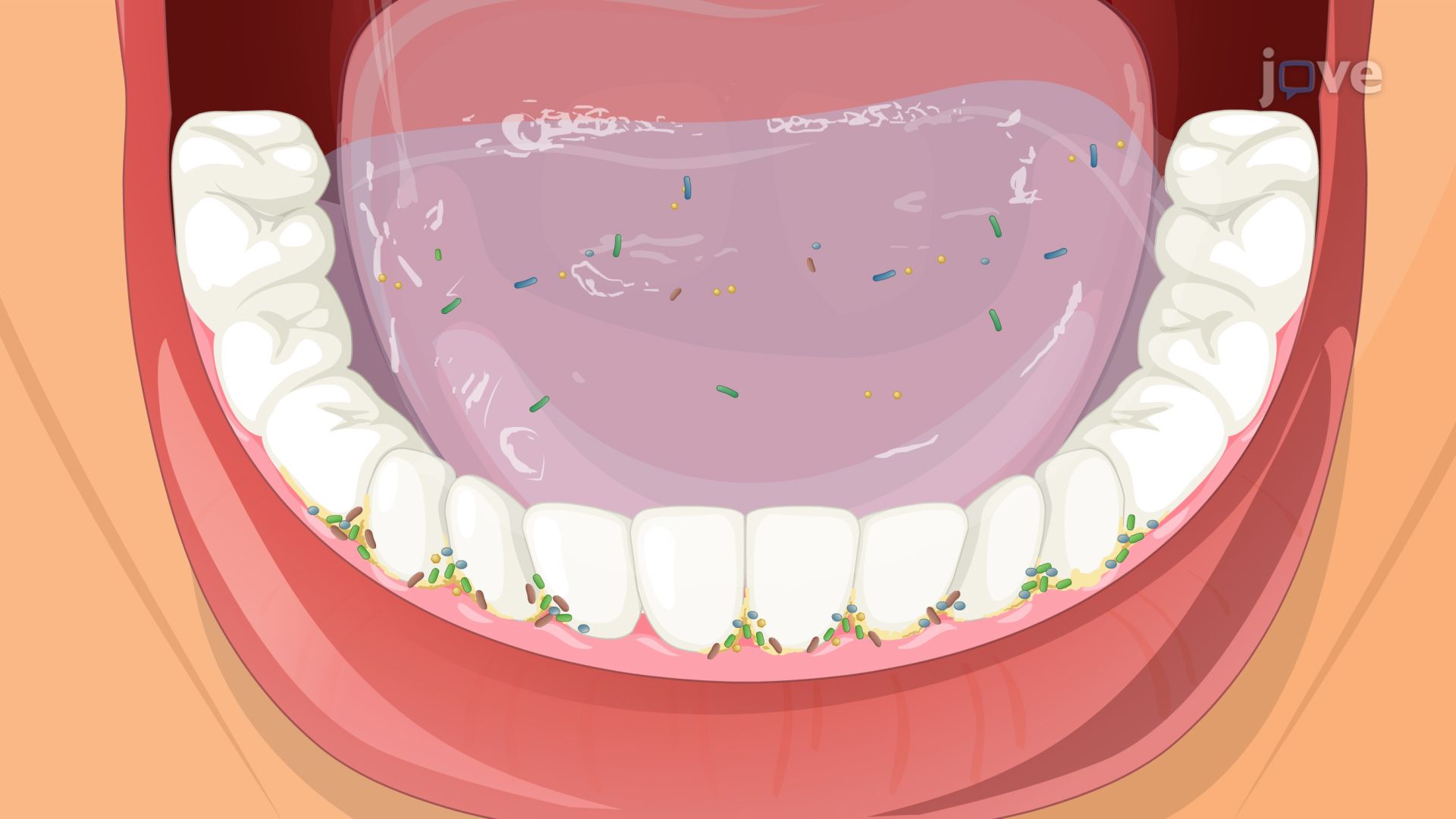
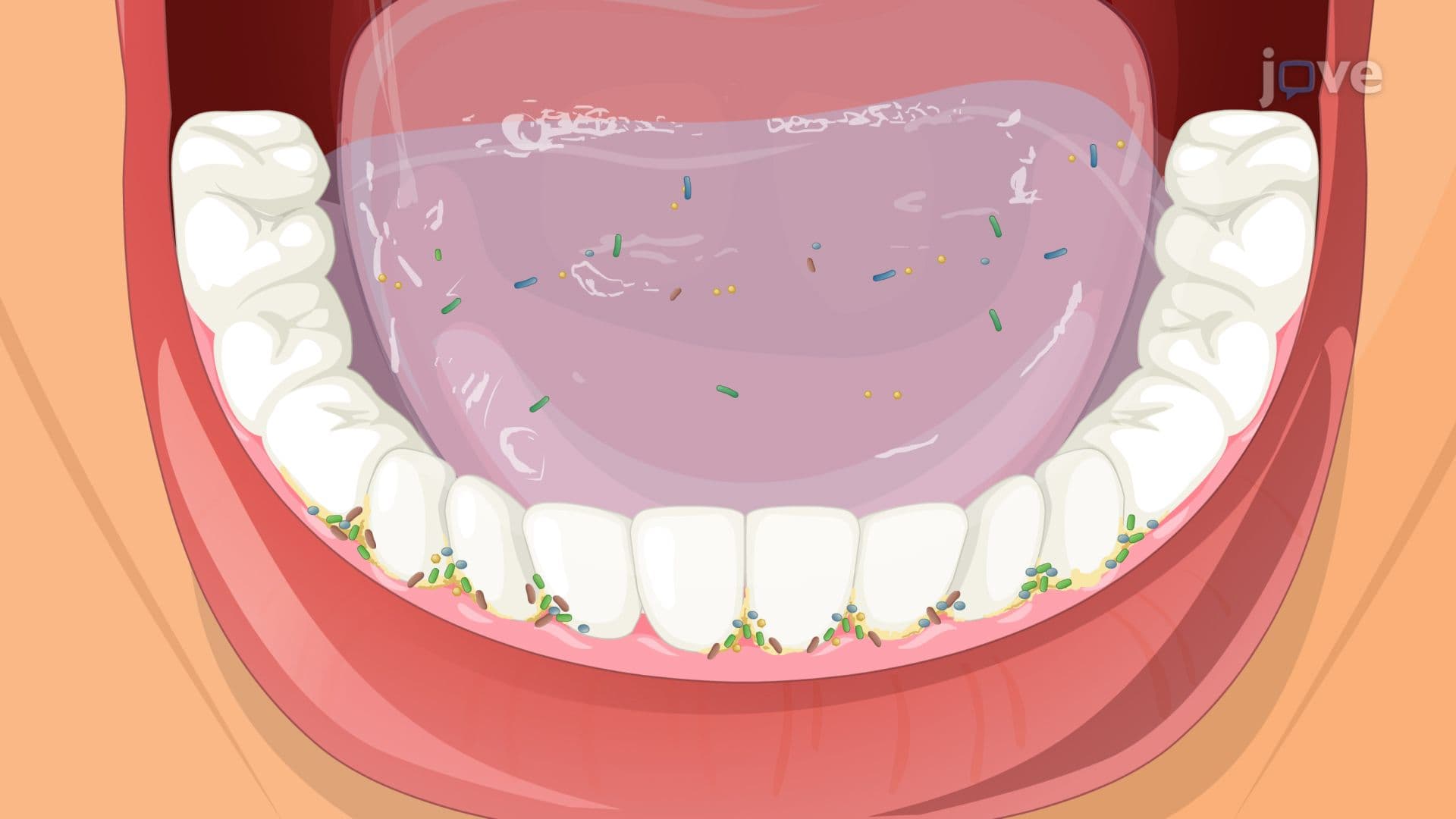
Your mouth is home to over 700 microbial species, making it one of the most complex ecosystems in the human body. The oral microbiota, the diverse community of bacteria, fungi, and other microbes living in your mouth, maintains a delicate balance that protects your teeth and gums. American dental researchers use this knowledge to develop better treatments for cavities and gum disease. Watch the full video on JoVE Coach to master this concept with expert-led visuals and step-by-step explanations.
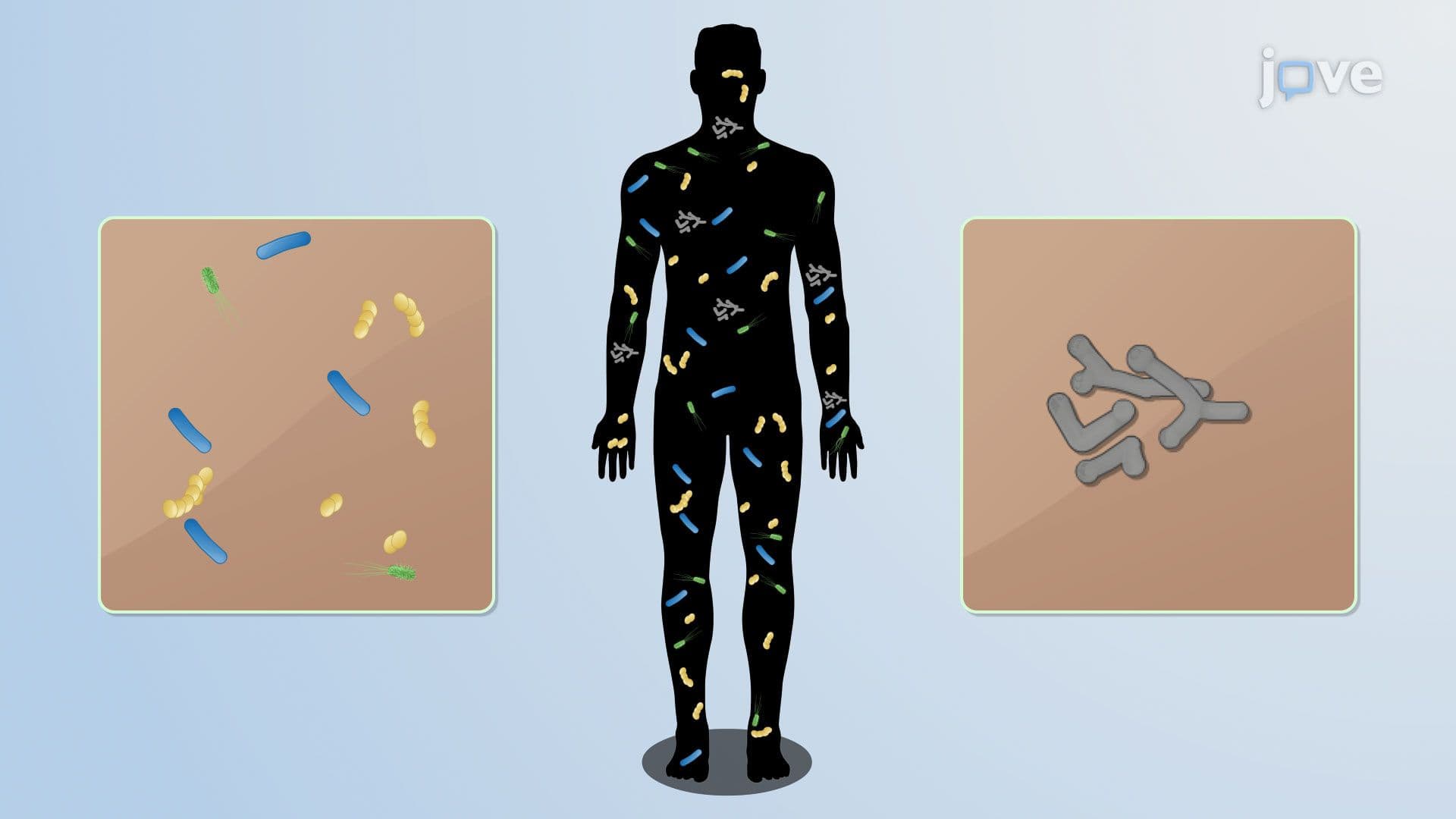
The oral microbiota refers to the entire community of microorganisms, bacteria, fungi, viruses, and archaea, that colonize the human mouth. Far from being a random collection of germs, this community is highly organized, with specific species occupying specific locations based on environmental conditions. Scientists at institutions like the Forsyth Institute in Boston have catalogued these communities through the Human Oral Microbiome Database (HOMD), identifying more than 700 species using both culture-based and genomic sequencing methods. Understanding this community is fundamental in microbiology, pre-health coursework, and AP Biology.
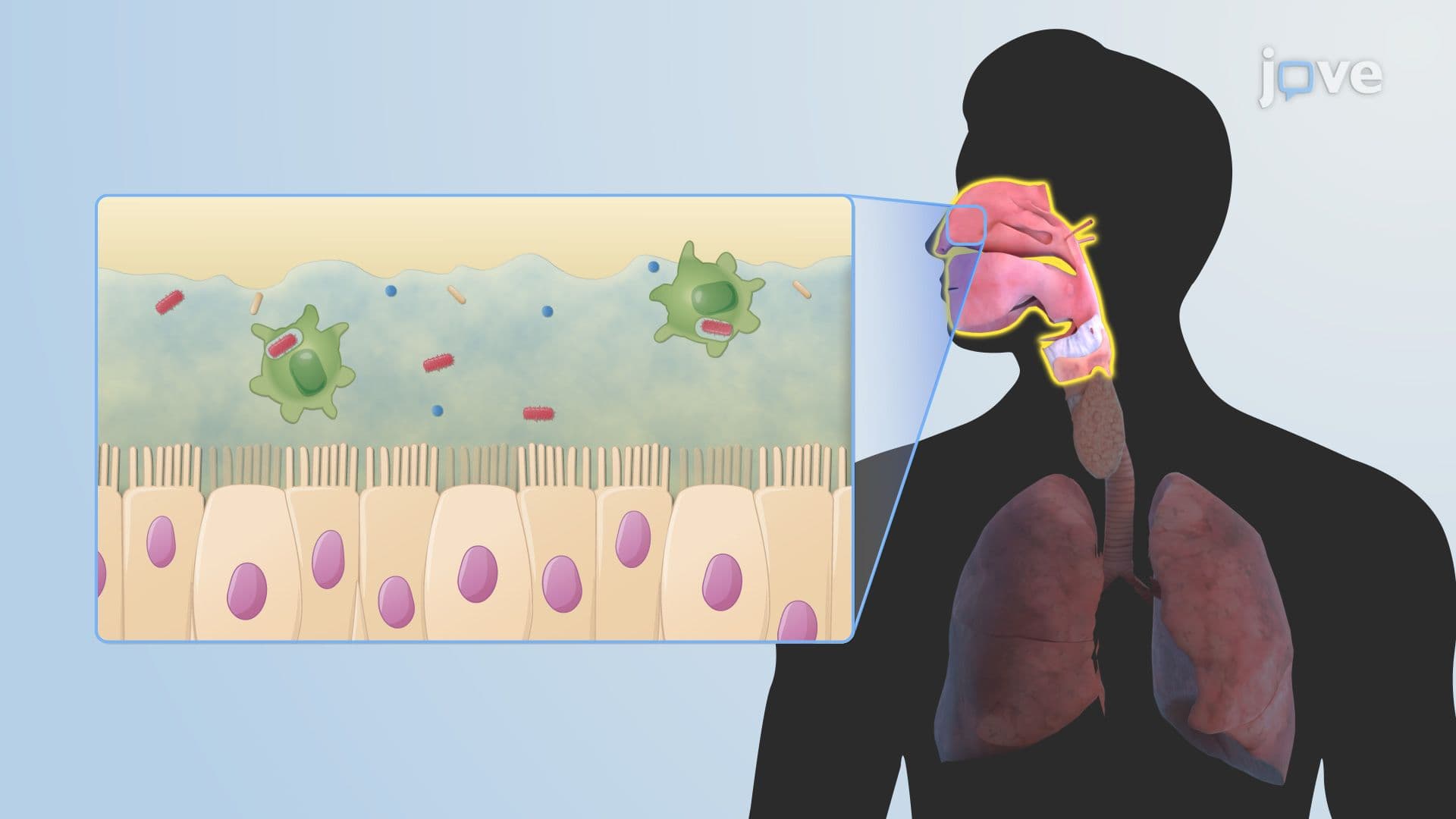
Not every microbe survives everywhere in the mouth. Oxygen concentration, pH, moisture, and nutrient availability create distinct microenvironments, called niches, across oral surfaces.
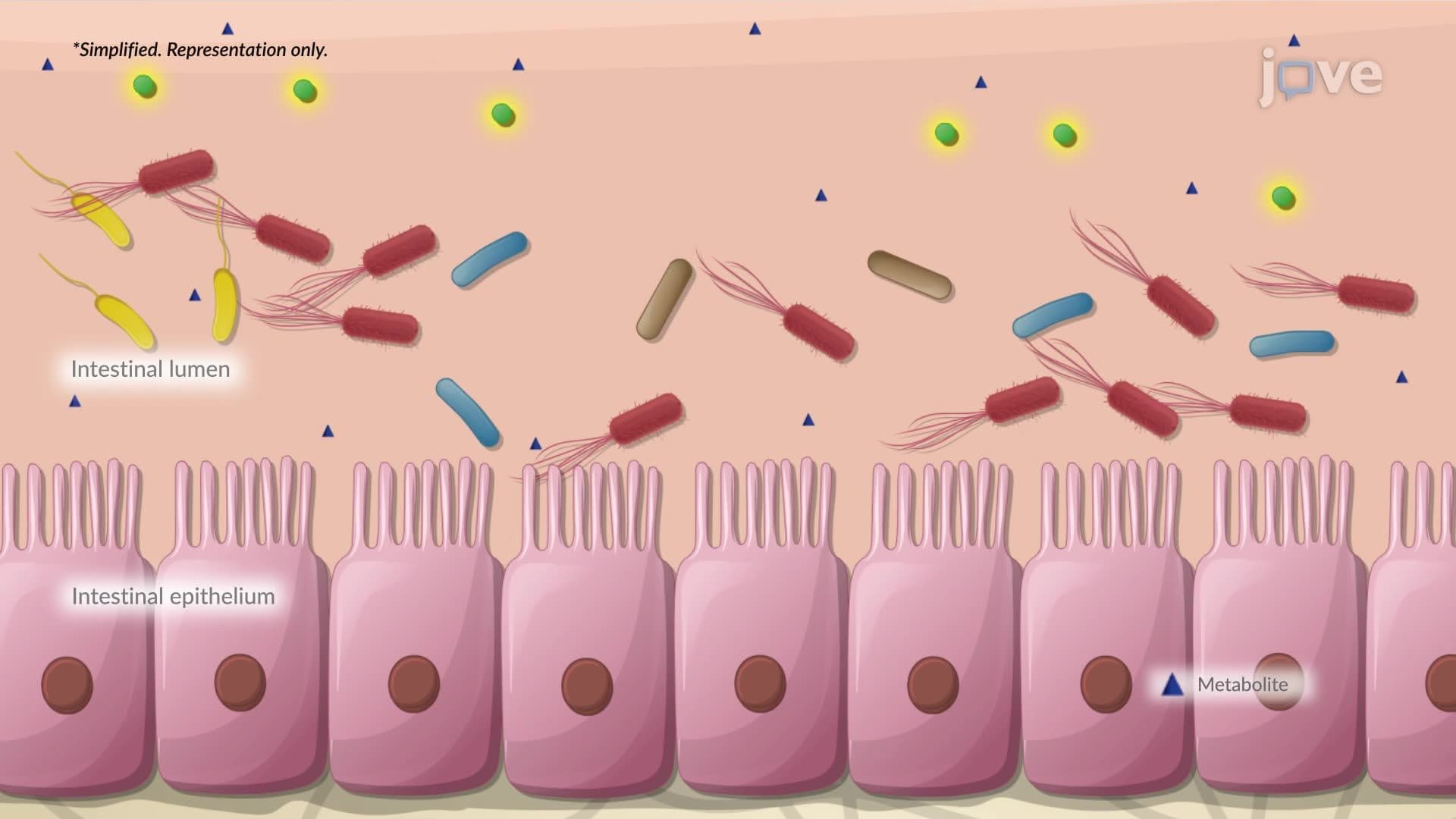
In a healthy state, the oral microbiota functions as normal flora, a balanced community that benefits the host. One of its most critical roles is colonization resistance: by occupying available space and consuming available nutrients, resident microbes block incoming pathogens from establishing themselves. This is a core concept in microbiology courses and appears on exams like the MCAT and USMLE Step 1.
When this balance is disrupted, through poor diet, antibiotic use, or smoking, dysbiosis occurs. Dysbiotic oral communities are linked not only to cavities and gum disease but increasingly to systemic conditions. Research from US institutions has associated periodontal disease with cardiovascular disease and diabetes, making the oral microbiota a topic of genuine clinical relevance.
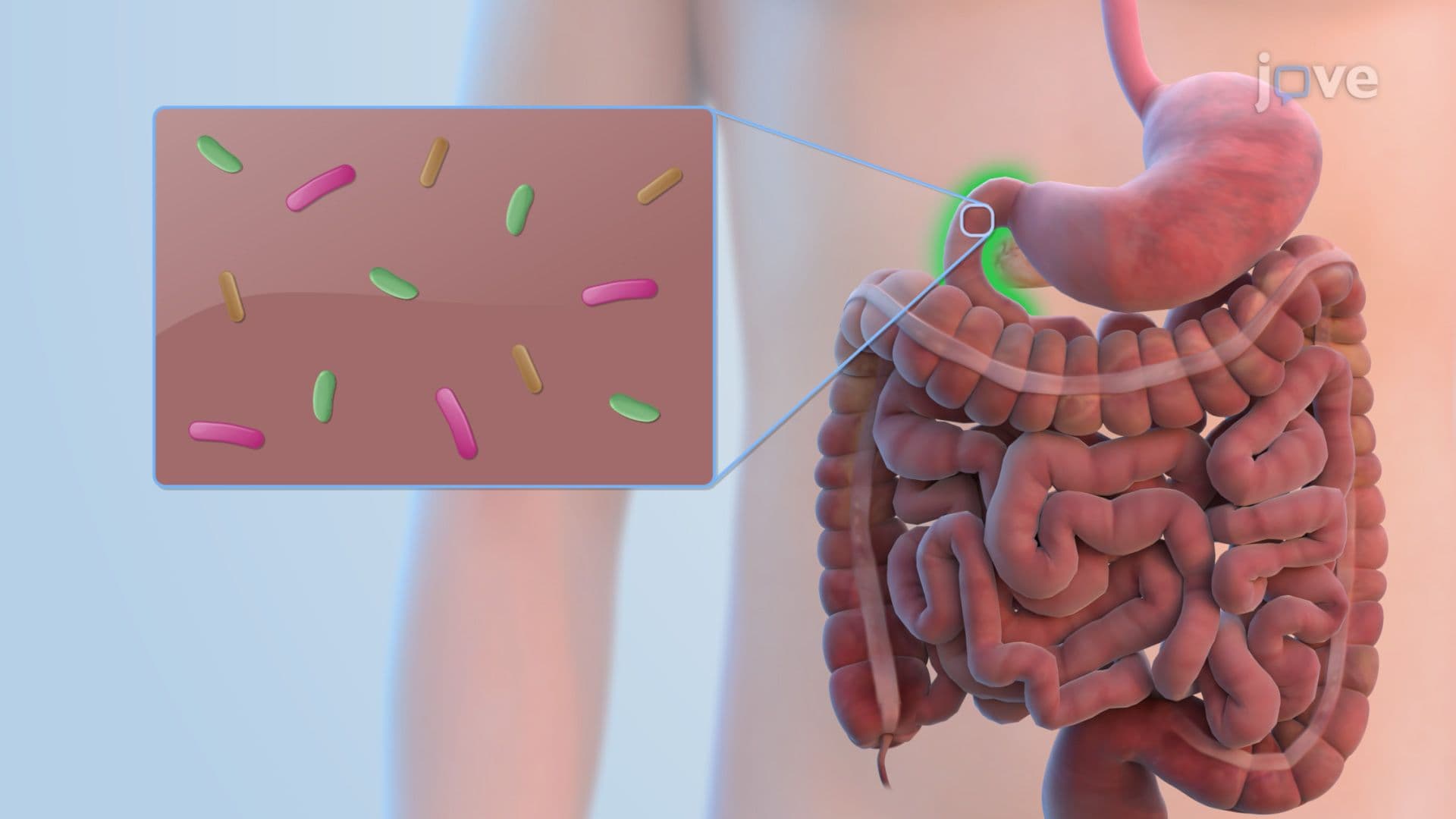
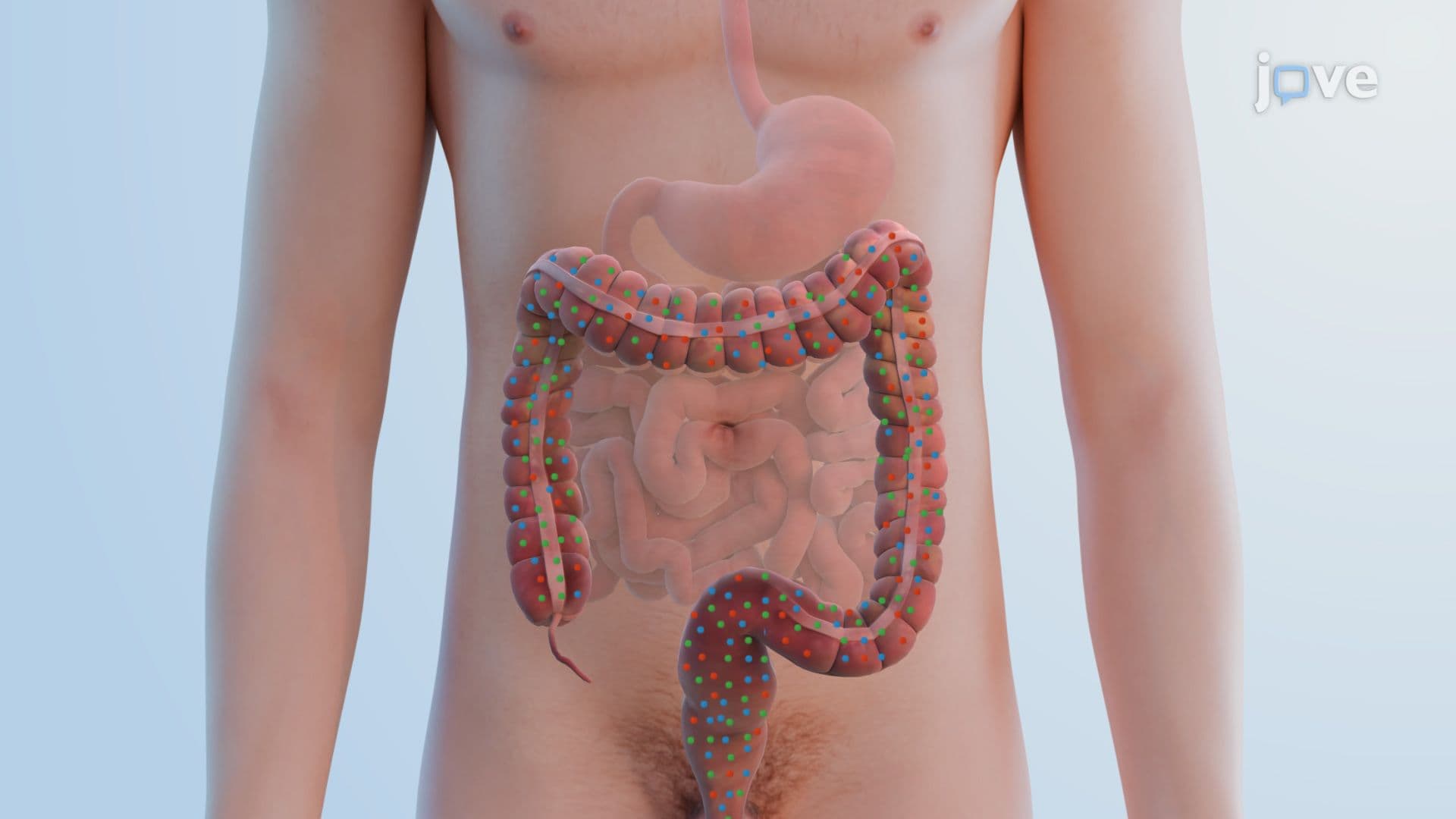
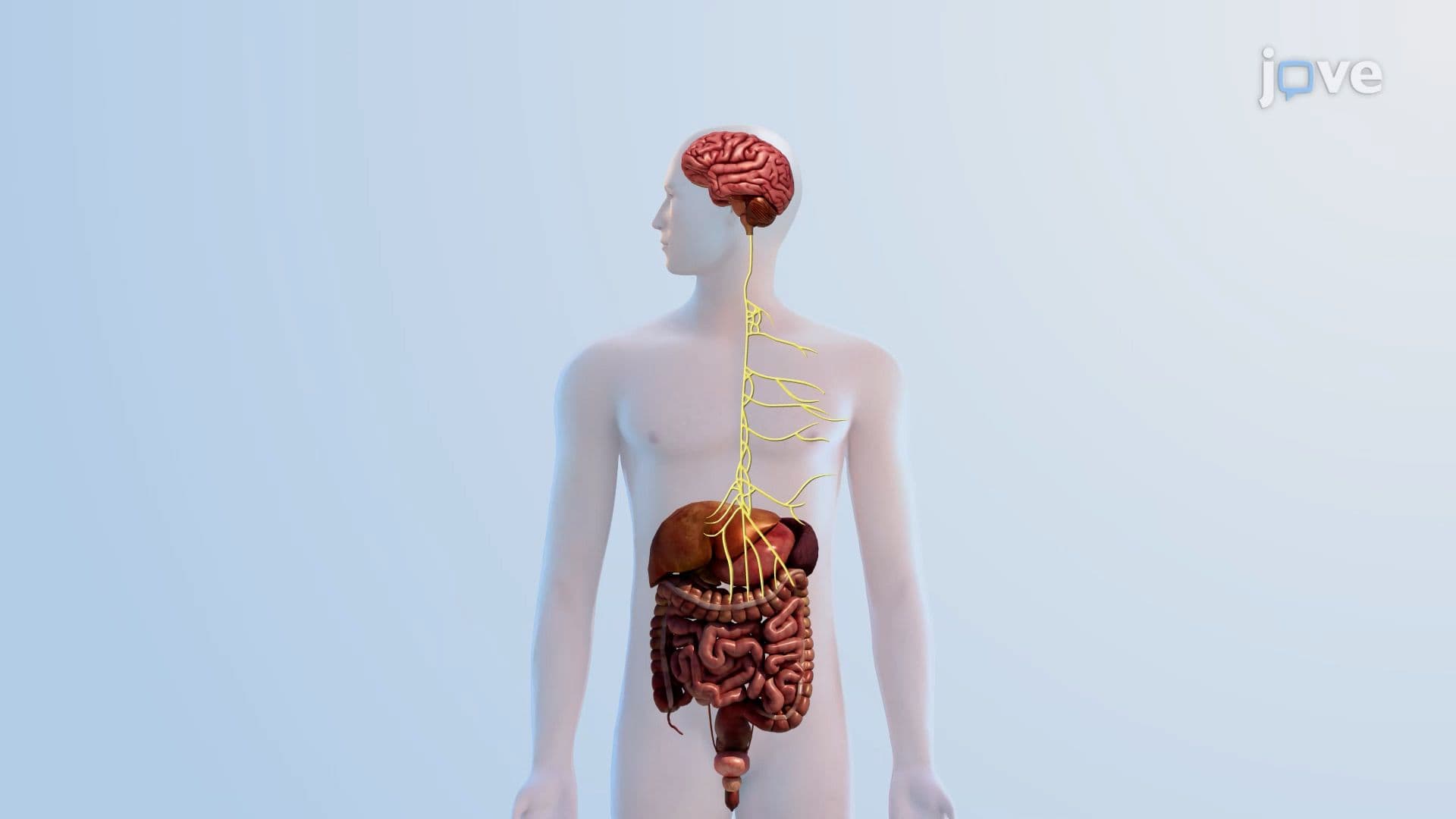
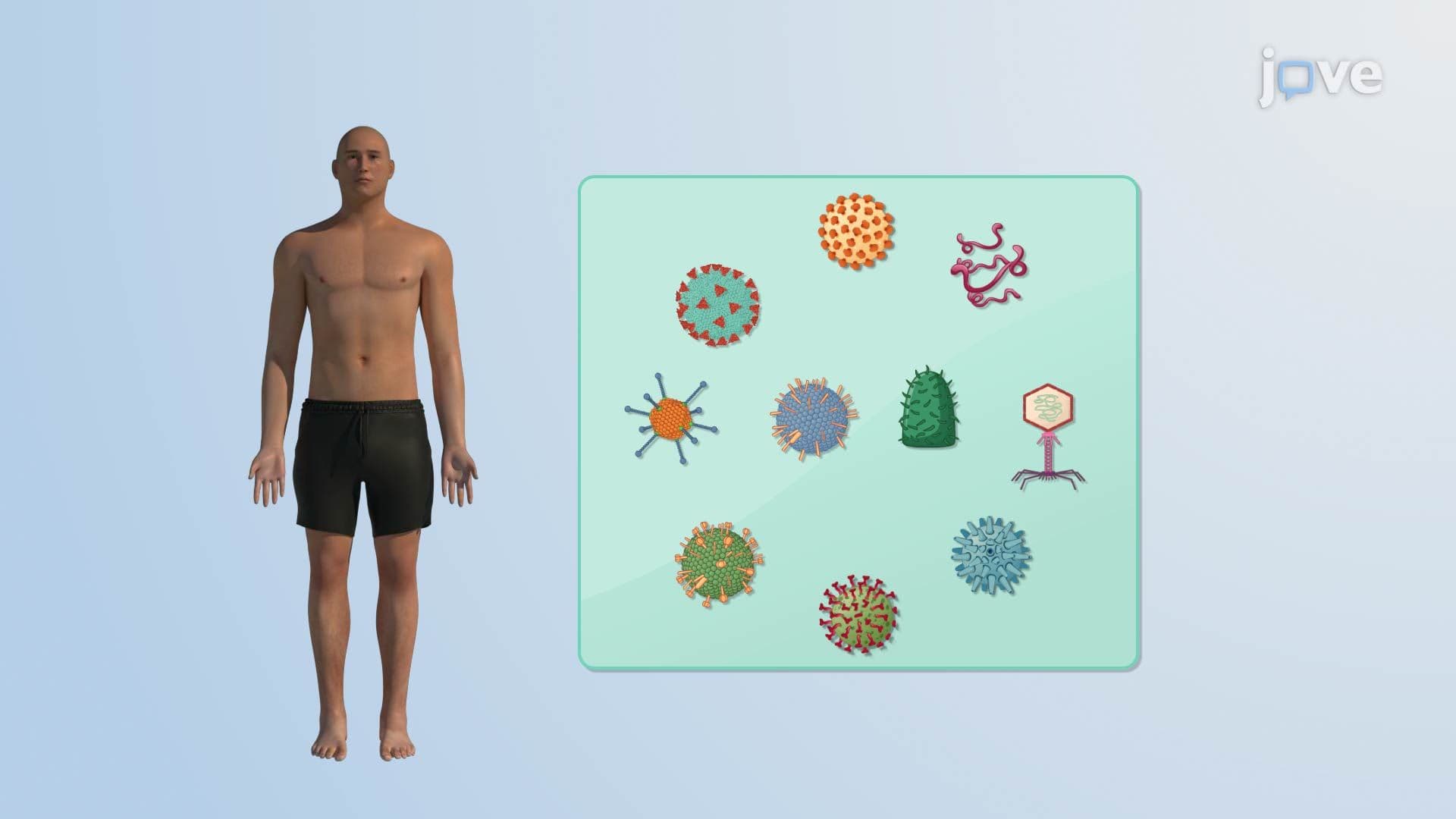
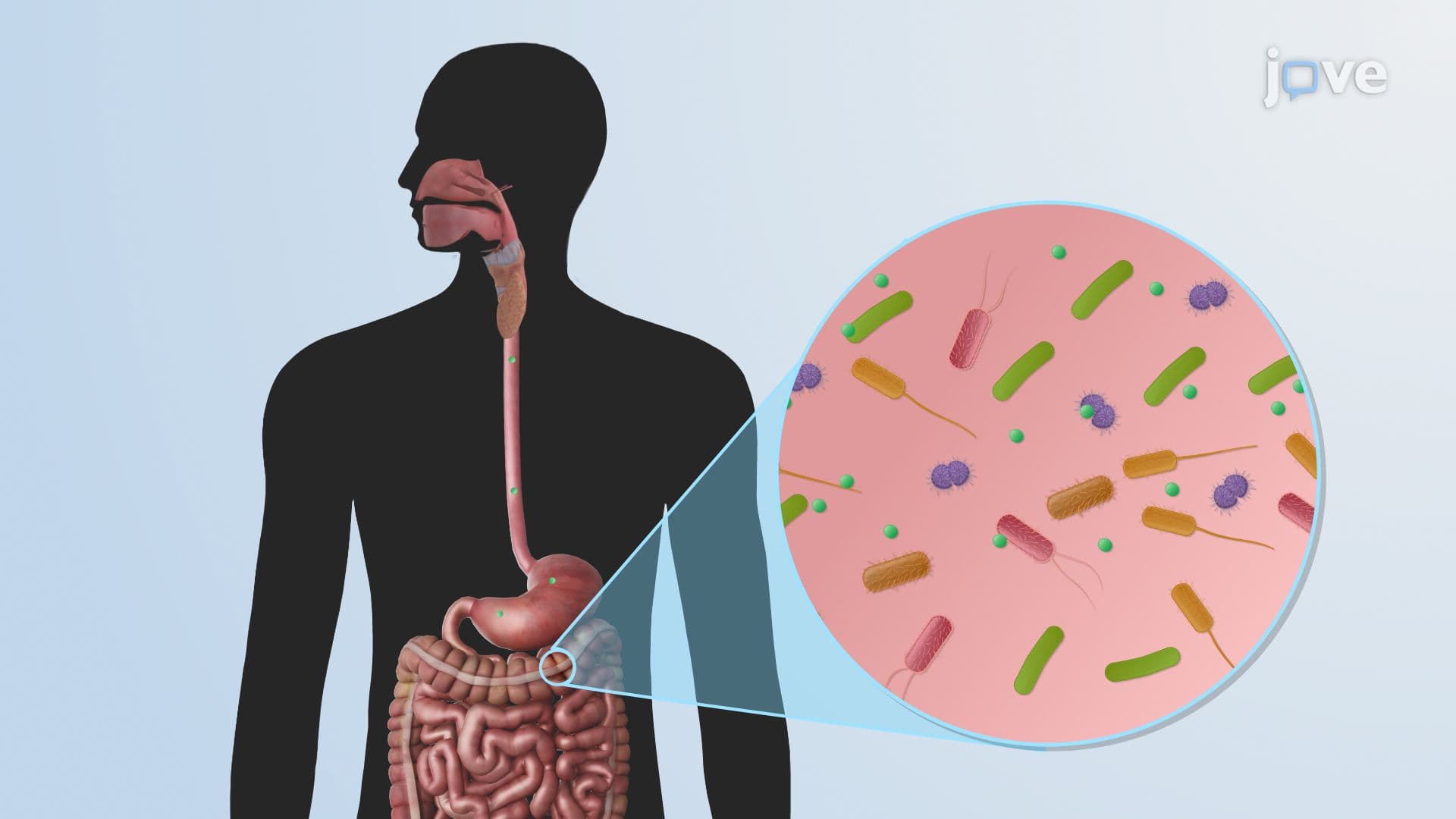
The oral microbiota does not function in isolation. Microbes from the mouth can travel to the gut through swallowing, influencing the gut microbiome and potentially the gut-brain axis. Emerging research explores how probiotics and prebiotics might help restore microbial balance after dysbiosis. The study of the human virome, the viral component of the microbiome, also extends into the oral cavity, where bacteriophages may regulate bacterial populations. These connections make the oral microbiota a gateway concept for understanding the role of the microbiome in health and disease more broadly, topics that appear consistently in college biology, anatomy, and physiology courses across the US.
Related Micro-courses