Loading video…

 16 Concepts
 5K views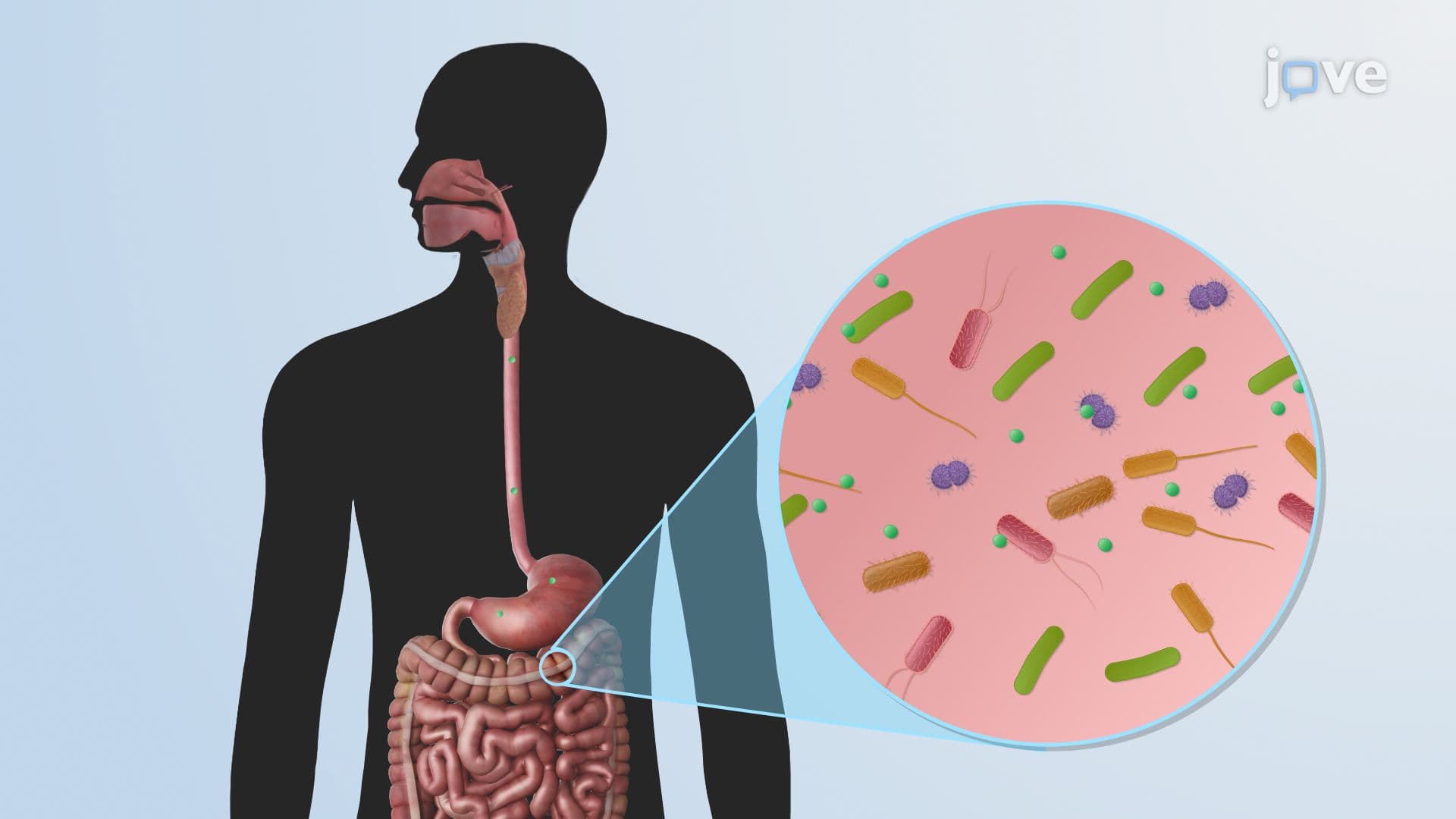

Video Summary: What Is Microbiota Modulation by Antibiotics
Did you know a single course of antibiotics can wipe out hundreds of beneficial gut bacterial species? Microbiota modulation by antibiotics describes how these medications reshape the gut's microbial community, often triggering dysbiosis that disrupts digestion and immunity. In the US, millions of antibiotic prescriptions annually make this a pressing public health concern. Watch the full video on JoVE Coach to master this concept with expert-led visuals and step-by-step explanations.
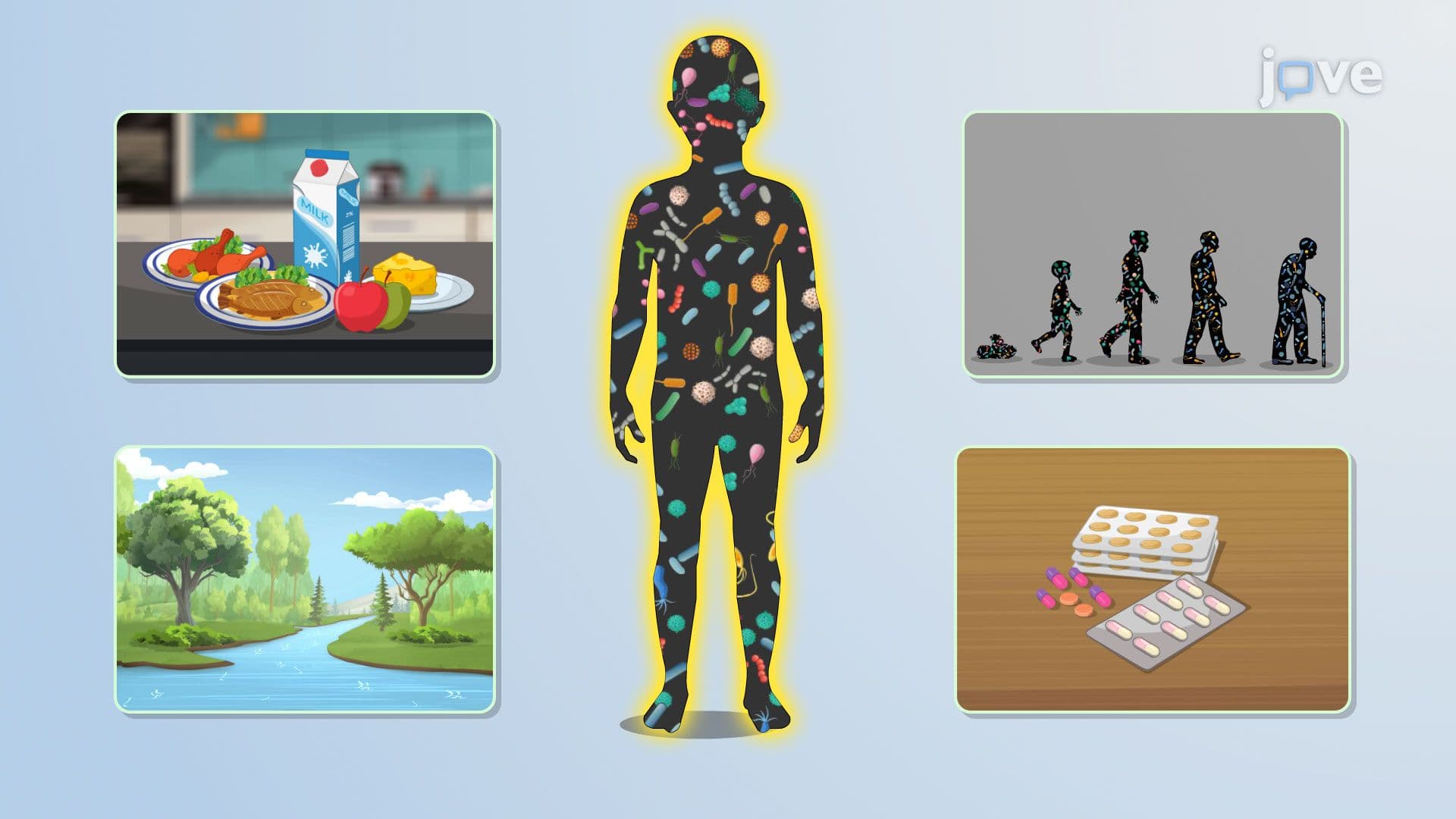
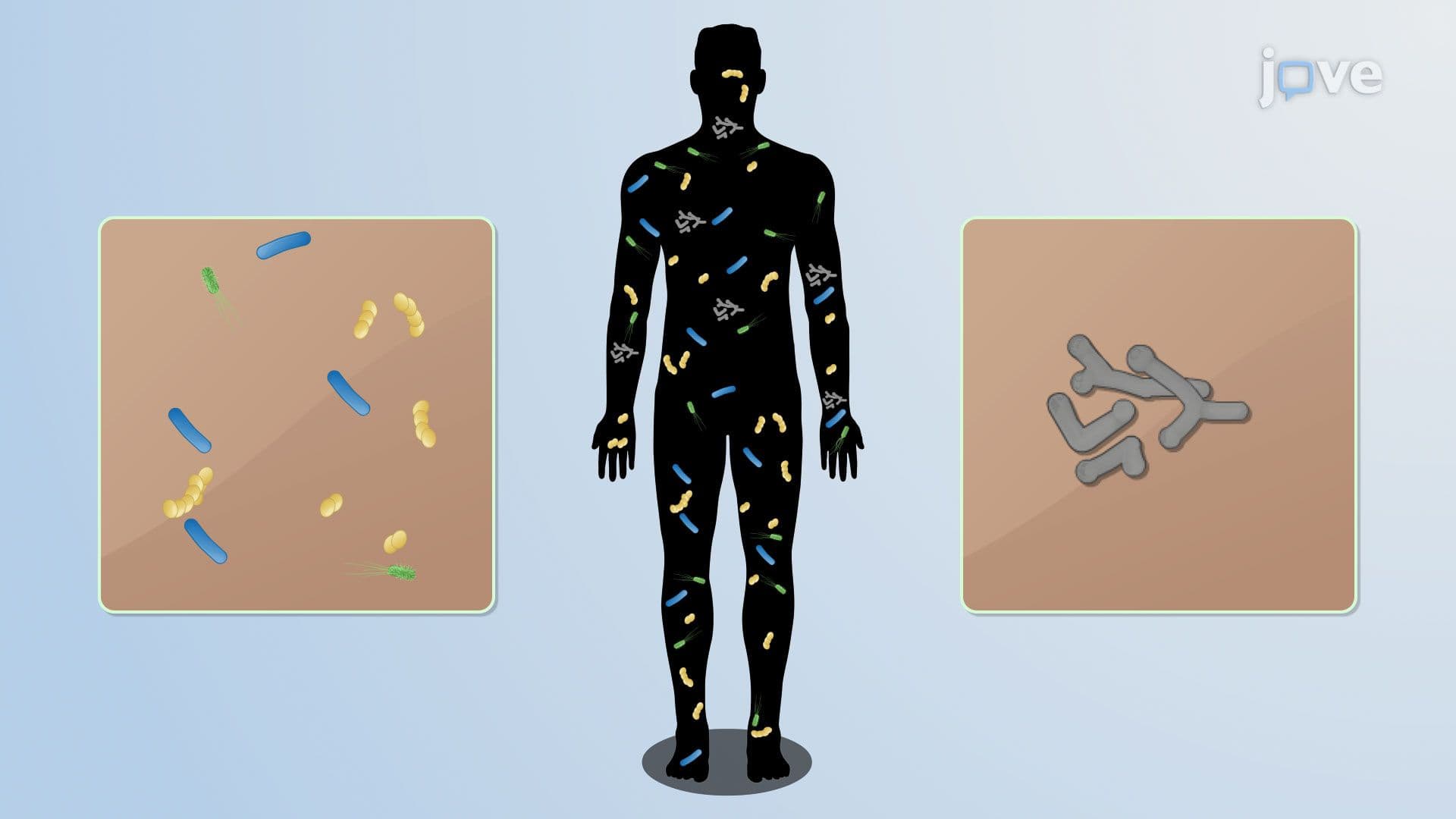
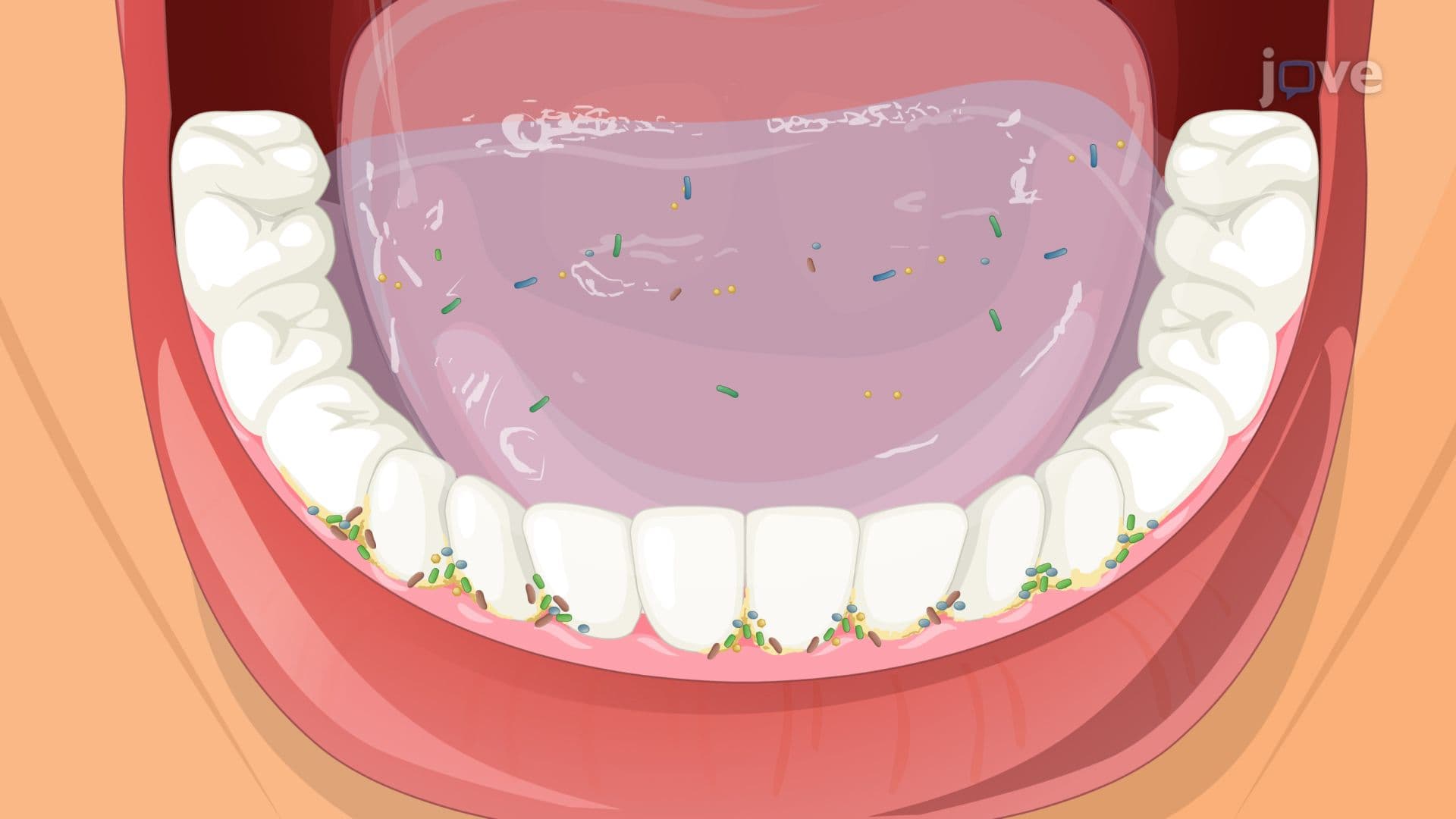
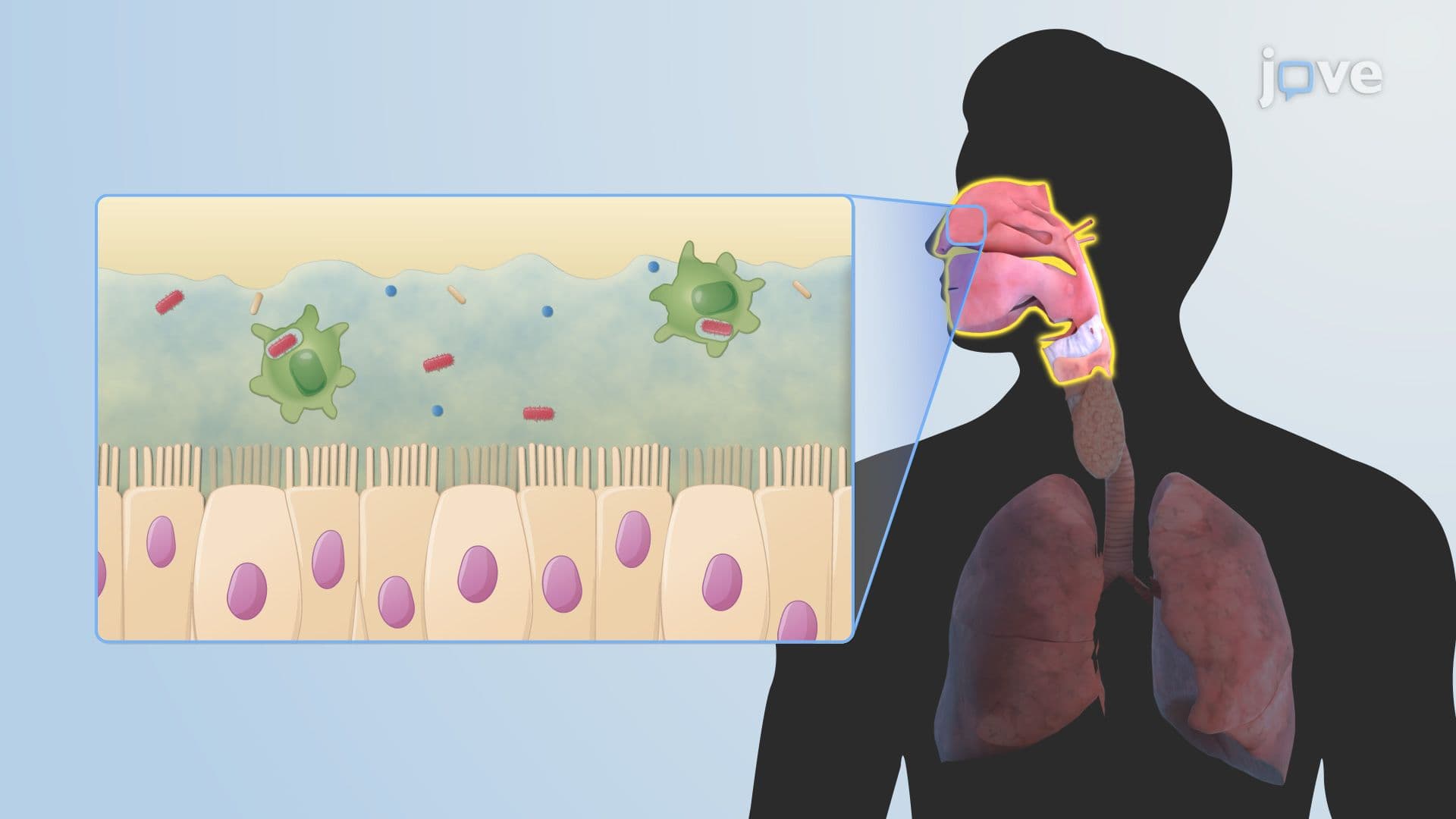
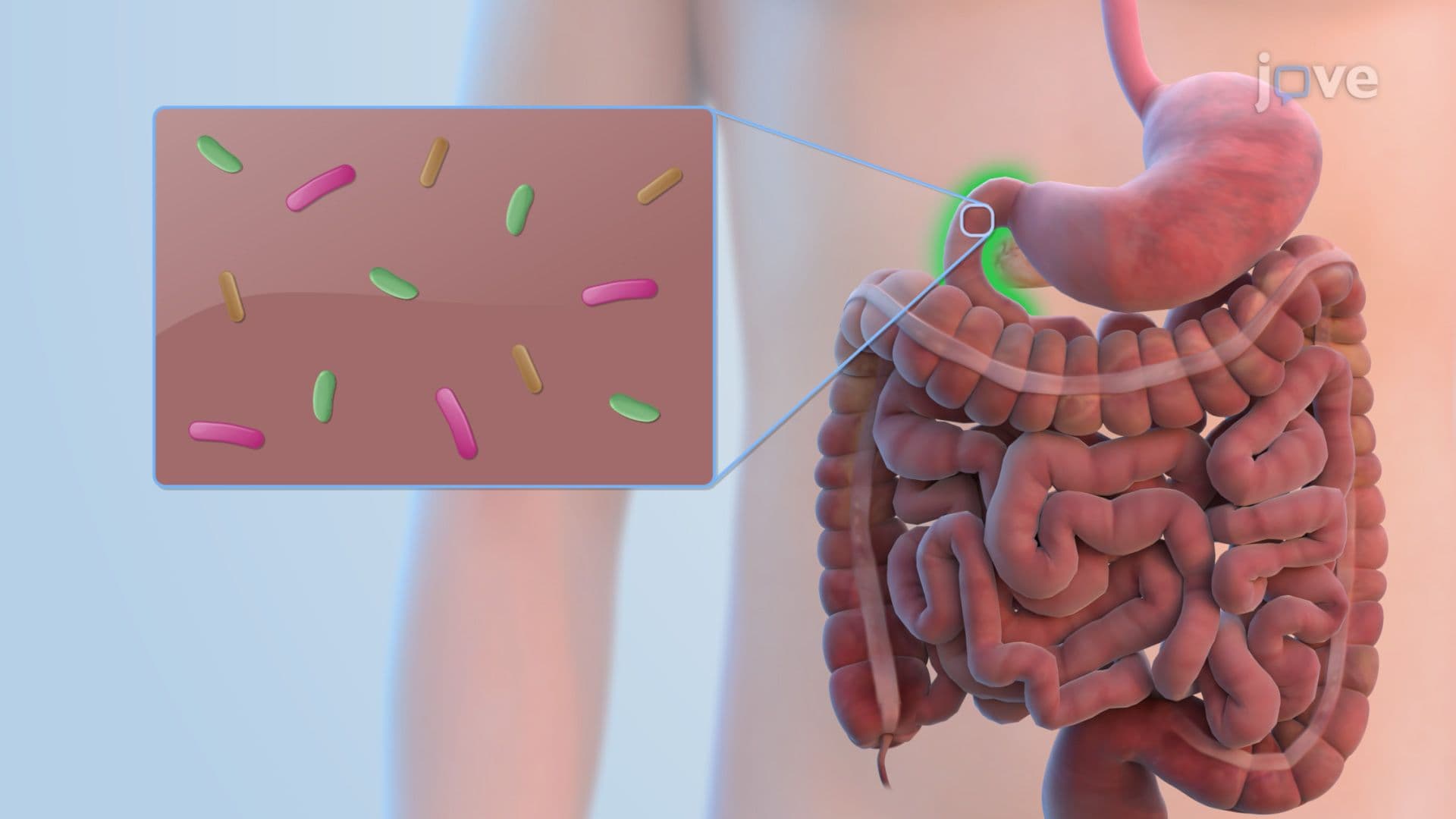
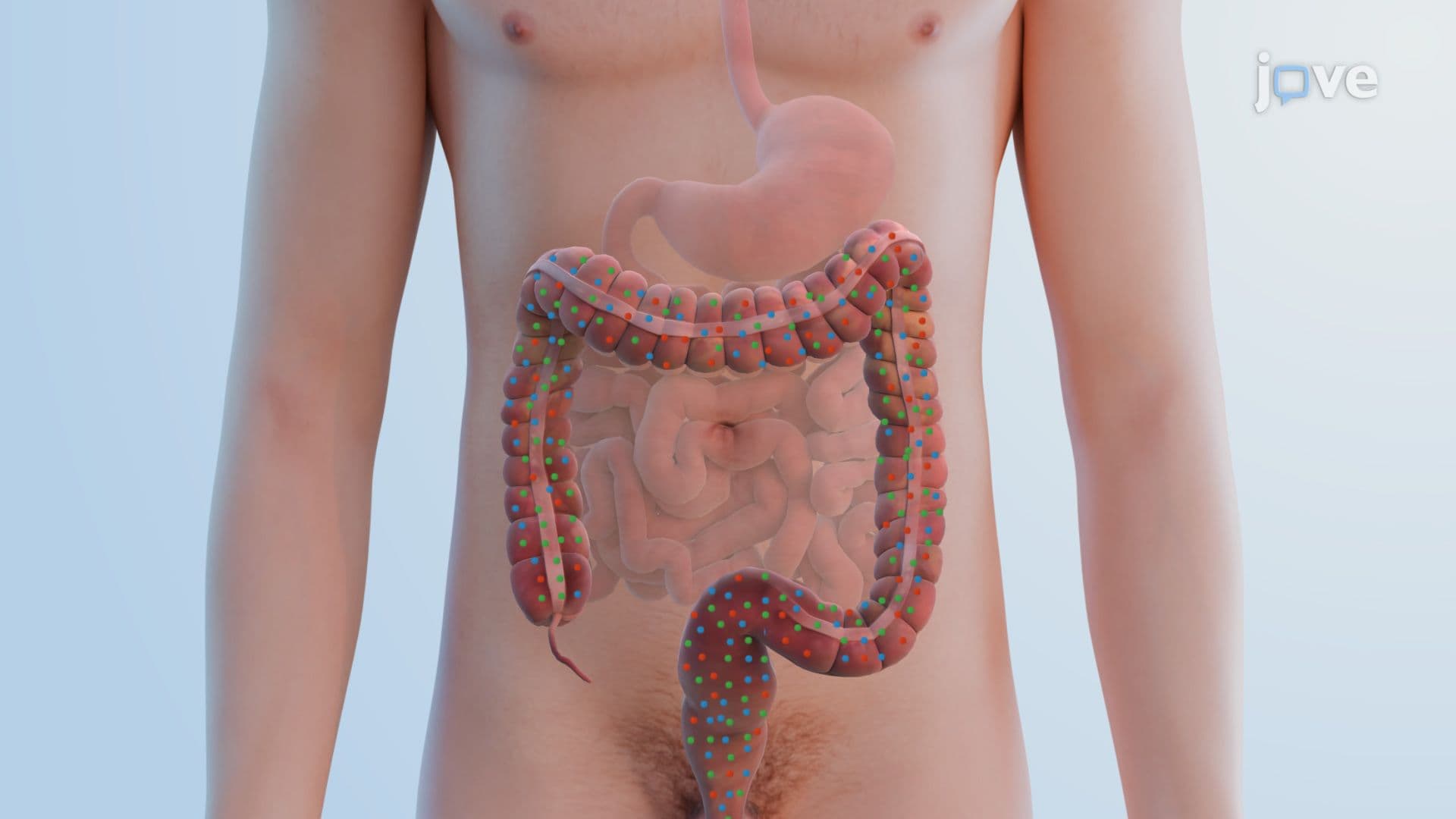
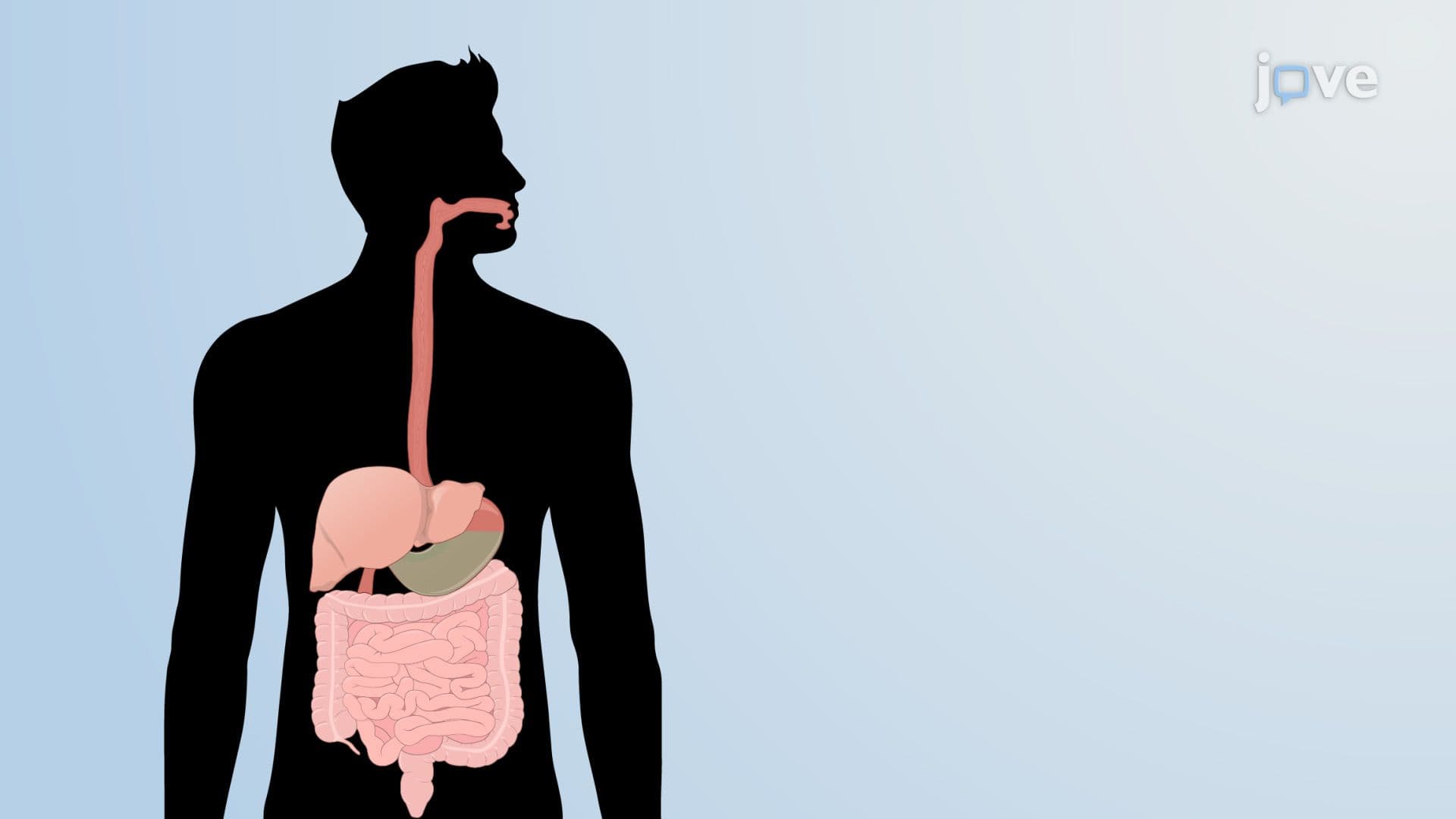
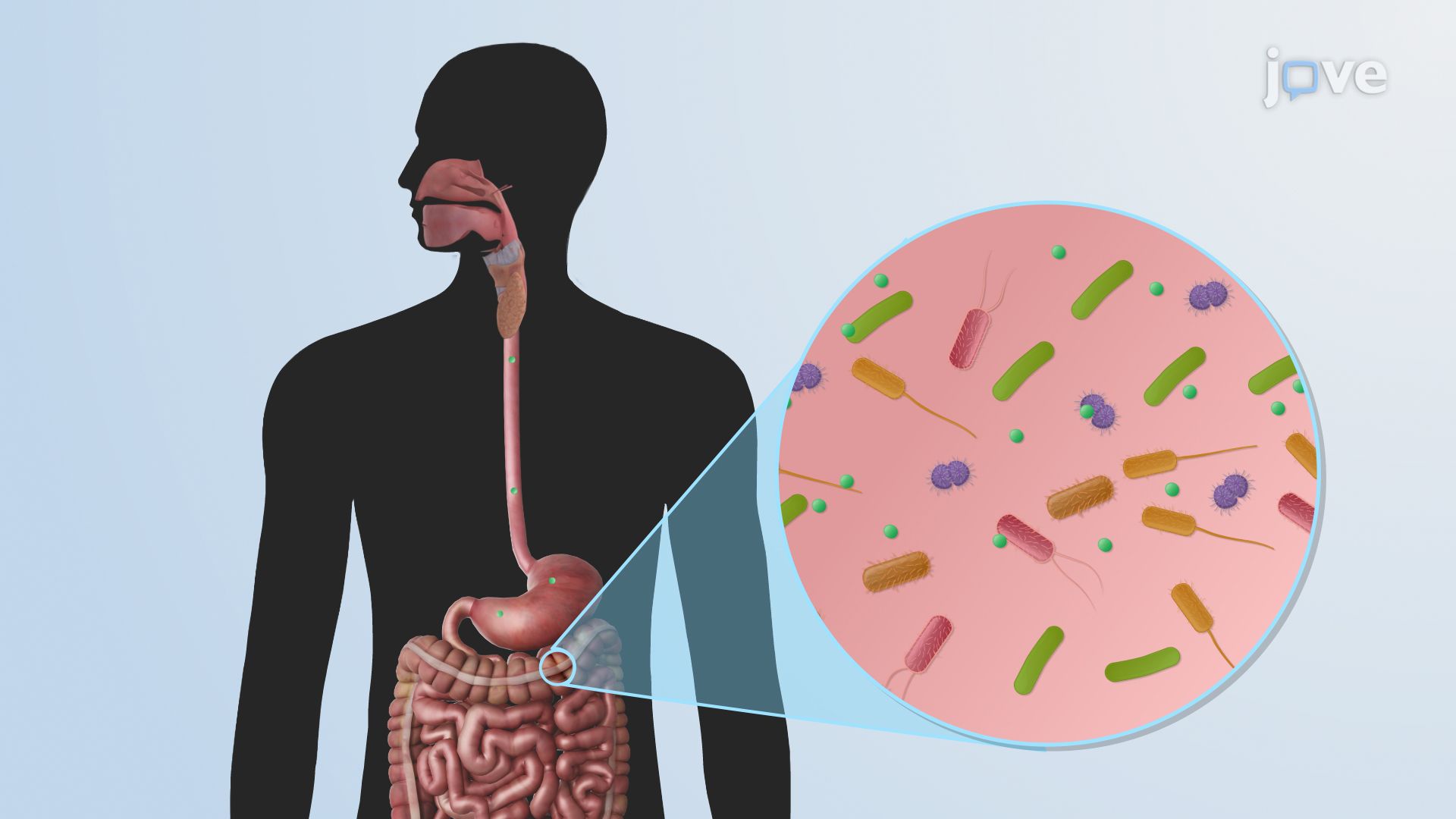
The human gut hosts trillions of microorganisms, bacteria, fungi, viruses, and more, collectively known as the gut microbiome or normal flora. Microbiota modulation by antibiotics refers to the significant changes antibiotics cause in this complex microbial ecosystem. While antibiotics are essential tools for fighting bacterial infections, they are broadly acting agents that do not discriminate between harmful pathogens and beneficial resident microbes. Understanding this dual impact is foundational in microbiology, immunology, and clinical medicine courses across the US.
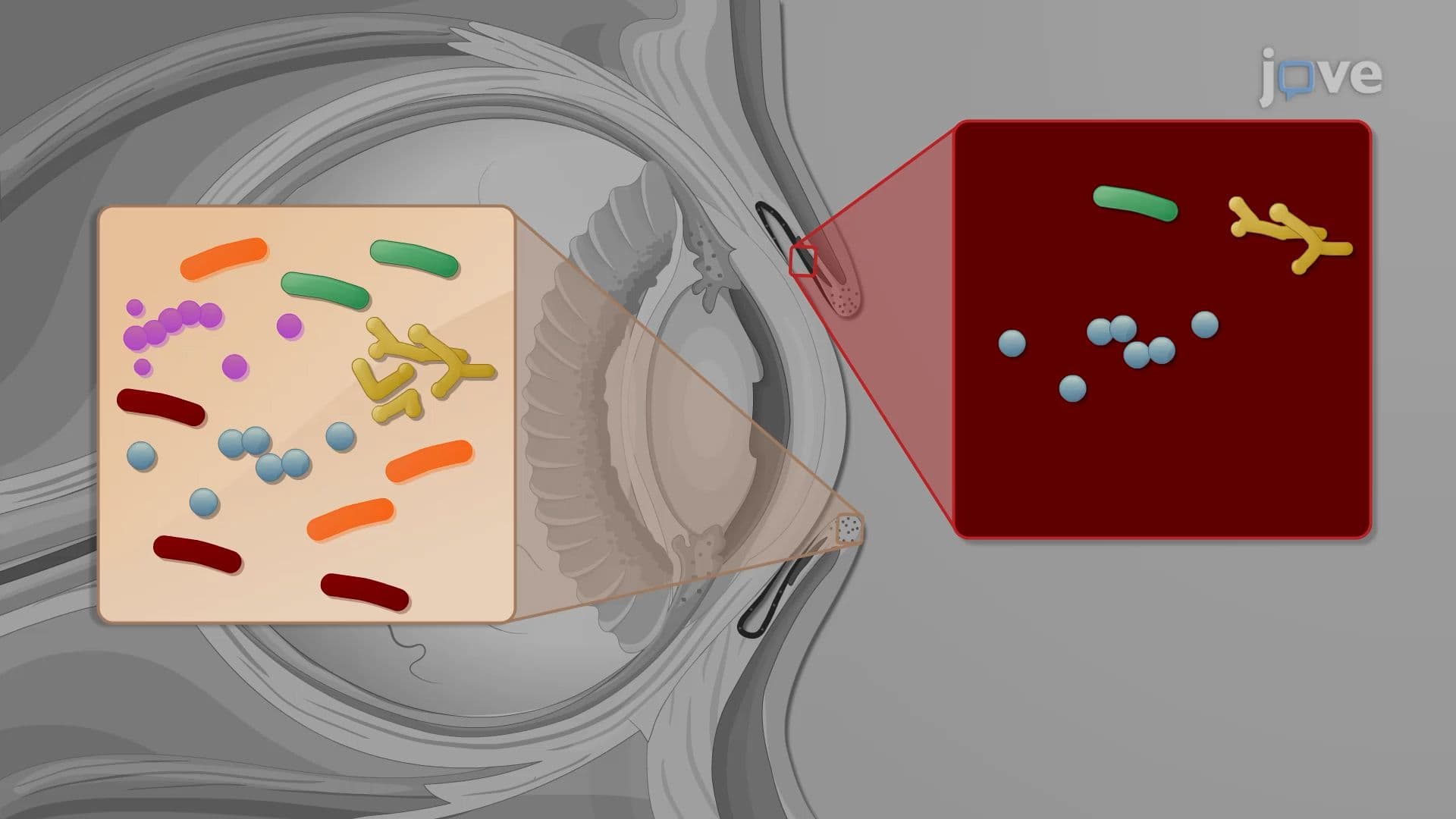
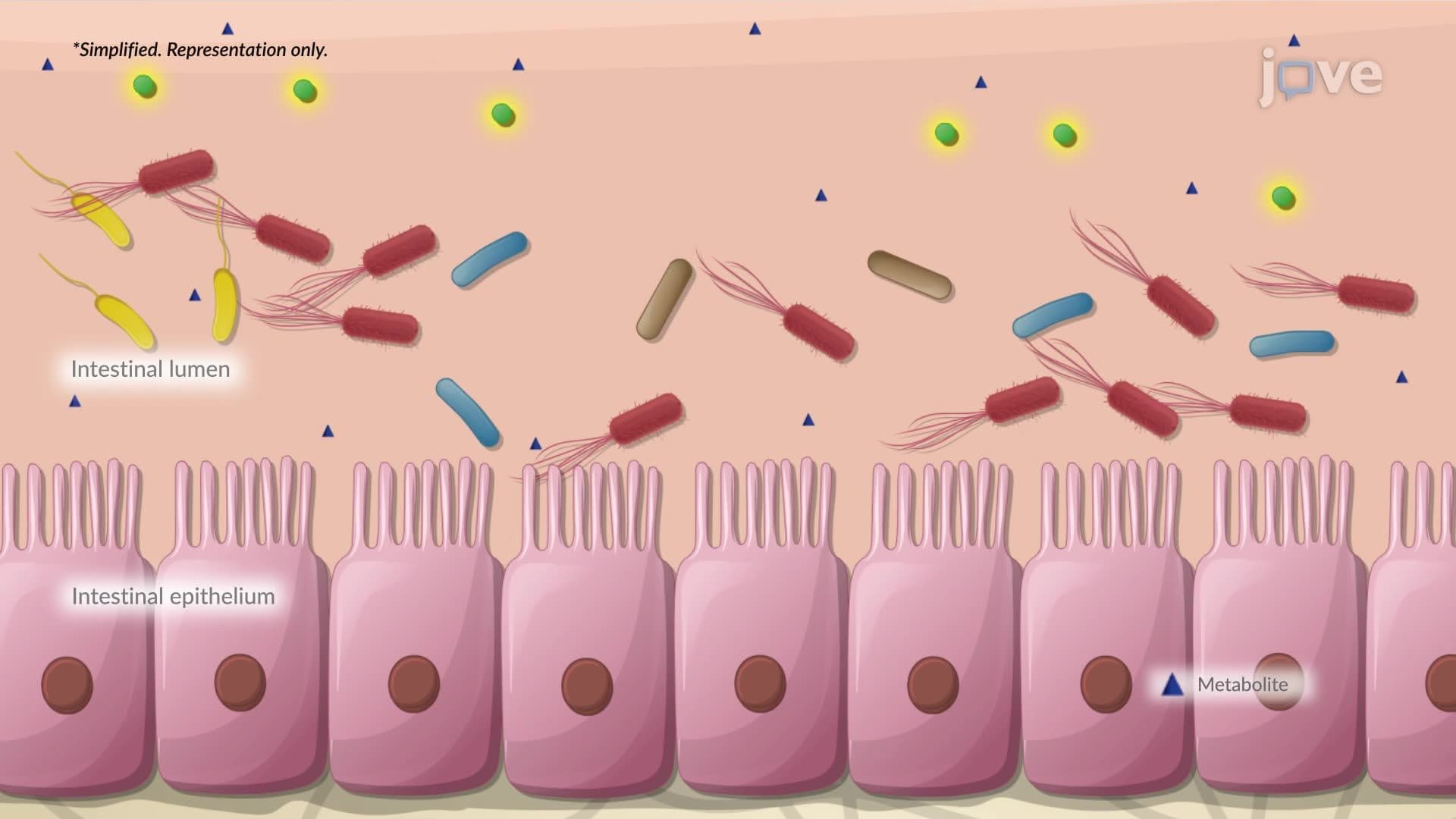
When antibiotics eliminate not just pathogens but also beneficial bacteria, the gut ecosystem loses its equilibrium, a condition called dysbiosis. Dysbiosis reduces microbial diversity, meaning fewer species of protective bacteria are present to maintain normal gut function. This creates an opening for opportunistic pathogens to proliferate. One clinically critical example in the United States is *Clostridioides difficile* (*C. diff*), a bacterium that surges in patients following antibiotic therapy, causing severe colitis and diarrhea. According to the CDC, *C. diff* causes nearly 500,000 infections annually in the US, making antibiotic-associated dysbiosis a major public health issue. Prolonged or repeated antibiotic use also accelerates the selection of antibiotic-resistant strains within the gut, contributing to the growing crisis of antimicrobial resistance.
The gut microbiome is a metabolic powerhouse. Beneficial bacteria ferment dietary fibers to produce short-chain fatty acids (SCFAs) like butyrate, acetate, and propionate, which fuel colon cells, regulate inflammation, and strengthen the intestinal barrier. They also transform primary bile acids into secondary bile acids necessary for fat digestion and cholesterol metabolism. When antibiotic use disrupts the microbiota, these metabolic pathways are compromised. This explains why patients on antibiotics often experience gastrointestinal symptoms, not just because the drugs irritate the gut lining, but because the microbial machinery driving digestion has been destabilized. Students in AP Biology or college-level nutrition courses will recognize this when studying how diet affects the gut microbiome and its downstream metabolic effects.
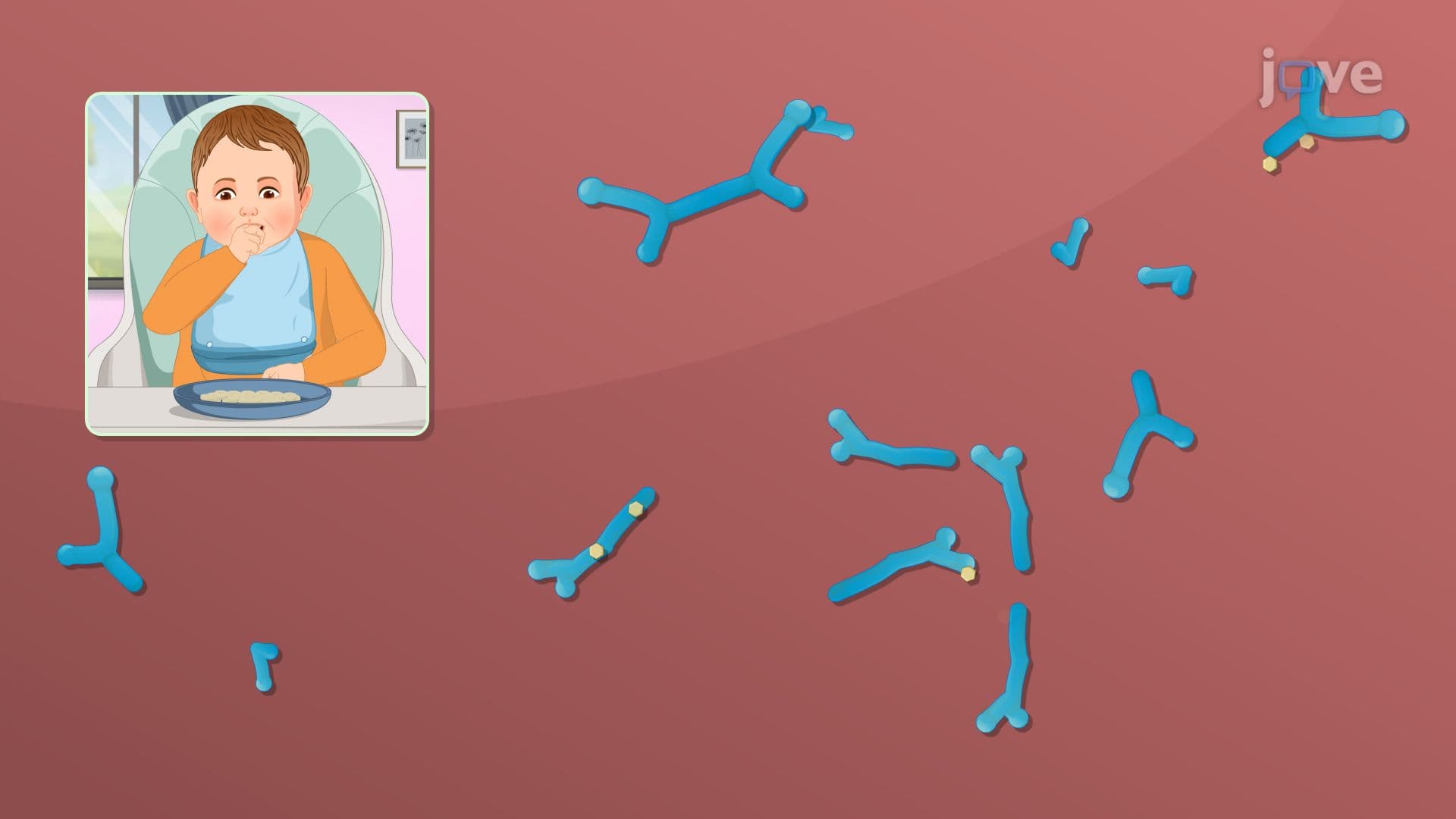
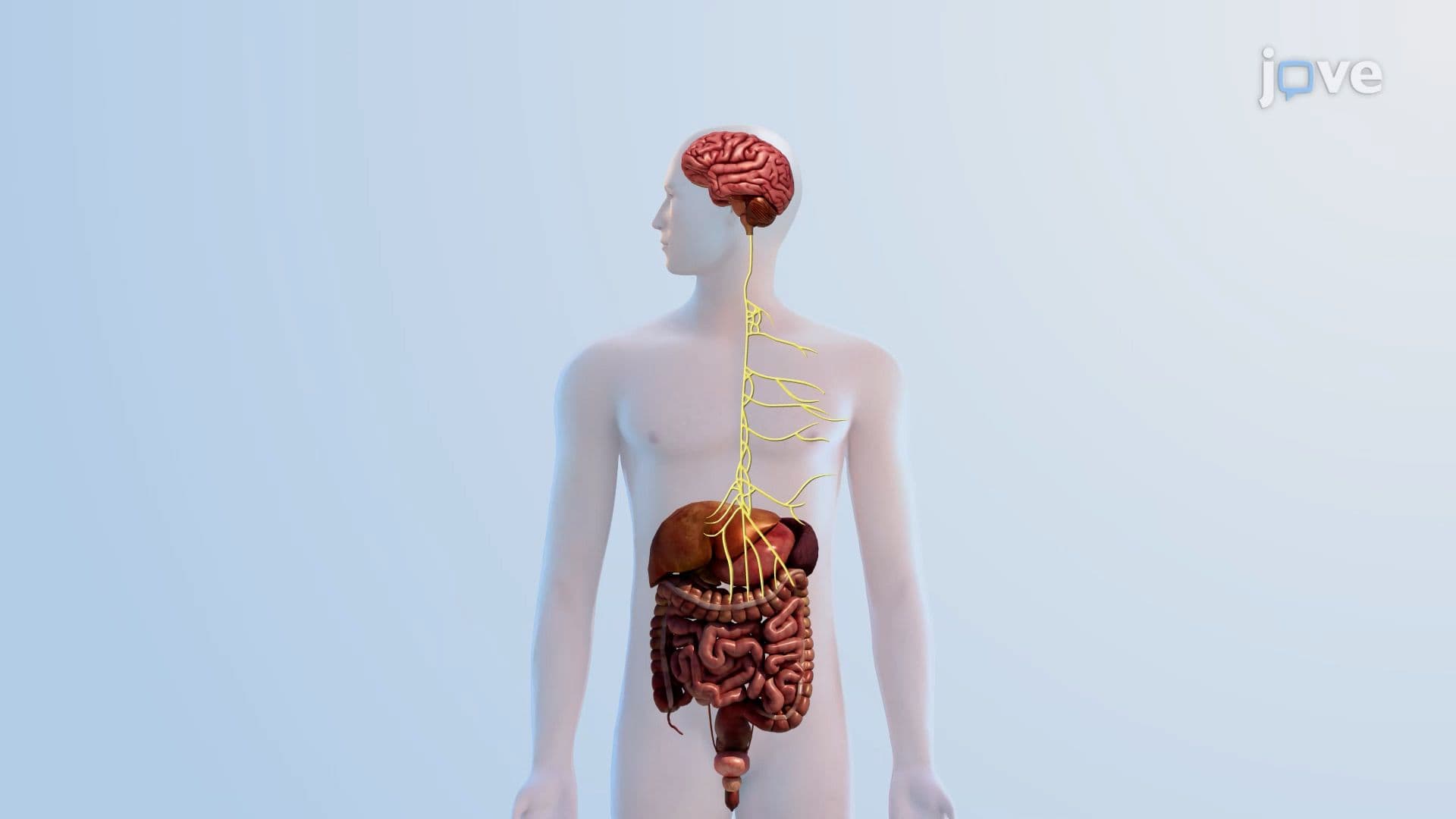
A healthy gut microbiome actively trains and regulates the immune system. Beneficial microbes stimulate the production of secretory IgA antibodies, support regulatory T-cell development, and maintain the integrity of the mucosal barrier that prevents pathogens from entering the bloodstream. Antibiotic-induced dysbiosis weakens these immune checkpoints, increasing susceptibility to infections and inflammatory conditions. Research also points to the gut-brain axis, the communication network linking the gut microbiome to the central nervous system, which can be disturbed by microbiota modulation, with implications for mood, cognition, and even neurological health. On the MCAT, this concept appears within both biochemistry and organ systems sections, and USMLE Step 1 candidates frequently encounter dysbiosis scenarios in microbiology and pharmacology modules.
Recovery of the gut microbiome after antibiotic treatment is an active area of clinical research. Probiotics, live beneficial microorganisms such as *Lactobacillus* and *Bifidobacterium*, compete with harmful pathogens for nutrients and attachment sites, helping recolonize the gut. Prebiotics, non-digestible dietary fibers found in foods like garlic, onions, and bananas, selectively nourish these beneficial bacteria and stimulate SCFA production. Used together, probiotics and prebiotics accelerate microbiome restoration and help reestablish both metabolic and immune functions. US clinical guidelines, including those from the American Gastroenterological Association, increasingly support probiotic use alongside certain antibiotic regimens to mitigate dysbiosis.
Related Micro-courses