Loading video…

 15 Concepts
 1.8K views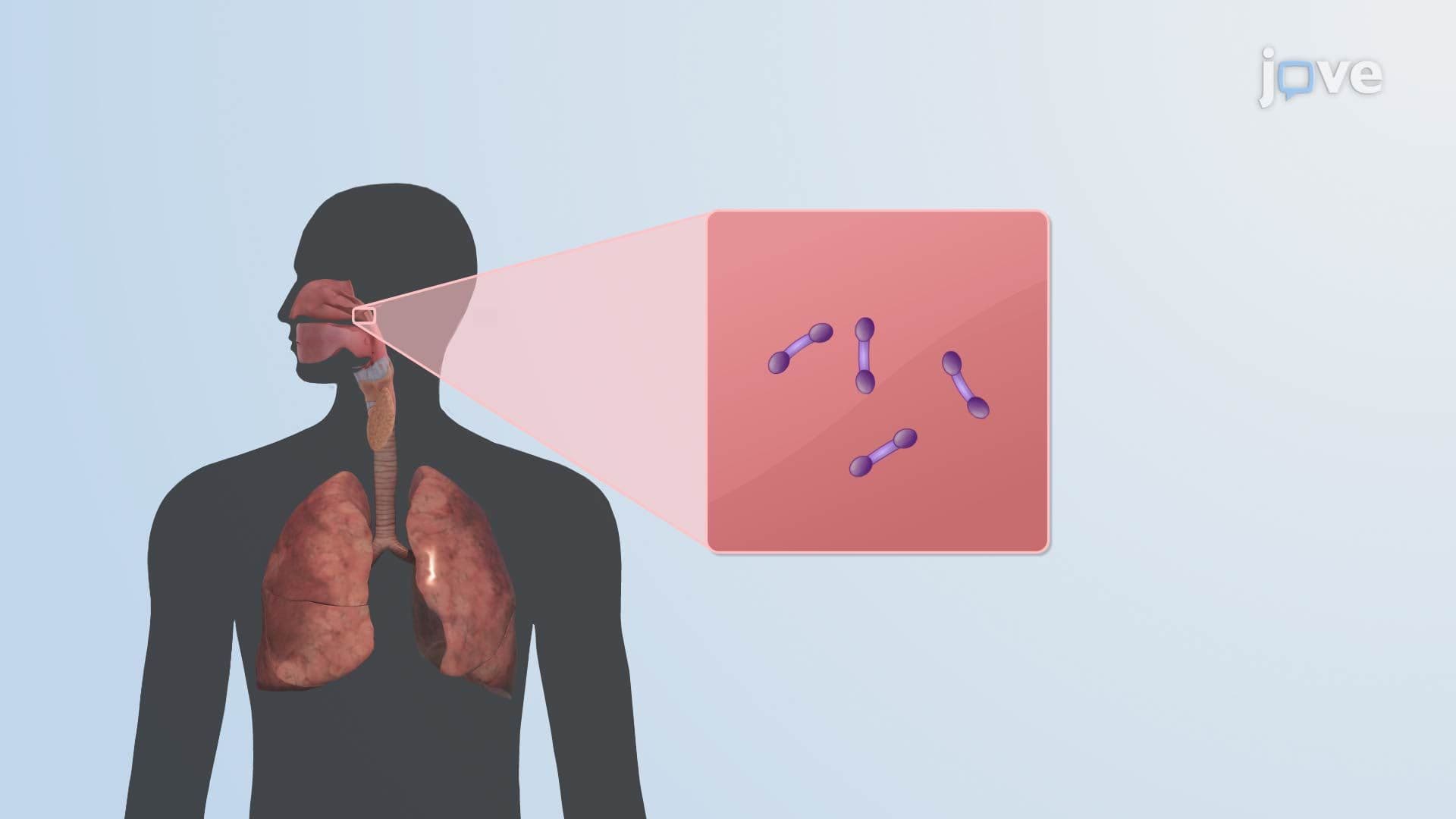

Video Summary: What Is Diphtheria
Before modern vaccines, diphtheria killed thousands of American children every year, and understanding diphtheria basics explains exactly why it was so deadly. Diphtheria is a serious respiratory tract infection caused by the gram-positive bacterium *Corynebacterium diphtheriae*, which releases a powerful toxin that shuts down protein synthesis and forms an airway-blocking membrane in the throat. The 1925 "Race to Nome" in Alaska was a real emergency response to a diphtheria outbreak. Watch the full video on JoVE Coach to master this concept with expert-led visuals and step-by-step explanations.
Diphtheria may sound like a disease of the distant past, but its biology remains a cornerstone of microbiology and immunology education. Caused by *Corynebacterium diphtheriae*, diphtheria is a bacterial infection of the upper respiratory tract that was once a leading cause of death in American children before widespread vaccination. Understanding how this pathogen works, from its gram-positive cell wall structure to its toxin's molecular mechanism, gives students a powerful framework for thinking about bacterial virulence factors broadly.
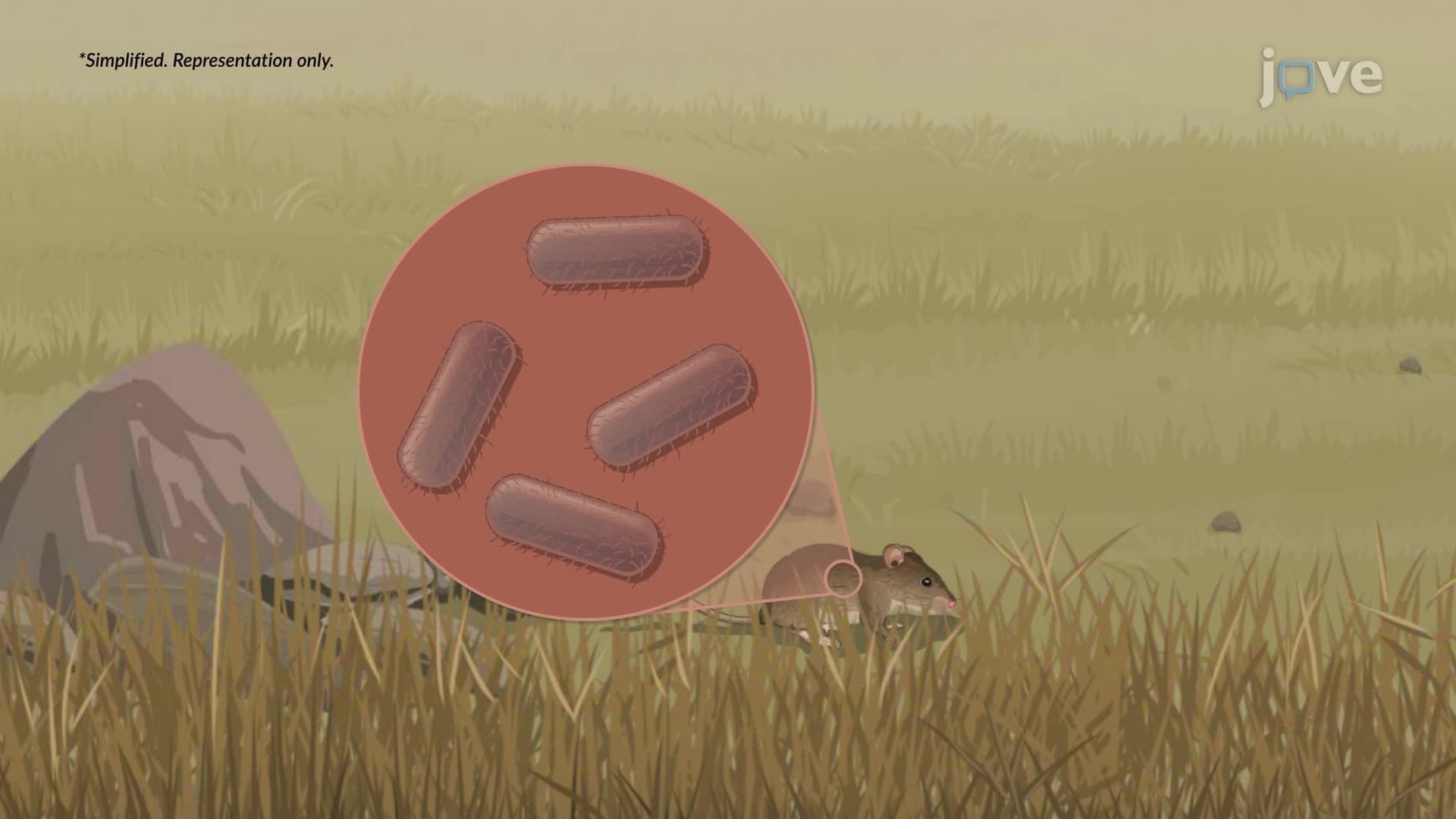
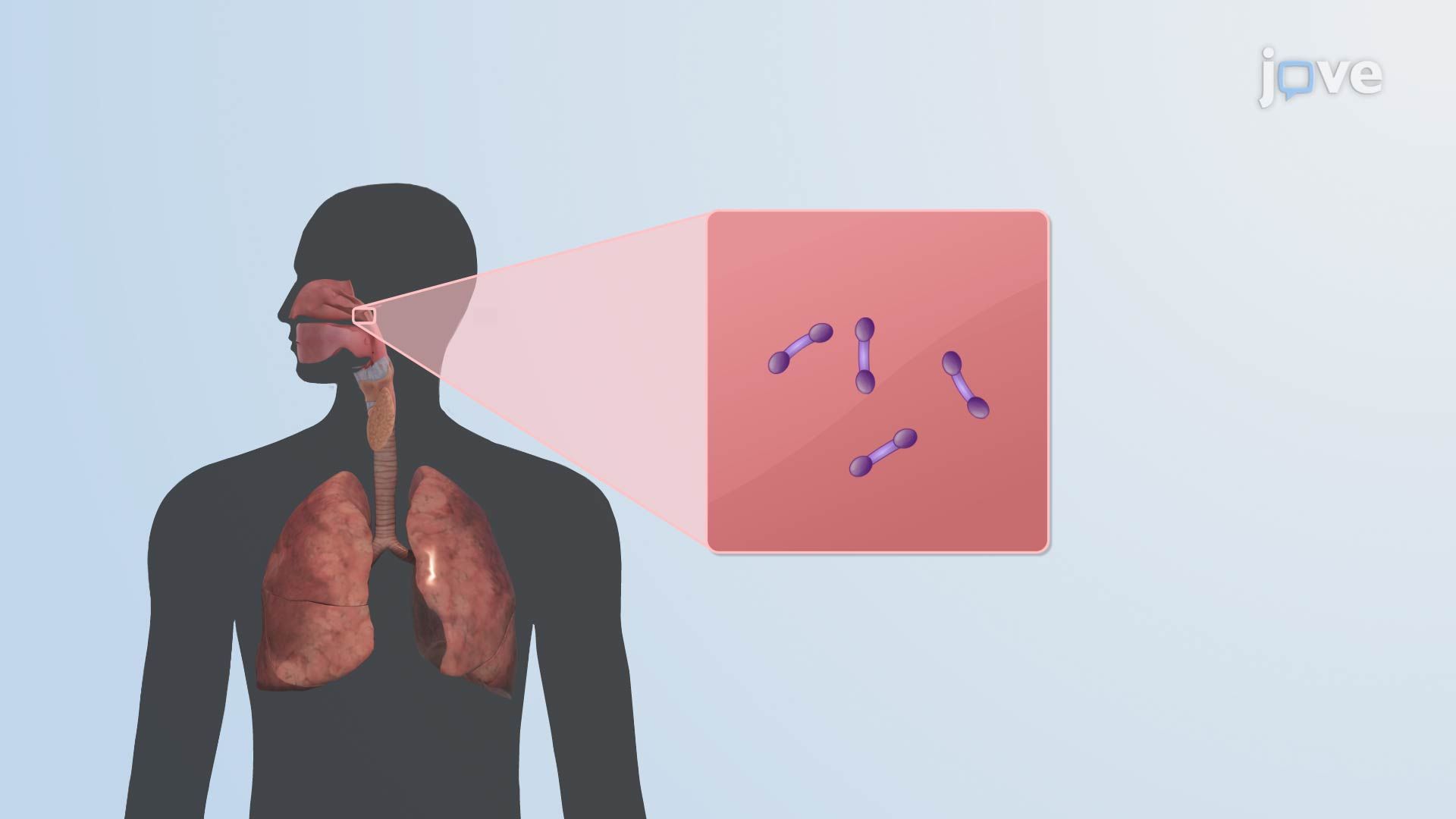
*Corynebacterium diphtheriae* is a non-spore-forming, gram-positive rod-shaped bacterium. Its gram-positive classification means it has a thick peptidoglycan cell wall, which is a key structural difference from gram-negative bacteria. This distinction matters in clinical settings because gram-positive and gram-negative pathogens often require different diagnostic approaches and antibiotic treatments.
What makes *C. diphtheriae* especially dangerous is not the bacterium itself, but the toxin it can produce, and not all strains produce it. Only strains infected by a bacteriophage carrying the *tox* gene are toxigenic. When this phage integrates its genome into the bacterial chromosome (a process called lysogenic conversion), the bacterium gains the ability to produce the diphtheria exotoxin. This is a striking real-world example of how viruses can directly shape bacterial pathogenicity.
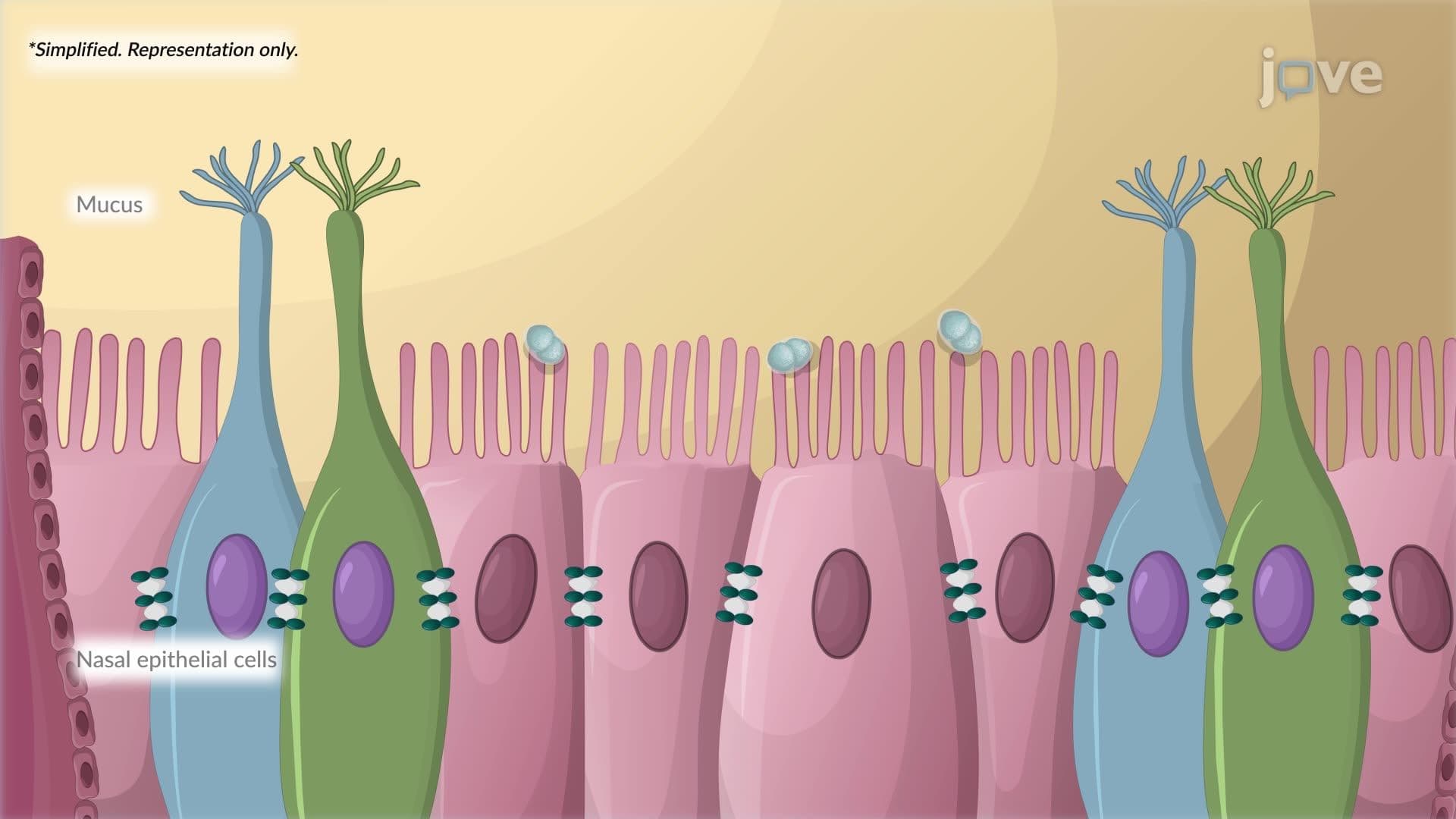
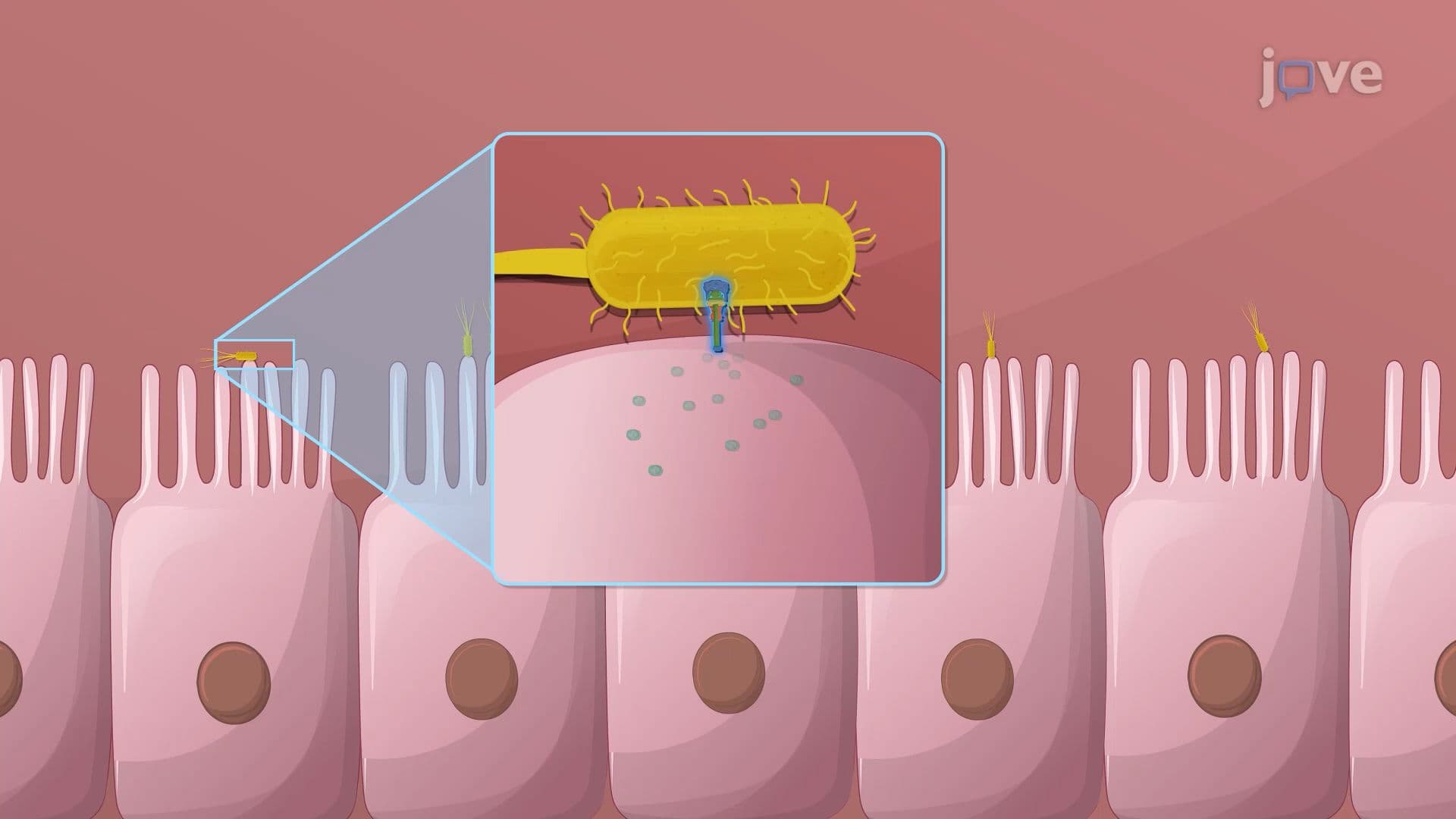
Diphtheria spreads through respiratory droplets released during coughing or sneezing, or through contact with contaminated surfaces, making it highly contagious in unvaccinated populations. Once inhaled, the bacteria adhere to epithelial cells lining the upper respiratory tract and remain localized there; they do not invade deeper tissues. This is an important concept: the bacteria themselves cause minimal direct damage. The real harm comes from the exotoxin they release into surrounding tissue and, eventually, the bloodstream.
This distinction between infection site and toxin damage site is frequently tested on exams like the AP Biology exam, college microbiology midterms, and the MCAT, where students must distinguish between localized infections and systemic disease effects.
The diphtheria exotoxin is a two-subunit (A-B) protein, and understanding each subunit's role is critical for exam success. Subunit B acts as the "key," binding to receptors on the surface of host cells and triggering endocytosis, pulling the toxin inside the cell. Once inside, Subunit A becomes active. It inhibits a protein called Elongation Factor 2 (EF-2), which ribosomes require to build new proteins during translation. Without EF-2, protein synthesis halts completely, and the affected cells die rapidly.
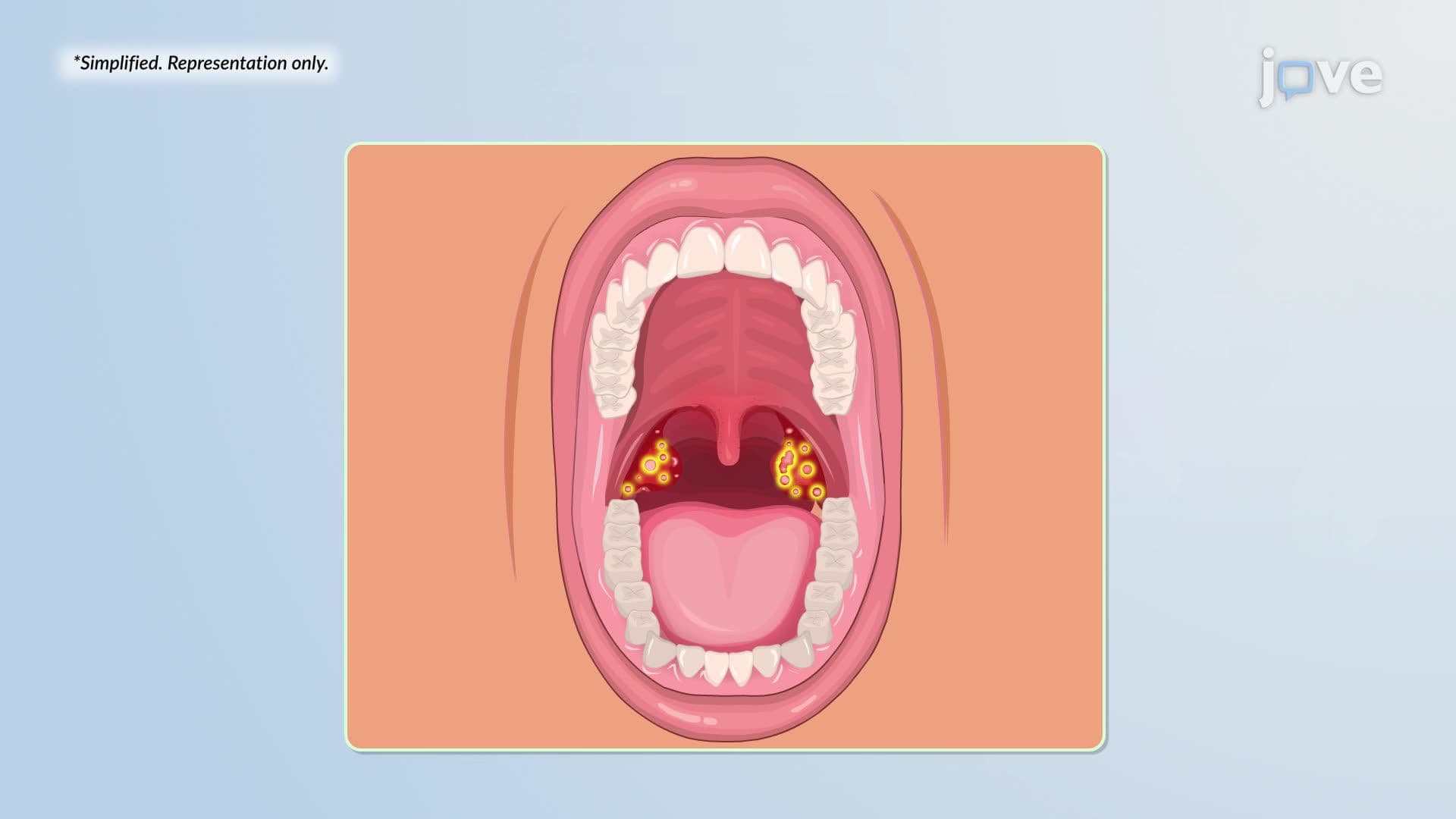
This mass cell death in the throat triggers an intense inflammatory response, producing a thick, gray, leathery coating called a pseudomembrane. Unlike normal membranes, this pseudomembrane is firmly attached and bleeds when removed. It can expand to cover the tonsils, throat, and even extend into the trachea, mechanically blocking airflow. Before modern emergency medicine, this suffocation was the primary cause of death in diphtheria patients, including during the 1925 diphtheria outbreak in Nome, Alaska, which prompted the famous dogsled relay now commemorated by the Iditarod race.
Today, diphtheria is largely prevented in the United States through the DTaP vaccine (Diphtheria, Tetanus, and Pertussis), administered starting at two months of age per CDC guidelines. However, diphtheria biology remains clinically and academically relevant. Students in pre-health tracks preparing for the USMLE or NCLEX must understand toxin-mediated diseases, bacterial modes of transmission, and how vaccines confer immunity. Even in AP Biology and introductory college biology courses, diphtheria serves as a model example of how bacterial toxins disrupt fundamental cellular processes like protein synthesis.
Recognizing how a single phage-borne gene can transform a bacterium into a deadly pathogen is a lesson that extends far beyond diphtheria, it shapes how scientists think about emerging infectious diseases and antibiotic resistance today.
Related Micro-courses