Loading subject page…

1,744 views

Video Summary: What Is Atypical Pneumonia
Ever wonder why some pneumonia cases barely feel like a cold at first, yet linger for weeks? Atypical pneumonia, most commonly caused by *Mycoplasma pneumoniae*, behaves differently from classic bacterial pneumonia, making it tricky to recognize. On US college campuses, it's nicknamed "walking pneumonia" because students often stay active despite being infected. Understanding what is atypical pneumonia helps explain its unique spread and treatment. Watch the full video on JoVE Coach to master this concept with expert-led visuals and step-by-step explanations.
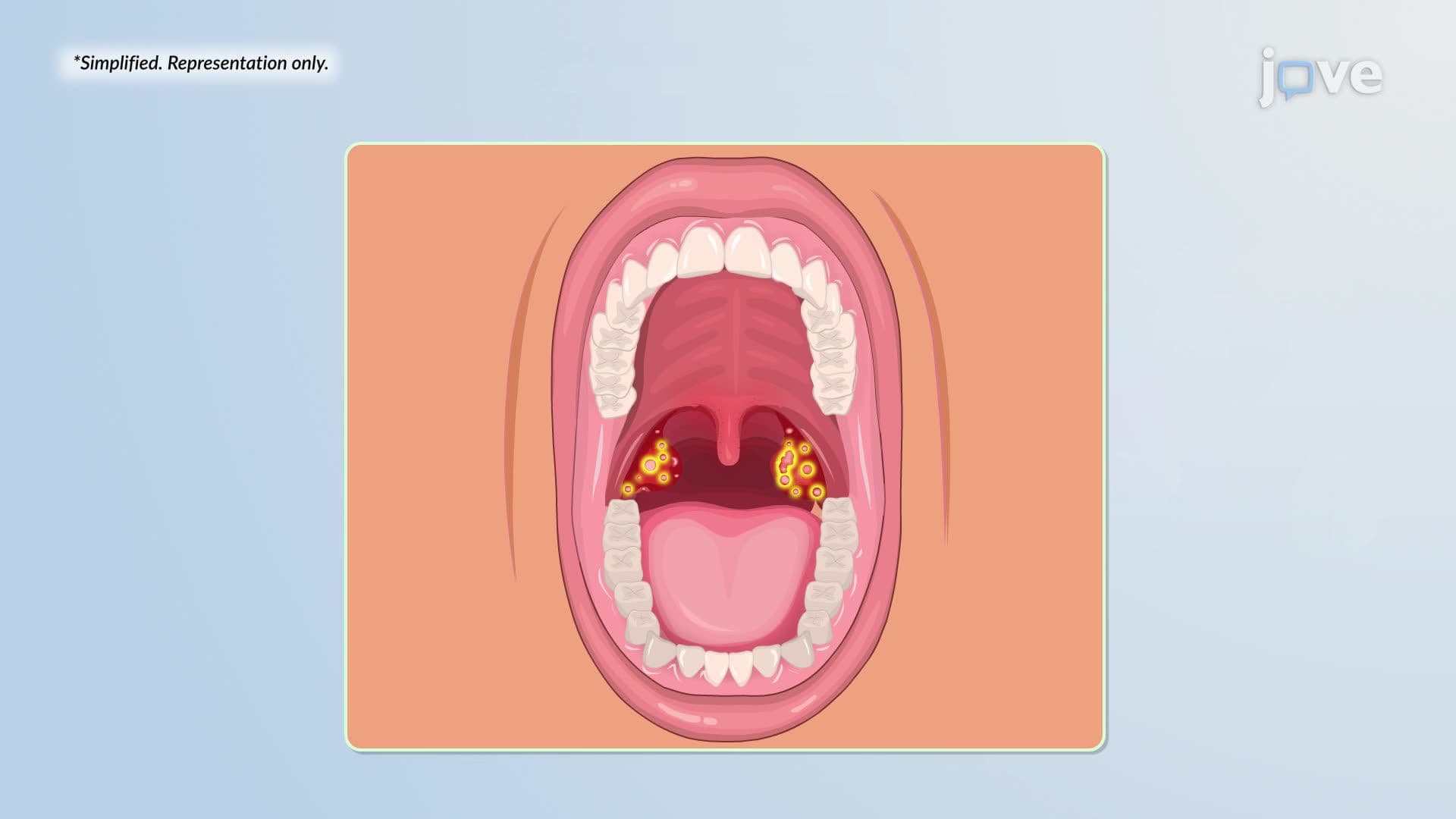
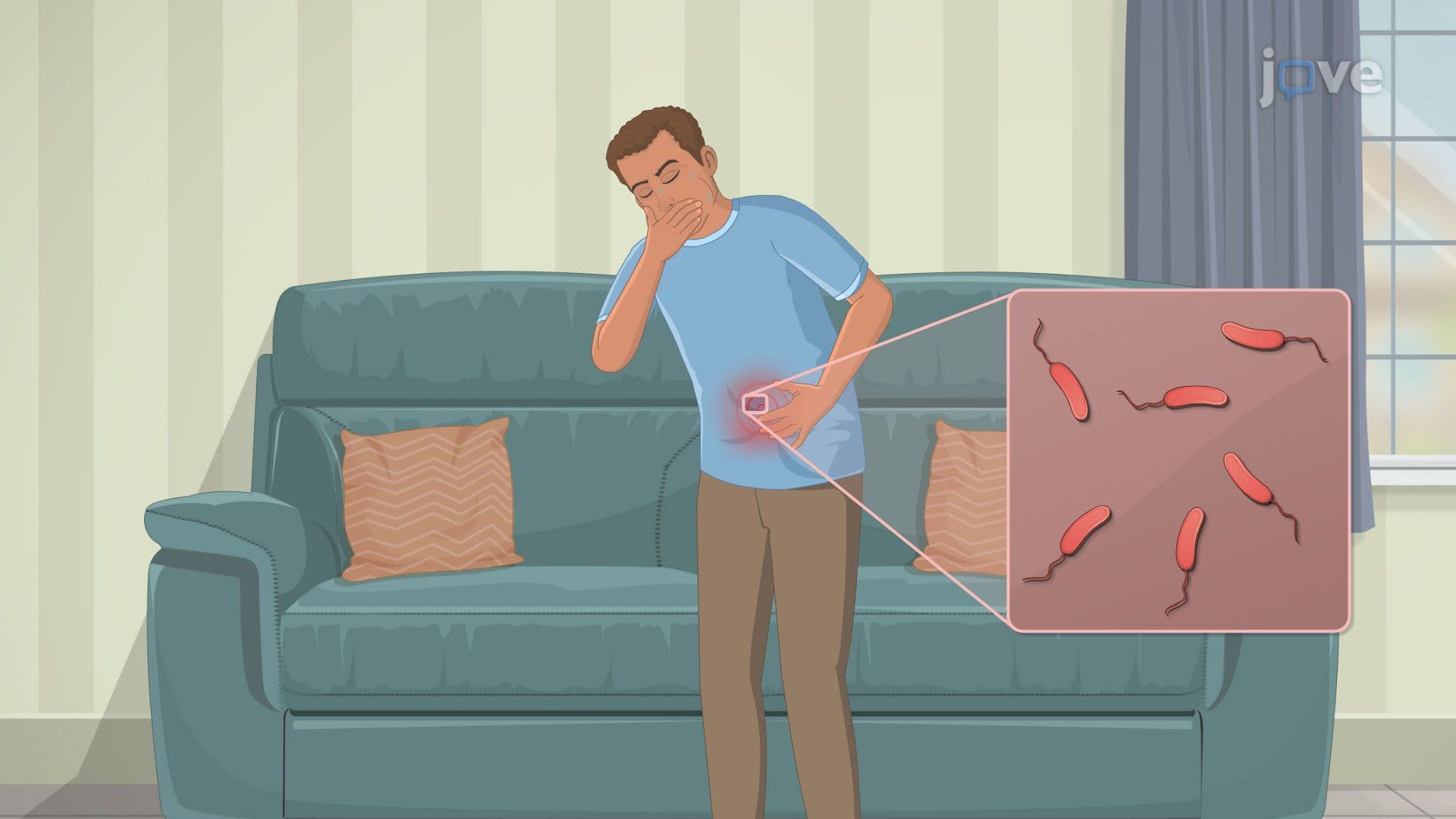
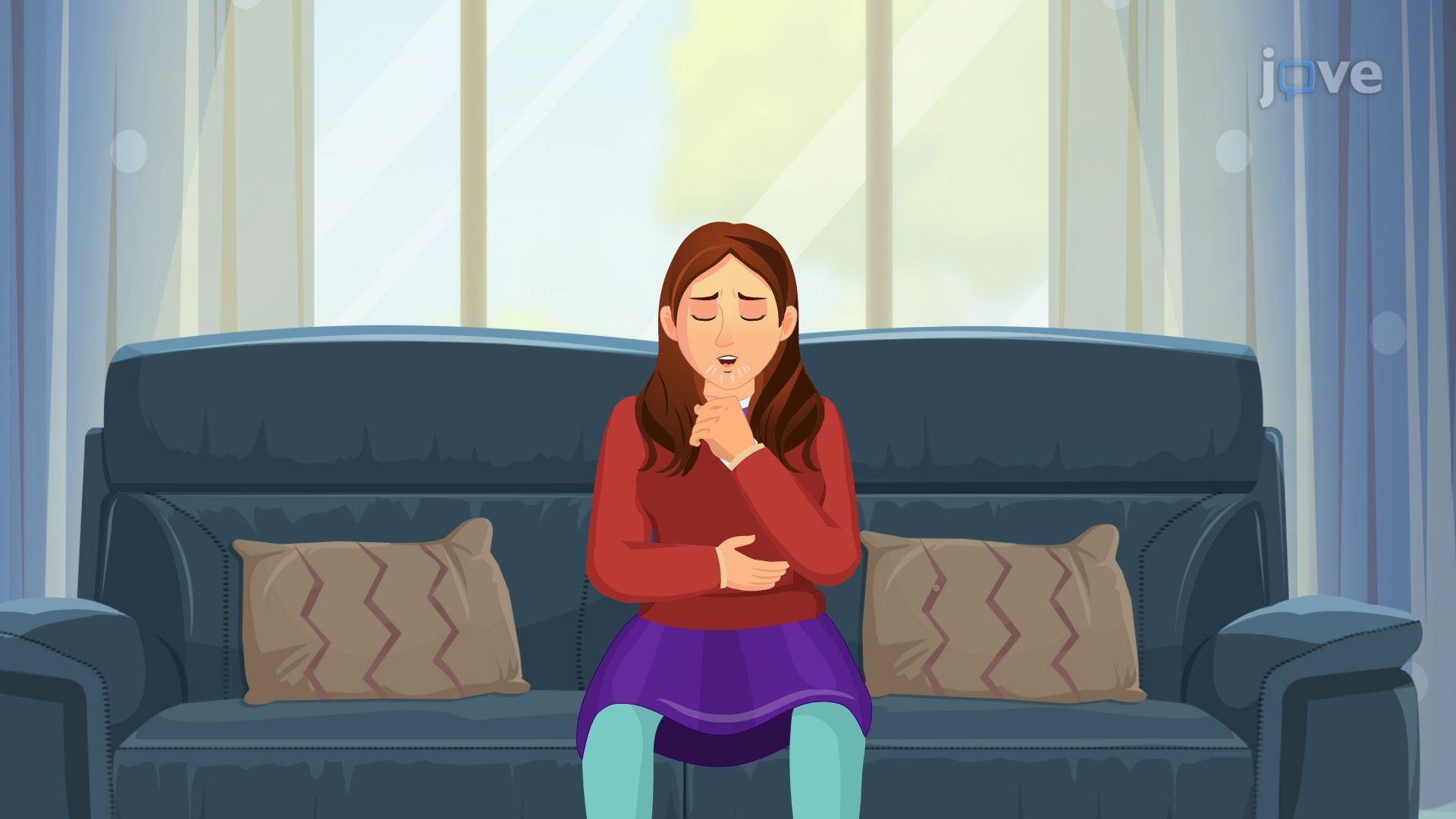
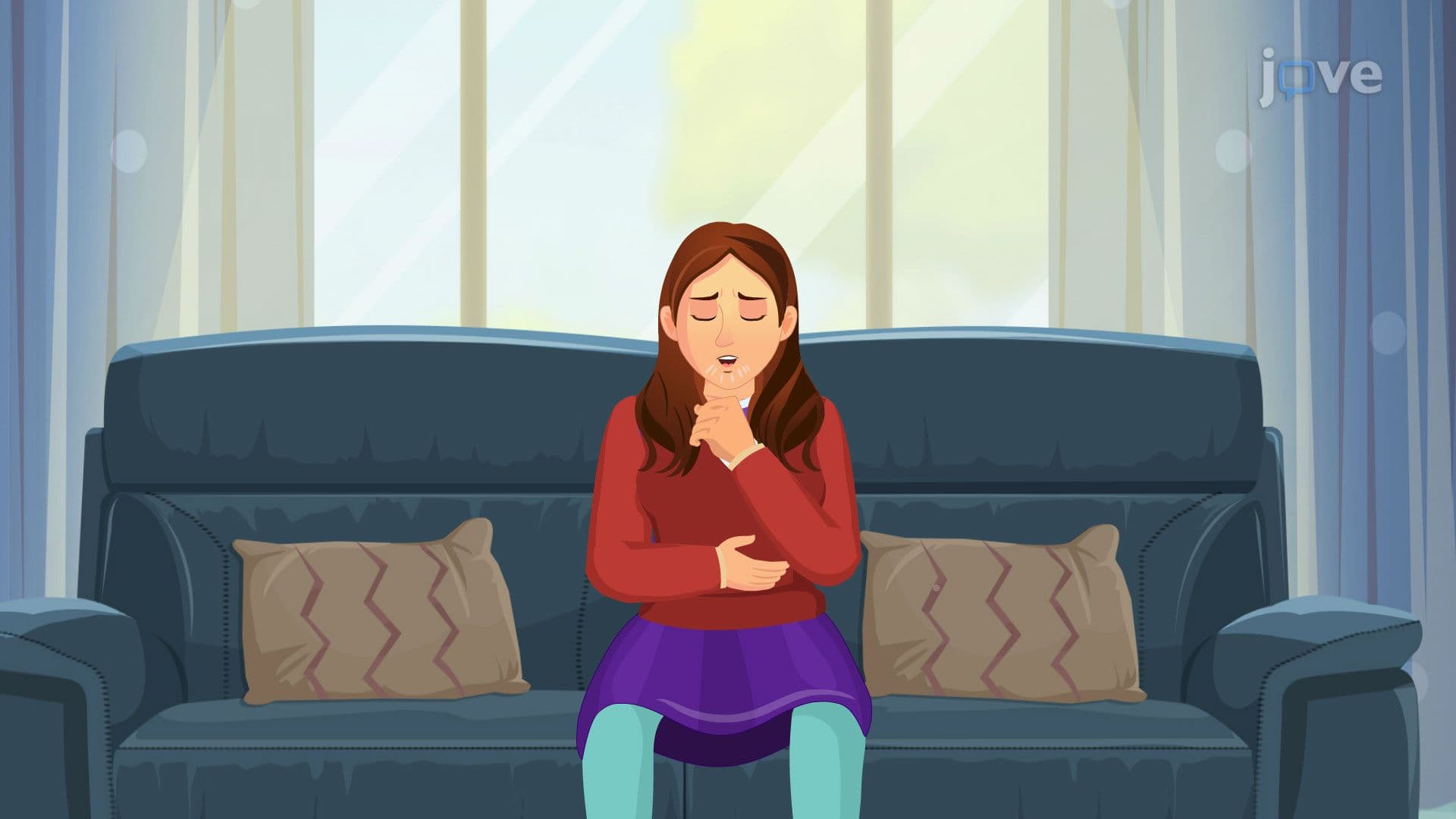
Atypical pneumonia is a lower respiratory tract infection that presents differently from classic, or "typical," bacterial pneumonia. While typical pneumonia, often caused by *Streptococcus pneumoniae*, produces high fever, chills, and productive cough, atypical pneumonia tends to creep in gradually. Patients may experience only a persistent dry cough, mild sore throat, and low-grade fever, which is why *Mycoplasma pneumoniae*, its most common cause, earned the nickname "walking pneumonia" in everyday American life. Students on college campuses across the US frequently mistake it for a prolonged cold.
*Mycoplasma pneumoniae* stands out among common bacterial pathogens because it lacks a cell wall entirely, a feature that places it outside the traditional Gram-positive vs Gram-negative infections classification. This structural difference is clinically important: cell-wall-targeting antibiotics like penicillin are completely ineffective against it. Instead, antibiotics treatment for atypical pneumonia relies on macrolides (such as azithromycin), tetracyclines, or fluoroquinolones. Understanding this distinction is a high-yield concept in US microbiology courses, AP Biology, and MCAT prep.
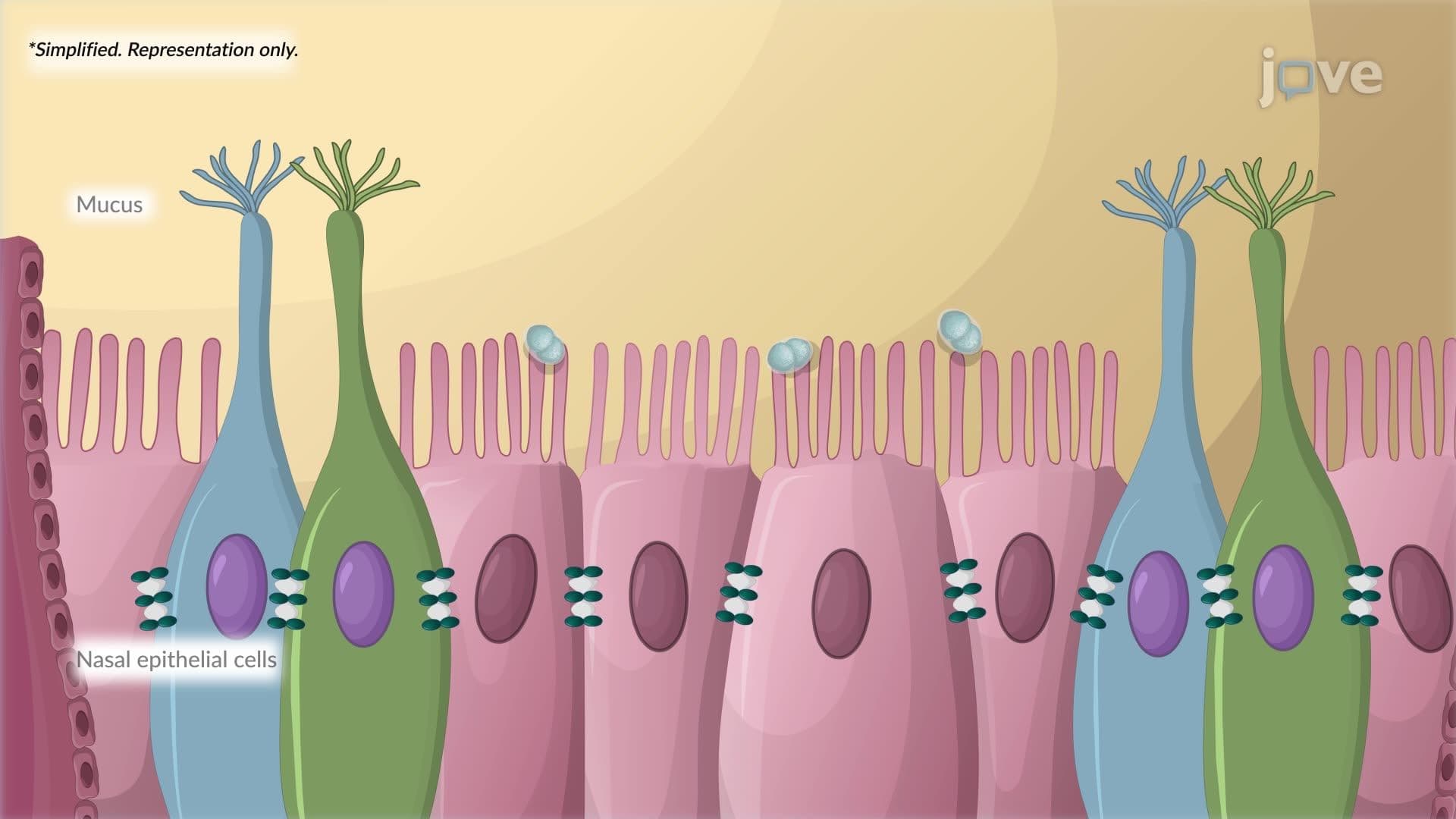
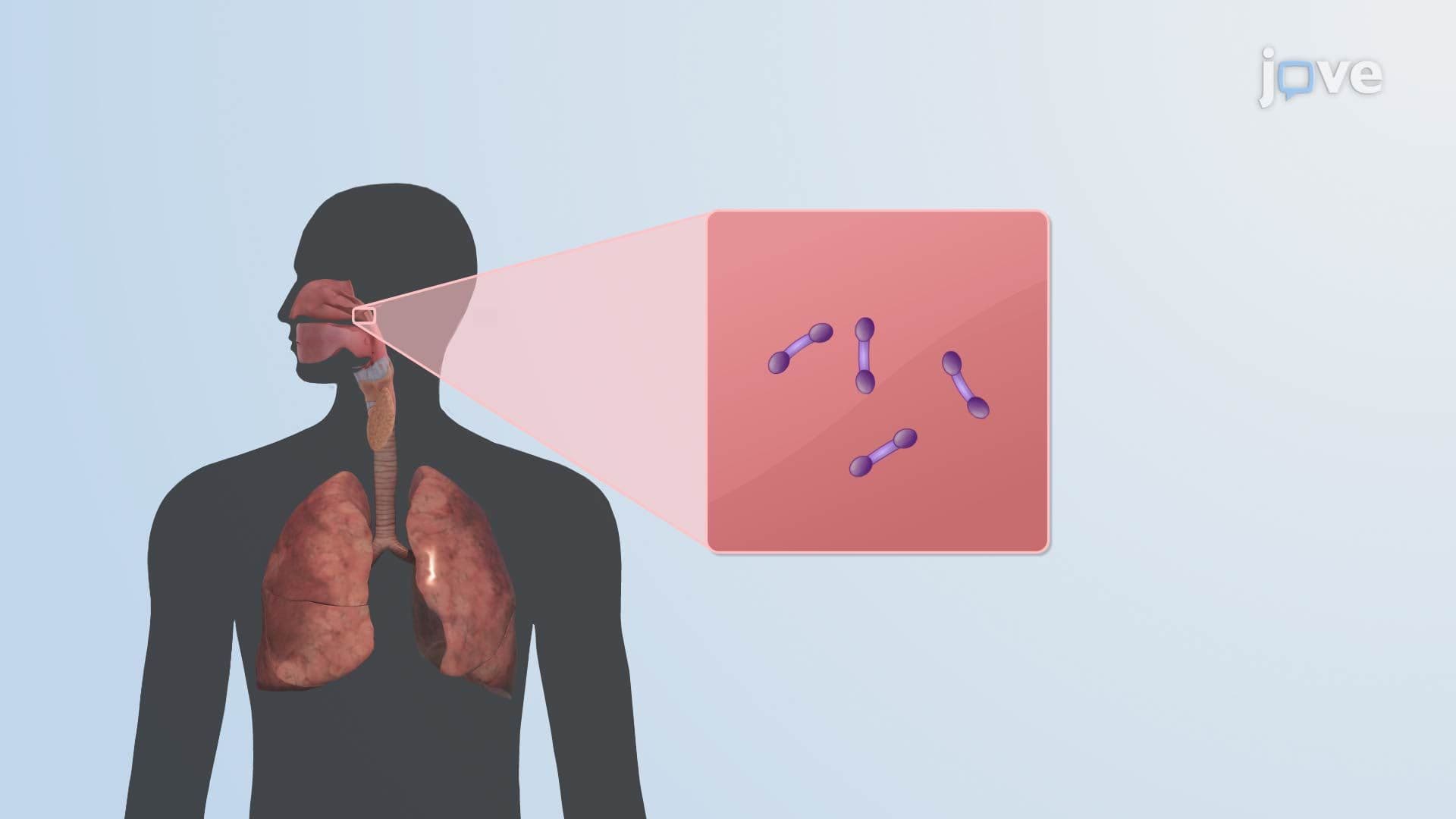
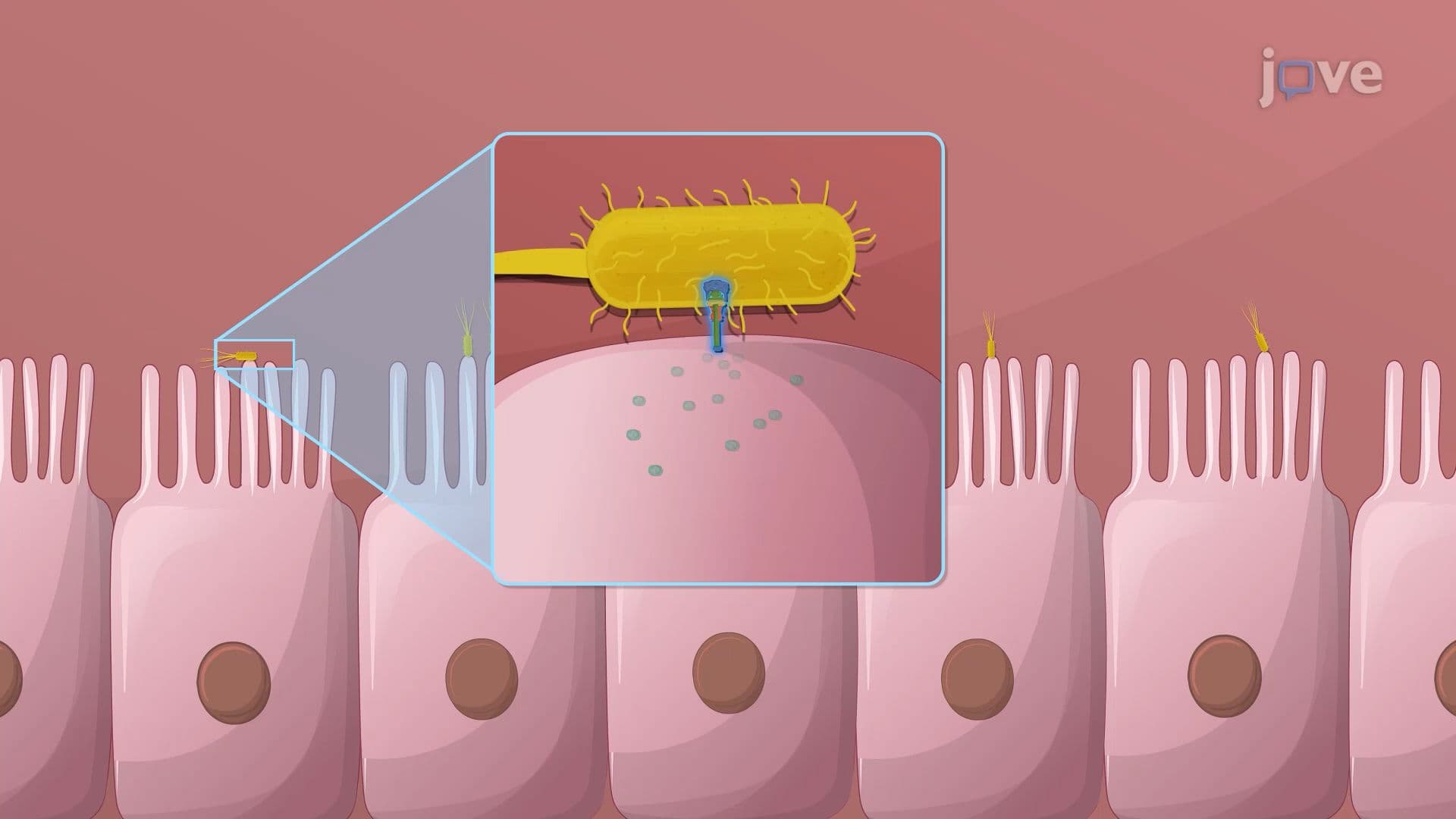
Infection begins when *M. pneumoniae* attaches to the apical surface of ciliated epithelial cells lining the respiratory tract. This attachment is mediated by a specialized surface protein, P1 adhesin, which binds to glycoprotein receptors on host cells. This adhesion mechanism is a textbook example of how virulence factors determine bacterial pathogenicity.
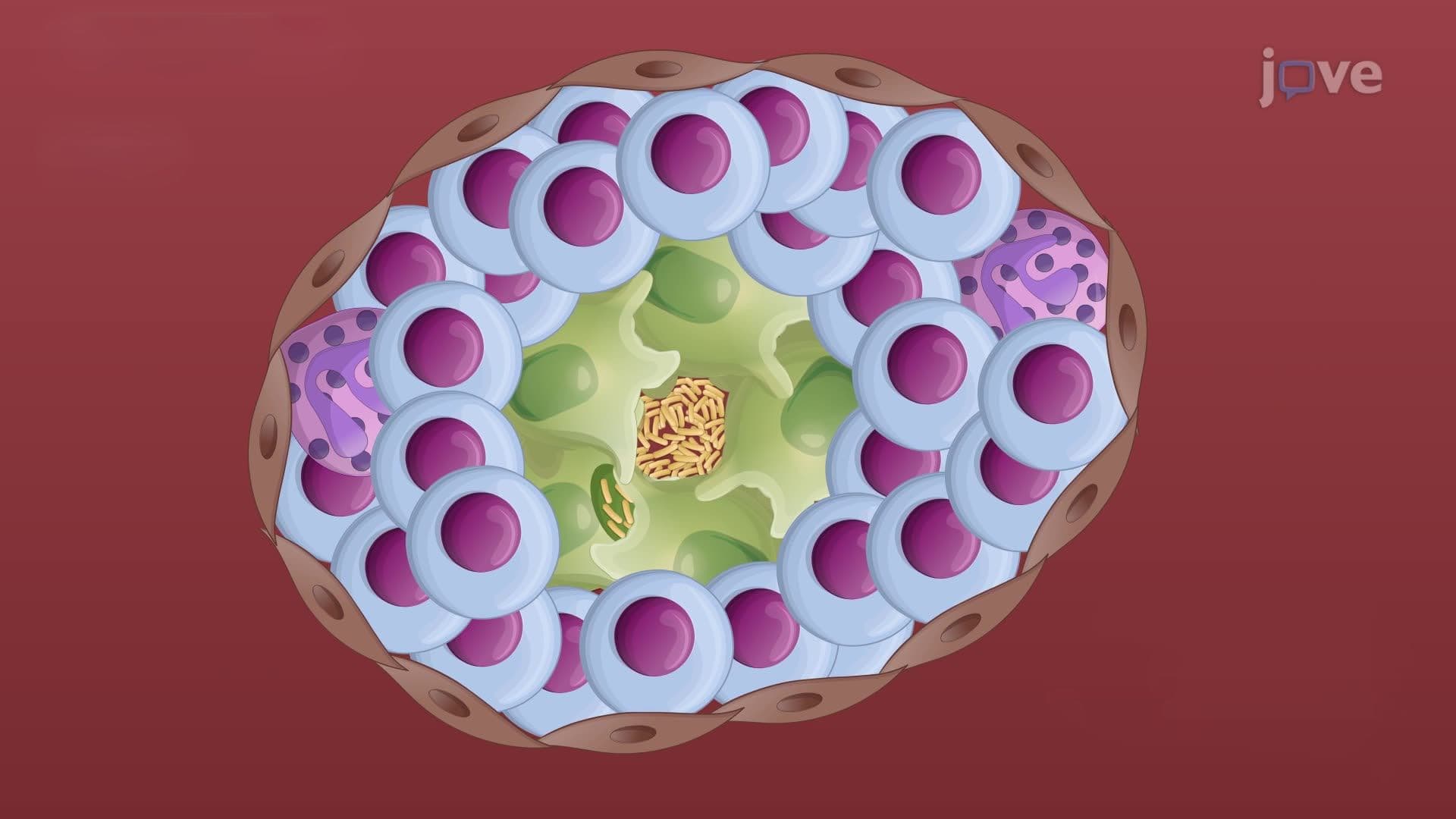
Once anchored, the bacteria disrupt ciliary movement, effectively disabling the respiratory tract's natural cleaning system. Mucus accumulates, trapping inhaled particles and cellular debris. The bacteria then deploy additional virulence factors, most notably the CARDS toxin (Community-Acquired Respiratory Distress Syndrome toxin). This bacterial toxin triggers epithelial cell death and fuels an inflammatory cascade in the airways, creating conditions that support further bacterial growth and, in some cases, secondary infections from opportunistic pathogens.
Atypical pneumonia spreads primarily through respiratory droplets, making crowded environments, dormitories, military barracks, and schools, common outbreak settings. This mode of transmission explains seasonal surges seen in US universities every fall semester.
How are bacterial infections diagnosed? For atypical pneumonia, standard chest X-rays may reveal only mild, patchy infiltrates, which can be misleading. Diagnosis typically involves PCR testing, cold agglutinin titers, or serologic assays, tools students encounter in clinical microbiology and nursing board prep (NCLEX, HESI A2). Recognizing that *M. pneumoniae* won't grow on standard culture media is another critical exam fact.
For AP Biology, college microbiology midterms, and MCAT examinees, atypical pneumonia serves as a model case connecting bacterial structure, virulence mechanisms, host immune response, and pharmacology into one clinically relevant story. Mastering this concept builds a strong foundation for understanding what is the most common bacterial infection, how bacterial infections spread, and why targeted antibiotic therapy matters.
Related Micro-courses