Loading video…

 22 Concepts
 4.1K views

Video Summary: What Is Ecological Niche
Did you know that two species can live in the same lake yet never truly compete, because each occupies a completely different ecological niche? The ecological niche basics reveal how microorganisms carve out unique roles within their environments by using resources, reproducing, and interacting with other species in distinct ways. In Yellowstone National Park's hot springs, extremophiles thrive in conditions that would destroy most life, a perfect real-world example of niche specialization. Watch the full video on JoVE Coach to master this concept with expert-led visuals and step-by-step explanations.
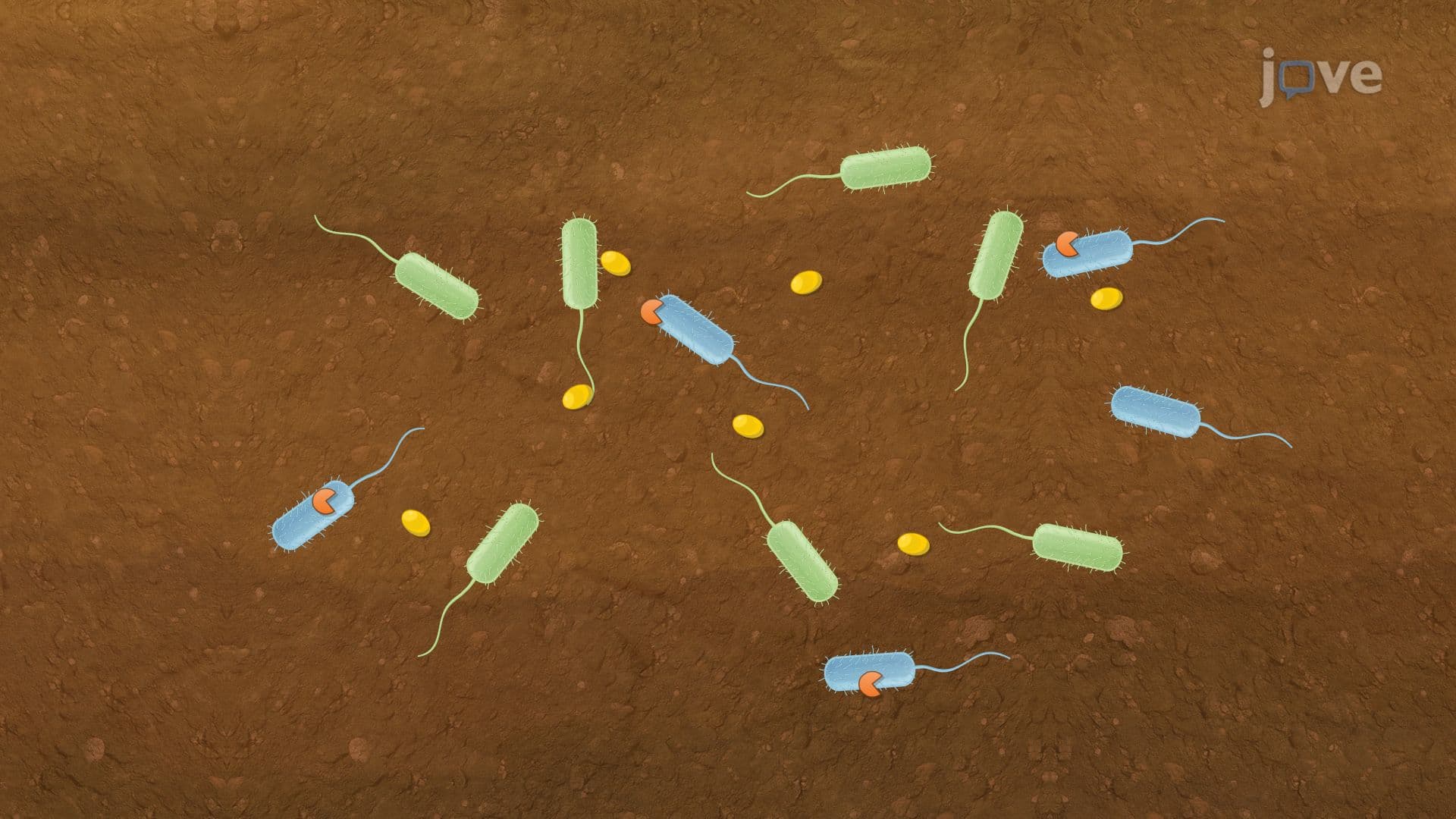
An ecological niche is far more than just a species' physical location, it describes the complete functional role an organism plays within its environment. This includes what resources it consumes, how it reproduces, what it eats, what eats it, and how it interacts with both living organisms and nonliving conditions around it. Think of a niche as a species' "job description" within the ecosystem. Understanding ecological niche basics is foundational in AP Biology, college-level ecology courses, and the MCAT, where questions often test students' ability to distinguish niches from habitats.
One of the most tested concepts in ecology is the difference between the fundamental niche and the realized niche. The fundamental niche represents the full range of abiotic conditions, temperature, light, pH, salinity, nutrient levels, under which an organism *could* theoretically survive and reproduce, assuming no competition or predation. The realized niche, by contrast, is the narrower set of conditions where an organism *actually* lives, shaped by biological pressures like competition and predation.
A classic US example occurs in the rocky intertidal zones along the Pacific Coast of California. Two barnacle species, *Chthamalus* and *Balanus*, have overlapping fundamental niches, but *Balanus* outcompetes *Chthamalus* in lower zones, pushing the latter to dwell only higher on the rocks. This is a textbook illustration of how the realized niche is always equal to or smaller than the fundamental niche, a concept that appears frequently on AP Biology exams and college midterms.
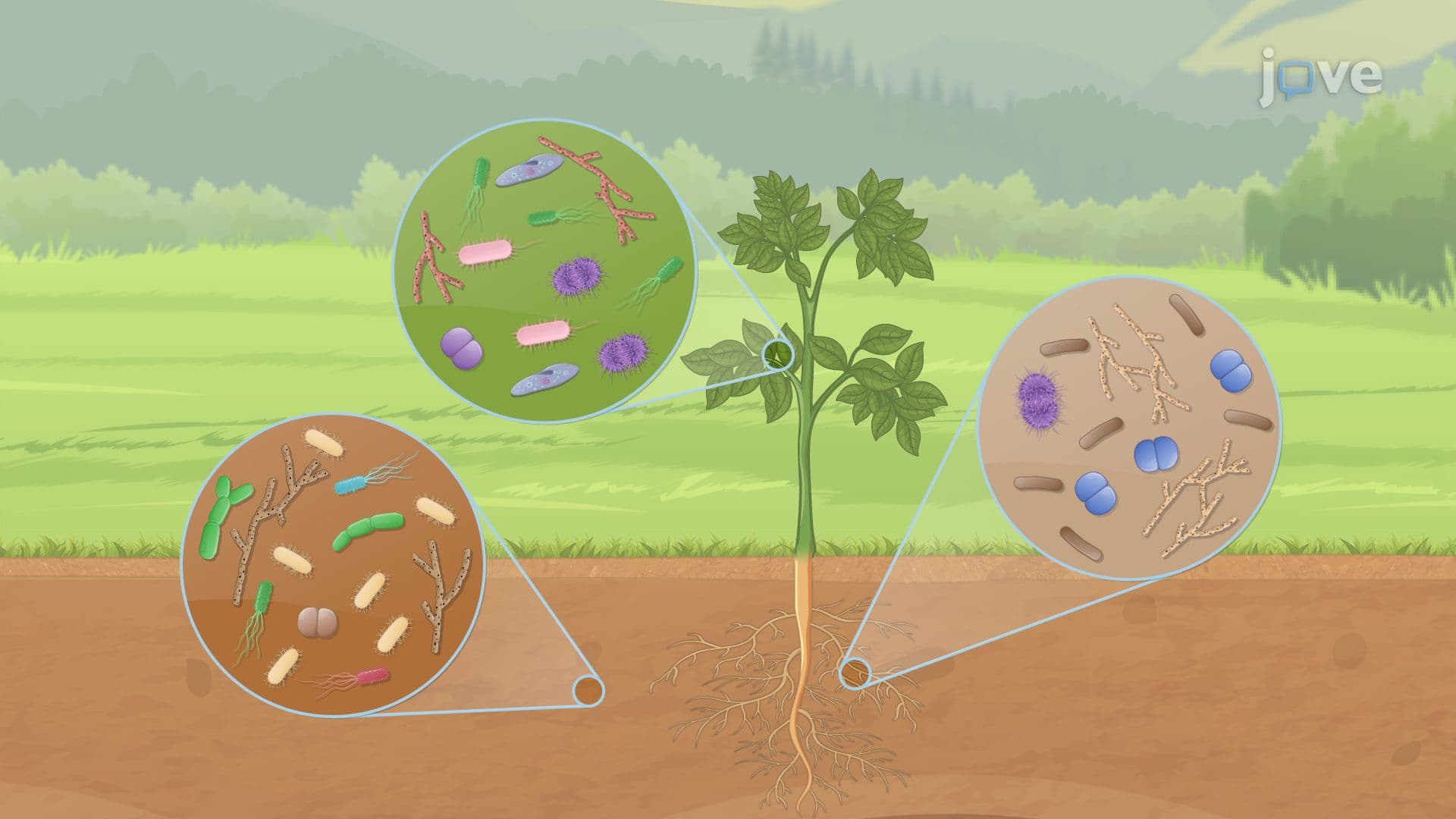
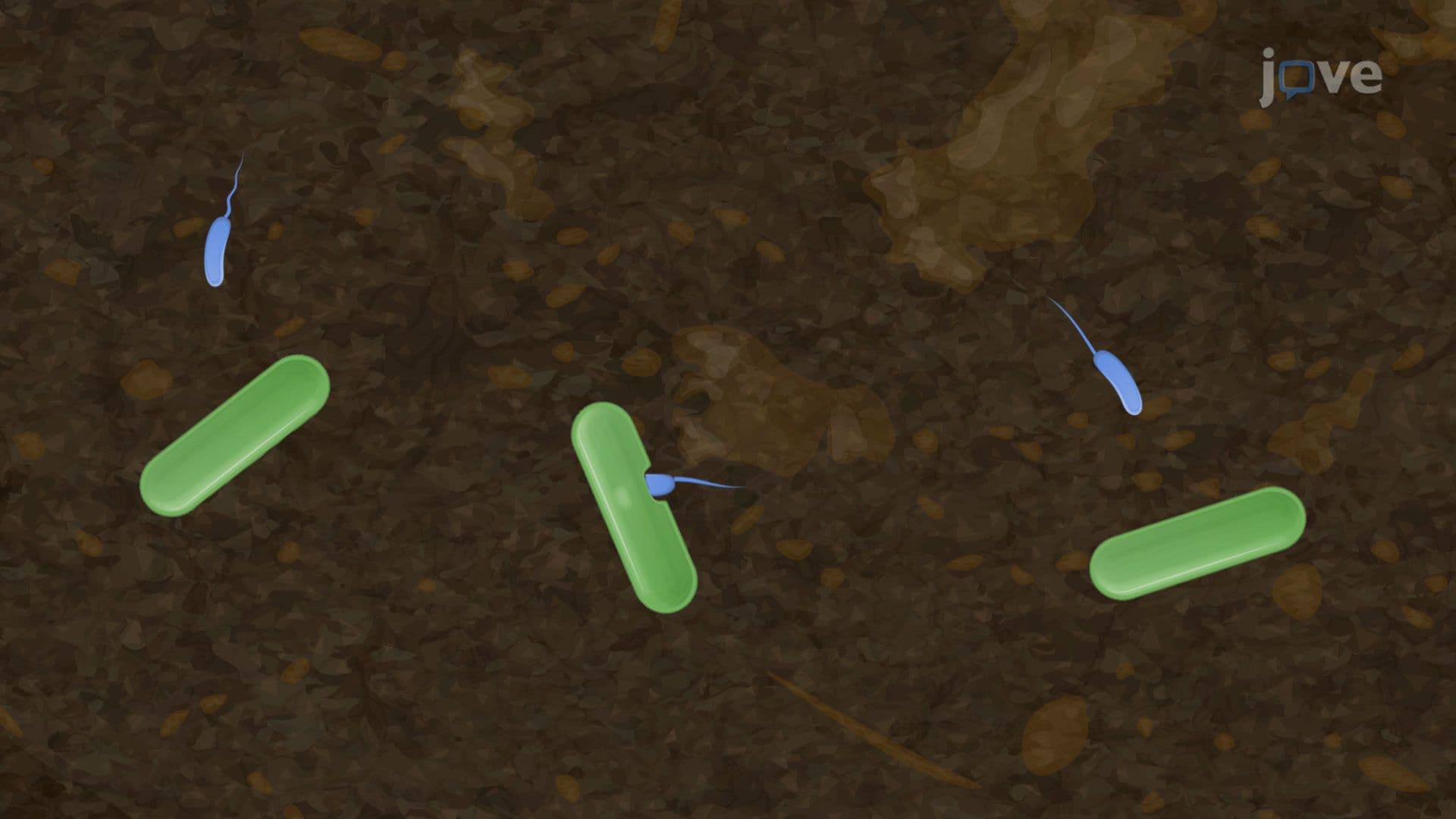
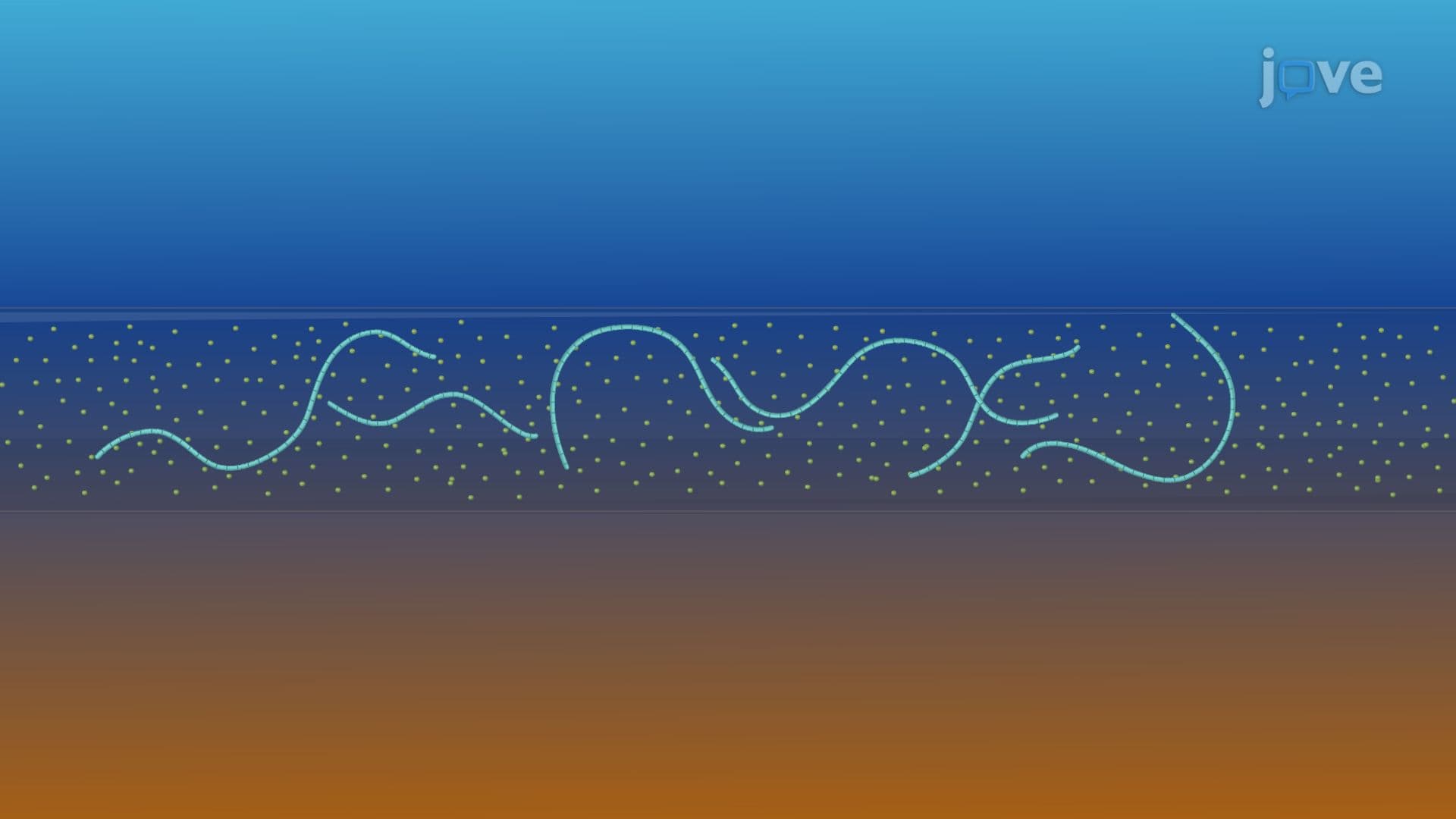
Microorganisms provide some of the most elegant examples of niche partitioning. In stratified lake ecosystems found across the Great Lakes region, different photosynthetic bacteria occupy distinct water layers based on light penetration and nutrient gradients. Cyanobacteria dominate the sunlit upper layers, while green sulfur bacteria, adapted to lower light intensities, thrive in deeper, dimmer zones. This spatial separation allows multiple species to coexist by reducing direct competition, a phenomenon called resource partitioning.
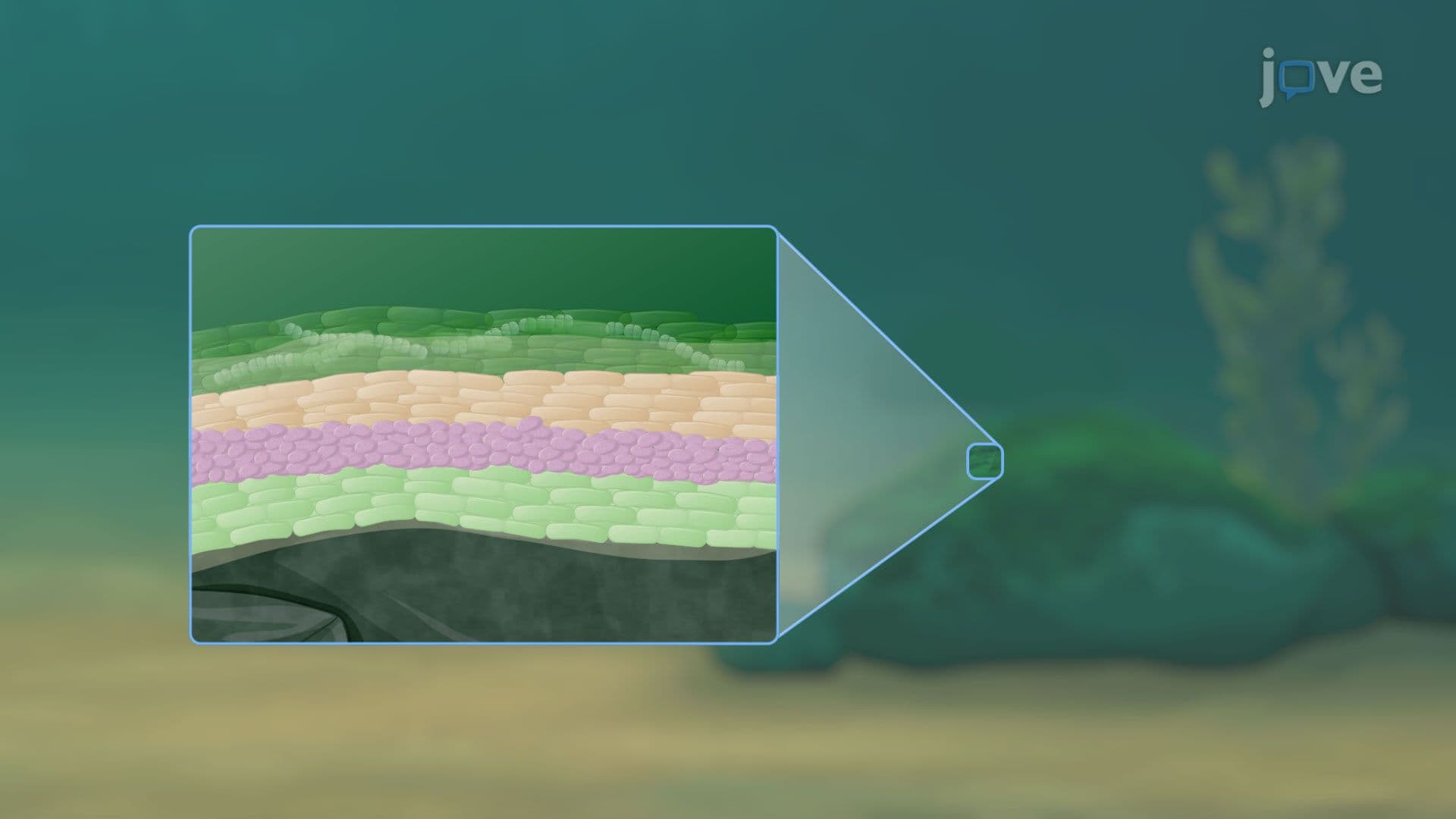
Biofilms, structured communities of microorganisms attached to surfaces, also demonstrate niche complexity. In biofilms found in US water treatment facilities, aerobic bacteria colonize the outer layers where oxygen is abundant, while anaerobic species occupy the oxygen-depleted interior. Each microorganism occupies a chemically distinct microenvironment, functioning as its own realized niche within a millimeter-thick community.
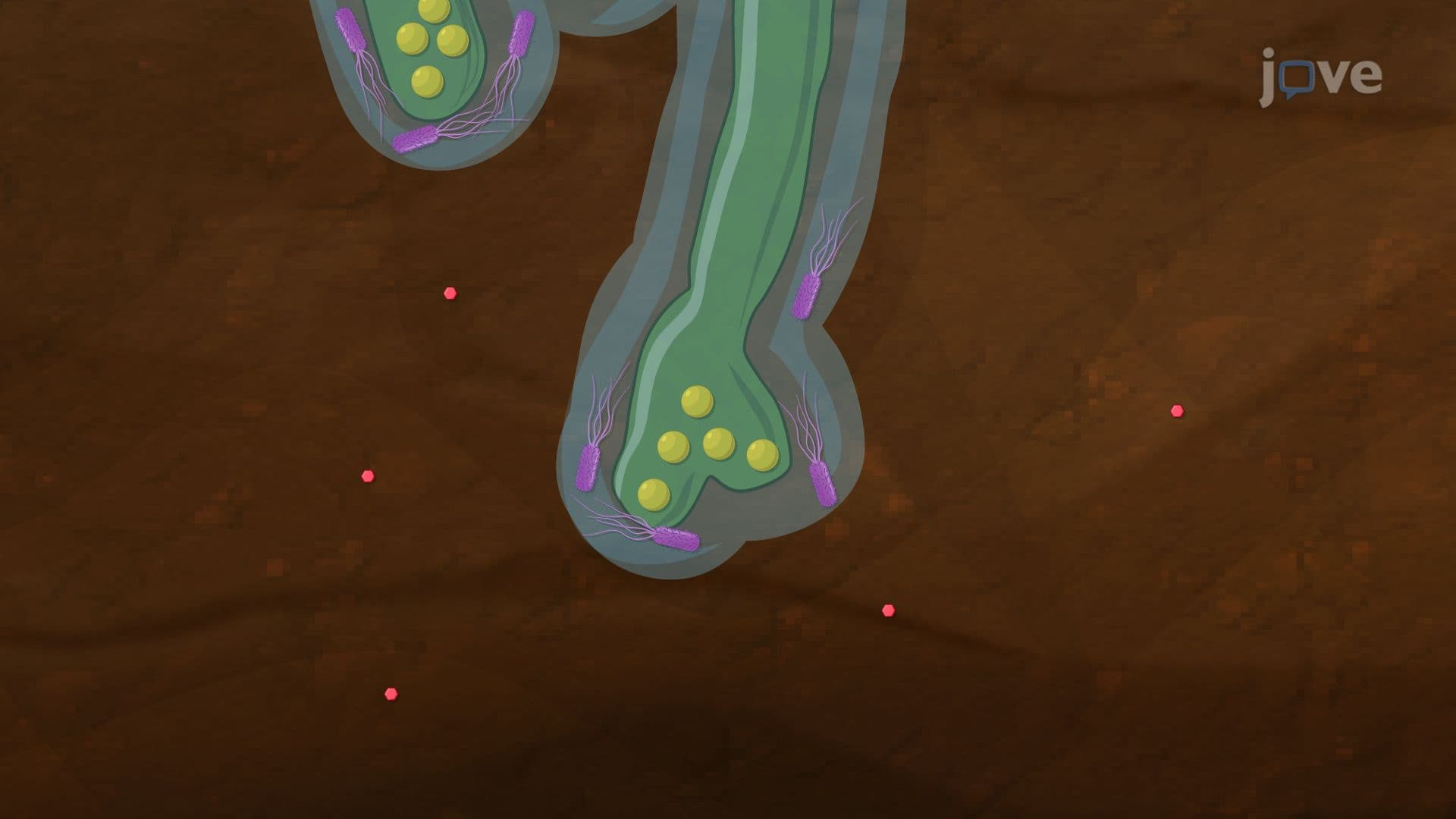
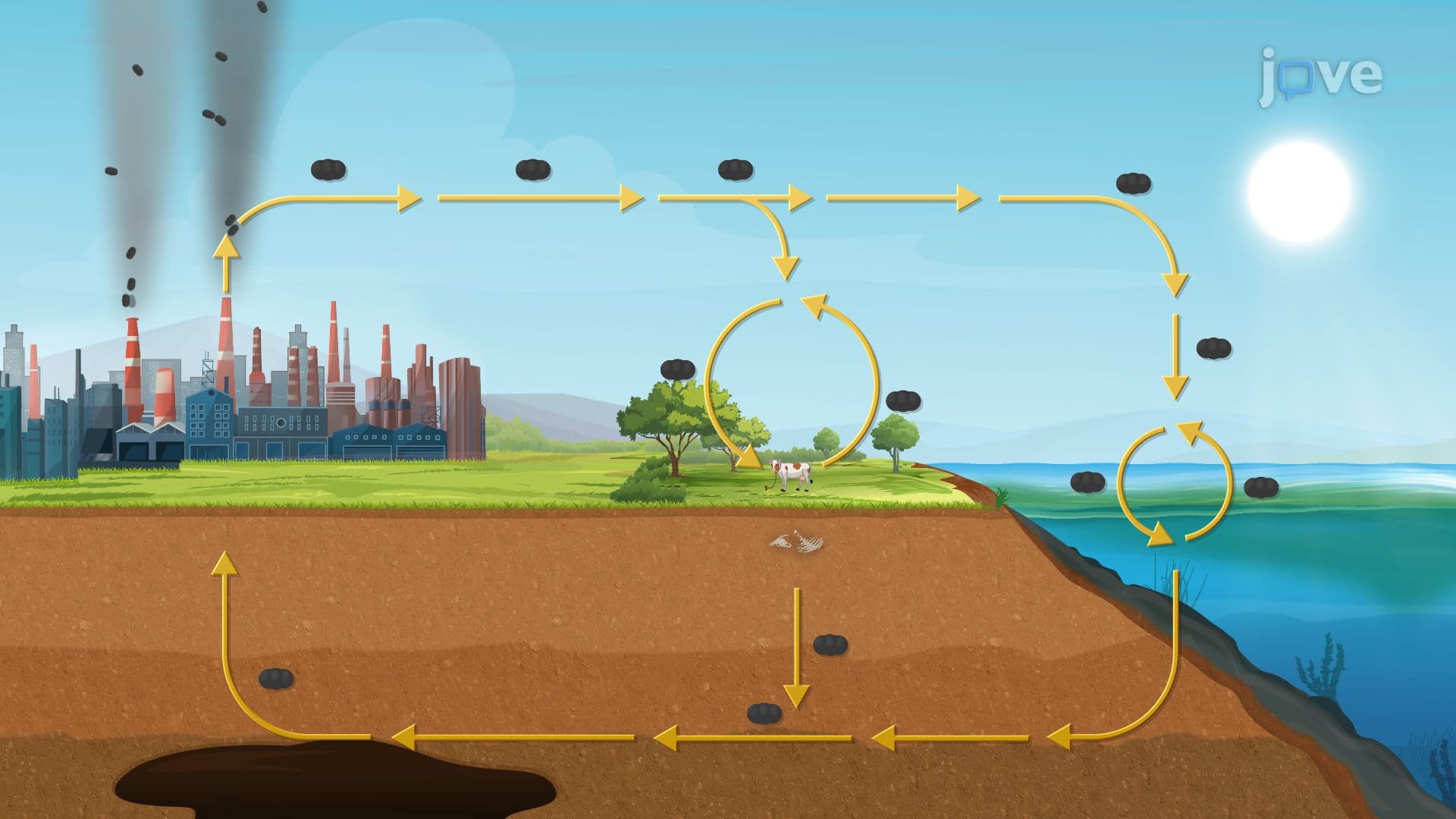
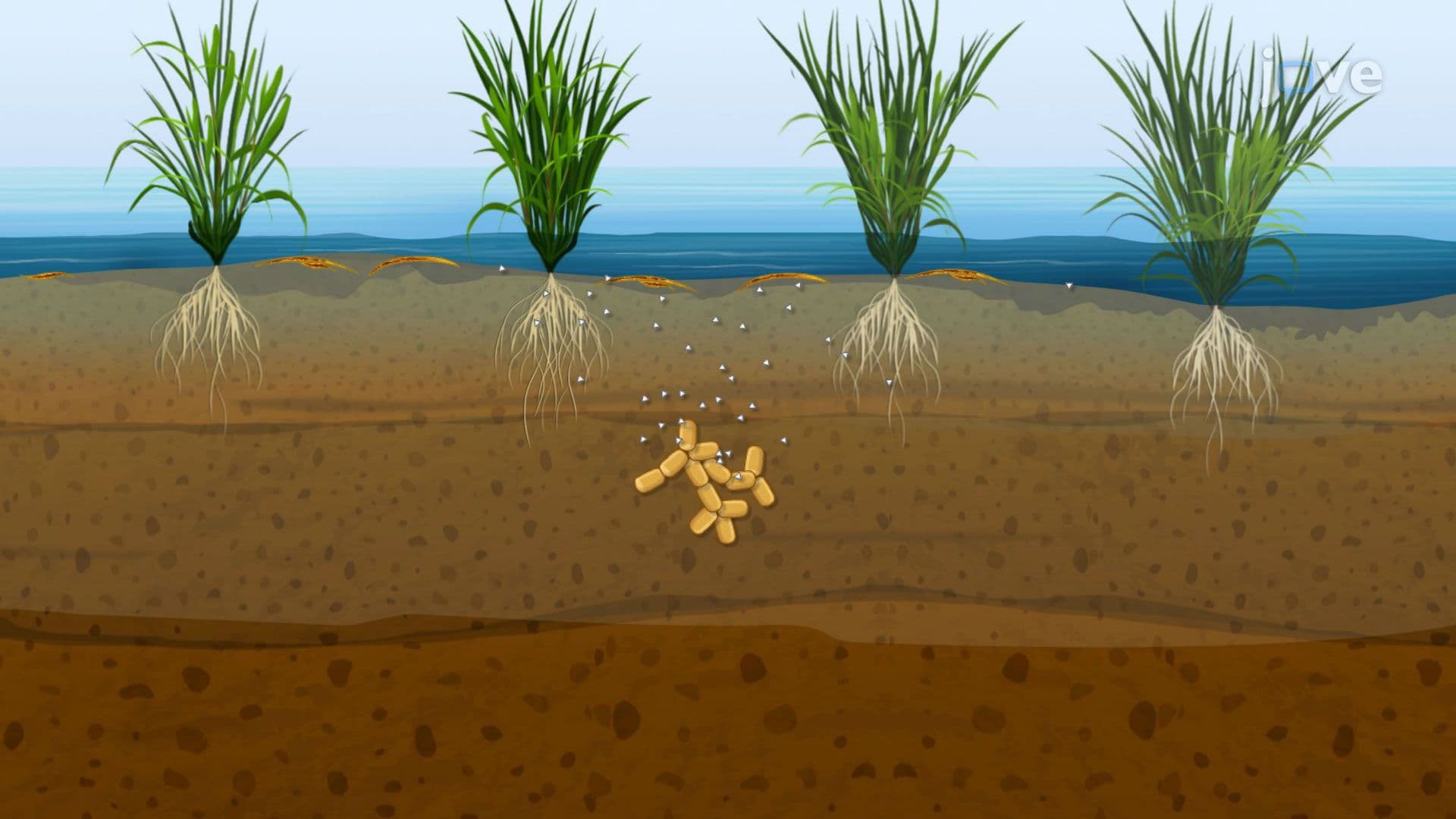
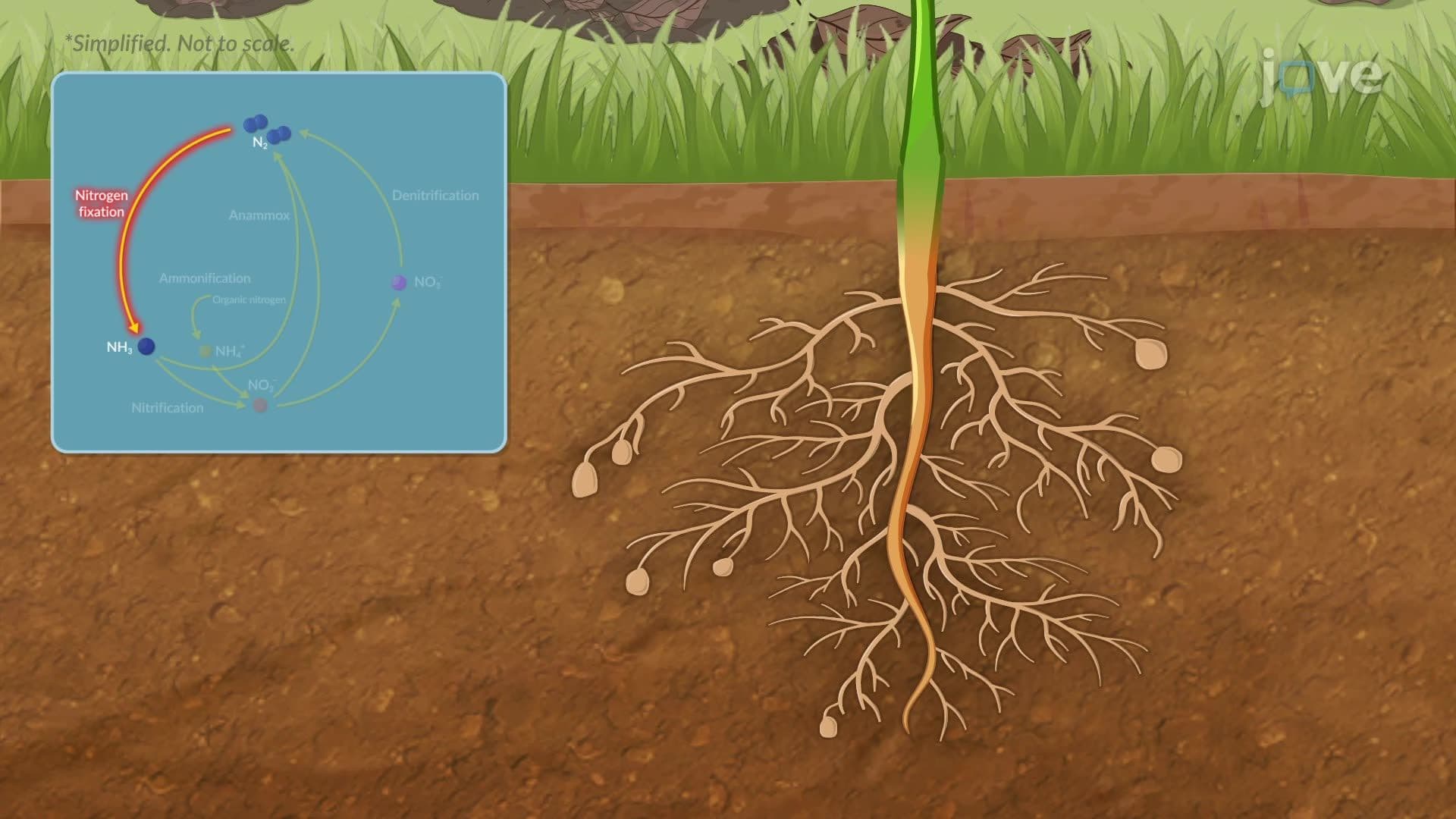
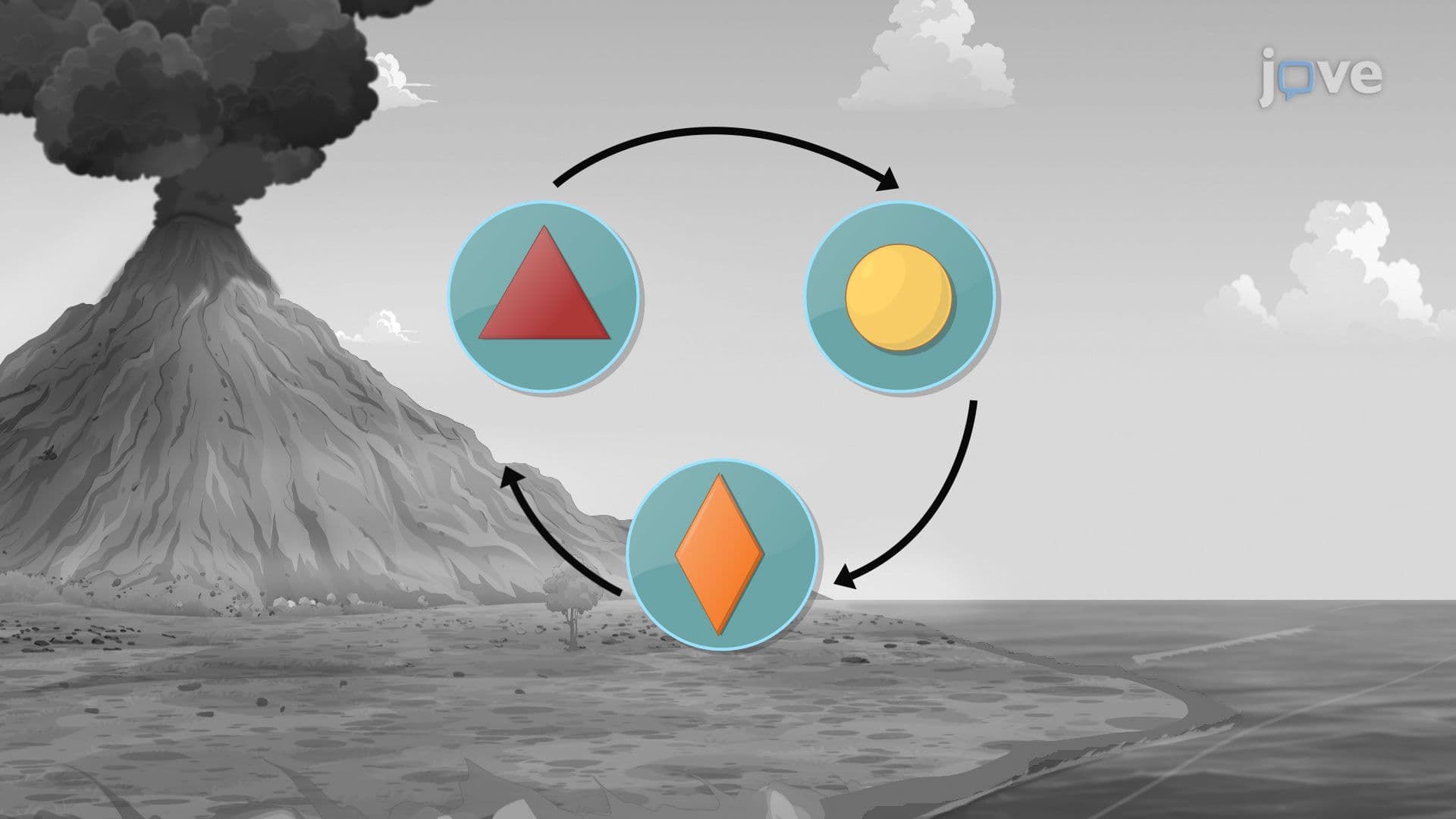
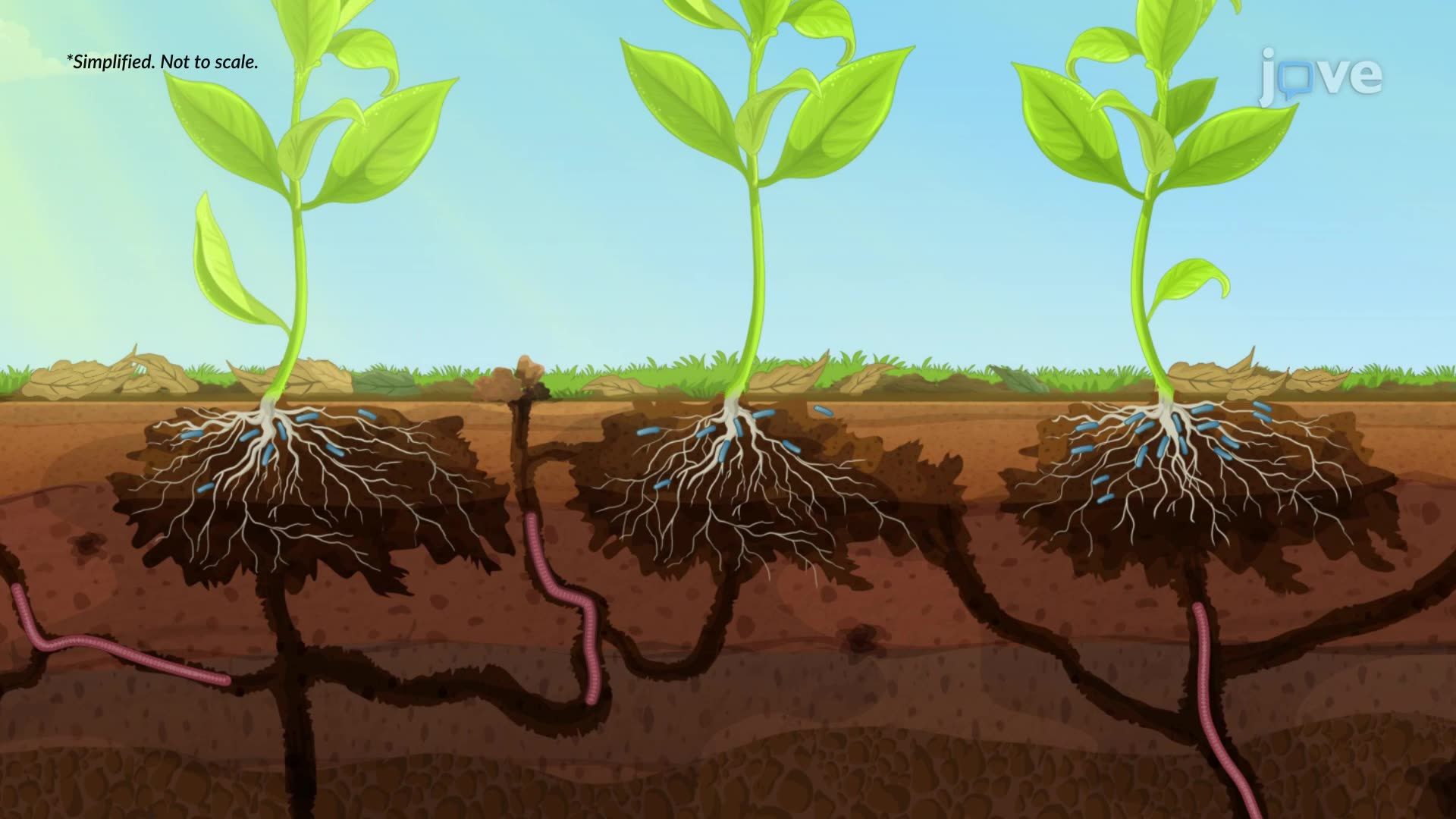
Understanding microbial niches has enormous real-world implications. Microbes occupying specific niches drive the planet's most critical biogeochemical cycles, including the carbon, nitrogen, and sulfur cycles. Nitrogen-fixing bacteria like *Rhizobium*, which form symbiotic relationships with legume roots in American agricultural soils, convert atmospheric nitrogen into bioavailable forms that plants and animals depend on. Without these niche-specific microbes, entire food webs would collapse.
Extremophiles further expand our understanding of niche boundaries. Organisms thriving in Yellowstone's hydrothermal vents or in the acidic drainage of Colorado's abandoned mines show that life can adapt to nearly any stable set of conditions, redefining what we consider a "livable" niche. Researchers at institutions like the University of California system study these extremophiles to understand both the limits of life on Earth and the potential for life in extreme extraterrestrial environments.
On exams like the MCAT and AP Biology, students are expected to move beyond definitions and apply niche theory to explain biodiversity, species coexistence, and ecosystem stability, making this one of the most versatile and high-yield concepts in all of ecology.
Related Micro-courses