Loading video…

 22 Concepts
 4.1K views

Video Summary: Microbes and the Nitrogen Cycle Explained
Did you know that without microscopic bacteria in the soil, most plants, including the crops that feed millions of Americans, couldn't survive? Microbes and the nitrogen cycle basics explain how living organisms convert unusable atmospheric nitrogen into life-sustaining compounds. From cornfields in Iowa to legume farms across the Midwest, these invisible workhorses drive one of Earth's most essential biogeochemical cycles. Watch the full video on JoVE Coach to master this concept with expert-led visuals and step-by-step explanations.
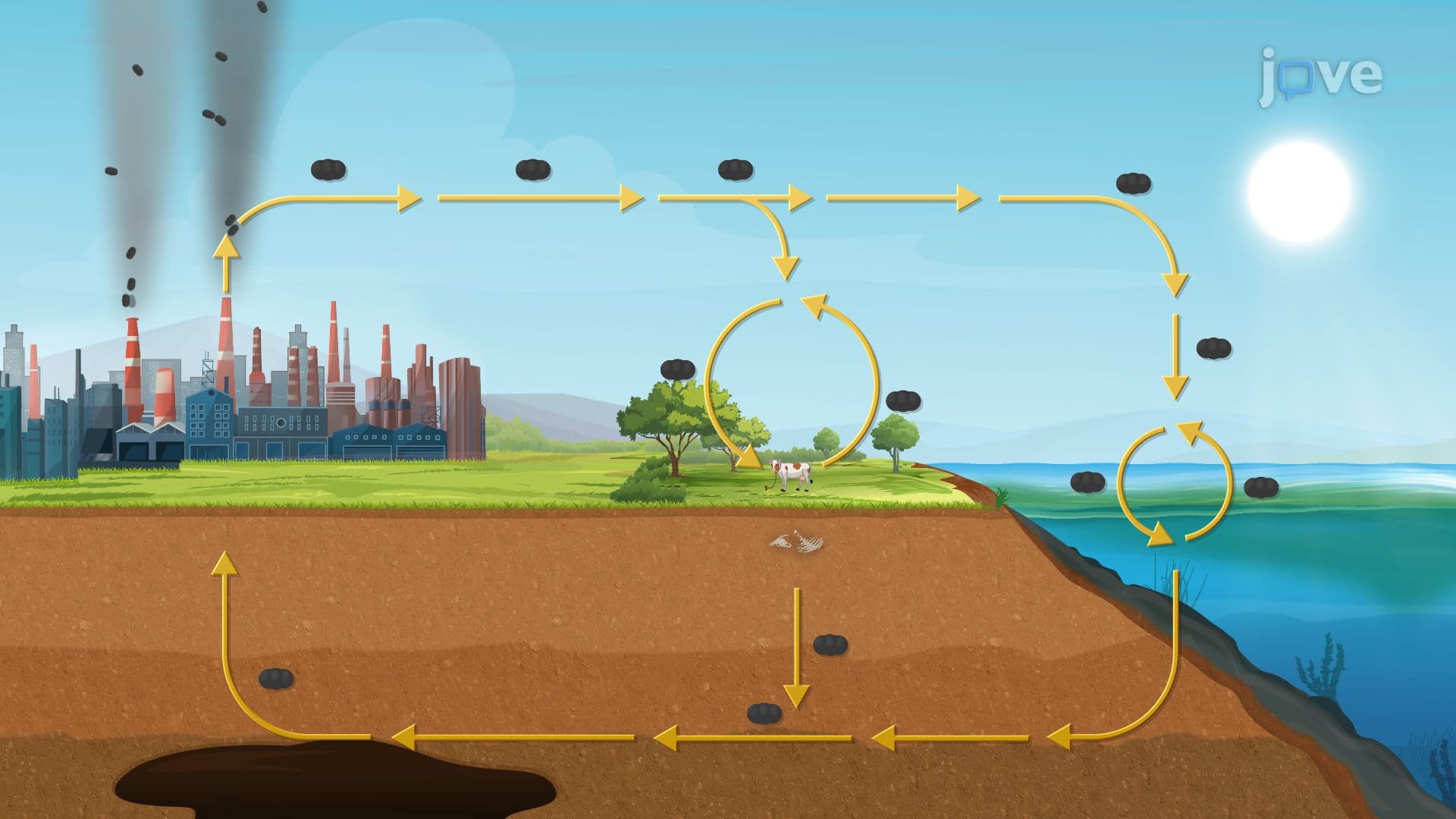
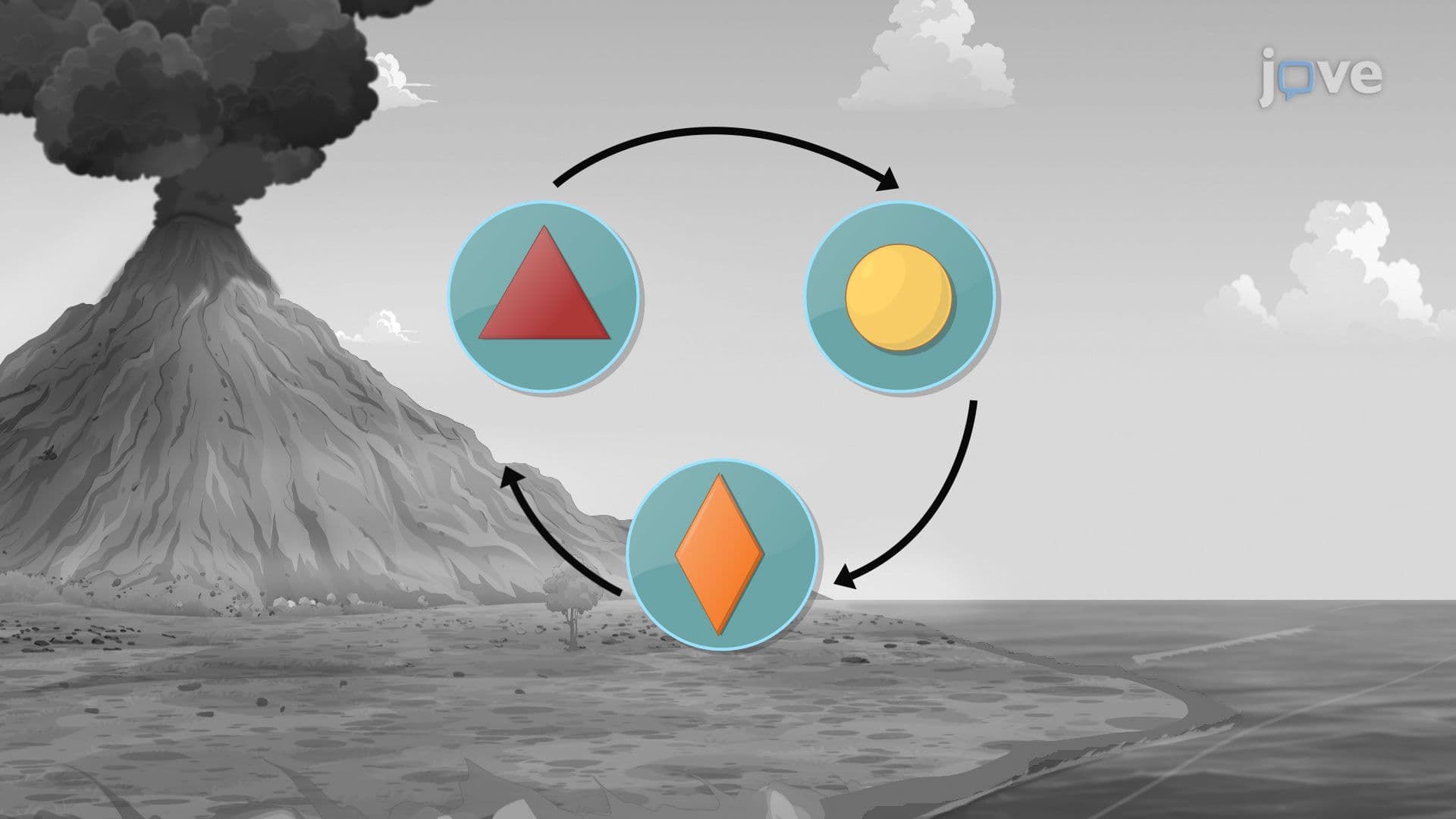
Nitrogen makes up about 78% of Earth's atmosphere, yet most living organisms cannot use it in its gaseous form (N₂). The nitrogen cycle is the biogeochemical pathway that converts nitrogen into forms organisms can actually use, and microbes are the engine driving nearly every step. Understanding this cycle is foundational in AP Biology, college-level microbiology, and environmental science courses across the US.
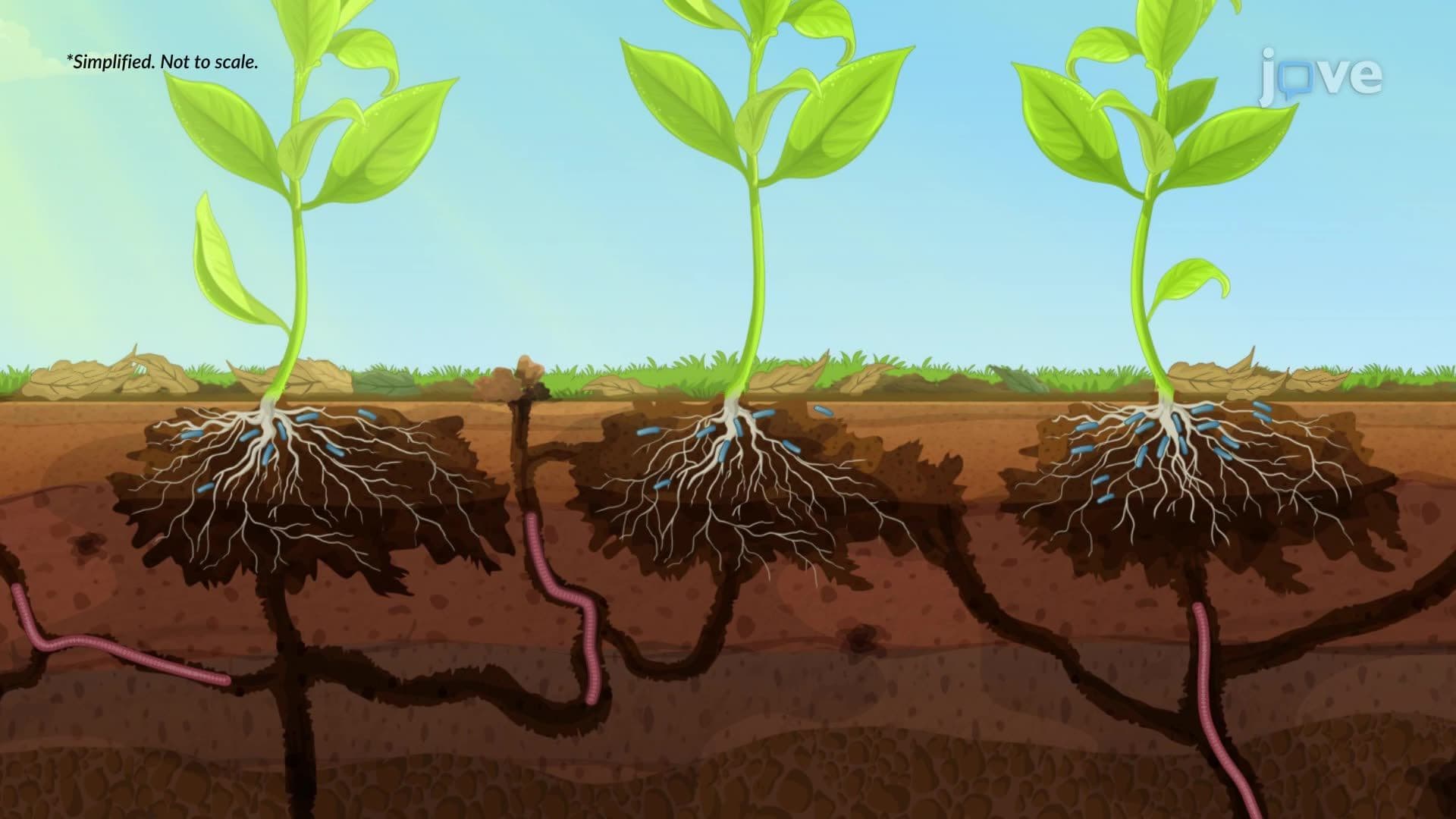
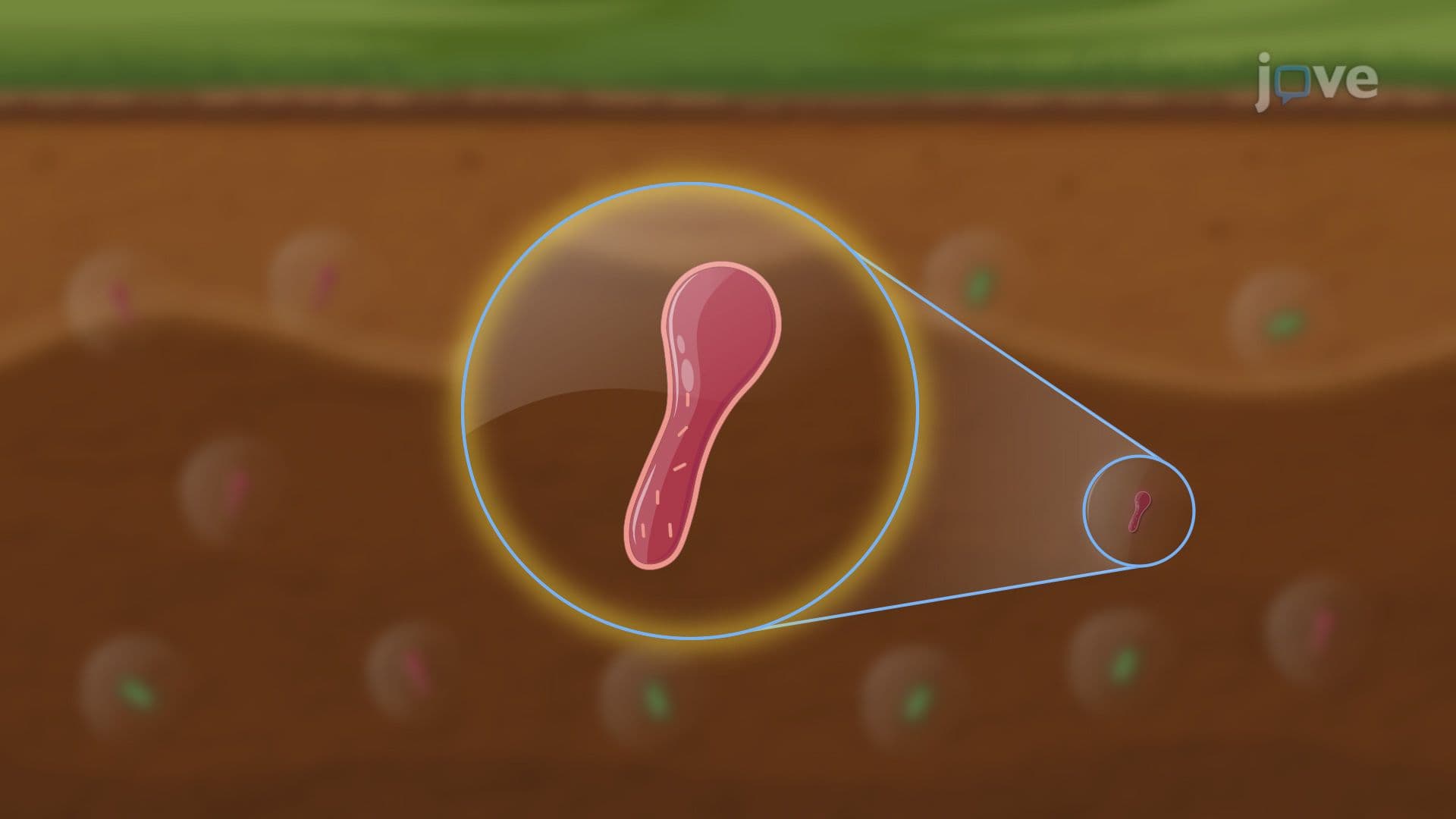
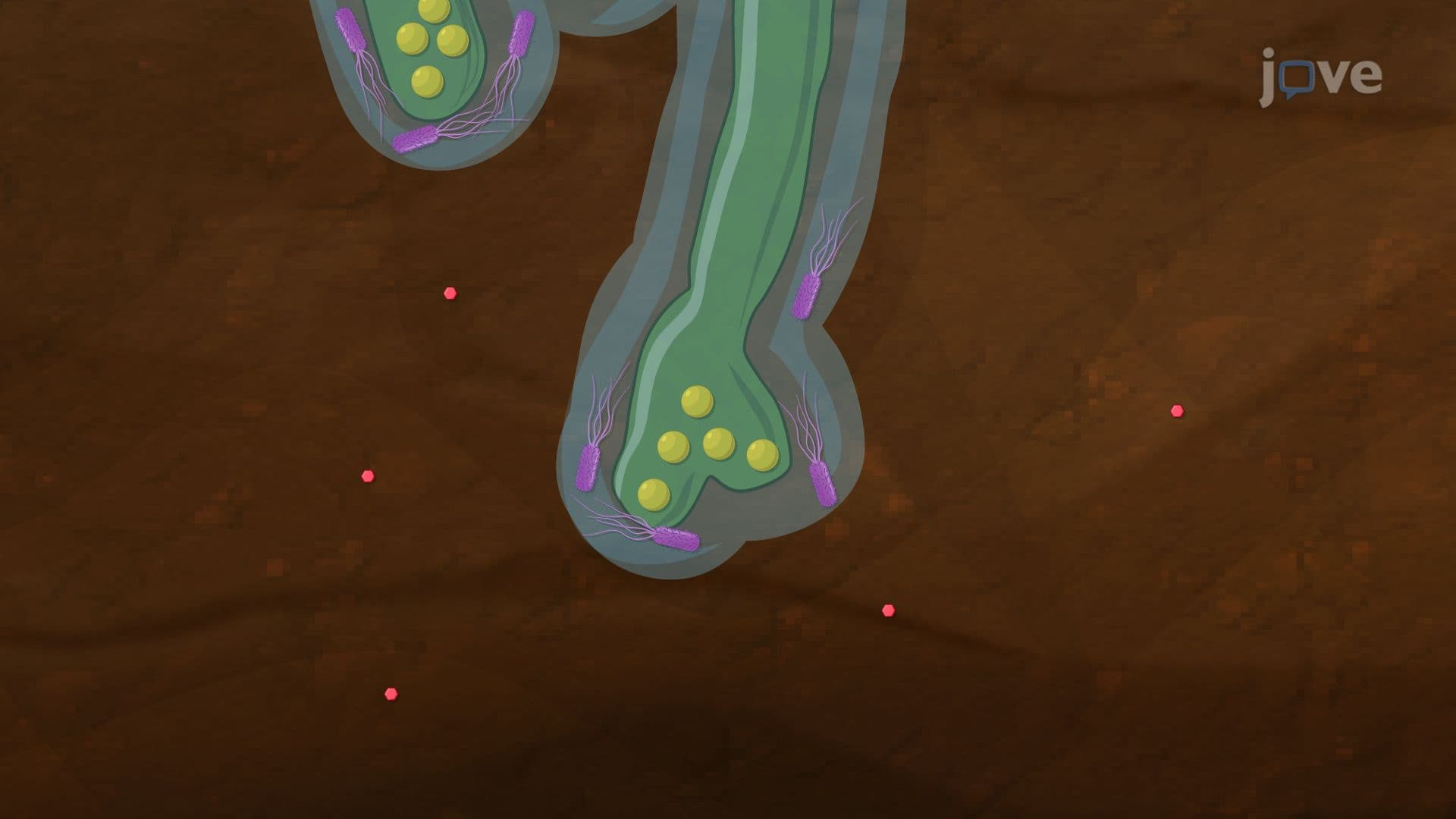
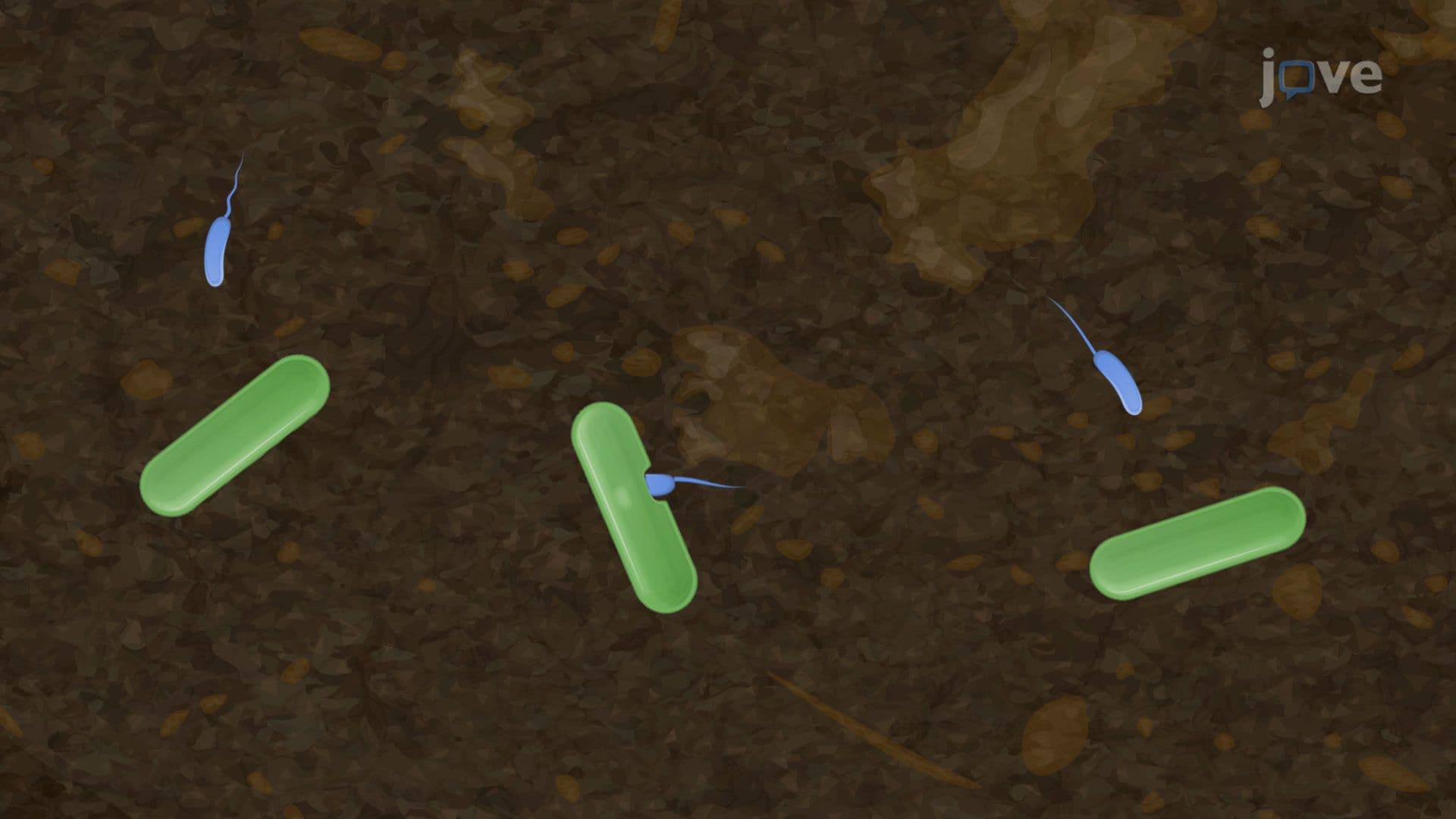
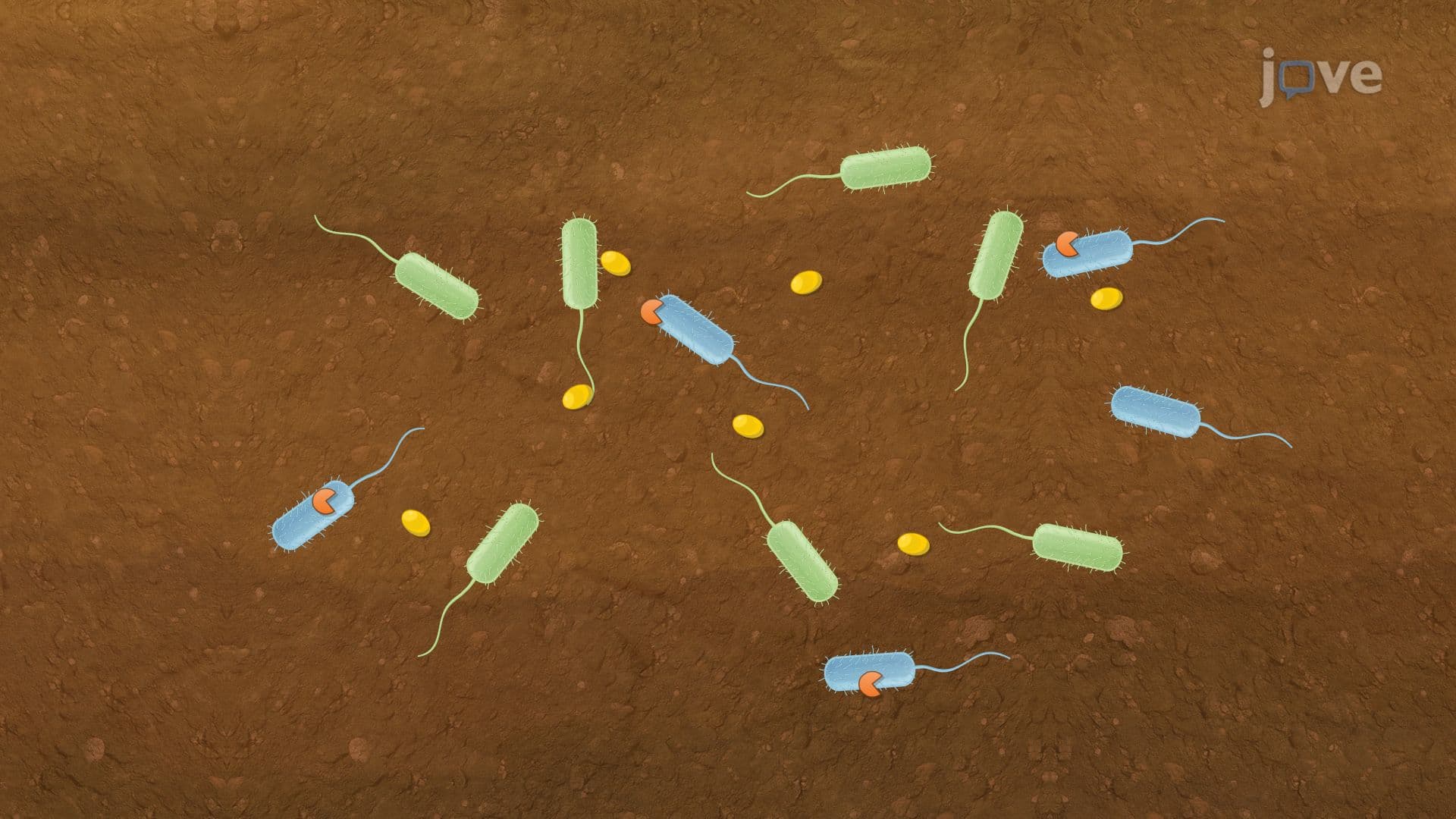
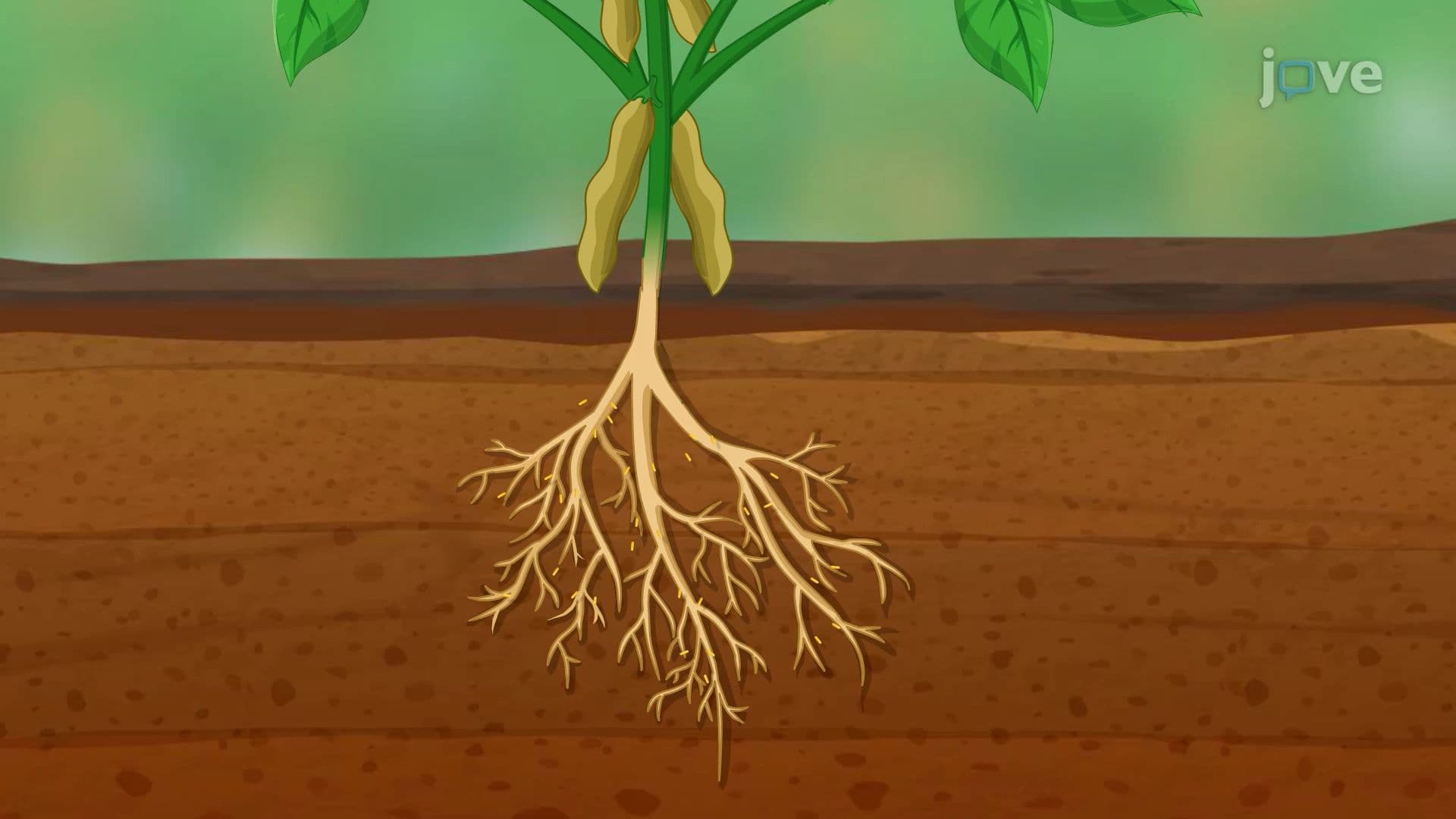
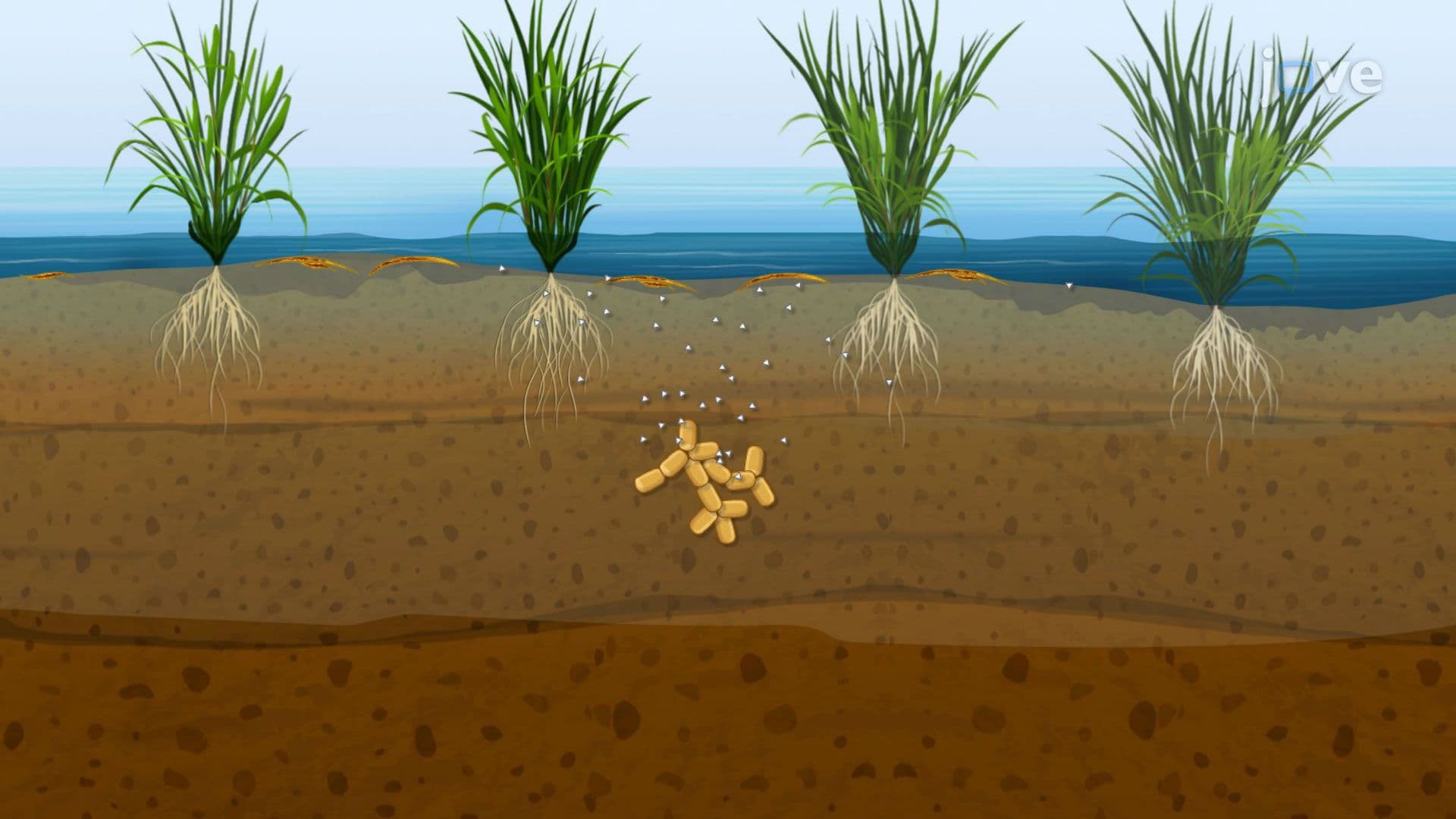
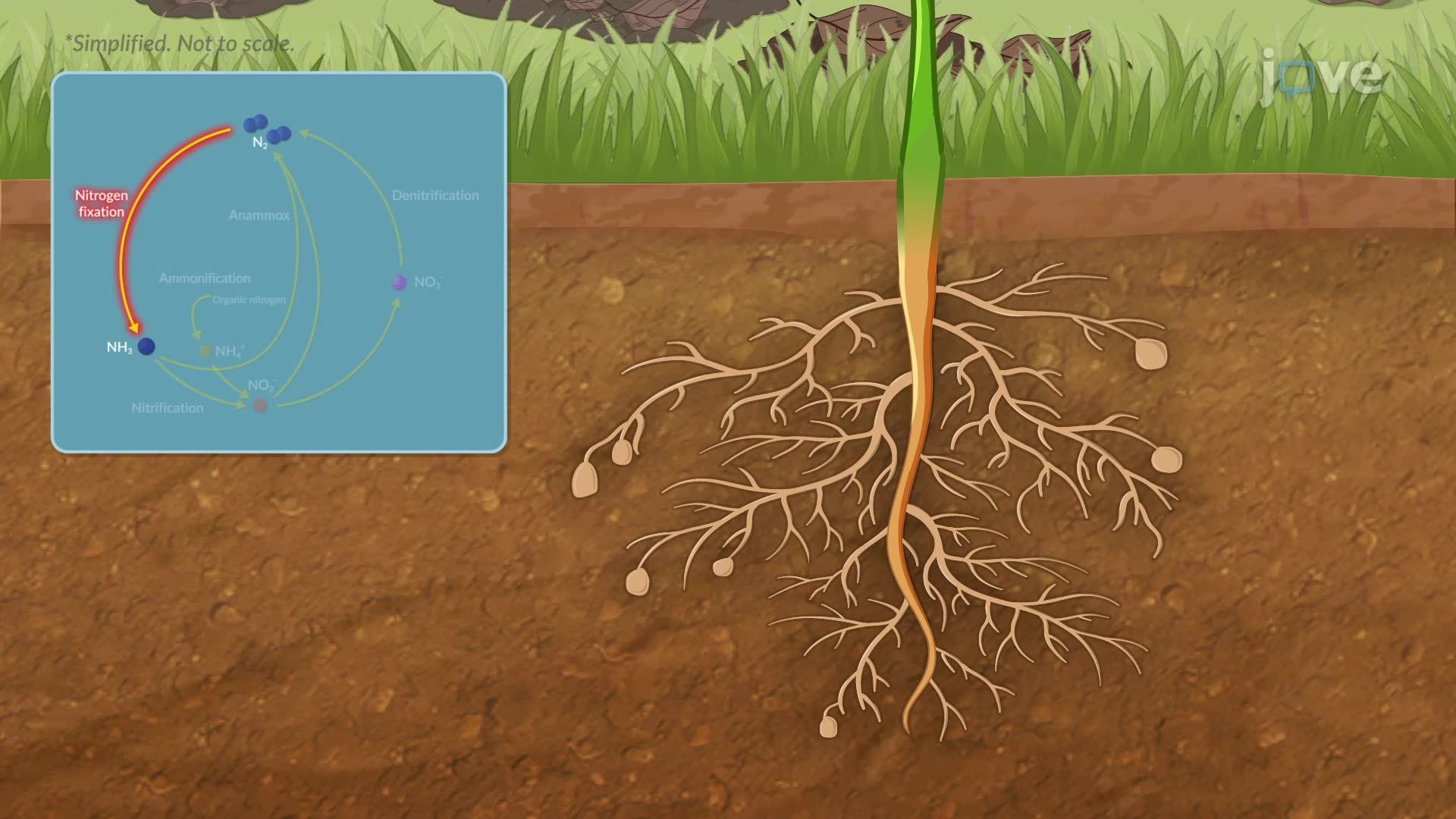
The cycle starts when specialized bacteria "fix" atmospheric nitrogen gas into ammonia (NH₃), a process that requires breaking one of chemistry's strongest triple bonds. Free-living soil bacteria like *Azotobacter* accomplish this independently, contributing to soil fertility in grasslands and agricultural fields. Even more efficient are symbiotic bacteria like *Rhizobium*, which colonize the root nodules of legumes, soybeans, clover, and alfalfa, forming one of nature's most celebrated symbiotic relationships. US soybean farmers in states like Illinois and Indiana rely heavily on this natural process, sometimes reducing the need for synthetic nitrogen fertilizers. This concept frequently appears on AP Biology free-response questions and MCAT passages about ecology and nutrient cycles.
When organisms die or excrete waste, decomposer microbes break down nitrogen-containing molecules, amino acids and nucleotides, releasing ammonium ions (NH₄⁺) back into the soil through ammonification. In aerobic (oxygen-rich) soils, this ammonium is then processed through a two-step nitrification pathway. First, ammonia-oxidizing bacteria such as *Nitrosomonas* convert ammonia to nitrite (NO₂⁻). Then, *Nitrobacter* completes the job by oxidizing nitrite to nitrate (NO₃⁻). Nitrate is the form most commonly absorbed by plant roots, making these nitrifying bacteria critical to agricultural productivity. On college midterms and AP exams, students are often asked to sequence these steps correctly and name the responsible organisms, a detail worth memorizing precisely.
Without a return pathway, reactive nitrogen would accumulate to toxic levels in soils and waterways. In low-oxygen environments, denitrifying bacteria like *Pseudomonas* species reduce nitrate back to nitrogen gas (N₂), completing the cycle. In fully anoxic (zero-oxygen) zones, such as deep sediments or specialized wastewater treatment reactors, the anammox process takes over. Performed by bacteria in the family *Brocadiaceae*, anammox combines ammonia and nitrite directly to produce nitrogen gas. This process was only discovered in the 1990s and is now engineered into advanced wastewater treatment facilities in the US, including systems in New York and Washington state, to reduce nitrogen pollution in waterways.
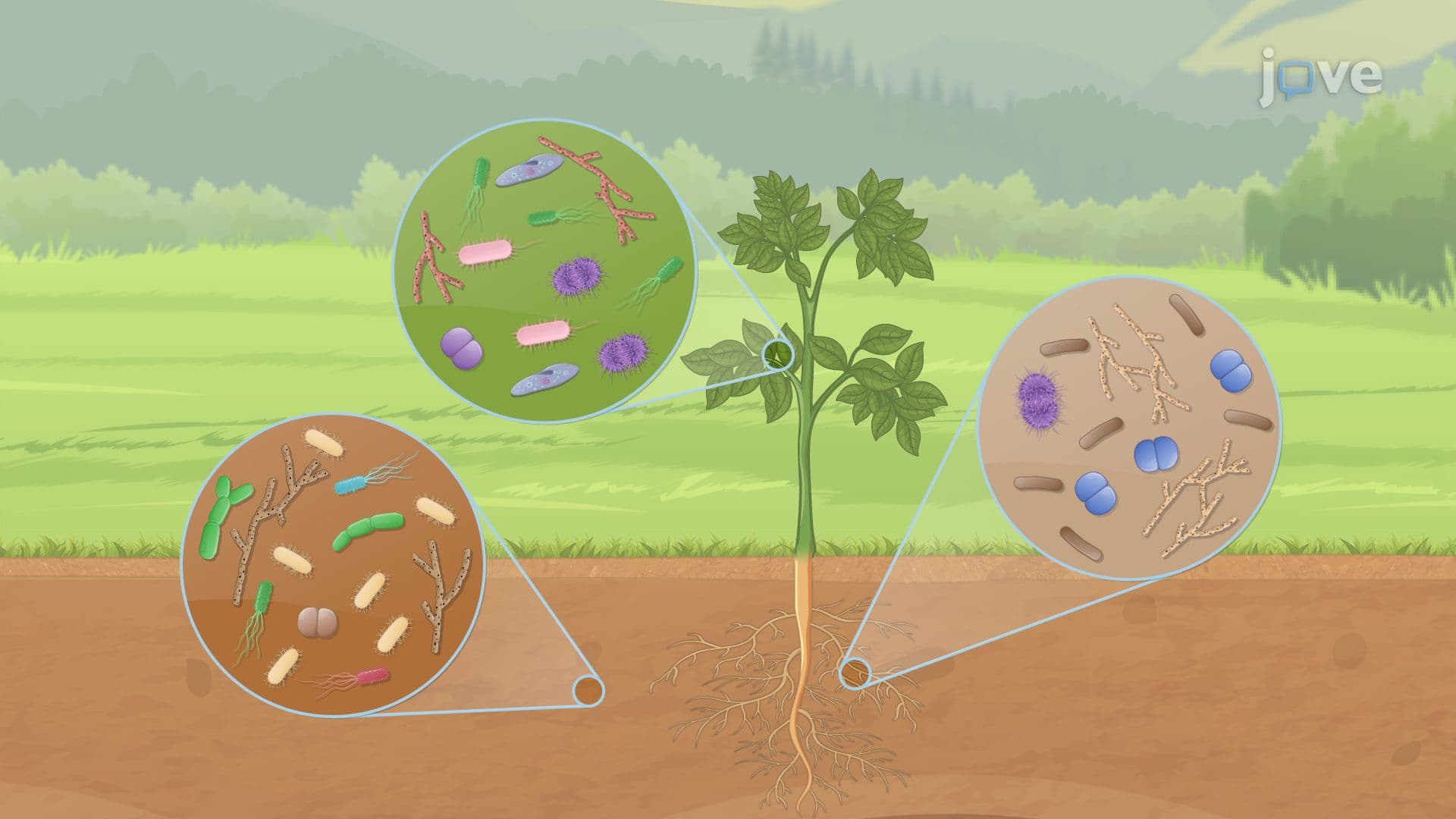
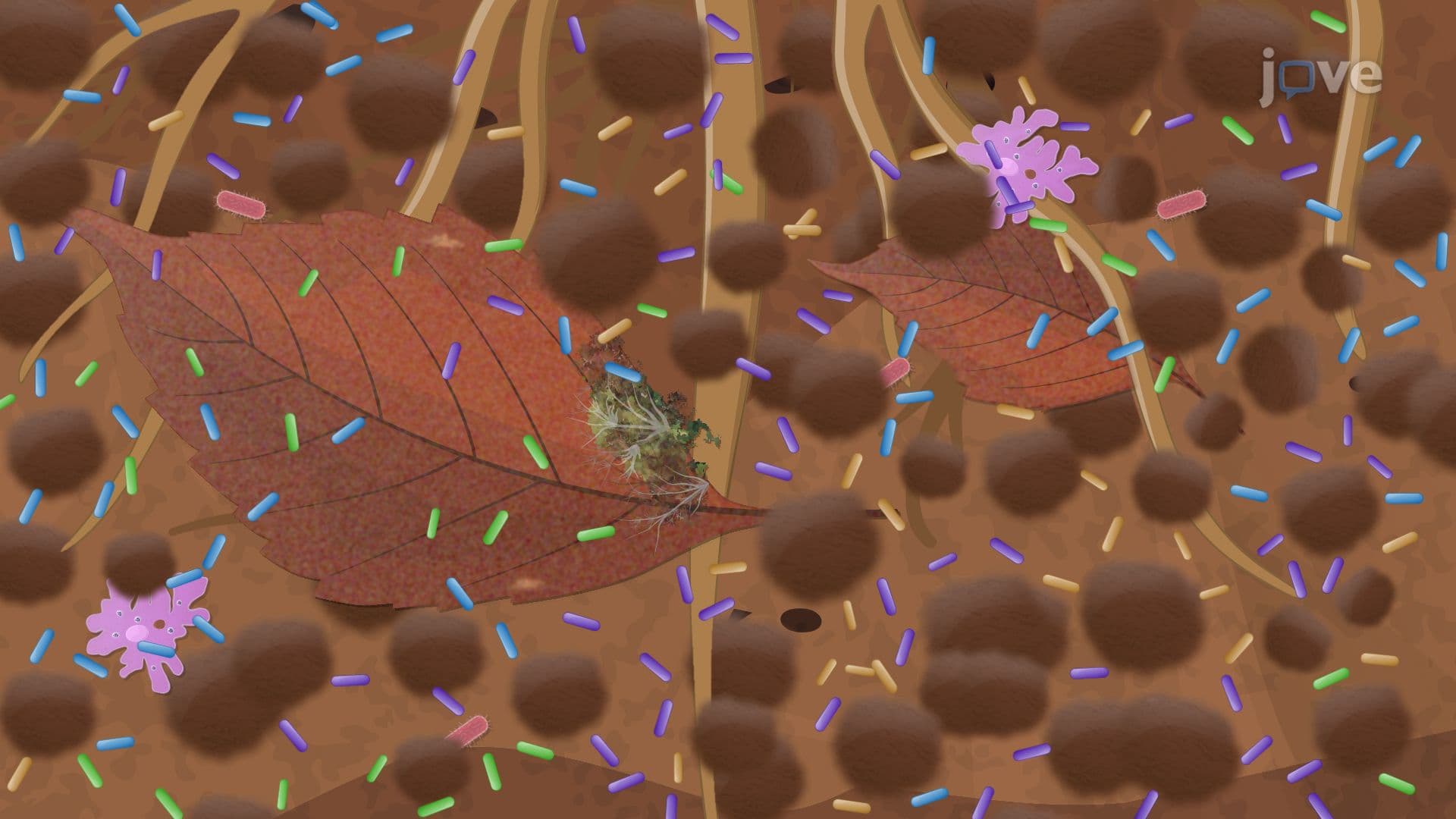
The nitrogen cycle illustrates why microbial diversity matters so profoundly. Each microbial community performs a specific chemical transformation under specific environmental conditions, aerobic, low-oxygen, or fully anoxic. The loss of even one microbial group can bottleneck the entire cycle, leading to nitrogen imbalances that trigger algal blooms, dead zones (like those in the Gulf of Mexico), and reduced crop yields. This connection between microbial diversity and ecosystem health is a high-yield topic in both AP Environmental Science and college ecology courses.
Related Micro-courses