Loading video…

 22 Concepts
 4.1K views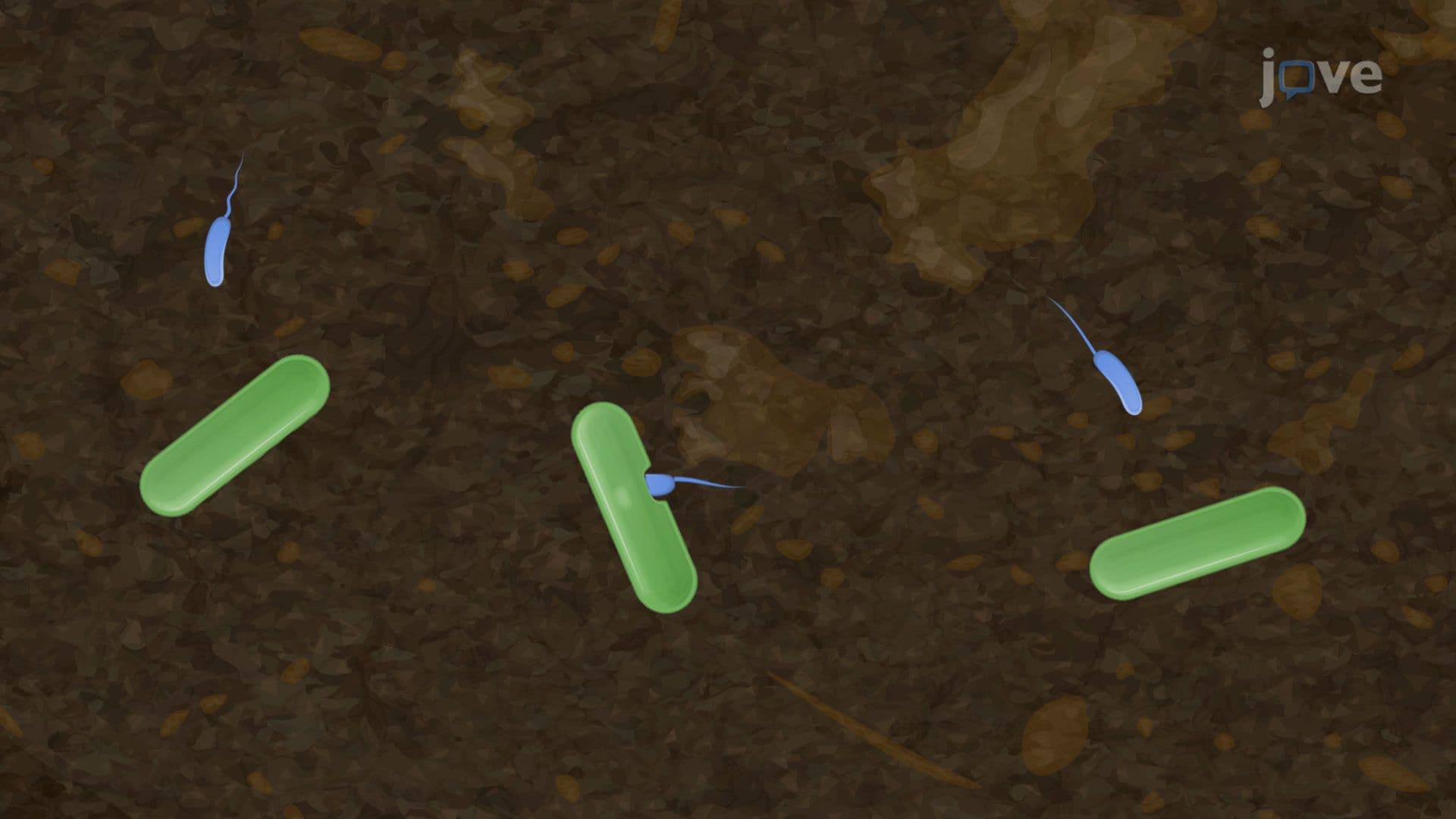

Video Summary: Predation in Microbial Interactions
Did you know some bacteria actually hunt and devour other bacteria like microscopic predators? Predation in microbial interactions is a fundamental biological process where one microorganism kills and consumes another for nutrients. In US soil ecosystems, from Midwest farmland to Pacific coastal wetlands, these interactions shape entire microbial communities. Predation in microbial interactions drives nutrient cycling, population control, and ecosystem balance at an invisible scale. Watch the full video on JoVE Coach to master this concept with expert-led visuals and step-by-step explanations.
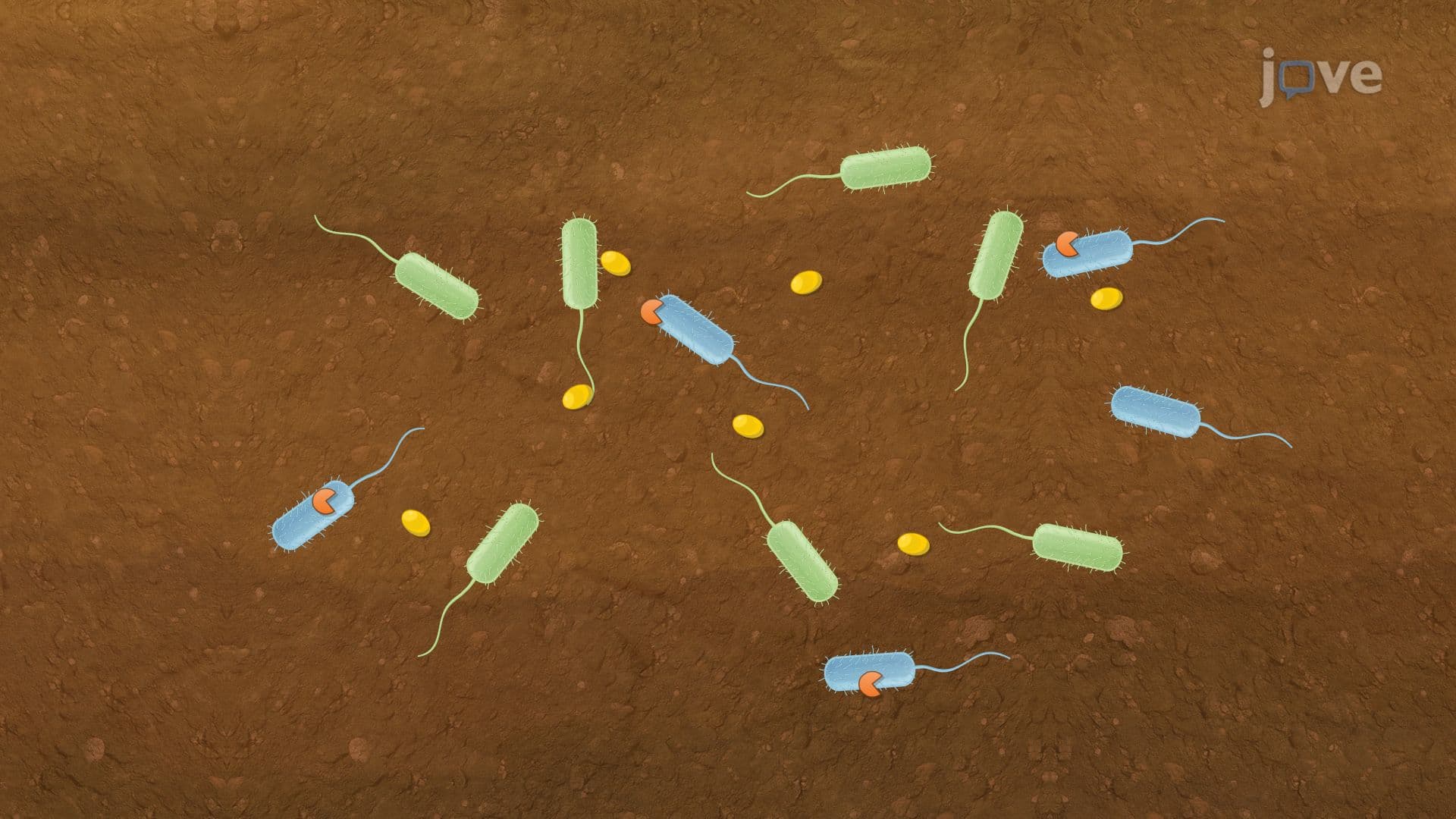
Predation in microbial interactions describes the ecological relationship in which one microorganism, the predator, actively kills and consumes another, the prey, to acquire energy and nutrients. Far from being a simple feeding behavior, microbial predation is a sophisticated, evolutionarily refined process that shapes population dynamics, drives nutrient flow, and influences the structure of entire microbial communities in environments ranging from soil and freshwater to the human gut.
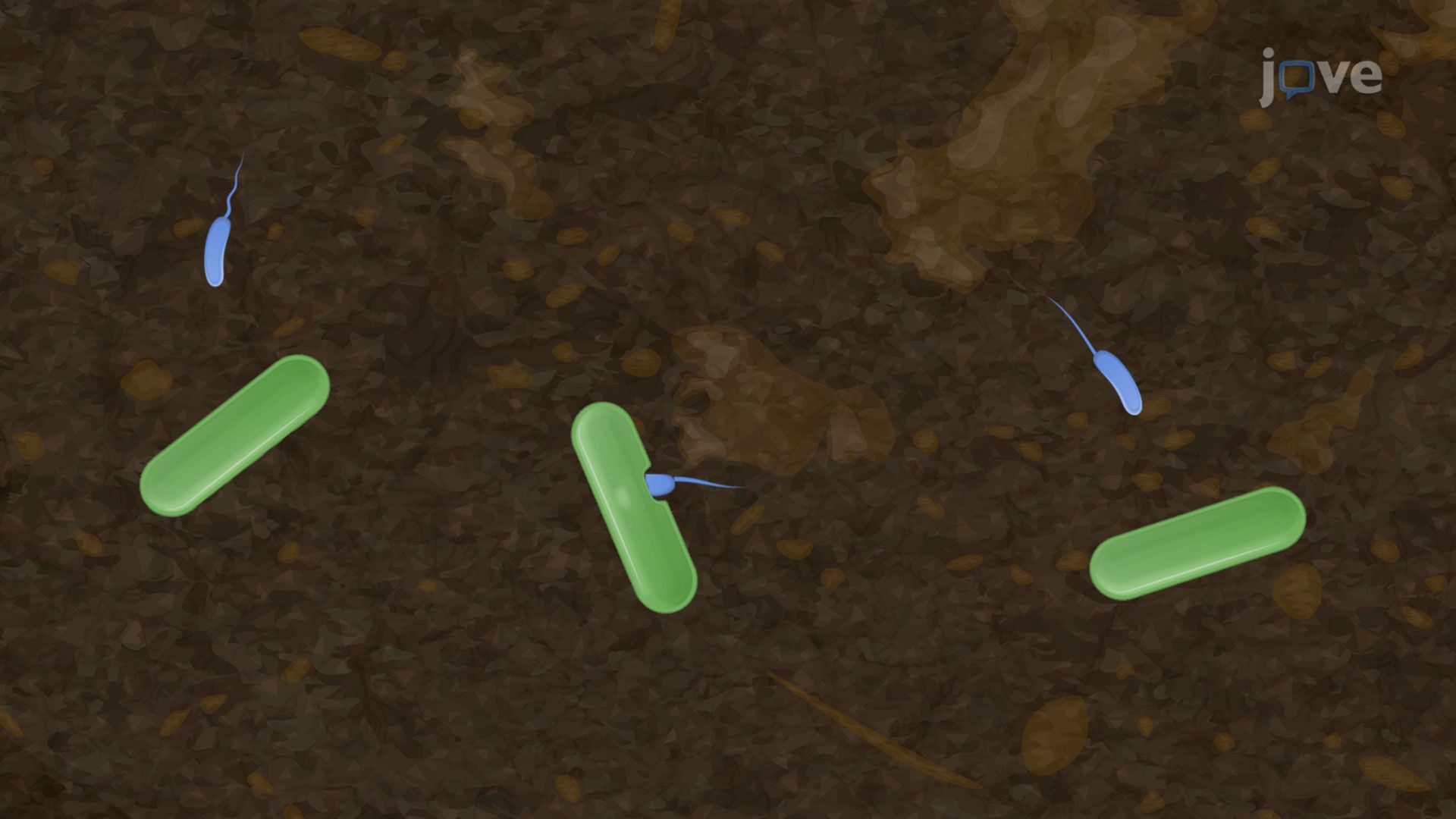
Not all microbial predators attack the same way. Epibiotic predators operate from the outside. *Vampirococcus*, for example, latches onto the outer membrane of a prey cell, secretes lytic enzymes that break down the cell wall, and absorbs the released cytoplasmic contents without ever entering the prey. This strategy is analogous to a predator consuming prey externally.
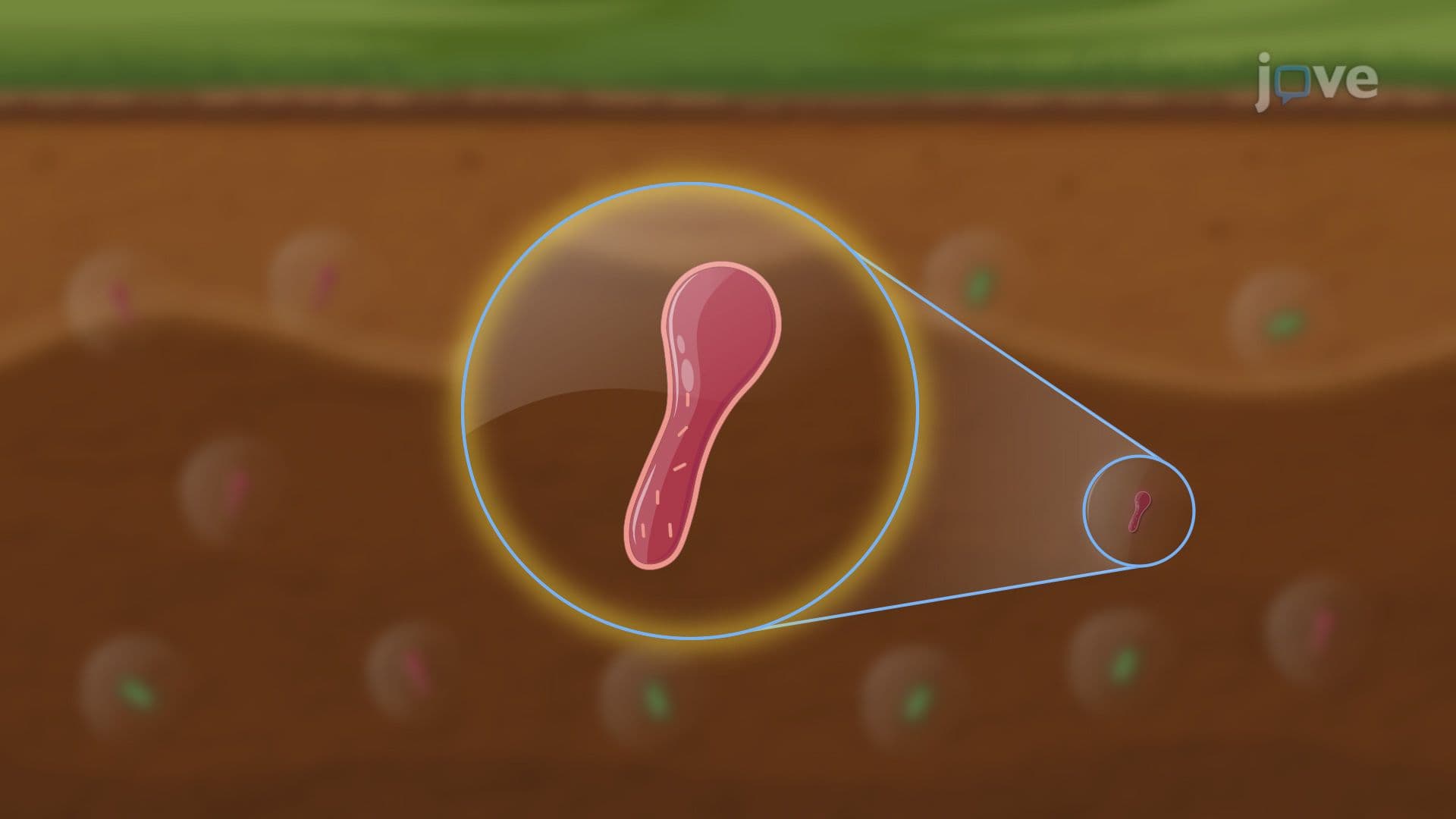
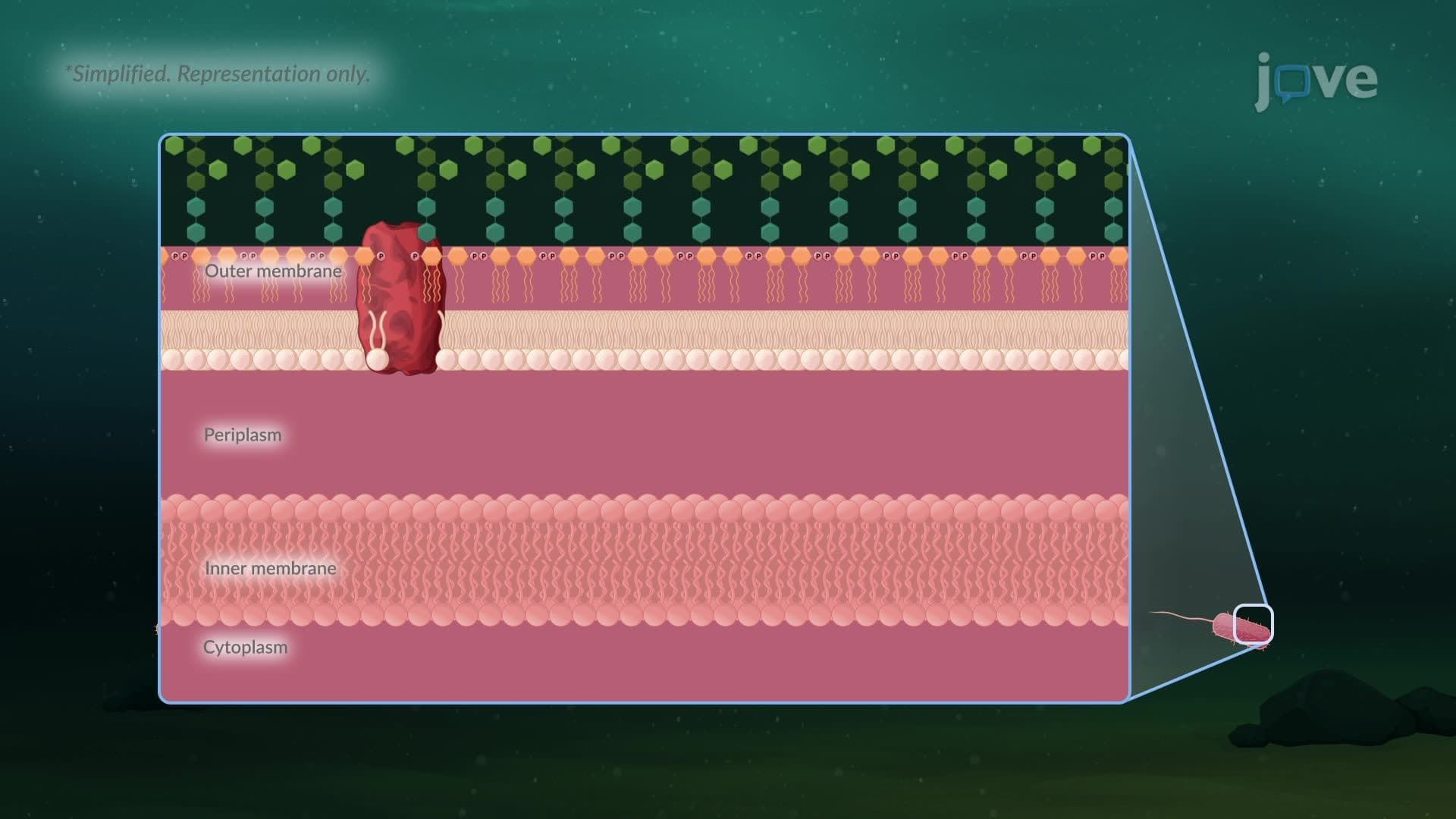
Endobiotic predators take a more invasive route. *Bdellovibrio bacteriovorus*, one of the most well-studied predatory bacteria, drills through the outer membrane of a Gram-negative bacterium and enters the periplasmic space, the region between the inner and outer membranes. Once safely inside, it transforms the host cell into a rounded structure called a bdelloplast. The predator then elongates, replicates its DNA, and ultimately lyses the host cell, releasing a new generation of predatory progeny. This remarkable life cycle is a favorite topic in college-level microbiology courses and is increasingly referenced in AP Biology curricula discussing microbial ecology.
*Myxococcus xanthus* showcases a particularly sophisticated predation strategy: cooperative or "wolf-pack" predation. Unlike solitary predators, *Myxococcus* populations coordinate their movement using gliding motility, swarming over prey colonies as a unified group. They release a cocktail of hydrolytic enzymes and antibiotics that collectively lyse prey cells, including resistant bacterial species. Interestingly, *Myxococcus* is also capable of saprotrophic growth, meaning it can decompose and feed on non-living organic matter when prey is scarce. This metabolic flexibility makes it an important organism in soil ecosystems across the United States, particularly in nutrient cycling within agricultural soils.
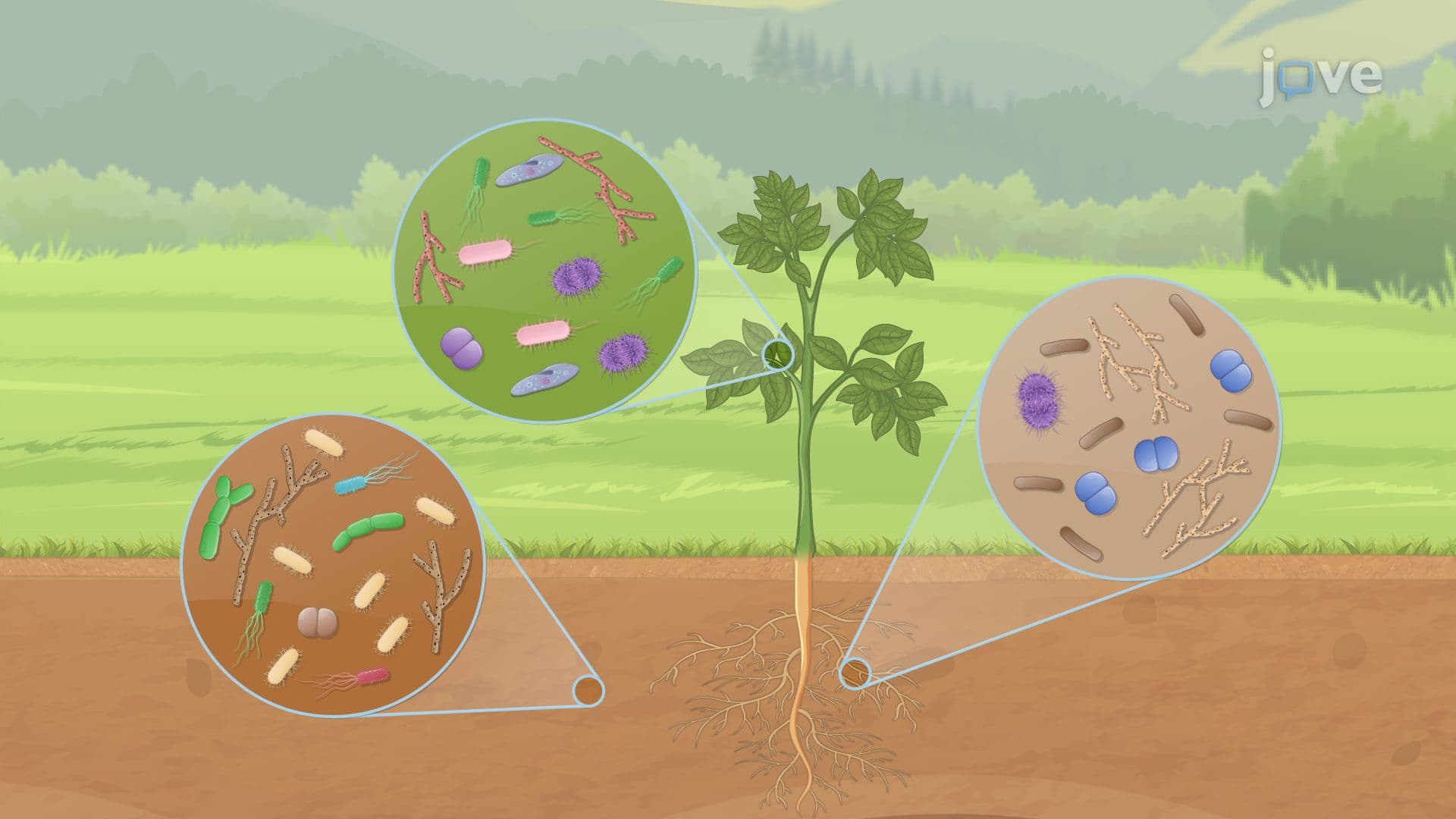
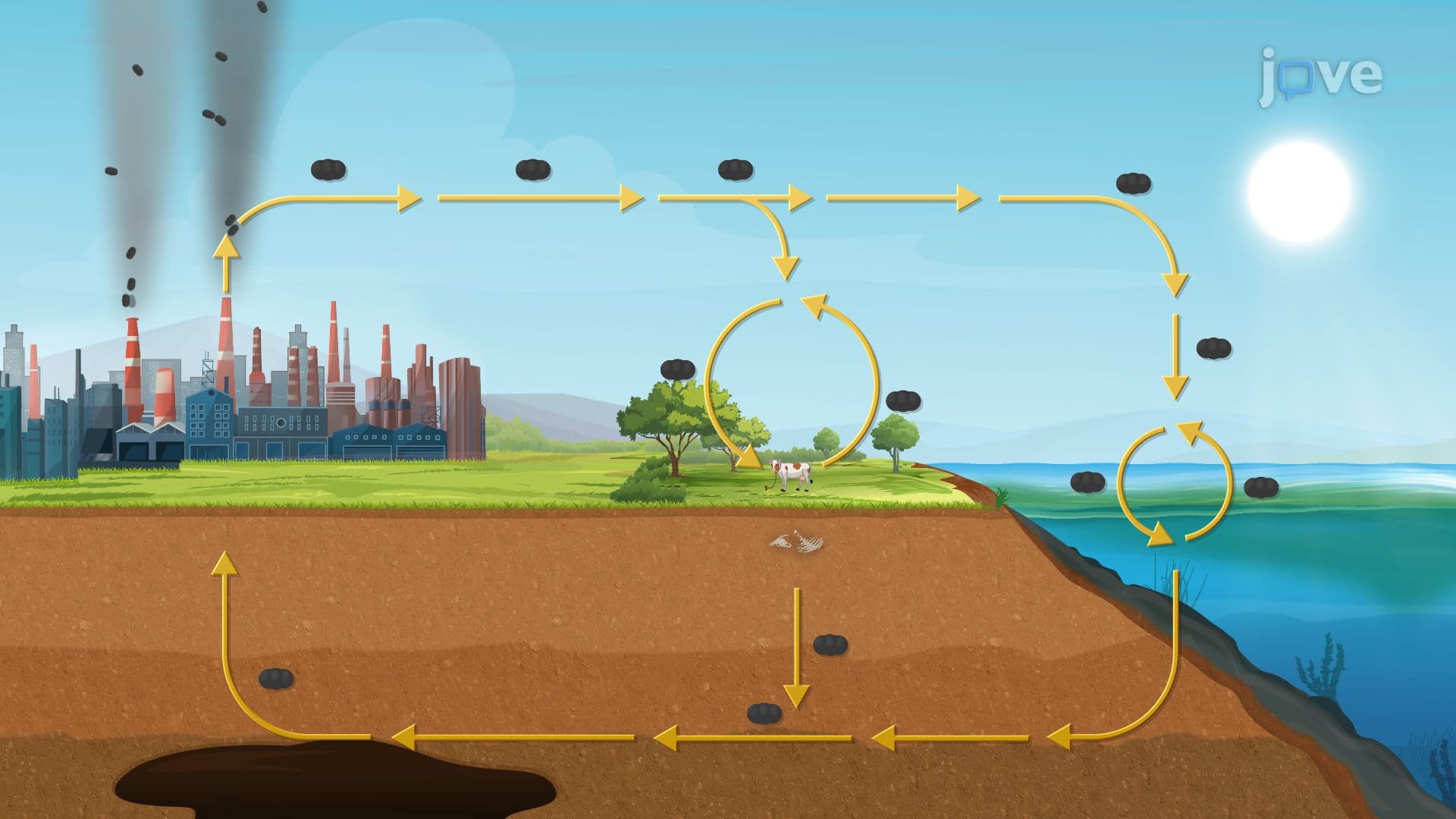
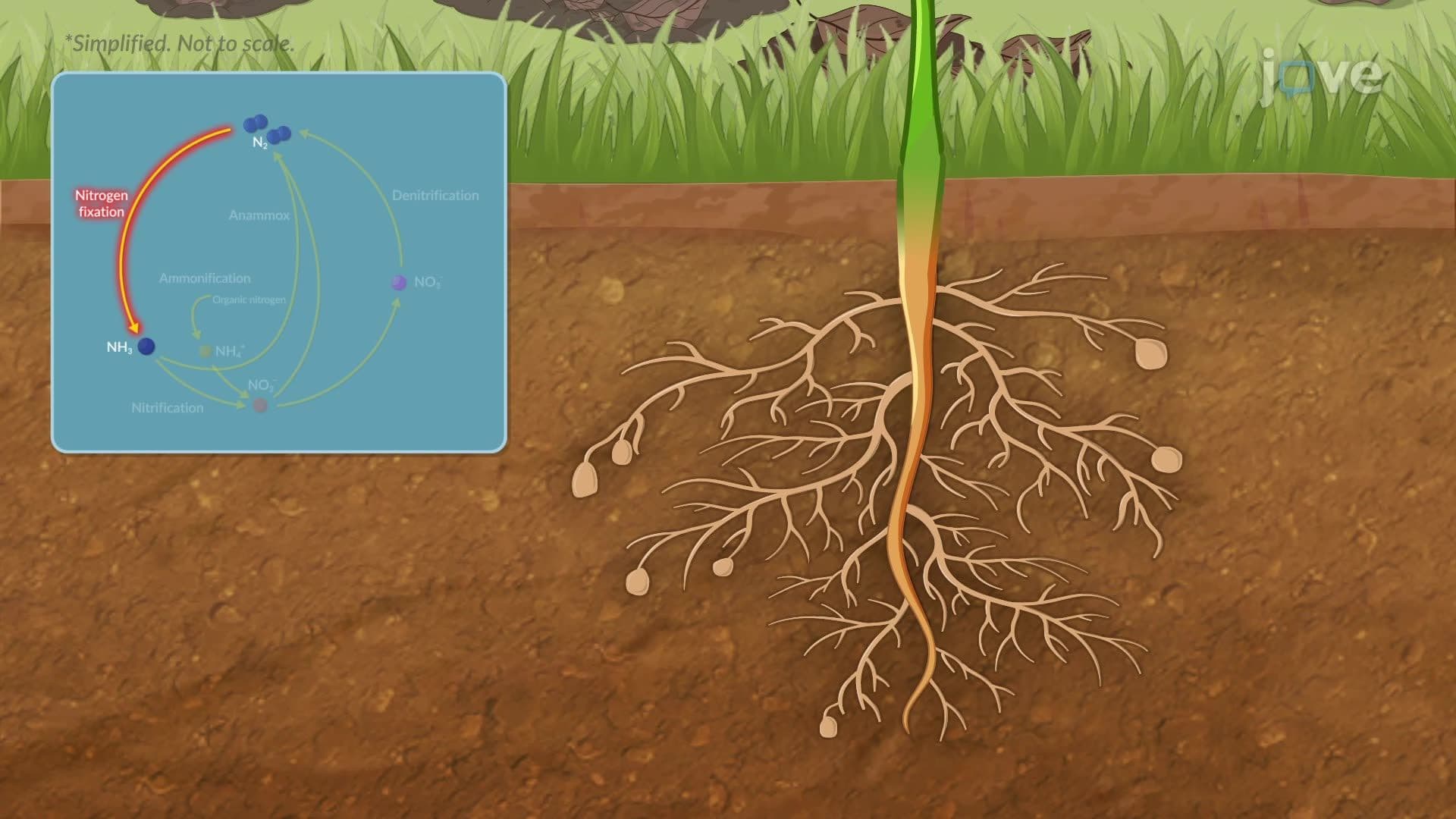
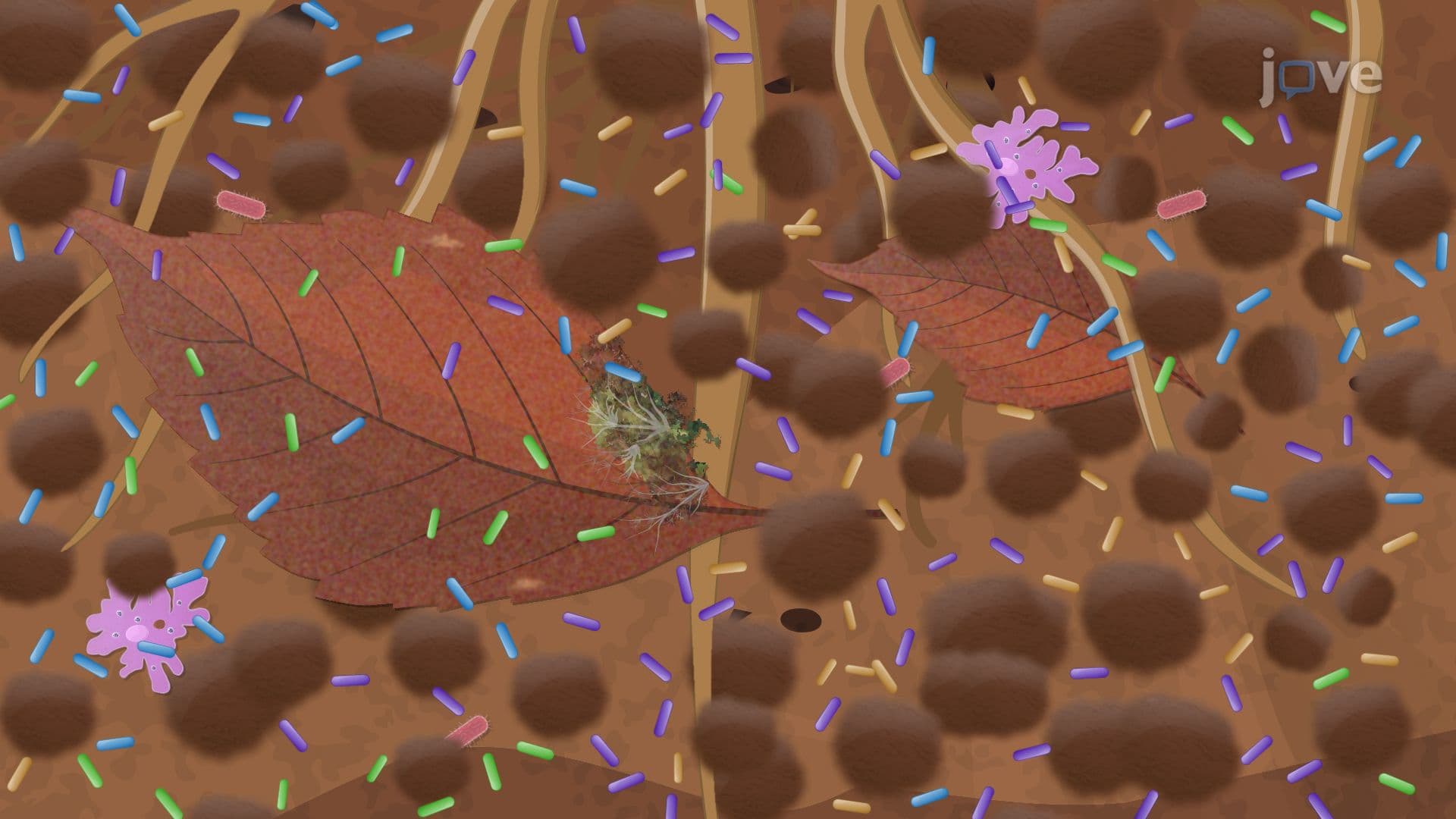
Predatory protozoans, single-celled eukaryotes such as amoebae and ciliates, are among the most ecologically significant microbial grazers. By consuming bacteria, they regulate bacterial population sizes and serve as a critical bridge in the microbial food web, transferring carbon and energy from bacterial biomass to higher trophic levels. This process is directly tied to biogeochemical cycles, including the carbon and nitrogen cycles studied in AP Environmental Science and college ecology courses.
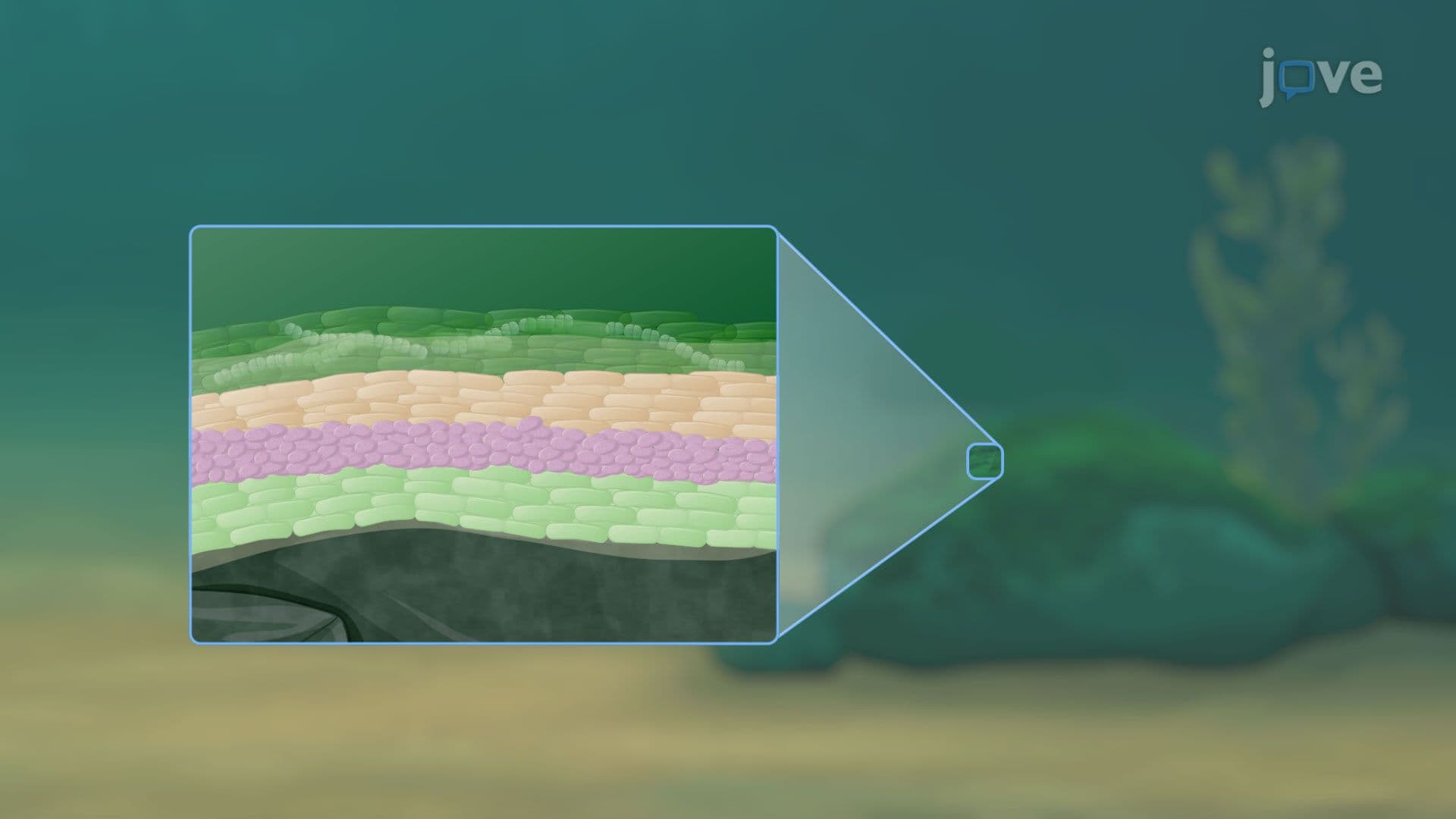
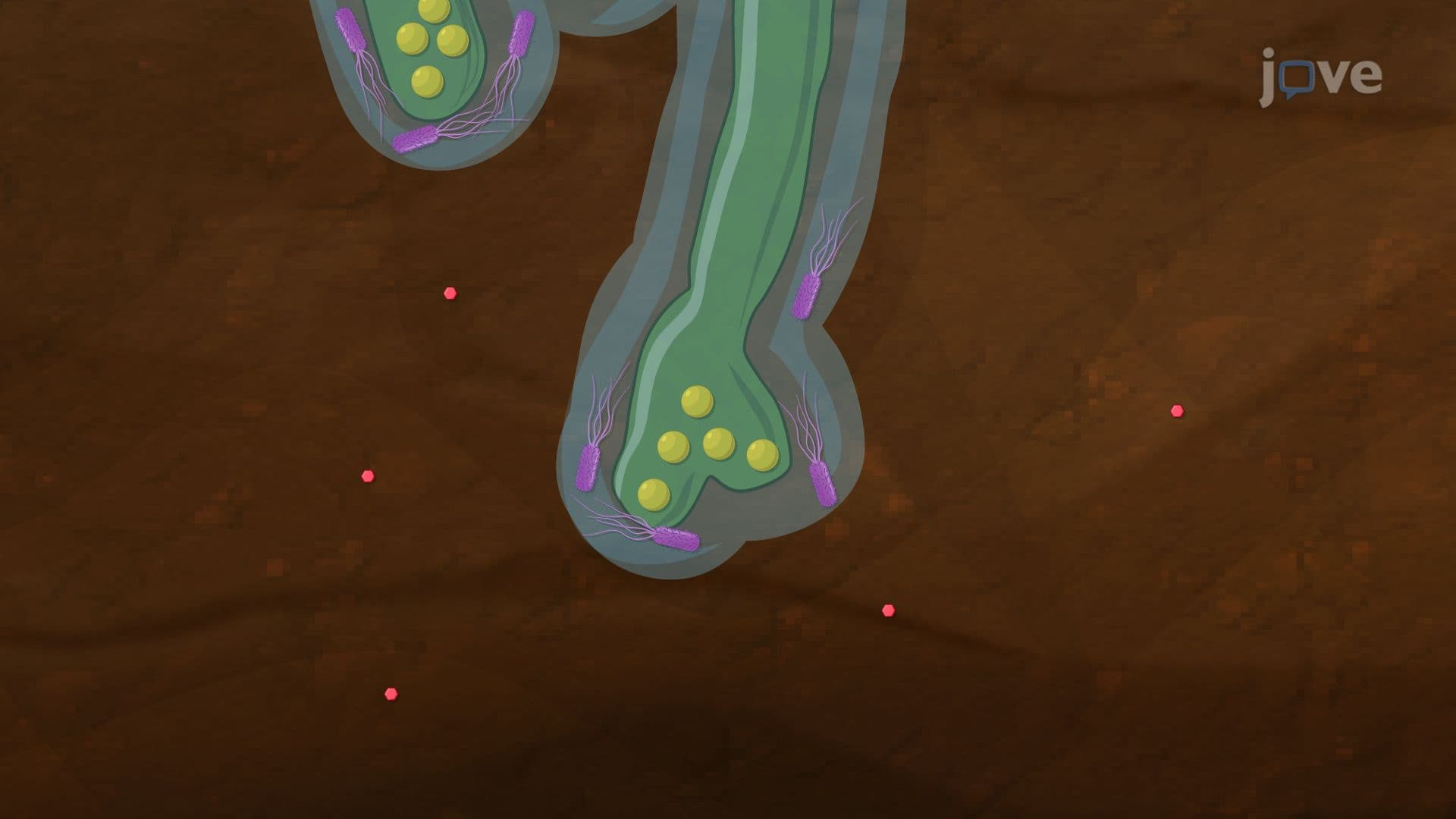
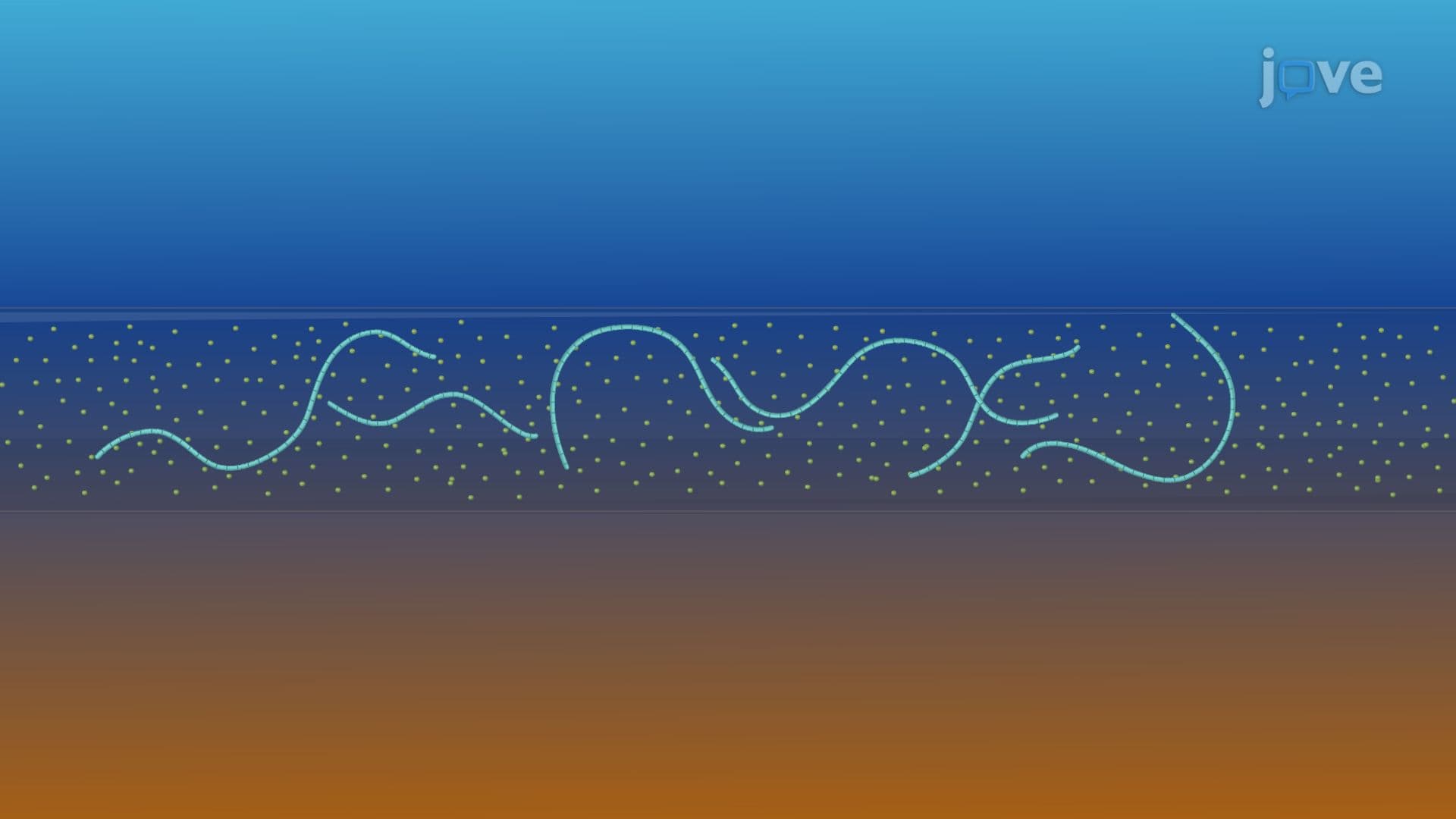
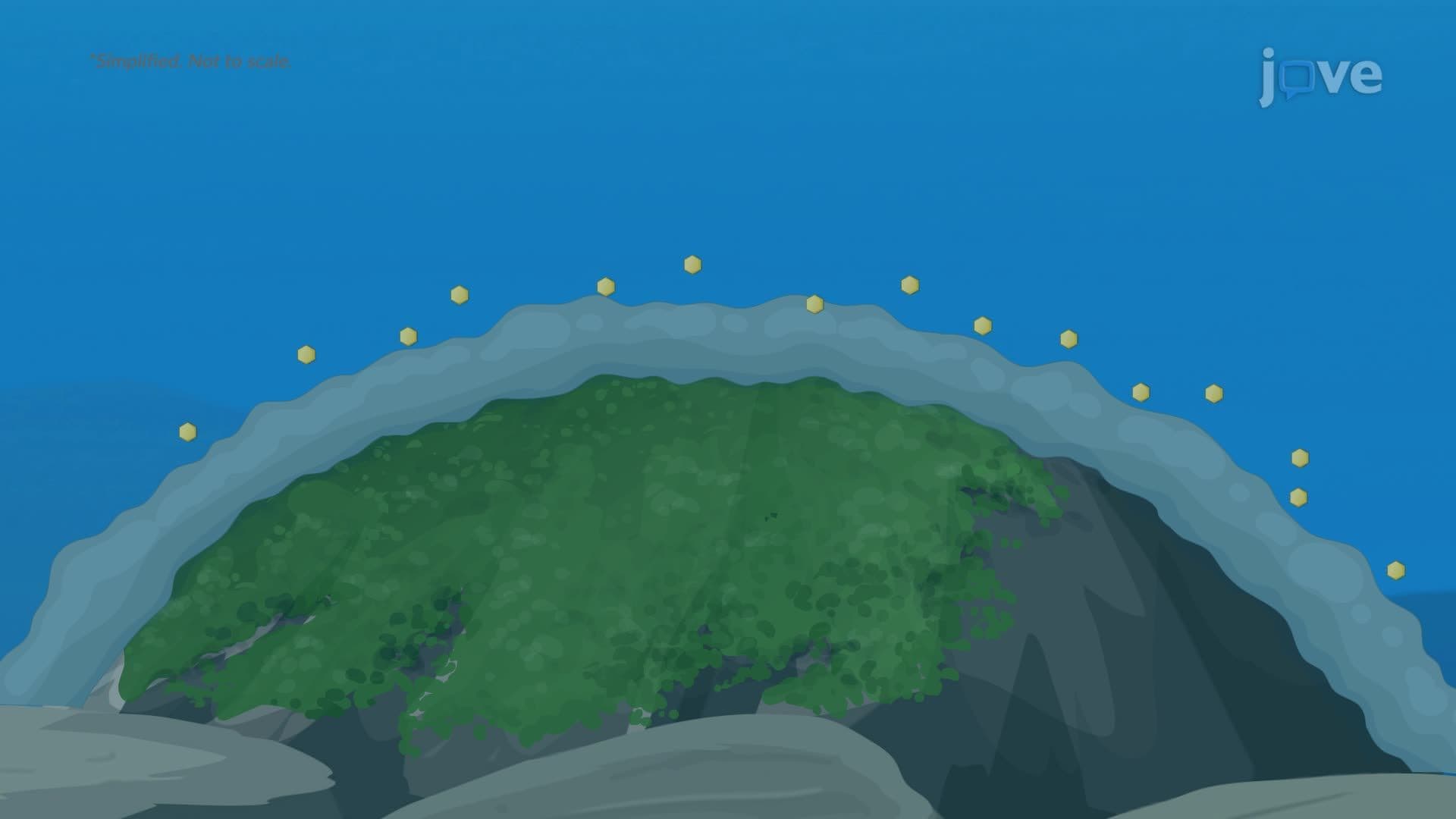
In response to protozoan grazing, bacteria have evolved remarkable defenses. They form biofilms, structured communities encased in protective polysaccharide matrices, that are physically difficult for protozoans to ingest. Others grow as filaments or cluster into microcolonies, creating structures too large for protozoan cells to engulf. Understanding these defensive adaptations is essential for MCAT preparation, particularly in sections covering microbial ecology and host-pathogen interactions, and is equally relevant for students studying how microbial diversity supports ecosystem resilience.
Taken together, predation in microbial interactions is not just a curiosity of the microscopic world, it is a driving force behind the role of microbes in ecosystems, influencing everything from soil fertility to water quality across the United States and beyond.
Related Micro-courses