Loading video…

 22 Concepts
 4.1K views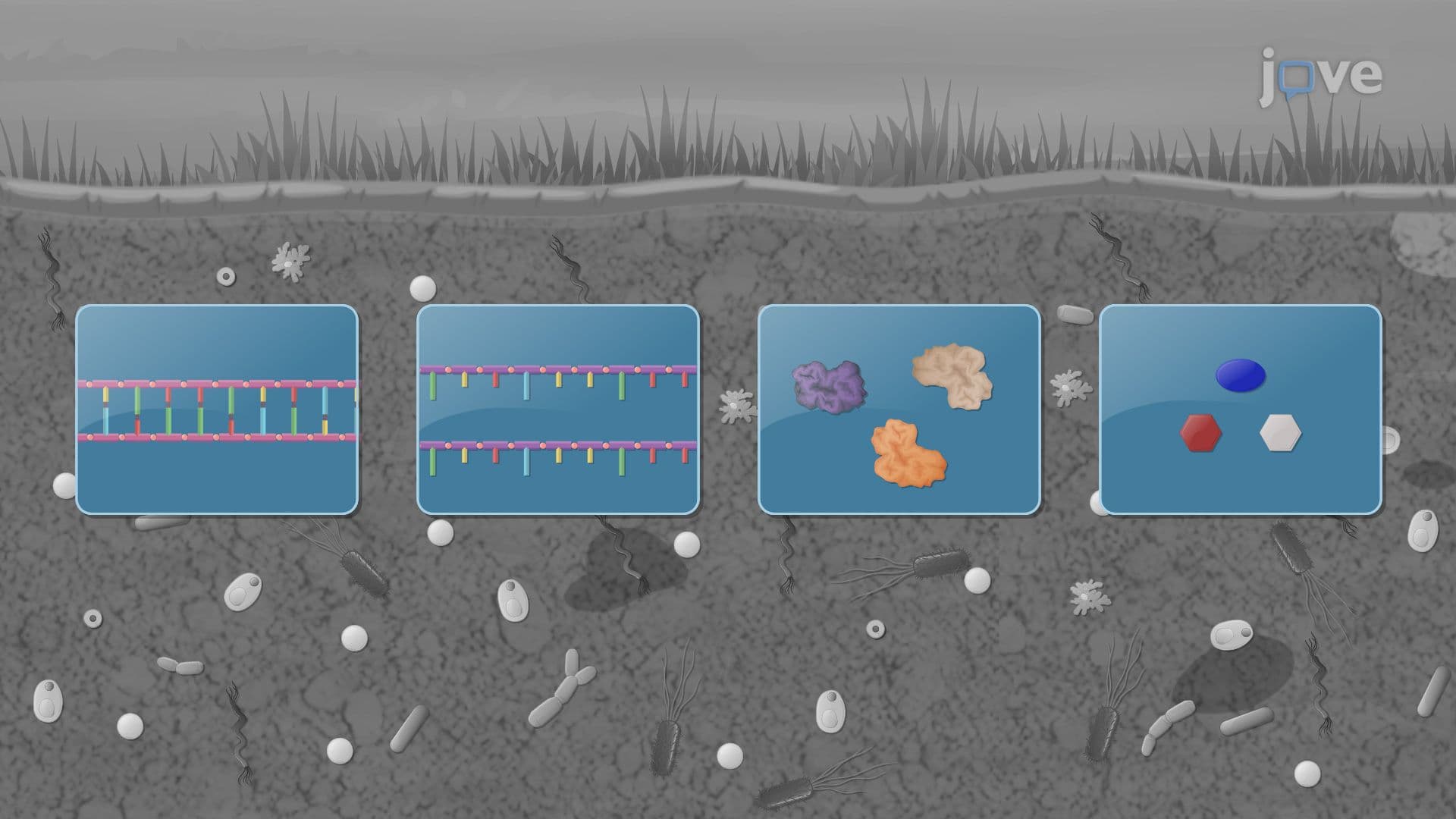

Video Summary: Methods to Assess Microbial Communities Guide
Did you know that a single teaspoon of soil from a US national forest can contain billions of microorganisms from thousands of different species? Understanding the methods to assess microbial communities, a core concept in modern microbiology, reveals how scientists decode this invisible biodiversity. Researchers at institutions like the NIH use metagenomics and metabolomics to study gut and soil microbiomes. Watch the full video on JoVE Coach to master this concept with expert-led visuals and step-by-step explanations.
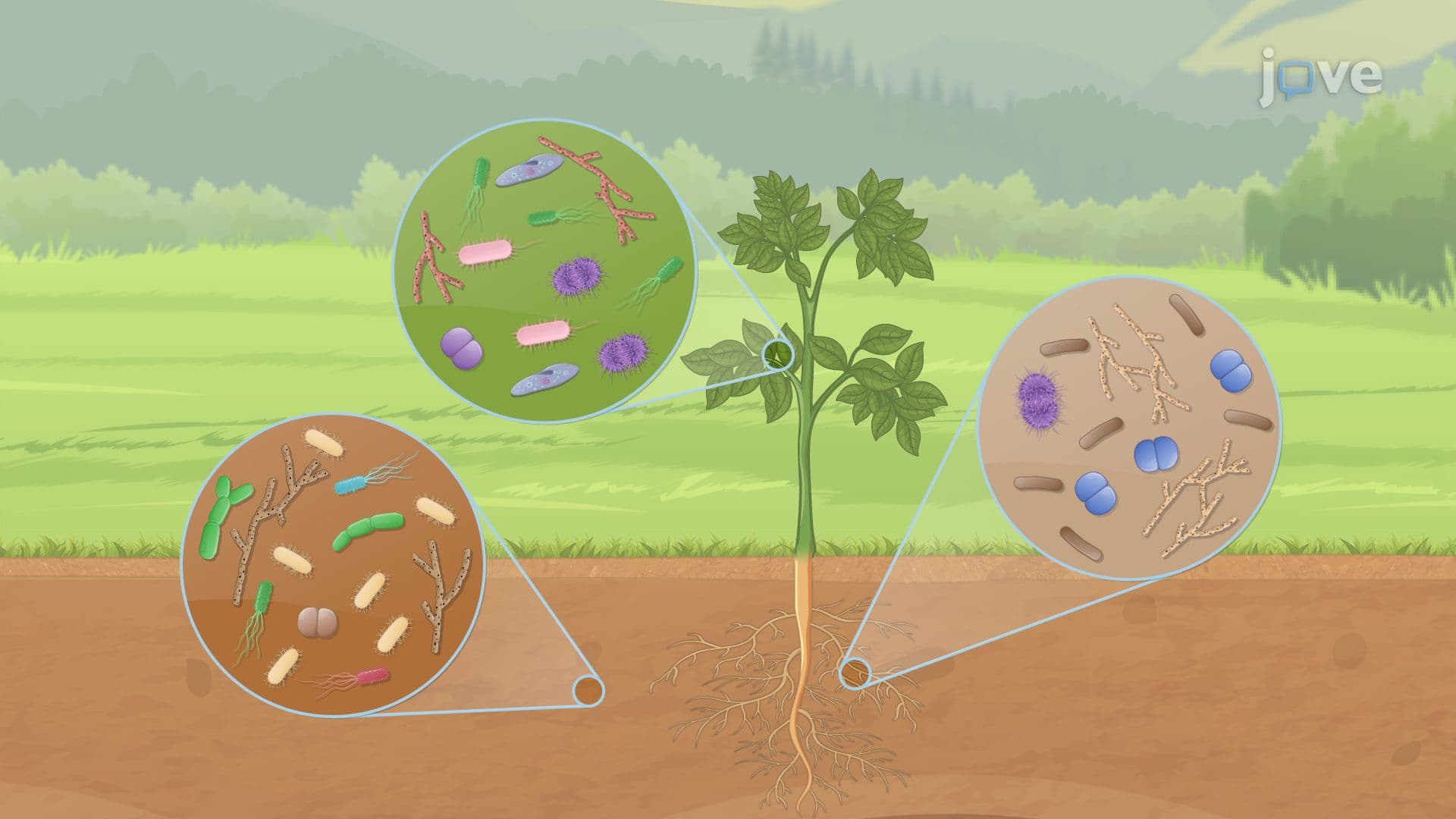
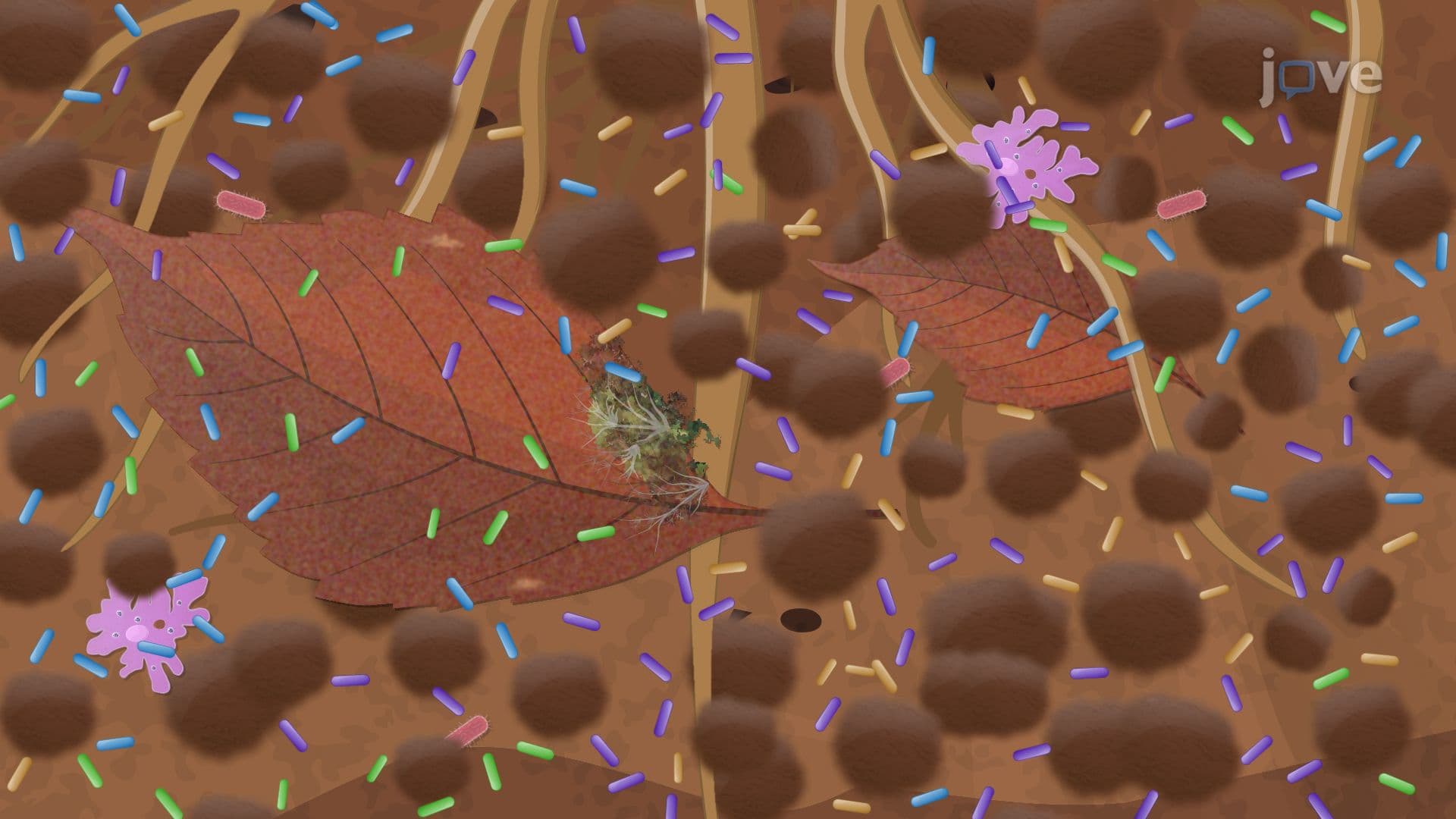
Microbial communities are far more than background noise in an ecosystem, they are the engines driving nutrient cycles, disease dynamics, and environmental balance. A microbial community is a consortium of bacteria, archaea, and microbial eukaryotes sharing a habitat and interacting in complex ways. To study them, scientists have moved well beyond traditional lab cultures. Today, a suite of culture-independent molecular tools allows researchers to profile who is there, what they are doing, and how they affect their environment.
Before assessing a community, scientists need a common vocabulary. Richness refers to the total number of distinct taxa detected in a sample, think of it as counting how many different "teams" are present. Relative abundance describes what fraction of the total community each taxon represents. Evenness captures how uniformly individuals are distributed, a community dominated by one species scores low in evenness even if many species are present. Together, these three metrics form the foundation of microbial ecology and are central topics in AP Biology and college-level ecology courses.
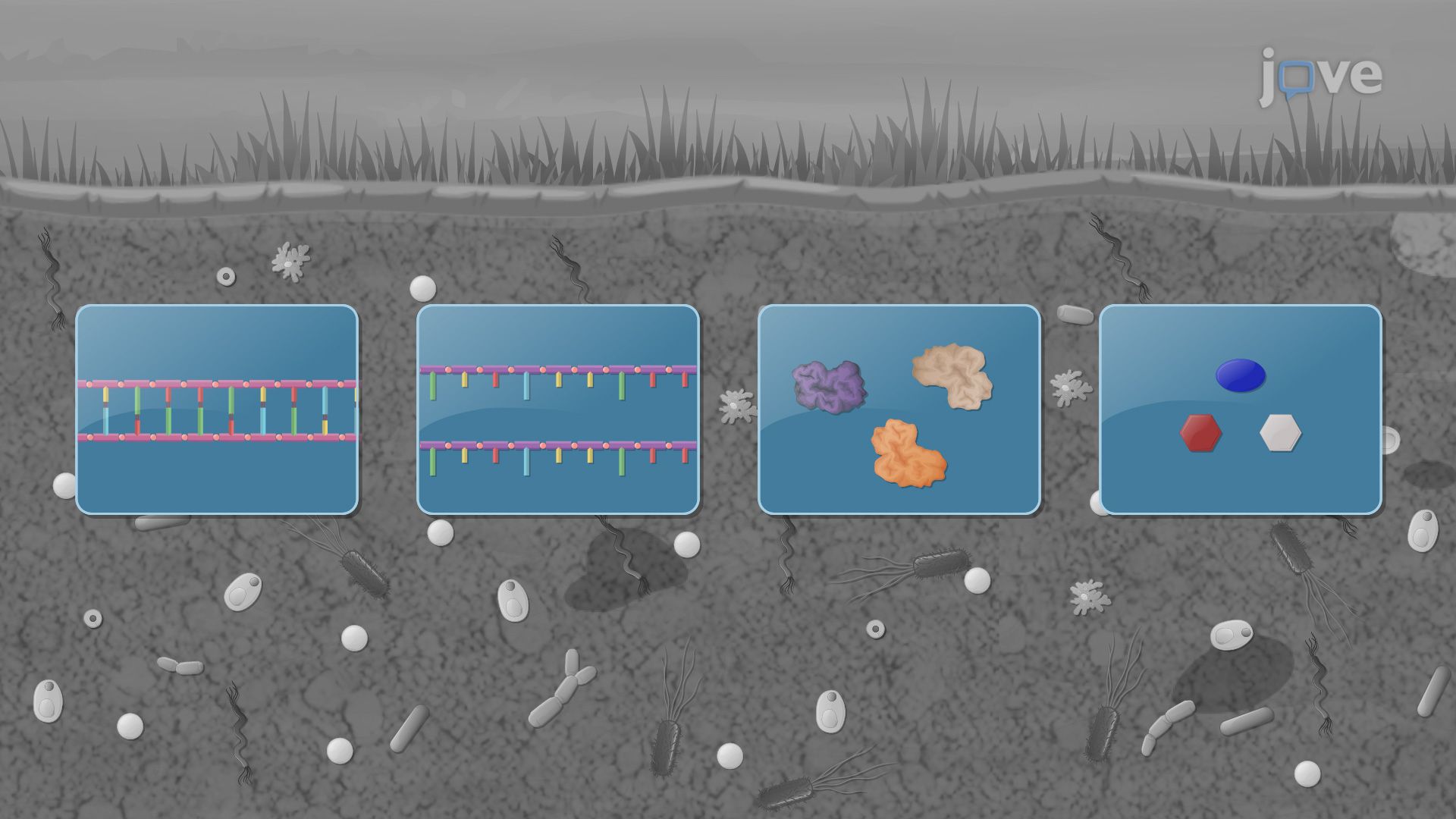
Metagenomics involves extracting and sequencing all DNA from an environmental sample, soil, ocean water, or the human gut, without culturing any organisms. The Human Microbiome Project, funded by the NIH, used metagenomic sequencing to map bacteria living in and on the human body, producing landmark data referenced in university-level microbiology textbooks across the US. This approach primarily reveals who is in a community.
Metatranscriptomics takes it further by capturing messenger RNA (mRNA), giving scientists a real-time snapshot of which genes are actually being expressed. For example, researchers studying oil spills in the Gulf of Mexico have used metatranscriptomics to identify which microbes are actively degrading hydrocarbons, critical information for environmental remediation efforts.
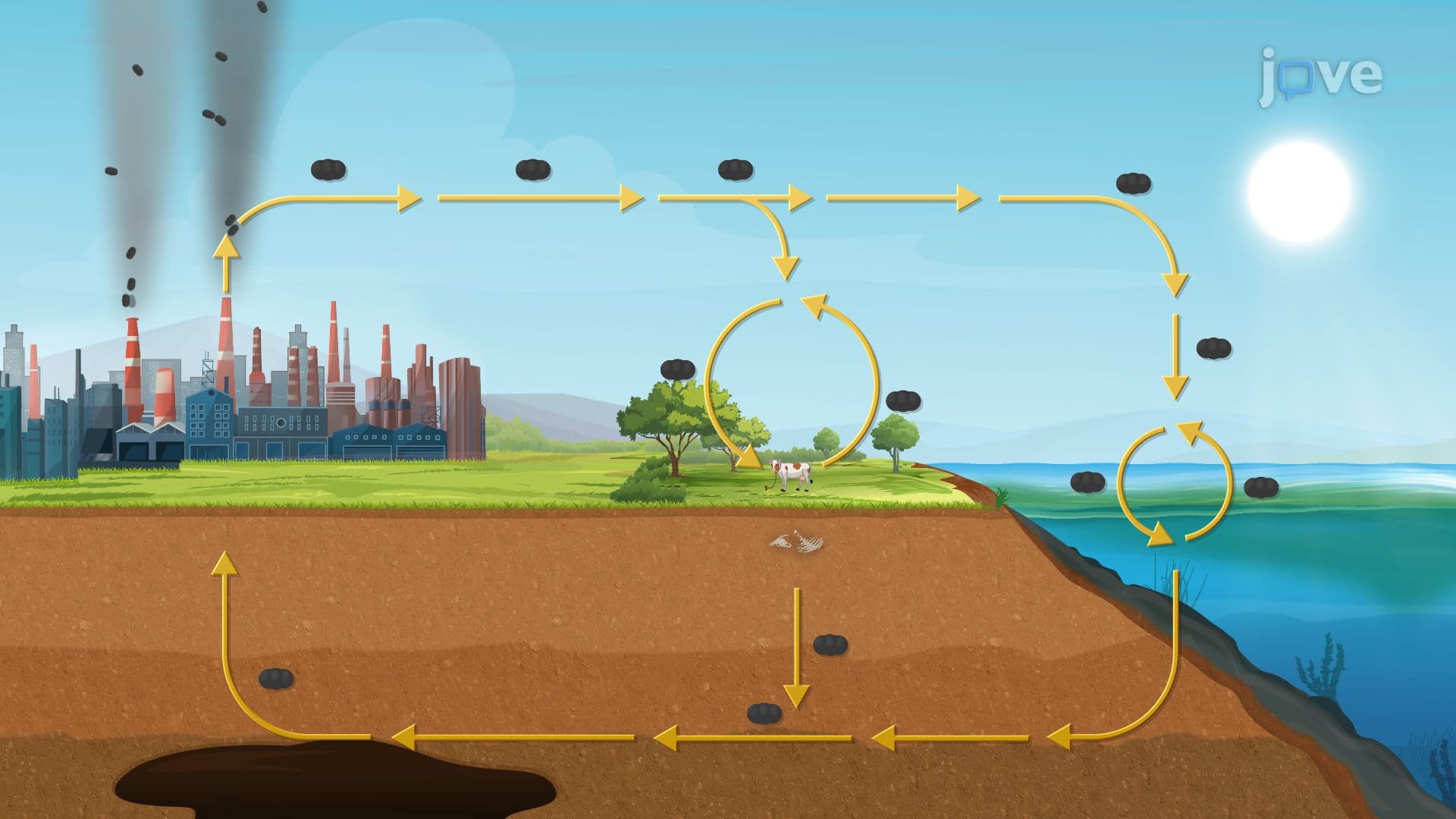
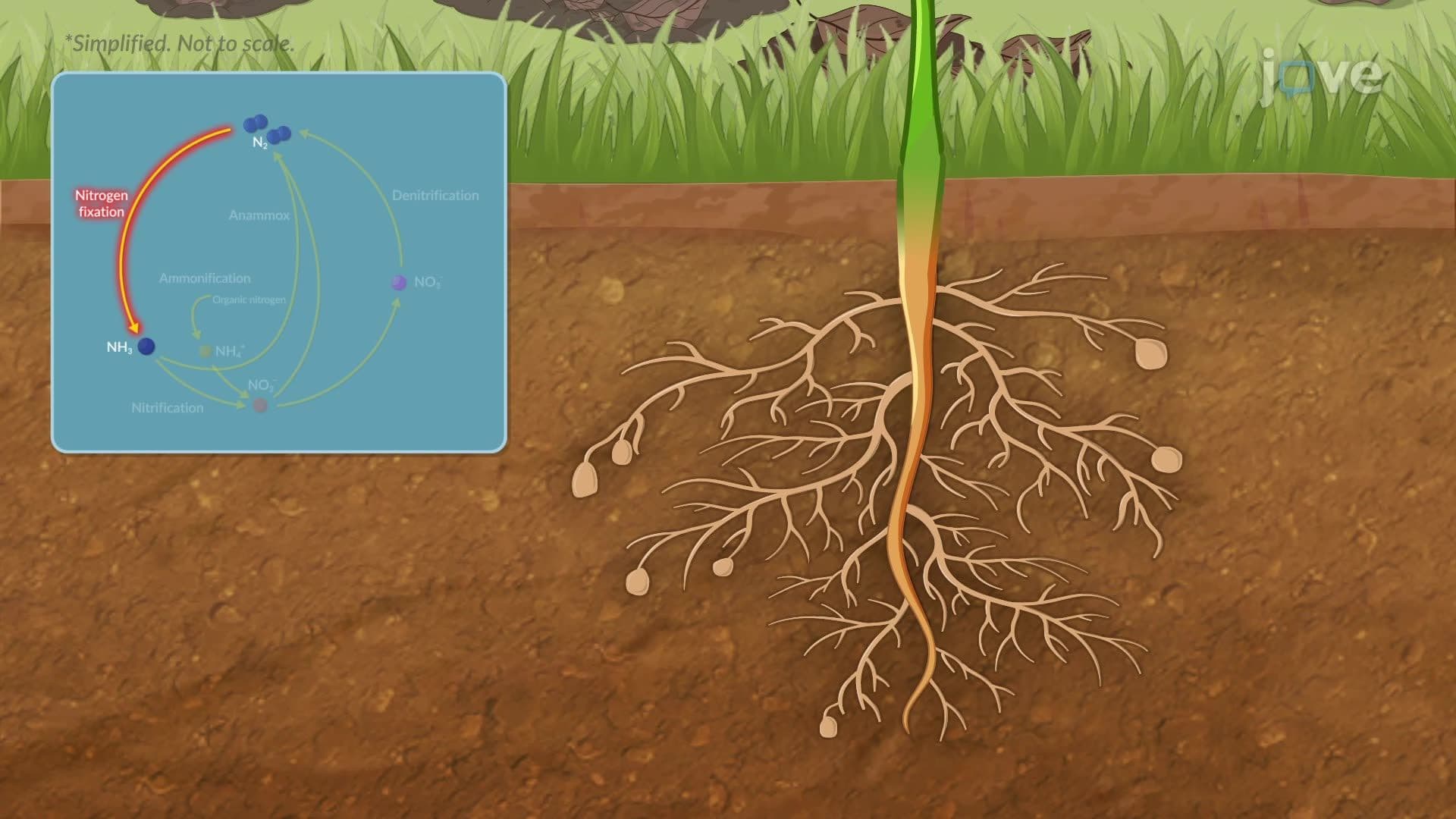
While genomic methods tell us about genetic potential, metaproteomics identifies the actual proteins present in an environmental sample, revealing which biological processes are actively occurring. Metabolomics catalogs the small molecules, metabolites, that microbes produce and consume, offering a window into processes like nitrogen cycling, carbon fixation, and phosphorus mineralization. These methods are especially relevant to understanding biogeochemical cycles, where microbes act as key catalysts transforming inorganic and organic matter across ecosystems.
Students preparing for the MCAT or college midterms in biochemistry or ecology should pay close attention here: questions often ask you to distinguish between what each "meta-omics" approach measures and what biological insight it provides.
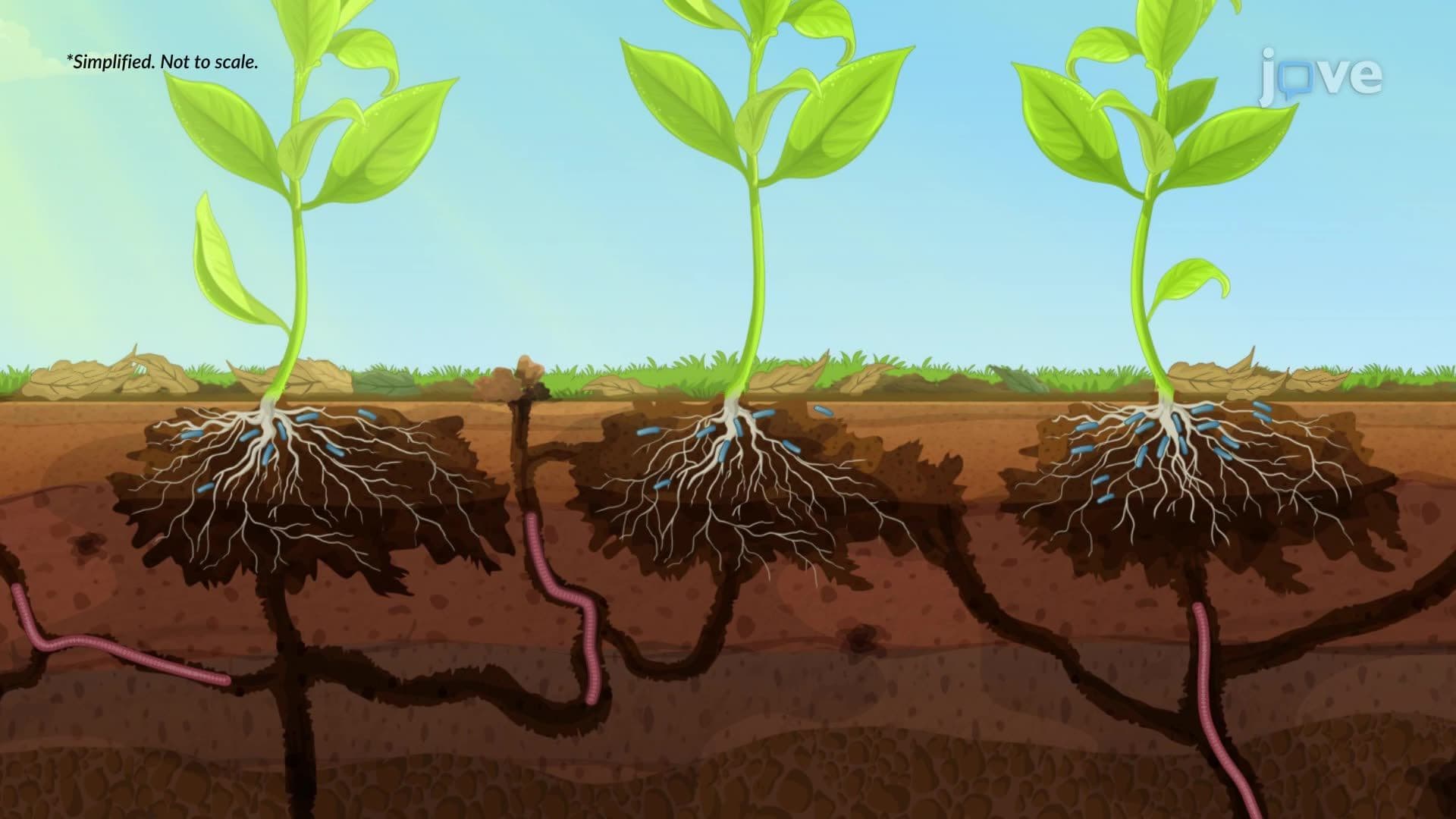
The significance of microbial diversity extends far beyond academic curiosity. Microbes form biofilms on medical devices, thrive as extremophiles in places like Yellowstone's hydrothermal vents, and maintain symbiotic relationships with plants and animals that make agriculture and human health possible. When microbial diversity collapses, due to antibiotic overuse or habitat destruction, ecosystems and human health suffer measurable consequences. Understanding the full toolkit of assessment methods is essential for anyone entering fields like environmental science, medicine, or biotechnology.
Related Micro-courses