Loading video…

 22 Concepts
 4.1K views

Video Summary: What Is Soil Microbial Ecology
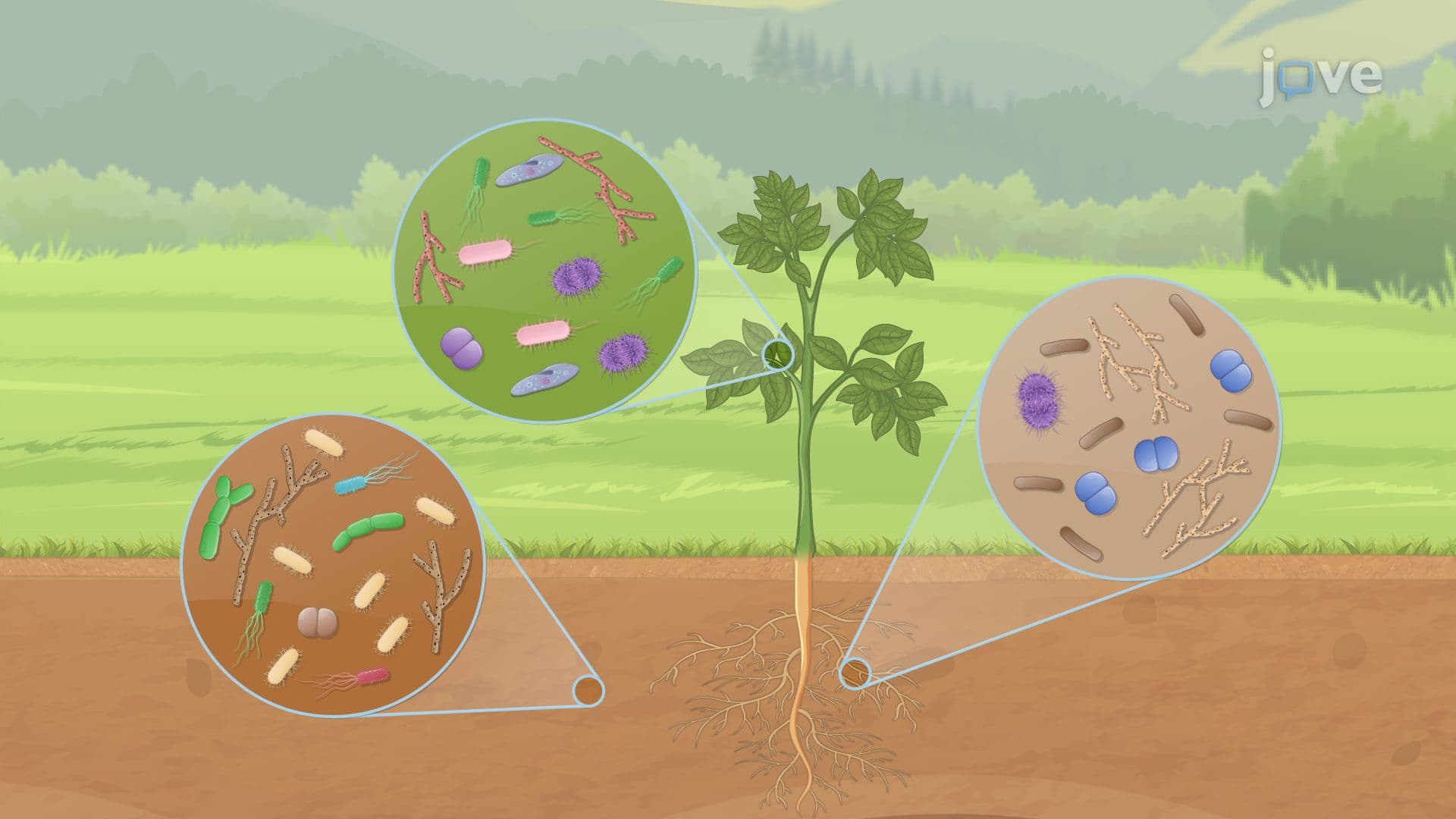
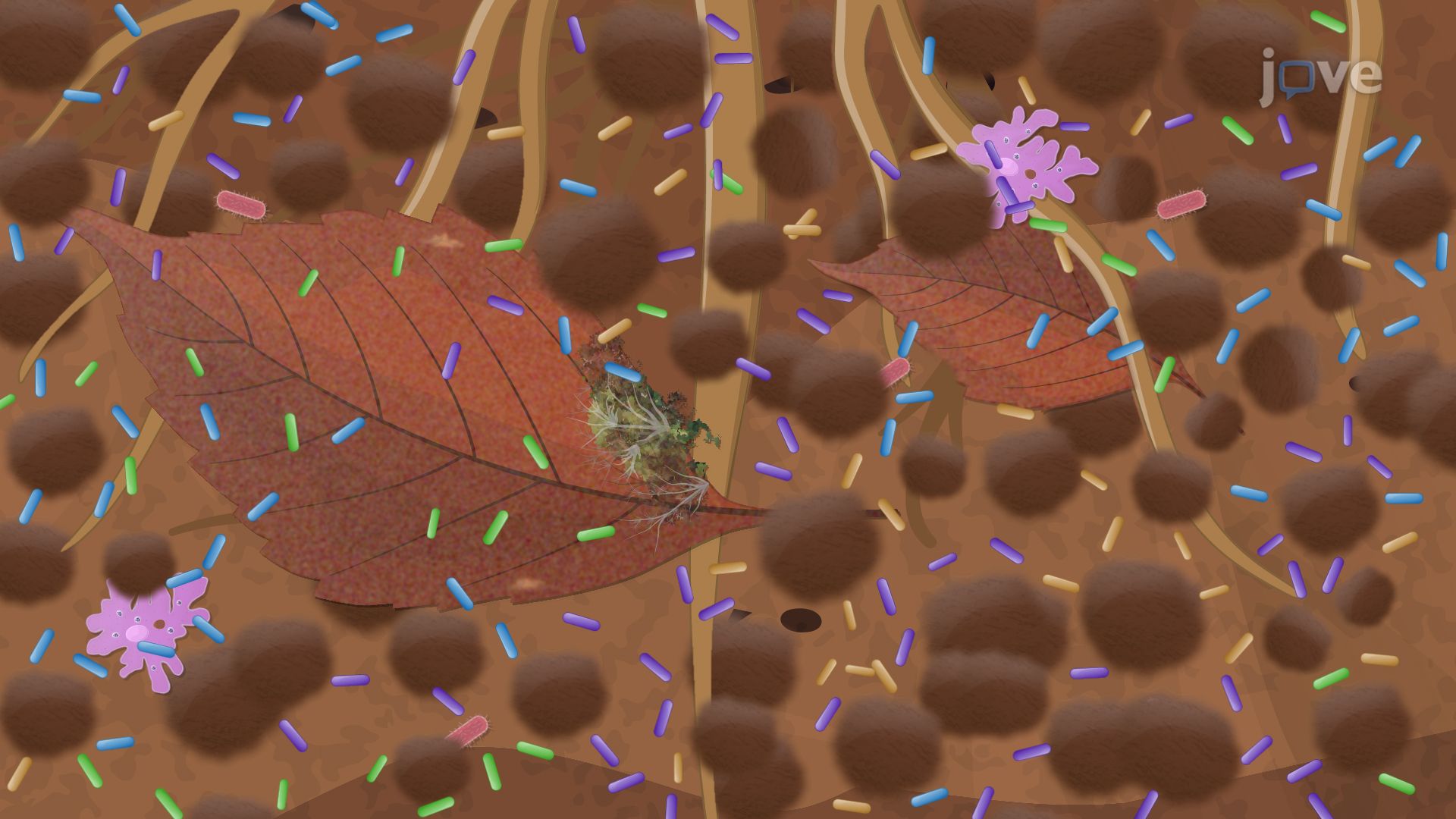
Did you know a single teaspoon of healthy US farmland soil can contain billions of microscopic organisms? Soil microbial ecology explores these hidden communities, bacteria, fungi, and protists, that drive decomposition, nutrient cycling, and soil health. In California's agricultural valleys, microbial activity directly determines crop productivity. Watch the full video on JoVE Coach to master this concept with expert-led visuals and step-by-step explanations.
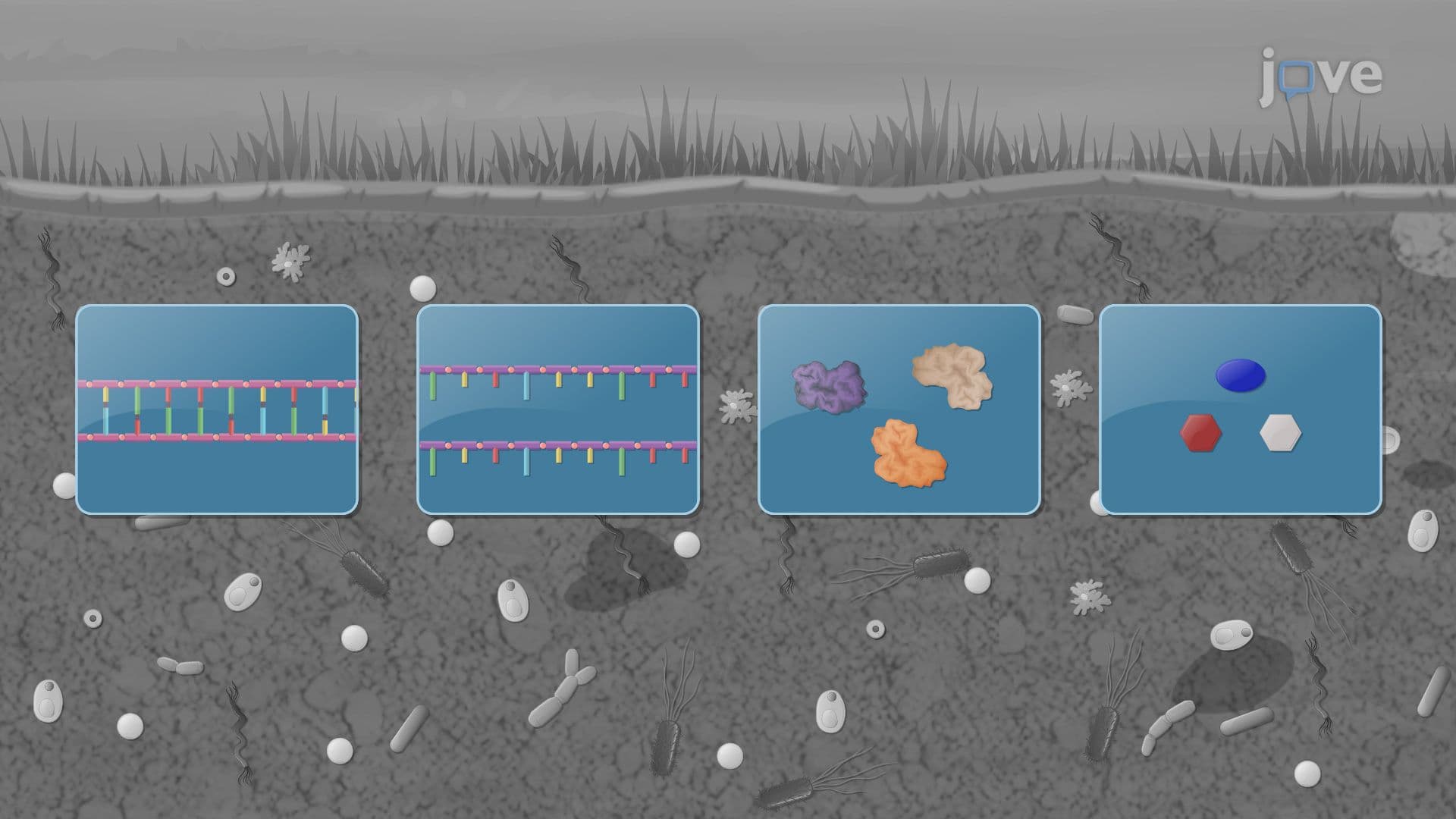
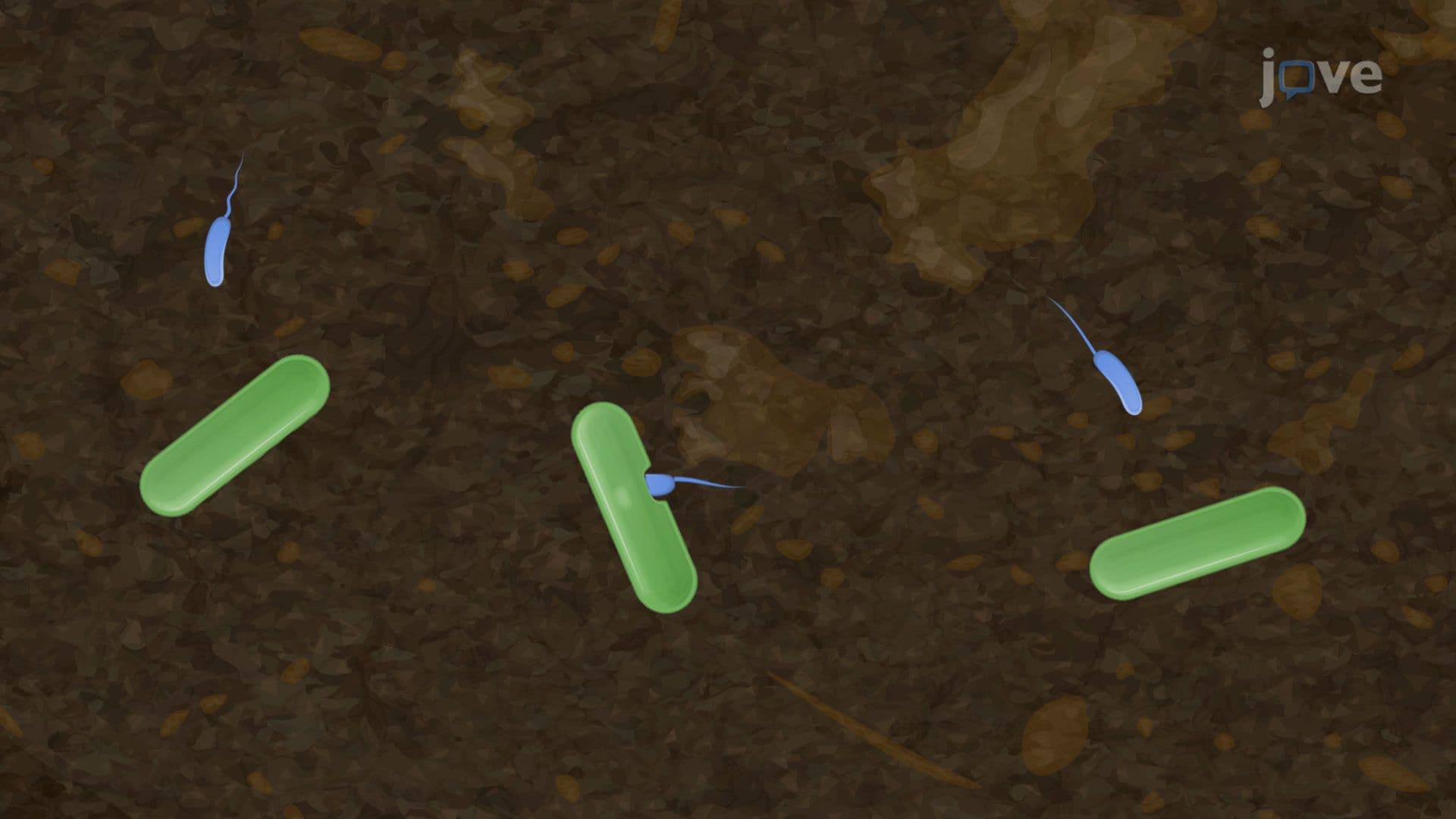
Soil microbial ecology is the scientific study of microorganisms living in soil, their diversity, interactions, and functional roles in ecosystems. Far from being inert dirt, soil is one of Earth's most biologically complex habitats. Bacteria, fungi, and protists form dynamic microbial communities that regulate nutrient availability, decompose organic matter, and influence atmospheric gas concentrations. Understanding this field is foundational for AP Biology, college-level ecology courses, and environmental science programs across the US.
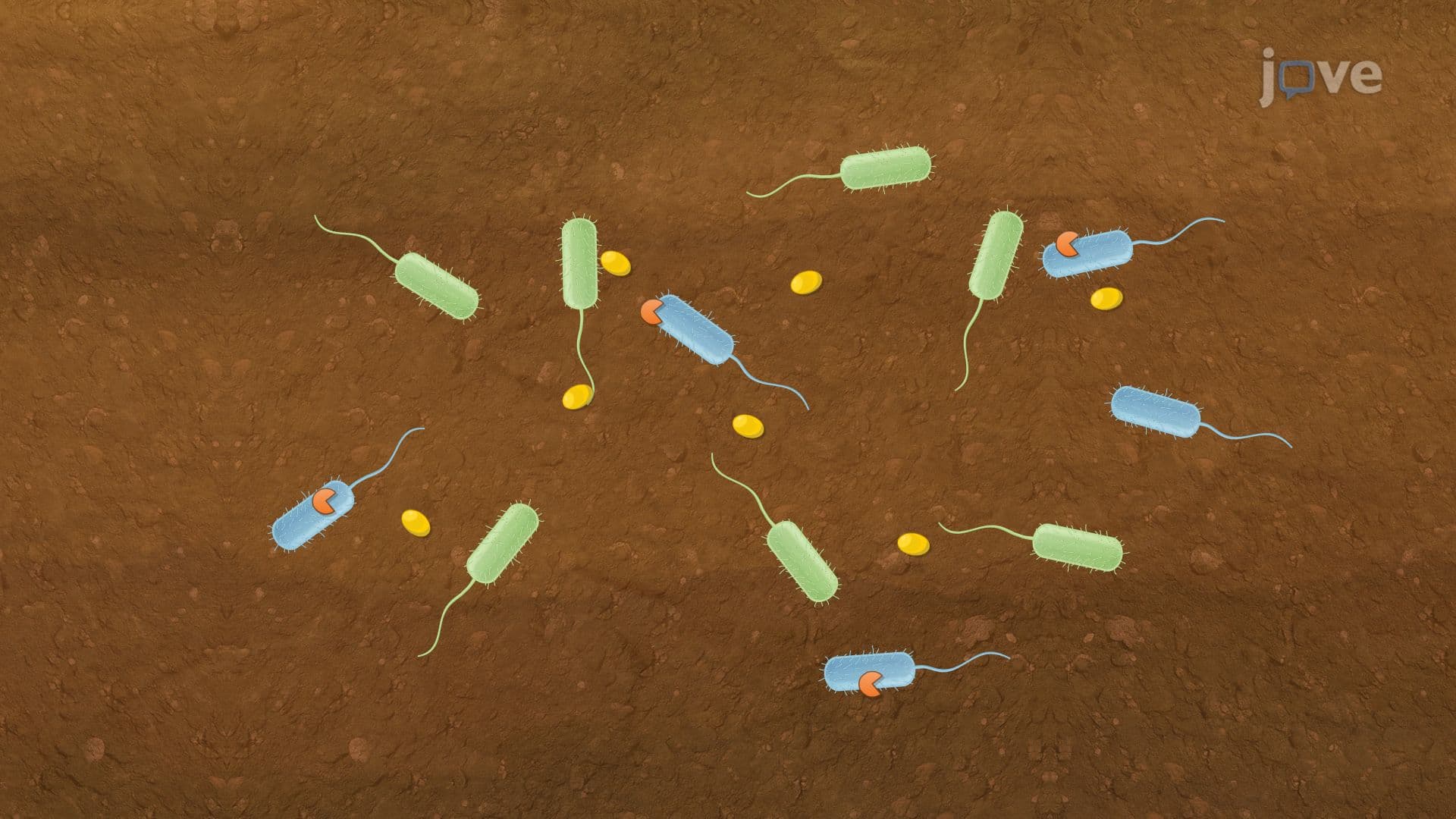
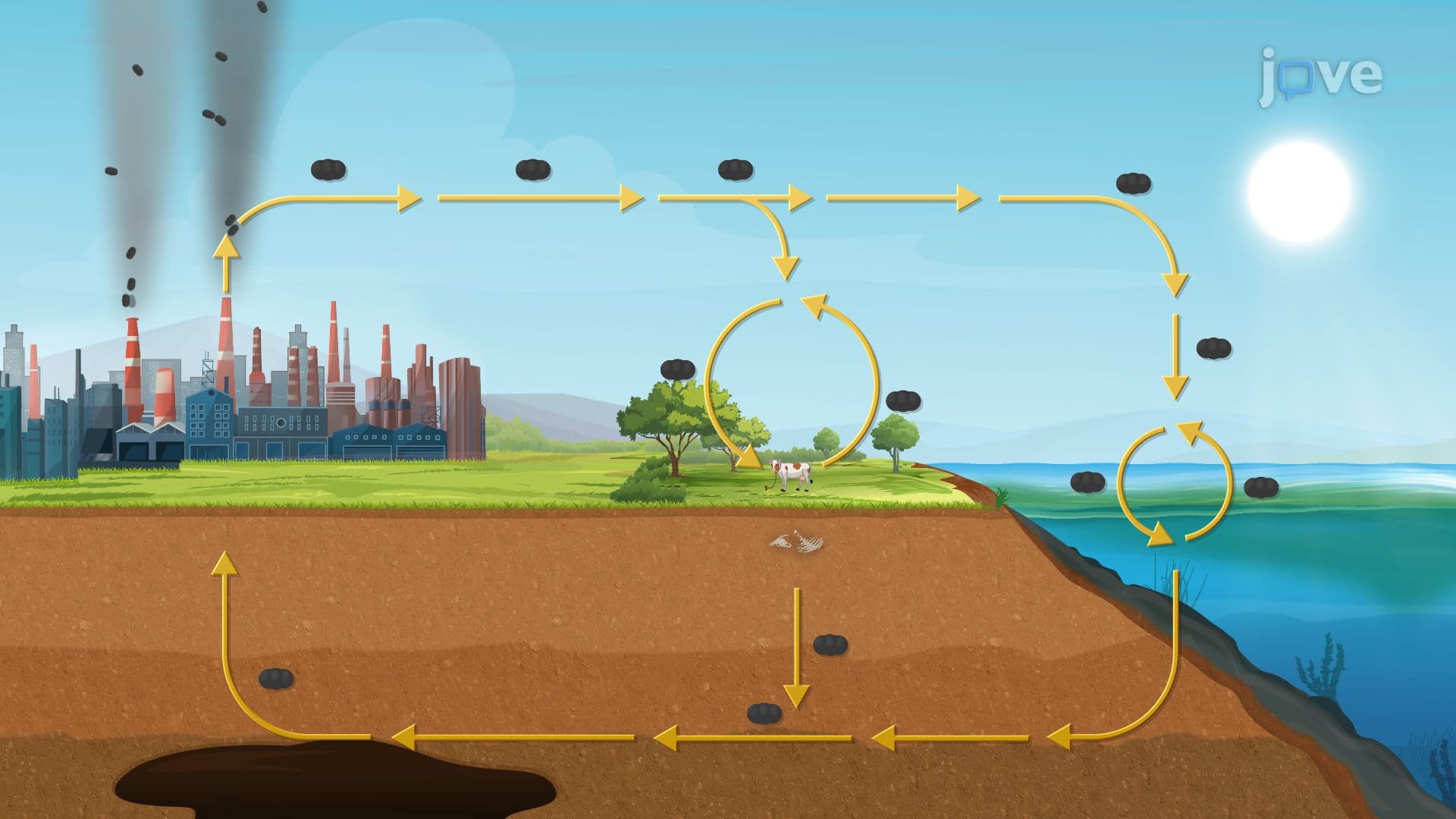
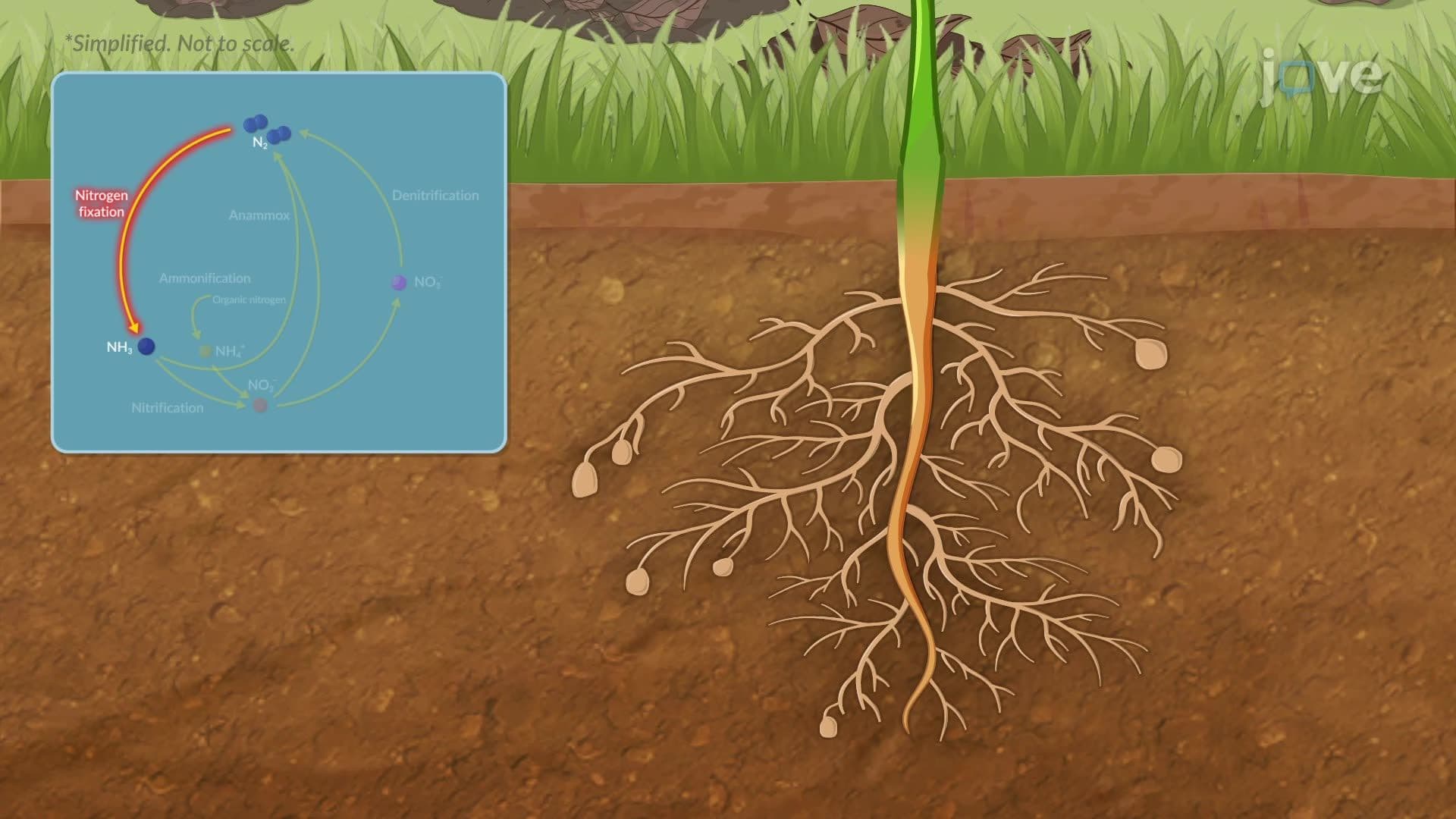
Bacteria and fungi serve as the primary decomposers in soil. They secrete extracellular enzymes, proteins that work outside the cell, to chemically dismantle tough plant materials like cellulose, converting them into simple sugars that microbes can absorb. This process is critical to biogeochemical cycles, particularly the carbon and nitrogen cycles, because it releases stored nutrients back into the soil and atmosphere.
Protists, while not direct decomposers, play a supporting role. These single-celled eukaryotes graze on bacteria and fungi, a process called microbial loop feeding. When protists digest microbial cells, they release nitrogen and phosphorus compounds, making these nutrients available to plants. In Iowa cornfields and Pacific Northwest forests alike, this microscopic predator-prey dynamic directly influences plant growth and soil fertility.
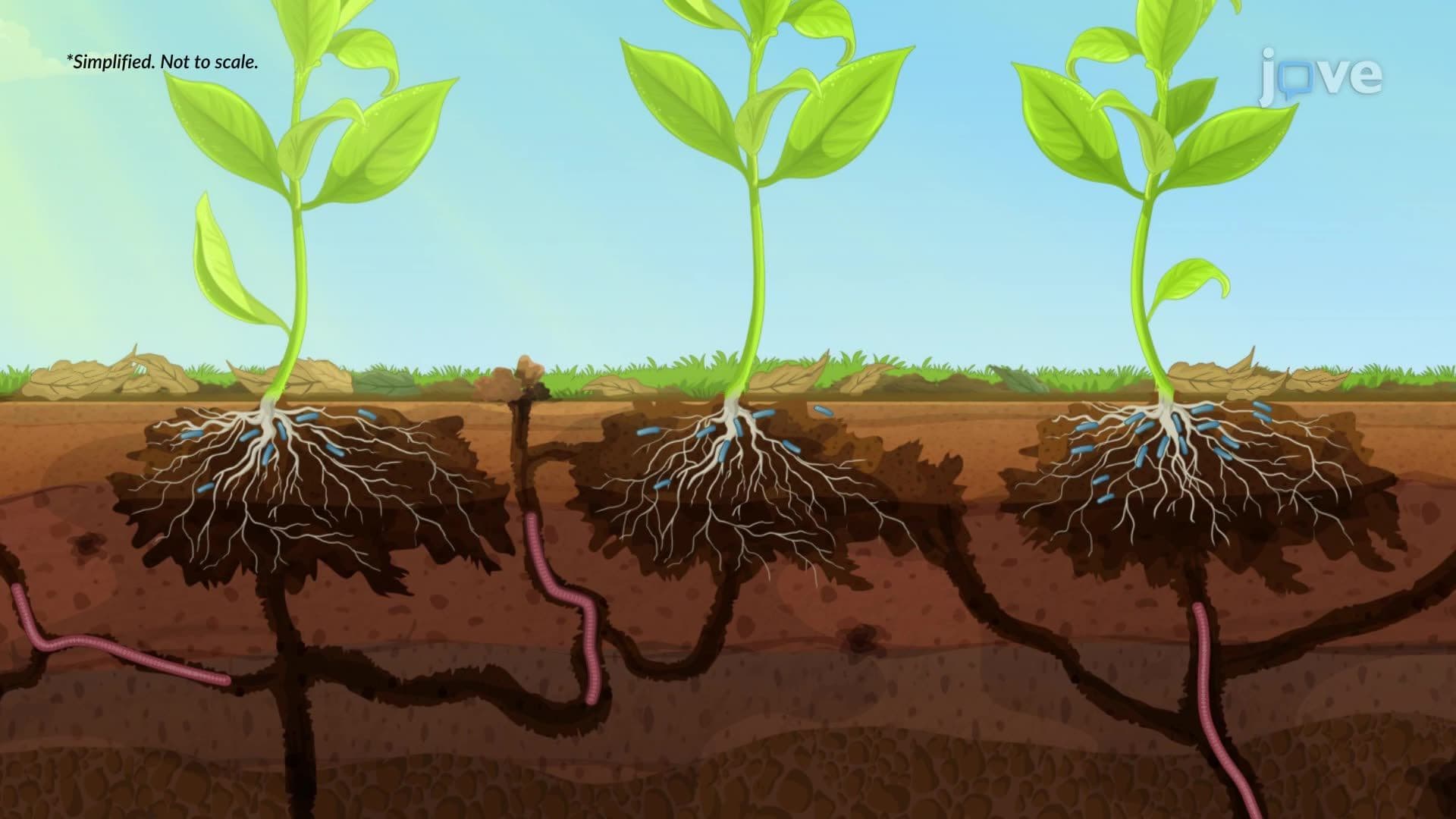
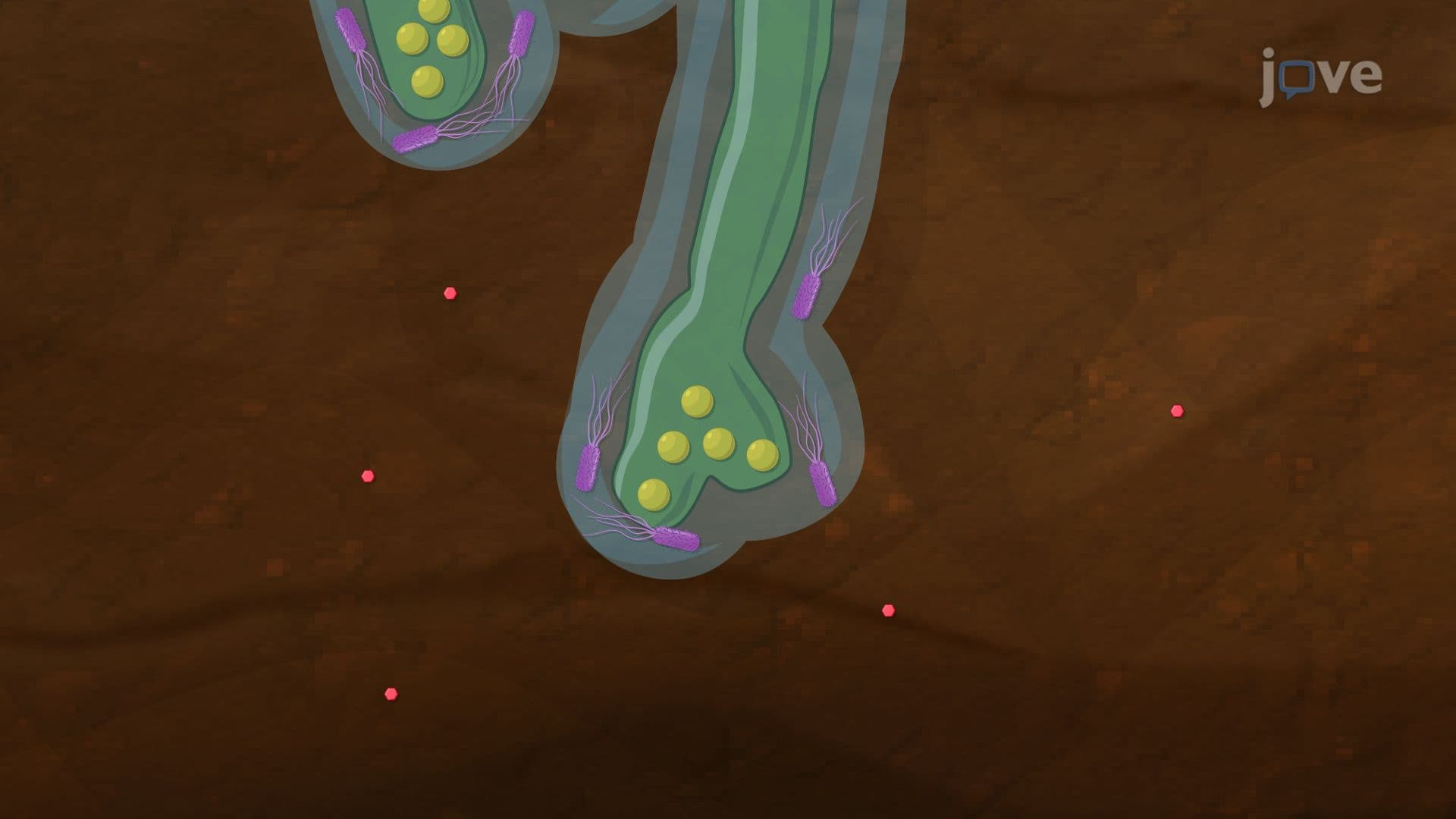
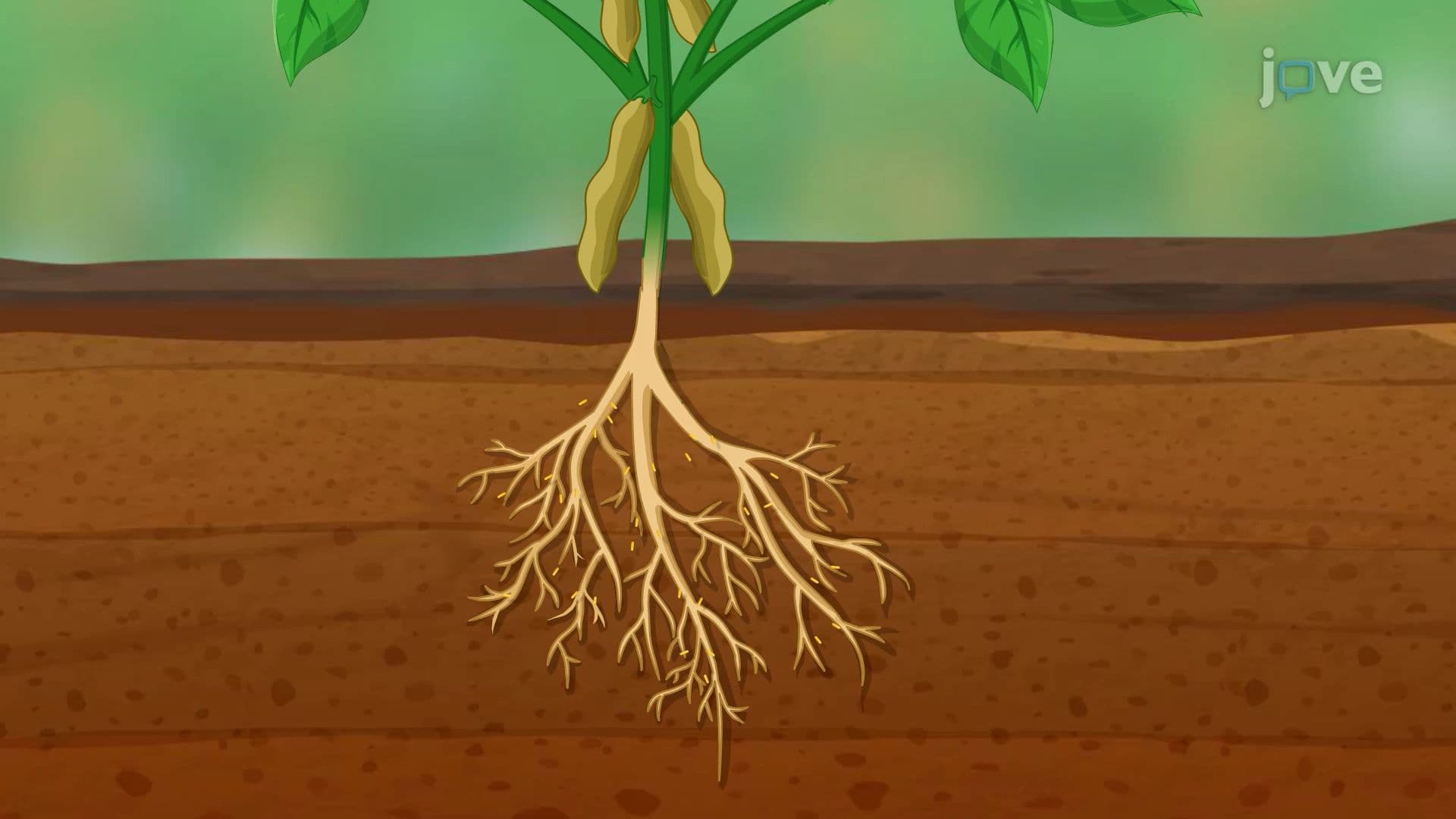
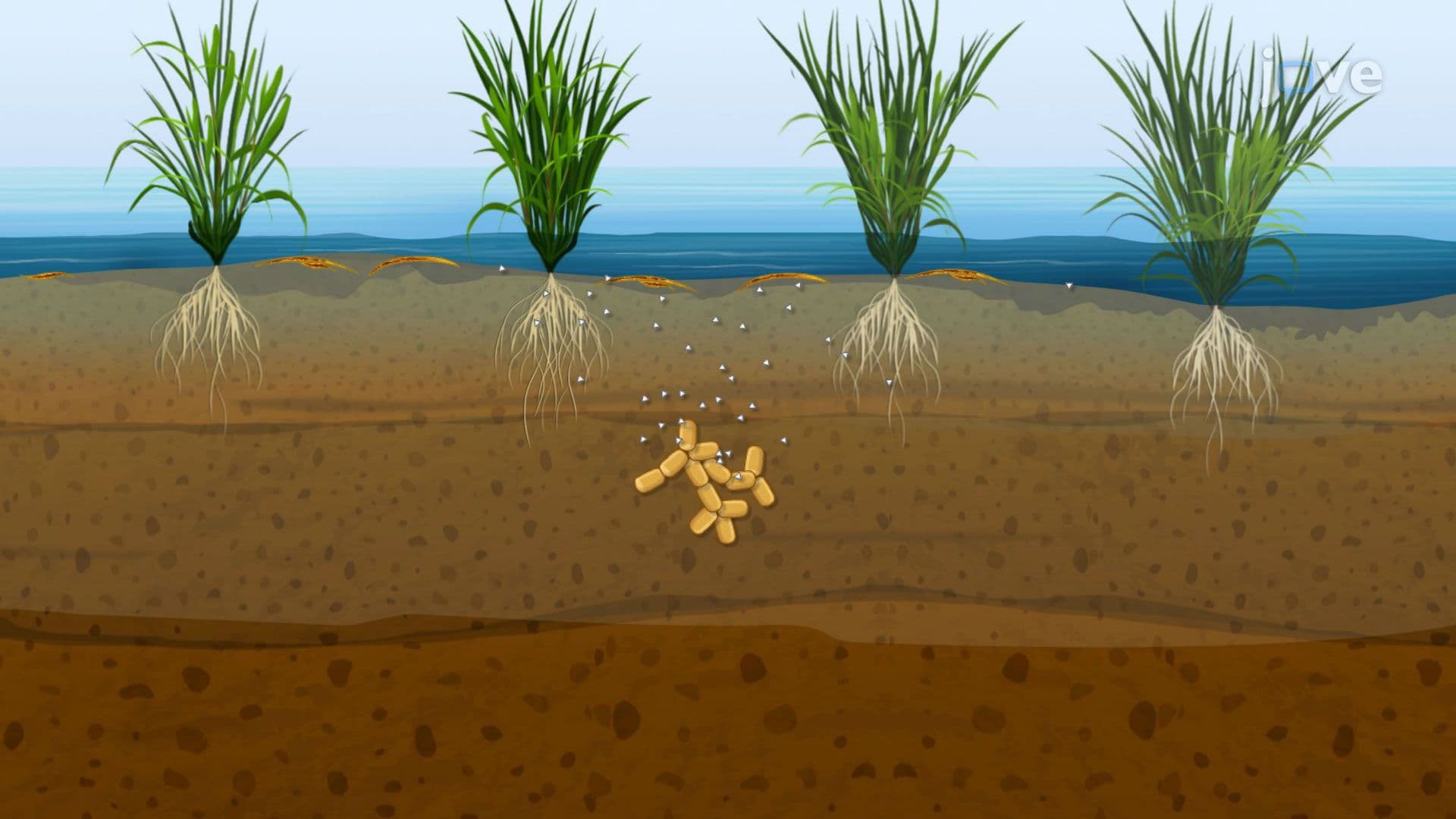
Microbial communities are highly sensitive to environmental shifts. When heavy rainfall saturates soil pores, a common occurrence during Midwest spring flooding, oxygen is displaced and conditions rapidly become anoxic (oxygen-free). This favors anaerobic microbes and triggers different metabolic pathways, changing which gases are produced. Near plant roots, a zone called the rhizosphere becomes especially dynamic, with microbial populations responding to root secretions, moisture, and nutrient gradients. This concept frequently appears on AP Environmental Science exams and college ecology midterms.
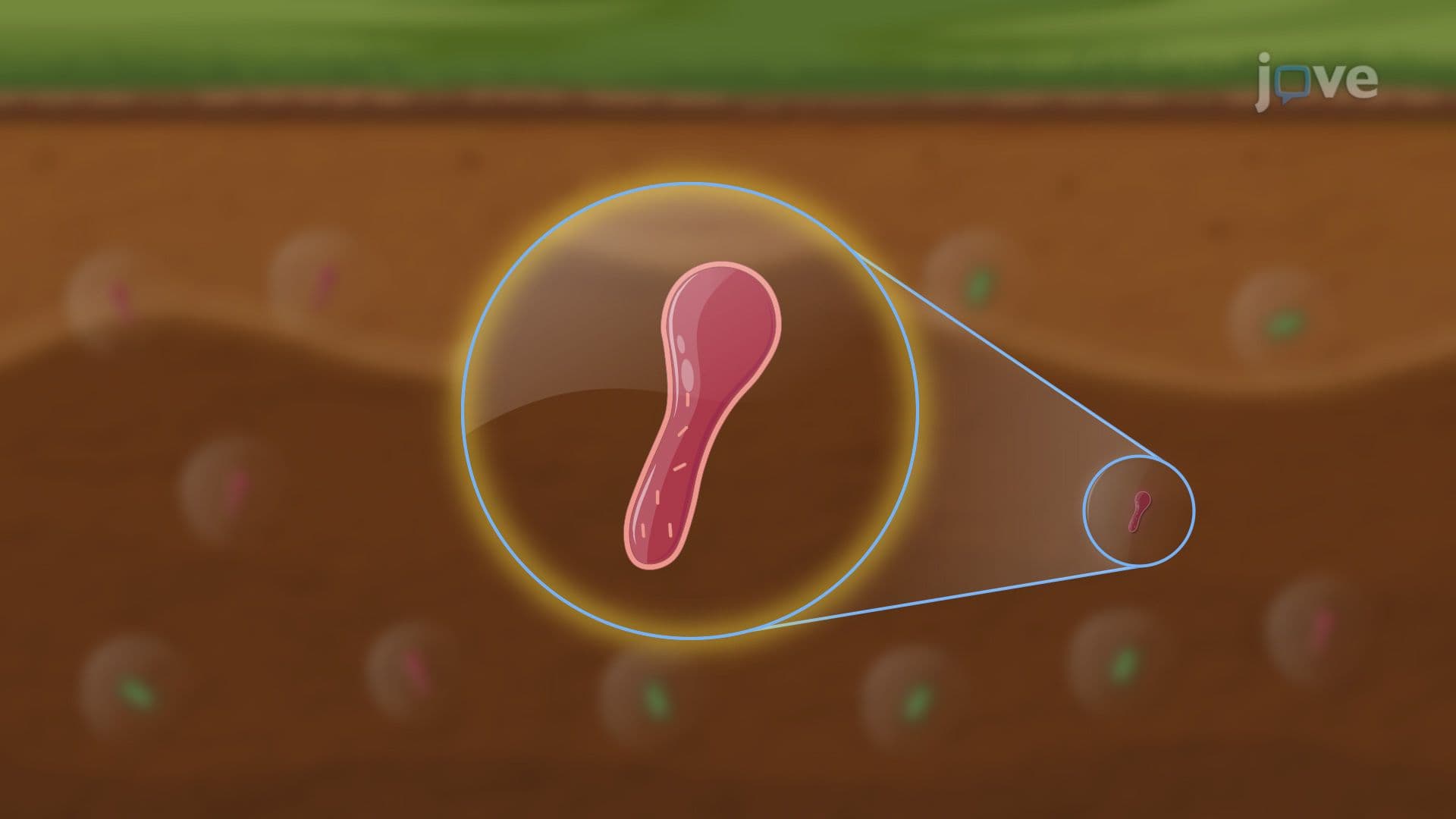
Human activity profoundly alters soil microbial ecology. In oil-contaminated soils, such as those found near former industrial sites in Texas or New Jersey, bacteria from the phylum Actinomycetota become unusually dominant. These bacteria possess metabolic pathways that degrade hydrocarbons, making them targets for bioremediation research. Meanwhile, excess nitrogen and phosphorus from agricultural runoff, a major issue in the Mississippi River Basin, can reduce microbial diversity and total biomass. Lower microbial diversity signals reduced ecosystem resilience, the soil's ability to recover from stress. On the MCAT and in college environmental biology courses, understanding the relationship between pollution, microbial diversity, and ecosystem function is a high-yield topic that connects chemistry, biology, and real-world policy.
Related Micro-courses