Loading video…


 22 Concepts
 4.1K views

Video Summary: What Is Marine Microbial Ecology
Did you know the ocean's invisible microbial workforce drives nearly half of Earth's oxygen production? Marine microbial ecology explores how bacteria, archaea, and protists shape ocean chemistry and food webs. In the Gulf of Mexico, oil spill events triggered explosive blooms of hydrocarbon-degrading bacteria, a dramatic real-world example of microbial adaptability. Watch the full video on JoVE Coach to master this concept with expert-led visuals and step-by-step explanations.
Marine microbial ecology is the scientific study of microorganisms, bacteria, archaea, fungi, viruses, and protists, and the roles they play in ocean ecosystems. Far from being passive inhabitants, these microbes are the engine room of the ocean, controlling biogeochemical cycles, regulating atmospheric gases, and forming the base of food webs that sustain everything from zooplankton to blue whales. For students in AP Environmental Science, AP Biology, or introductory college microbiology courses, understanding this field is essential for grasping how Earth's largest ecosystem functions.
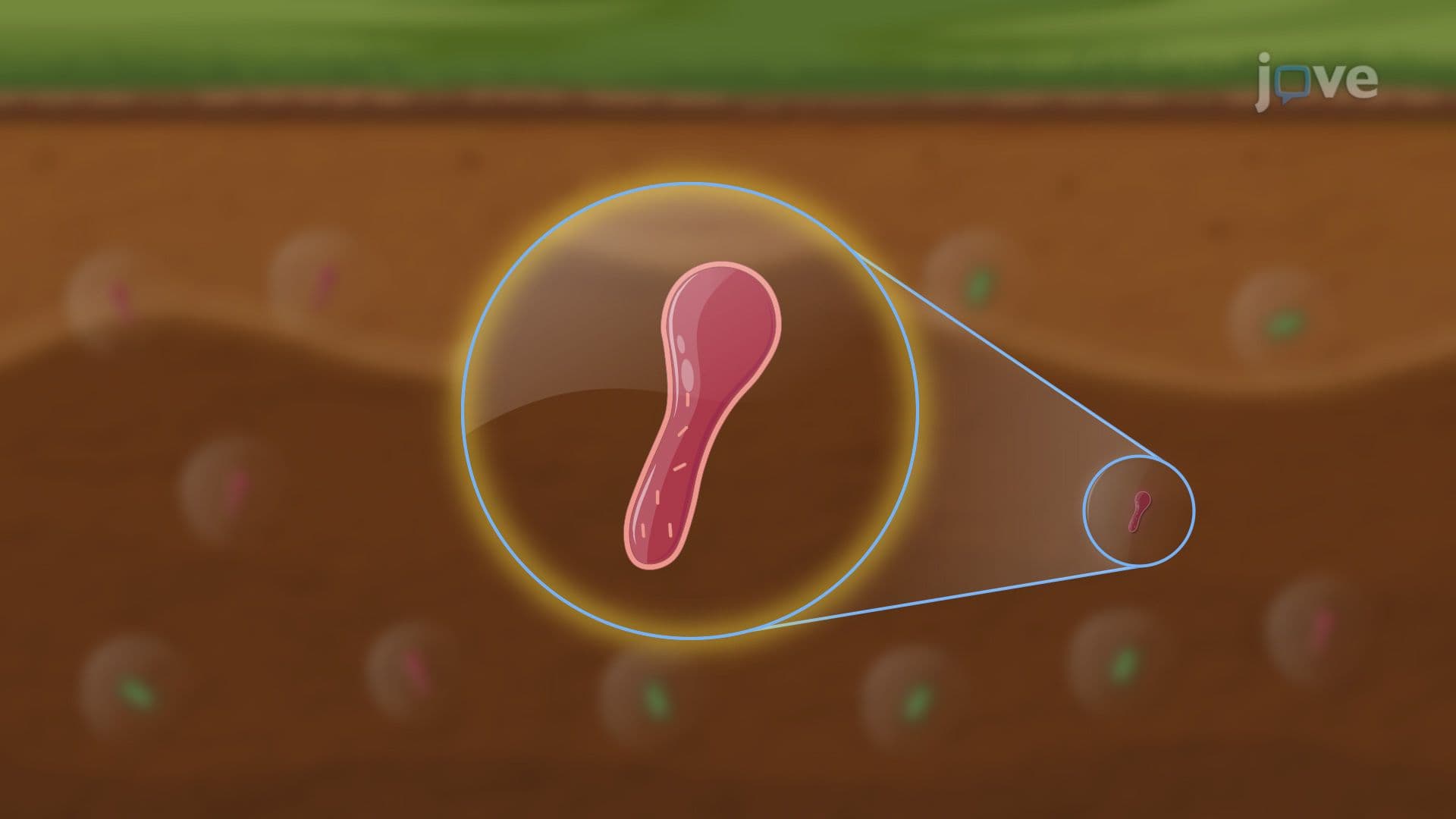
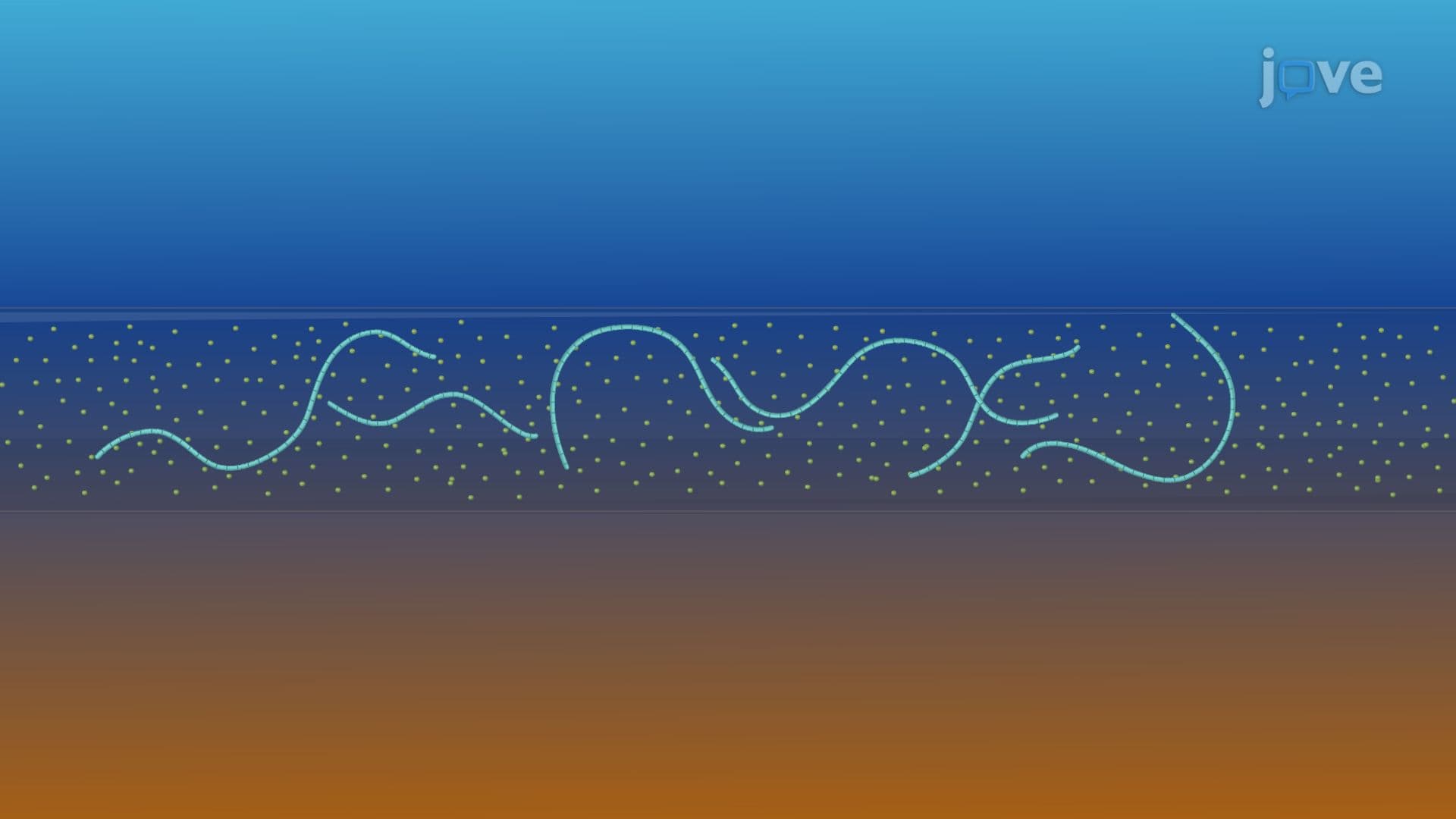
Ocean environments are far from uniform, and marine microbial ecology explained at its core is a story of adaptation to extreme and variable conditions. In nutrient-poor open ocean waters, oligotrophic bacteria, notably the cyanobacterium *Prochlorococcus*, dominate. These organisms have evolved remarkably small cell sizes to maximize surface-area-to-volume ratios for nutrient uptake, a critical survival strategy in vast, nutrient-scarce waters.
In contrast, estuaries and coastal zones, such as Chesapeake Bay on the US East Coast, experience dramatic salinity fluctuations driven by tidal activity. Halotolerant microbes thrive here, tolerating wide salt concentration swings that would kill most organisms. These same coastal zones periodically become anoxic as microbial respiration depletes oxygen faster than it can be replenished. Sulfate-reducing bacteria exploit this condition, using sulfate as a terminal electron acceptor and producing hydrogen sulfide, a process directly tied to the global sulfur cycle, one of the key biogeochemical cycles tested on the MCAT and AP Biology exams.
One of the most important concepts in marine microbial ecology basics is the microbial loop. In the upper 100 to 200 meters of the ocean, the sunlit photic zone, photoautotrophs such as cyanobacteria and algae fix carbon through photosynthesis, releasing dissolved organic matter (DOM) into the water. Small heterotrophic bacteria consume this DOM, converting it back into biomass. Larger heterotrophic protists then graze on these bacteria, producing particulate organic matter that feeds copepods and other larger plankton.
This loop is critical because it prevents organic carbon from sinking unused to the seafloor. Without it, surface waters would become biologically impoverished. On AP Biology and college midterms, students are frequently asked to trace energy and matter through this system, so being able to articulate each step, from photosynthate production to protist grazing, is a high-value skill.
Marine microbial ecology also reveals how microbial communities respond dynamically to environmental stress. The 2010 Deepwater Horizon oil spill in the Gulf of Mexico is a landmark US case study: within weeks, hydrocarbon-degrading bacteria such as *Alcanivorax* and *Marinobacter* species bloomed to levels thousands of times above baseline, demonstrating the ocean's remarkable, microbe-driven capacity for self-repair.
A more troubling disruption is global warming's expansion of oxygen-minimum zones (OMZs). As ocean temperatures rise, water stratification increases, reducing the mixing that delivers oxygen to deeper layers. In regions like the eastern Pacific off the coast of Oregon and California, expanding OMZs are compressing the habitat available to aerobic organisms while favoring anaerobic microbes. This shift in microbial communities can cascade upward through entire food webs, a real consequence of climate change that connects microbial ecology to policy discussions students encounter in AP Environmental Science. Understanding how microbes survive in extreme environments and what the significance of microbial diversity means for ecosystem stability are questions that appear across college entrance exams, biology coursework, and environmental science curricula alike.
Related Micro-courses