Loading subject page…


4,092 views

Video Summary: What Is Freshwater Microbial Ecology
Did you know a single drop of lake water can contain millions of invisible organisms driving Earth's carbon cycle? Freshwater microbial ecology explores how bacteria, fungi, algae, and protists shape aquatic ecosystems through nutrient cycling, decomposition, and energy flow. In places like Lake Erie, microbial communities directly influence water quality and ecosystem health. Watch the full video on JoVE Coach to master this concept with expert-led visuals and step-by-step explanations.
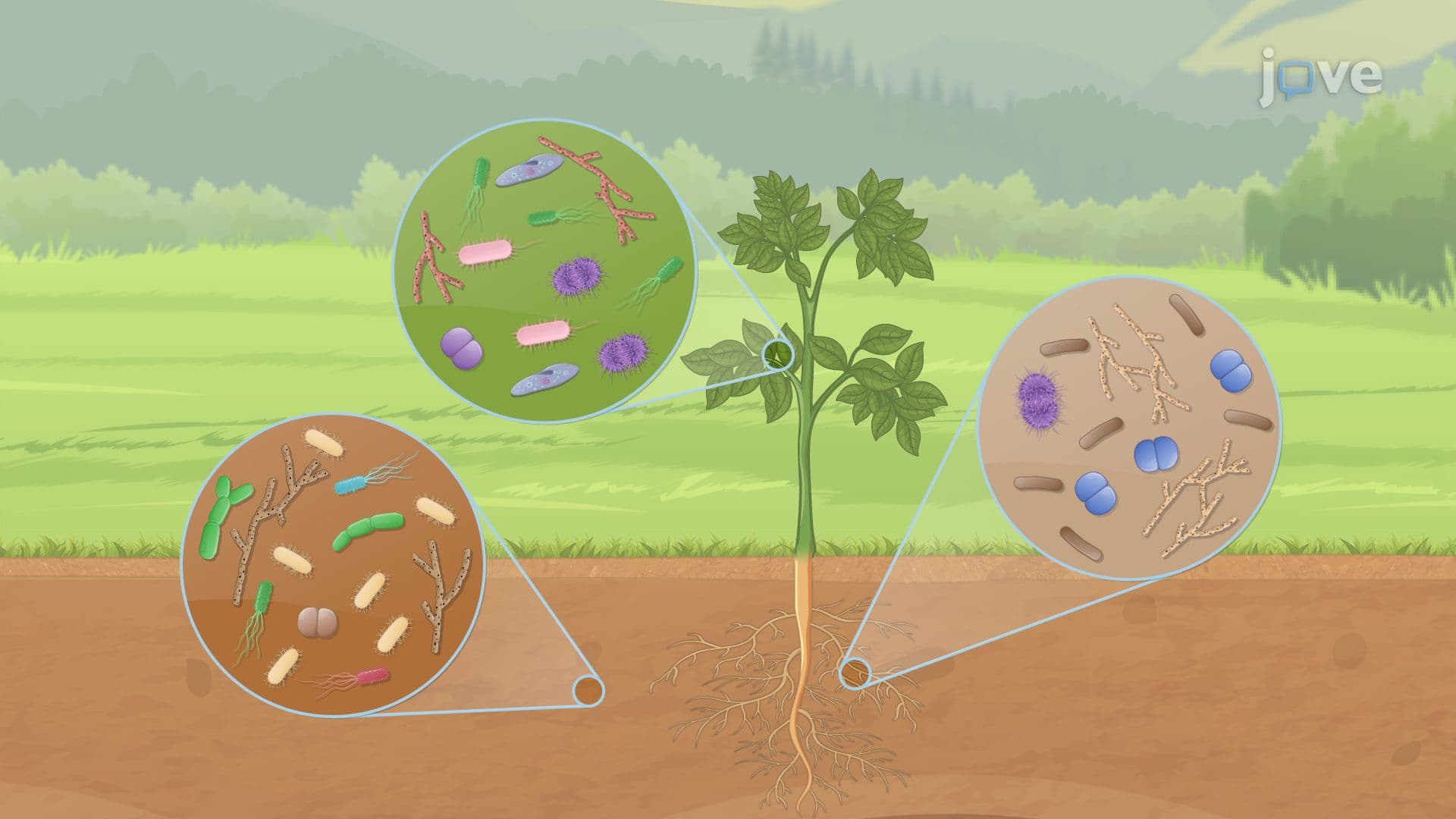
Freshwater microbial ecology is the scientific study of how microorganisms, including bacteria, archaea, fungi, algae, and protists, interact with each other and their aquatic environments in lakes, rivers, streams, and wetlands. These microscopic communities are not passive residents; they are the primary engines driving biogeochemical cycles that sustain all life in freshwater systems. Understanding this field is essential for students in AP Environmental Science, AP Biology, and introductory college ecology courses.
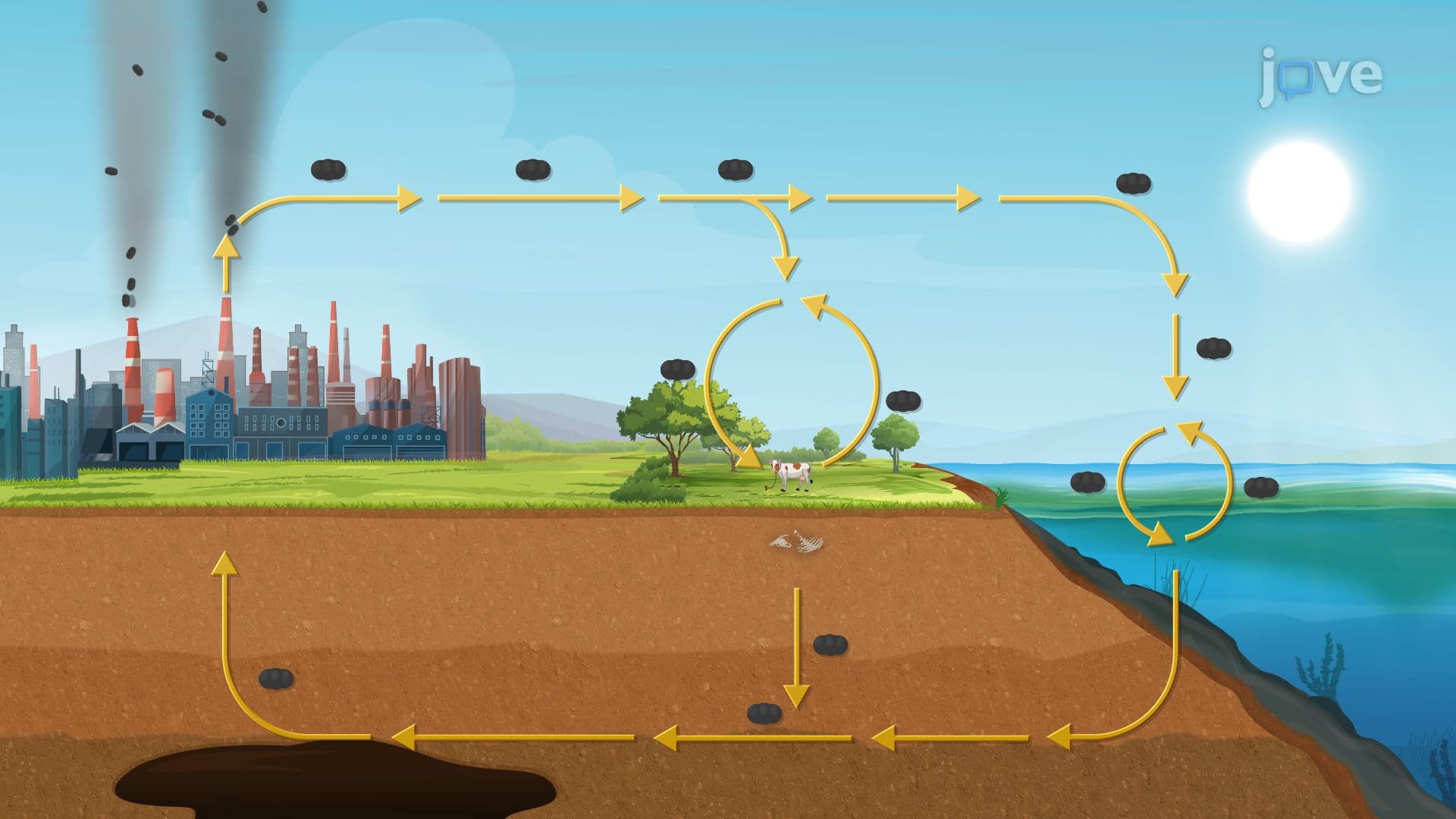
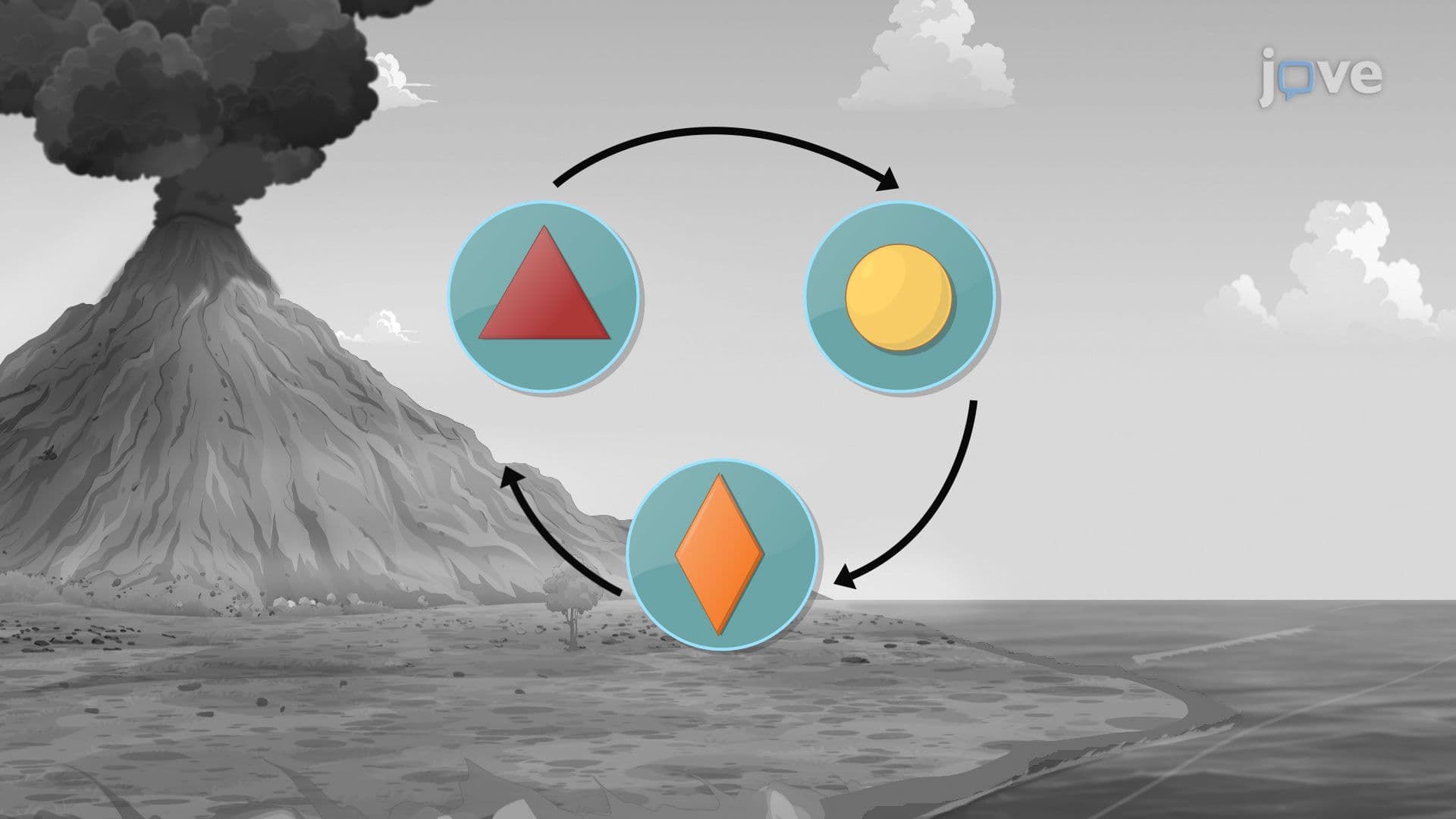
At the water's surface, phytoplankton and cyanobacteria perform photosynthesis, converting sunlight and carbon dioxide into organic carbon, the foundational energy source for nearly every organism in the ecosystem. In shallow zones, diatoms (a type of algae) are especially productive contributors to this process. Once organic carbon is produced, heterotrophic bacteria take over, consuming and decomposing it while releasing carbon dioxide back into the water. This continuous exchange forms the core of the freshwater carbon cycle and directly parallels concepts tested on the AP Biology exam and college-level general biology midterms.
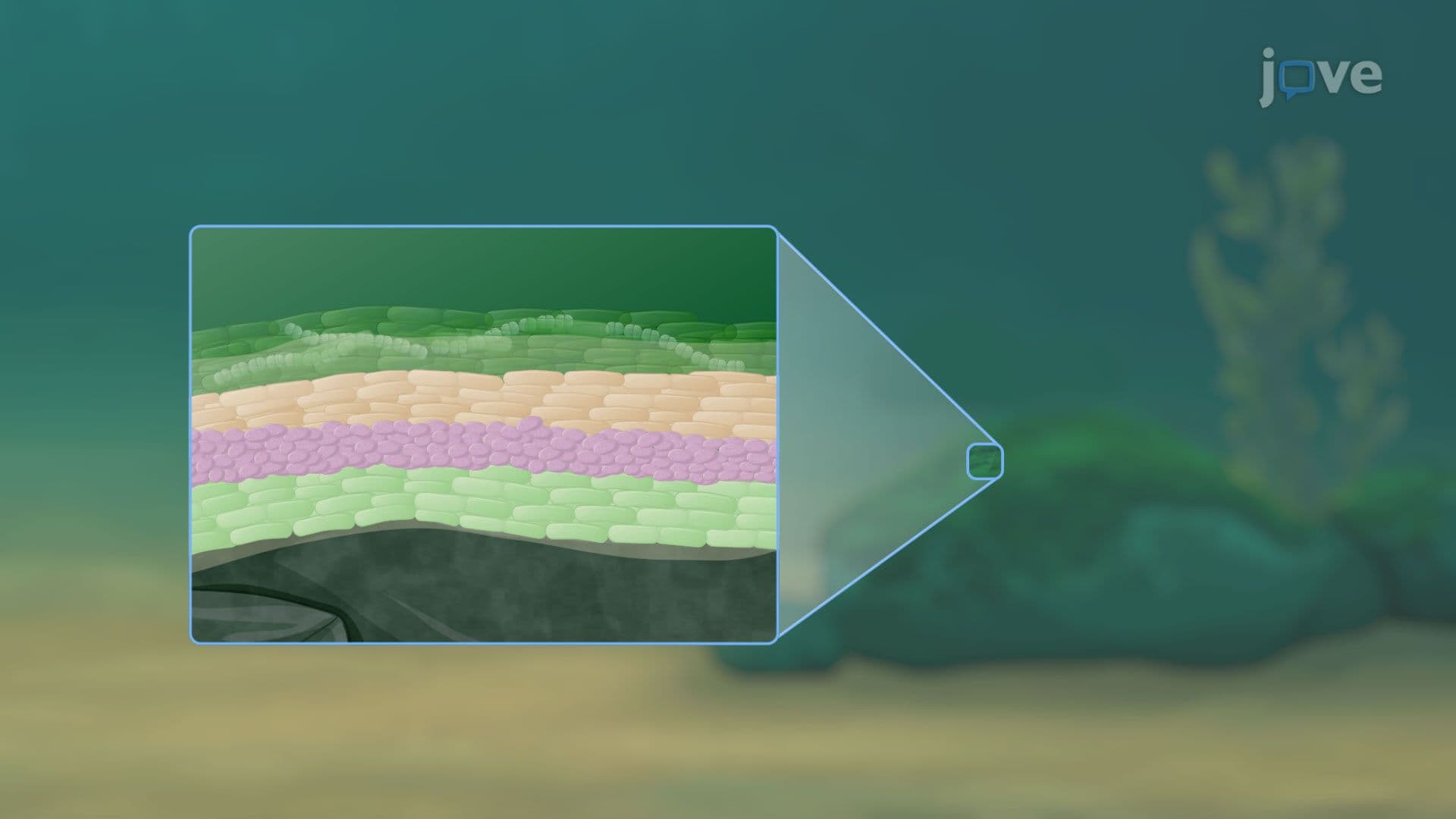
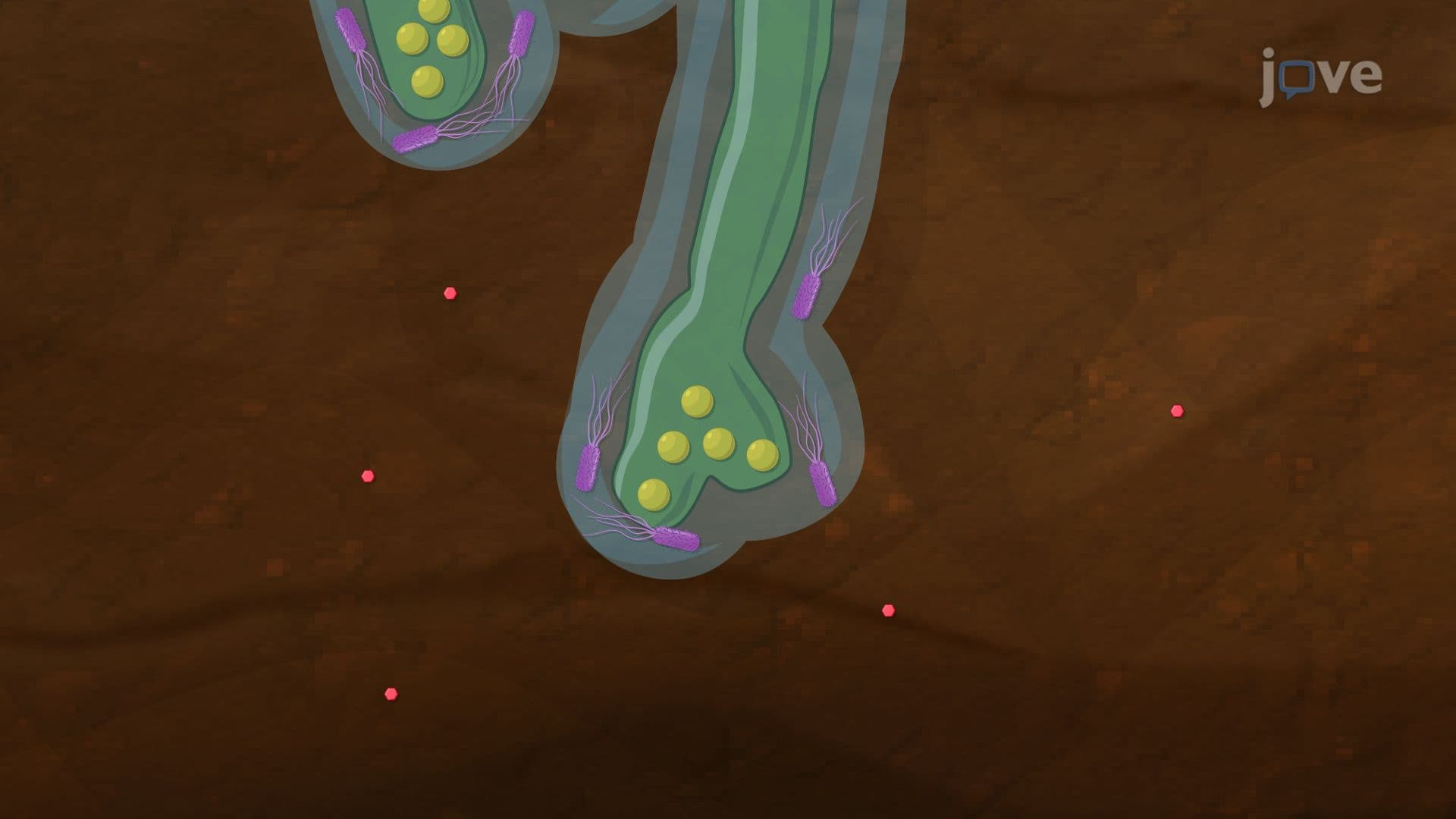
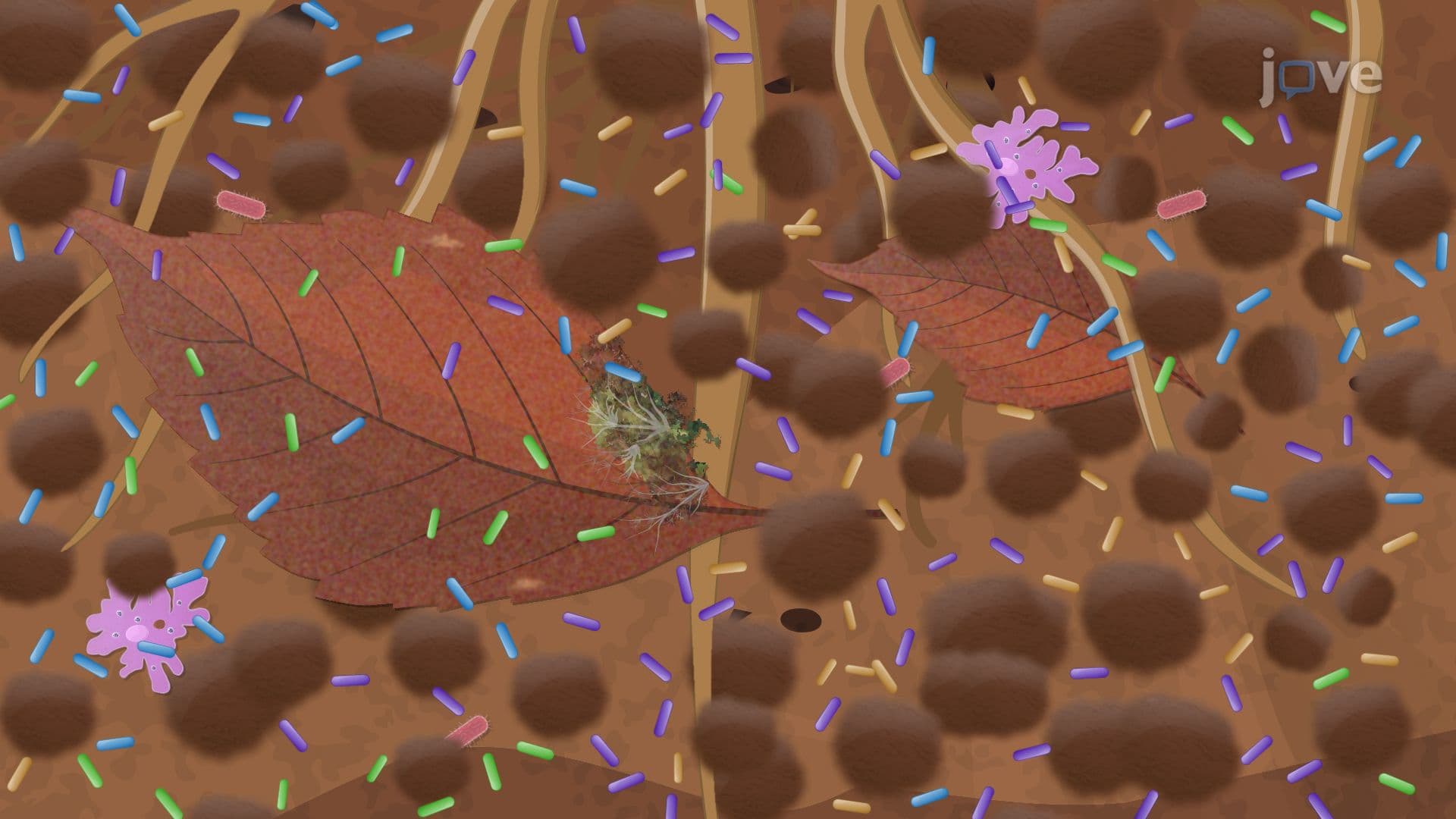
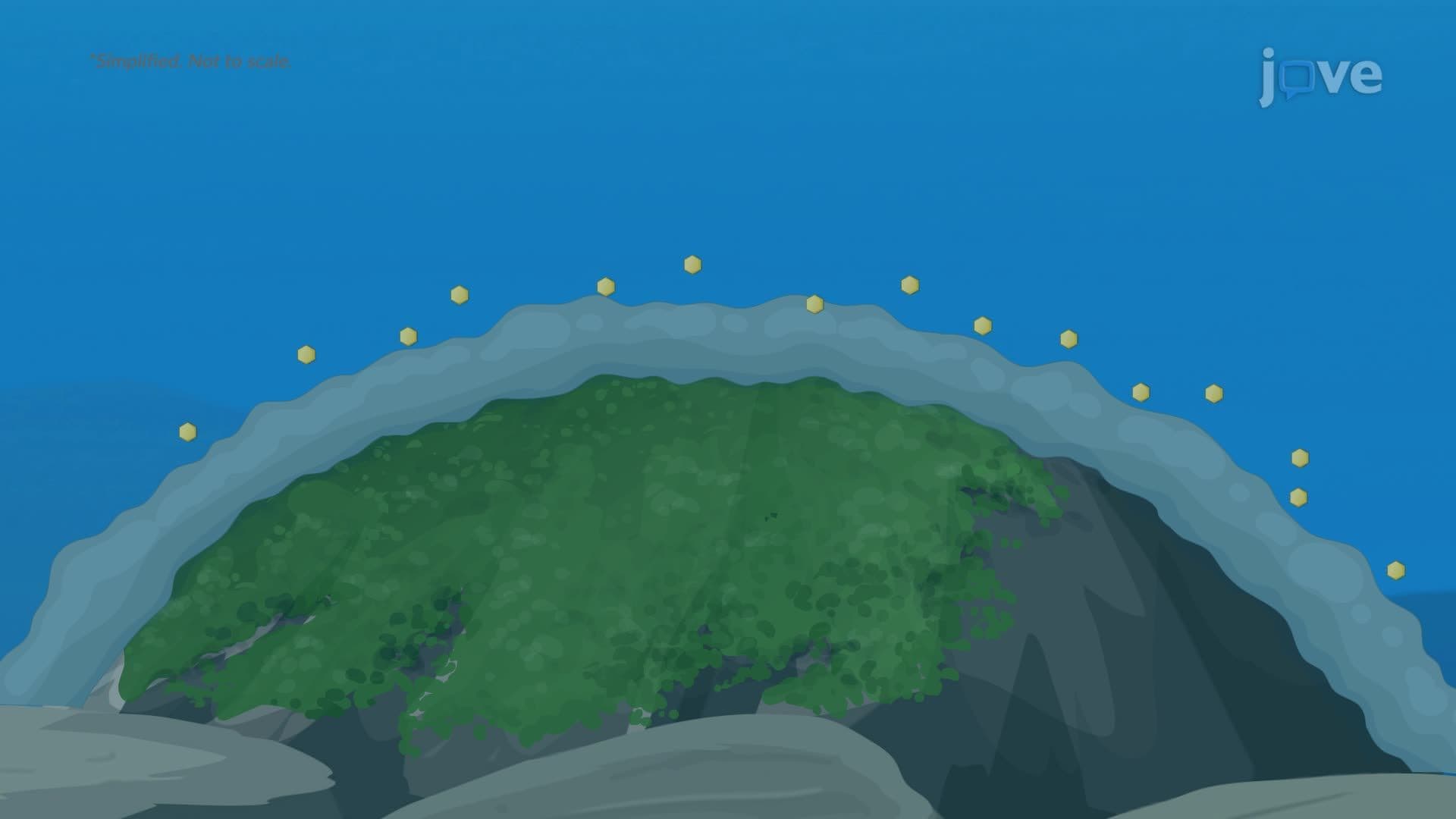
Beneath the water's surface, biofilms colonize rocks, sediment, and submerged debris. These complex, layered communities of bacteria, fungi, and protists secrete a sticky matrix that traps organic matter from the surrounding water, breaking it down cooperatively. The benthic zone, the bottom layer of a lake or stream, receives organic input primarily from leaf litter and decaying plant material. Heterotrophic microbes in this zone degrade these materials and release dissolved organic carbon back into the water column, fueling microbial communities upstream and throughout the ecosystem. Students studying for the MCAT will recognize this as a real-world application of energy transfer and ecosystem trophic dynamics.
One of the most ecologically significant consequences of human activity on freshwater systems is eutrophication. When agricultural fertilizers and urban sewage run off into lakes and rivers, a widespread problem in states like Iowa, Illinois, and along the Gulf Coast, they introduce excess nutrients like nitrogen and phosphorus. This nutrient surge fuels explosive cyanobacterial blooms at the water's surface. As these blooms die, heterotrophic microbes work overtime to decompose the massive surplus of biomass, rapidly consuming dissolved oxygen in the process. The resulting hypoxic (low-oxygen) conditions devastate fish, macroinvertebrates, and the broader microbial community. This phenomenon illustrates how shifts in microbial ecology have cascading consequences across entire ecosystems, a concept central to both AP Environmental Science and undergraduate environmental biology curricula.
Microbial diversity in freshwater systems is far more than an academic curiosity. A diverse microbial community ensures ecological resilience, when one species is disrupted by pollution or climate stress, others can compensate and maintain key functions like nutrient cycling and oxygen regulation. Research from institutions like the University of Michigan's water research programs has demonstrated that declining microbial diversity correlates with reduced water quality and weakened ecosystem function. Recognizing the significance of microbial diversity helps students connect microscale biology to macroscale environmental outcomes, a critical skill for ecology exams and real-world environmental science applications.
Related Micro-courses