Loading video…

 22 Concepts
 4.1K views

Video Summary: Mutualism in Microbial Interactions
Did you know the cow's ability to digest grass depends entirely on microscopic partners living in its gut? Mutualism in microbial interactions describes symbiotic relationships where all organisms involved benefit, and microbes are often the hidden heroes making these systems work. From fungal networks in US agricultural soils to methane-producing microbes in wetlands, these partnerships drive life at every scale. Watch the full video on JoVE Coach to master this concept with expert-led visuals and step-by-step explanations.
Mutualism in microbial interactions is a form of symbiosis in which two or more species live in close association and each partner gains a measurable benefit. Unlike parasitism, where one organism profits at another's expense, mutualism creates a biological "win-win." Microbes are involved in some of the most essential mutualistic relationships on Earth, underpinning agriculture, ocean health, and animal digestion. For students in AP Biology, college-level Microbiology, or anyone preparing for the MCAT, understanding mutualism is foundational to grasping how ecosystems function and how organisms evolve interdependence over time.
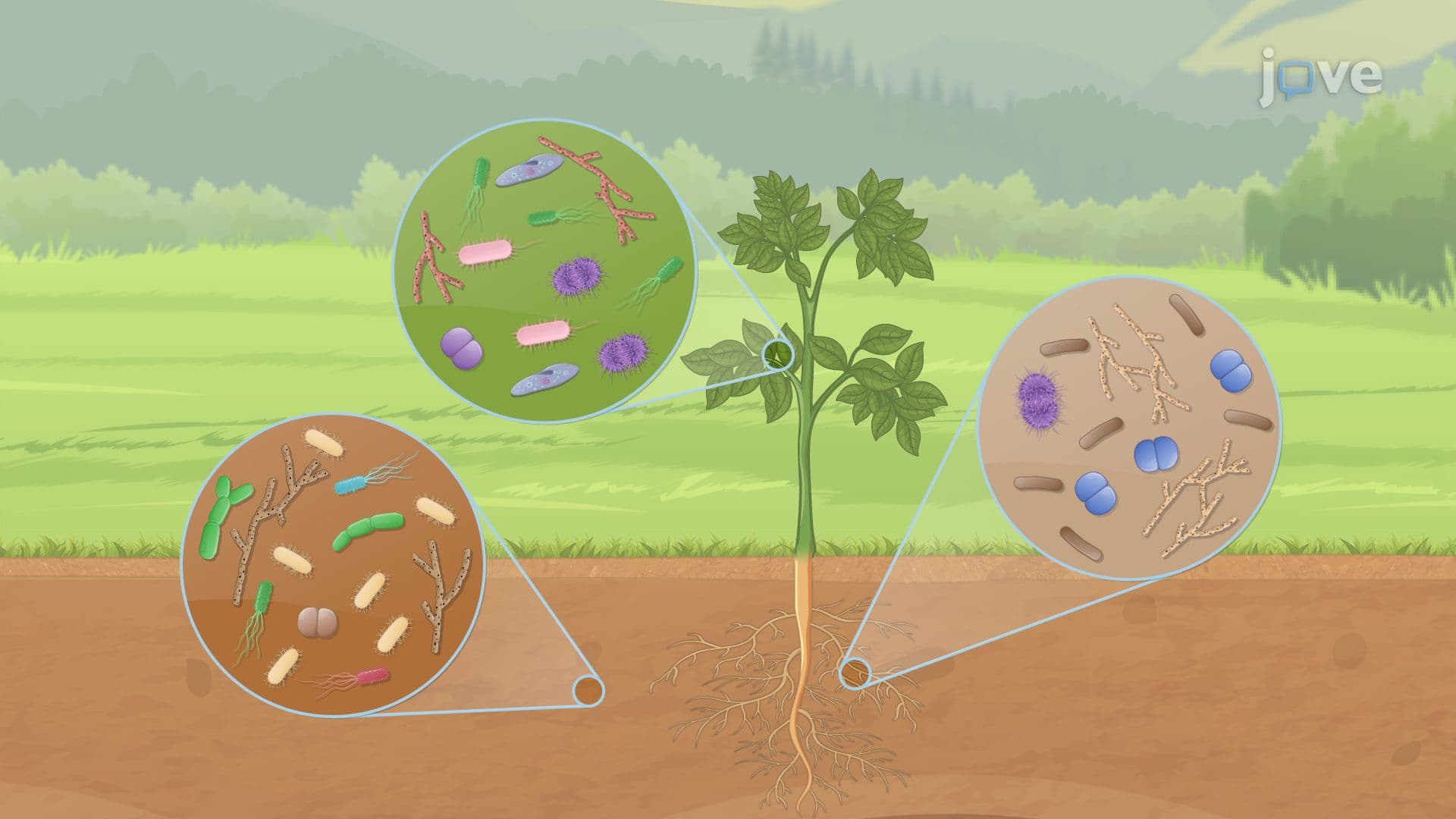
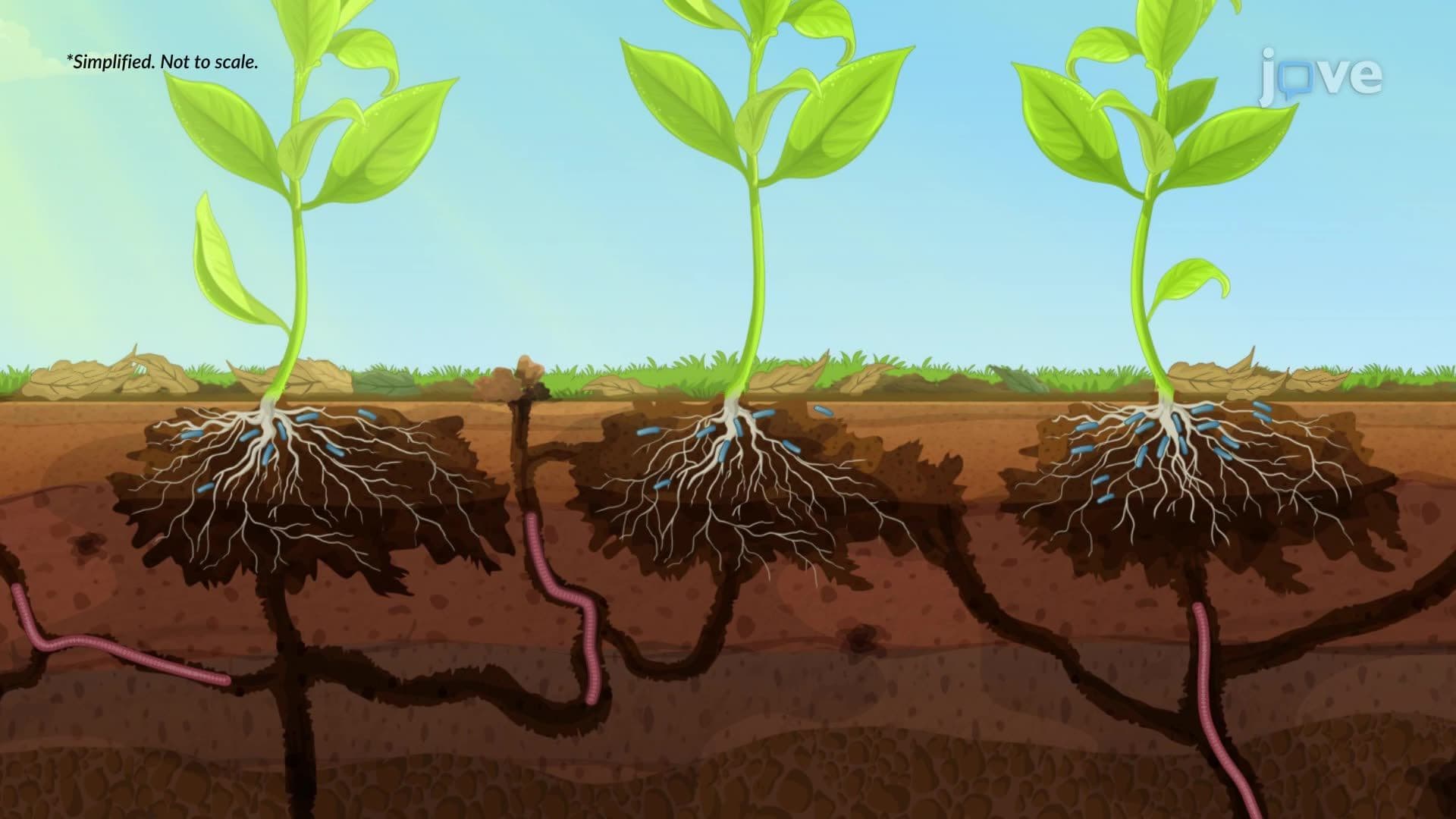
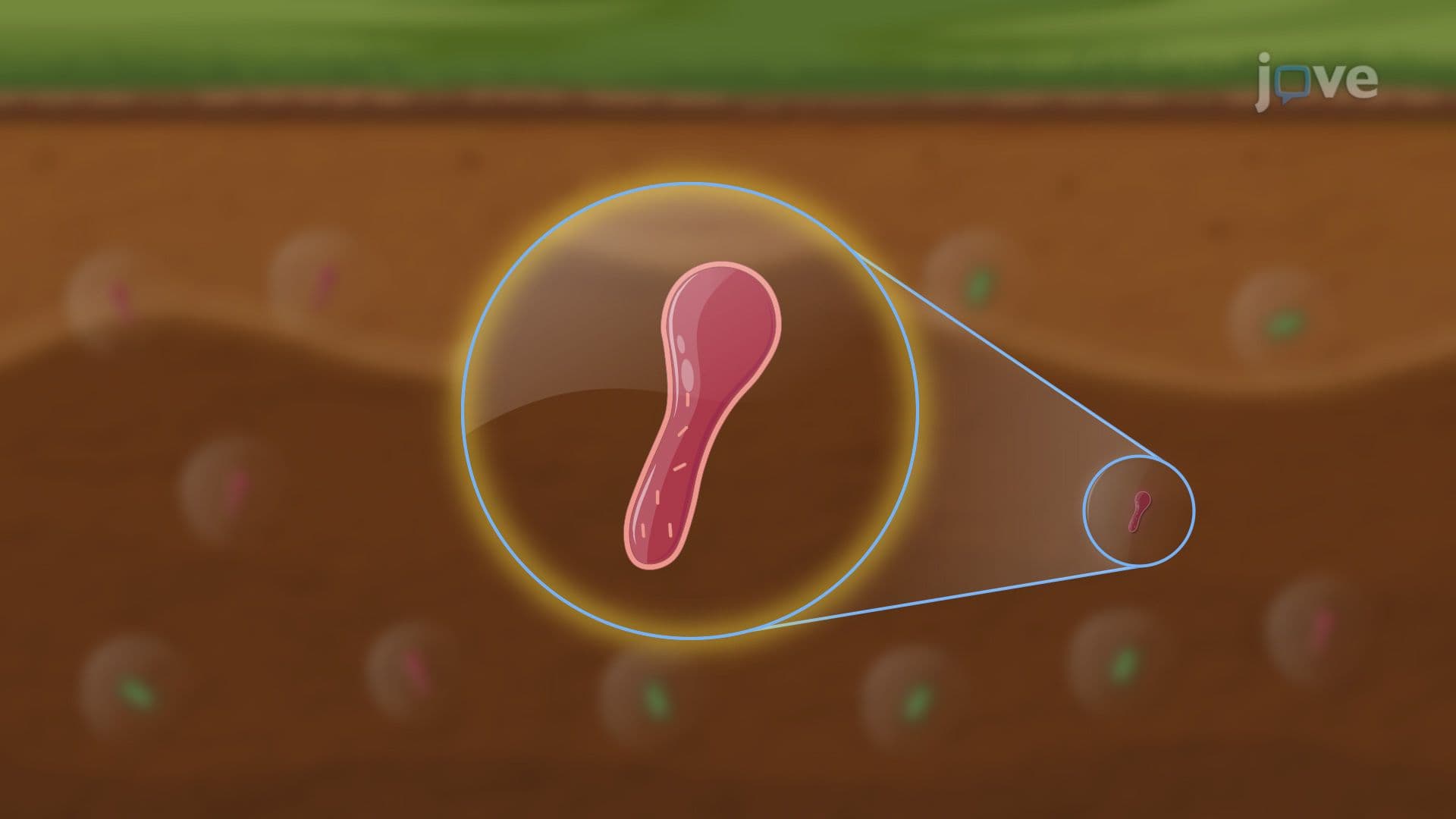
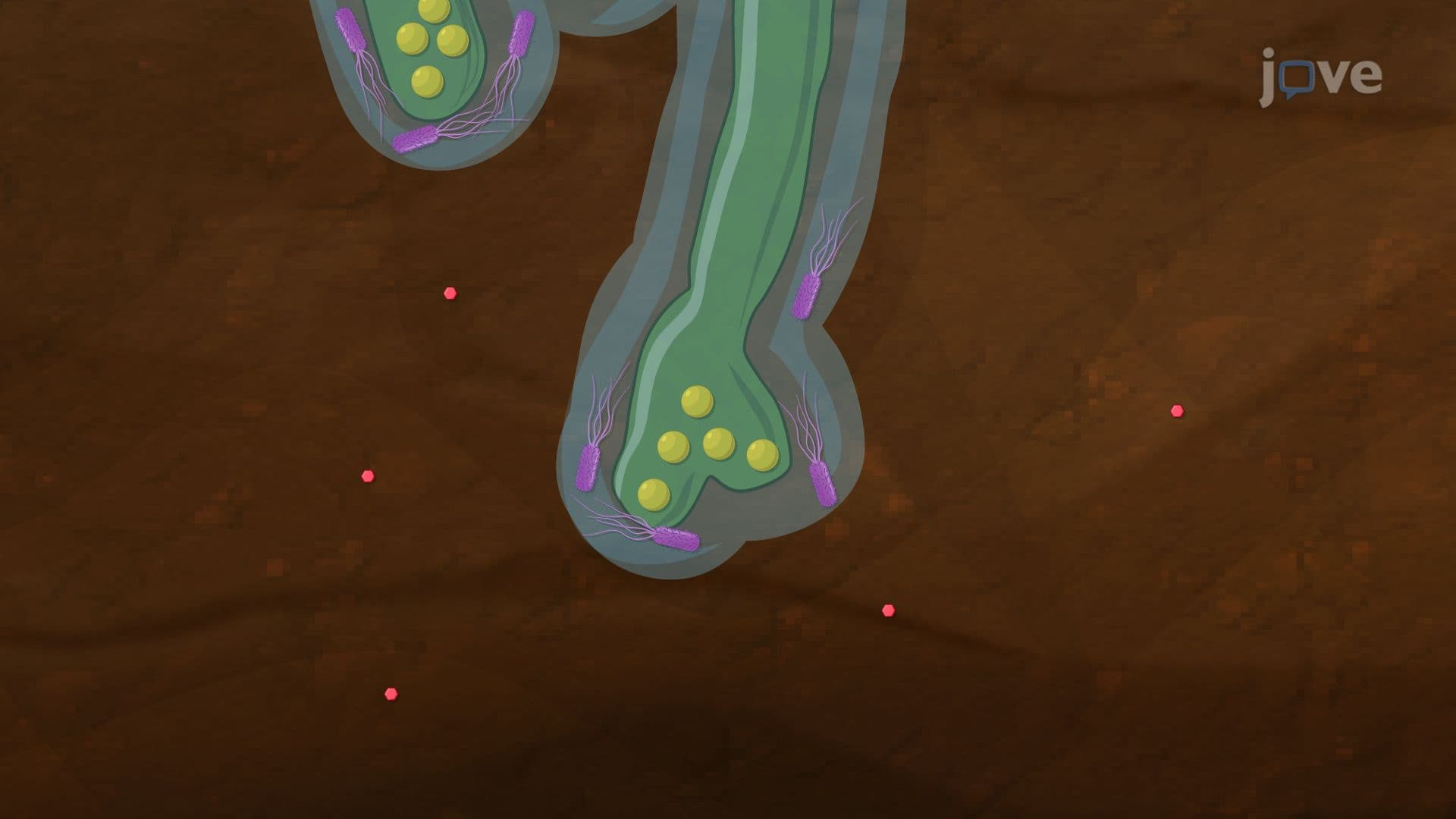
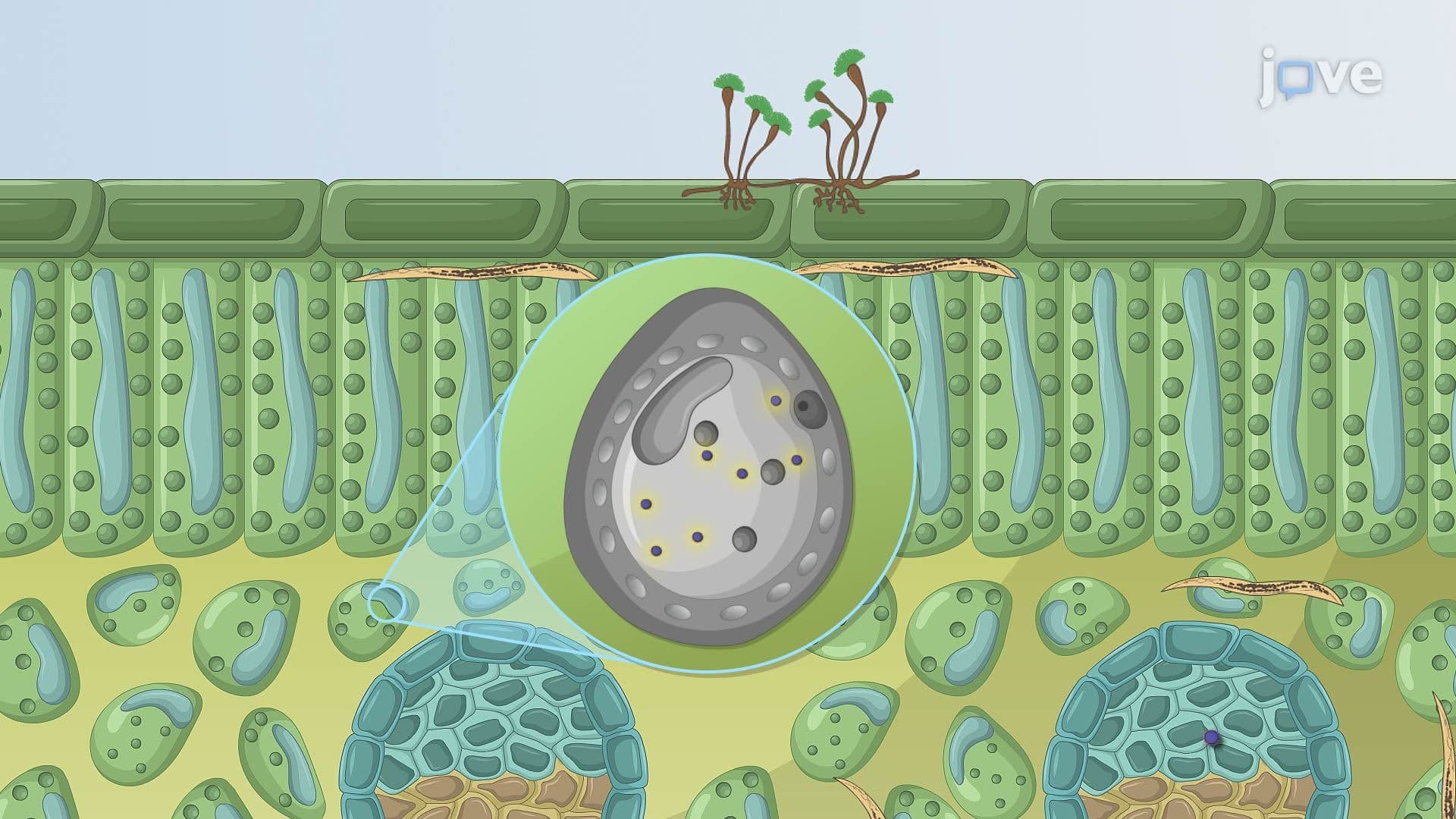
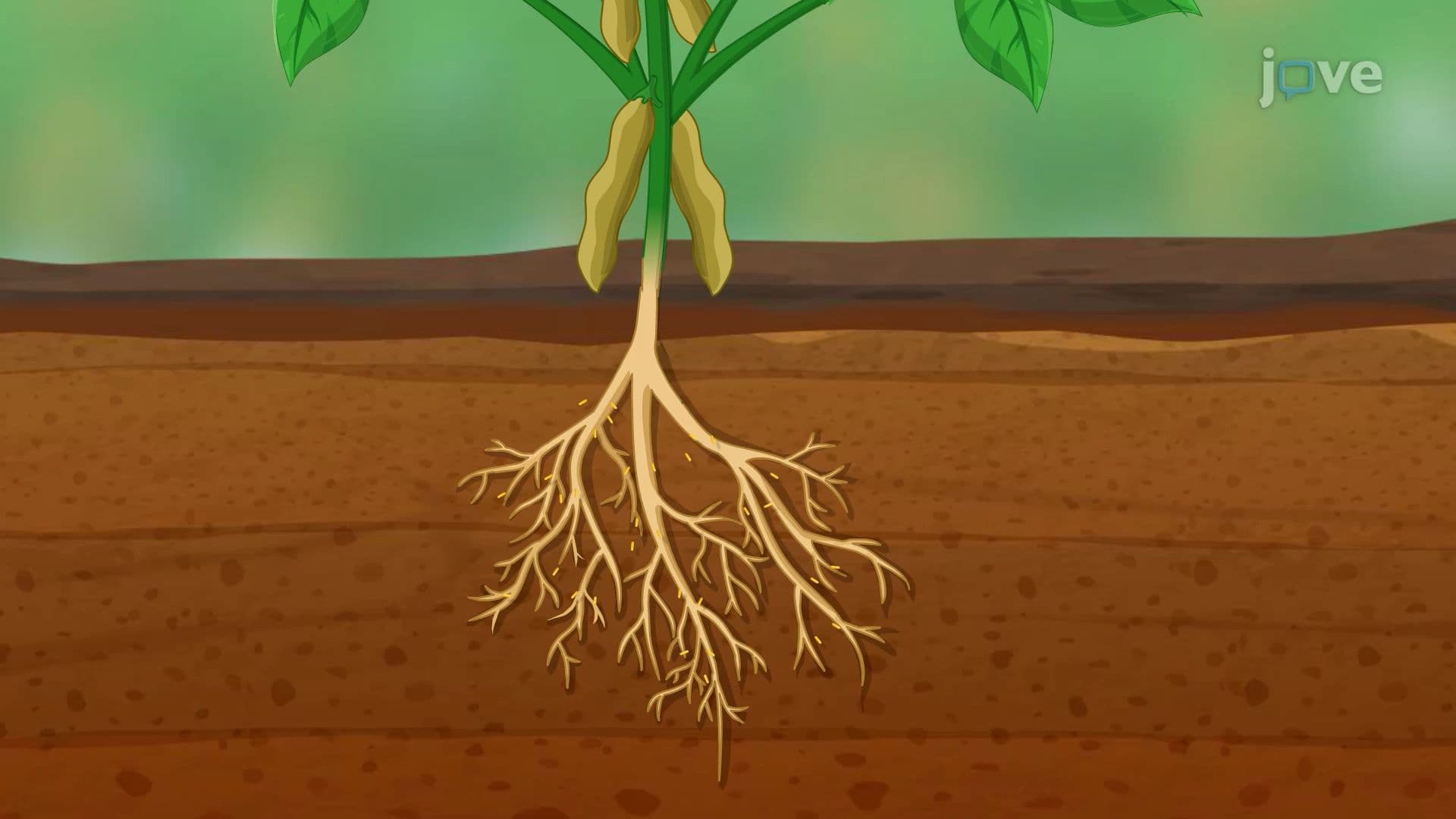
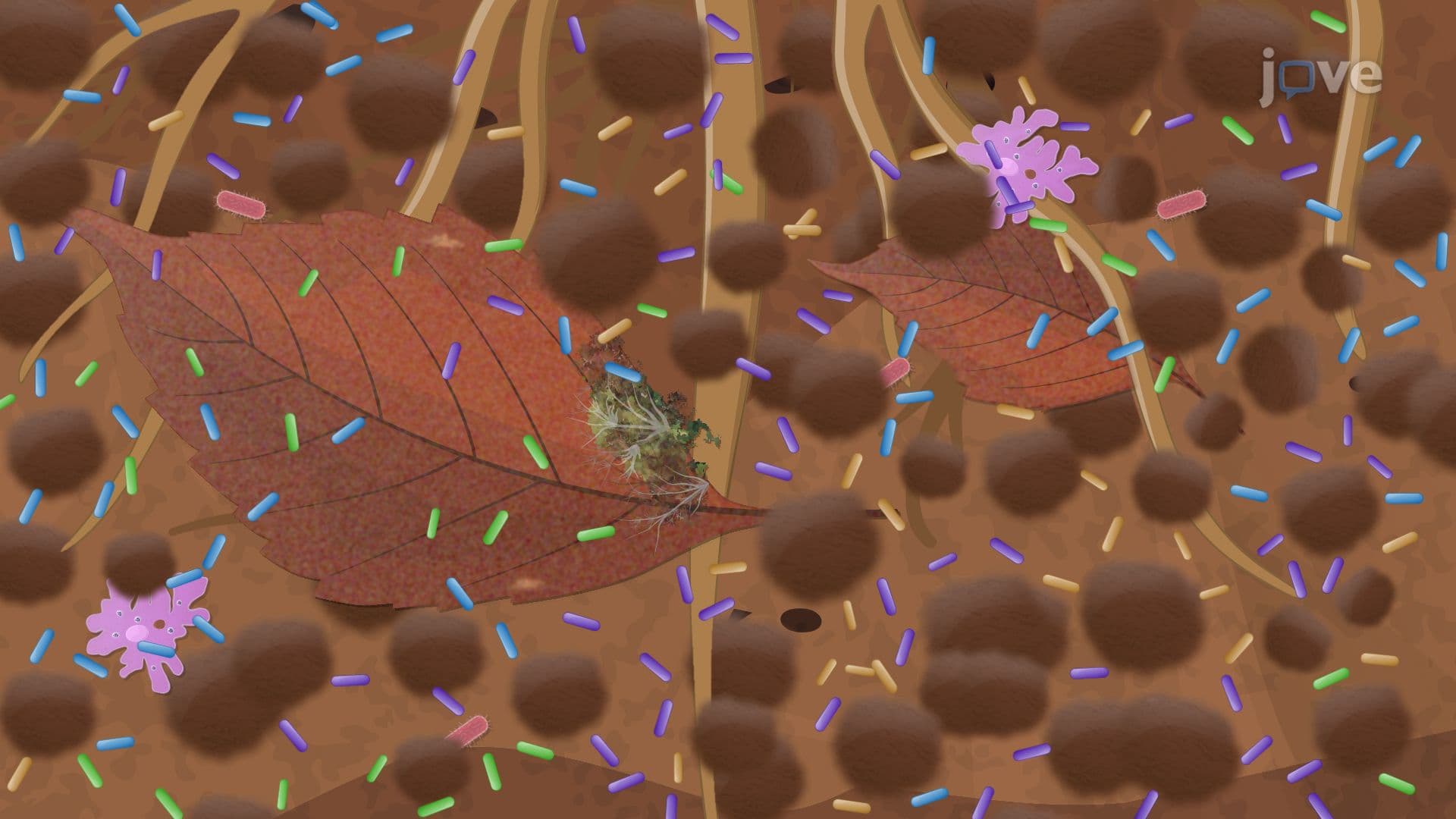
One of the most studied examples of microbial mutualism occurs underground. Mycorrhizal fungi, including species in the genus *Rhizophagus*, colonize the roots of roughly 80% of terrestrial plant species. The fungal hyphae dramatically extend the plant's effective root surface area, improving uptake of phosphorus, nitrogen, and water, nutrients that are often scarce in US agricultural soils. In return, the plant supplies the fungus with photosynthetically derived sugars, which the fungus cannot produce on its own. American farmers and soil scientists increasingly leverage mycorrhizal inoculants as sustainable alternatives to synthetic fertilizers, recognizing this ancient partnership as a natural productivity booster.
Cattle, sheep, and other ruminants cannot produce the enzymes needed to break down cellulose, the structural carbohydrate in grass and hay. Instead, they rely on a dense community of bacteria, archaea, protozoa, and fungi living in their rumen. These microbes ferment cellulose into volatile fatty acids (VFAs) such as acetate, propionate, and butyrate, which the animal absorbs as its primary energy source. The microbes, in turn, receive a warm, stable, nutrient-rich environment and a continuous food supply. This mutualistic system is central to US beef and dairy industries and is a frequently tested topic in college-level Animal Science and Nutrition courses.
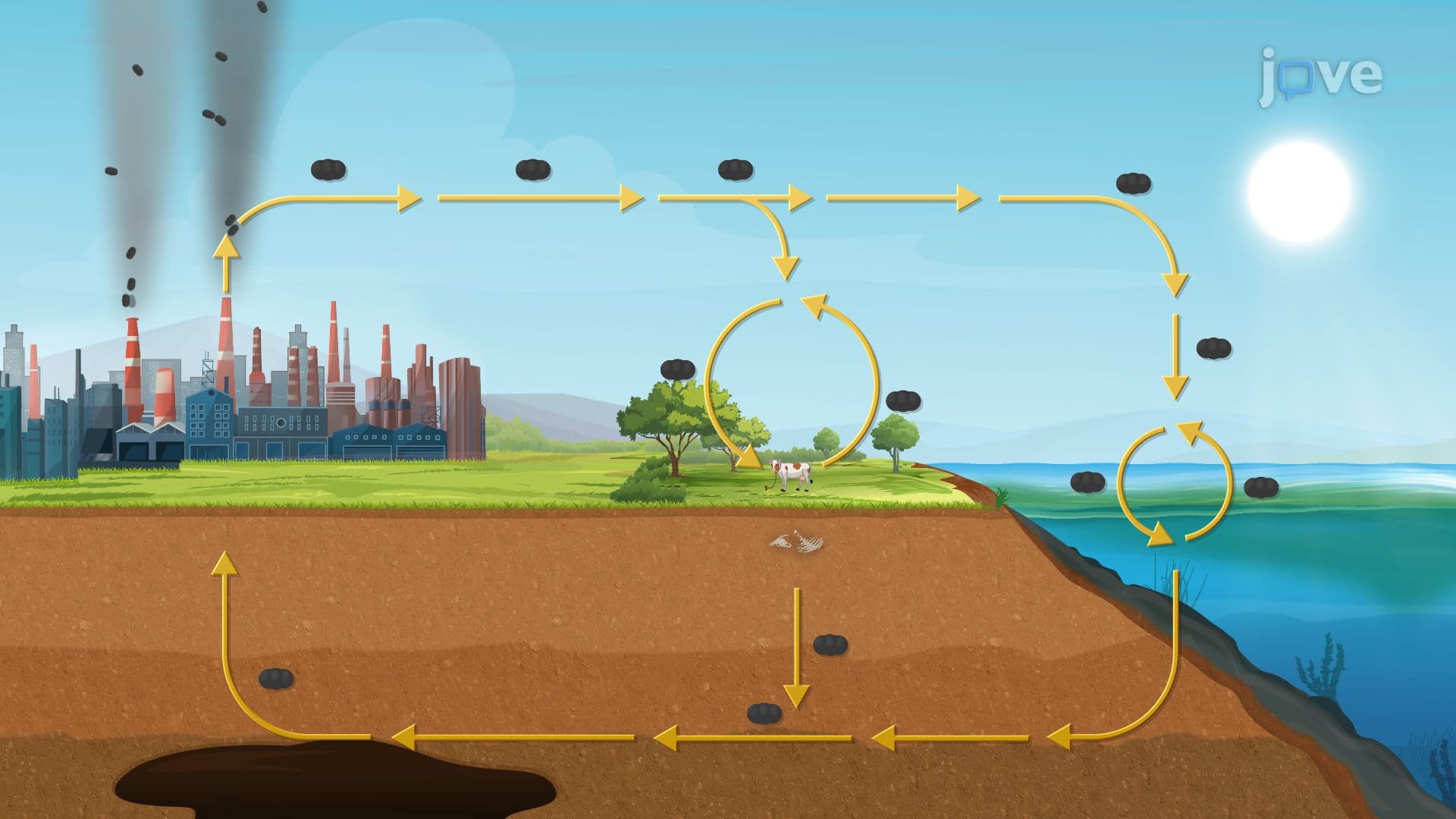
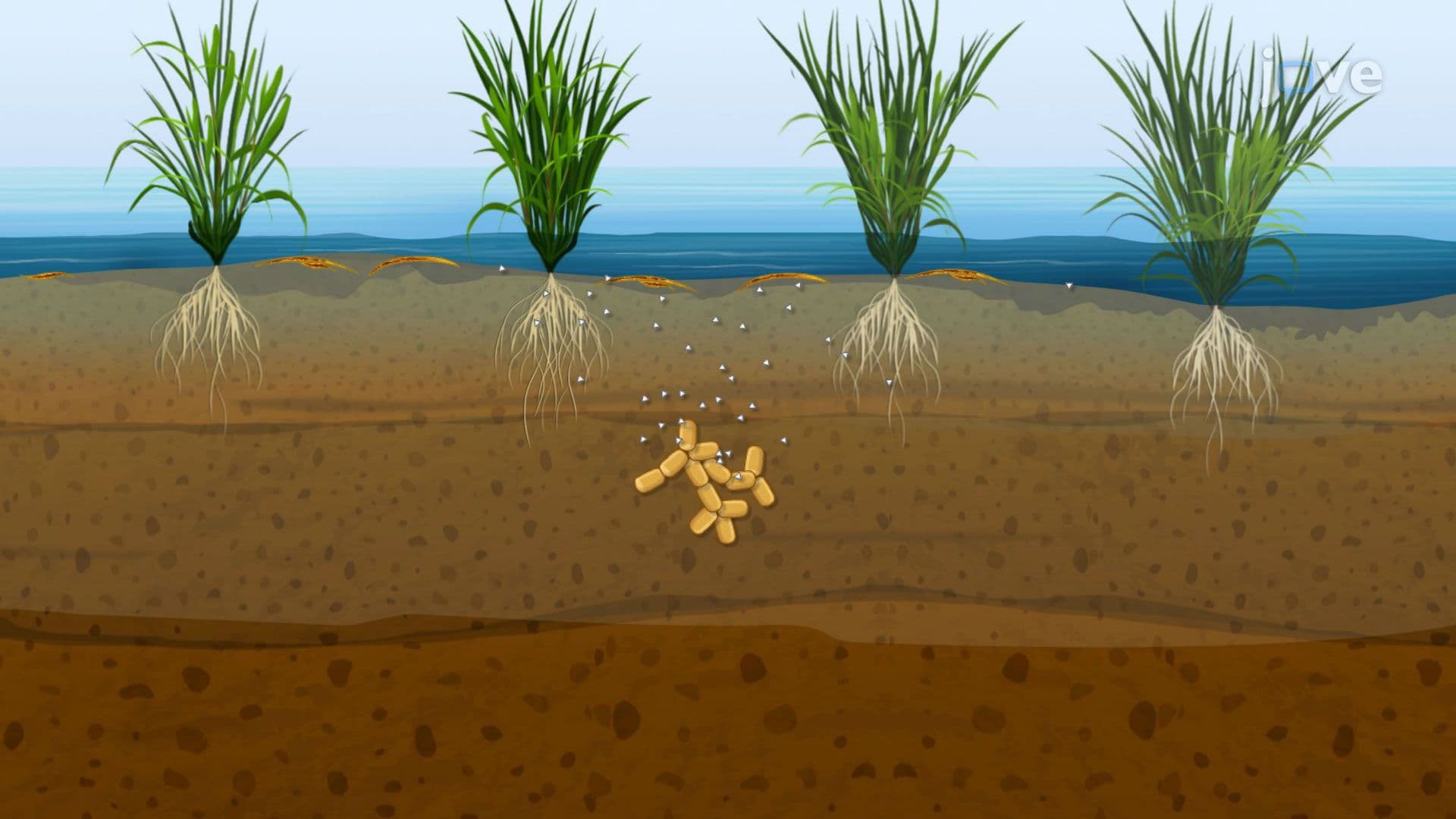
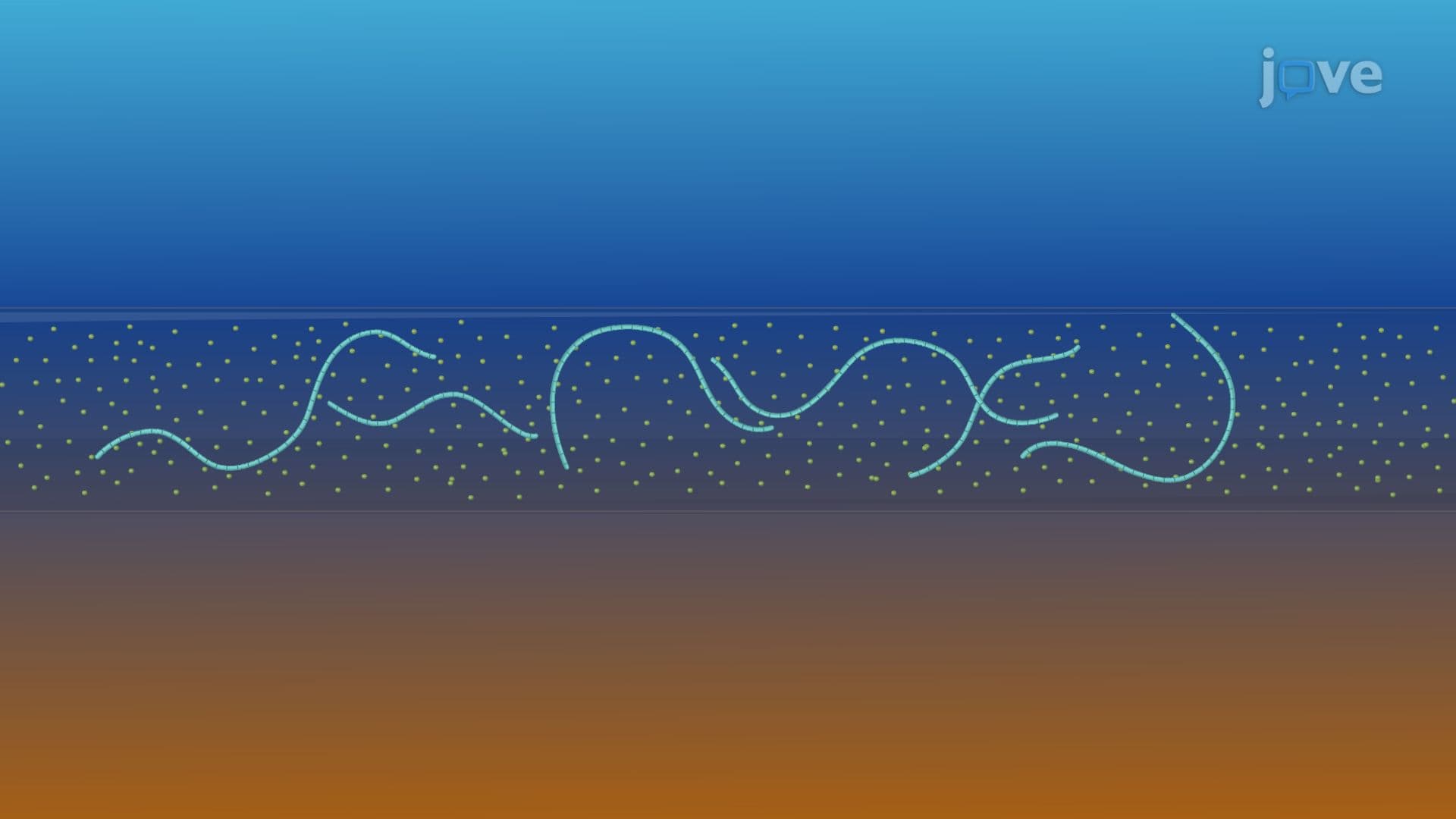
Syntrophy is a specialized form of mutualism where two species are metabolically interdependent, neither can thrive without the other's byproducts. In oxygen-free (anoxic) wetlands, sediments, and even the human gut, syntrophic partnerships drive organic matter breakdown. *Syntrophobacter* oxidizes organic acids, releasing hydrogen gas as a byproduct. If hydrogen were to accumulate, it would thermodynamically inhibit *Syntrophobacter*'s own metabolism. *Methanobacterium* solves this problem by consuming the hydrogen to produce methane (CH4), keeping hydrogen concentrations low enough for both organisms to function. This cross-feeding relationship connects microbial mutualism directly to the global carbon cycle and is a key concept in environmental microbiology courses and on the MCAT's biochemistry and ecology sections.
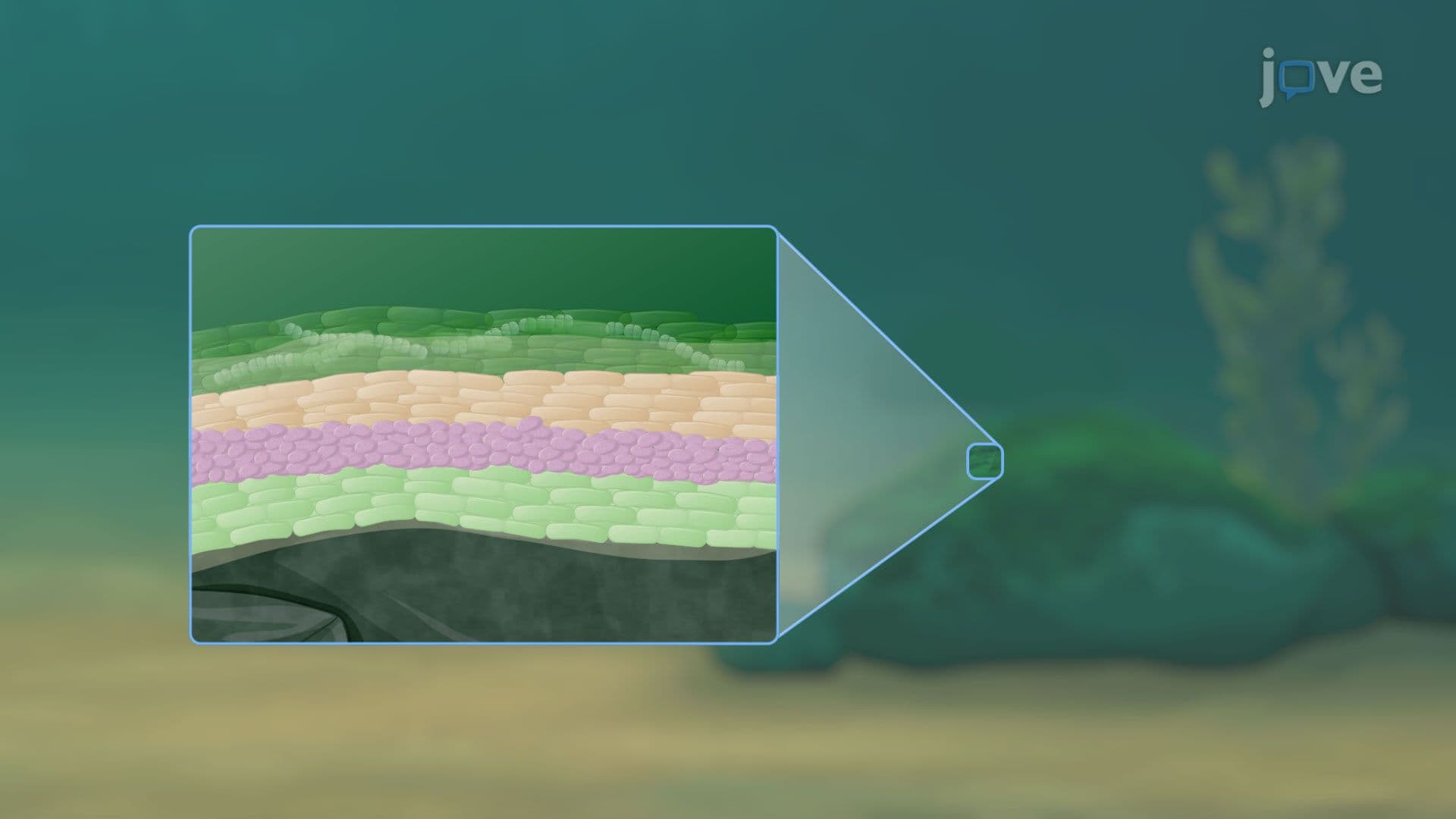
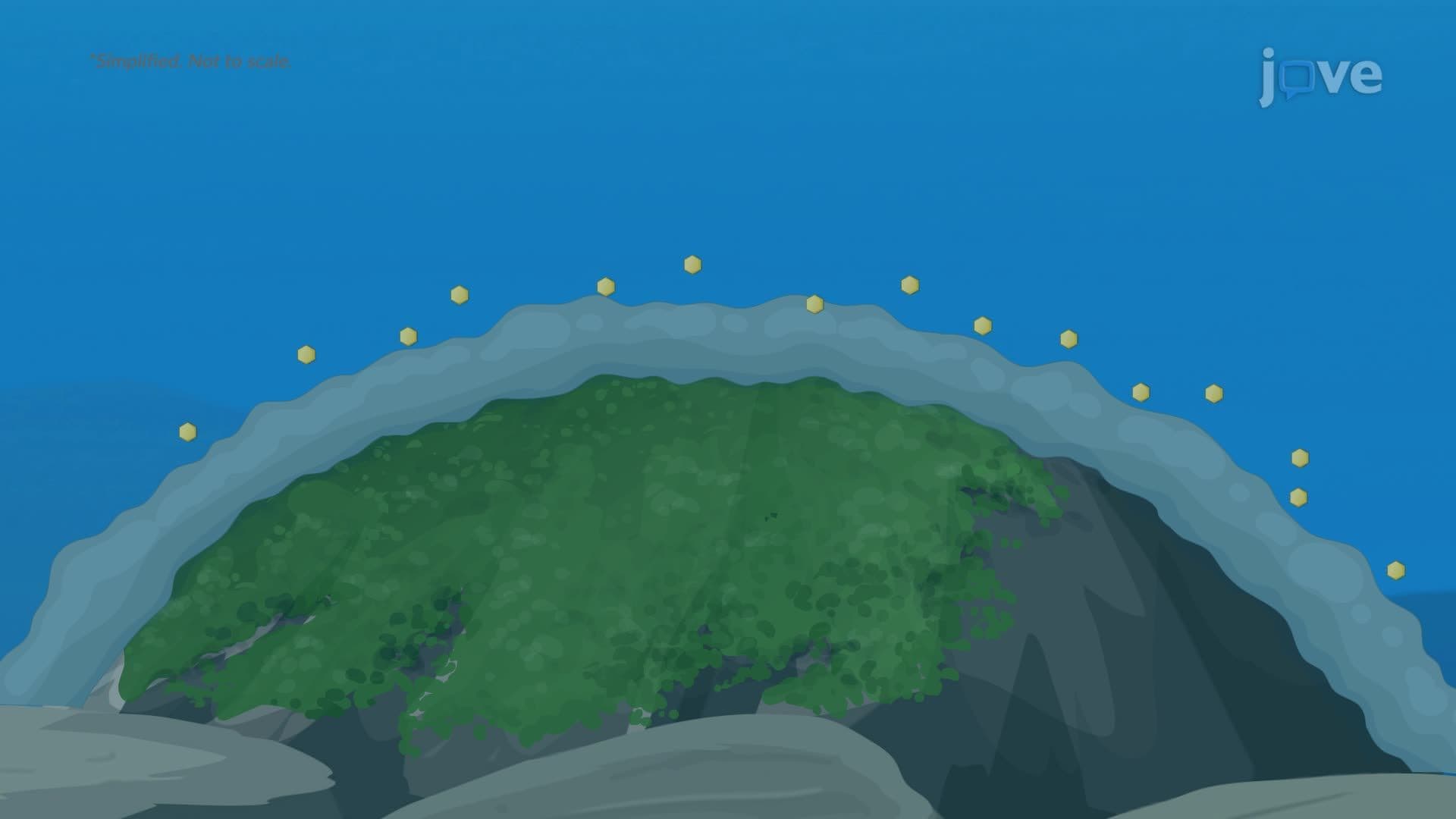
Coral reefs, including those protected within US National Marine Sanctuaries in Hawaii and Florida, are biodiversity hotspots built on microbial mutualism. Corals host dinoflagellates called zooxanthellae within their tissues. These photosynthetic endosymbionts fix carbon and produce oxygen and organic compounds that nourish the coral, while the coral provides shelter and the carbon dioxide and nutrients the dinoflagellates need. When ocean temperatures rise and this mutualism breaks down, coral bleaching occurs, a phenomenon students encounter in AP Environmental Science and college Ecology courses as a real-world consequence of climate disruption.
Related Micro-courses