Loading video…

 22 Concepts
 4.1K views

Video Summary: Cooperation in Microbial Interactions
Did you know certain bacteria hitchhike on fungal networks underground to find food? Cooperation in microbial interactions describes partnerships where all organisms involved gain advantages, without becoming permanently dependent on one another. In US agricultural soils, fungi like *Fusarium* create microscopic "highways" that bacteria travel to access new nutrients. Watch the full video on JoVE Coach to master this concept with expert-led visuals and step-by-step explanations.
Cooperation in microbial interactions refers to a type of interspecies relationship in which all participating organisms experience a net benefit compared to living in isolation, yet neither organism is entirely dependent on the other for survival. This is a critical distinction. Unlike obligate mutualism, where both partners cannot survive without each other, cooperative relationships are facultative: each partner functions independently but performs measurably better together. Understanding this concept is foundational in AP Biology, college microbiology, and ecology courses across the US.
One of the most striking examples of microbial cooperation involves the soil-dwelling nematode *Steinernema carpocapsae* and the bacterium *Xenorhabdus nematophila*. Juvenile nematodes carry these bacteria internally and, after penetrating an insect host, release them into the body cavity. The bacteria then rapidly multiply, producing toxins that kill the insect within 24 to 48 hours. They also secrete antimicrobial compounds that protect the insect cadaver from competing microbes and scavenging insects. In response, bacterial chemical signals trigger the nematodes to mature, mate, and reproduce within the protected cadaver. Each partner receives a clear benefit, shelter and nutrients for the bacteria, reproductive success for the nematode, without either being permanently dependent on the other. This system has even been studied in US agricultural research as a potential biological pest control tool, reducing the need for chemical pesticides.
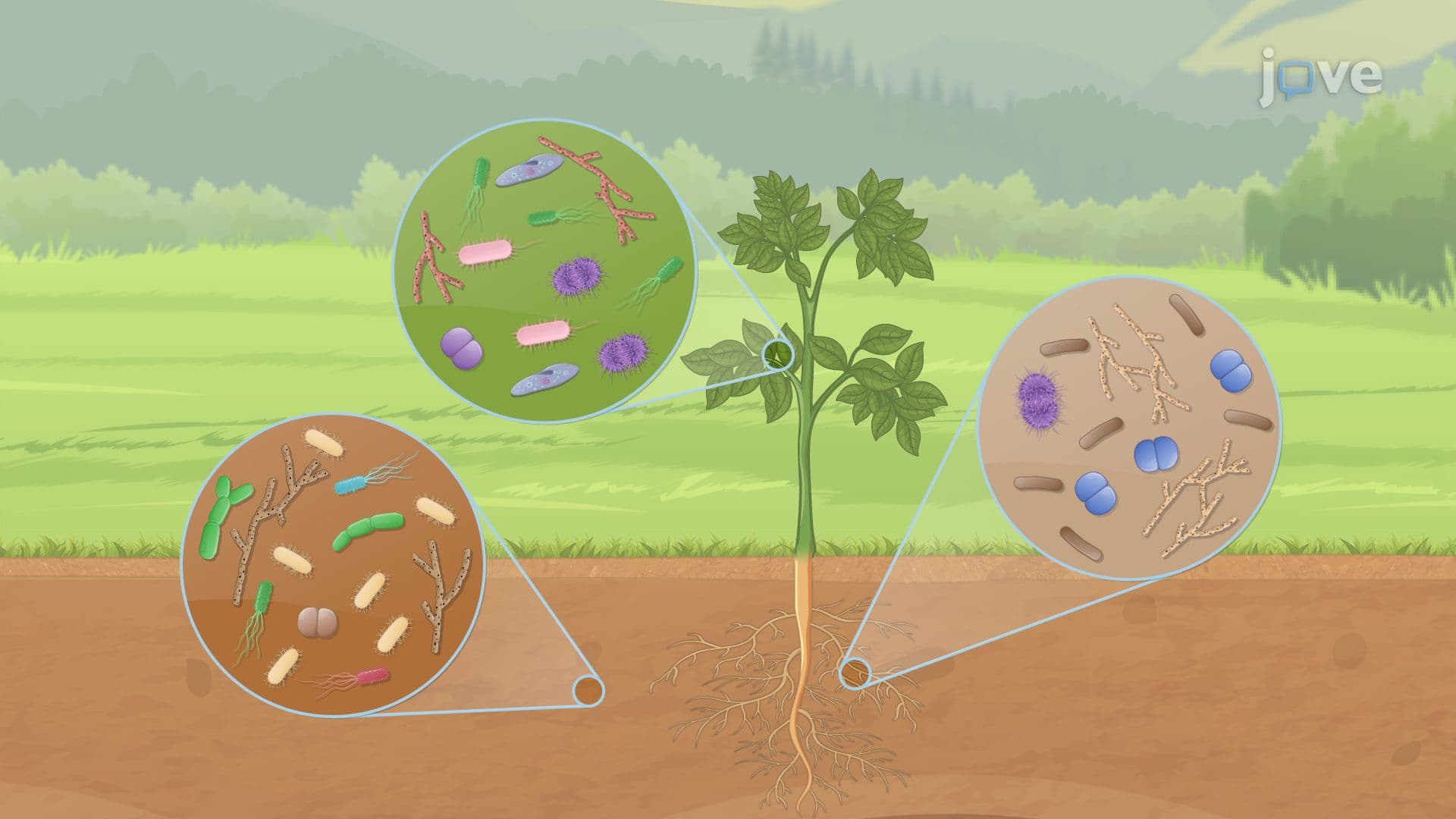
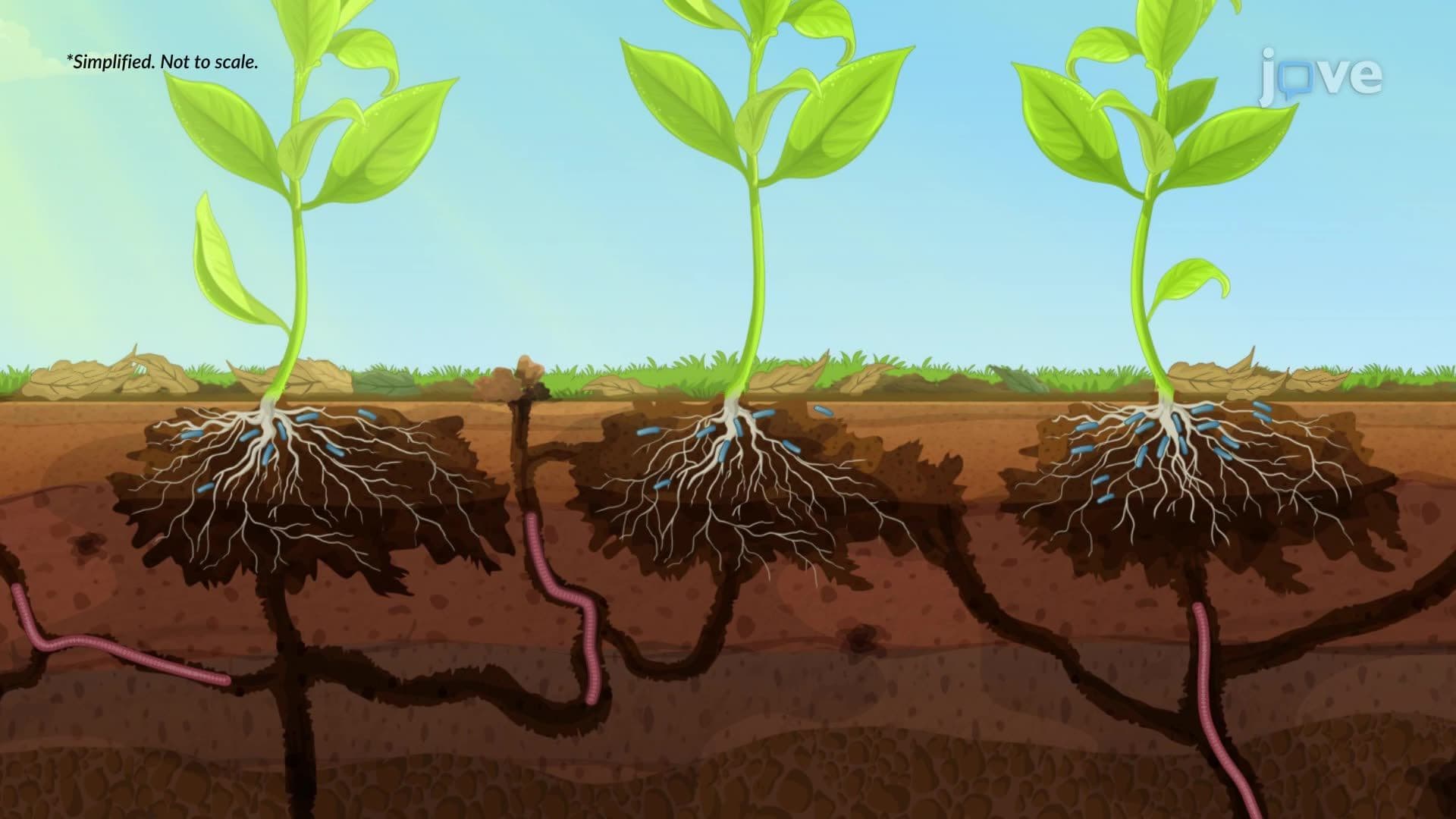
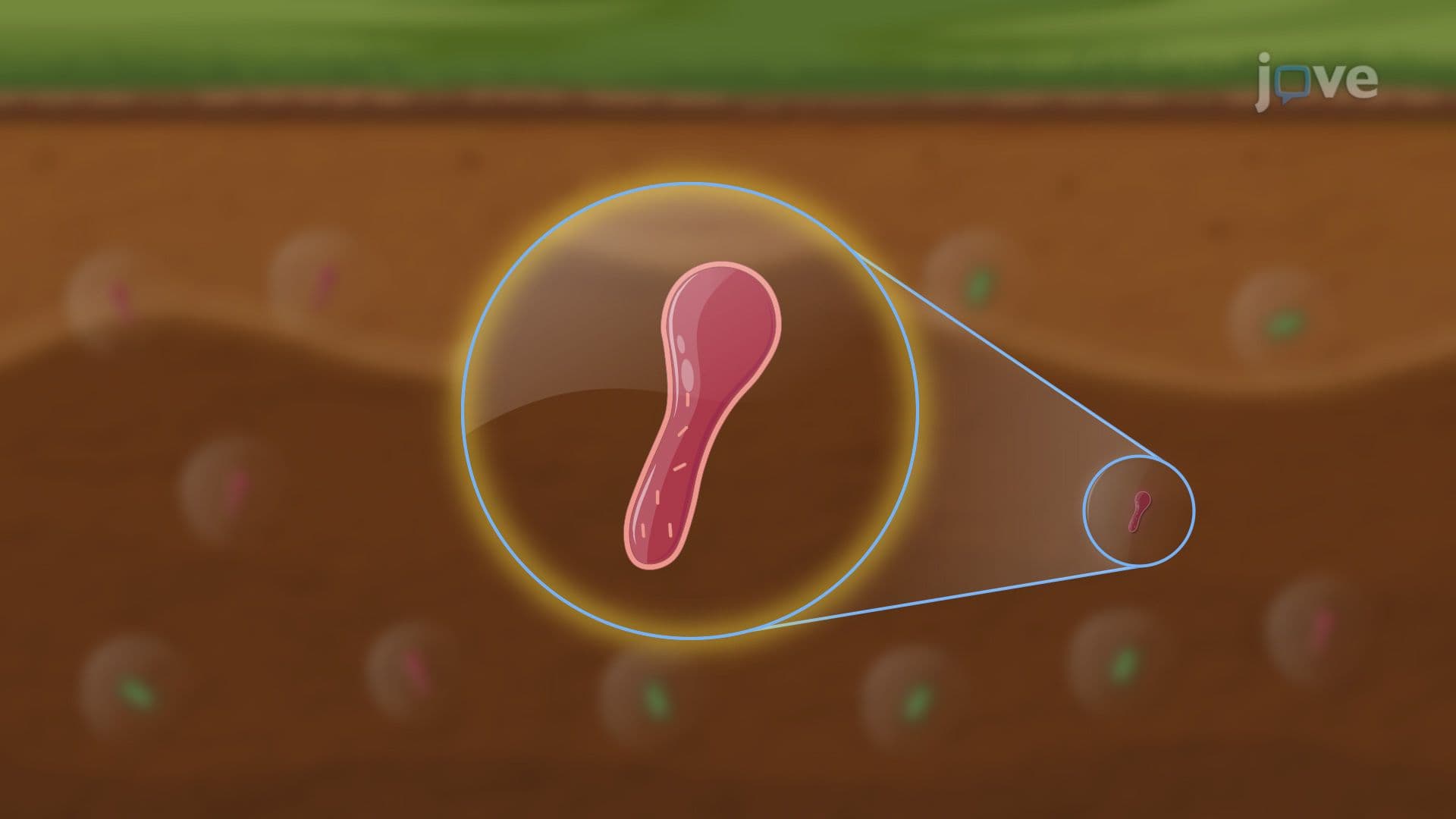
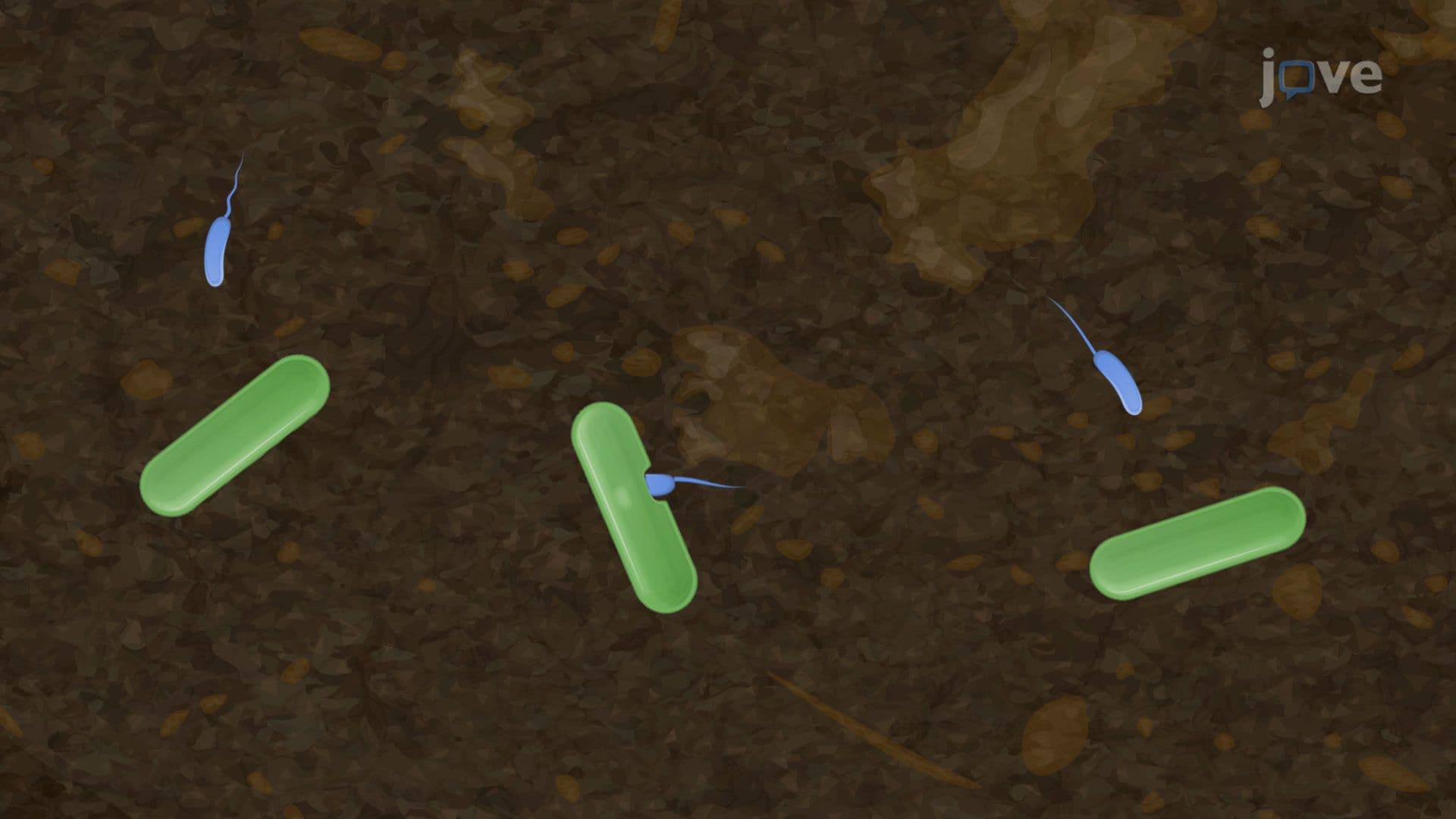
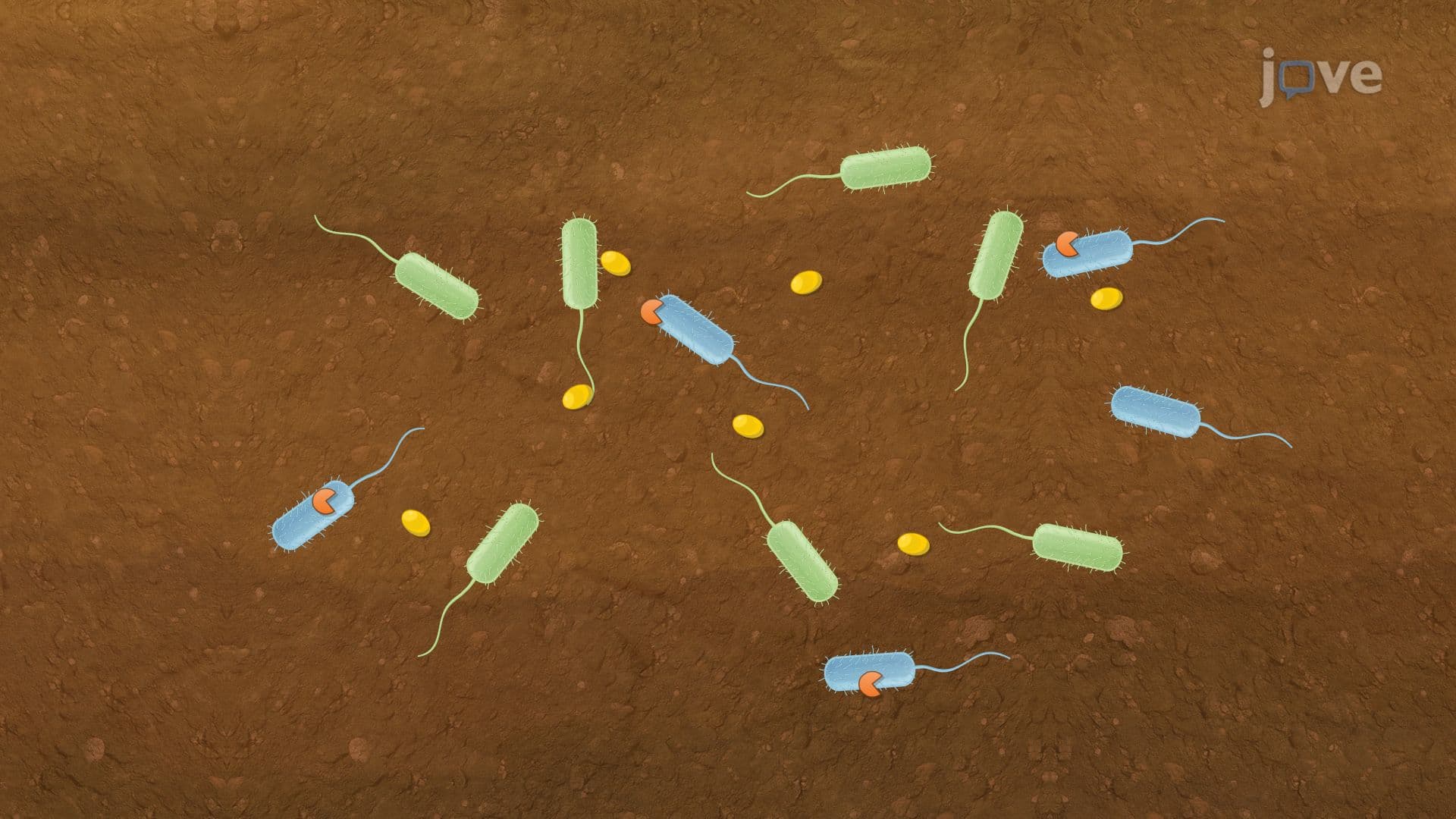
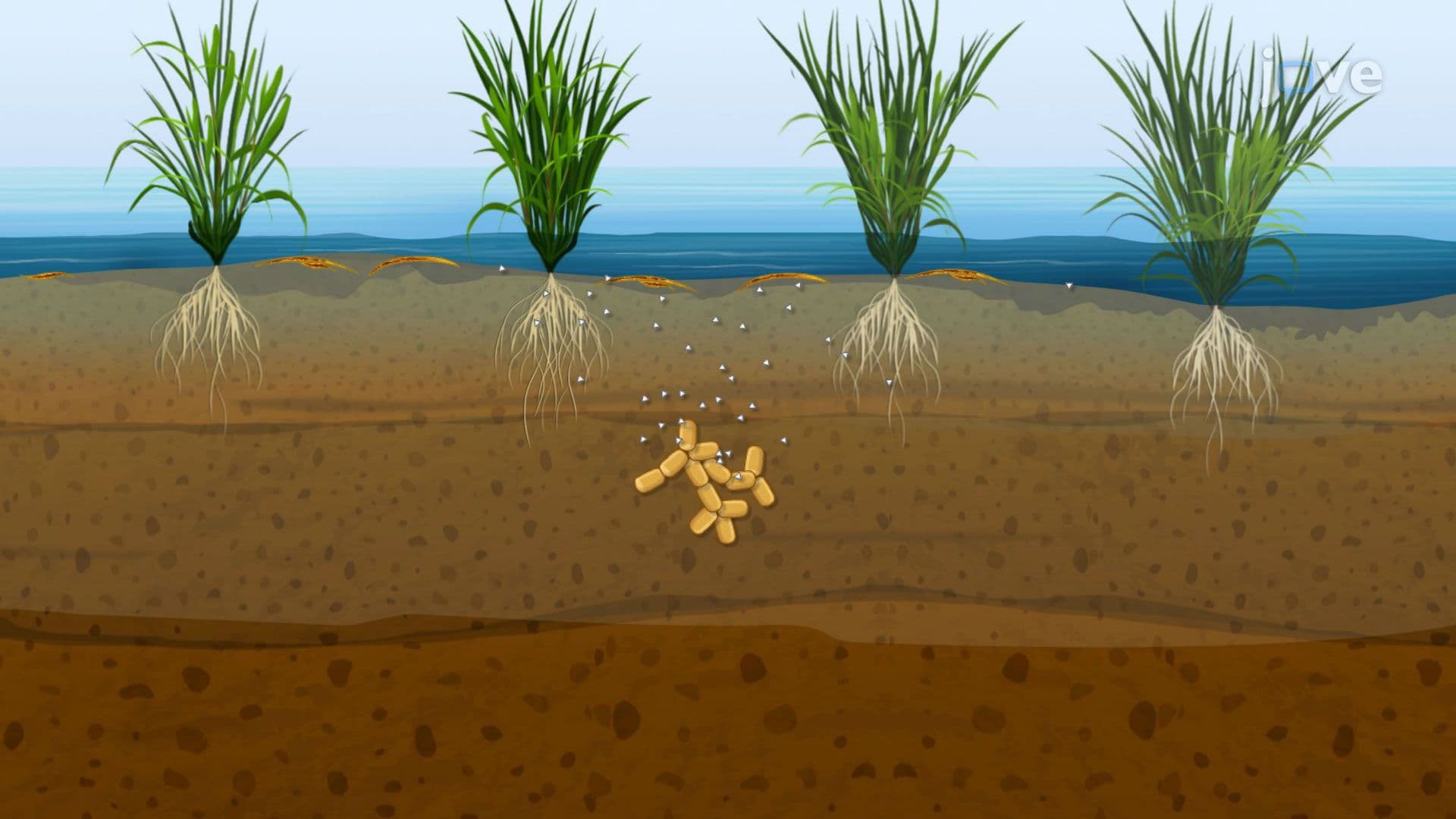
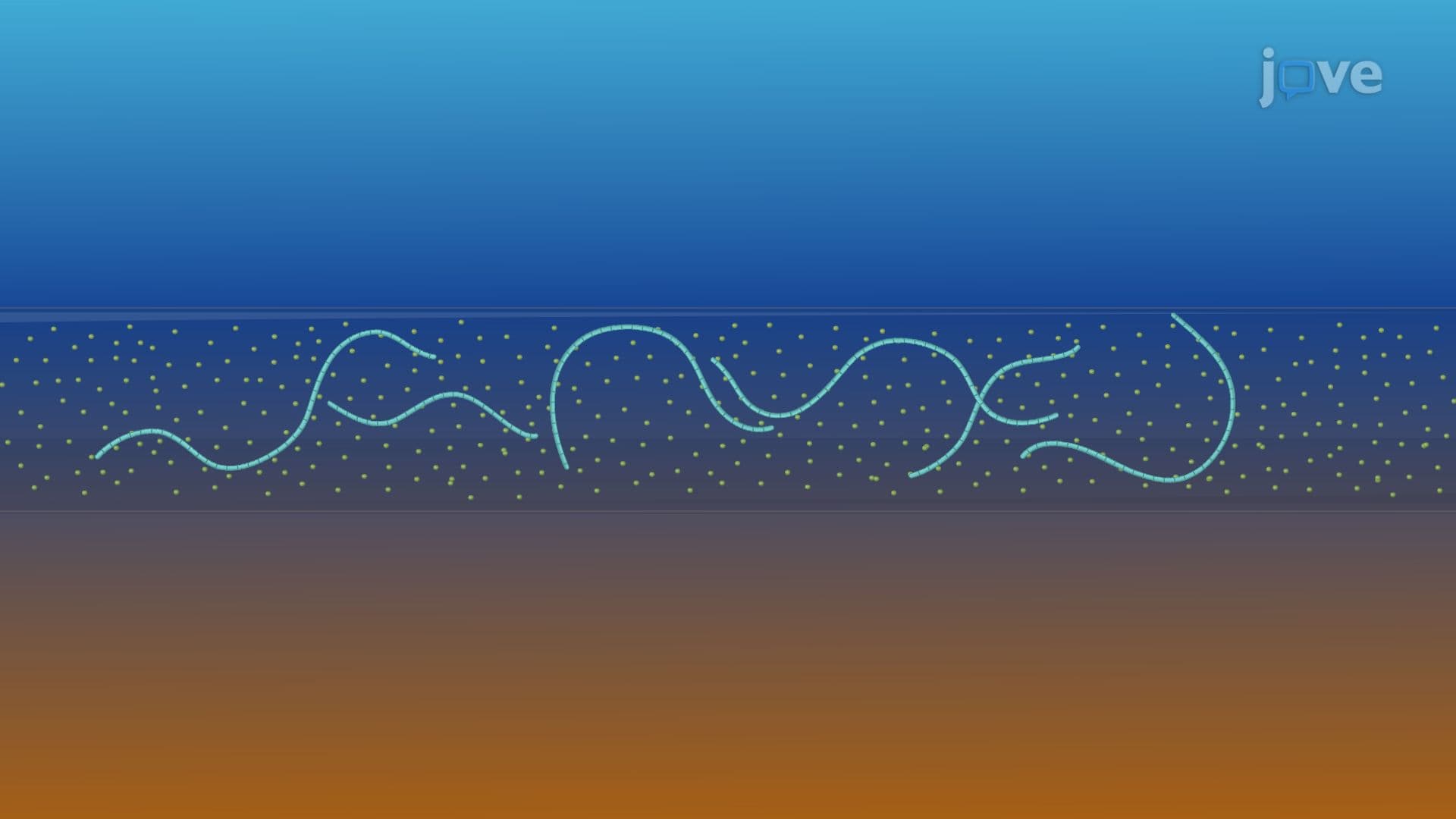
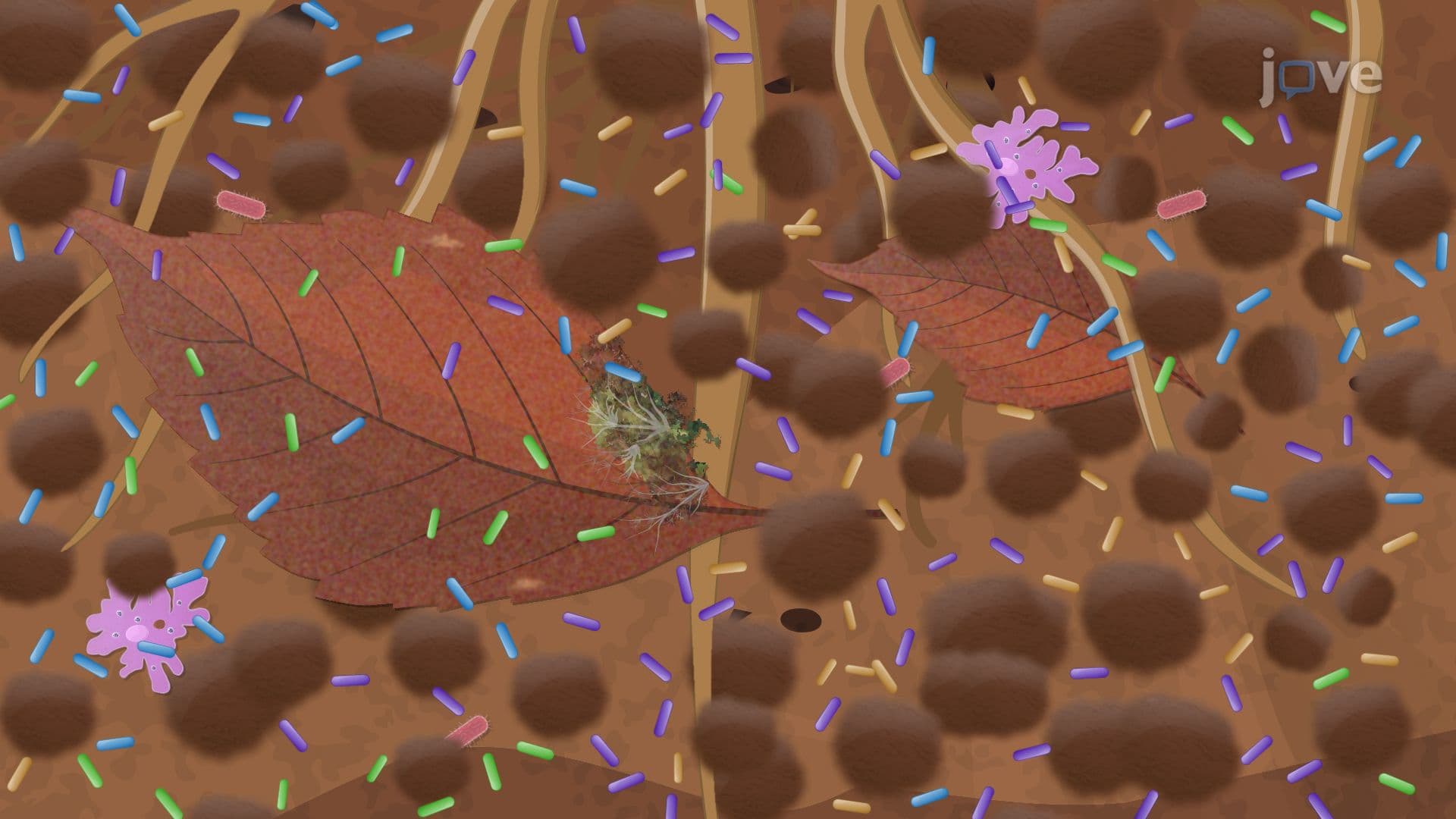
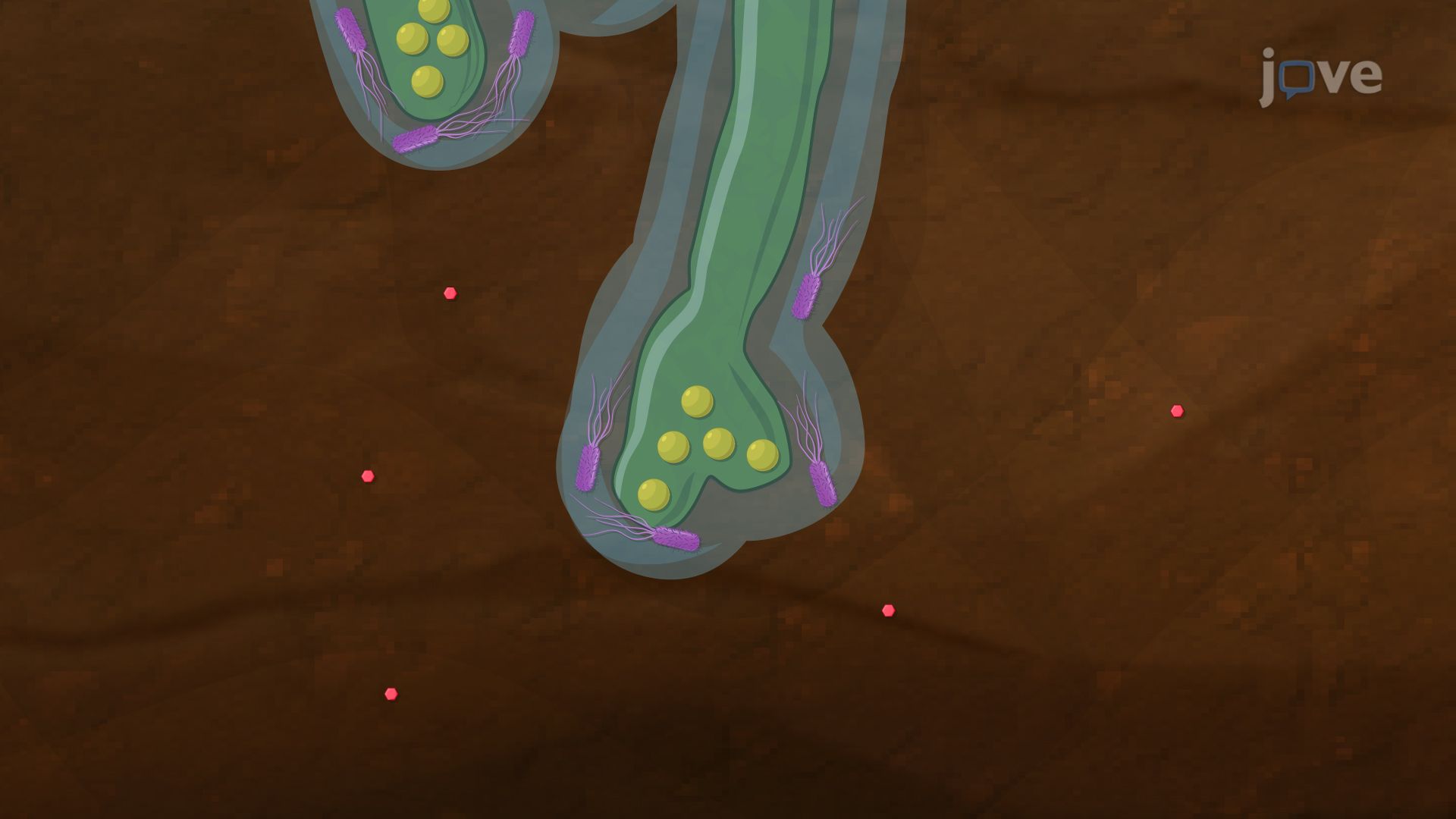
Underground microbial communities demonstrate cooperation on a structural level. Fungi such as *Fusarium* species extend thread-like hyphal networks through the soil, creating vast, interconnected grids. These hyphae secrete small quantities of water and mucilage, a sticky, gel-like substance, forming a thin, stable liquid film along their surfaces. For motile bacteria like *Pseudomonas putida*, a species widely studied at US research universities, these films function as biological highways. Bacteria detect chemical signals emitted by the hyphae and migrate through these water channels to reach nutrient-rich regions they could not access on their own. In return, the bacteria enhance nutrient mobilization in surrounding soil, making minerals and organic compounds more available to the fungus. This back-and-forth exchange illustrates how cooperation supports nutrient cycling, a key driver of healthy biogeochemical cycles in terrestrial ecosystems.
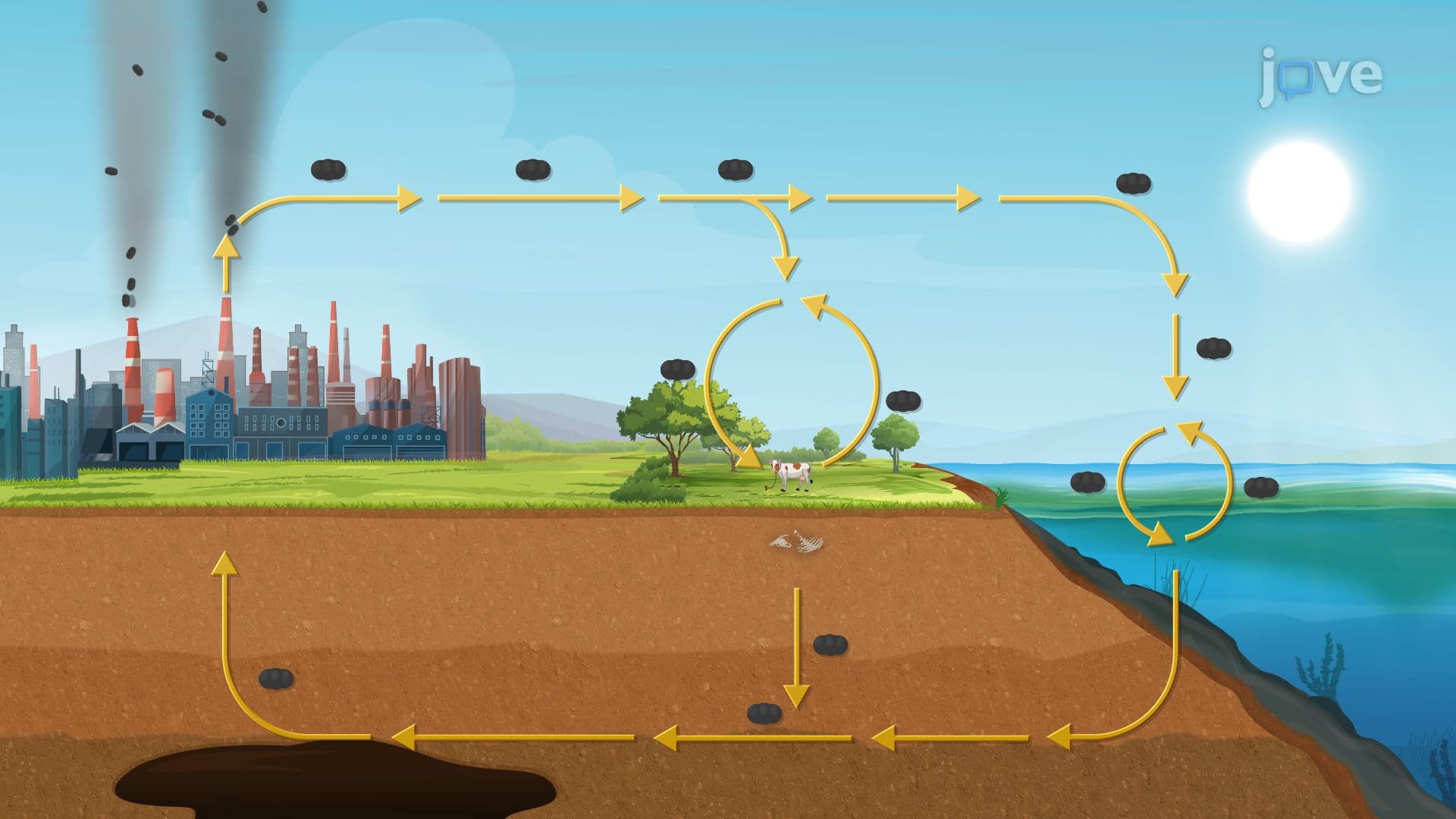
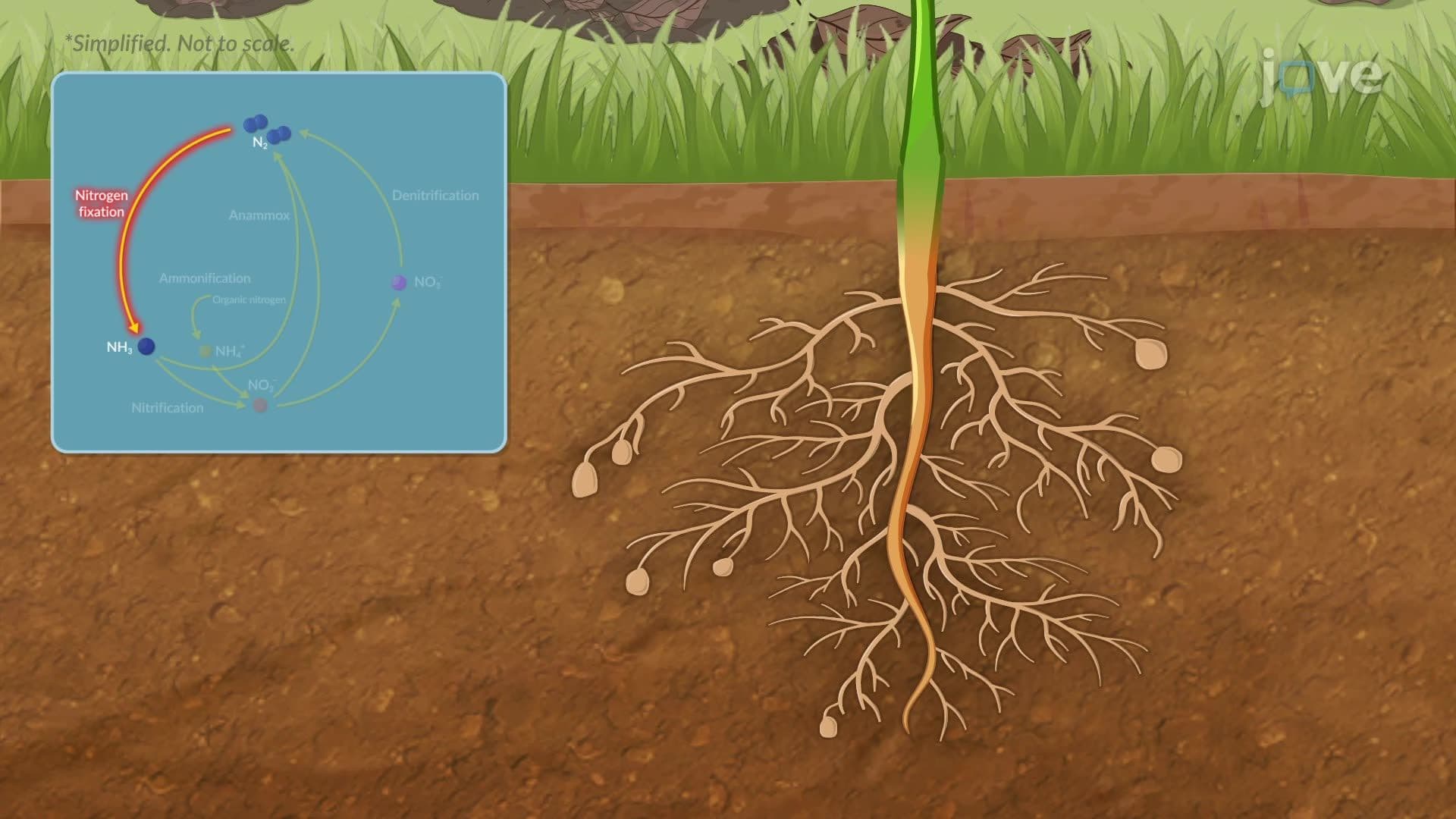
Cooperative interactions play a significant role in shaping microbial communities and sustaining the broader ecosystems they inhabit. Soils rich in cooperative microbial partnerships tend to cycle nutrients more efficiently, support plant growth more effectively, and maintain greater microbial diversity. These principles are directly relevant to understanding biofilms, where multiple microbial species work together in structured communities, as well as to extremophiles, microbes that survive in harsh environments partly through cooperative chemical exchanges. In college courses covering environmental microbiology or ecology, students are frequently asked to evaluate how microbial cooperation compares to competition and how these dynamics influence the role of microbes in ecosystems. On the MCAT, questions may probe whether a student can distinguish cooperative interactions from true mutualism or commensalism using specific biological evidence, exactly the analytical skill this concept builds.
Related Micro-courses