Loading video…

 22 Concepts
 4.1K views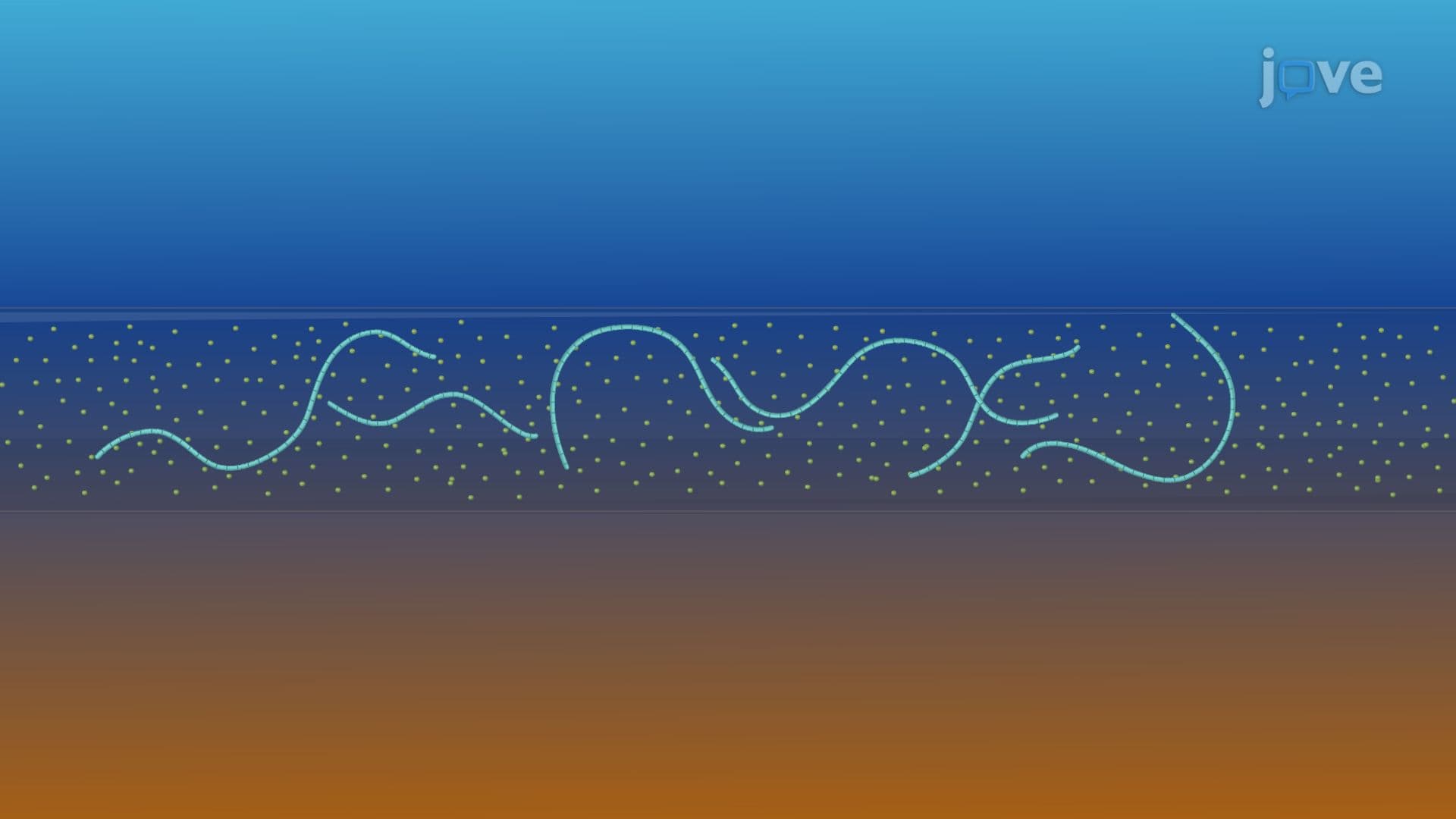

Video Summary: Microbes and Other Elemental Cycles Explained
Did you know bacteria can essentially "eat" iron and manganese, and reshape entire ecosystems in the process? Microbes and Other Elemental Cycles Explained reveals how microscopic organisms drive the transformation of metals and nutrients across Earth's environments, from oxygen-rich surface waters to deep anoxic zones. In Chesapeake Bay, for example, metal-cycling microbes actively regulate sediment chemistry. Watch the full video on JoVE Coach to master this concept with expert-led visuals and step-by-step explanations.
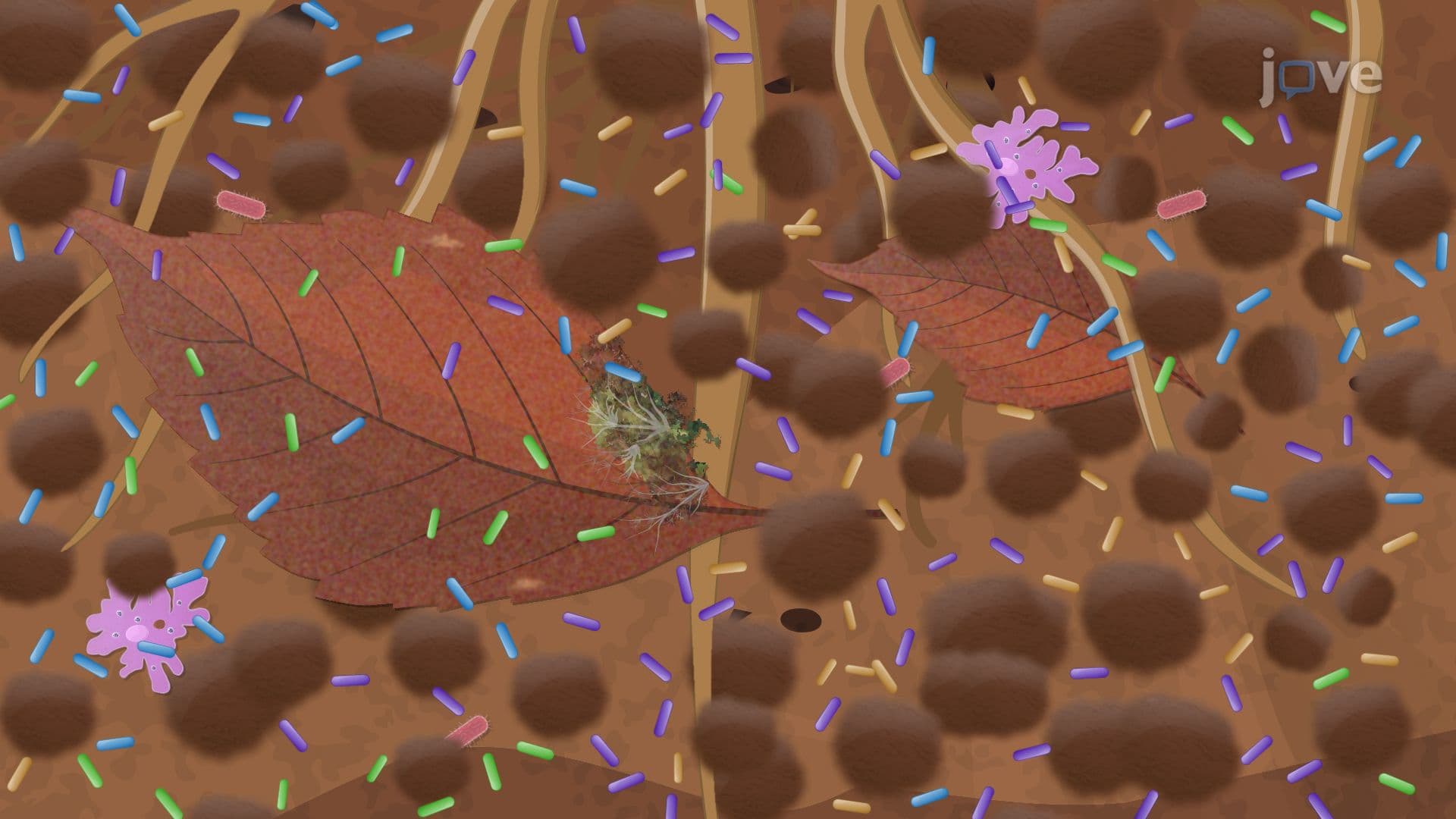
When most students think about biogeochemical cycles, carbon and nitrogen come to mind first. But Microbes and Other Elemental Cycles, including iron and manganese cycling, are equally fundamental to understanding how life sustains itself on Earth. These cycles are driven almost entirely by microbial communities, operating invisibly across soil, sediment, and water. Mastering these concepts is essential for AP Environmental Science, AP Biology, college-level microbiology, and the MCAT's biochemistry and ecology sections.
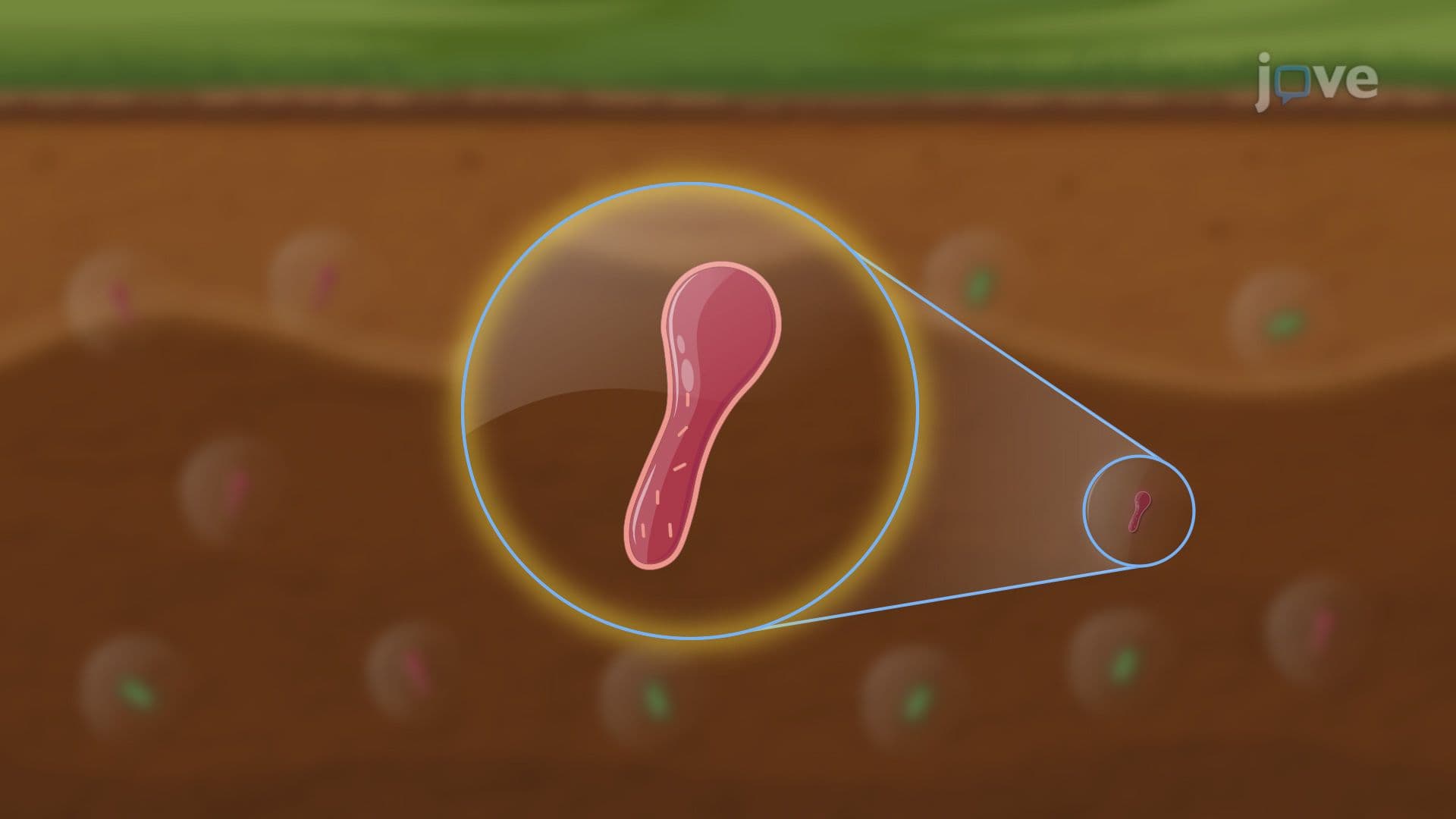
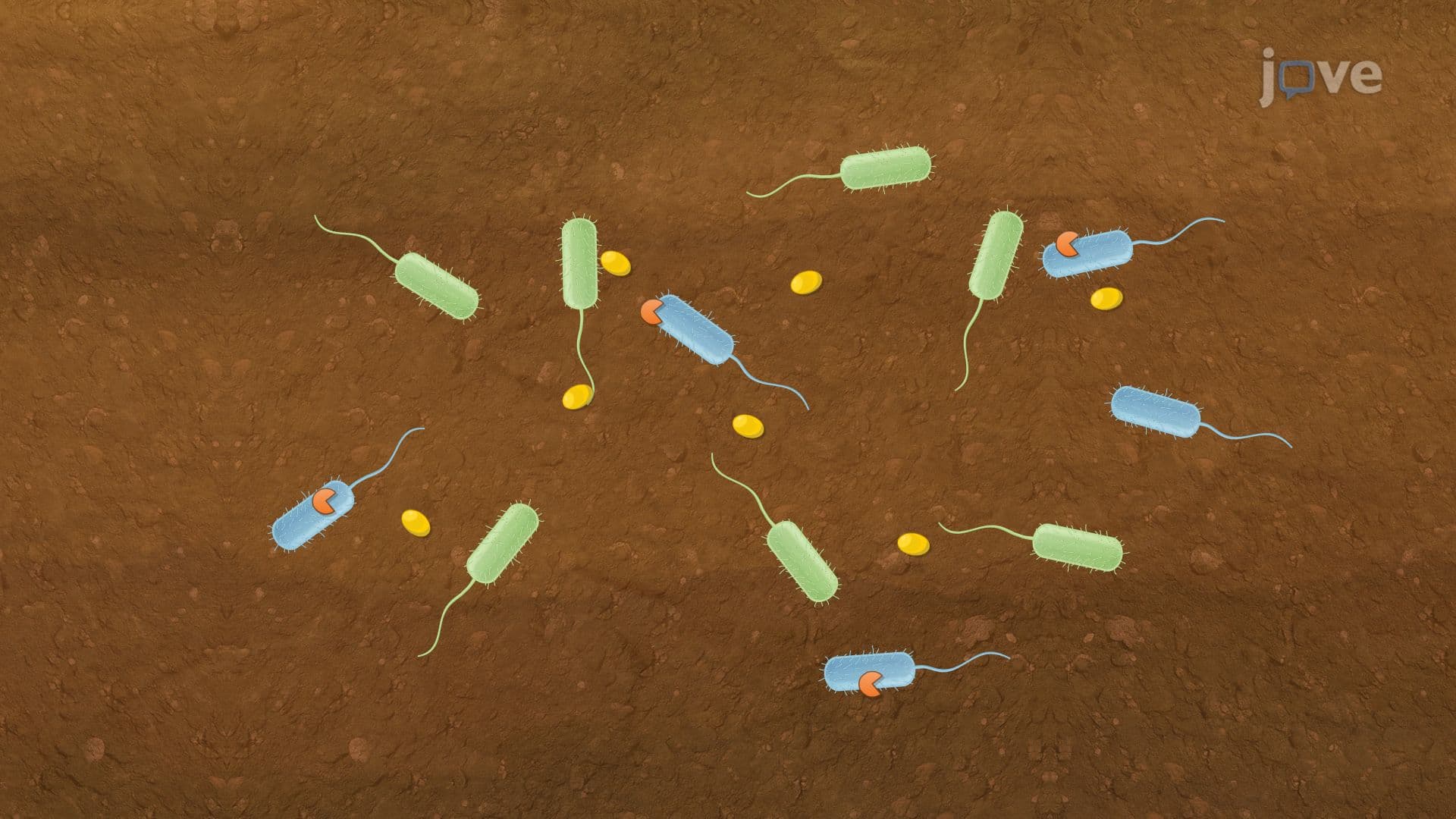
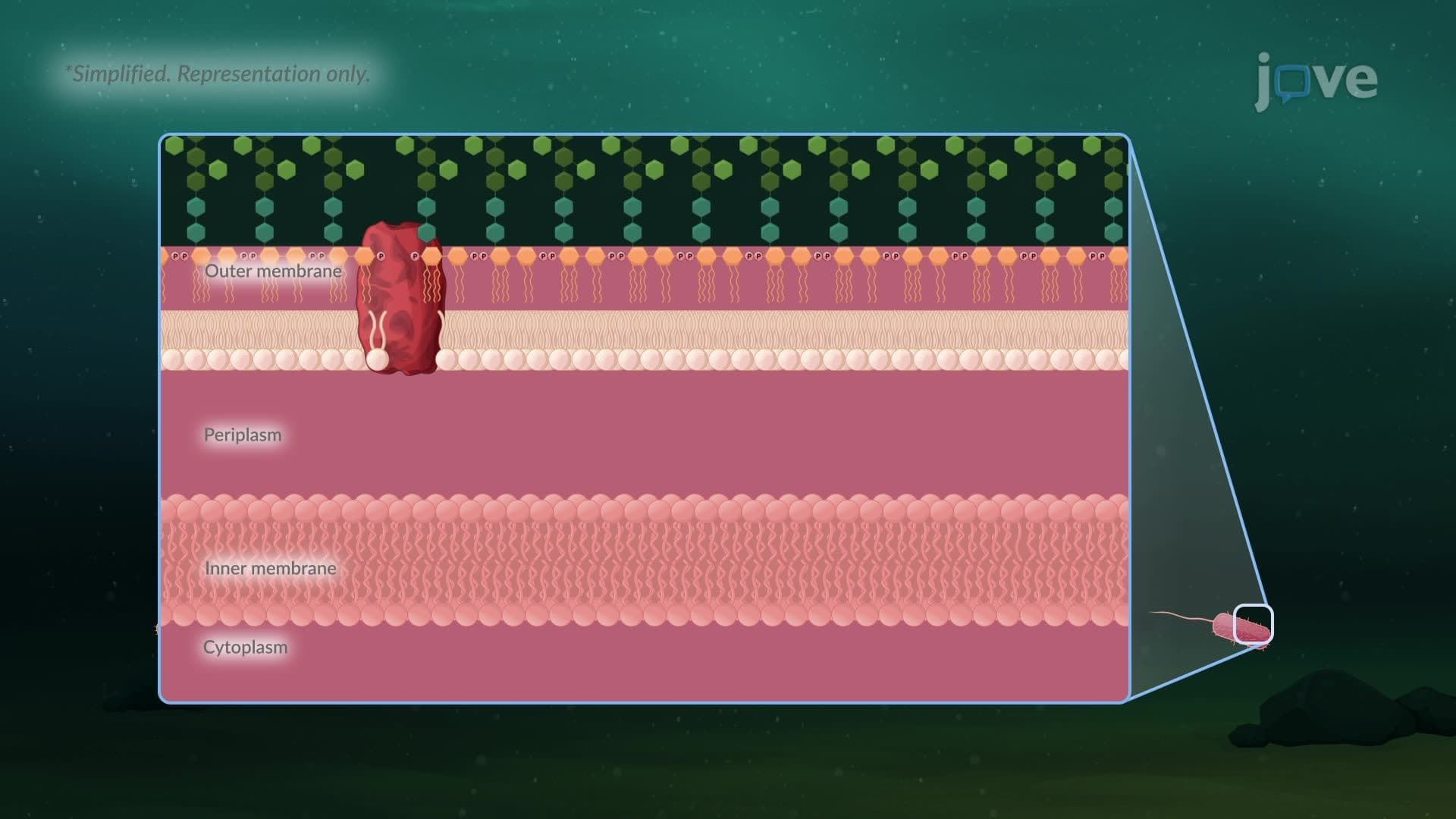
In well-oxygenated environments, iron exists predominantly as ferric iron (Fe³⁺), which is chemically insoluble and largely unavailable to cells. To overcome this, many bacteria secrete specialized molecules called siderophores, small, high-affinity iron-chelating compounds that bind ferric iron and drag it into solution. Once inside the cell, ferric iron is reduced to ferrous iron (Fe²⁺), a soluble form that can be used in enzyme activity, electron transport, and DNA synthesis.
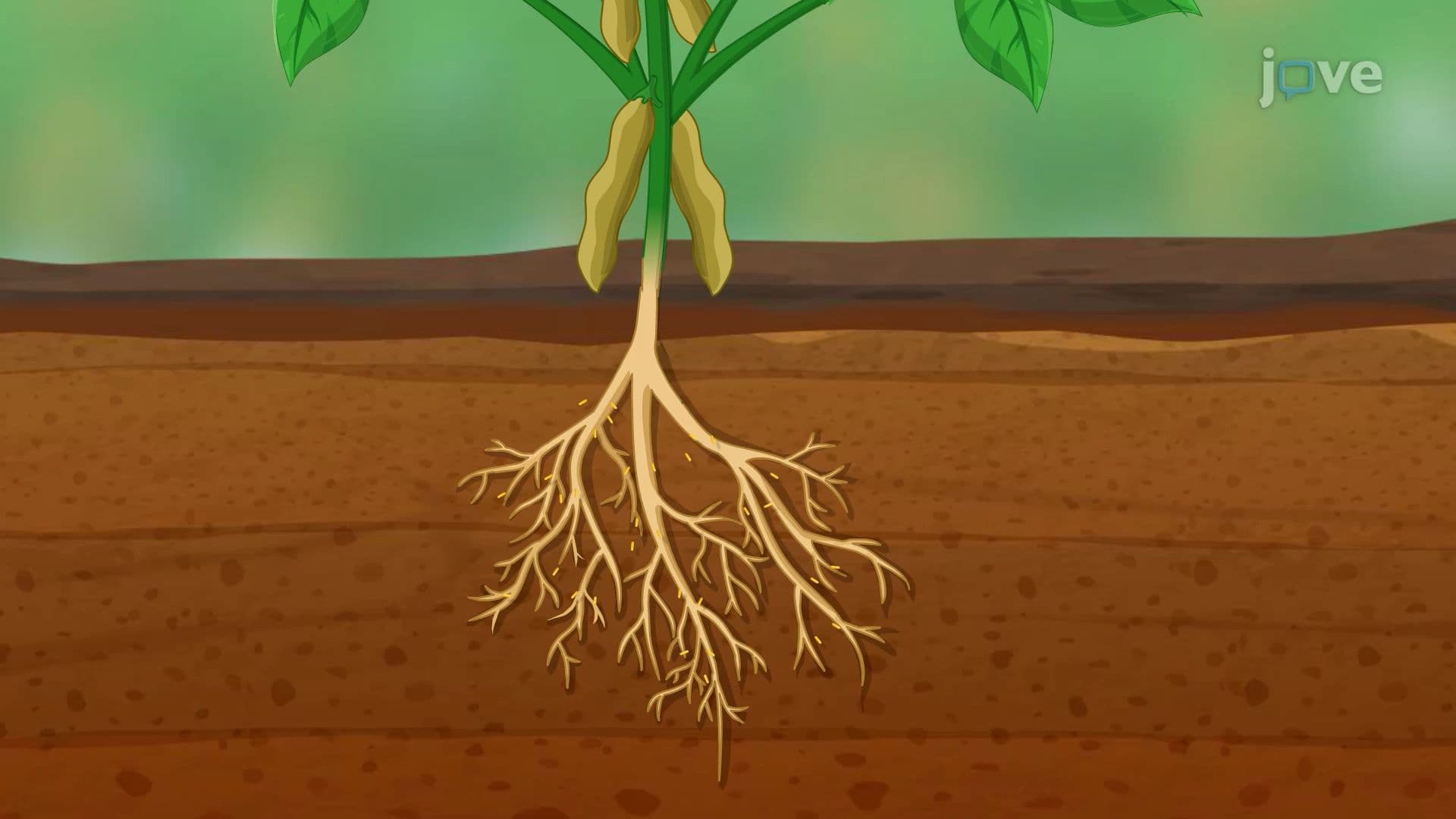
This process is a textbook example of how microbes interact with their chemical environment to solve nutrient limitation problems. In US agricultural soils, such as those in California's Central Valley, iron deficiency is a real concern, and siderophore-producing bacteria like *Pseudomonas* species are actively studied for their potential to improve iron bioavailability for crops.
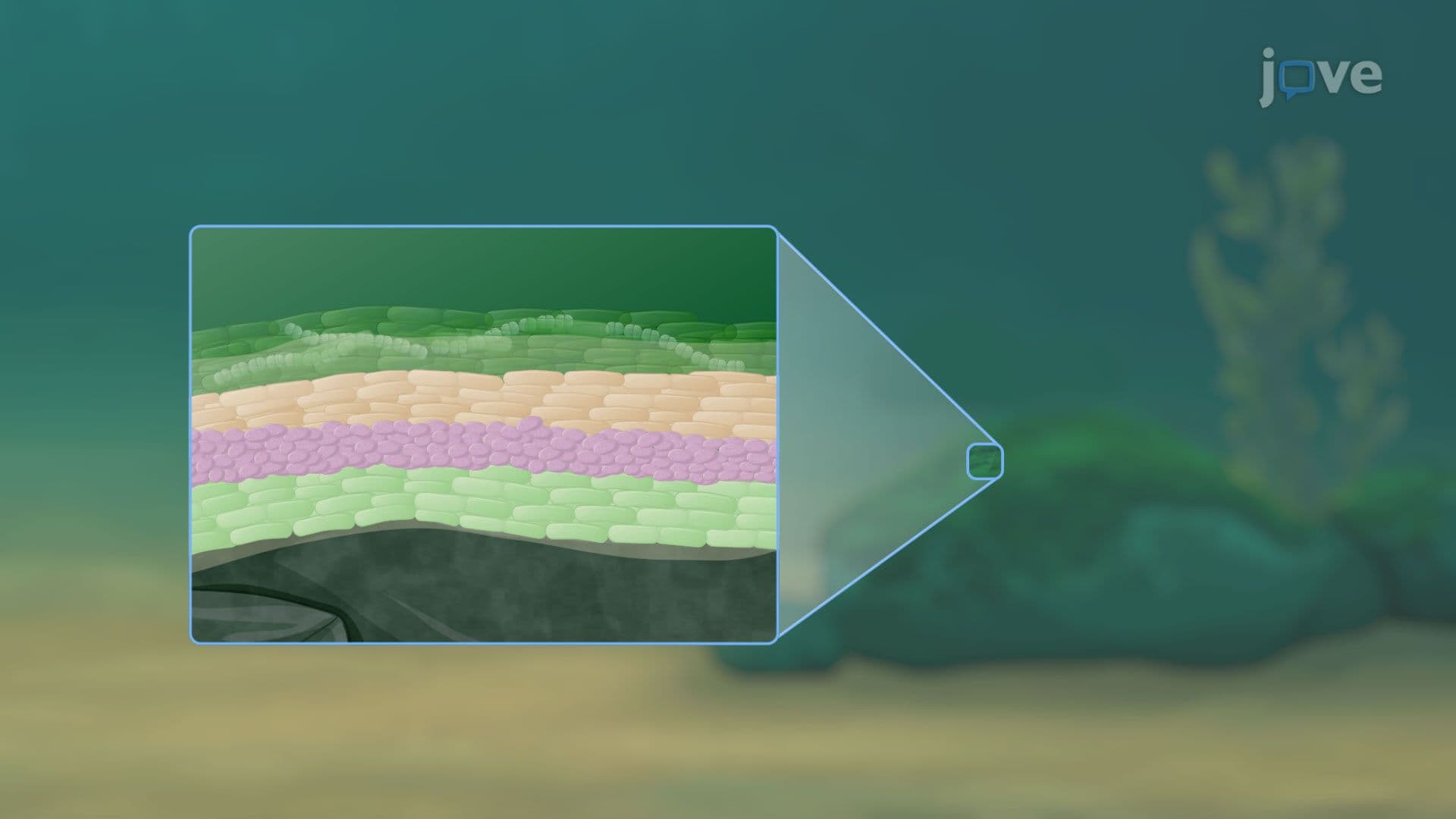
The oxic-anoxic interface, the boundary where oxygen-rich water meets oxygen-depleted zones, is one of the most chemically dynamic environments on Earth. It is here that the most fascinating and ecologically significant microbial activities take place.
Magnetotactic bacteria like *Magnetospirillum* synthesize intracellular chains of magnetite (Fe₃O₄) crystals, forming a biological compass that allows them to orient along Earth's magnetic field lines and actively migrate toward anoxic zones. This remarkable example of how microbes survive in extreme environments has even inspired research into biomimetic nanomaterials and biosensors at institutions like MIT and Caltech.
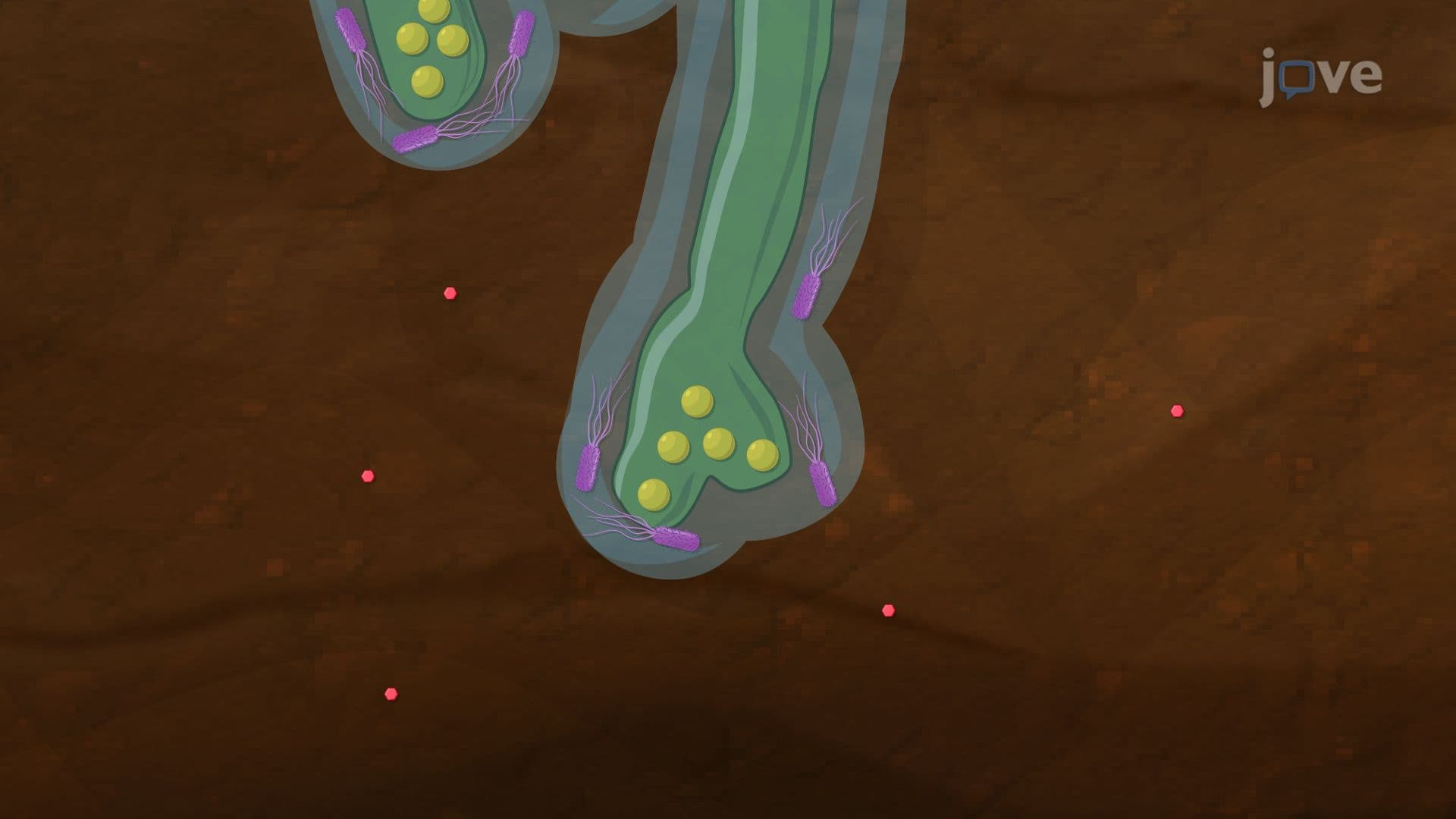
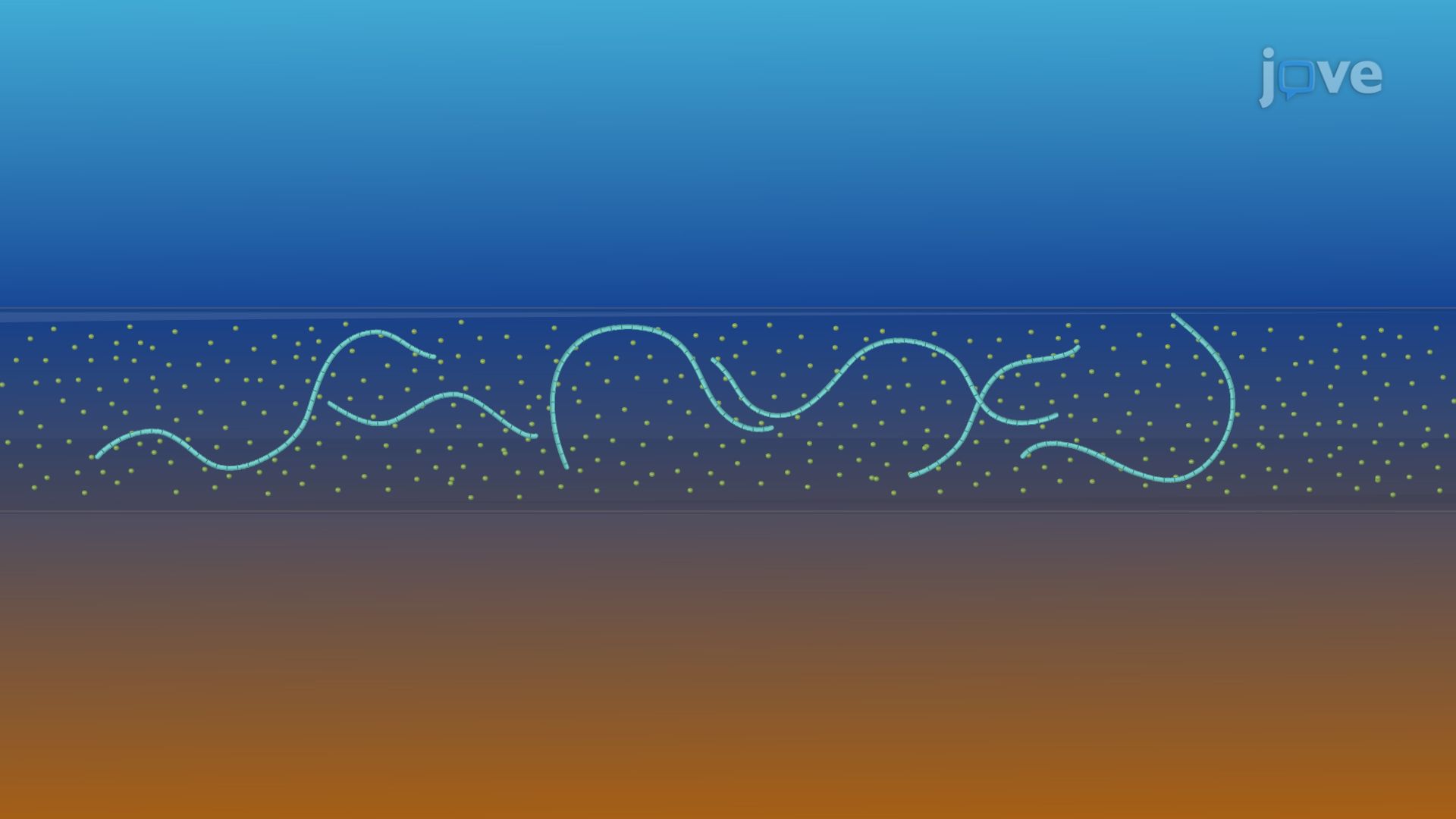
Filamentous iron-oxidizing bacteria such as *Leptothrix* operate in the same zone, oxidizing soluble ferrous iron (Fe²⁺) into insoluble ferric iron oxides, coating themselves in rust-like sheaths. These bacteria also oxidize manganese (Mn²⁺) into manganese dioxide (MnO₂), a solid that sinks into deeper, oxygen-free sediments. This transformation is a key node in the broader manganese biogeochemical cycle, directly affecting sediment chemistry in lakes, wetlands, and coastal systems like the Great Lakes and Chesapeake Bay.
In completely anoxic environments, deep sediments, waterlogged soils, and subsurface aquifers, oxygen is absent, and certain bacteria have evolved to "breathe" metals instead. This process, called dissimilatory metal reduction, uses oxidized metals as terminal electron acceptors in place of oxygen.
*Shewanella oneidensis*, a well-characterized species studied extensively at the Pacific Northwest National Laboratory (PNNL), reduces ferric iron (Fe³⁺) to ferrous iron (Fe²⁺) during anaerobic respiration. *Geobacter sulfurreducens* performs a complementary role by reducing manganese dioxide (MnO₂) back to soluble Mn²⁺, completing the manganese cycle. The significance of microbial diversity becomes crystal clear here: these metabolically distinct species collectively close biogeochemical loops that would otherwise stall.
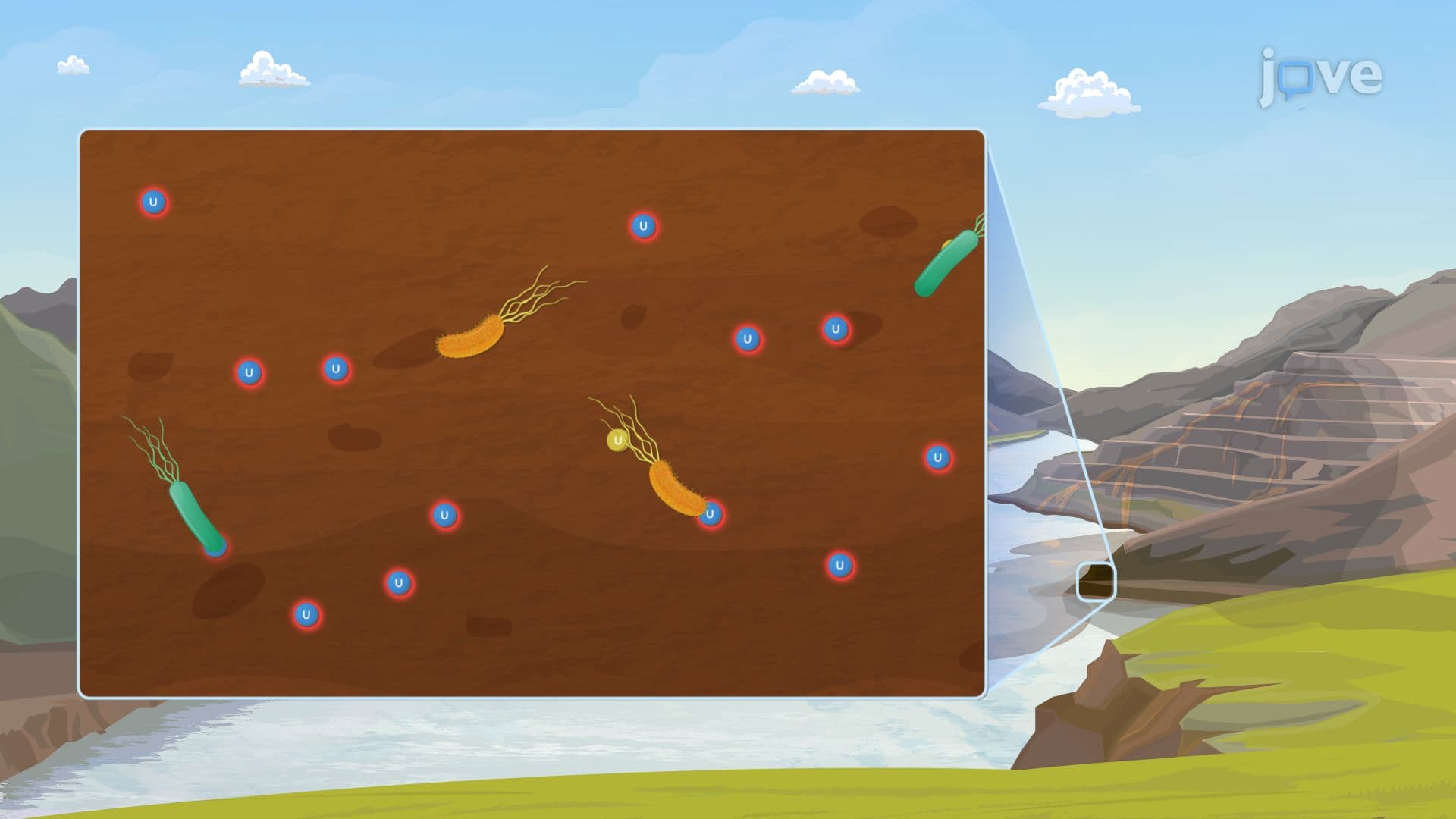
These processes also have urgent real-world applications. Metal-reducing bacteria are being engineered for bioremediation, cleaning up heavy metal contamination in groundwater at US Superfund sites, and are studied for their role in generating electricity in microbial fuel cells.
For AP Biology and AP Environmental Science students, iron and manganese cycling illustrates how ecosystems depend on microbial communities for elemental transformation. For MCAT test-takers, understanding redox chemistry in biological systems, including how electron acceptors vary across environments, is directly testable. College microbiology courses at the intro and advanced levels frequently include these cycles in units on biofilms, extremophiles, and microbial ecology. Understanding how microbes drive elemental cycles is not an abstract concept, it is foundational to fields ranging from environmental engineering to medicine.
Related Micro-courses