Loading video…

 22 Concepts
 4.1K views

Video Summary: Parasitism in Microbial Interactions
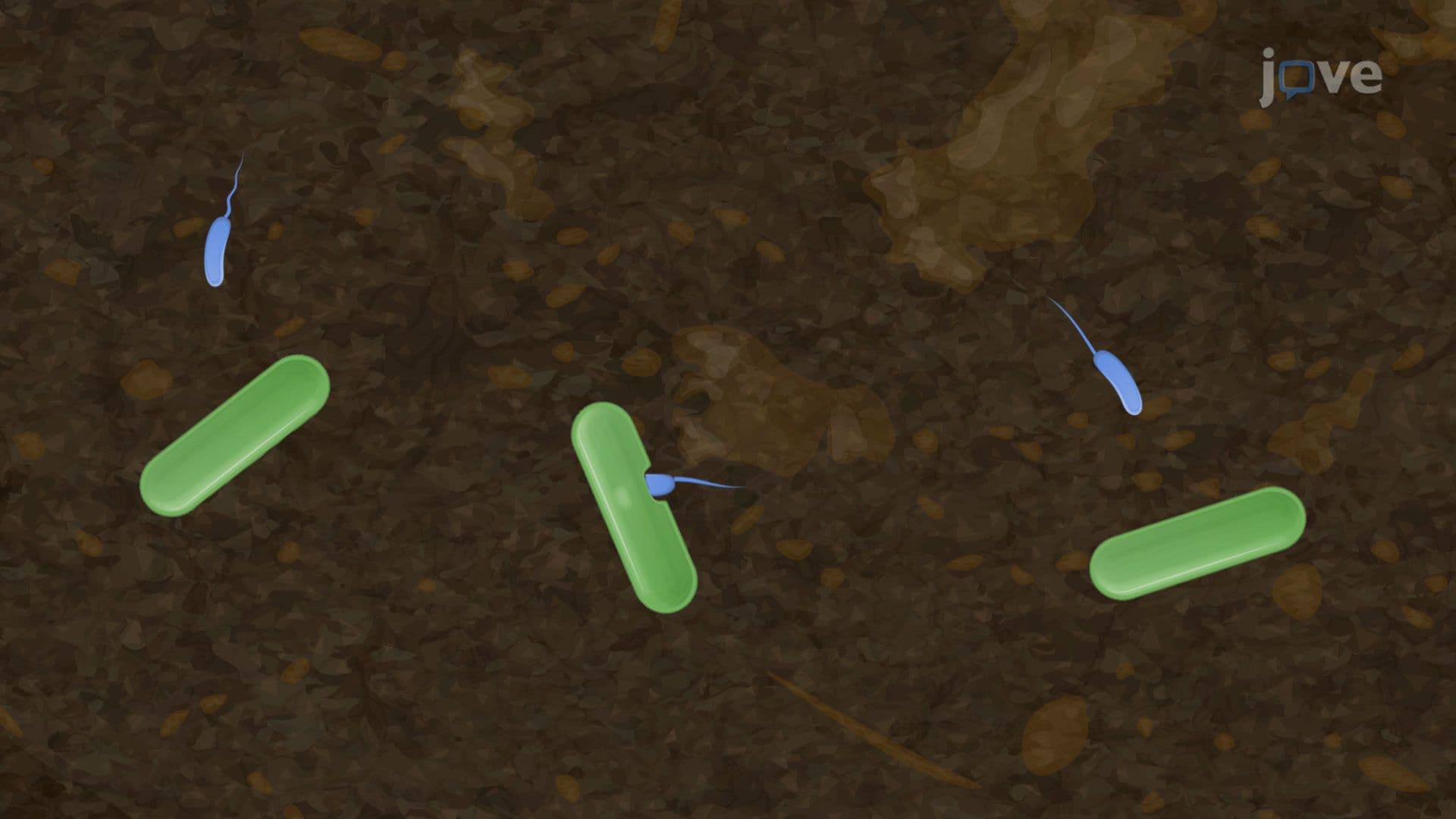
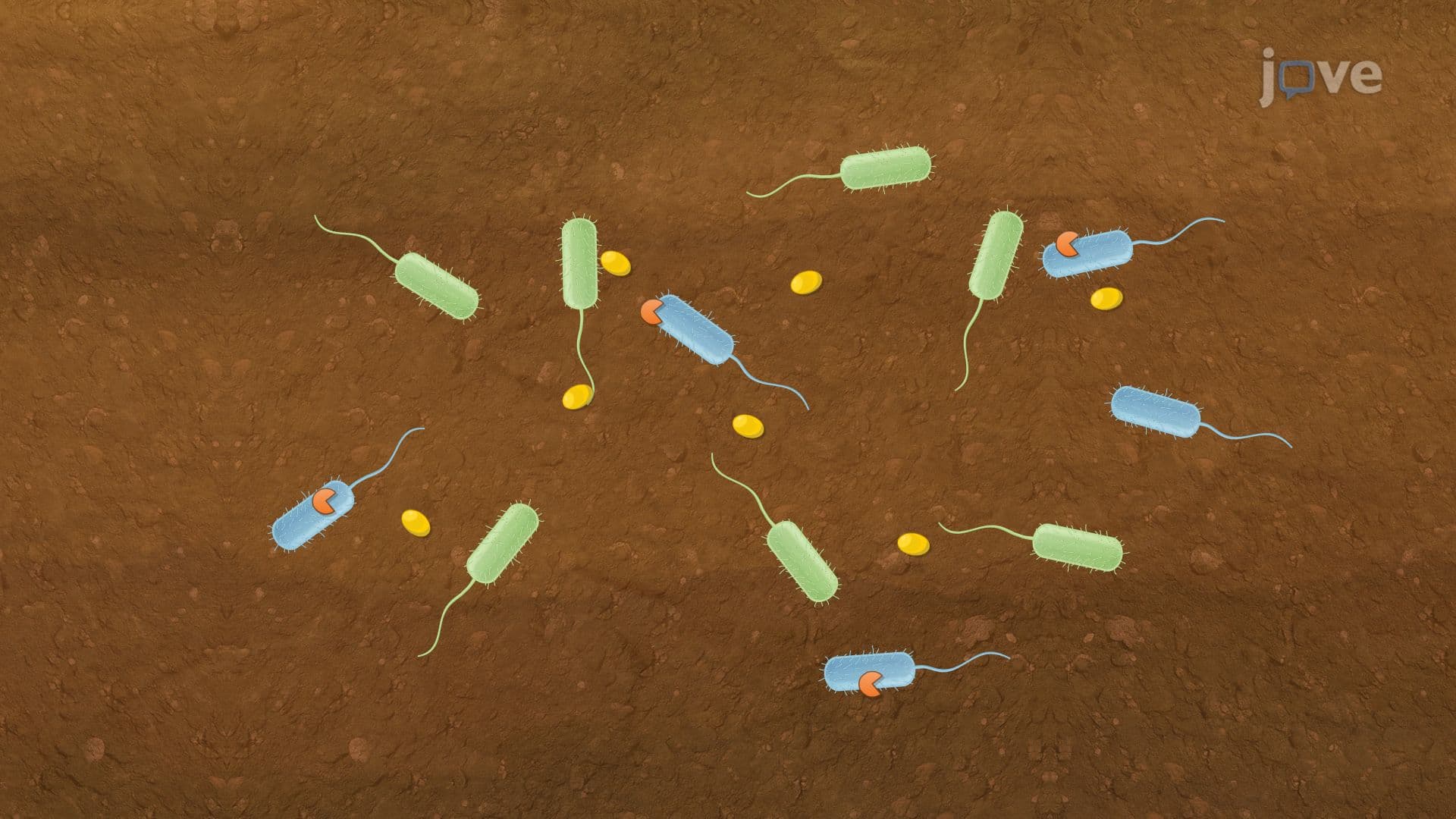
Did you know a tiny bacterium living inside an aphid has lost so many of its own genes that it literally cannot survive without its host? That's parasitism in microbial interactions at work, a relationship where one microbe benefits by exploiting another organism, causing measurable harm. From *Mycobacterium leprae* causing leprosy in US patients to gut pathogens triggering infections, microbial parasites shape human health daily. Watch the full video on JoVE Coach to master this concept with expert-led visuals and step-by-step explanations.
Parasitism in microbial interactions is one of the most consequential relationships in all of biology. Unlike mutualism, where both partners benefit, or commensalism, where one benefits and the other is unaffected, parasitism is defined by a clear imbalance: the parasite gains resources, shelter, or reproductive advantage, while the host pays a biological cost. This cost can range from minor nutrient loss all the way to tissue destruction and death. Understanding this relationship is foundational for AP Biology, college-level microbiology courses, and pre-health exam preparation including the MCAT and USMLE.
Not all parasites operate the same way, and their classification depends heavily on *where* they live relative to the host. Ectoparasites remain on the host's surface, think of certain fungal infections of human skin like ringworm, caused by *Tinea* species, which are commonly diagnosed in US pediatric clinics. Endoparasites invade internal tissues or organs; *Plasmodium falciparum*, the malaria-causing parasite, is a well-studied endoparasite that infiltrates red blood cells after entering the bloodstream. Intracellular parasites go even deeper, hijacking the host's own cells to replicate, viruses are the most extreme example, but obligate intracellular bacteria like *Chlamydia trachomatis*, responsible for the most commonly reported bacterial STI in the United States, also fall into this category. Each location presents unique challenges for host immunity and clinical treatment.
Parasitic relationships are not static, they exist on a dynamic continuum shaped by three core variables: host defense mechanisms, parasite load, and environmental conditions. A healthy immune system can contain or eliminate many parasites before they cause overt disease. However, when host defenses are compromised, as seen in HIV/AIDS patients in the US who develop opportunistic infections from otherwise low-threat microbes, the balance tips dramatically in the parasite's favor. Parasite load matters too: a small number of *Mycobacterium tuberculosis* cells may remain dormant in lung tissue for years (latent TB), while a large bacterial load triggers active, contagious disease. Environmental factors like malnutrition, stress, and antibiotic disruption of normal microbiota can further shift this balance. On AP Biology and MCAT exams, students are often asked to predict outcomes when one of these variables changes, a skill that requires conceptual, not just factual, understanding.
One of the most fascinating long-term consequences of microbial parasitism is genomic reduction, the gradual loss of genes that become functionally unnecessary because the host provides everything the parasite needs. *Buchnera aphidicola*, which lives inside aphid cells and provides essential amino acids to its insect host in return, has one of the smallest bacterial genomes ever sequenced. Similarly, *Mycobacterium leprae*, the causative agent of leprosy, a disease still monitored by the CDC in US Gulf Coast states like Louisiana and Texas, has shed nearly half of its ancestral genome compared to its close relative *Mycobacterium tuberculosis*. These "use it or lose it" evolutionary pressures are a direct result of the stable, nutrient-rich environment the host provides. This concept connects directly to broader themes in evolutionary biology, including how symbiotic relationships, even harmful ones, can reshape genomes over time, a topic frequently tested in college-level genetics and microbiology courses.
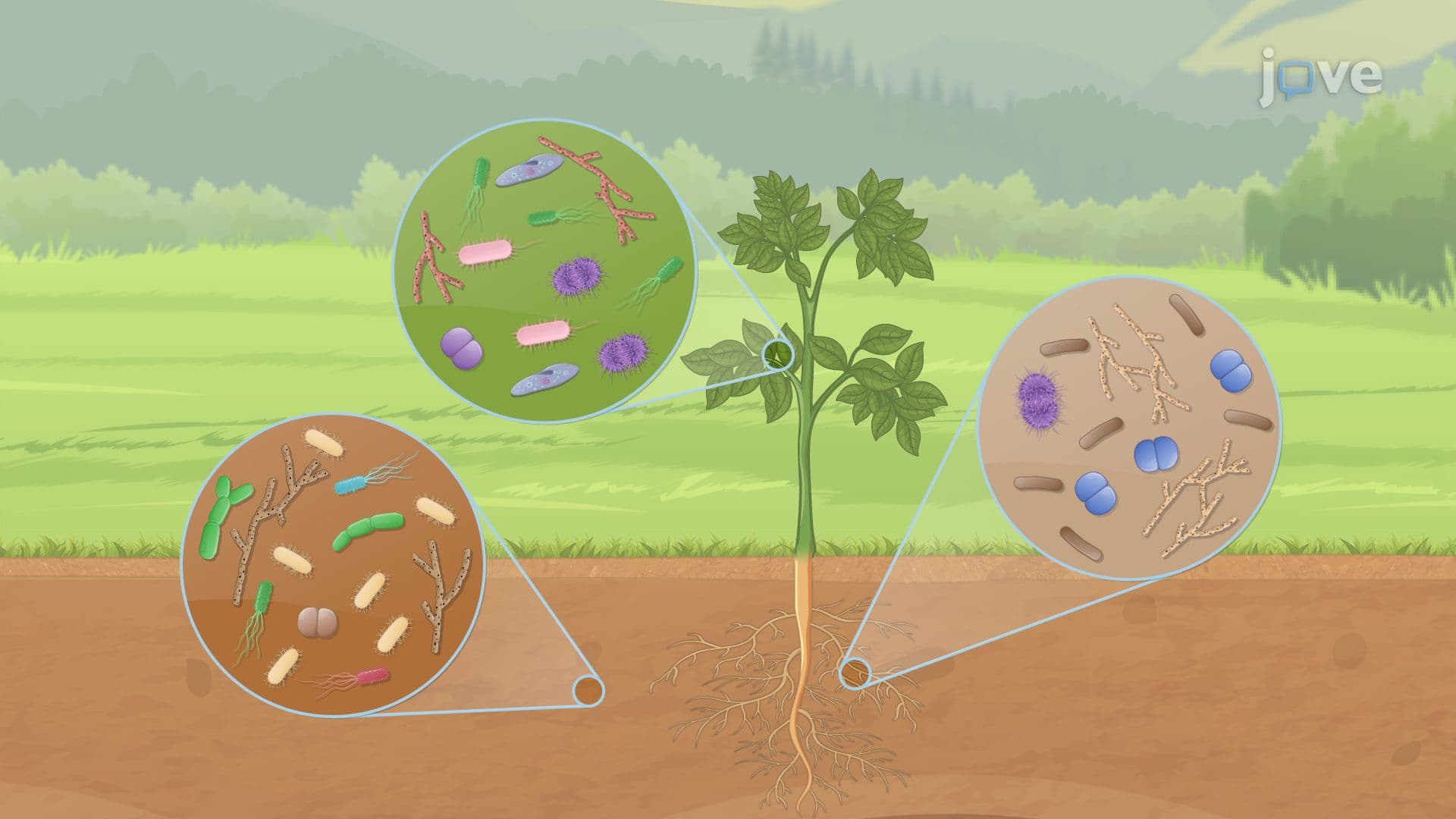
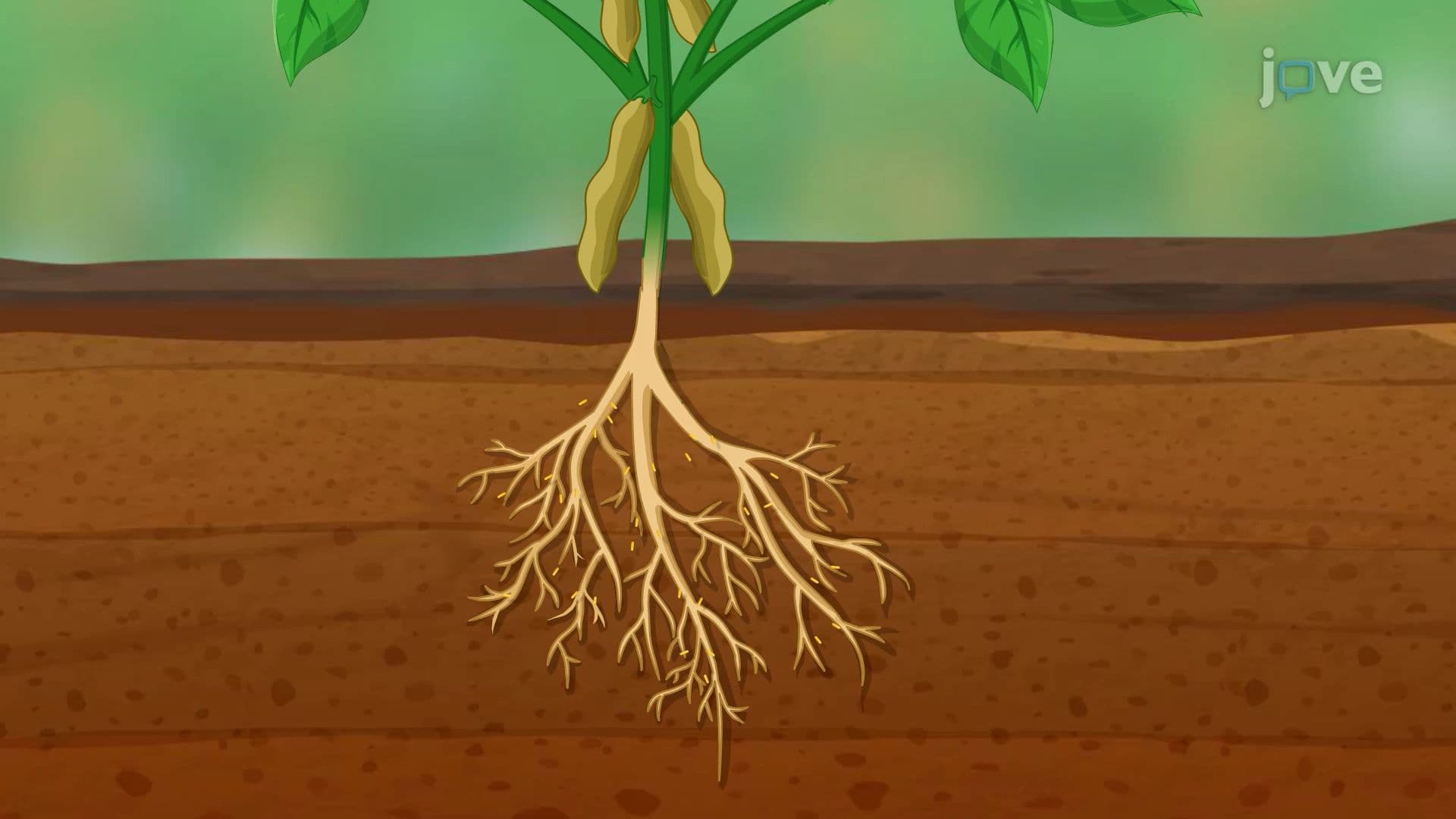
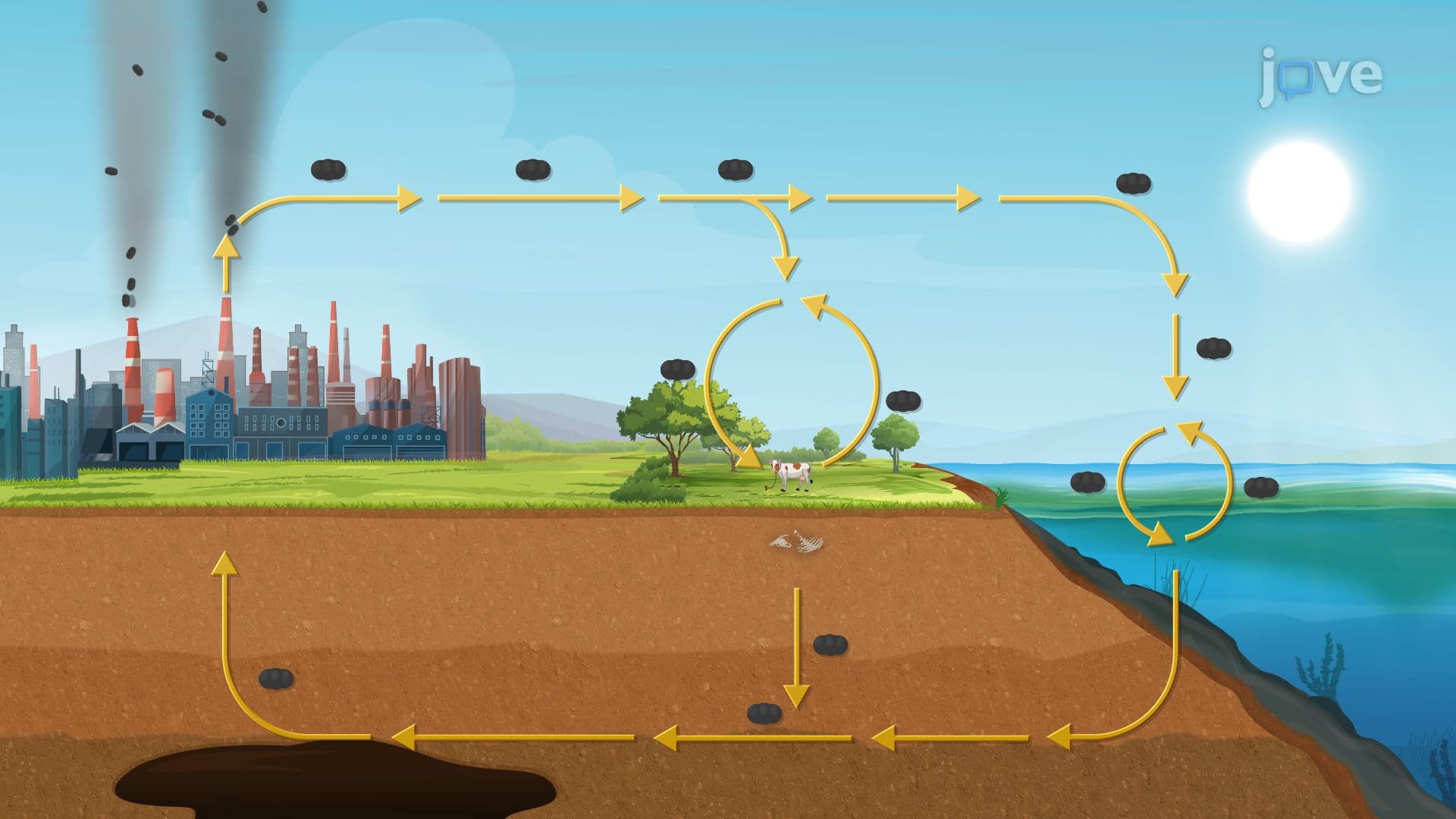
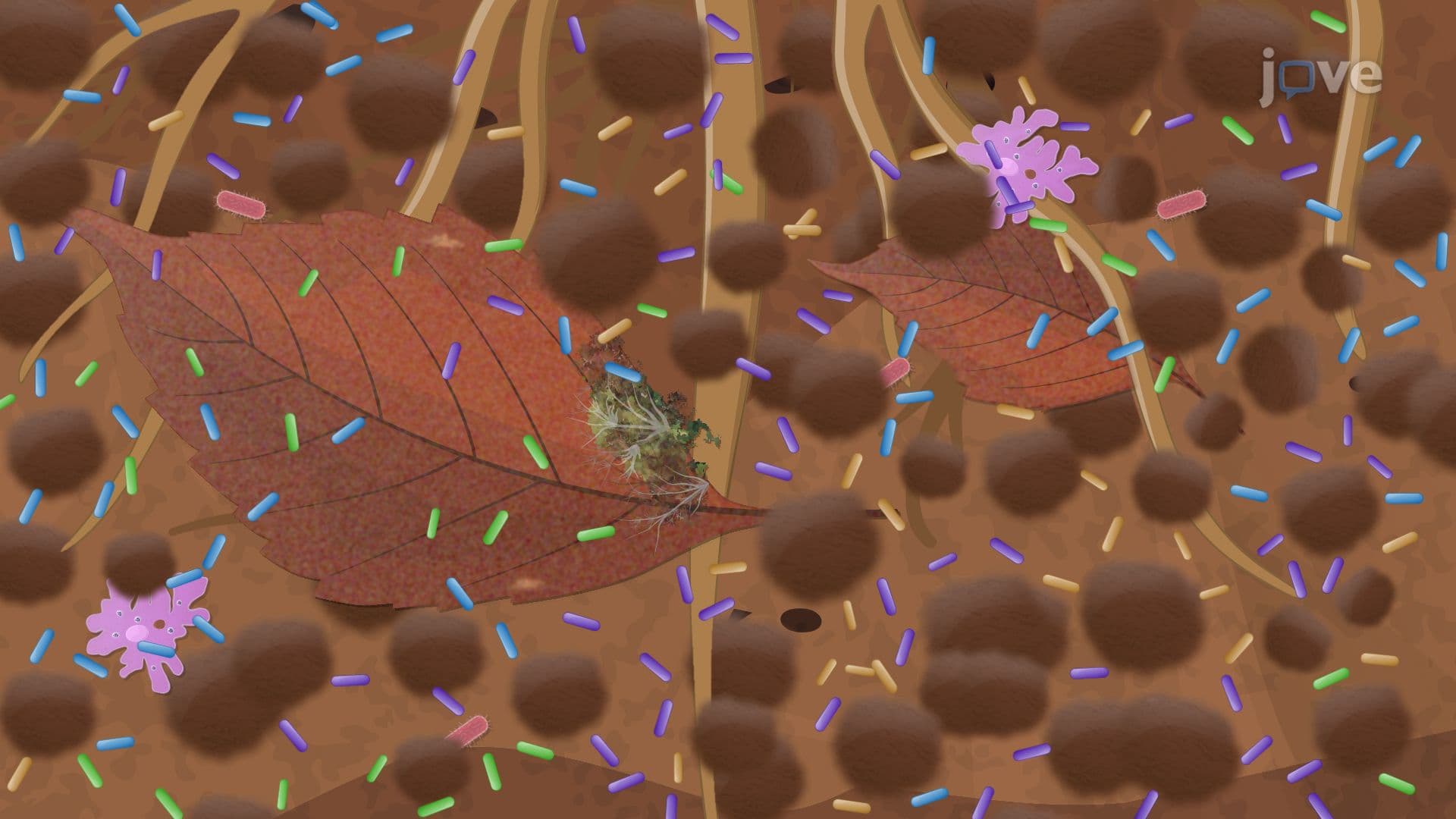
Beyond human health, parasitism plays a pivotal role in shaping microbial communities, biogeochemical cycles, and ecosystem stability. Parasitic phages (bacteriophages) infect and lyse bacterial cells in ocean environments, releasing nutrients that fuel primary productivity, directly influencing carbon and nitrogen cycles. In soil ecosystems, parasitic microbes regulate bacterial population sizes, preventing any single species from dominating and preserving microbial diversity. Even in extreme environments like hydrothermal vents or hypersaline lakes, habitats of extremophiles, parasitic interactions among archaea and bacteria have been documented, suggesting that exploitation as a survival strategy is nearly universal across life. For students connecting microbiology to ecology, understanding parasitism as more than just disease, but as an ecological force, is a critical conceptual leap.
Related Micro-courses