Loading video…

 22 Concepts
 4.1K views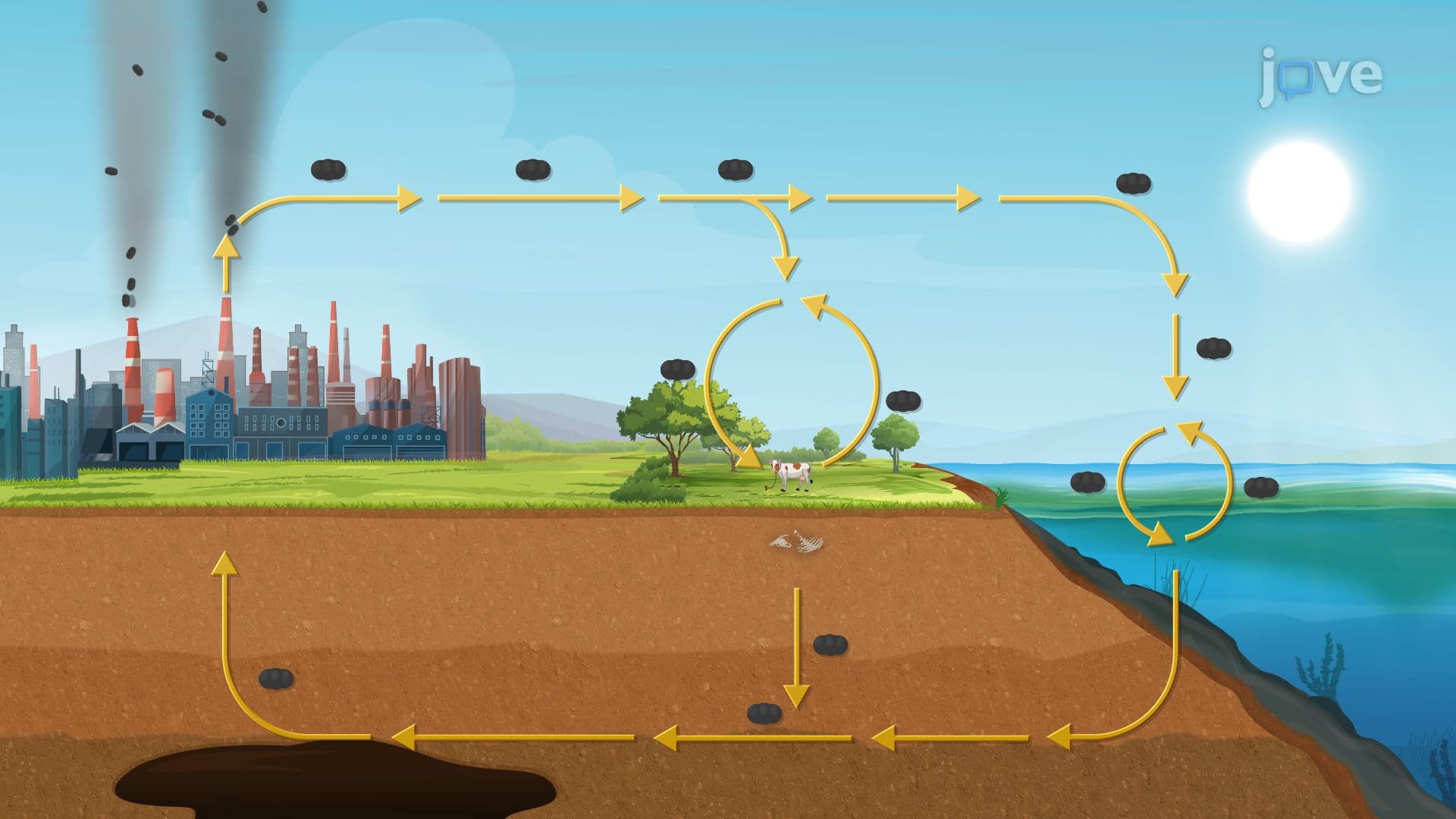

Video Summary: Microbes and the Carbon Cycle Explained
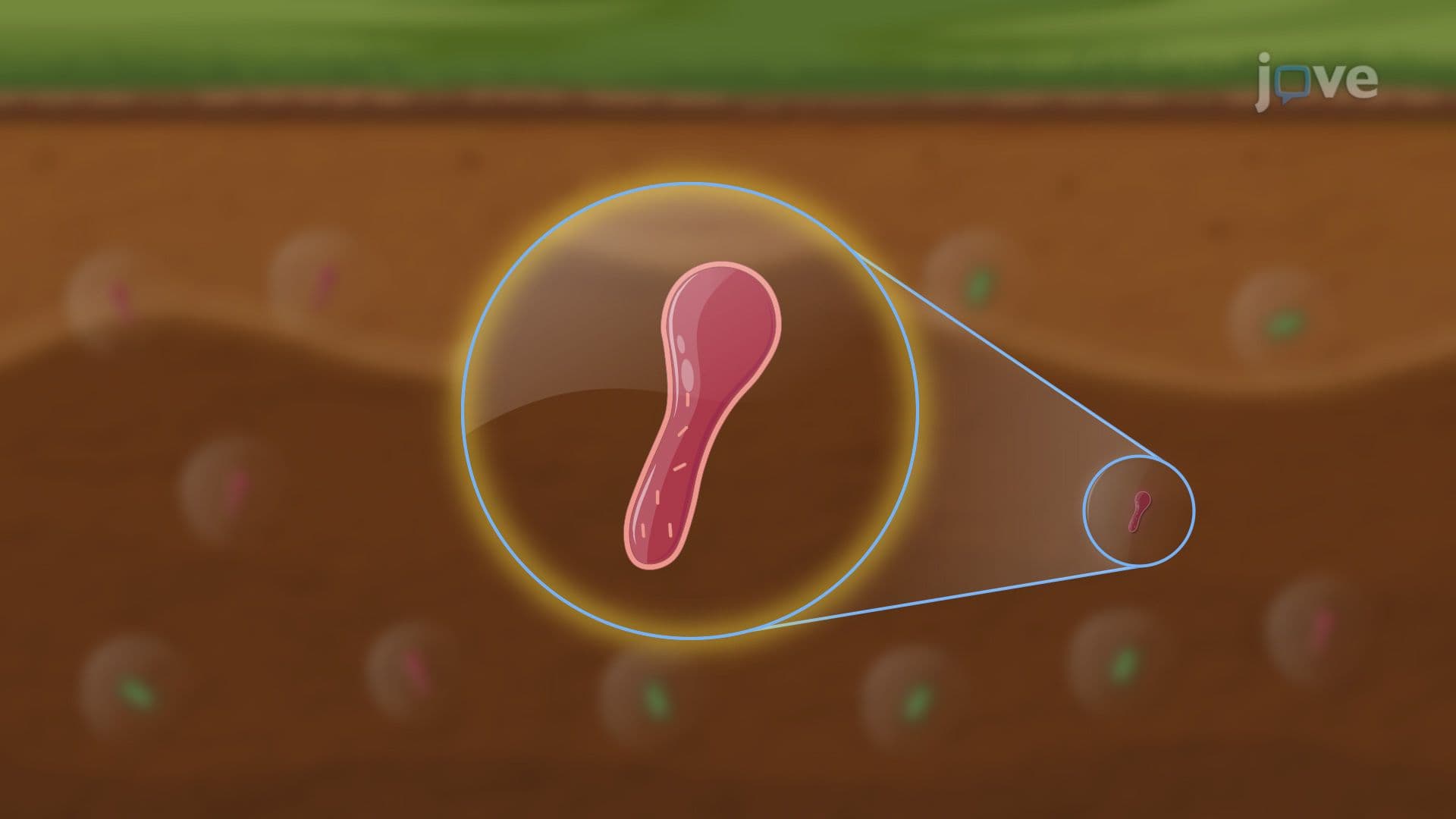
Did you know that invisible microbes buried in swamp sediments produce methane gas that contributes to climate change? Understanding microbes and the carbon cycle reveals how microscopic organisms drive one of Earth's most critical biogeochemical processes. In places like the Florida Everglades, methanogens in oxygen-starved soils generate methane, while methanotrophs at the surface convert it back to carbon dioxide. Microbes and the carbon cycle basics show us that life on Earth depends on these tiny, tireless recyclers. Watch the full video on JoVE Coach to master this concept with expert-led visuals and step-by-step explanations.
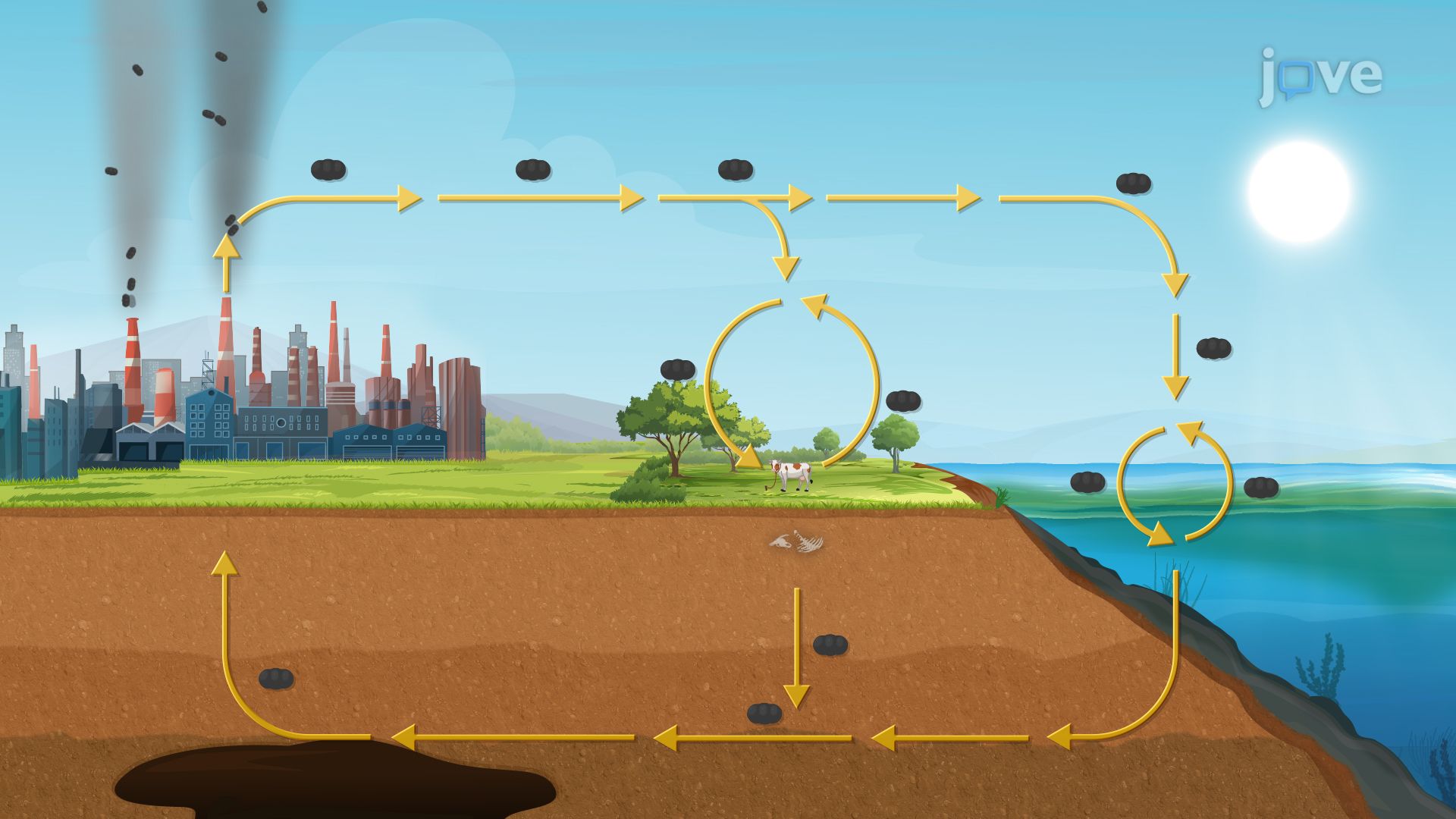
Carbon is the backbone of all life on Earth, and its movement through ecosystems, from the atmosphere into living organisms and back again, is called the carbon cycle. What most students are surprised to learn is that microorganisms, not plants or animals, perform the majority of the chemical work that keeps this cycle running. Understanding Microbes and the Carbon Cycle Explained is essential for AP Biology, college-level ecology courses, and standardized exams like the MCAT, where biogeochemical cycles appear frequently.
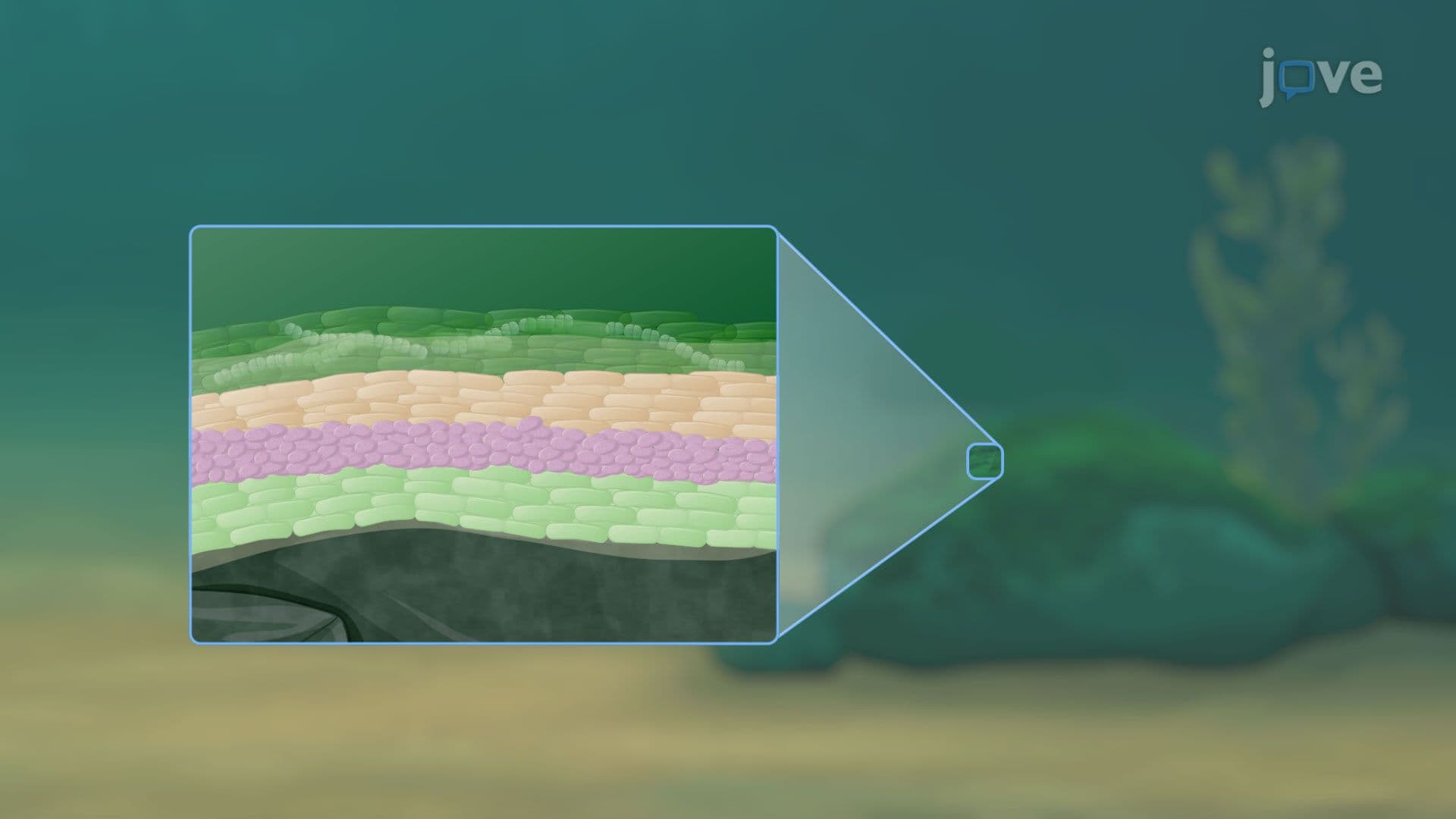
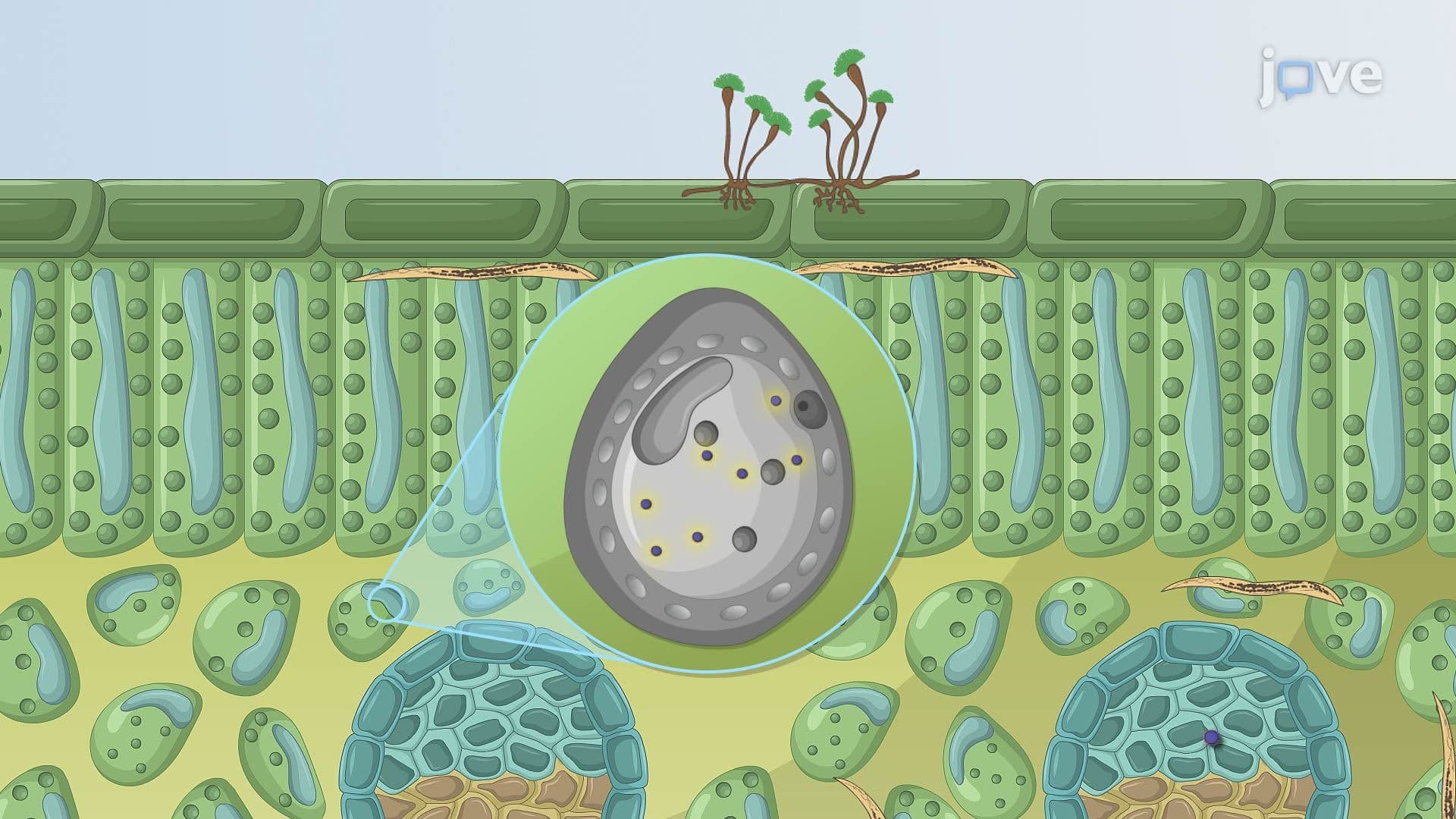
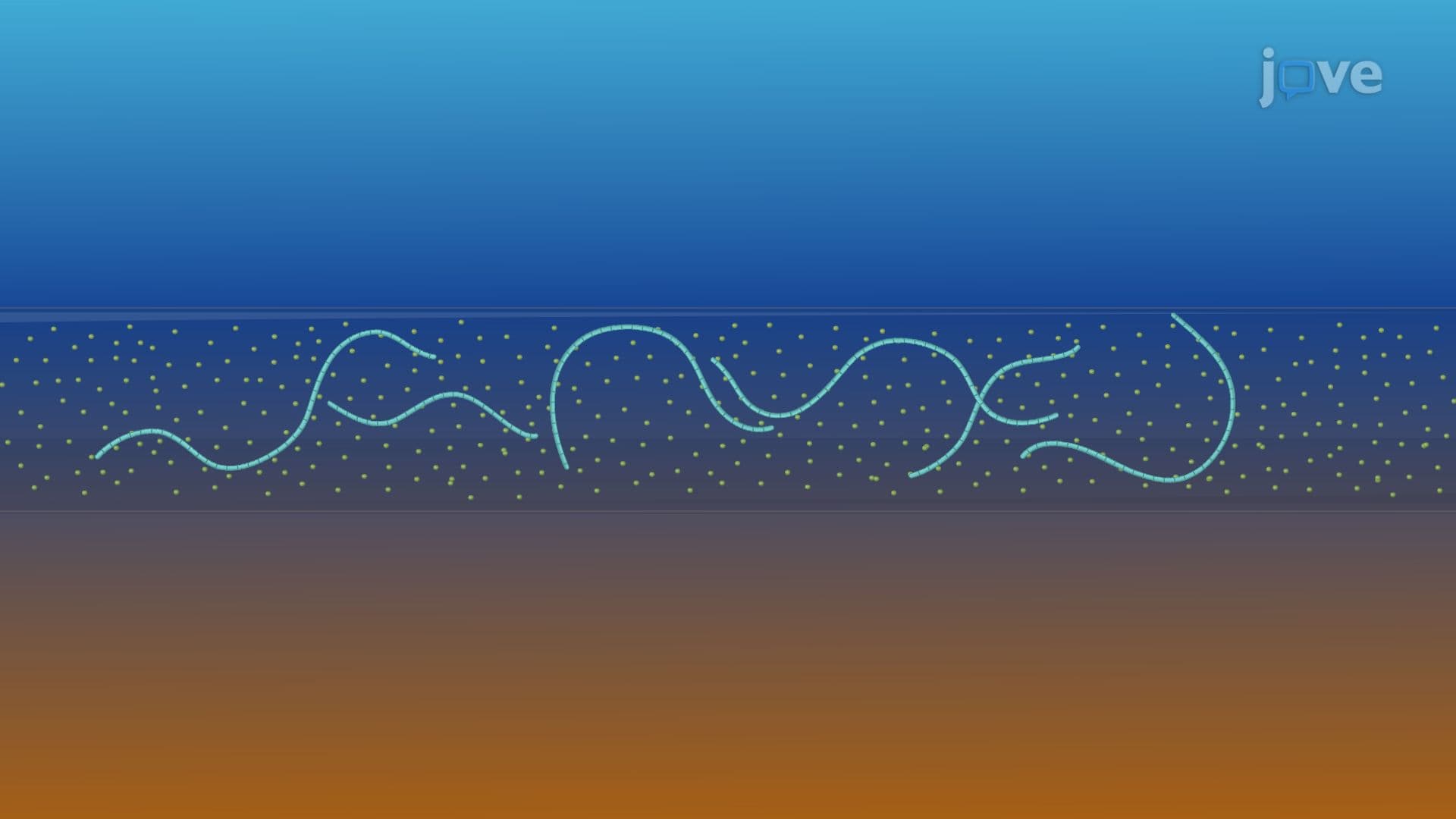
The carbon cycle begins with carbon fixation, the conversion of atmospheric carbon dioxide (CO₂) into organic compounds that living things can use. Cyanobacteria, the photosynthetic microbes found throughout oceans, lakes, and rivers across the US, perform oxygenic photosynthesis in aerobic, light-exposed environments. They absorb CO₂ and transform it into sugars using sunlight, releasing oxygen as a byproduct, the same basic process plants use.
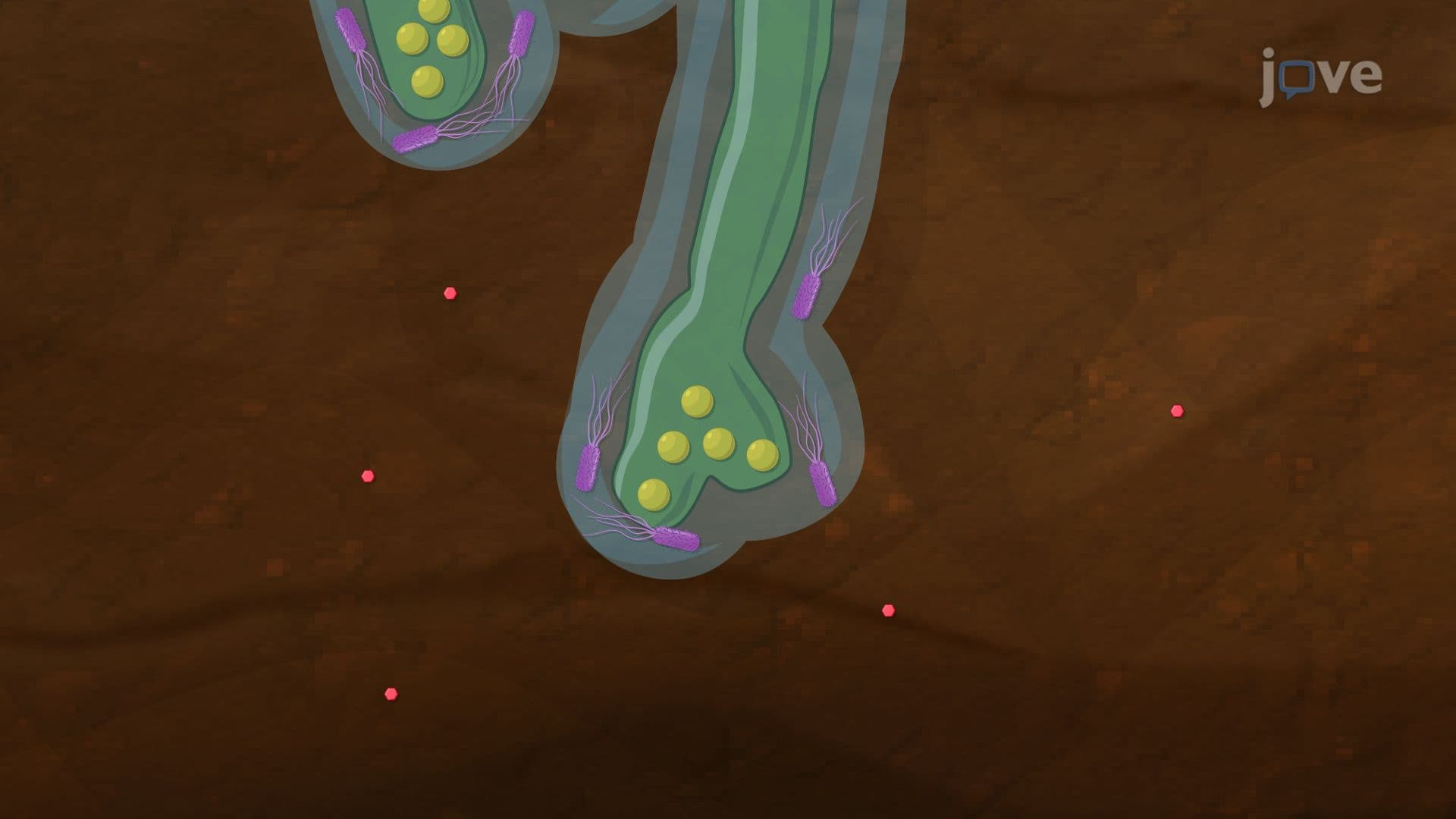
However, microbial carbon fixation doesn't stop there. In low-oxygen but light-exposed environments, such as shallow coastal mudflats along the Gulf of Mexico, certain bacteria perform anoxygenic photosynthesis, fixing carbon without producing oxygen. Even more remarkably, chemolithoautotrophs found deep in marine sediments and hydrothermal systems fix carbon by harvesting energy from inorganic chemical reactions rather than light. These extremophiles demonstrate just how broadly microbial communities have adapted to power carbon fixation under conditions hostile to most life.
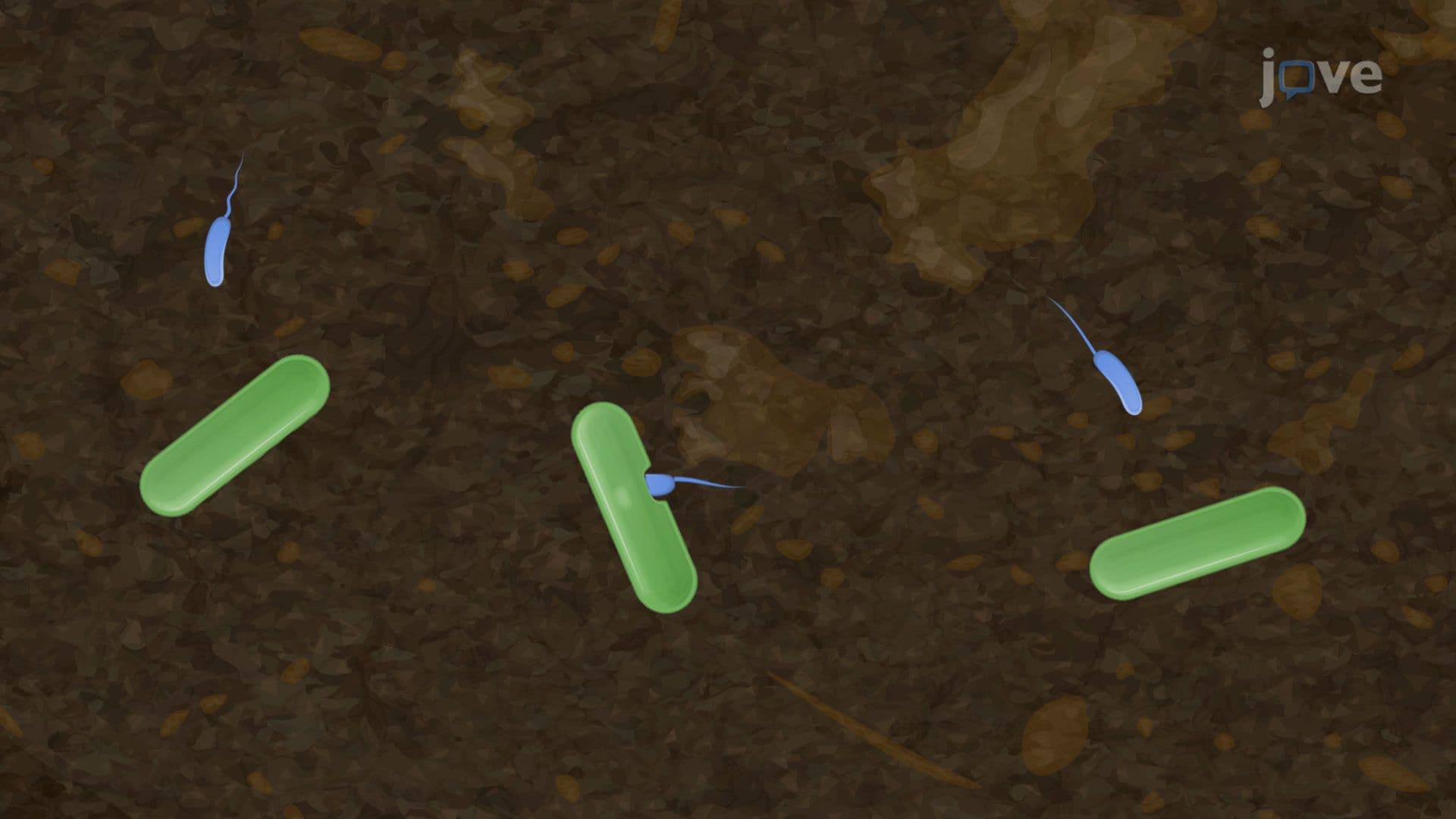
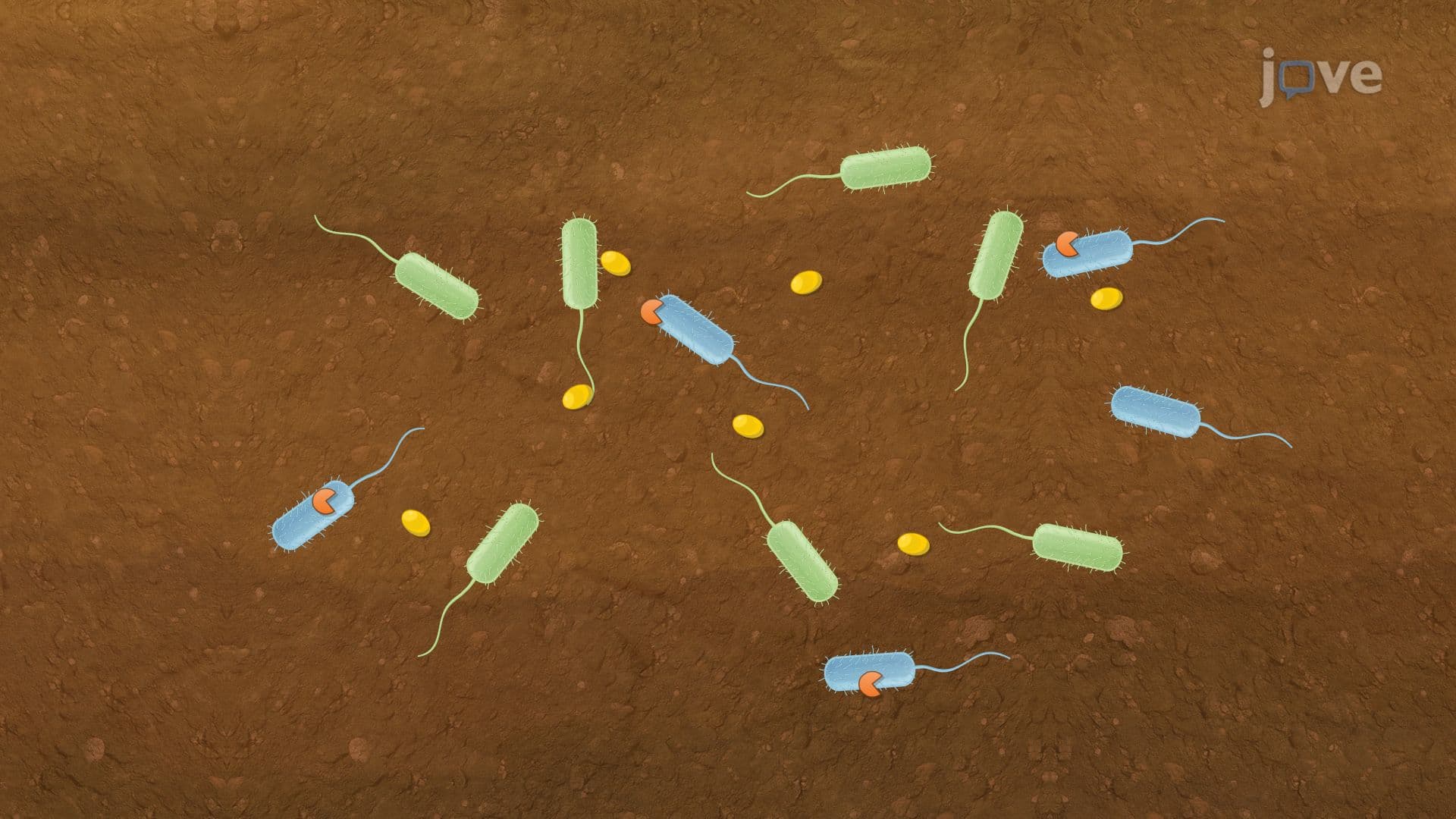
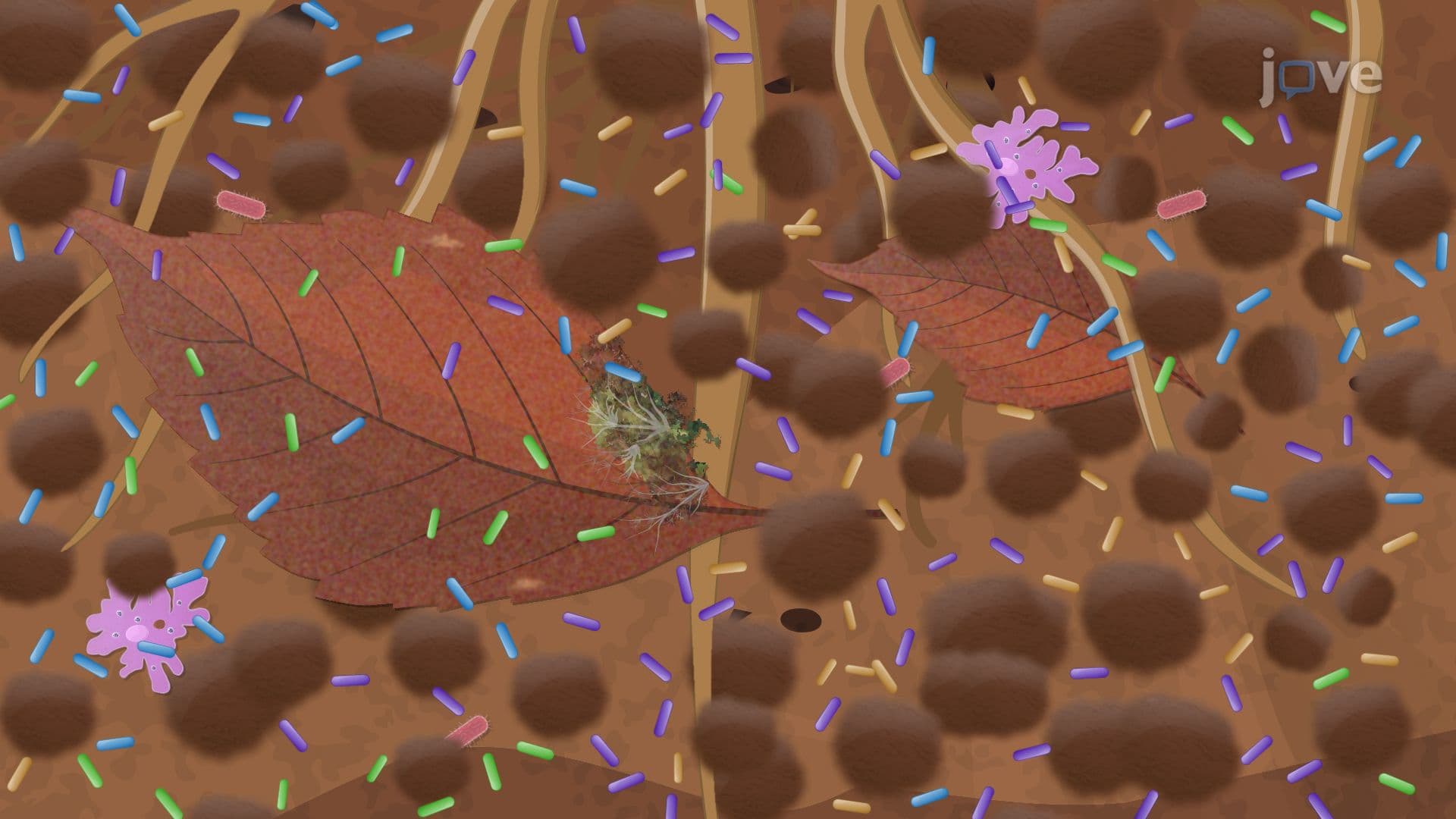
While some microbes build organic matter, others break it down. Heterotrophic microbes, including bacteria and fungi in forest soils across the Pacific Northwest and the Midwest, decompose dead plant material, animal waste, and other organic matter, releasing CO₂ back into the atmosphere through cellular respiration. This decomposition process is what recycles nutrients and prevents organic material from accumulating indefinitely.
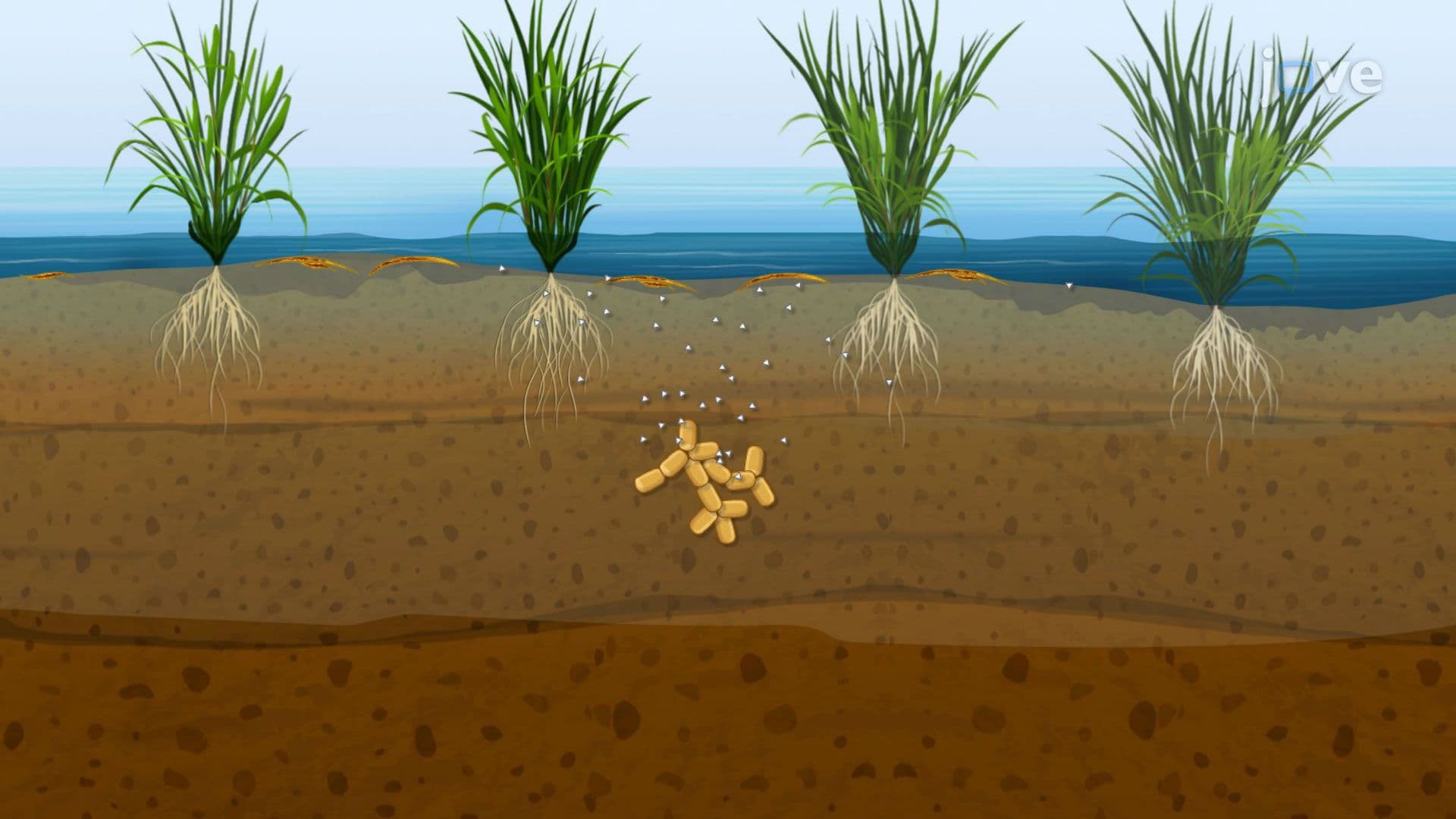
In aerobic soils, microbial respiration is the dominant carbon-release pathway. But in oxygen-depleted environments, like waterlogged wetlands, rice paddies, and the gut of ruminant animals, methanogens (a group of anaerobic archaea) produce methane (CH₄) instead of CO₂. Methane is a potent greenhouse gas, roughly 25 times more powerful than CO₂ over a 100-year period, making these microbes directly relevant to climate science discussions in AP Environmental Science and college Earth science courses.
Fortunately, not all methane reaches the atmosphere. Methanotrophs, aerobic bacteria living at the boundary between oxygen-rich and oxygen-poor zones in soils and water, intercept and oxidize methane, converting it back to CO₂. This microbial "check" on methane emissions is an active area of climate research at US institutions like MIT and NOAA.
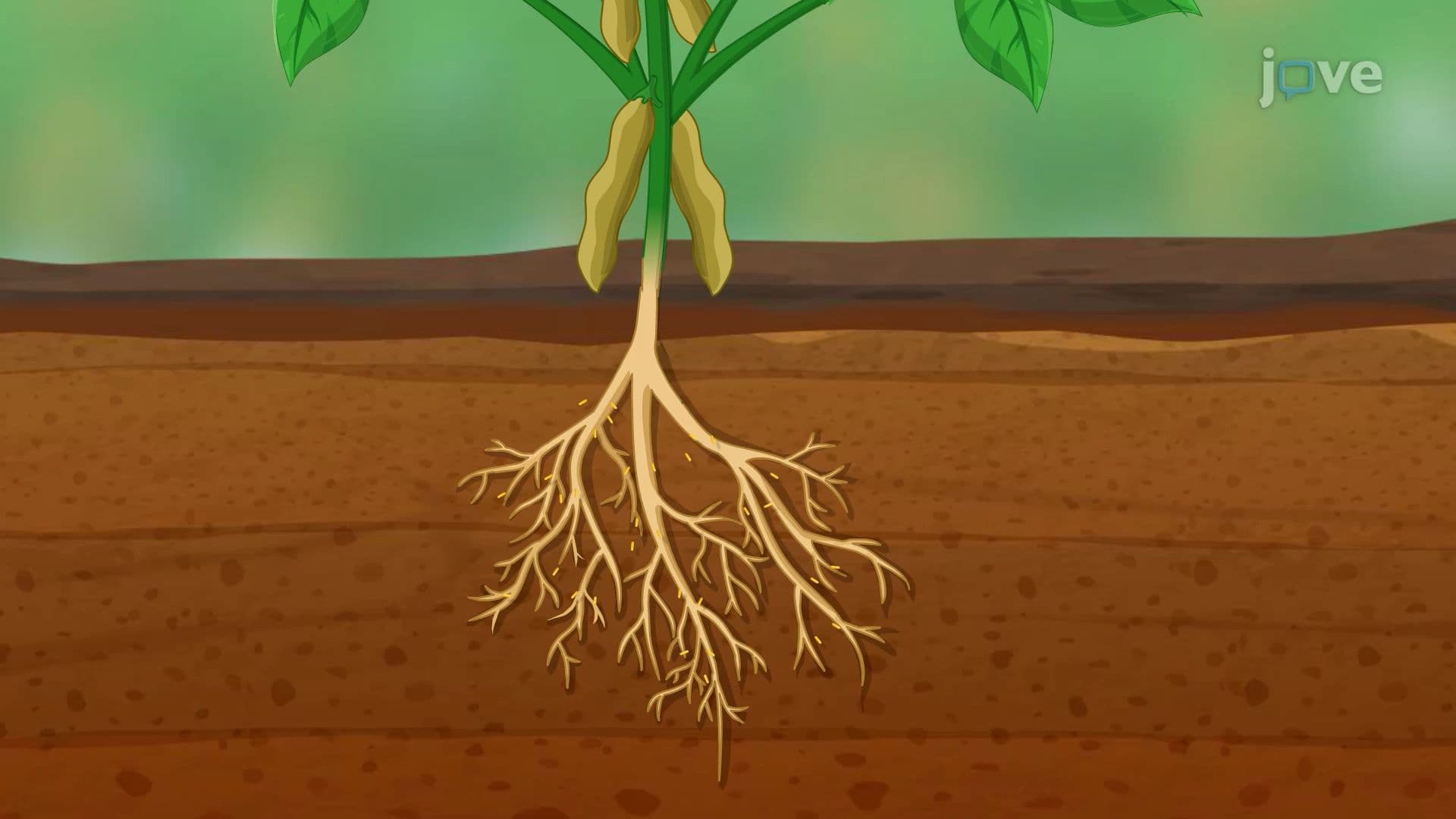
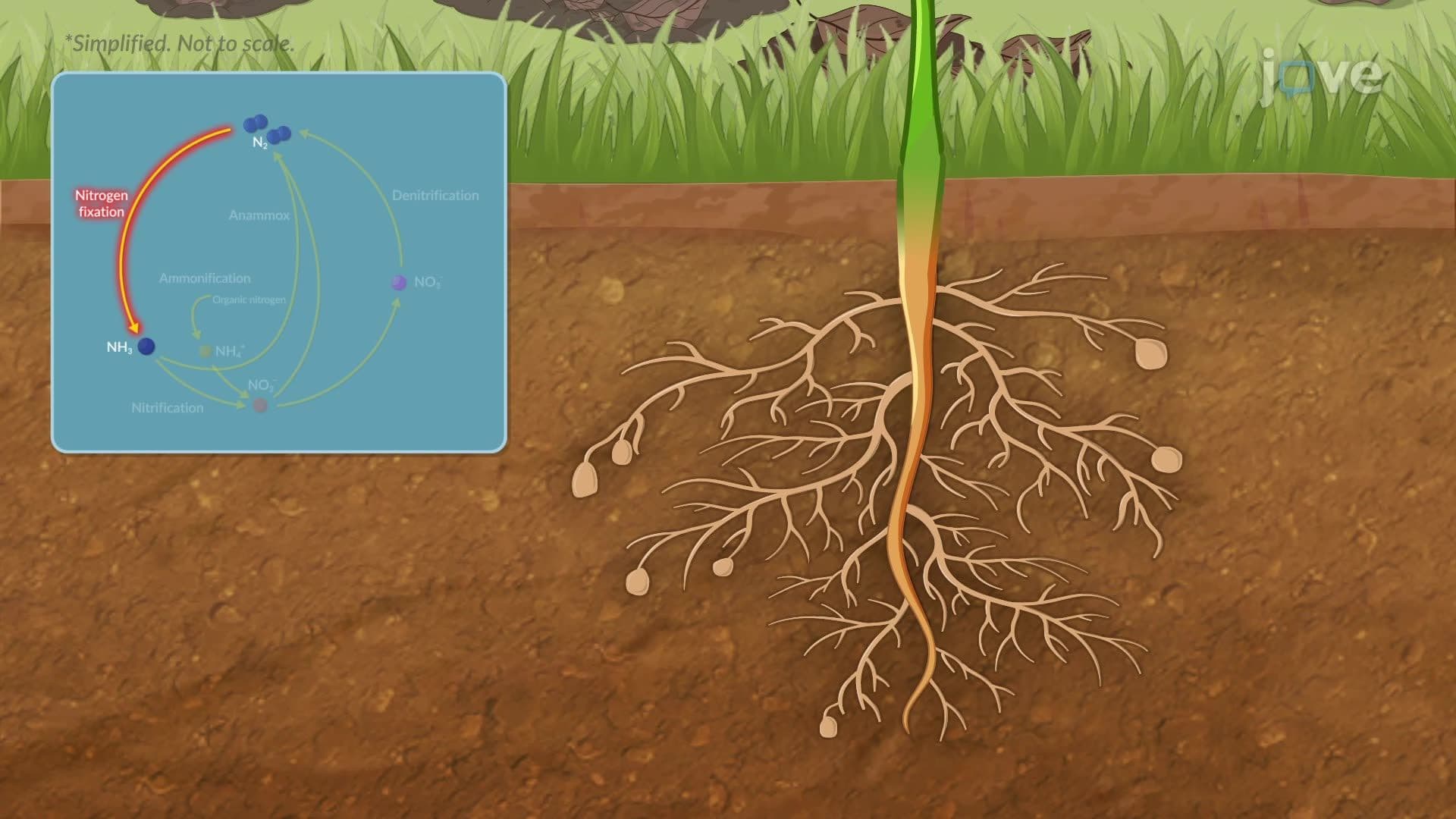
The carbon cycle also intersects with the nitrogen cycle. When microbes decompose organic matter, they simultaneously release ammonia (NH₃) alongside CO₂, providing nitrogen compounds essential for plant growth. This linkage between biogeochemical cycles is a common exam topic, students preparing for the MCAT or AP Biology should be able to explain how a single decomposition event contributes to multiple nutrient cycles at once.
Understanding how microbial communities regulate carbon flow, from carbon fixation to decomposition to greenhouse gas emissions, gives students a powerful framework for tackling questions about climate change, soil health, ecosystem productivity, and the broader significance of microbial diversity in maintaining life on Earth.
Related Micro-courses