Loading video…

 22 Concepts
 4.1K views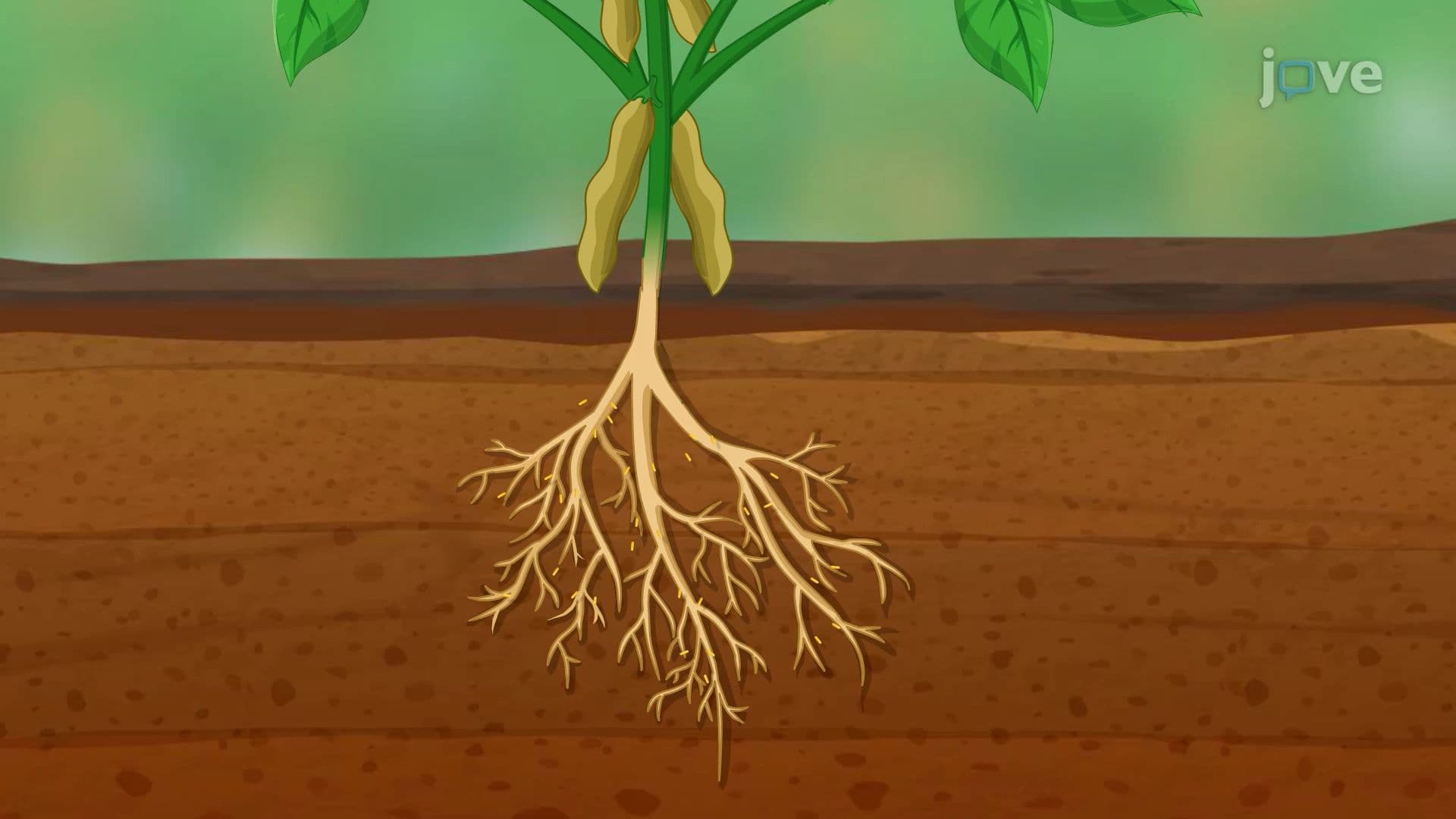

Video Summary: What are Microbe Plant Interactions
Did you know the humble soybean owes its growth to bacteria living inside its own roots? Microbe-plant interactions, the chemical conversations between microbes and plants, can be beneficial, neutral, or downright destructive. In US agriculture, nitrogen-fixing rhizobia help legume crops thrive without synthetic fertilizers, while pathogens like *Agrobacterium tumefaciens* trigger tumor-like growths. Watch the full video on JoVE Coach to master this concept with expert-led visuals and step-by-step explanations.
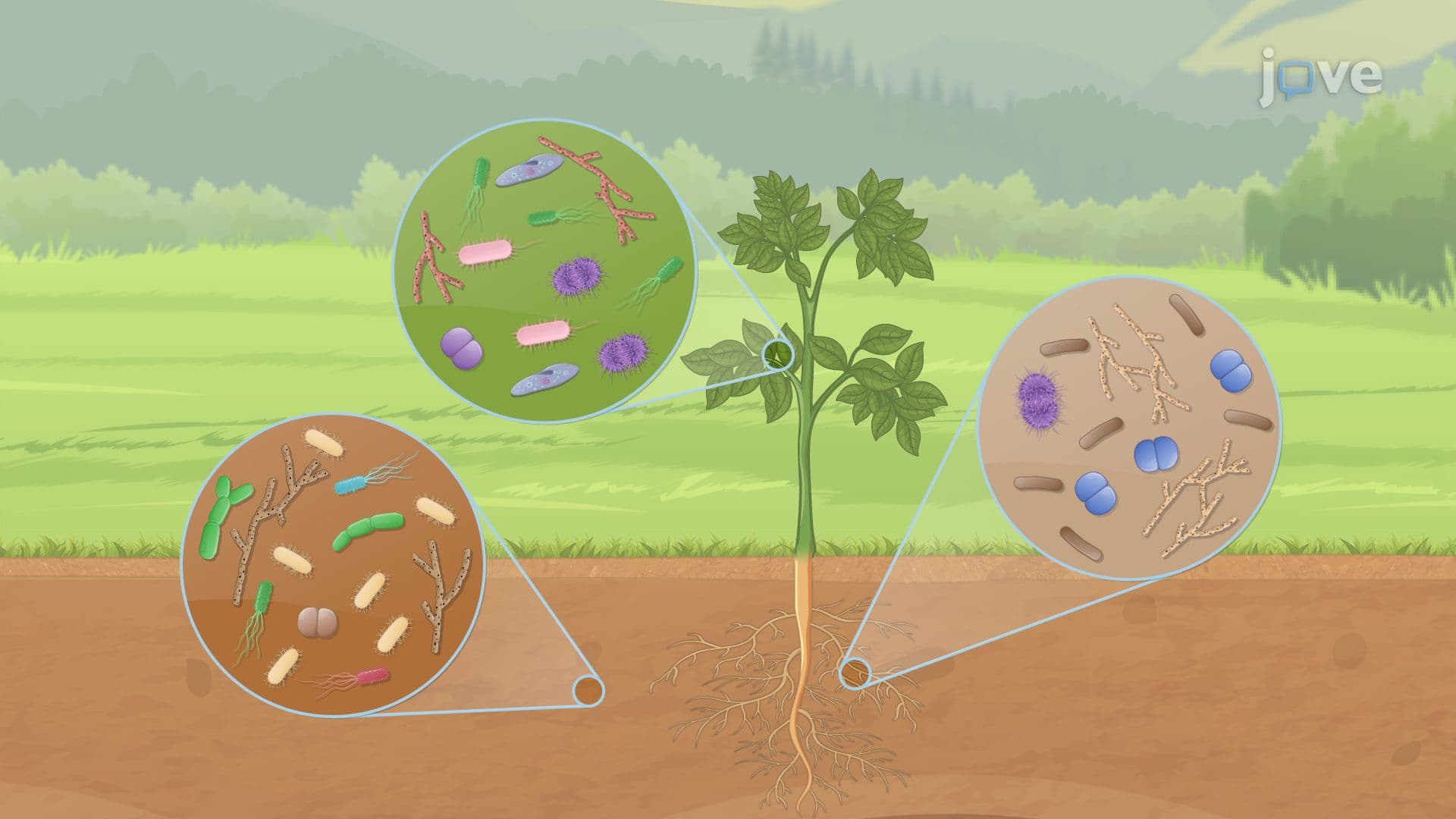
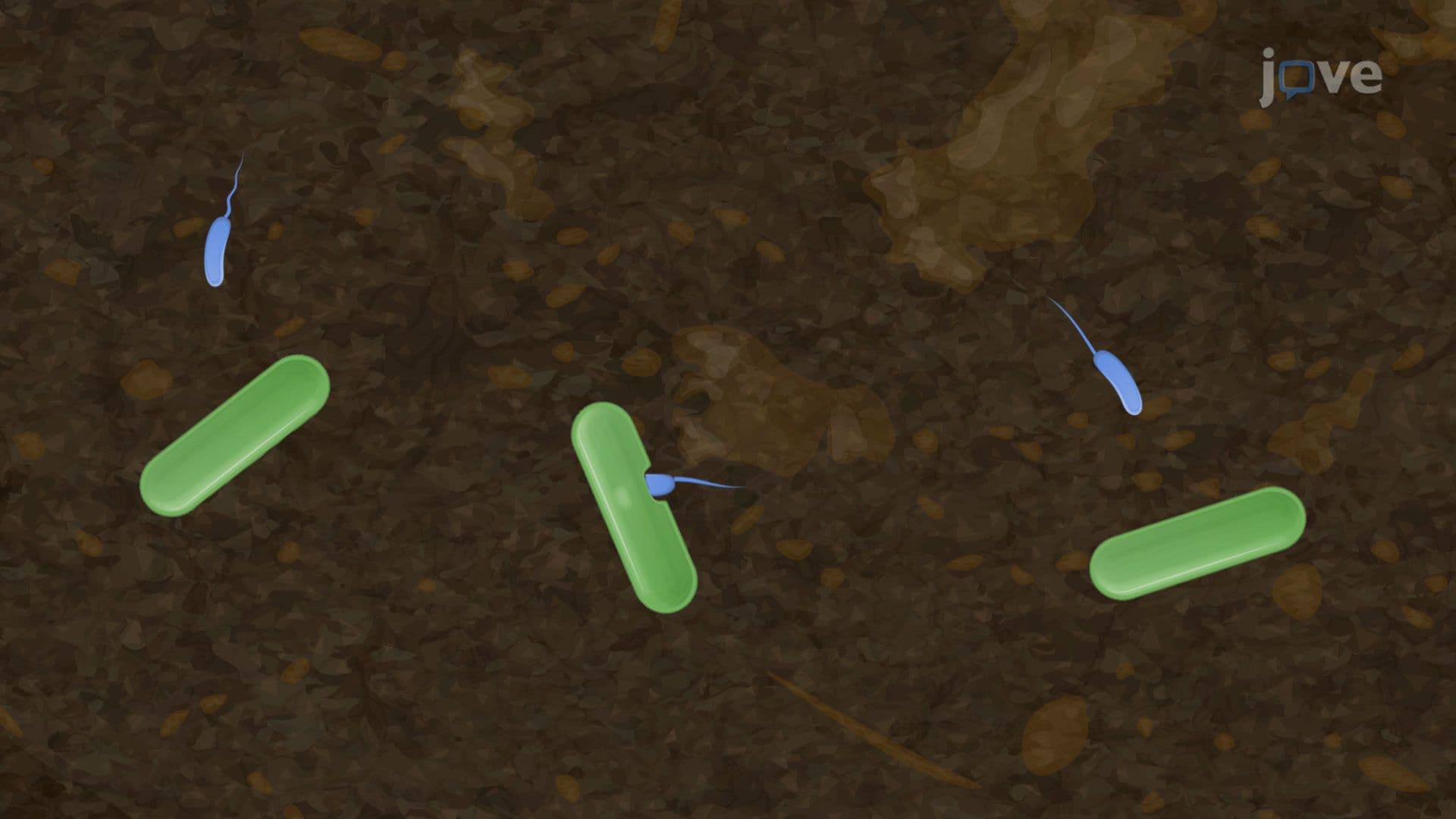
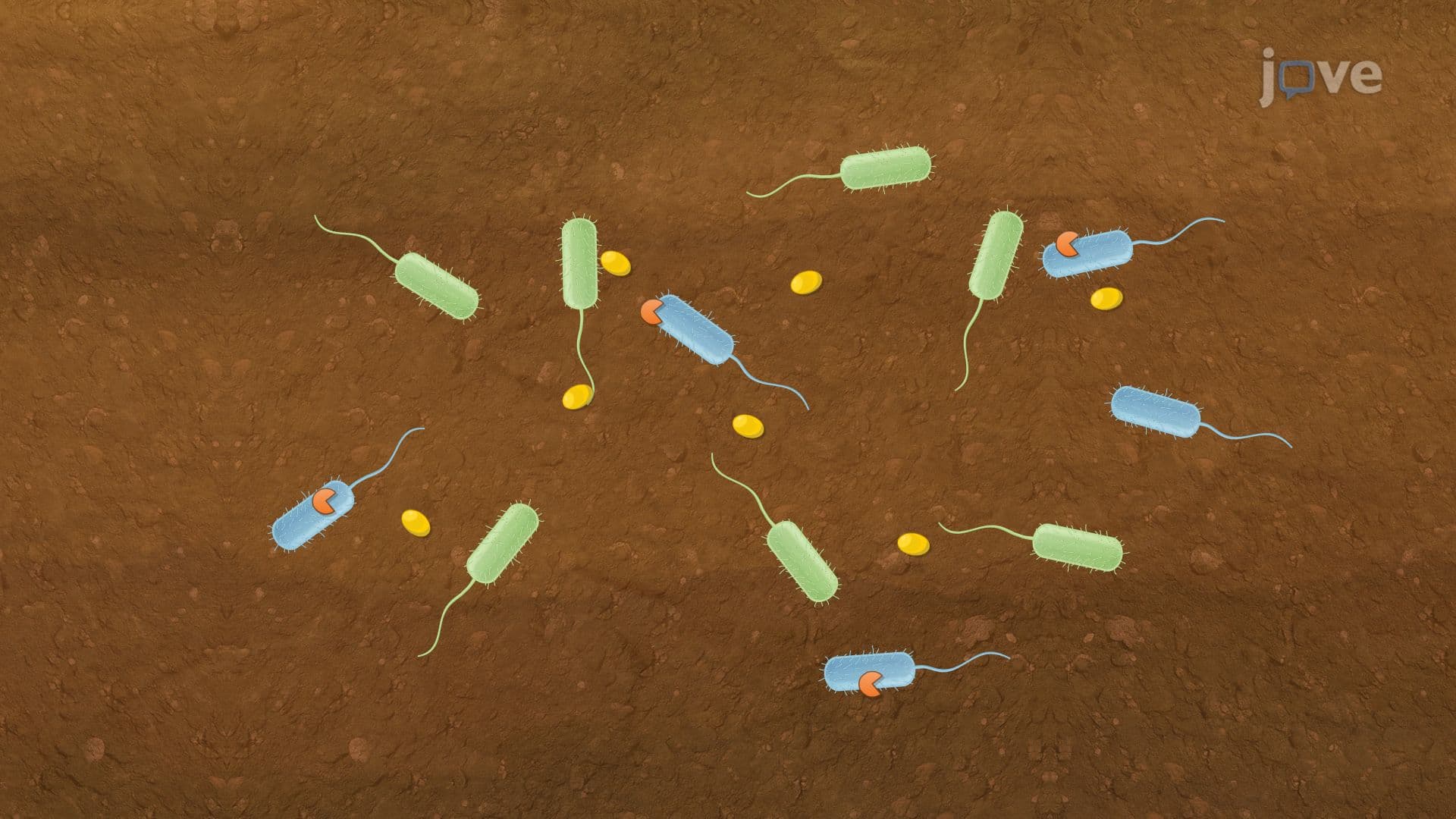
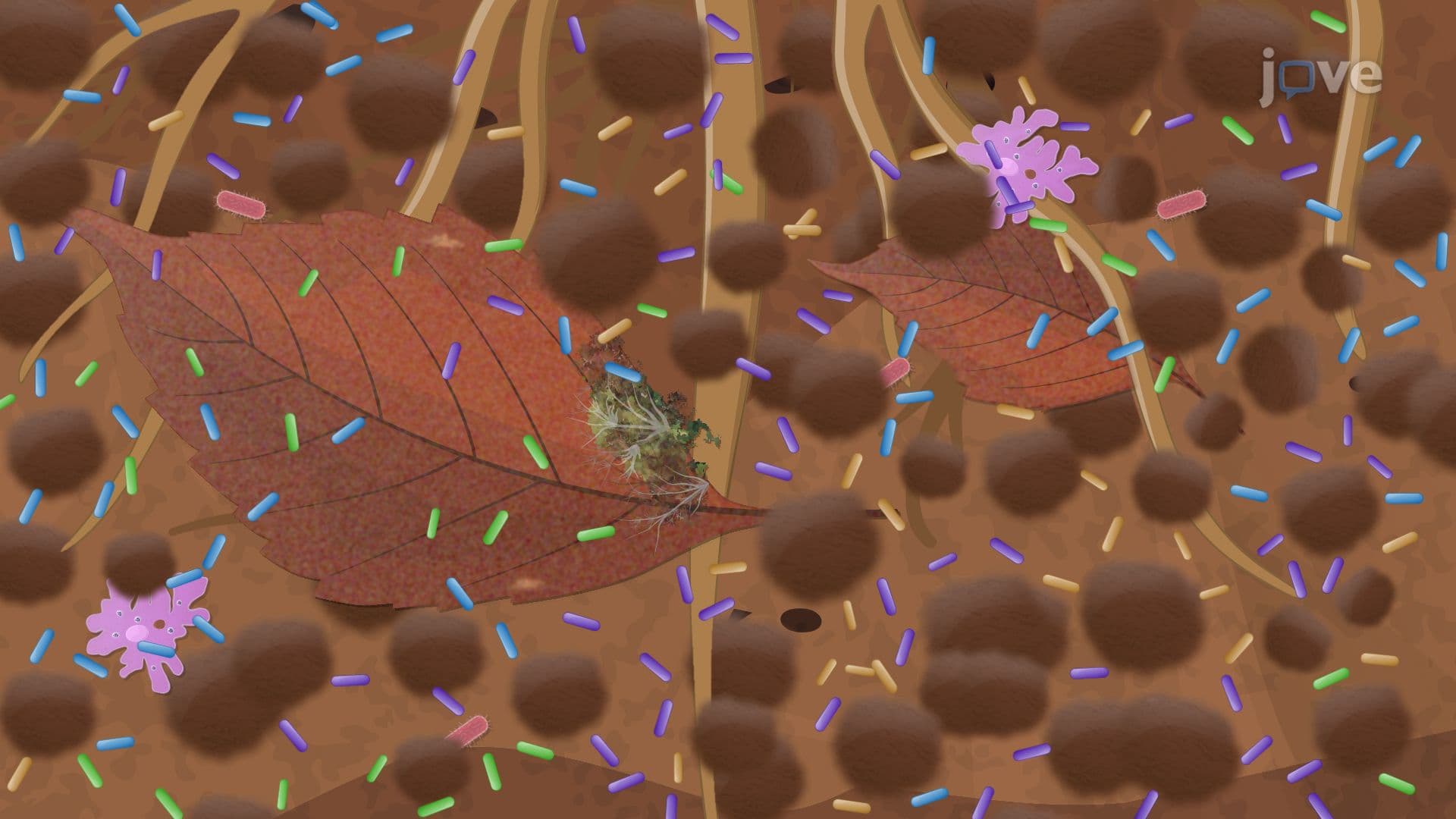
Microbe-plant interactions describe the dynamic, chemically driven relationships between microorganisms, including bacteria, fungi, and other microbes, and the plants they associate with. Far from passive encounters, these relationships involve two-way signaling: plants release chemical compounds through their roots, and microbes respond with their own molecular messages. The result can be a partnership that sustains life, a quiet coexistence, or a harmful invasion that devastates crops. Understanding these interactions is central to biology, ecology, and agriculture at every level, from AP Biology to college-level microbiology.
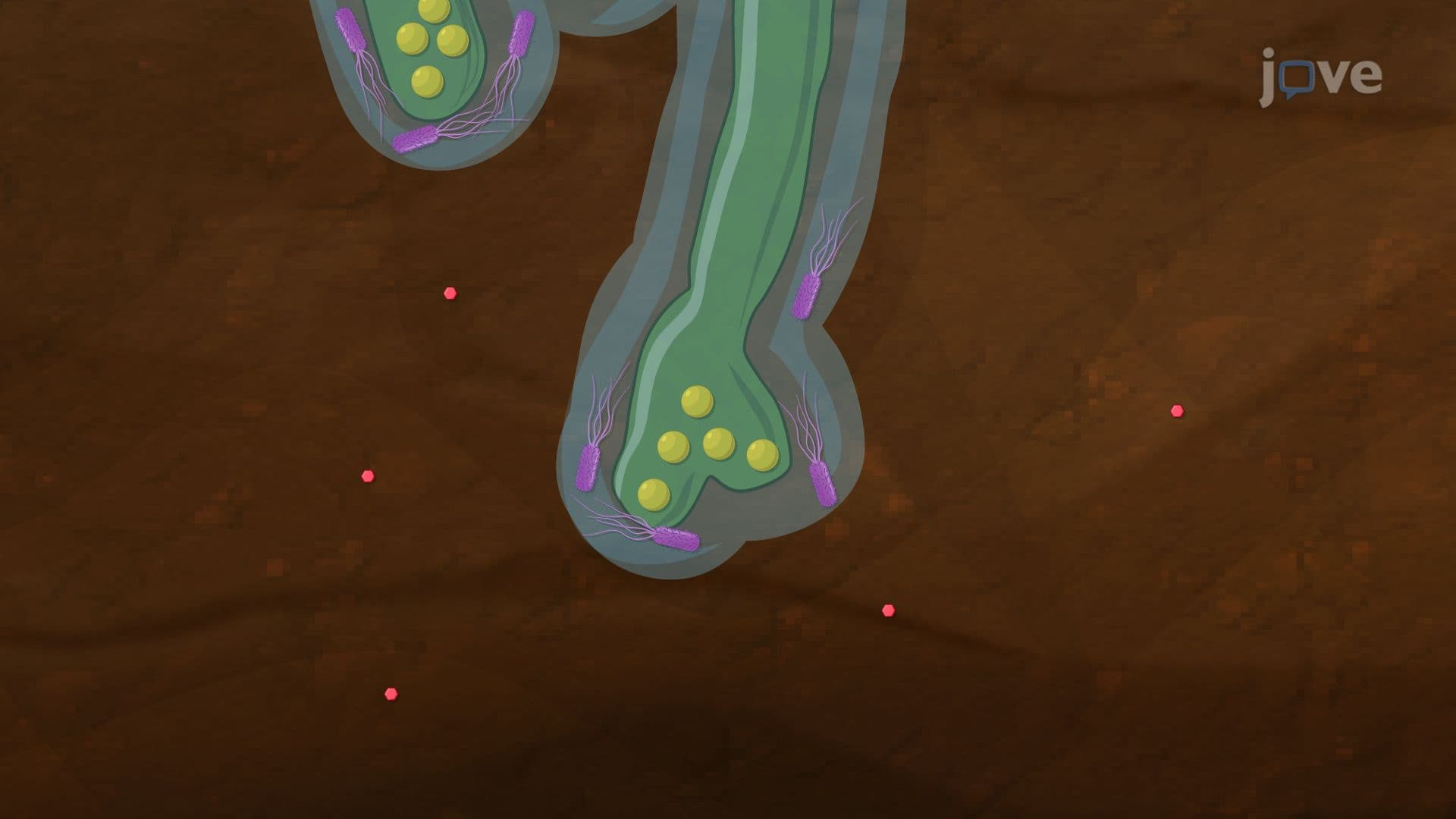
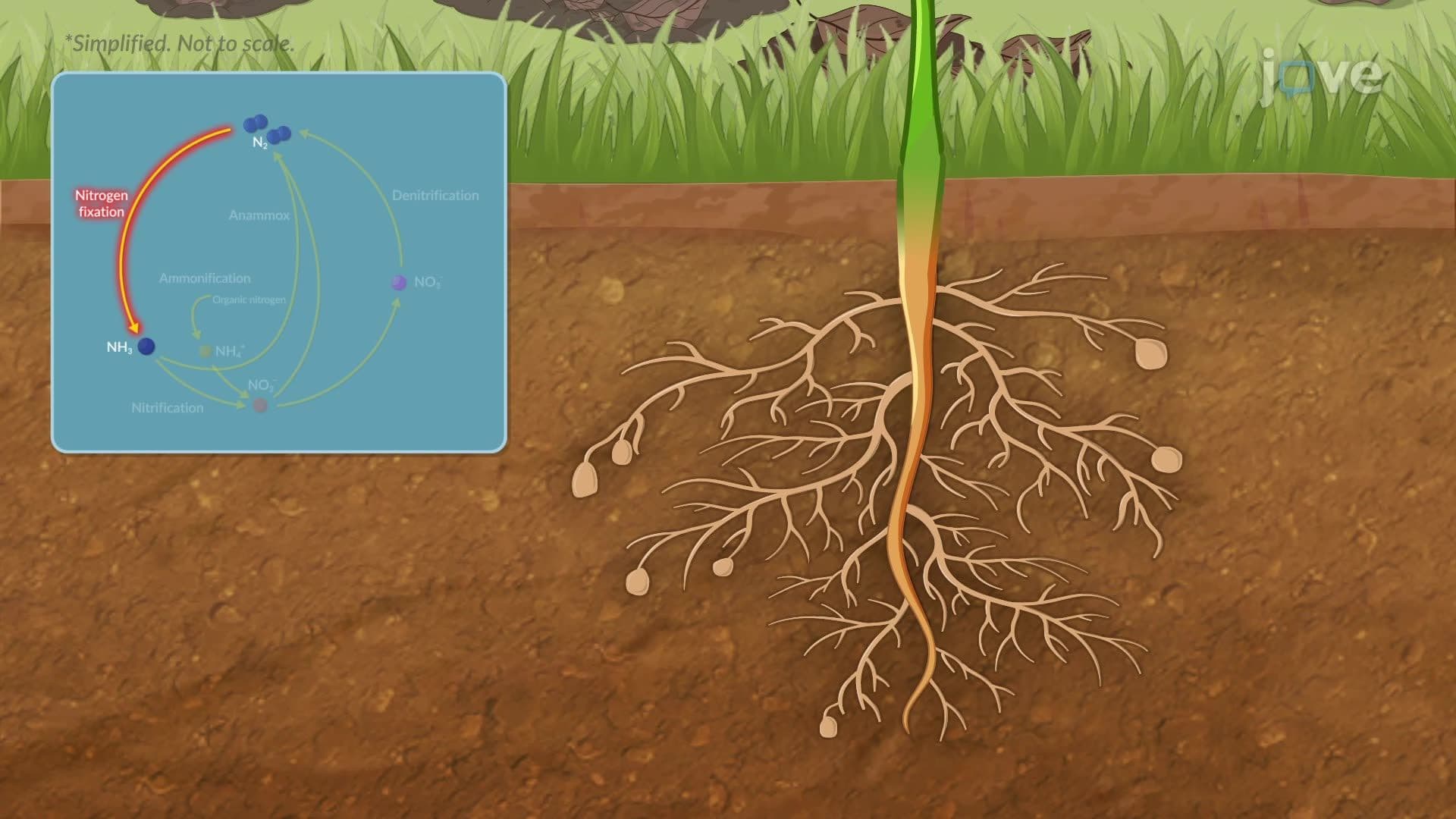
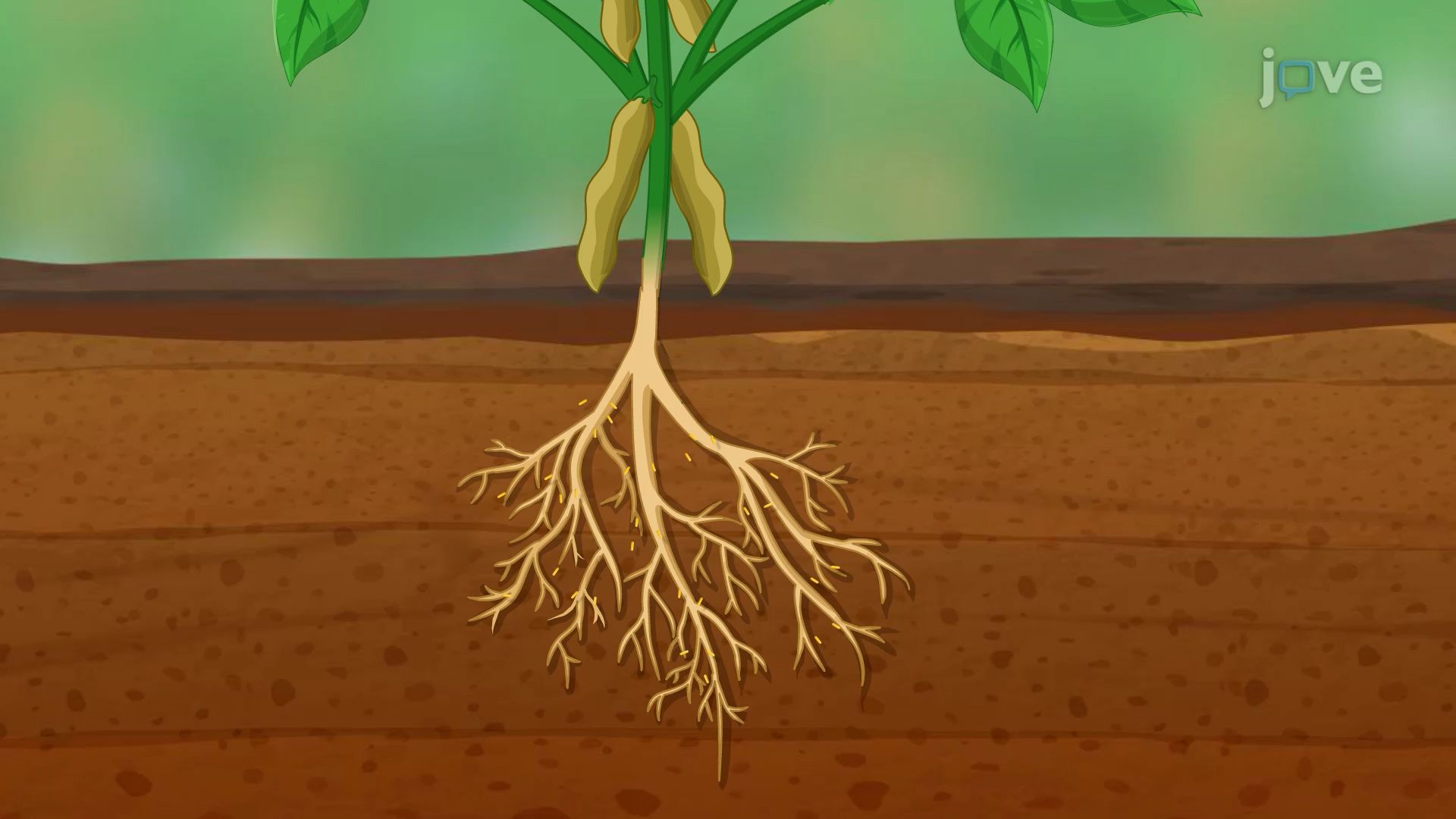
The most celebrated example of a beneficial microbe-plant interaction is the partnership between legumes and rhizobia. In the United States, soybean and alfalfa crops rely heavily on this relationship. Rhizobia are nitrogen-fixing bacteria that colonize legume roots and form specialized structures called nodules. Inside these nodules, atmospheric nitrogen (N₂) is converted into ammonia (NH₃), a form plants can actually use for protein synthesis and growth. In exchange, the plant supplies the bacteria with carbon-rich sugars produced through photosynthesis. This mutualism reduces the need for synthetic nitrogen fertilizers, making it economically and environmentally significant for US agriculture.
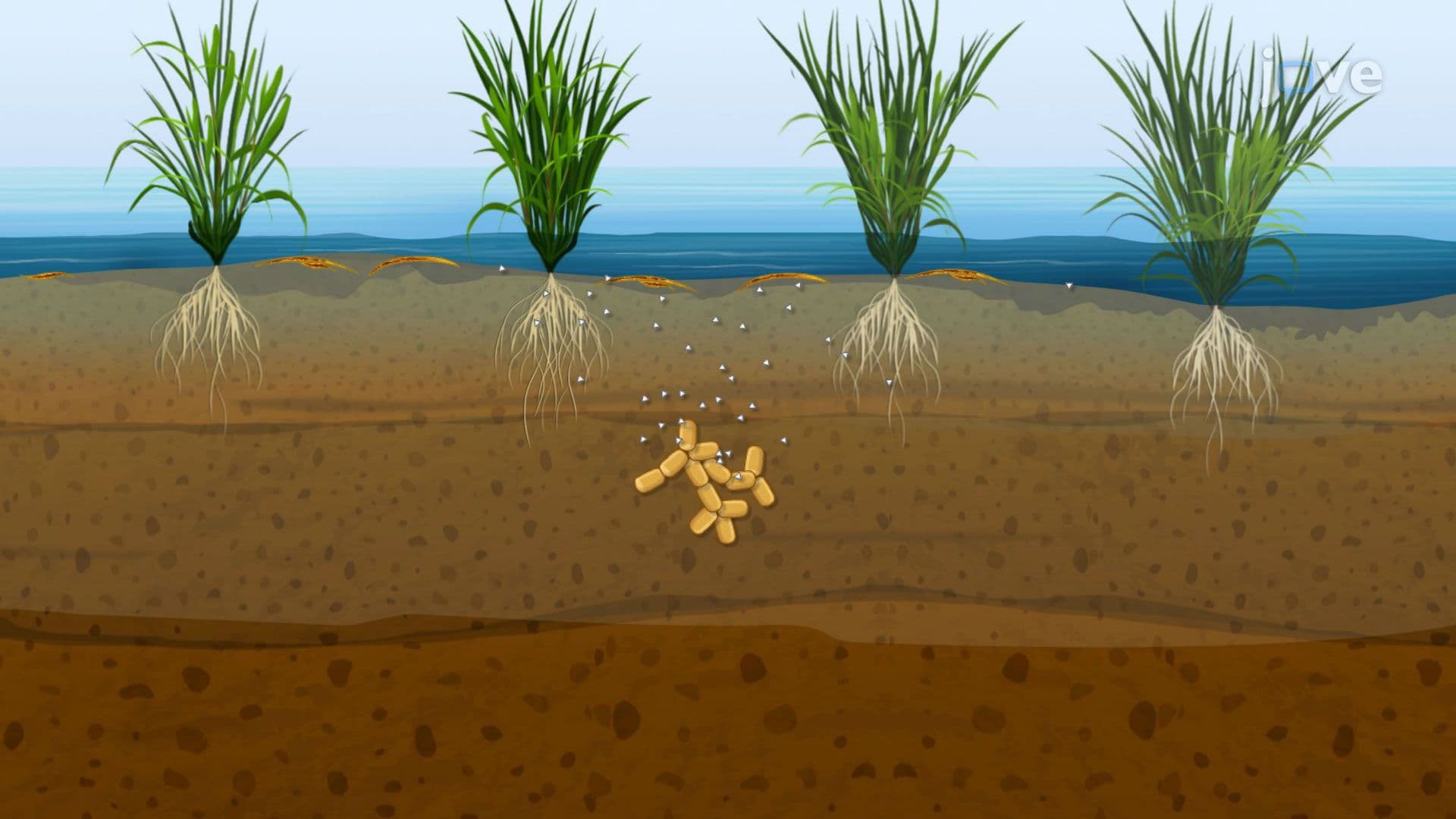
This process is also a key component of biogeochemical cycles. Nitrogen fixation by rhizobia feeds nitrogen into the soil food web, supporting microbial communities and plant ecosystems far beyond the original host plant.
Not every microbe-plant encounter produces a noticeable outcome. Neutral or commensal interactions occur when a microbe lives in or near a plant without causing measurable benefit or harm. The tomato plant's relationship with rhizobia is a textbook example: the bacteria may be present, but they do not form nodules or fix nitrogen in non-legume hosts. Both organisms simply coexist. These interactions are important to recognize because they remind students that microbial presence does not automatically mean disease or benefit, context and host specificity matter.
On the destructive end of the spectrum, some microbes actively damage plant tissues. *Agrobacterium tumefaciens* is a bacterial pathogen that enters plants through wounds, often from pruning or insect damage, and inserts DNA into the plant's genome. This genetic manipulation triggers uncontrolled cell growth, resulting in crown gall tumors that can severely weaken or kill the plant. This organism is also famously studied in biotechnology because scientists have adapted its tumor-inducing mechanism to engineer genetically modified crops.
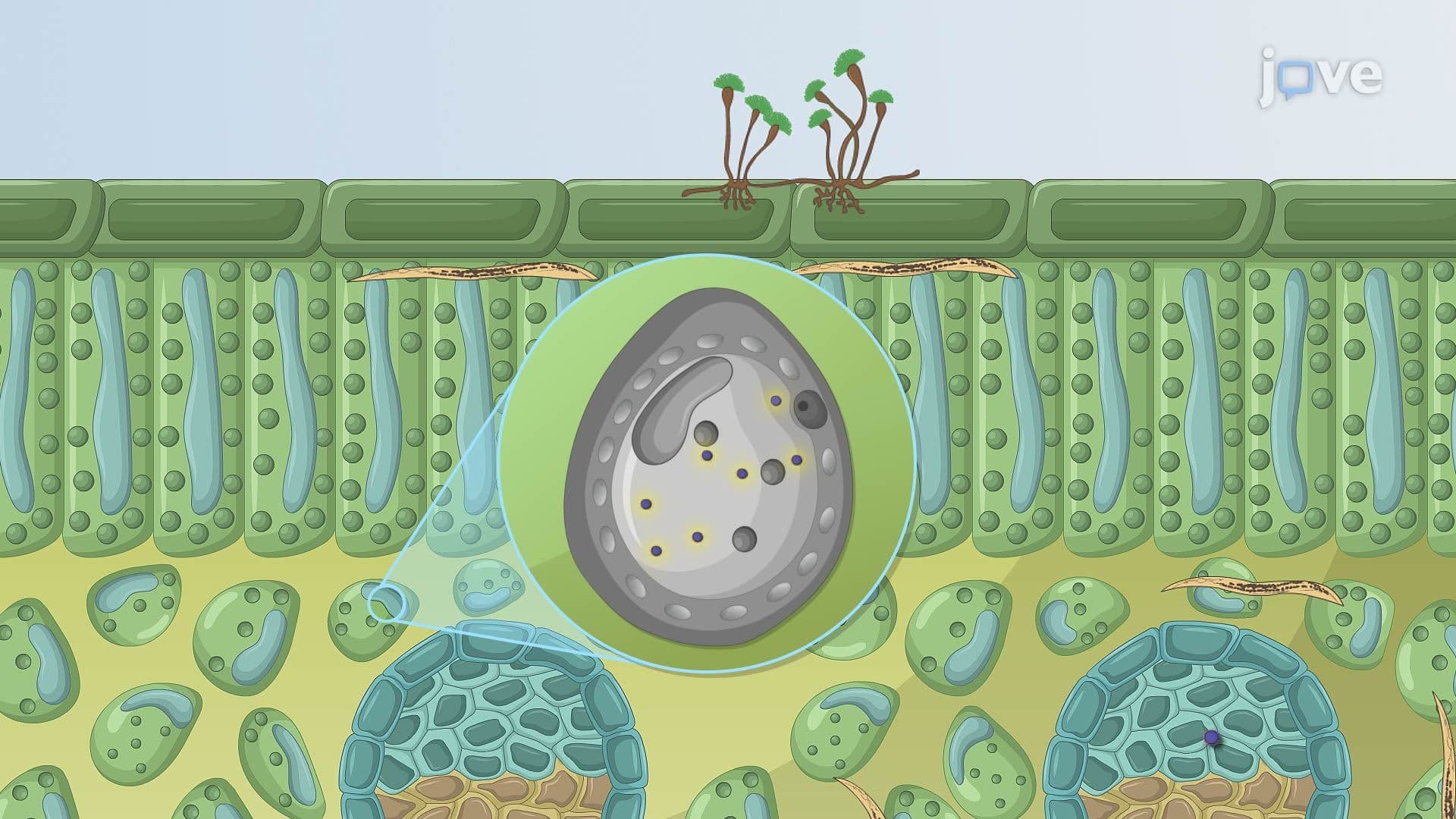
Fungal necrotrophs, like *Sclerotinia sclerotiorum* (white mold), take a more aggressive approach, releasing toxins and cell-wall-degrading enzymes that kill plant cells outright, then feeding on the dead tissue. These pathogens cause significant crop losses across US farms annually.
On the AP Biology exam, microbe-plant interactions appear in units covering ecology, energy flow, and evolution of symbiotic relationships. College microbiology and plant biology courses expand on these concepts using molecular signaling pathways and genetic analysis. Beyond exams, understanding how microbes interact with plants is foundational to careers in agriculture, environmental science, and biotechnology, fields that are growing rapidly across the United States.
Related Micro-courses